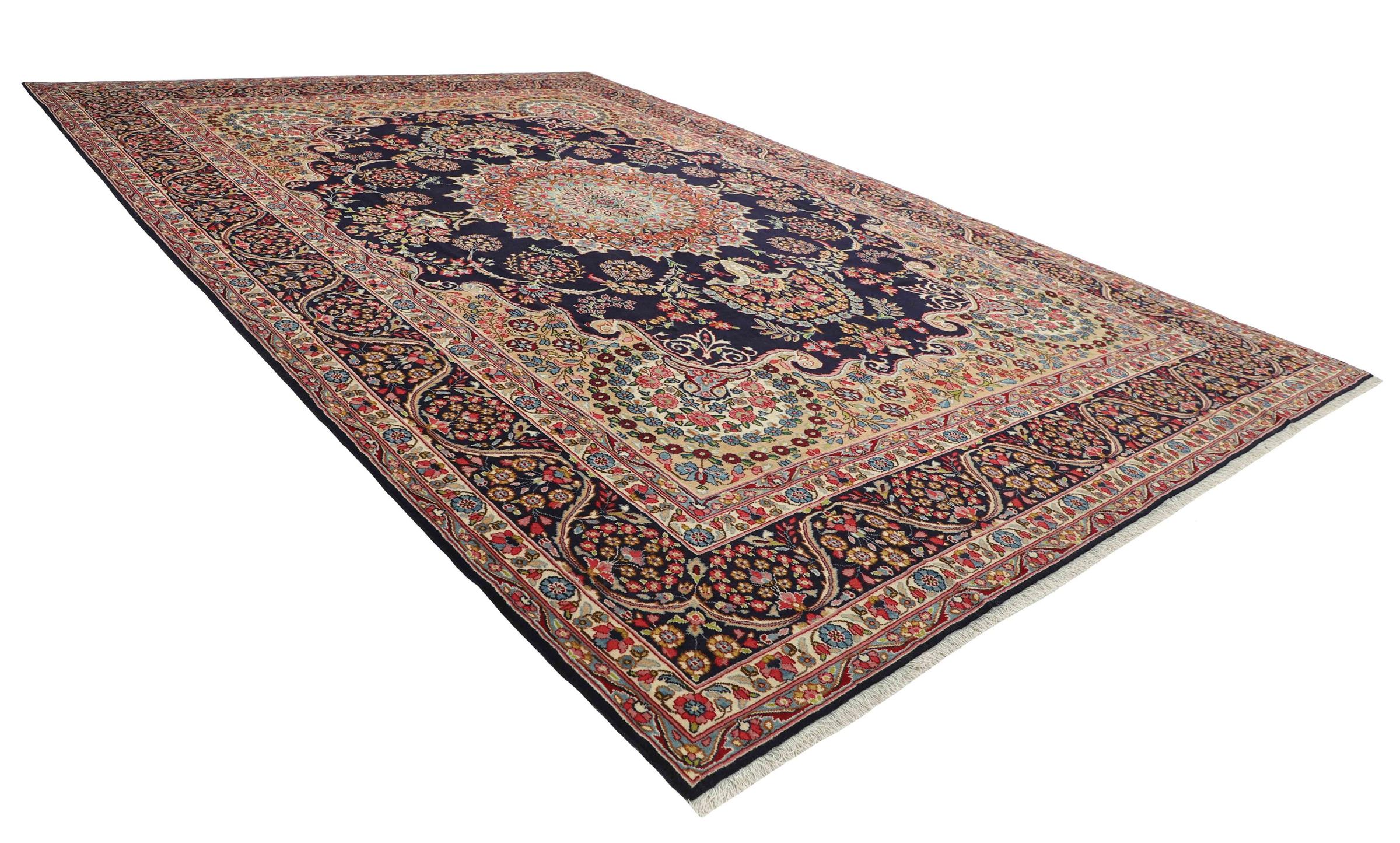
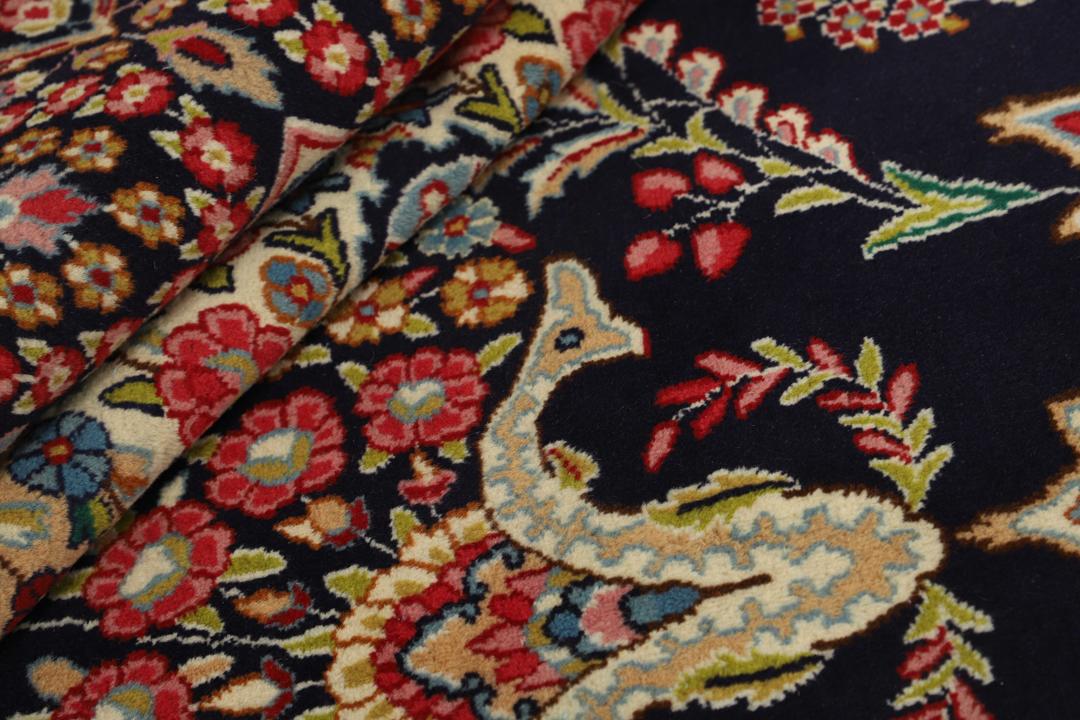
Kerman rugs originate from the desert city of Kerman in the Middle East, a region with a long-standing reputation for producing some of the most sophisticated and artistic floor coverings in the world. Historically, these rugs were highly prized by the royal courts and nobility, known for their elaborate designs that often drew inspiration from nature and classical art.
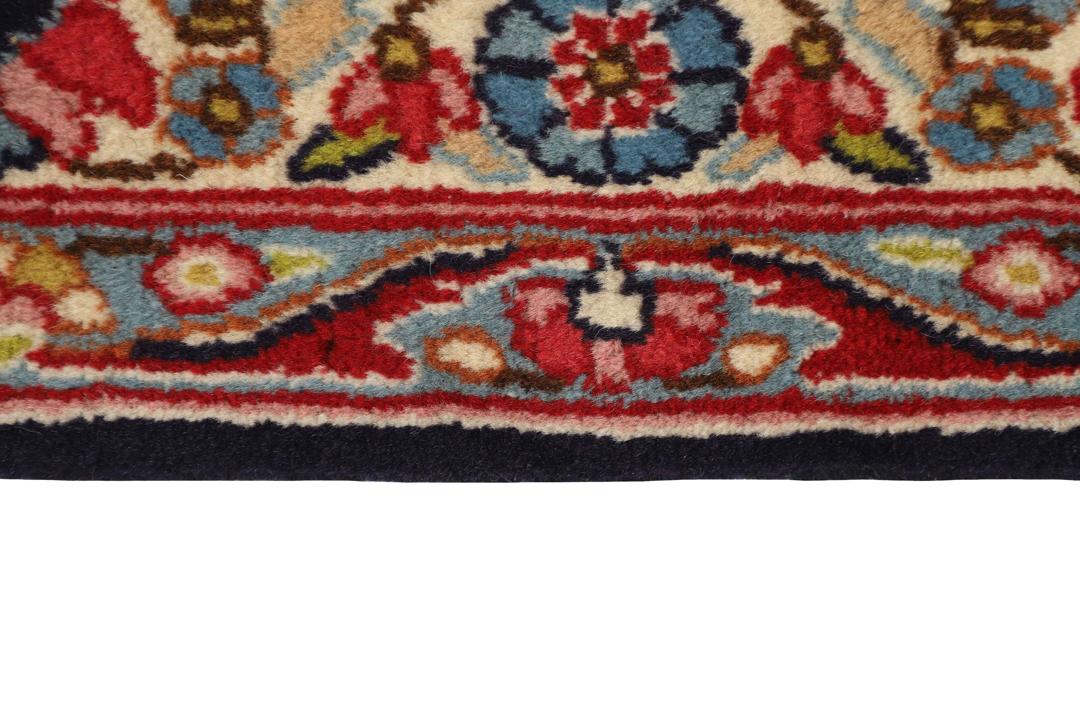
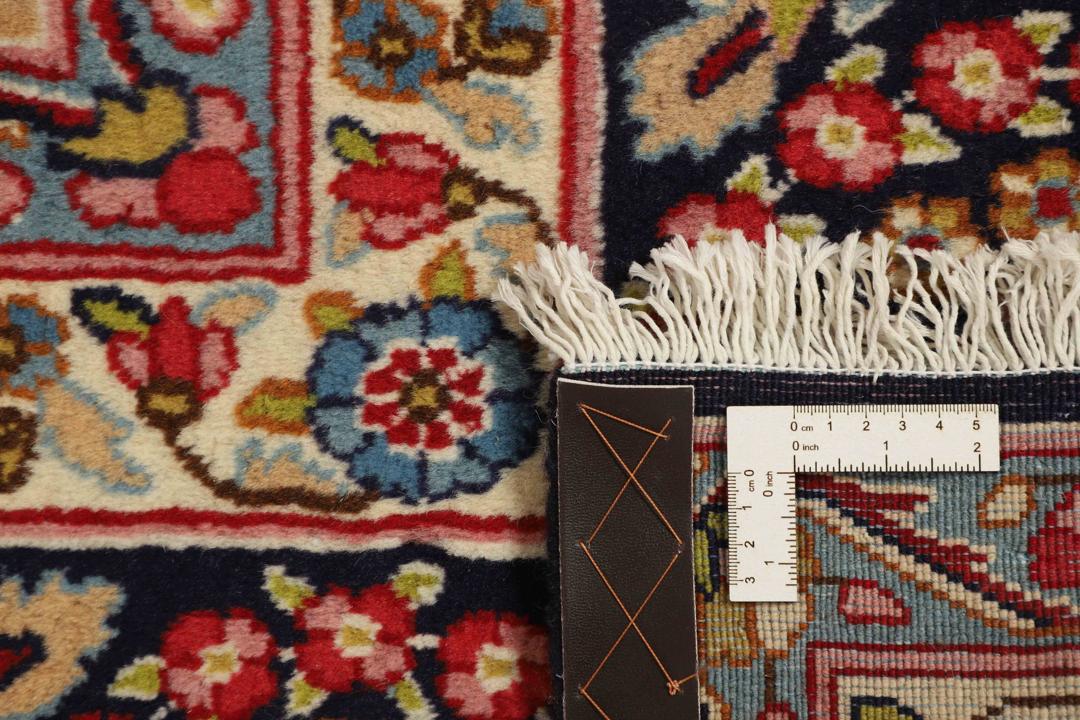
The craft of Kerman weaving is defined by a deep understanding of complex floral compositions and the use of high-quality materials. These rugs are traditionally known for their soft, Wool pile and durable foundation, which allow for the intricate, curvilinear patterns that distinguish them from the more geometric, tribal styles found in other regions.
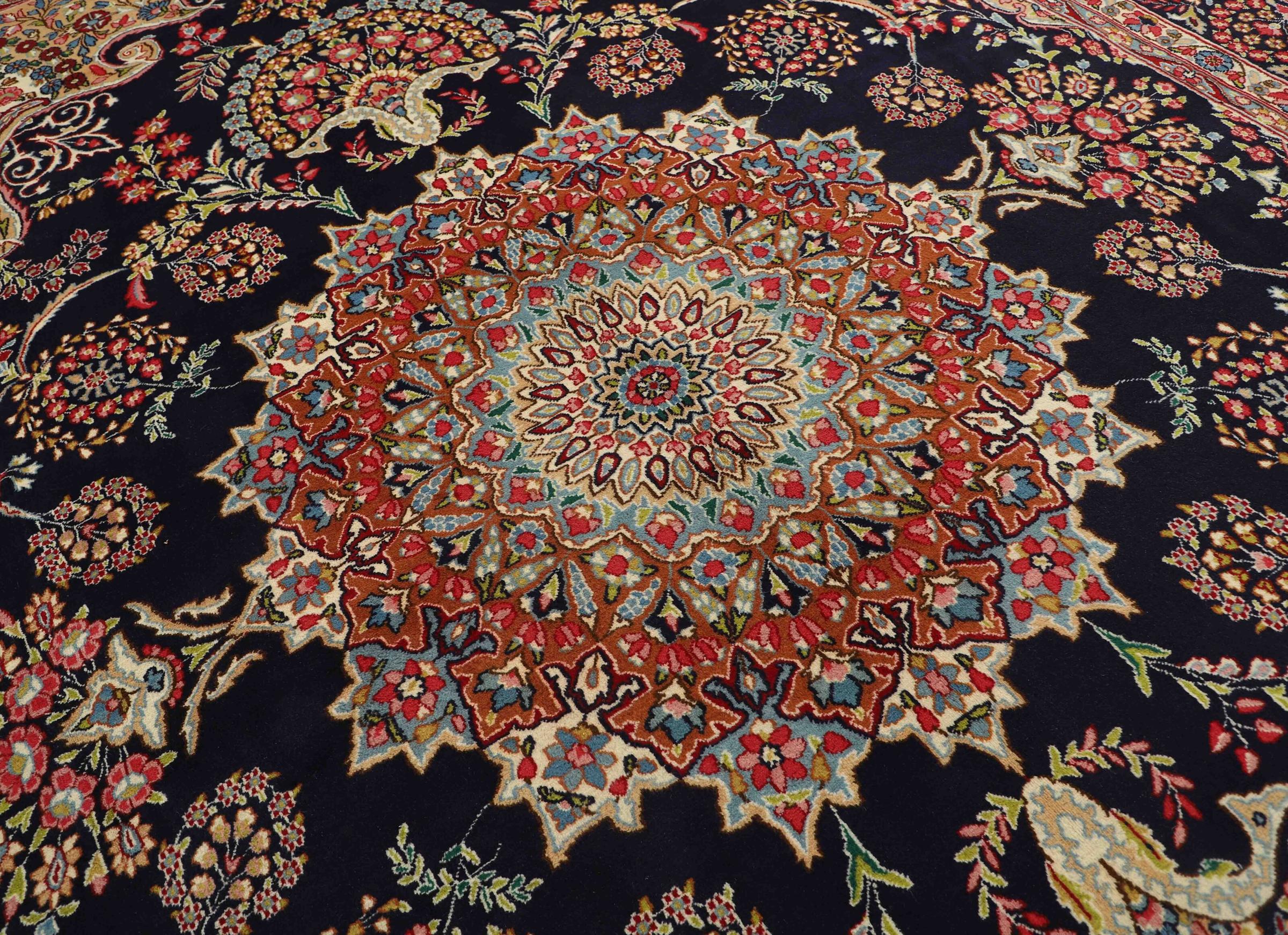
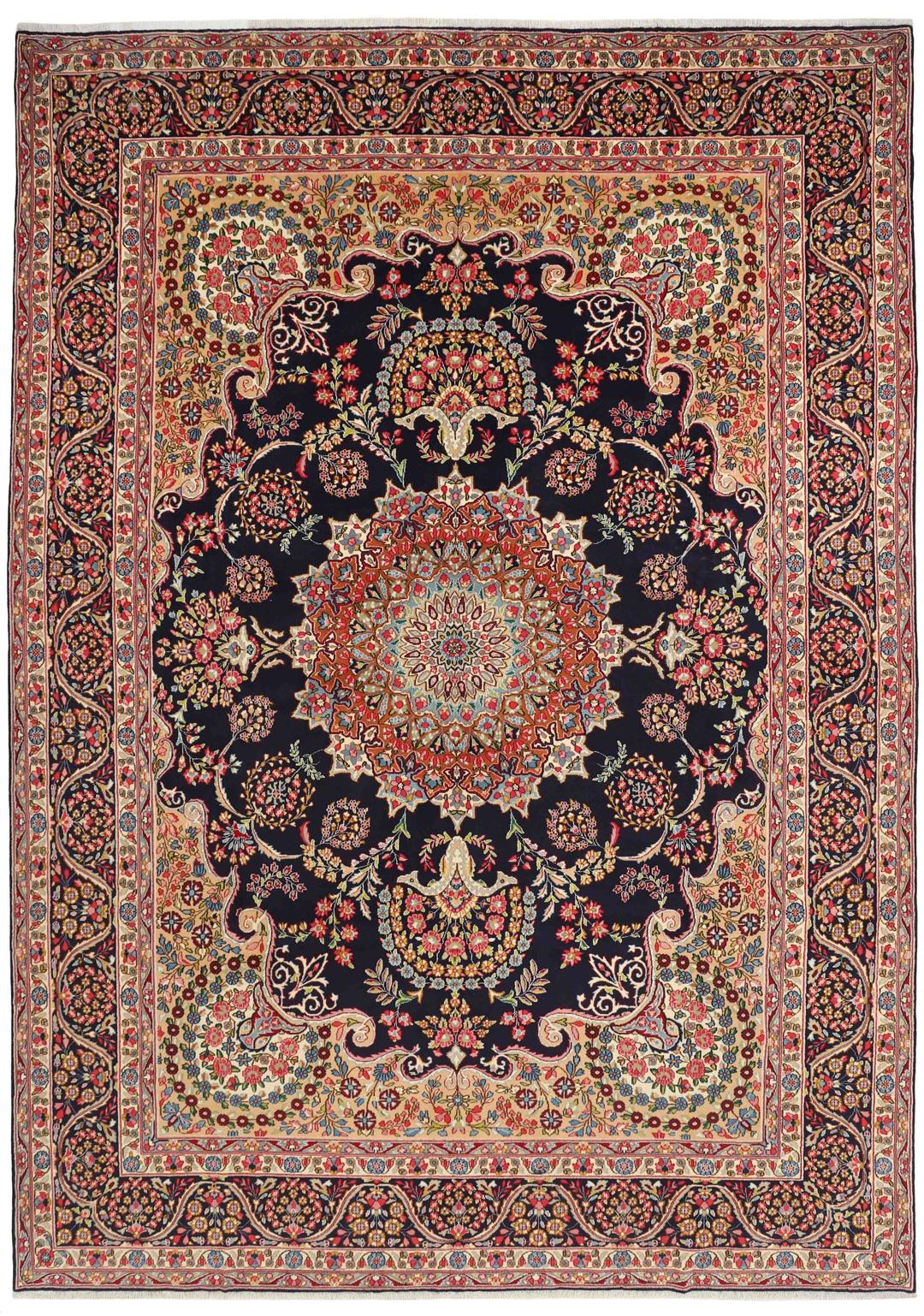
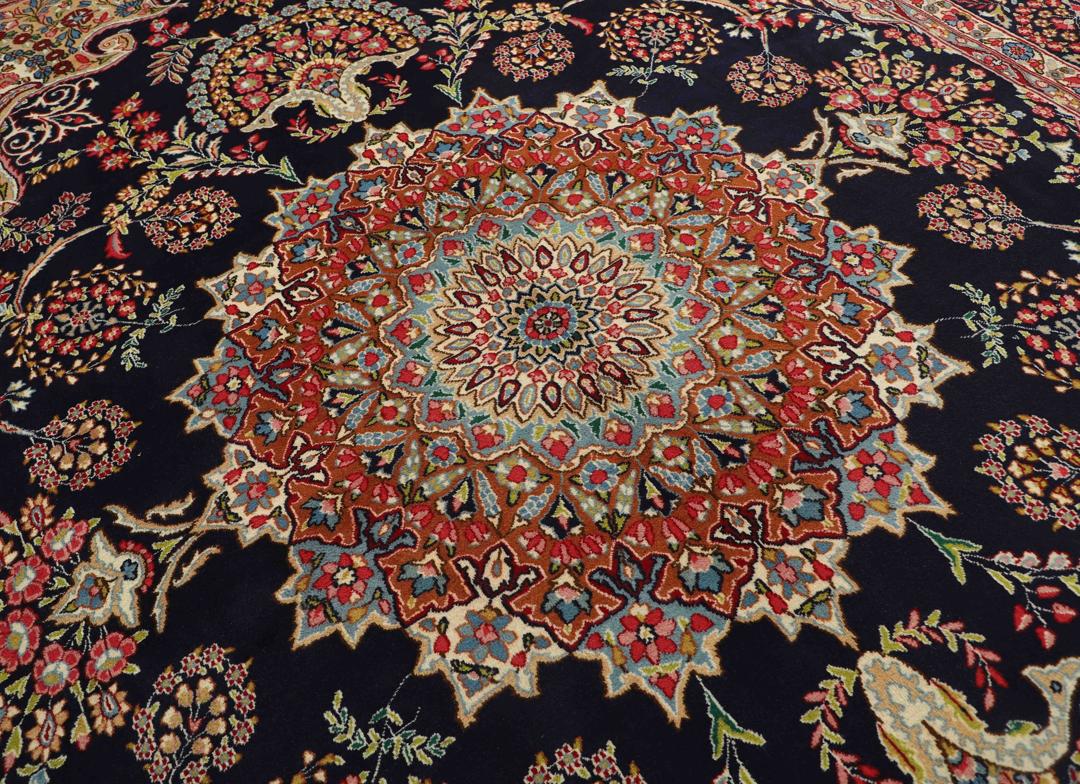
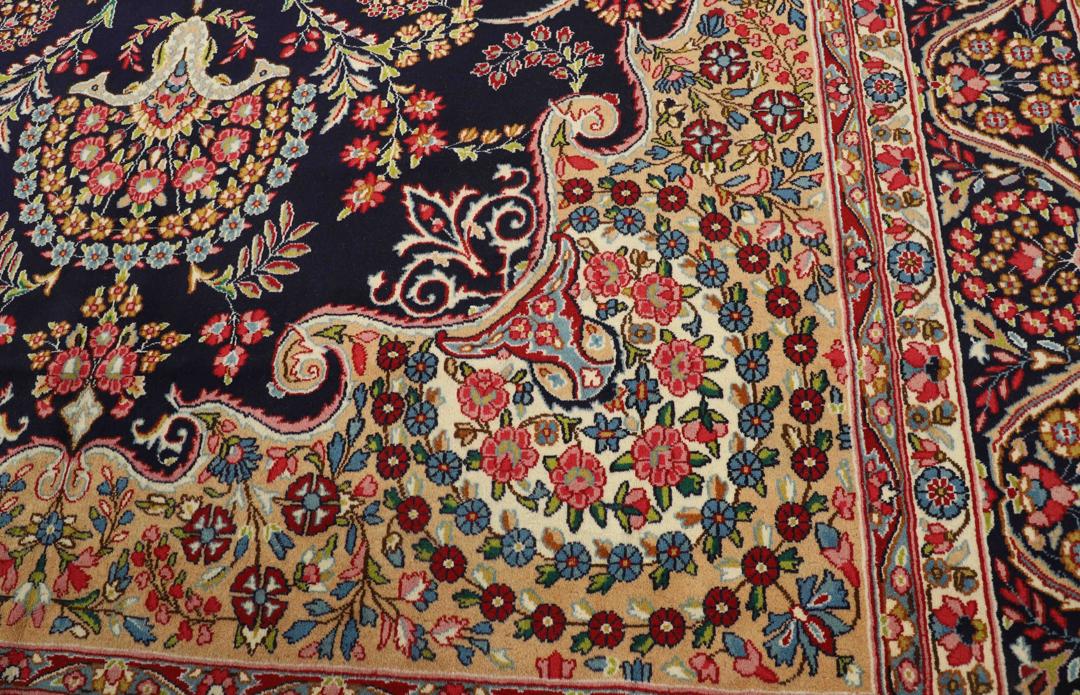
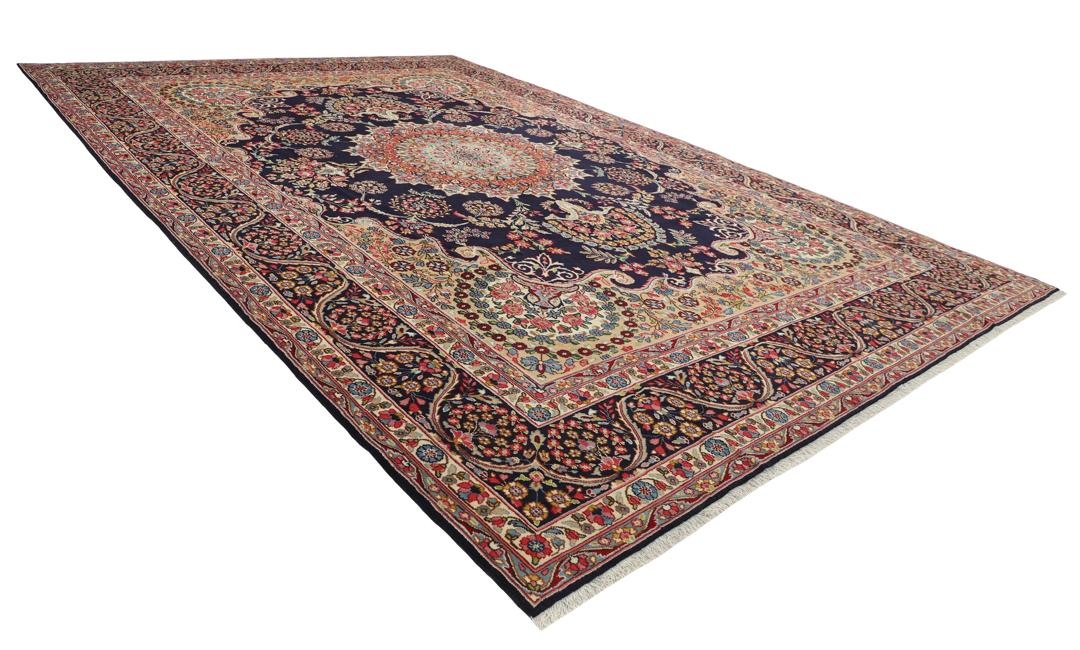
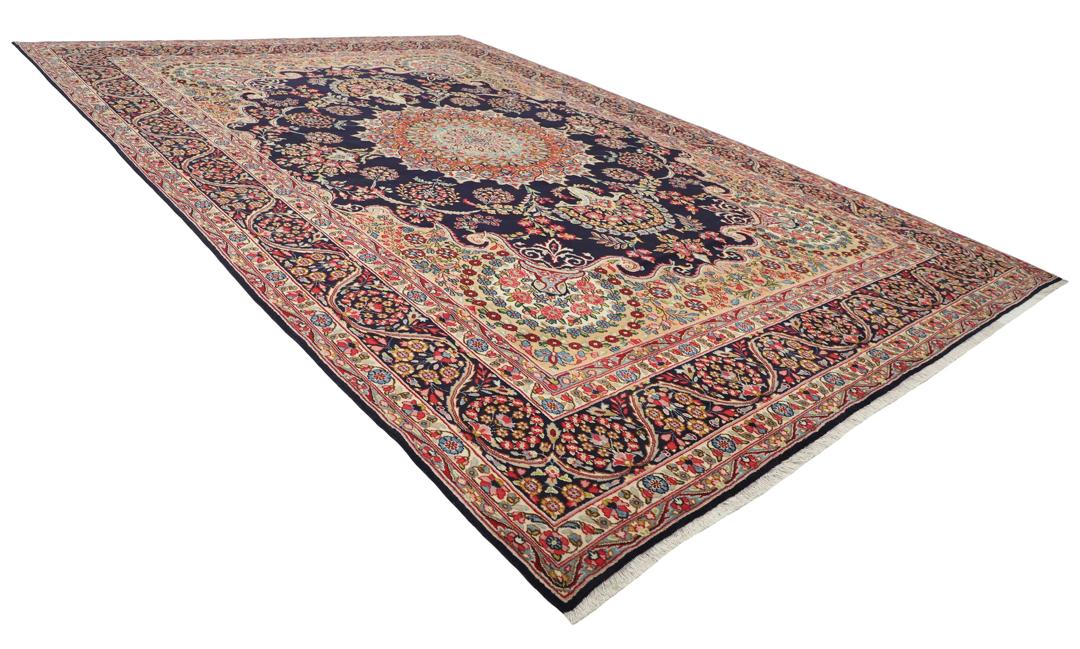
Signature design elements of the Kerman tradition include the central medallion, which is often surrounded by a sea of delicate blossoms, vines, and palmettes. While the traditional palette often features soft tones, this particular piece utilises a striking contrast, making the floral motifs stand out with a clarity and vibrancy that highlights the weaver's mastery of colour and composition.
Owning a Kerman rug is more than just acquiring a piece of decor; it is an investment in cultural heritage. These rugs are highly sought after by collectors for their blend of technical perfection and artistic expression, representing a tradition of craftsmanship that has been passed down through generations, ensuring that each piece remains a testament to human ingenuity.