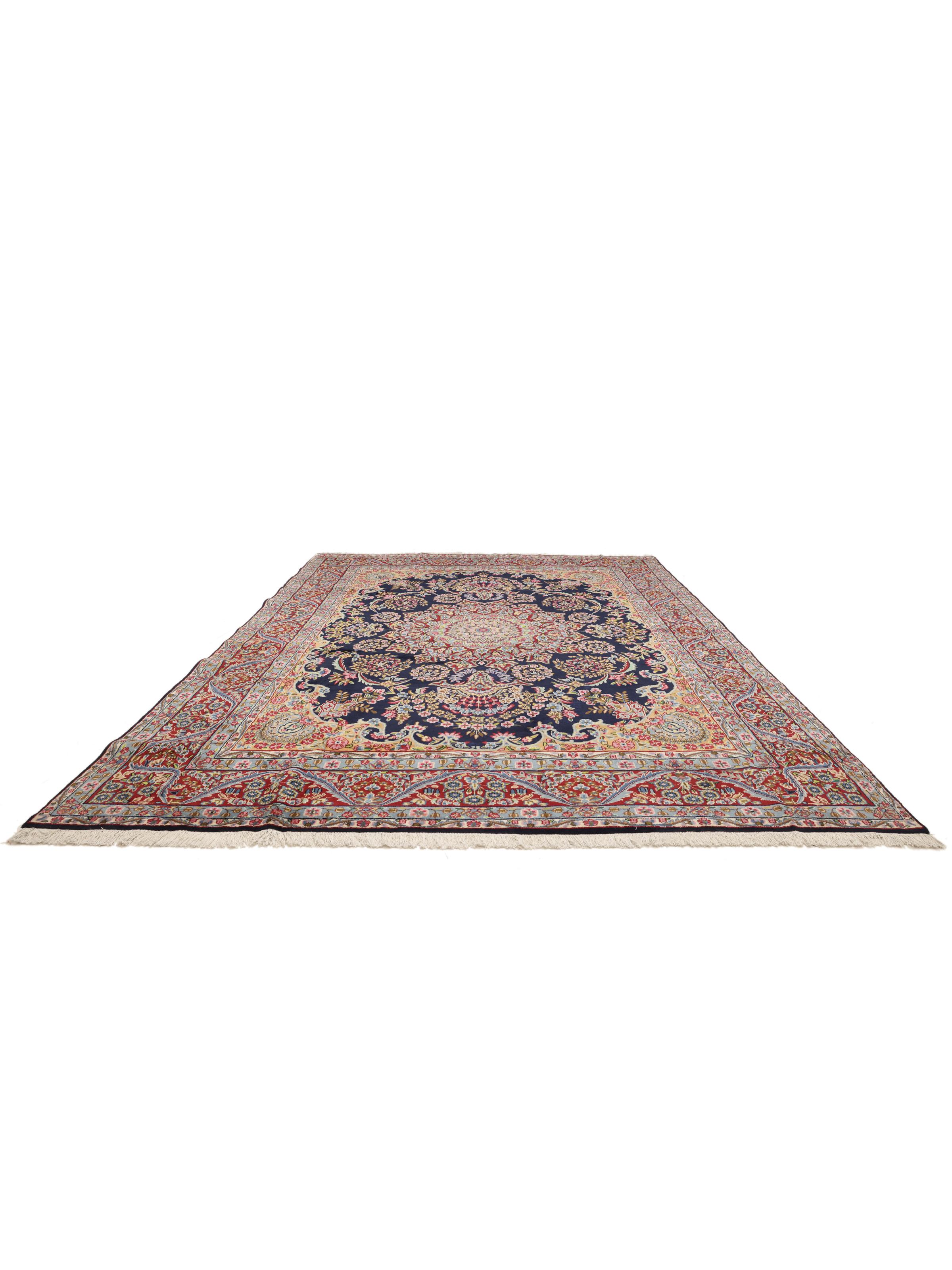
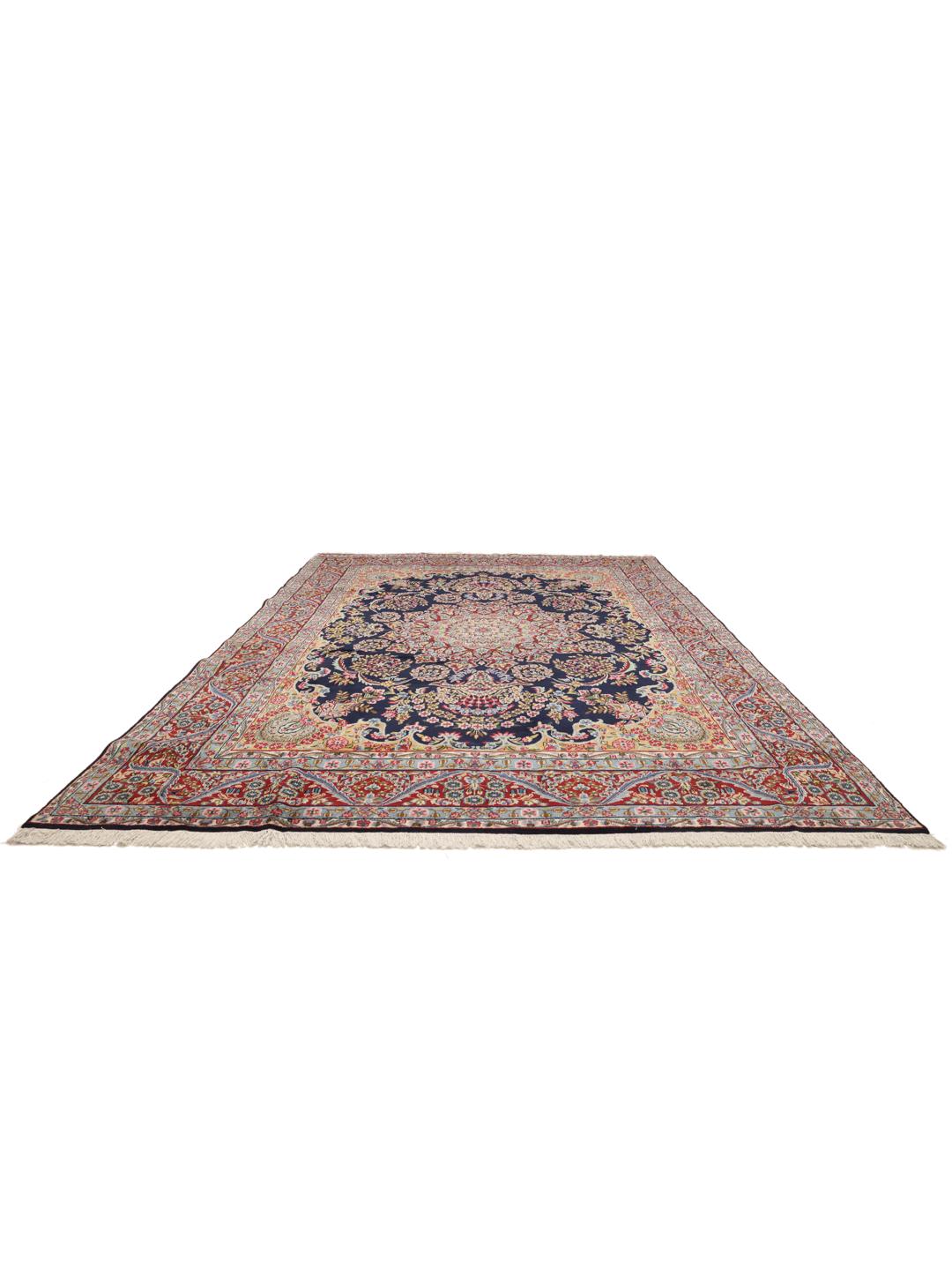
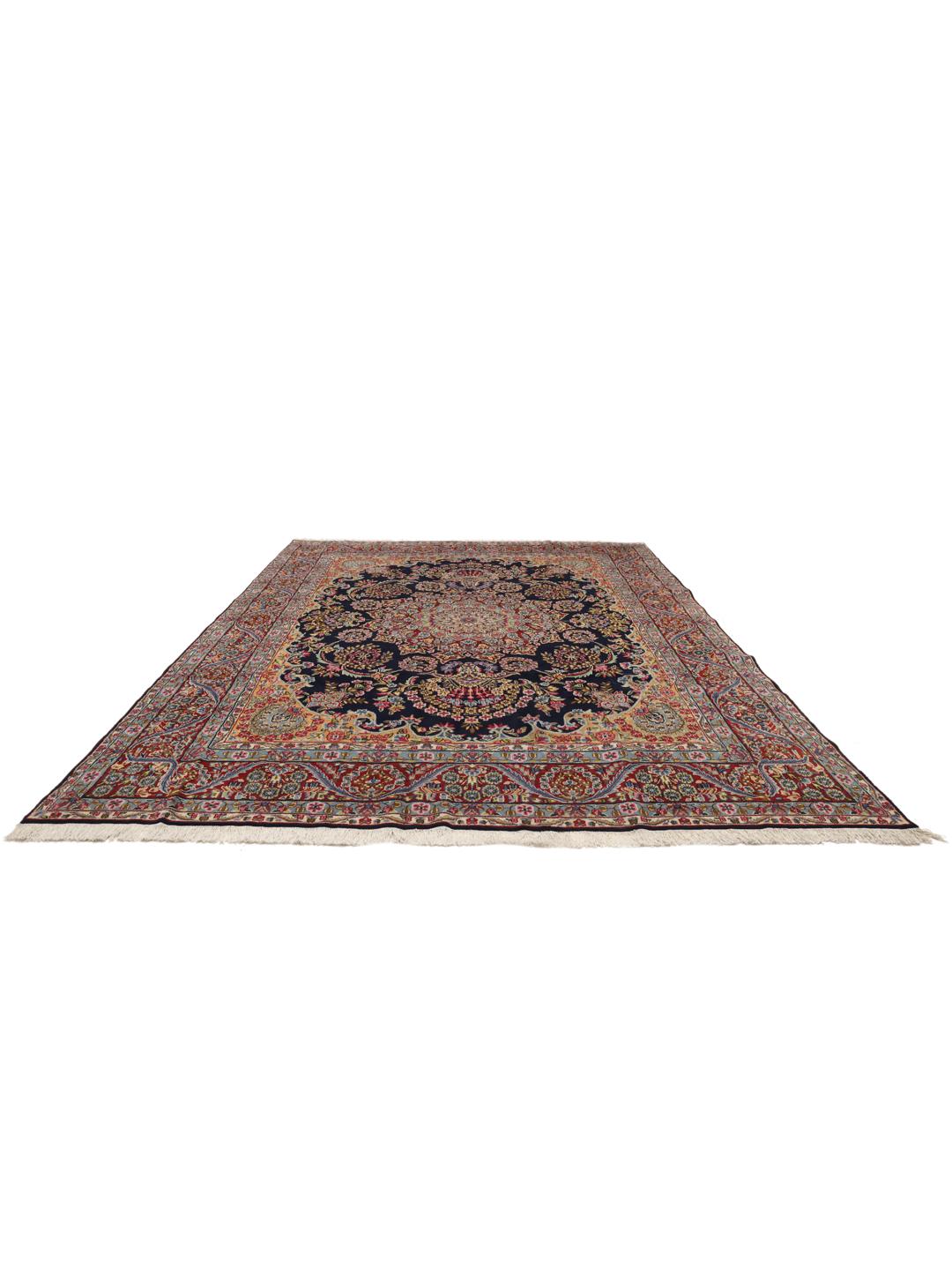
Kerman rugs originate from the southeastern region of the Middle East, a desert area that has been a significant centre for textile weaving since the 16th century. The region is historically renowned for its ability to produce some of the finest, most intricate floor coverings, often commissioned for royal courts and grand estates due to their superior artistic quality.
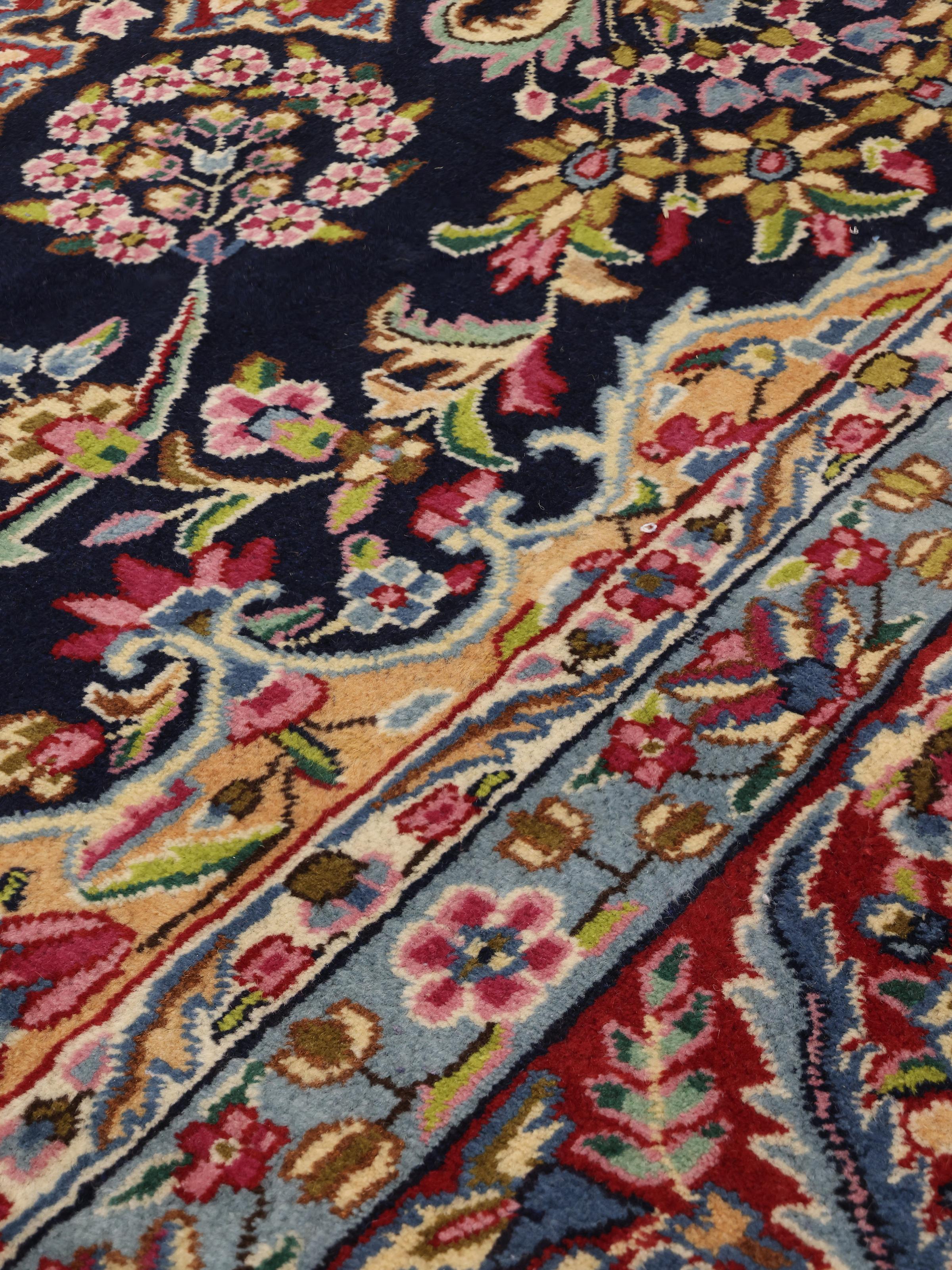
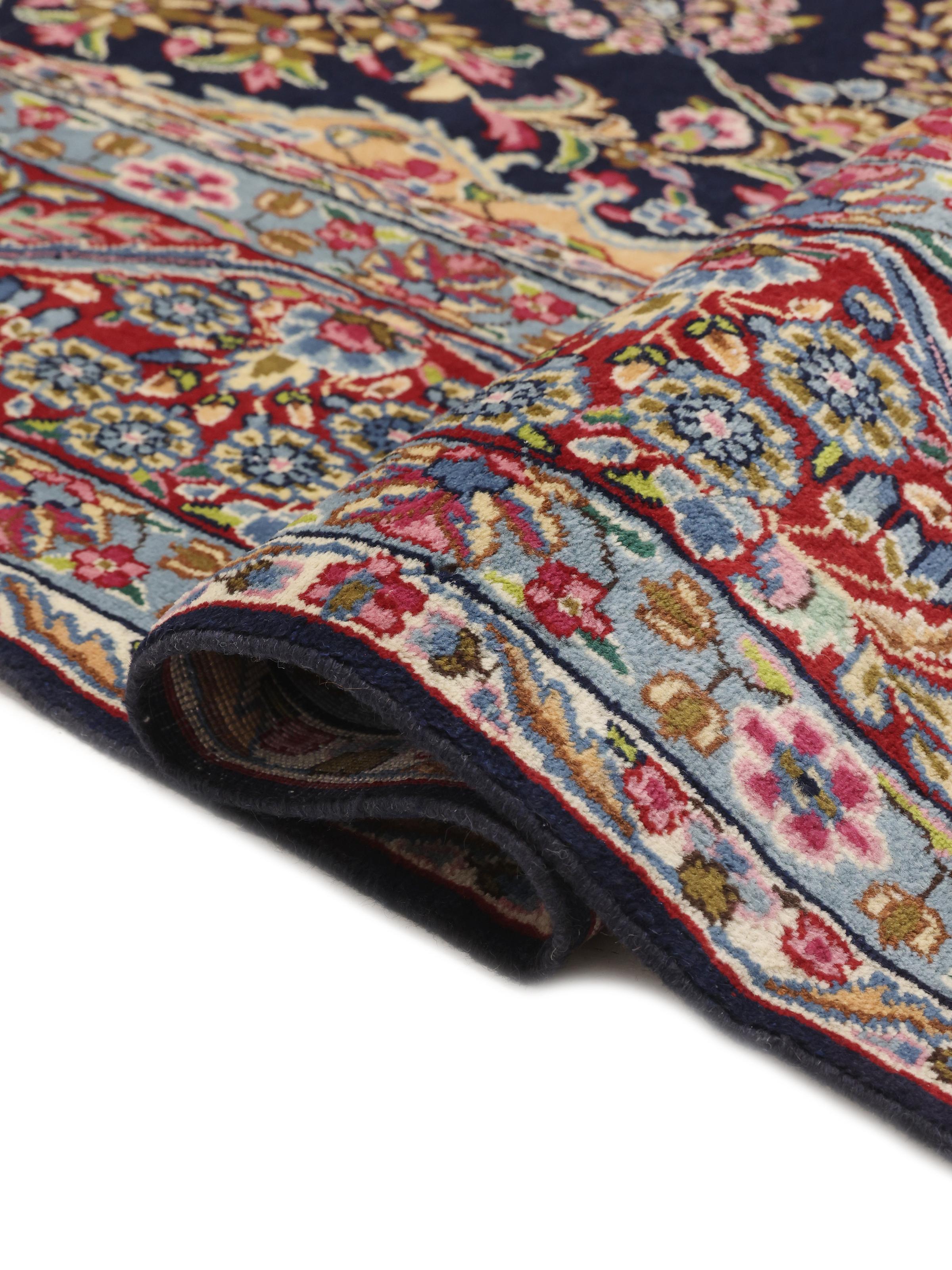
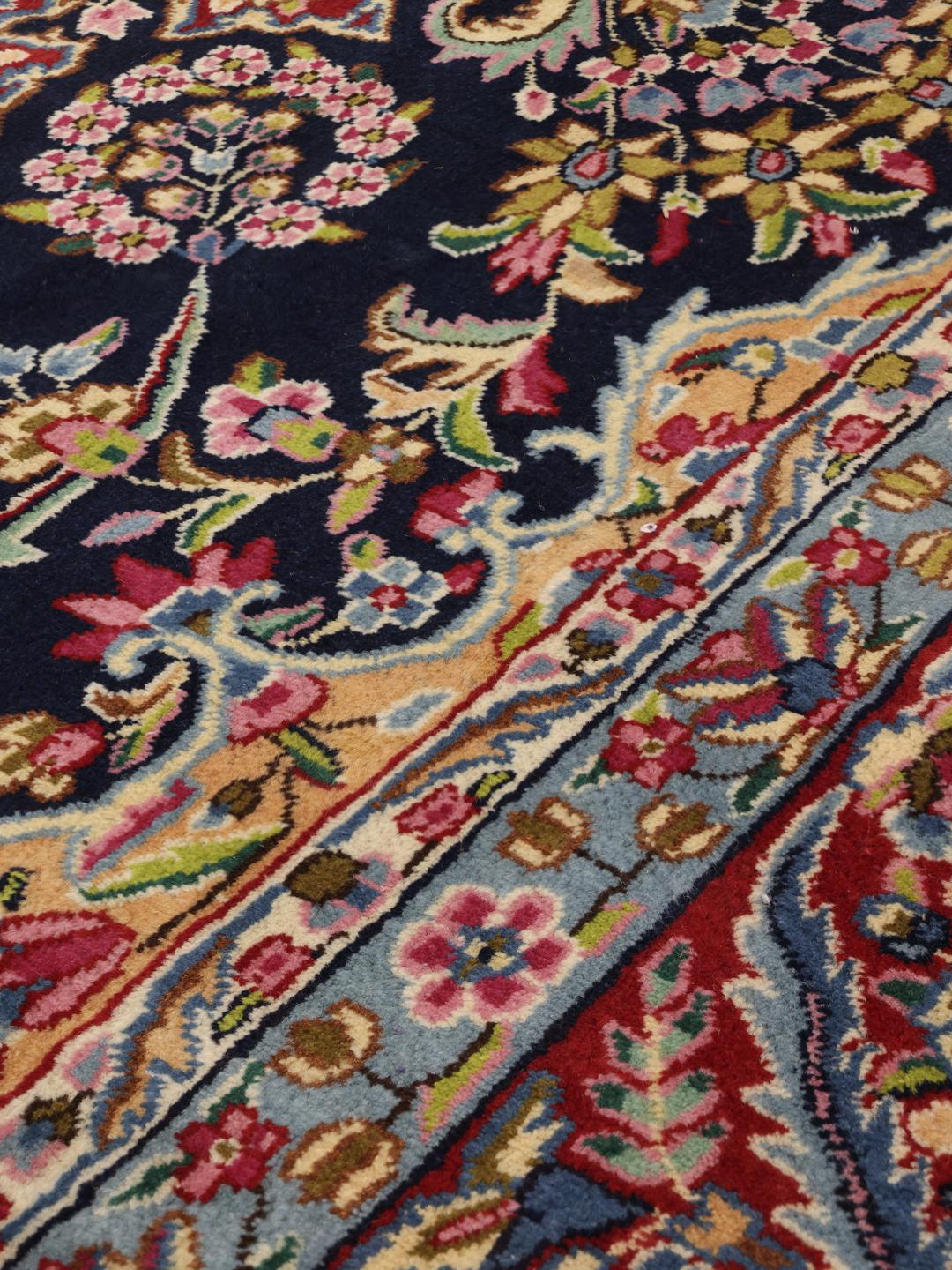
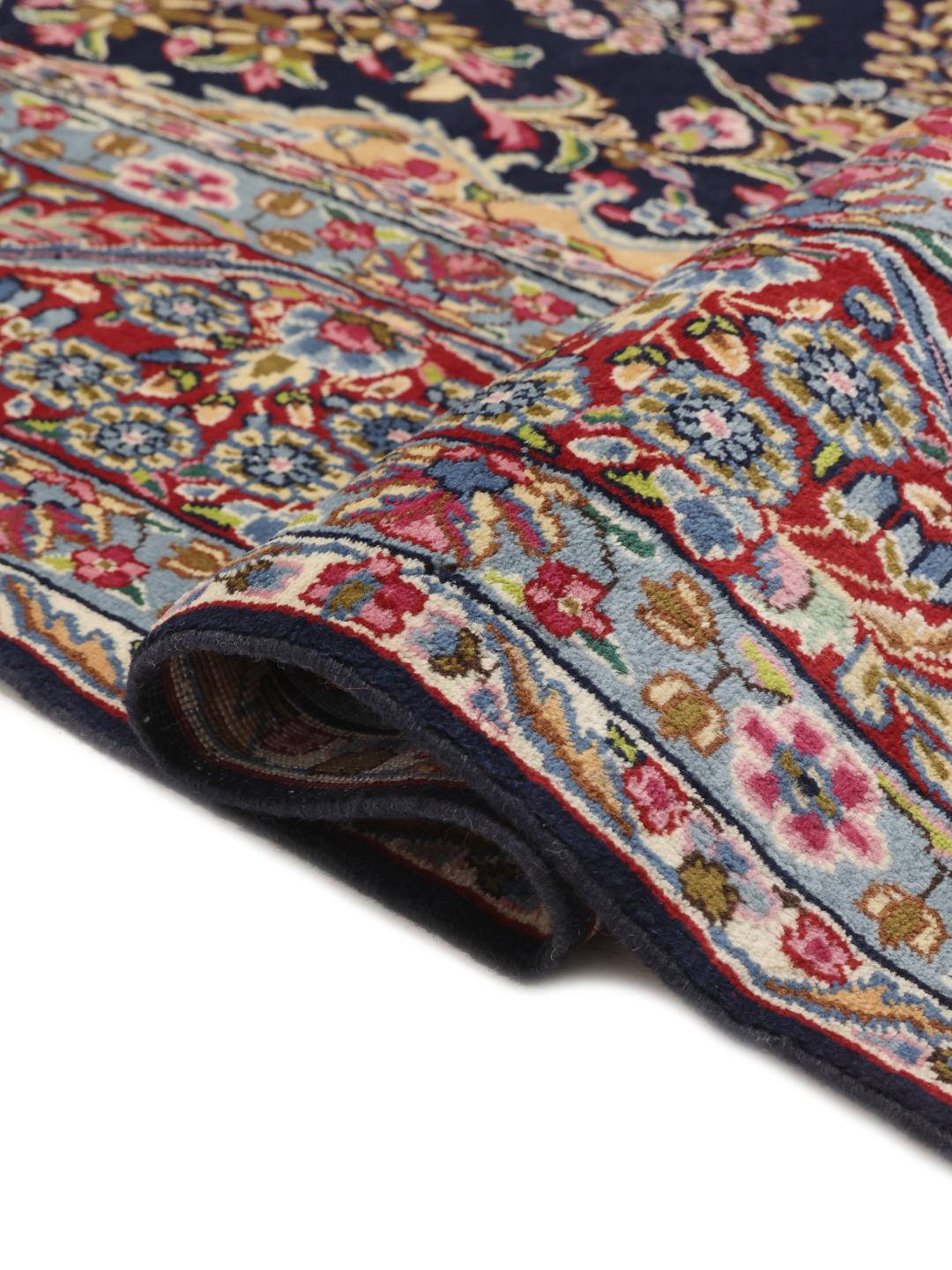
The terminology surrounding these rugs often highlights the skill of the weavers in creating delicate, curvilinear patterns that mimic botanical illustrations. This level of detail is achieved through a combination of fine Wool and a precise knotting technique that allows for fluid, organic shapes, distinguishing them from the more rigid, geometric styles found in nomadic traditions.
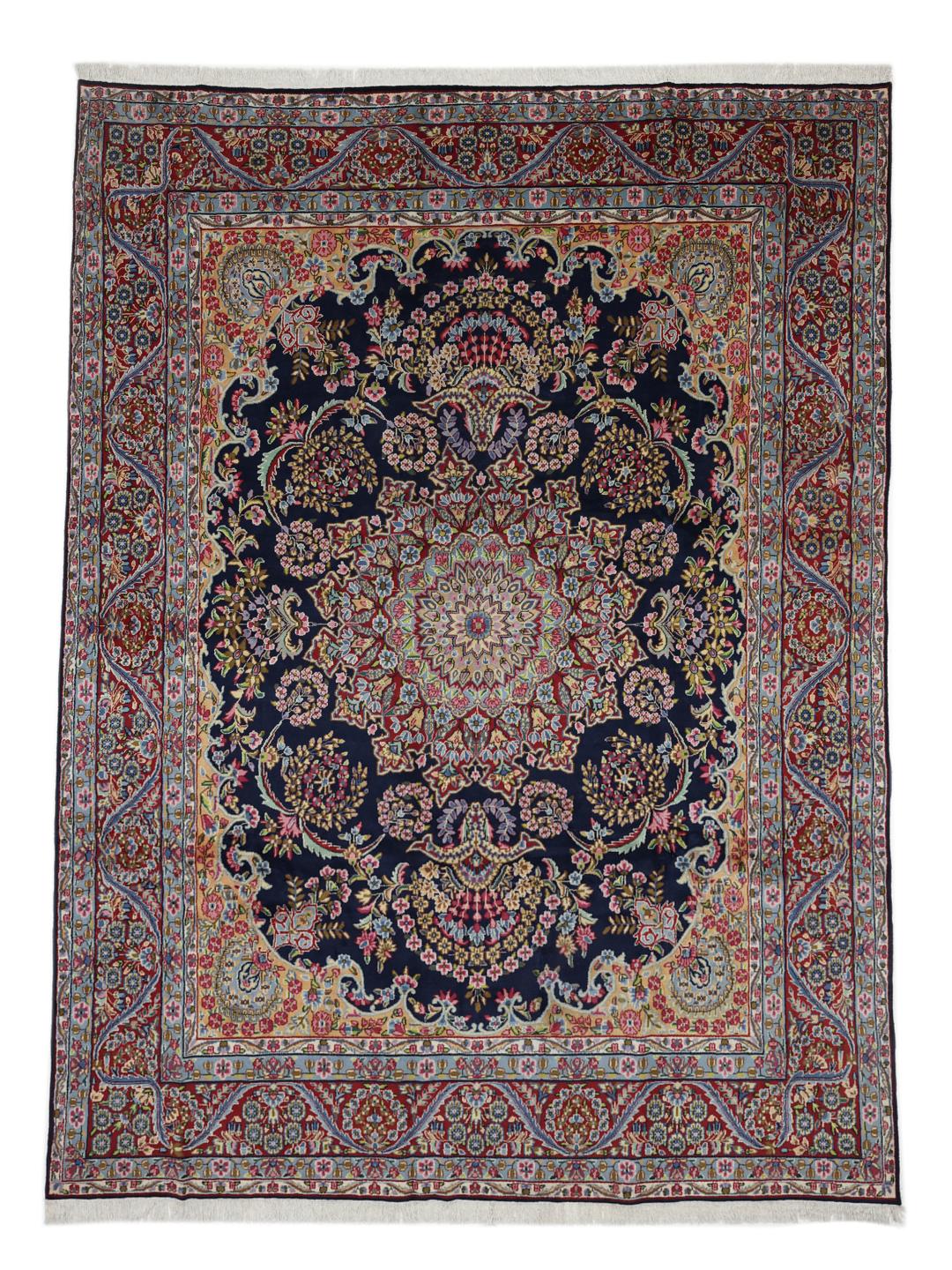
Signature design elements in Kerman rugs frequently include the classic medallion, often adorned with elaborate floral scrolls, vines, and palmettes. The borders are typically just as detailed as the field, featuring repeating floral motifs that frame the central composition. The colour traditions are equally distinct, often utilising a wide spectrum of natural dyes to achieve a balanced, harmonious aesthetic.
Owning a piece from this tradition is considered a mark of appreciation for historical craftsmanship. These rugs are highly valued by collectors for their ability to bridge the gap between traditional artistry and decorative utility. By acquiring a Kerman, you are preserving a cultural legacy that has been refined over centuries by generations of master weavers.