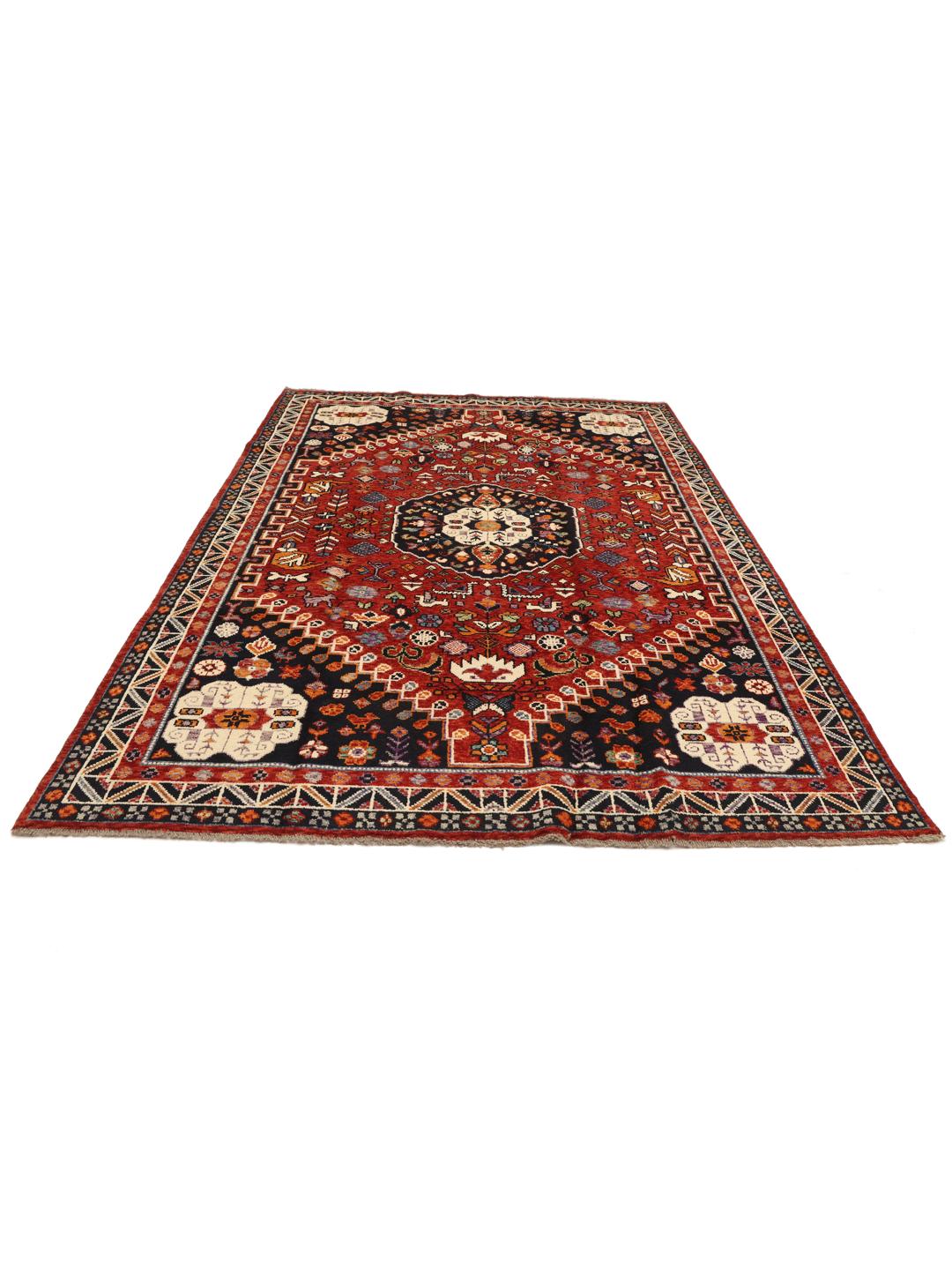
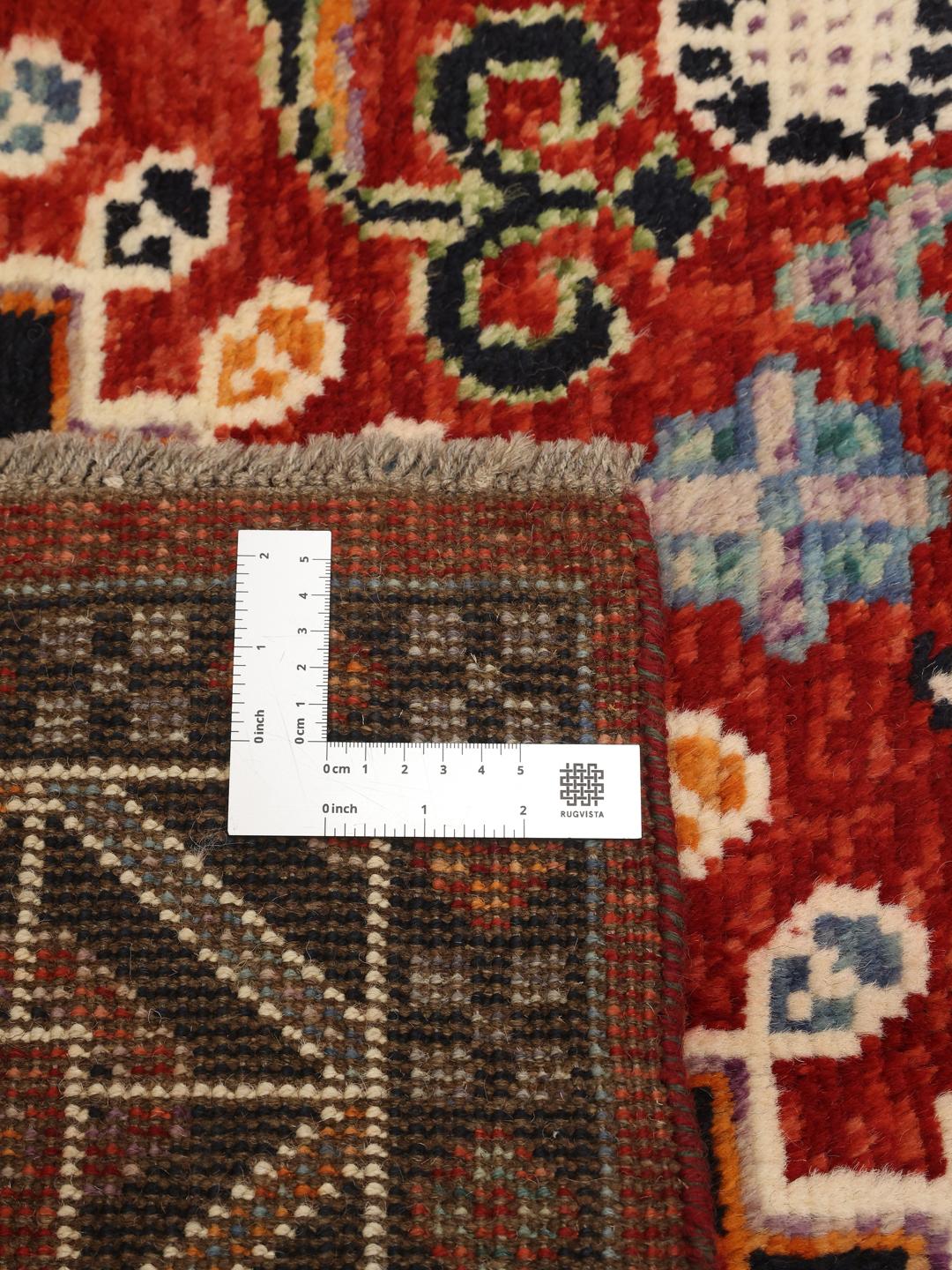
Kazak rugs originate from the Caucasus region, a mountainous area known for its rich weaving history and distinct, bold design language. While the tradition began in the Caucasus, the craft has evolved and flourished in Afghanistan, where weavers have masterfully kept these ancient techniques alive. The migration of these styles reflects the movement of nomadic and semi-nomadic tribes who carried their patterns and methods across borders, preserving their cultural identity through their looms.
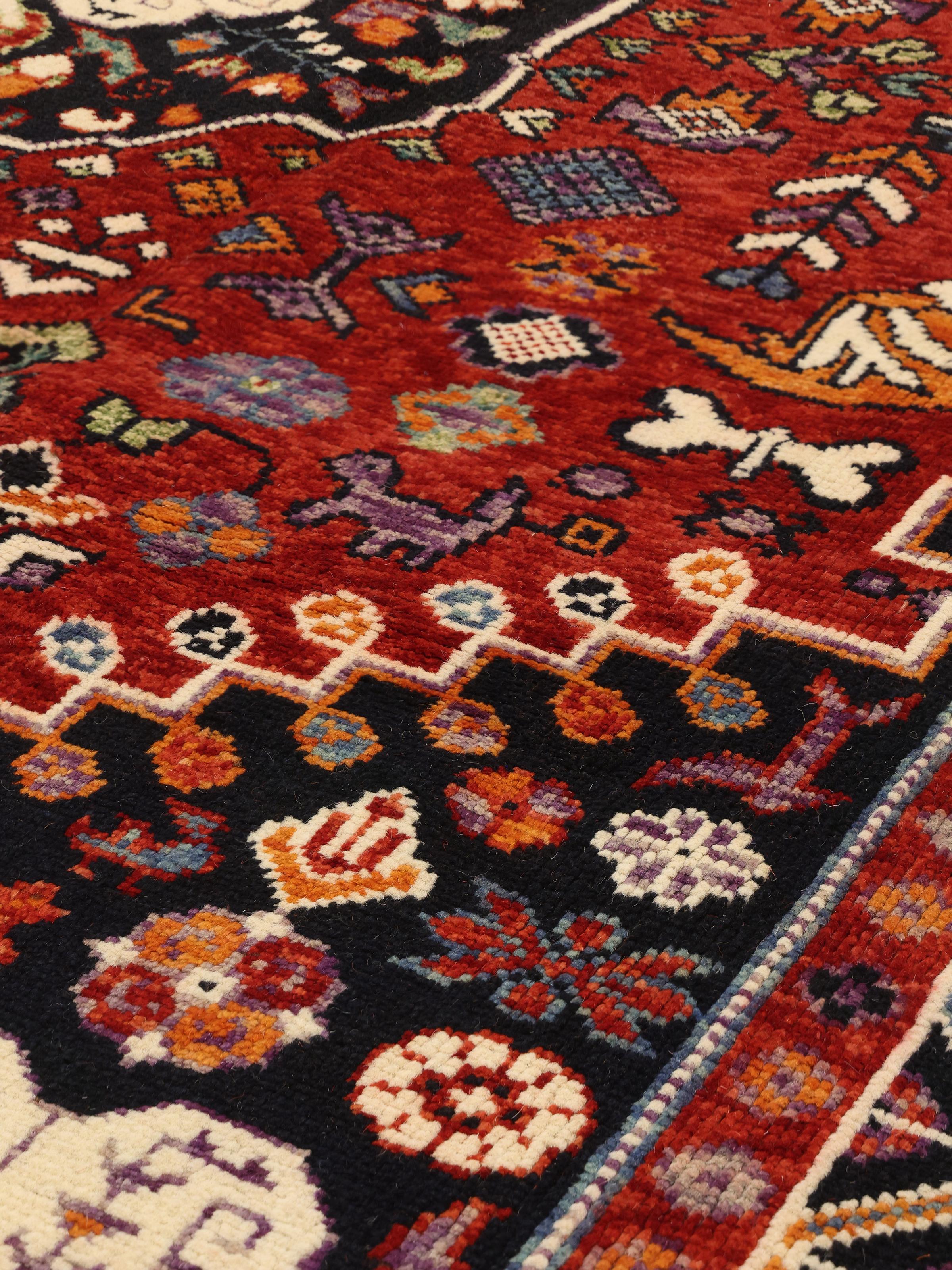
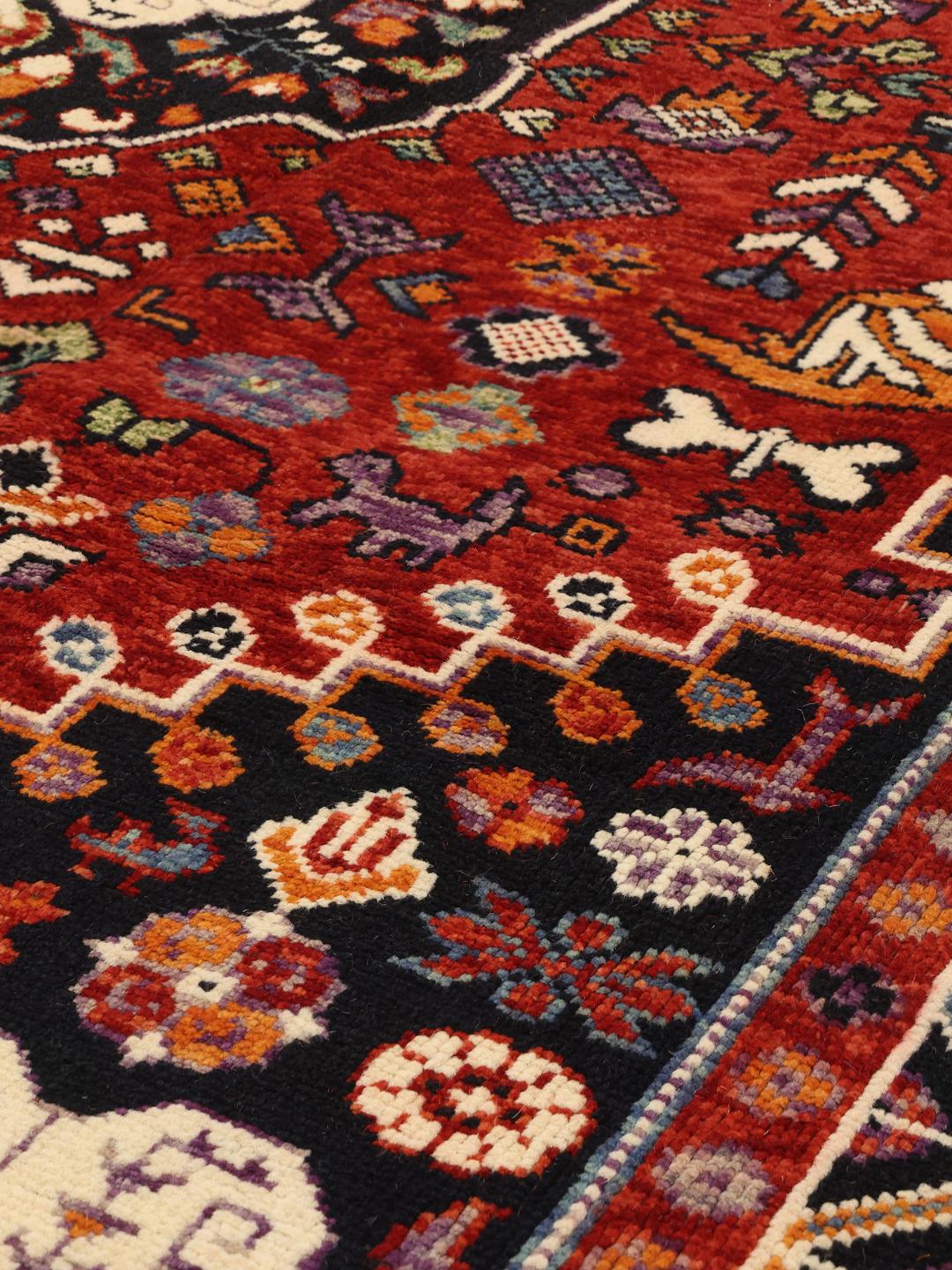
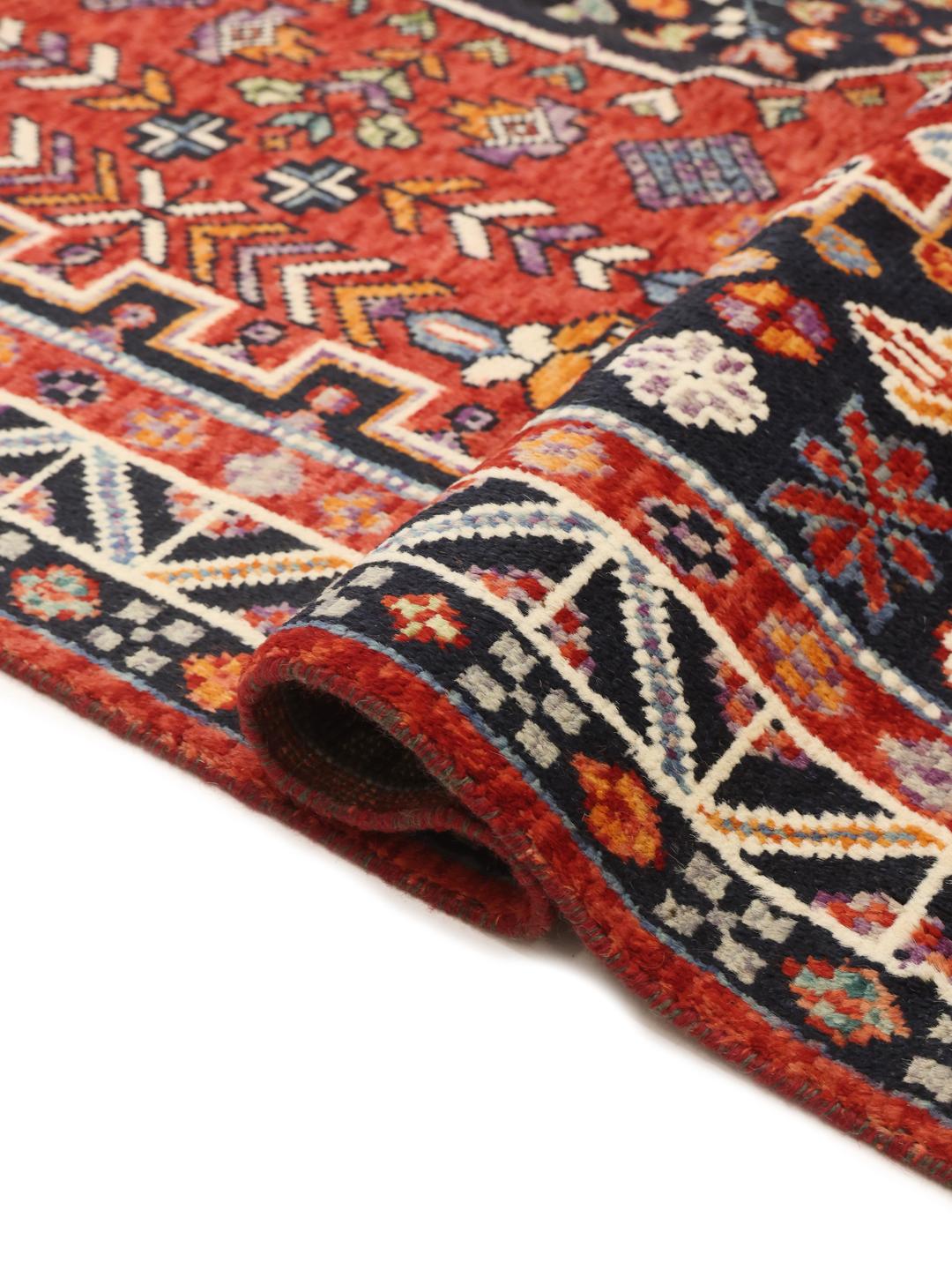
The term Kazak refers to a style characterised by its geometric precision and use of bold, saturated colours. These rugs are typically hand-knotted, a process that yields a dense and durable pile. This construction is highly valued because it creates a resilient surface that resists wear while maintaining its vibrant colours, ensuring that the rug remains a beautiful part of a home for many years.
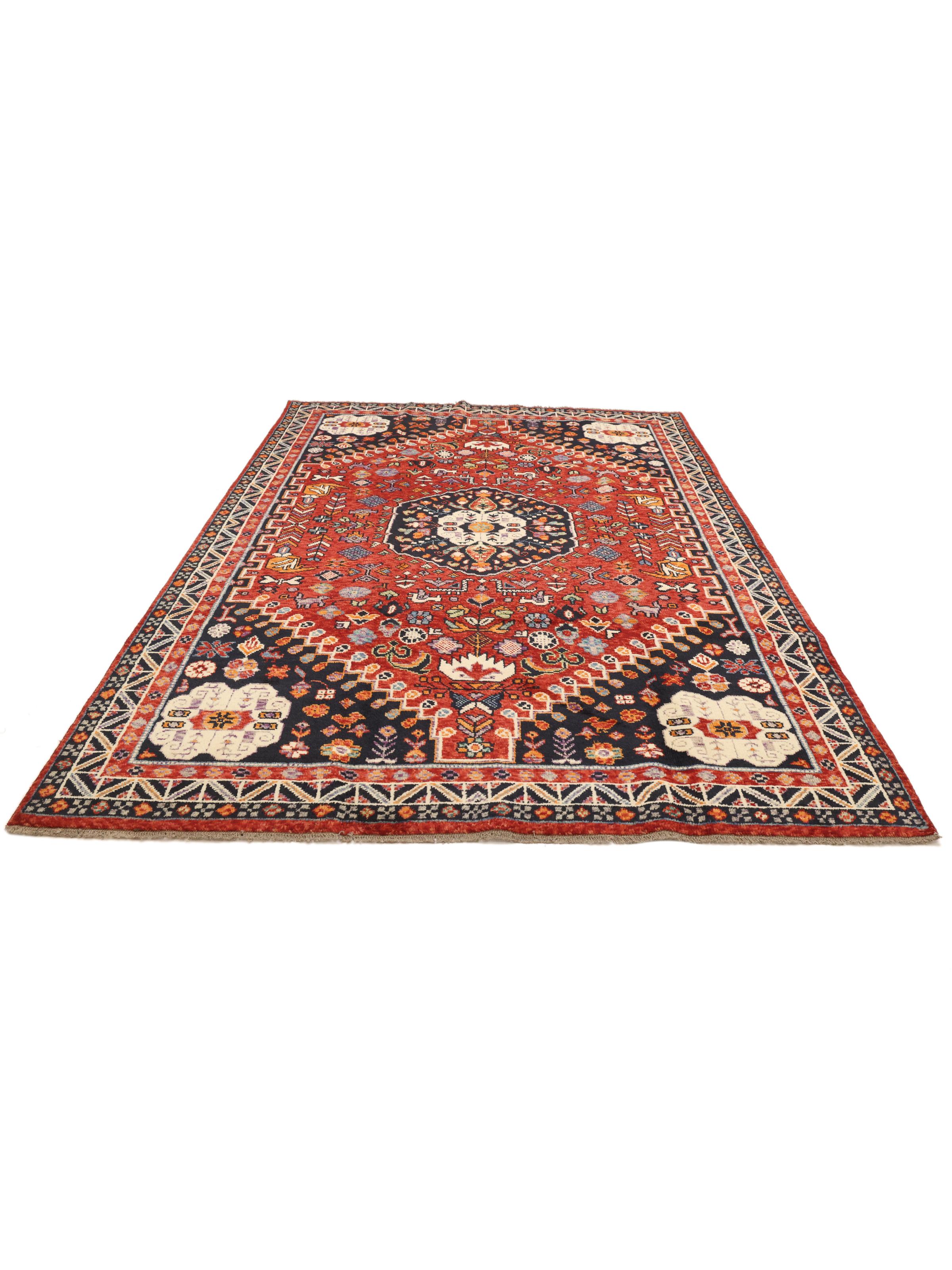
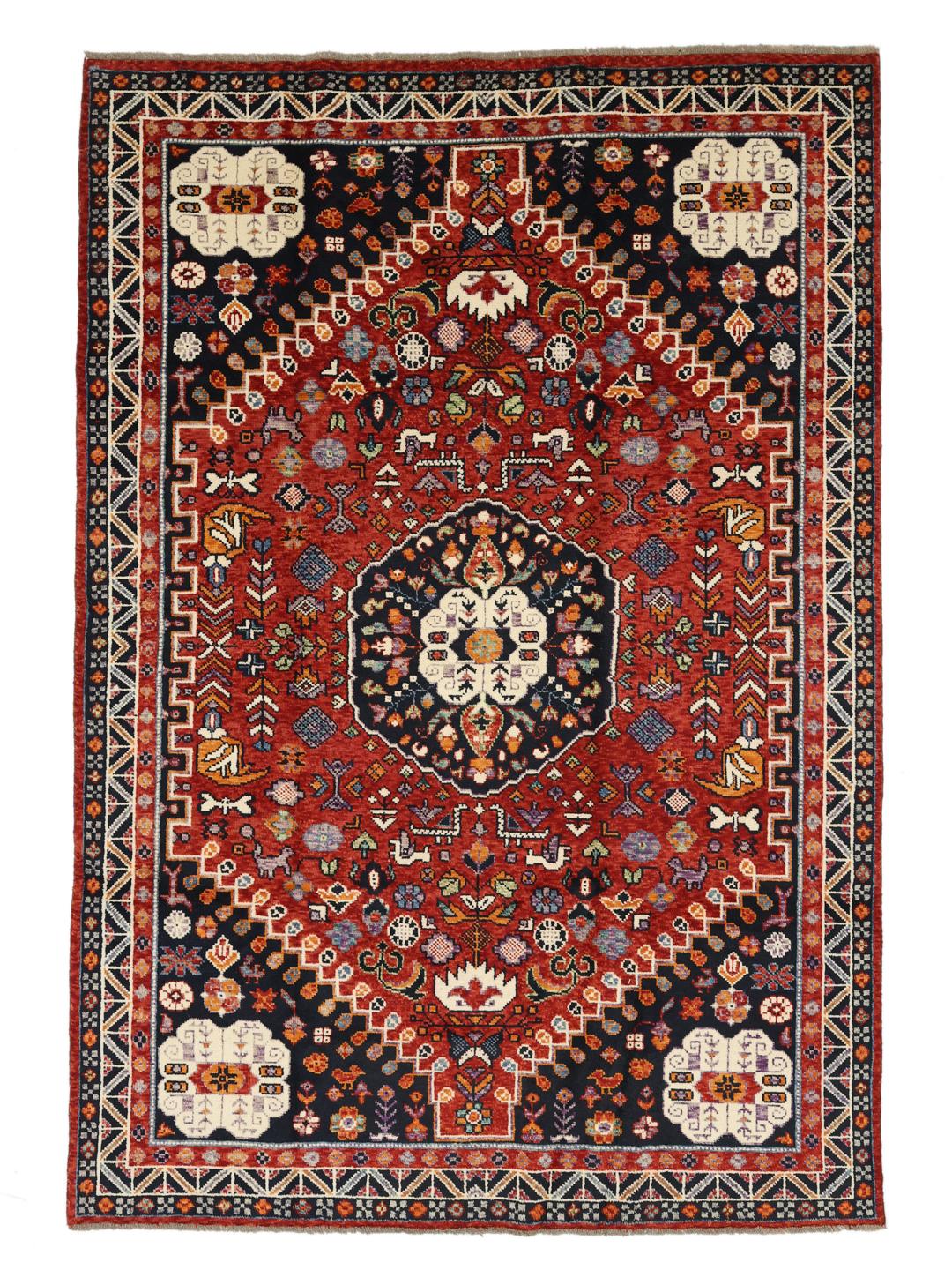
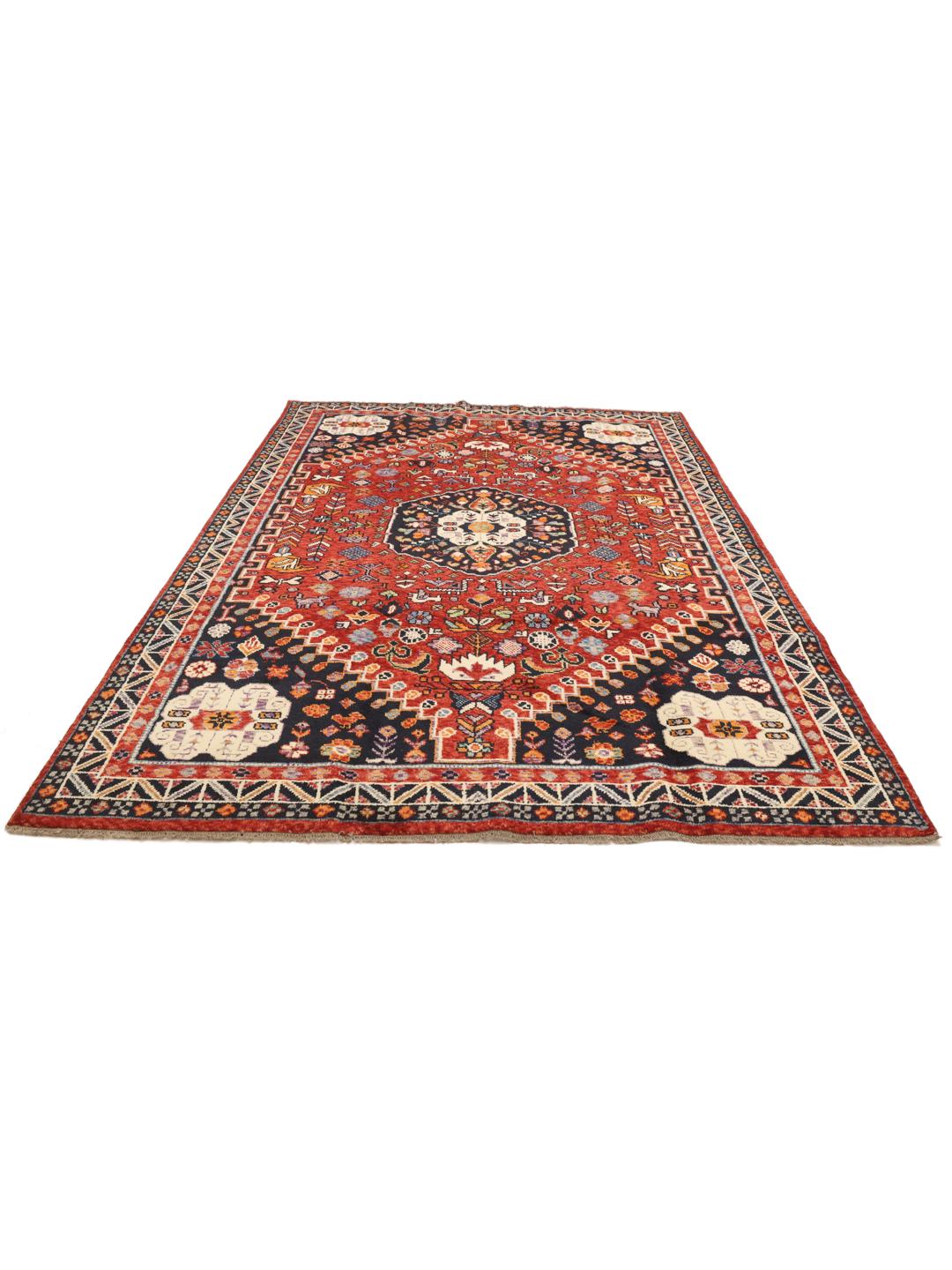
Signature design elements of Kazak rugs include large, simplified geometric medallions, often referred to as guls or star-burst motifs, set against a field of contrasting colour. The borders are usually formal and intricate, providing a strong frame for the central design. This specific rug features a classic geometric arrangement that highlights the traditional aesthetic, making it an excellent example of this storied craft.
Collecting a Kazak rug is an opportunity to own a piece of history that embodies both skill and cultural heritage. These rugs are appreciated for their artistic boldness and the deep sense of tradition they bring to an interior. By acquiring a piece from this tradition, you are participating in a long-standing practice of functional art, where every knot is an act of preservation.