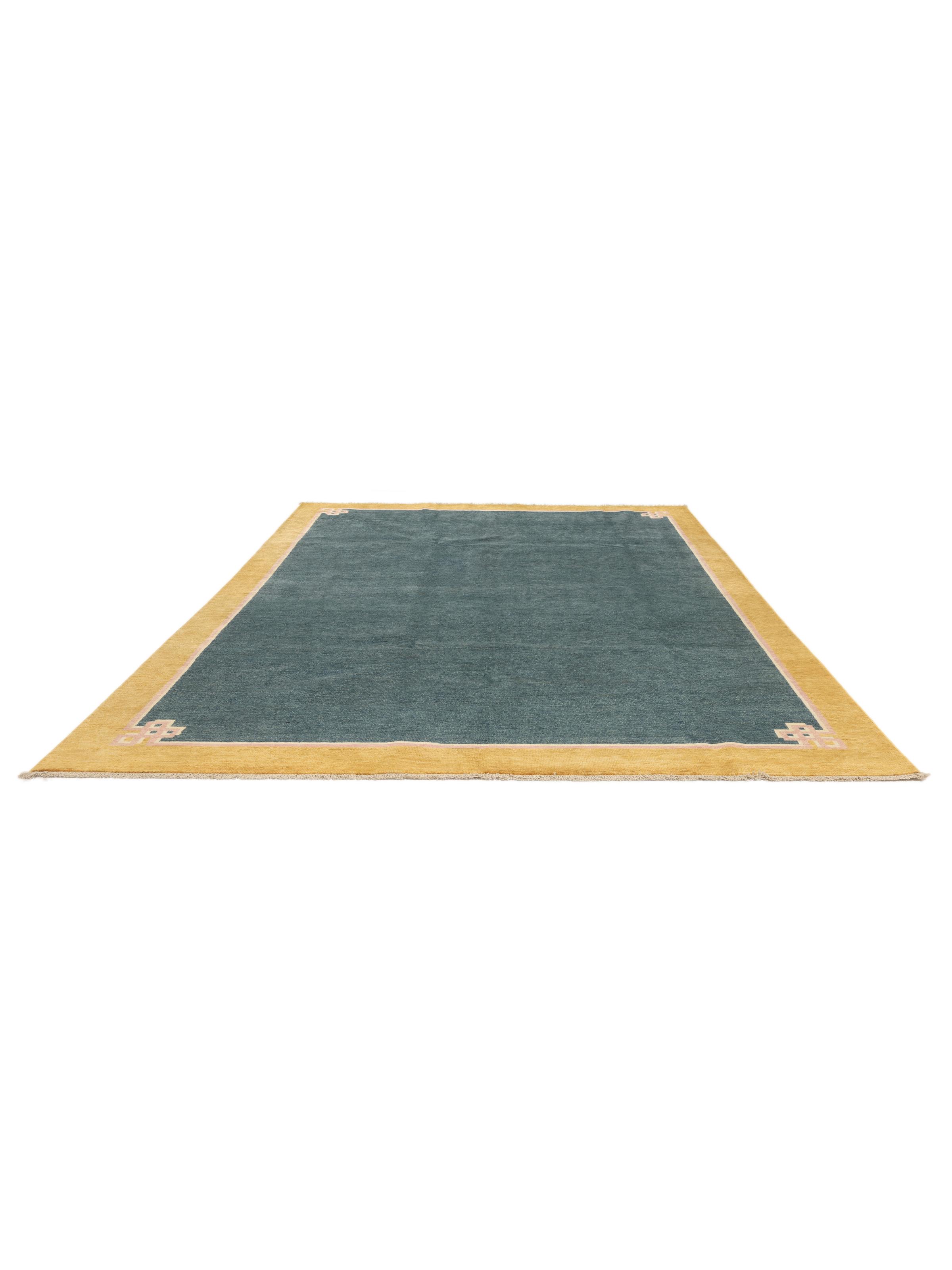
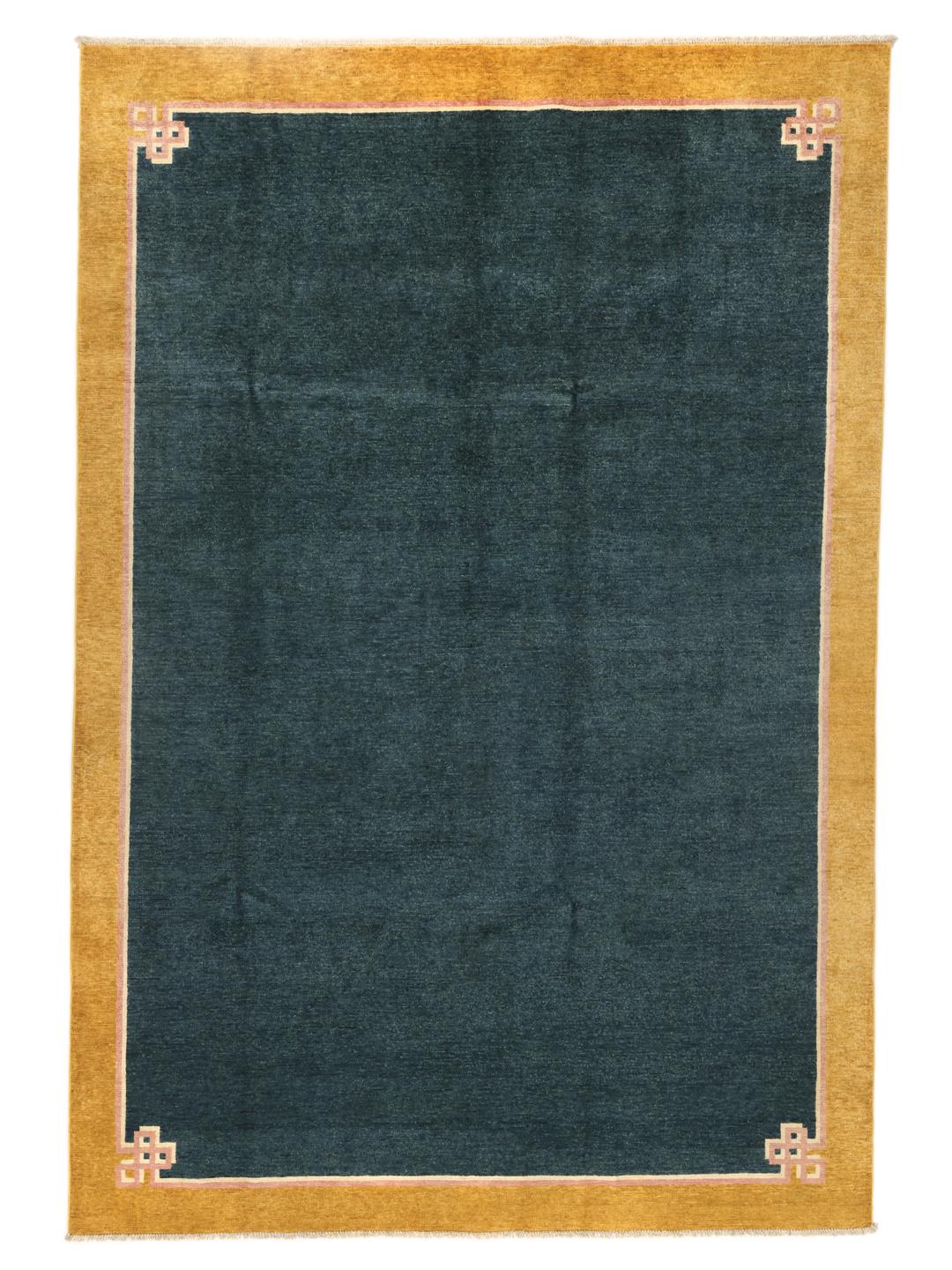
Kazak rugs originate from the Caucasus region, historically serving as a bridge between nomadic traditions and structured village weaving. While the name has ancient roots, the production of these rugs eventually evolved and expanded into Afghanistan. Today, Afghan weavers are renowned for their ability to interpret these classic styles, often using traditional techniques to create rugs that are both historically informed and perfectly suited for modern homes.
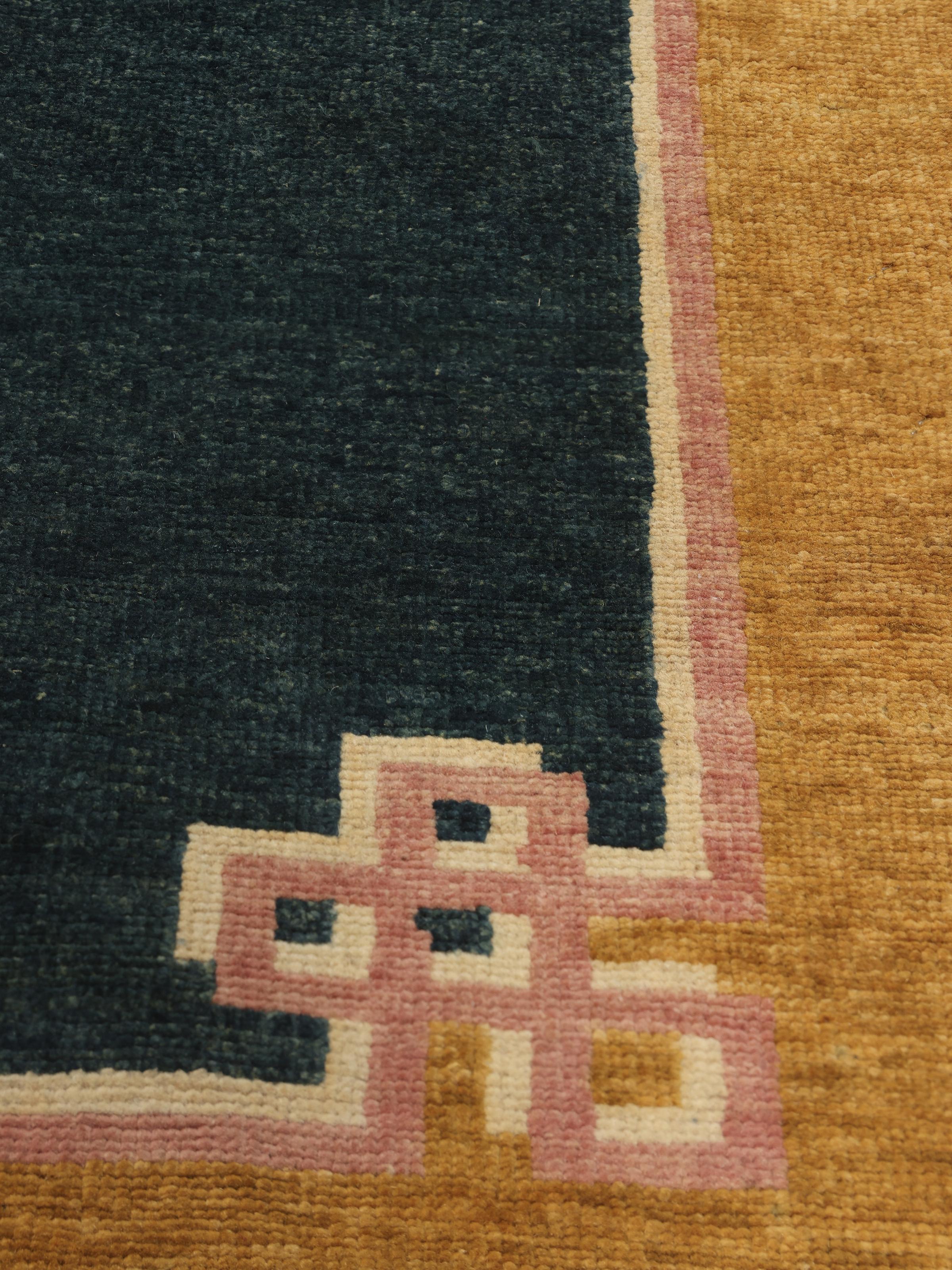
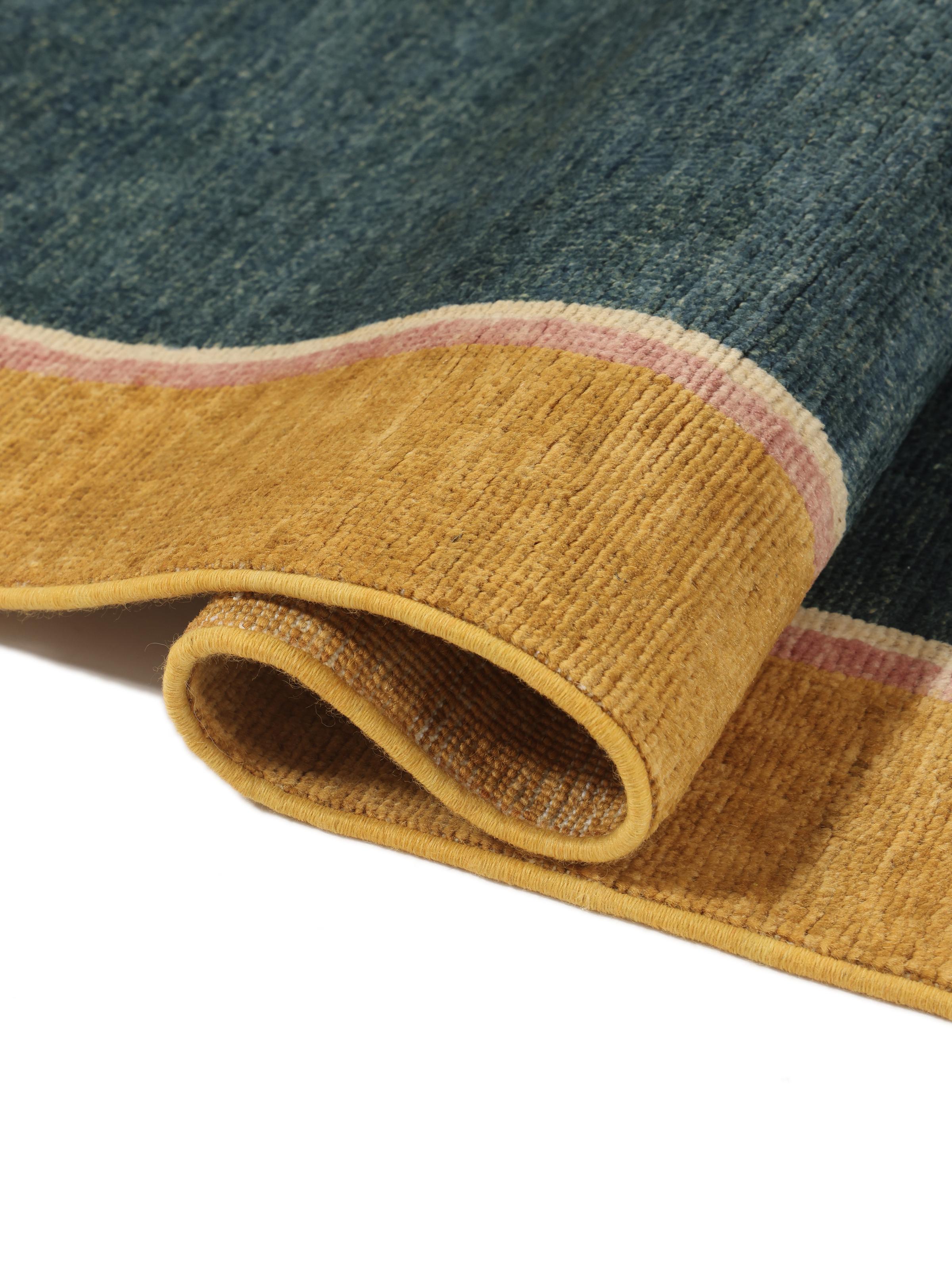
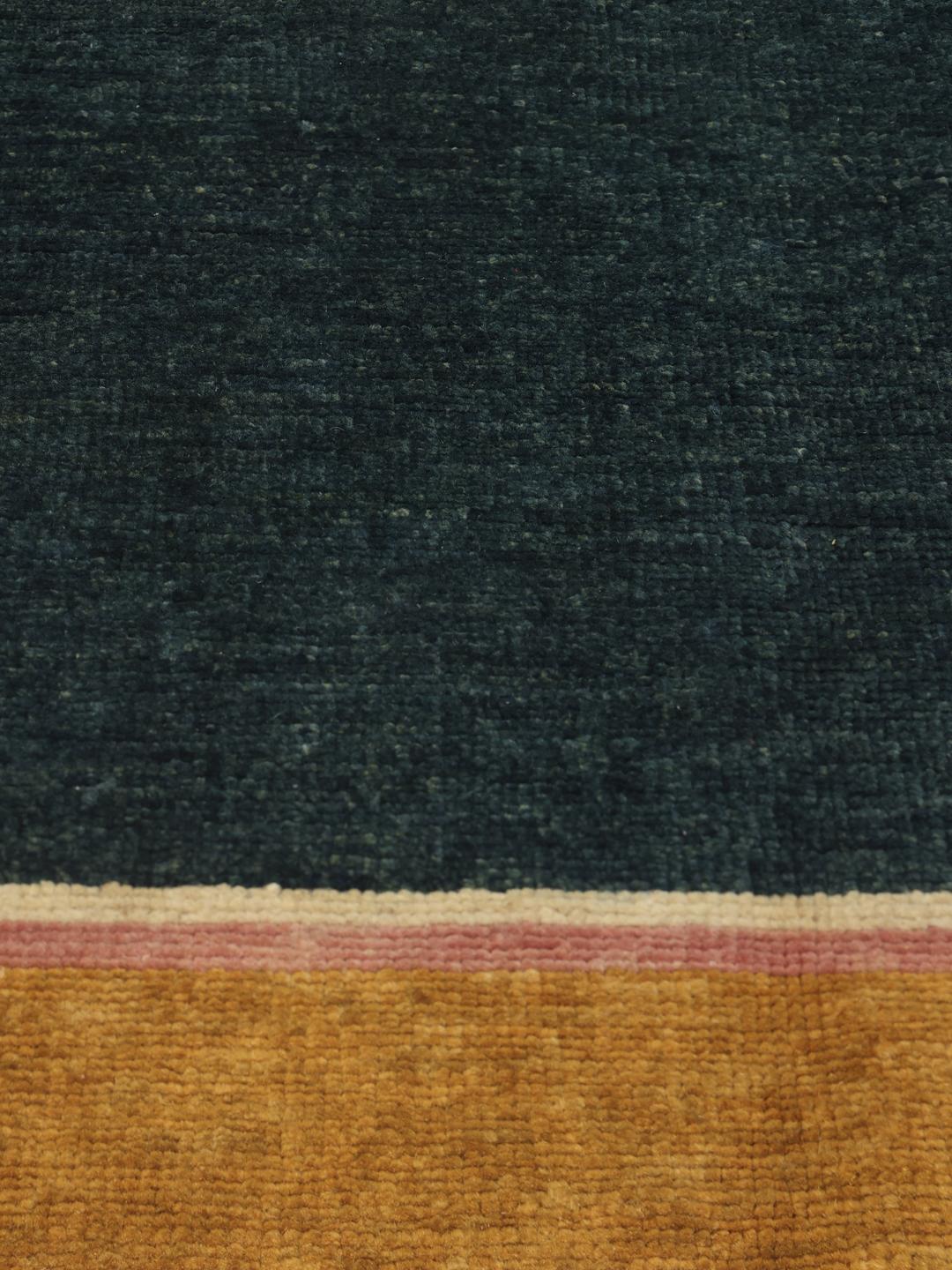
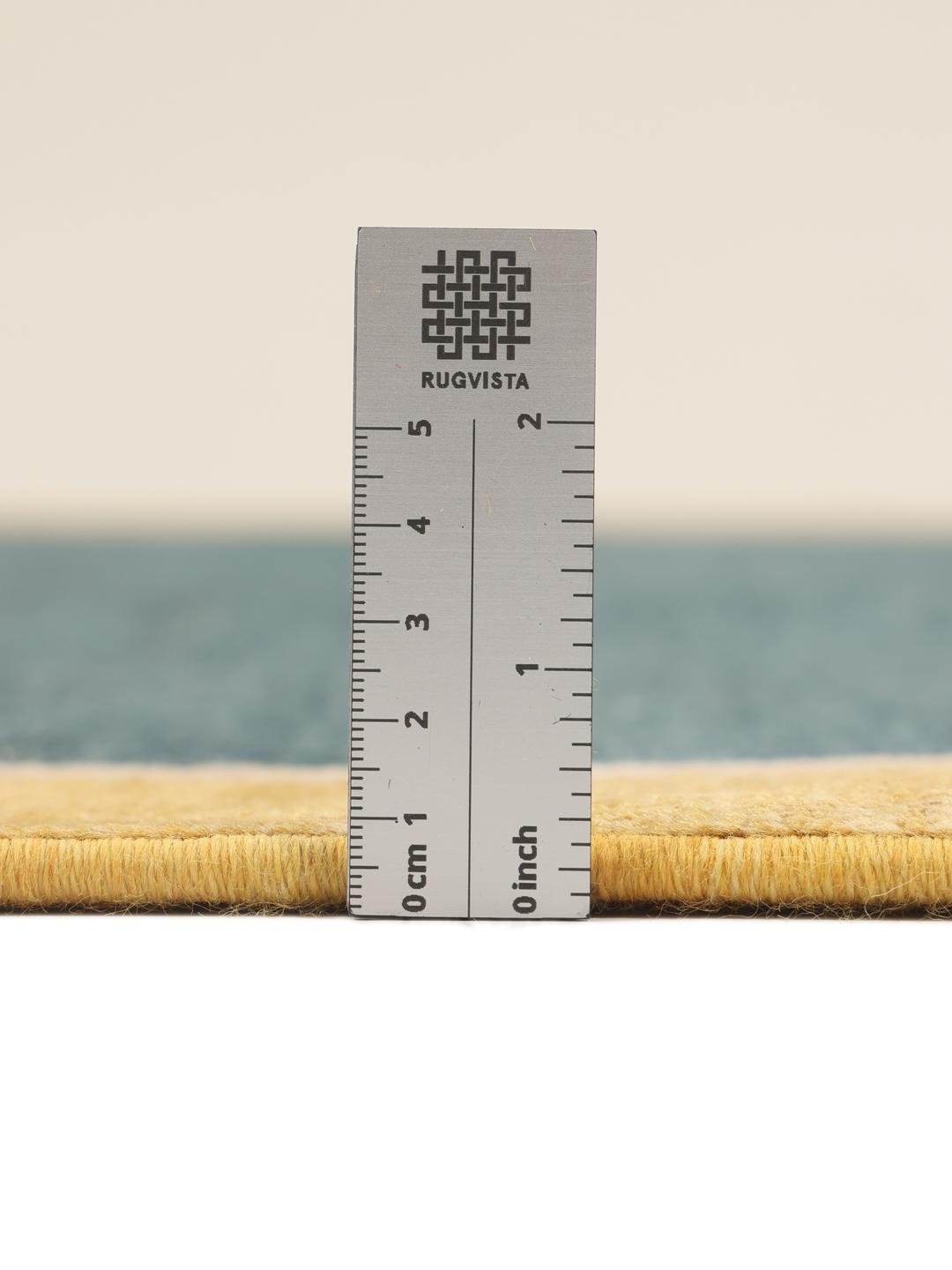
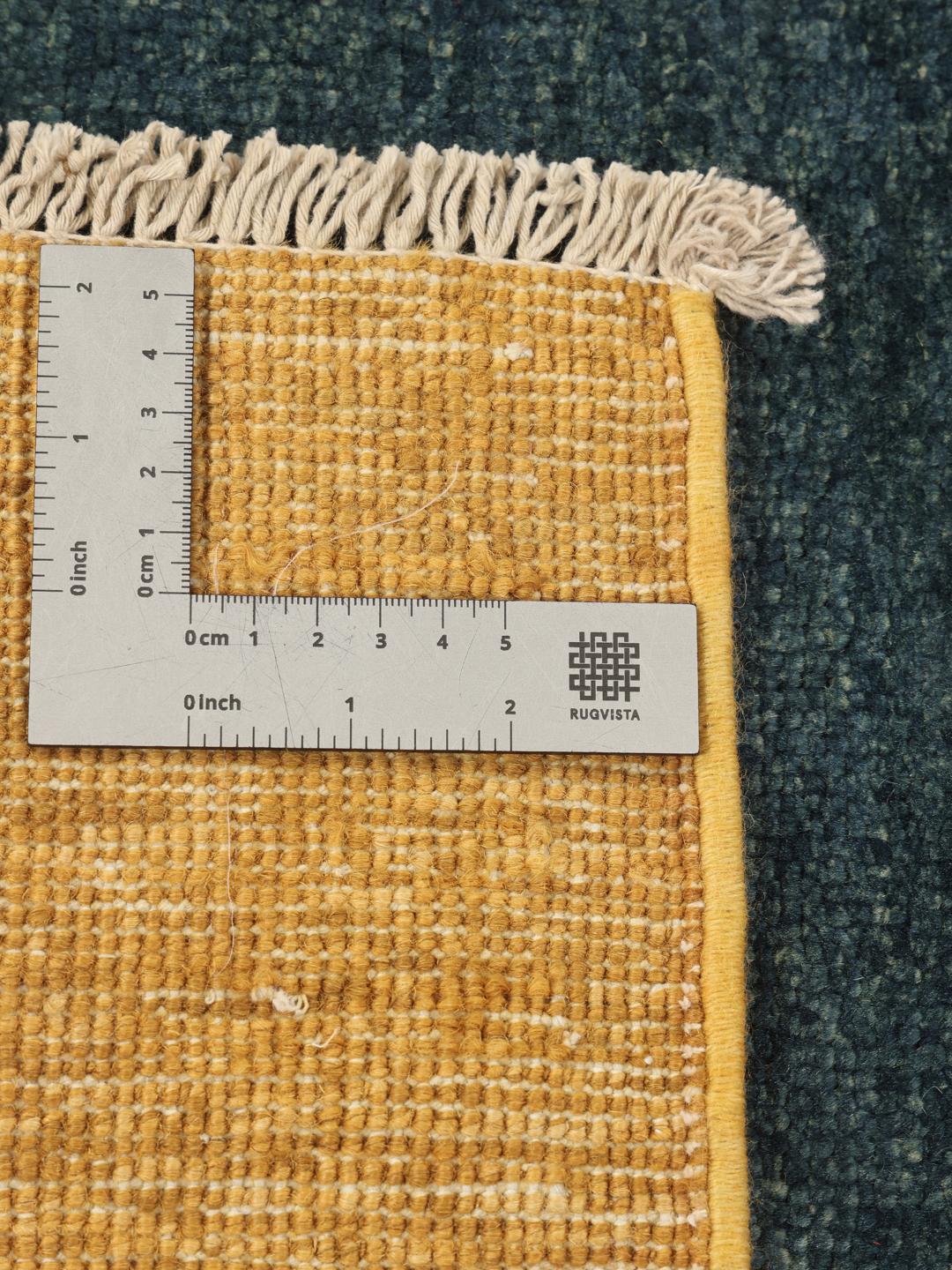
The term 'Kazak' refers to a specific style known for its bold, geometric patterns and highly saturated, natural dyes. These rugs are celebrated for their thick, sturdy construction and their ability to age gracefully. When we speak of 'hand-knotted' quality, we are referring to the intentional placement of each individual knot on the foundation, a process that creates a dense pile that is naturally resistant to wear and tear.
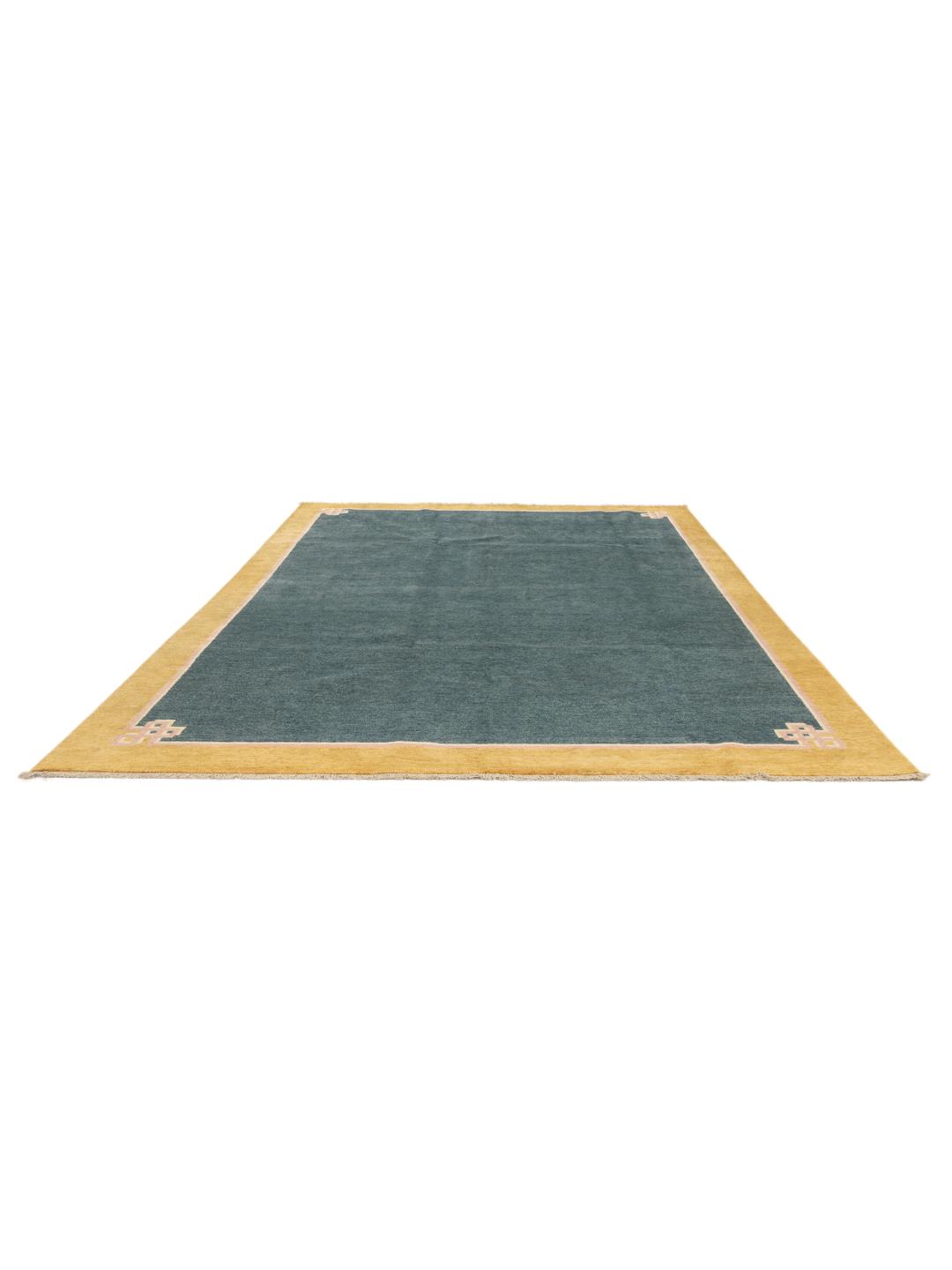
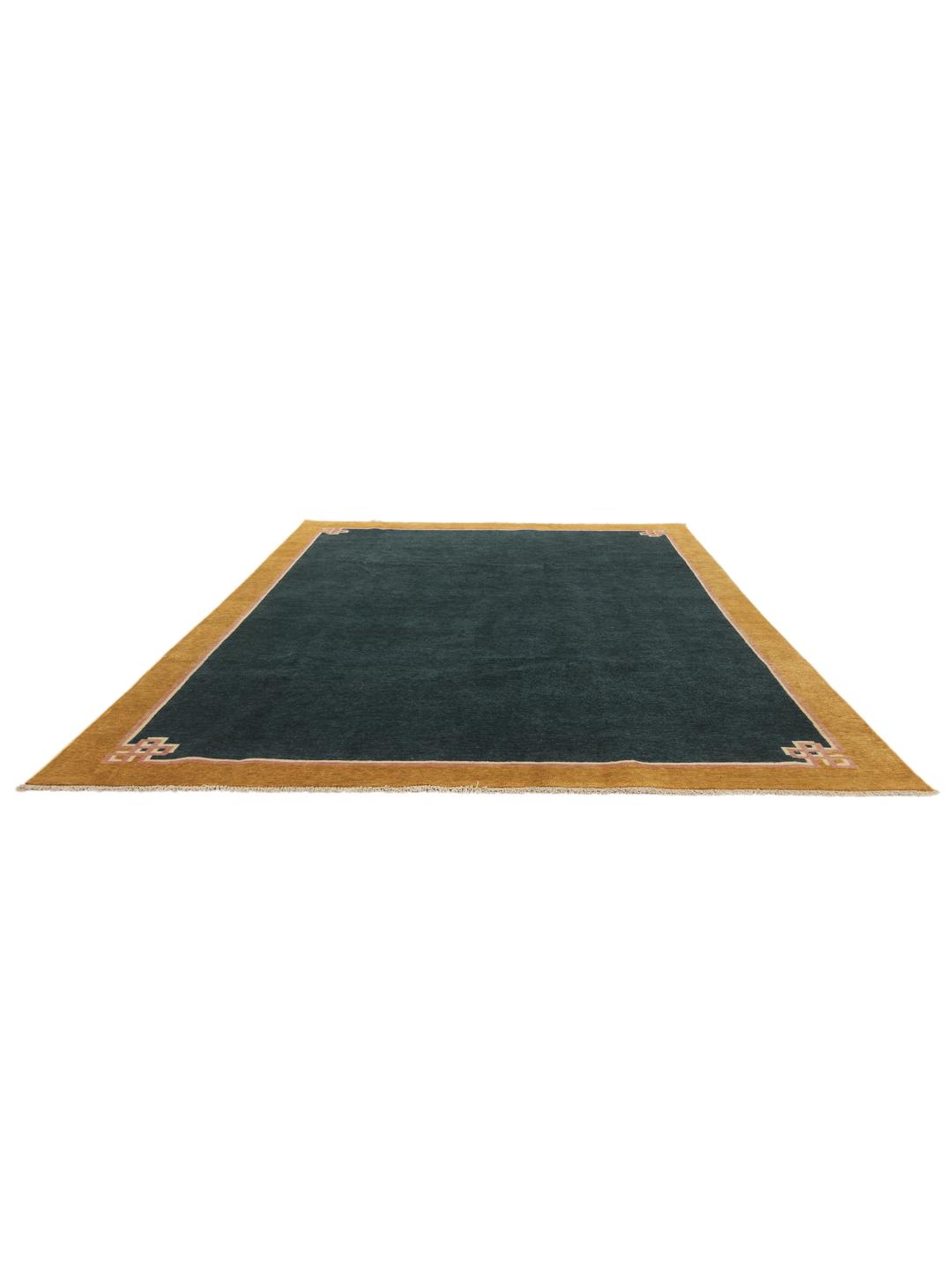
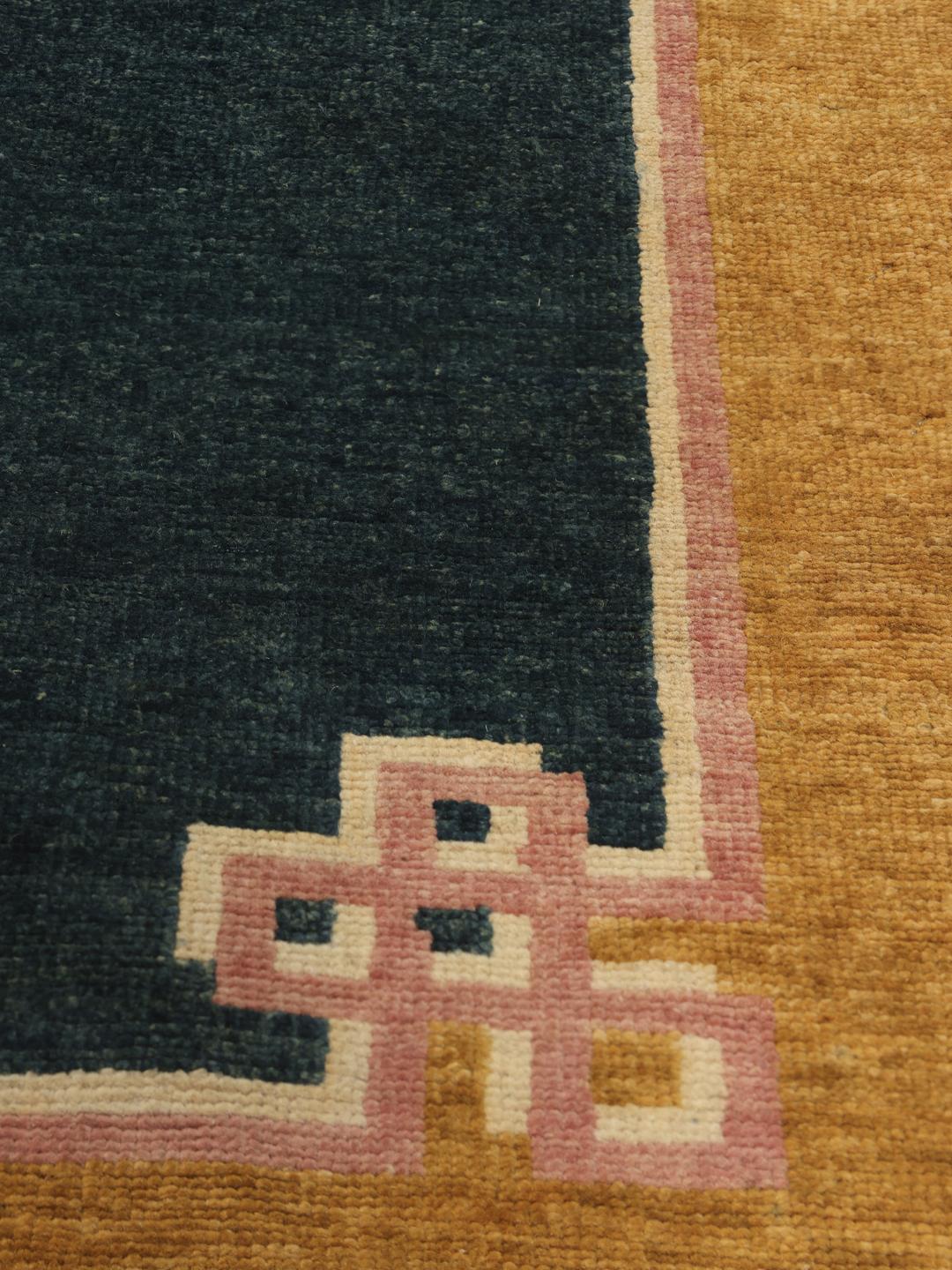
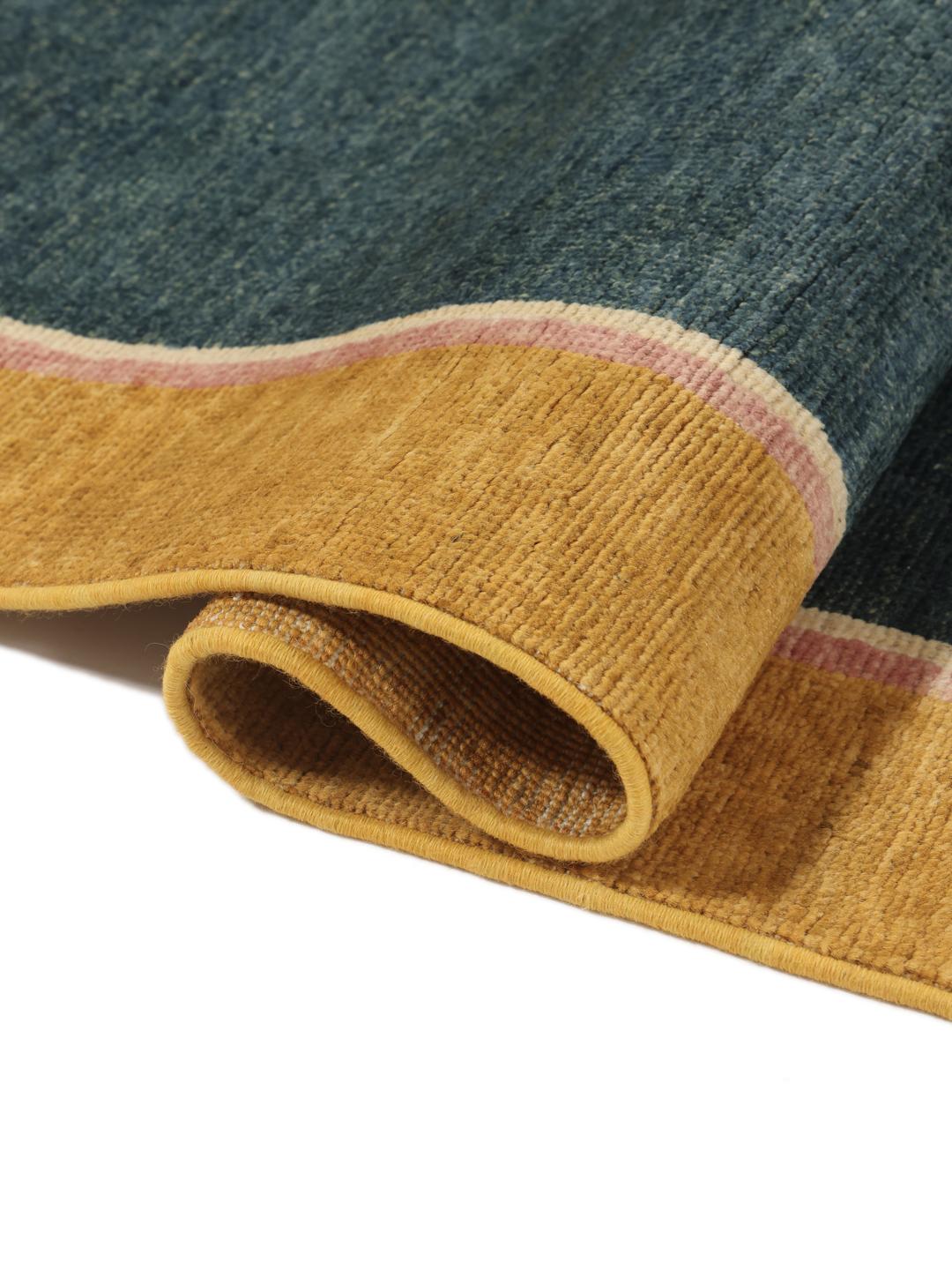
Visually, this tradition is defined by a strong use of bold colours and geometric motifs, such as the medallions and corner elements seen here. Traditionally, these motifs were not just decorative but held symbolic meaning for the weaving communities. While many Kazak rugs lean into a palette of deep reds and blues, the use of a striking golden border in this piece is a beautiful, distinct variation that highlights the weaver's artistic freedom within the framework of the tradition.
Collecting a Kazak rug is an investment in cultural history. These pieces are valued for their durability, their rich colour palettes, and the human effort behind every thread. By choosing a piece from this tradition, you are continuing a long-standing practice of bringing warmth and artistic heritage into the home, ensuring that this craft remains a vital and appreciated part of our global design language.