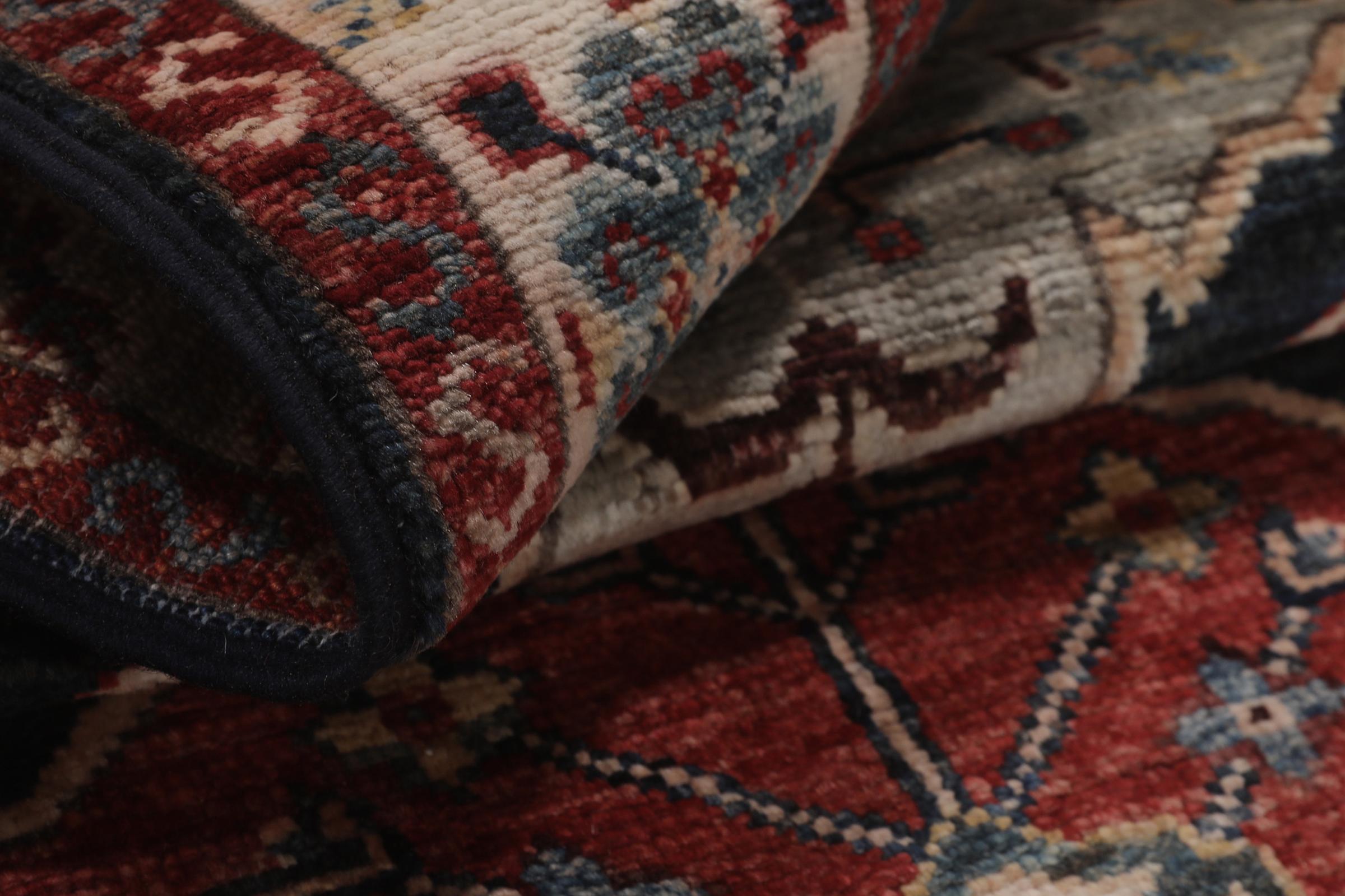
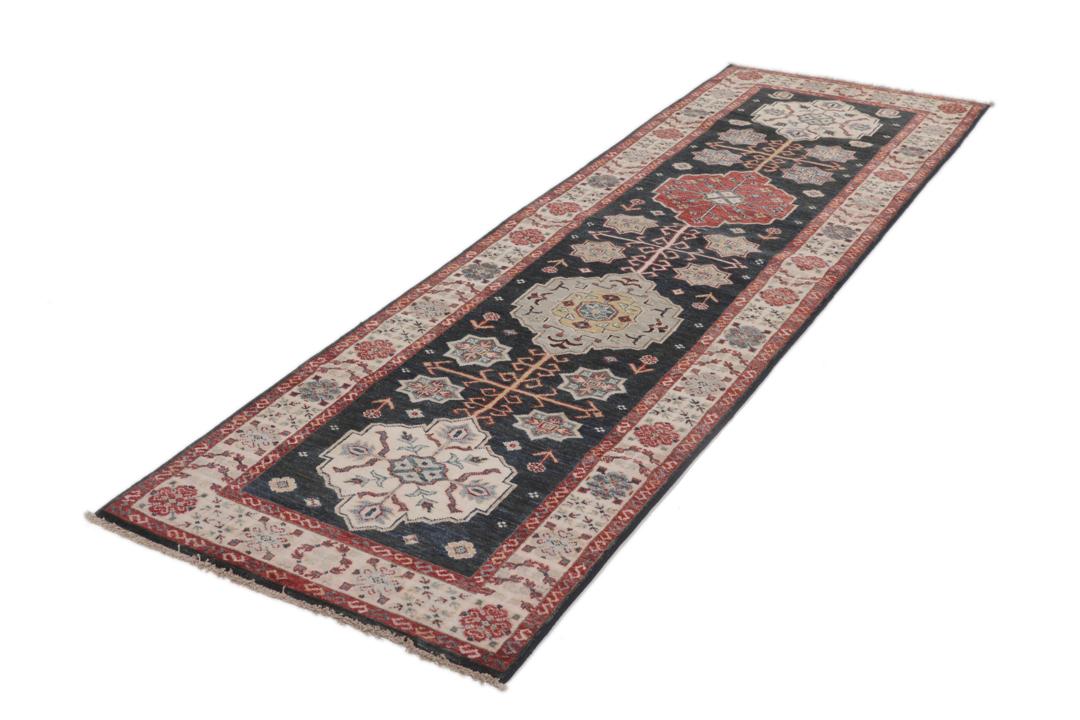
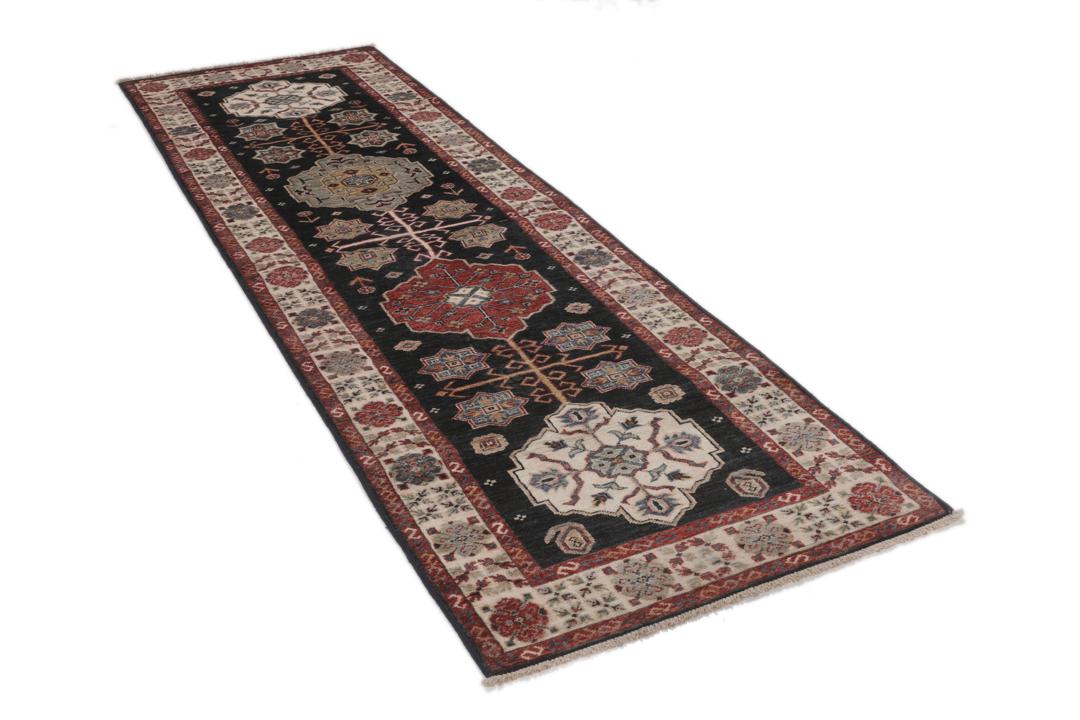
The history of Kazak rugs is a fascinating journey that spans centuries and borders. Originally crafted by nomadic tribes in the Middle East, these rugs were celebrated for their bold, spontaneous designs and vibrant use of natural dyes. Over time, the tradition evolved, and today, the most exceptional examples are woven in Afghanistan, where weavers have mastered the art of blending these historical motifs with the high-quality wool that the region is famous for.
The term Kazak refers to a style rather than a specific village, characterised by a certain fearless approach to colour and form. These rugs are known for their geometric clarity and their ability to command attention. The technical skill required to maintain this balance while working with traditional looms is significant, as it requires the weaver to have a deep internal knowledge of the pattern to ensure the symmetry and proportions remain harmonious across the entire length of the runner.
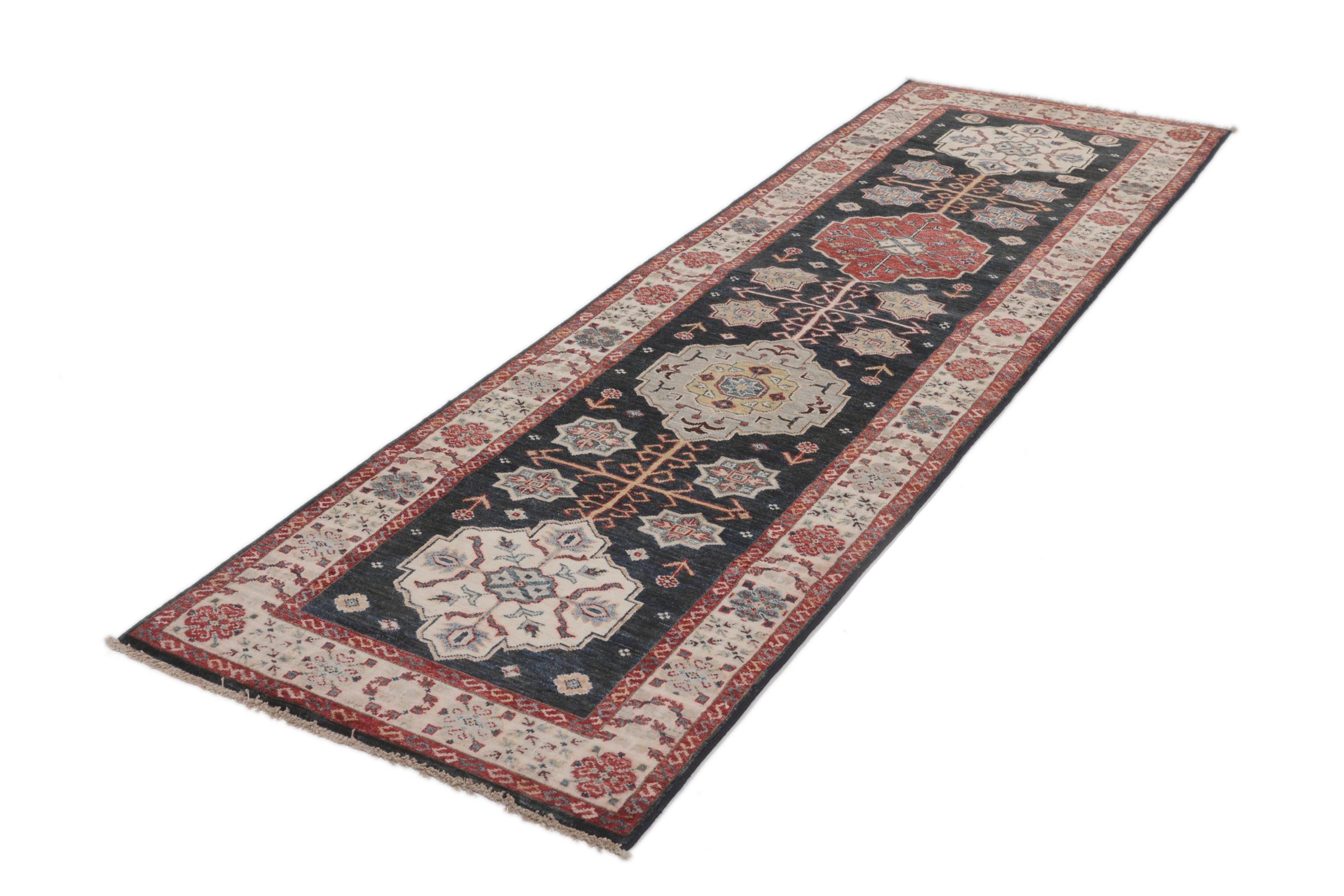
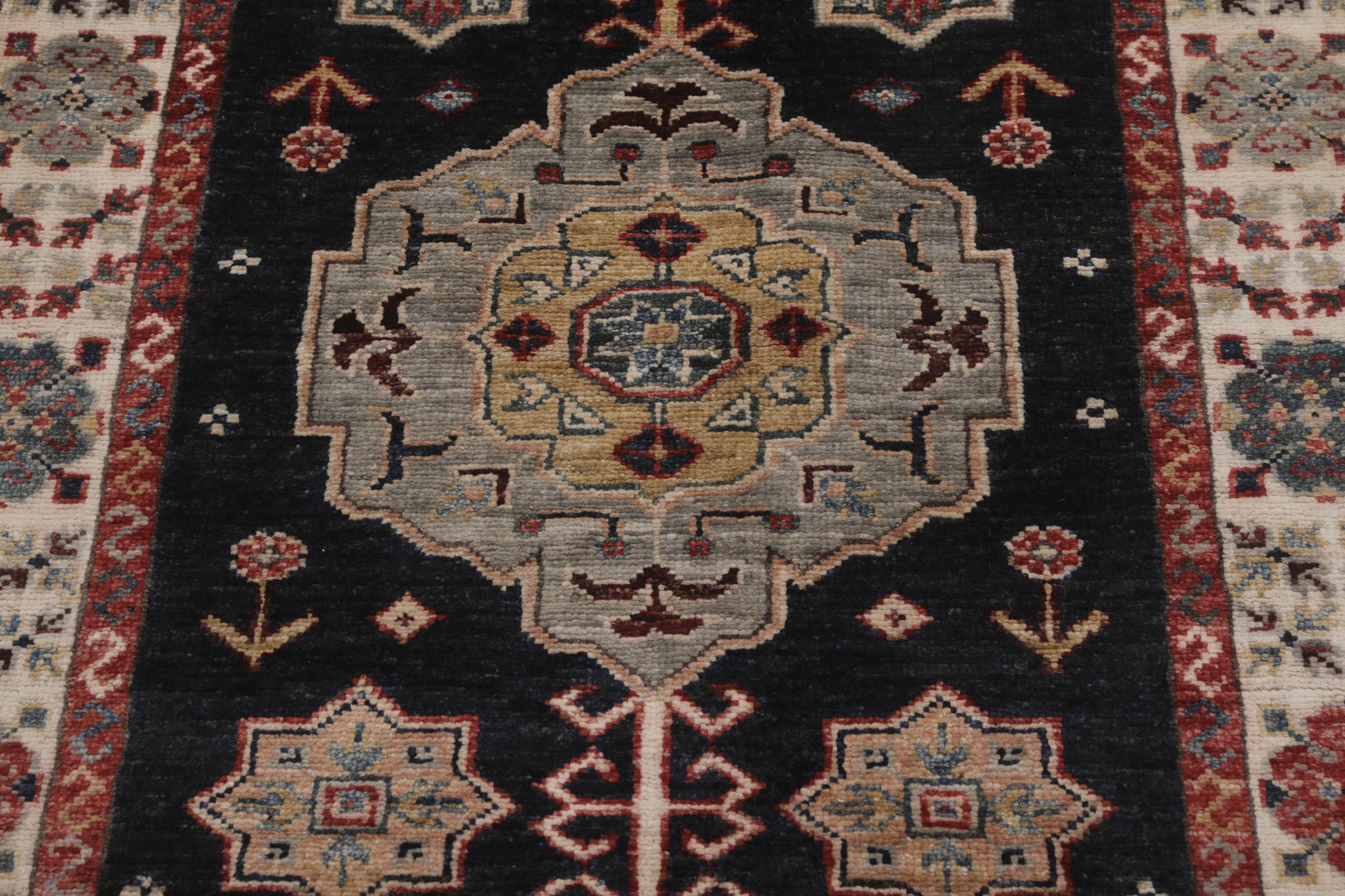
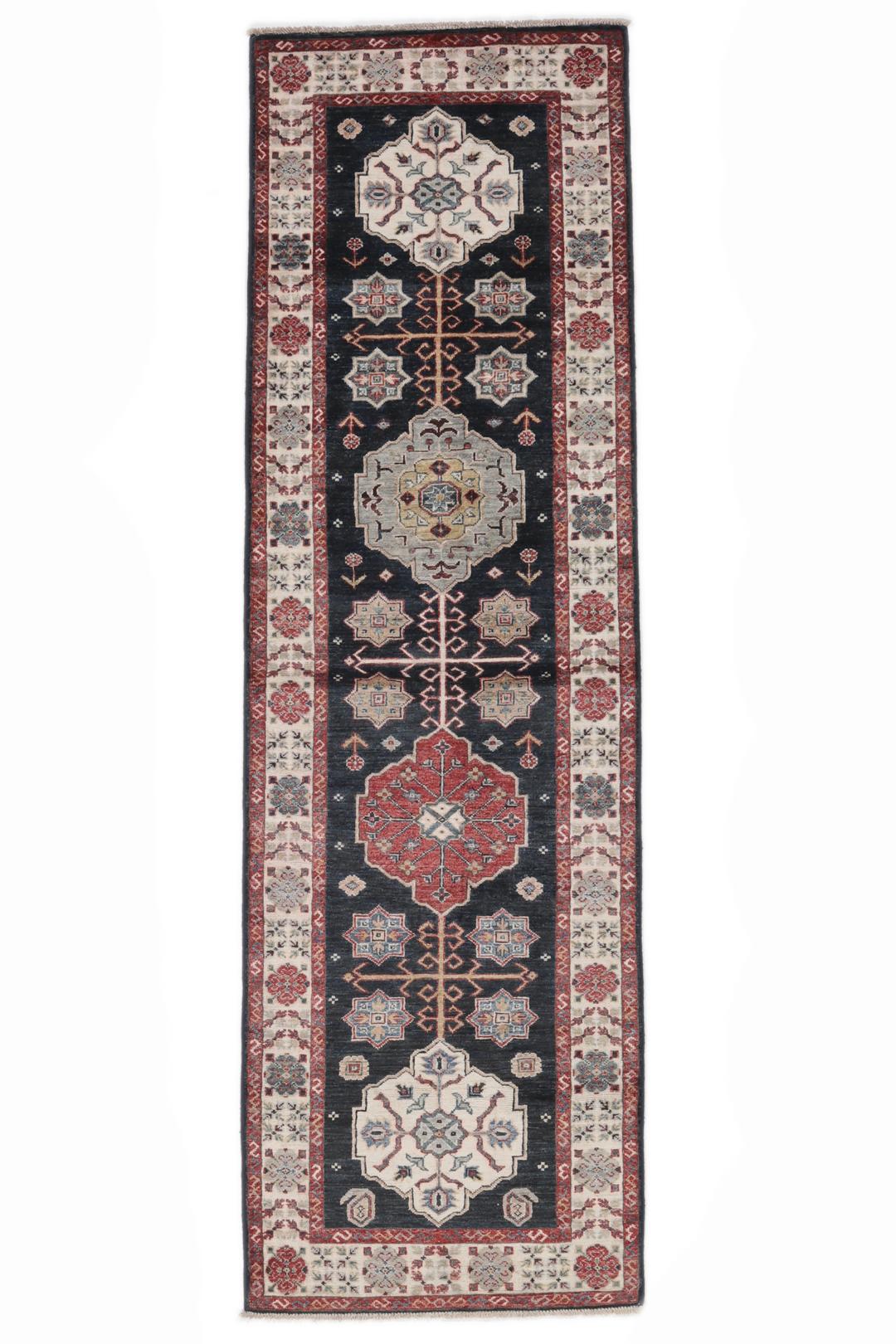
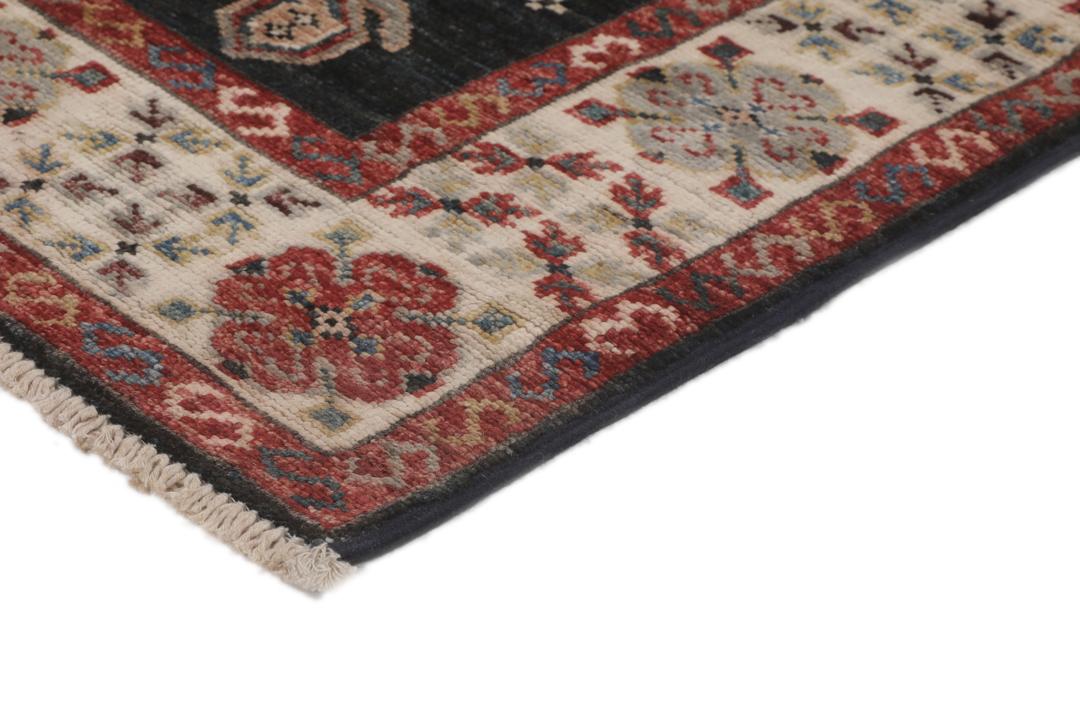
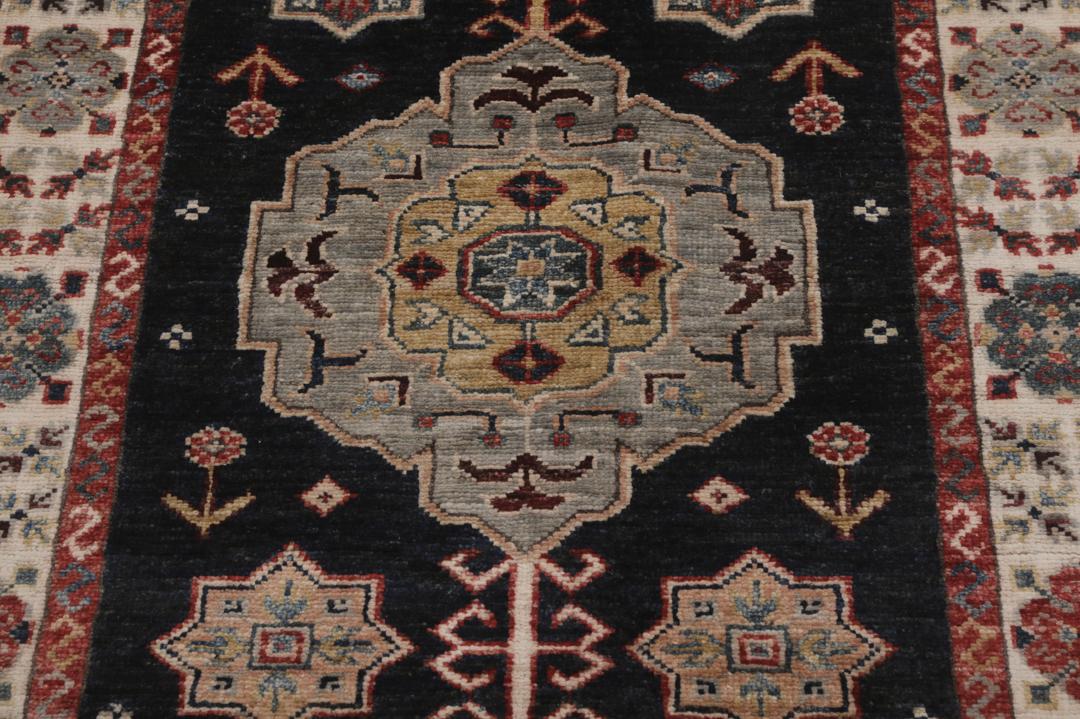
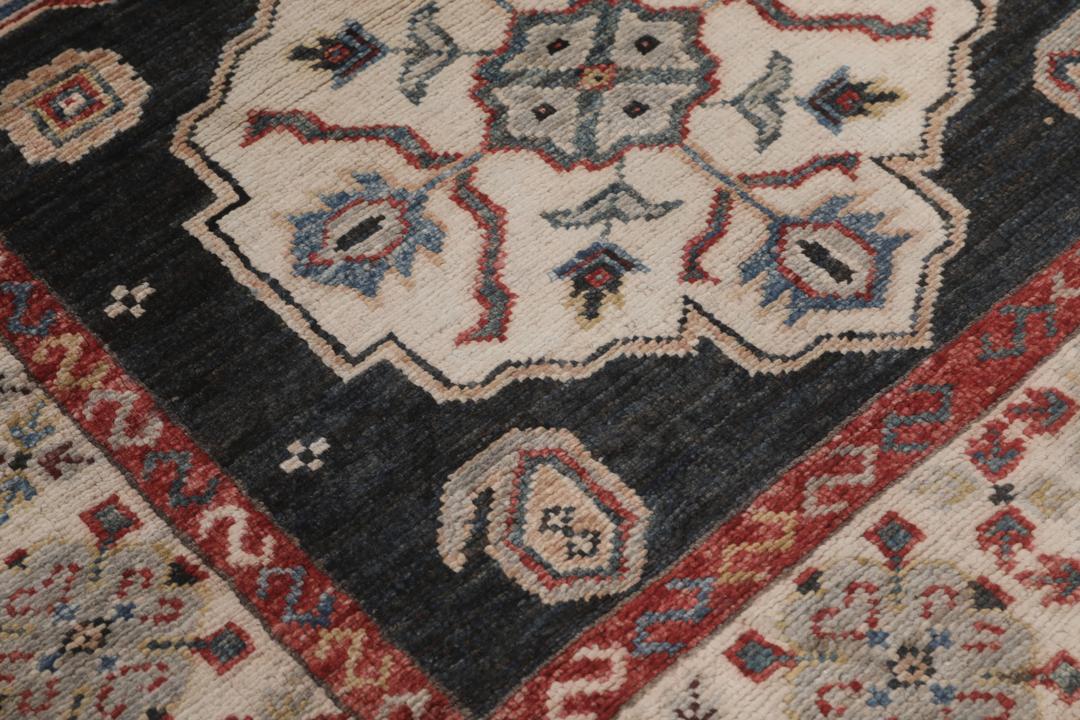
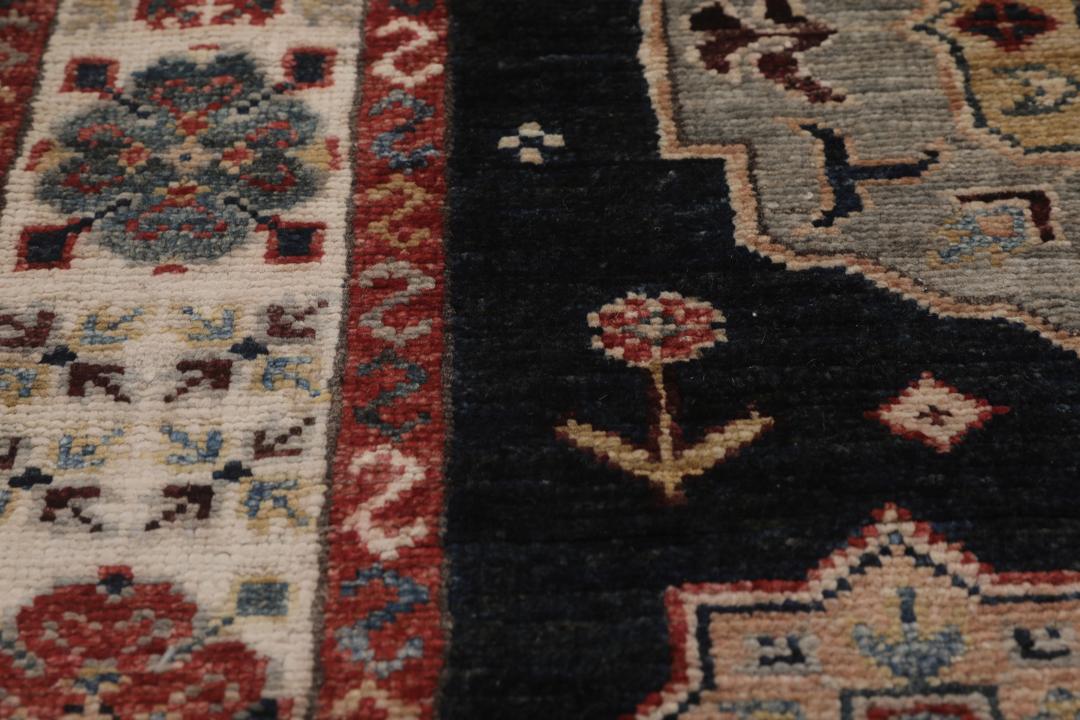
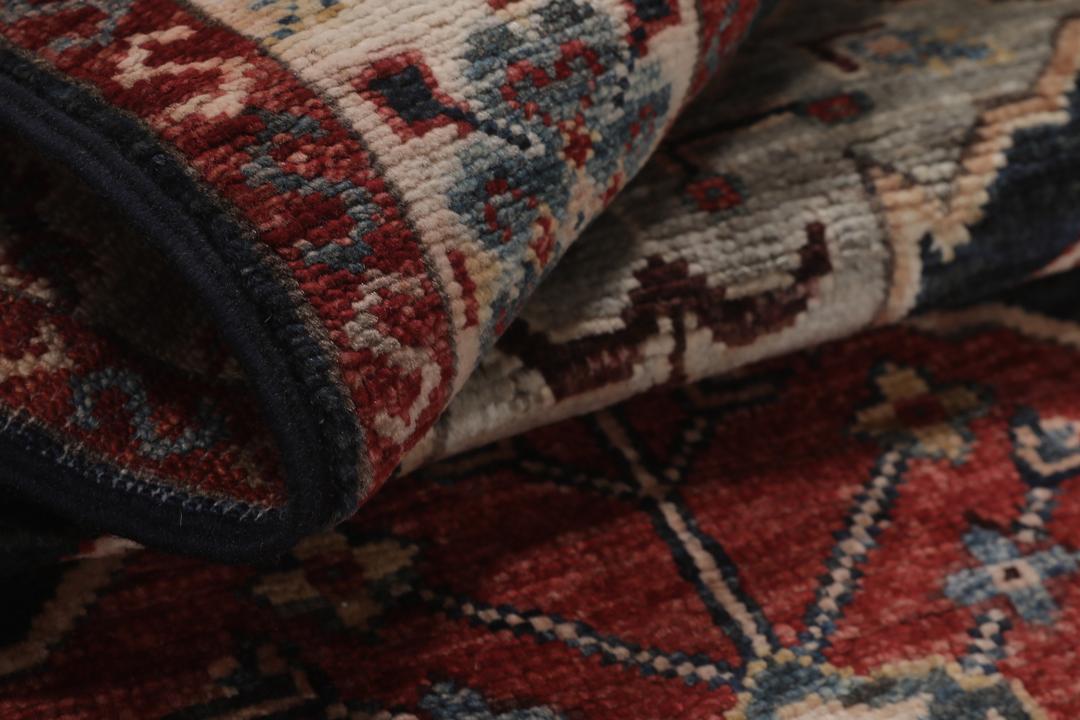
Visually, Kazak rugs are defined by their iconic medallions, hooks, and stylised floral or animal motifs. The borders often feature intricate, latch-hook designs that frame the field, providing a sense of order to the more expressive elements within. This particular rug captures that classic spirit, using a traditional layout that has been perfected over generations to create a sense of movement and visual interest that draws the eye across the full length of the runner.
Collecting a rug from this tradition is about more than just aesthetics; it is about preserving a piece of cultural history. These rugs are highly valued for their expressive power and their ability to bridge the gap between ancient tribal art and modern interior design. By owning this piece, you are continuing a legacy of skill and creativity, ensuring that these traditional patterns remain a vibrant part of our homes and our collective heritage.