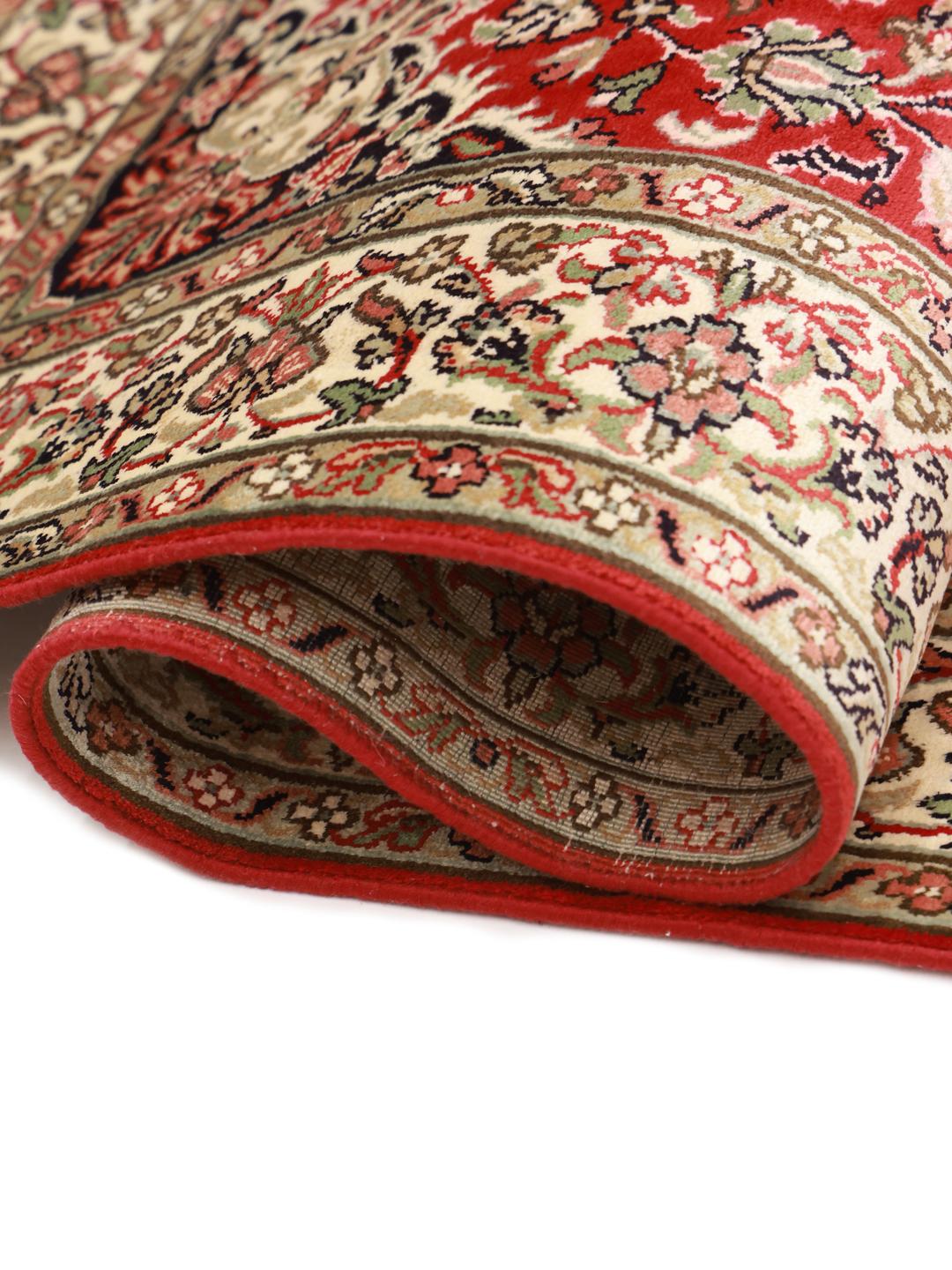
The tradition of weaving silk rugs in the Kashmir region of India is deeply rooted in a history of royal patronage and artistic exchange along ancient trade routes. Influenced by the sophisticated weaving techniques of the Middle East, Kashmiri artisans adapted these methods to create a distinct style characterised by delicate, curvilinear floral patterns and a luminous finish that is globally celebrated.
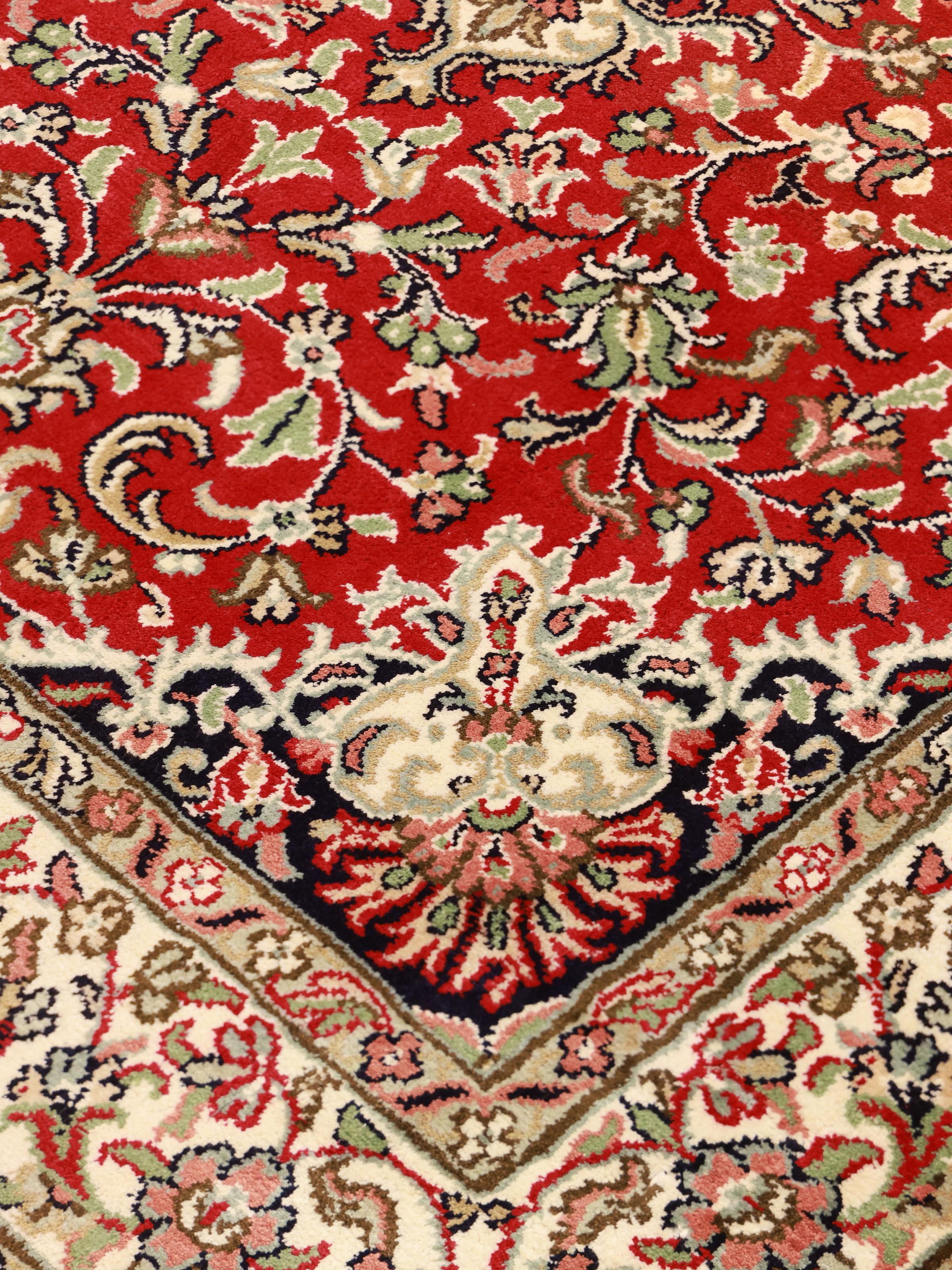
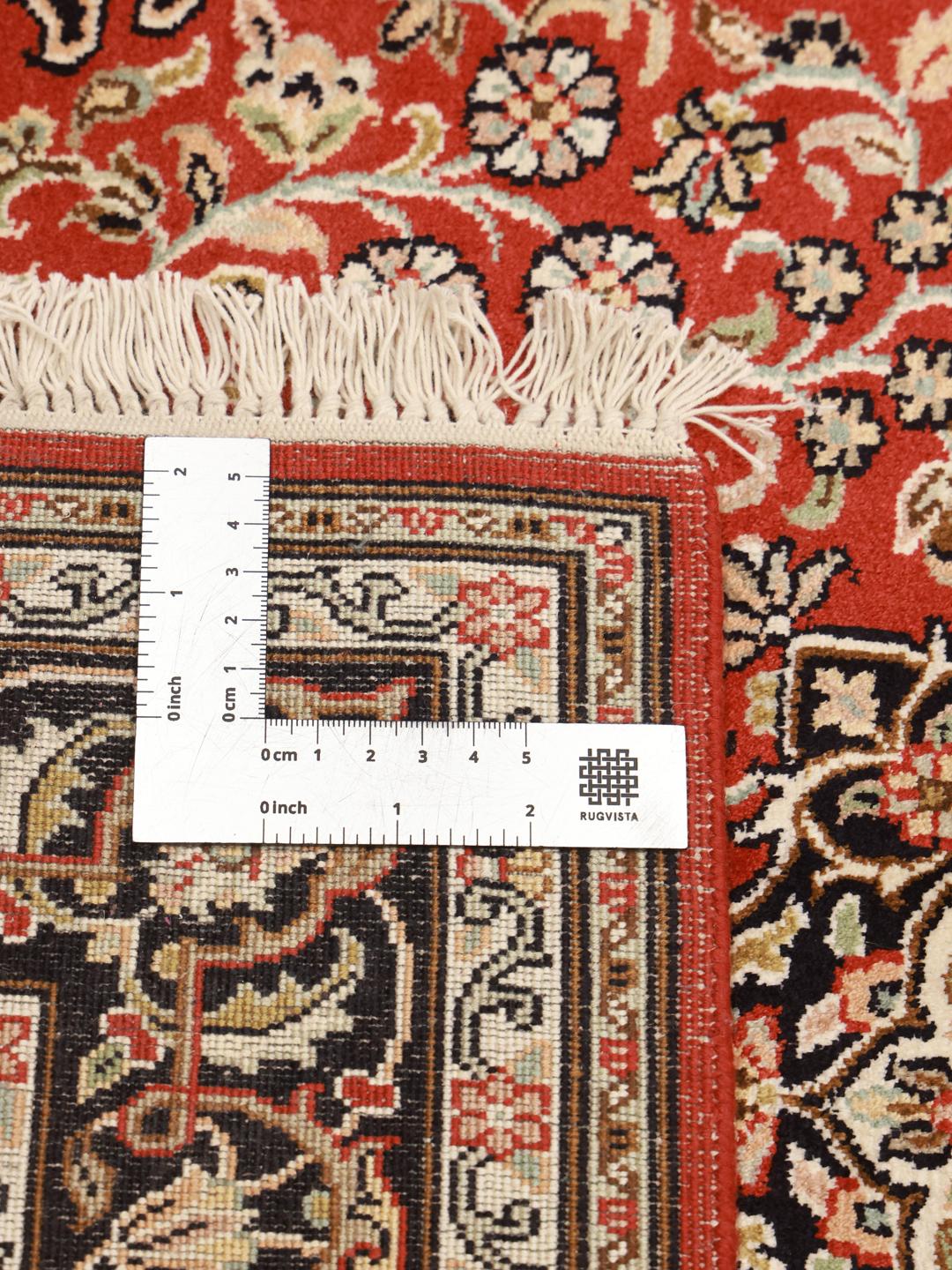
The terminology used to describe these rugs often refers to the specific knotting techniques that allow for such high levels of detail. By using fine, high-quality silk, weavers are able to achieve an incredible knot density, which not only defines the visual sharpness of the motifs but also creates the signature soft, cool touch that makes silk rugs so desirable.
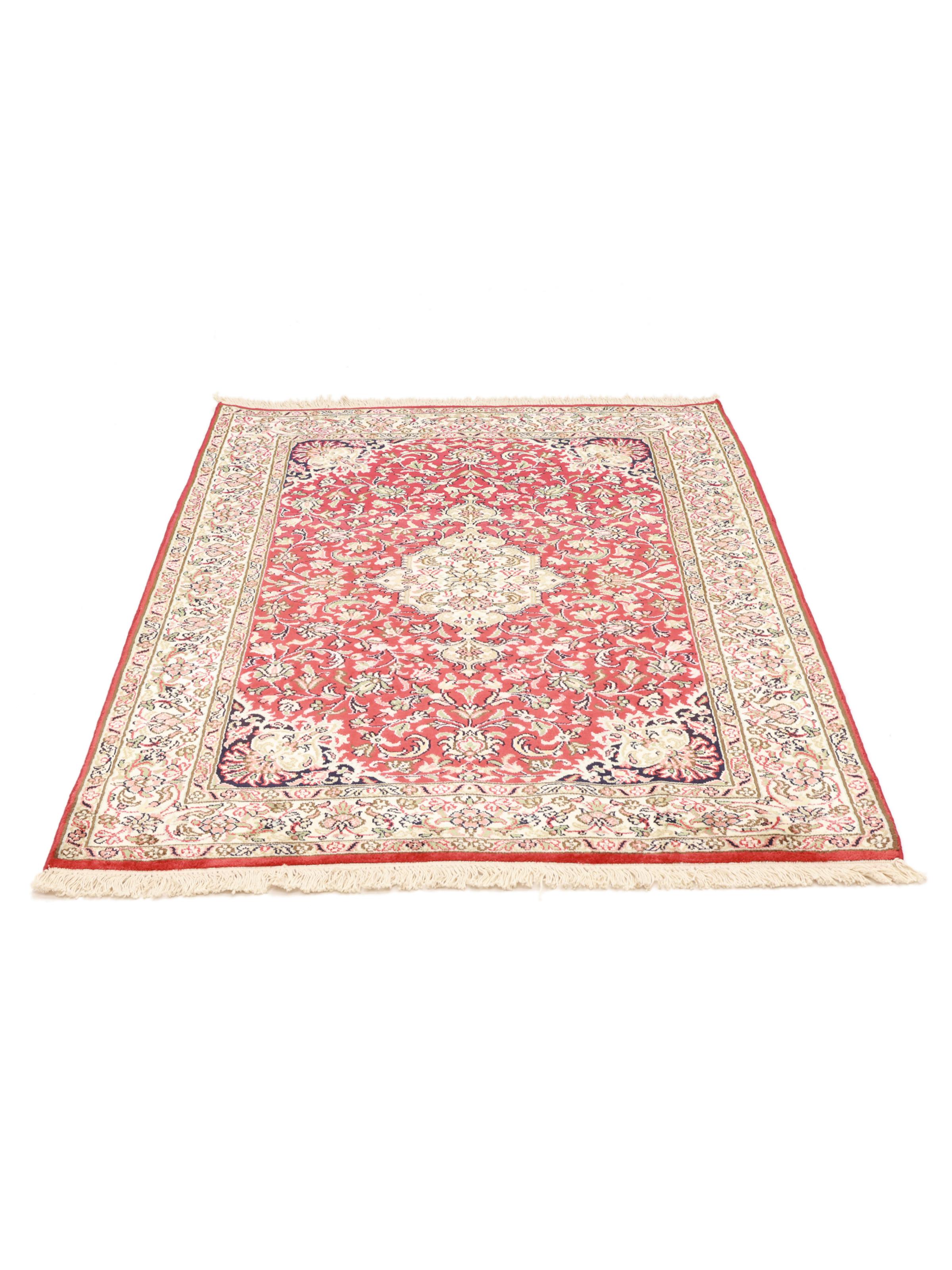
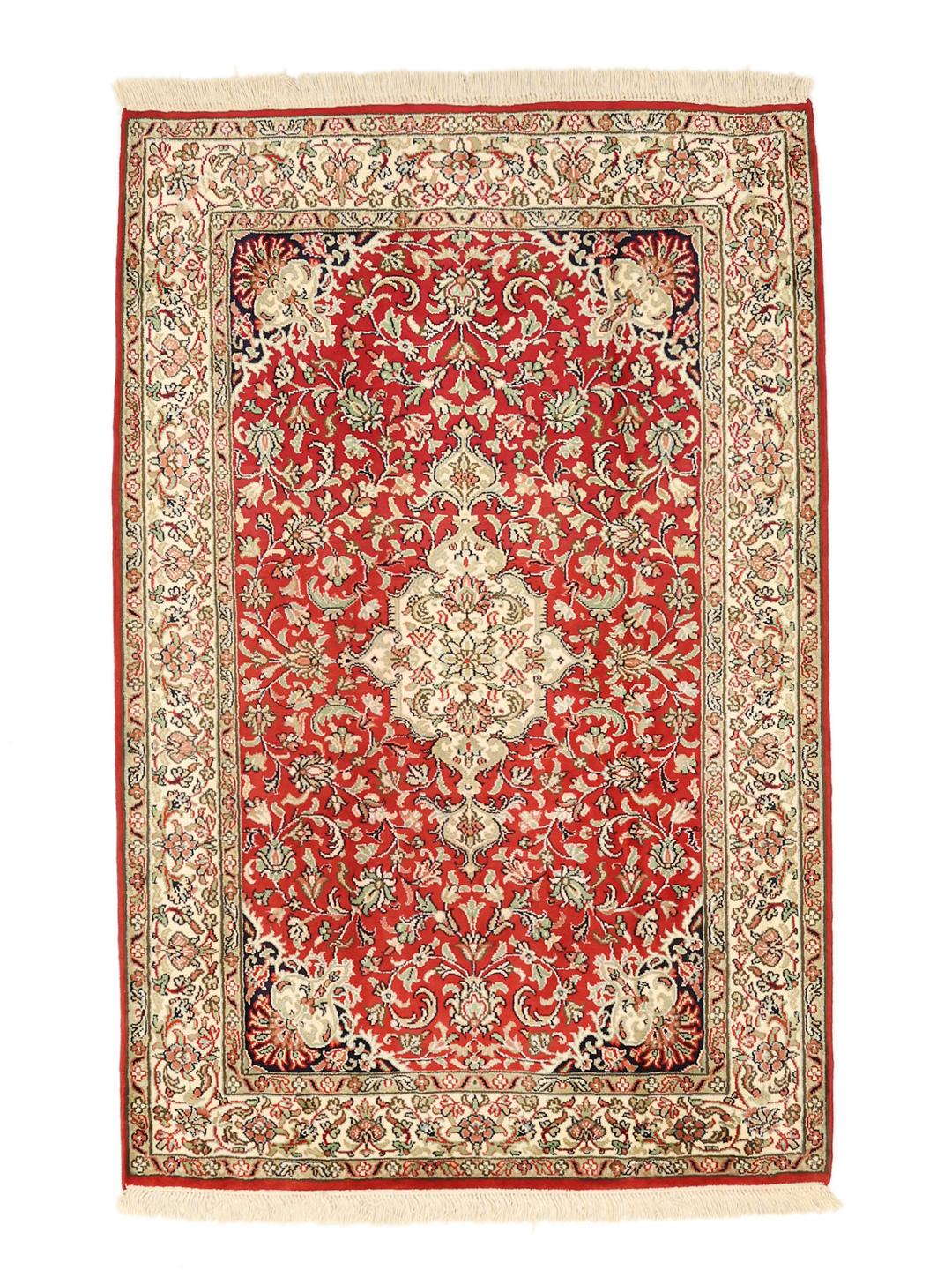
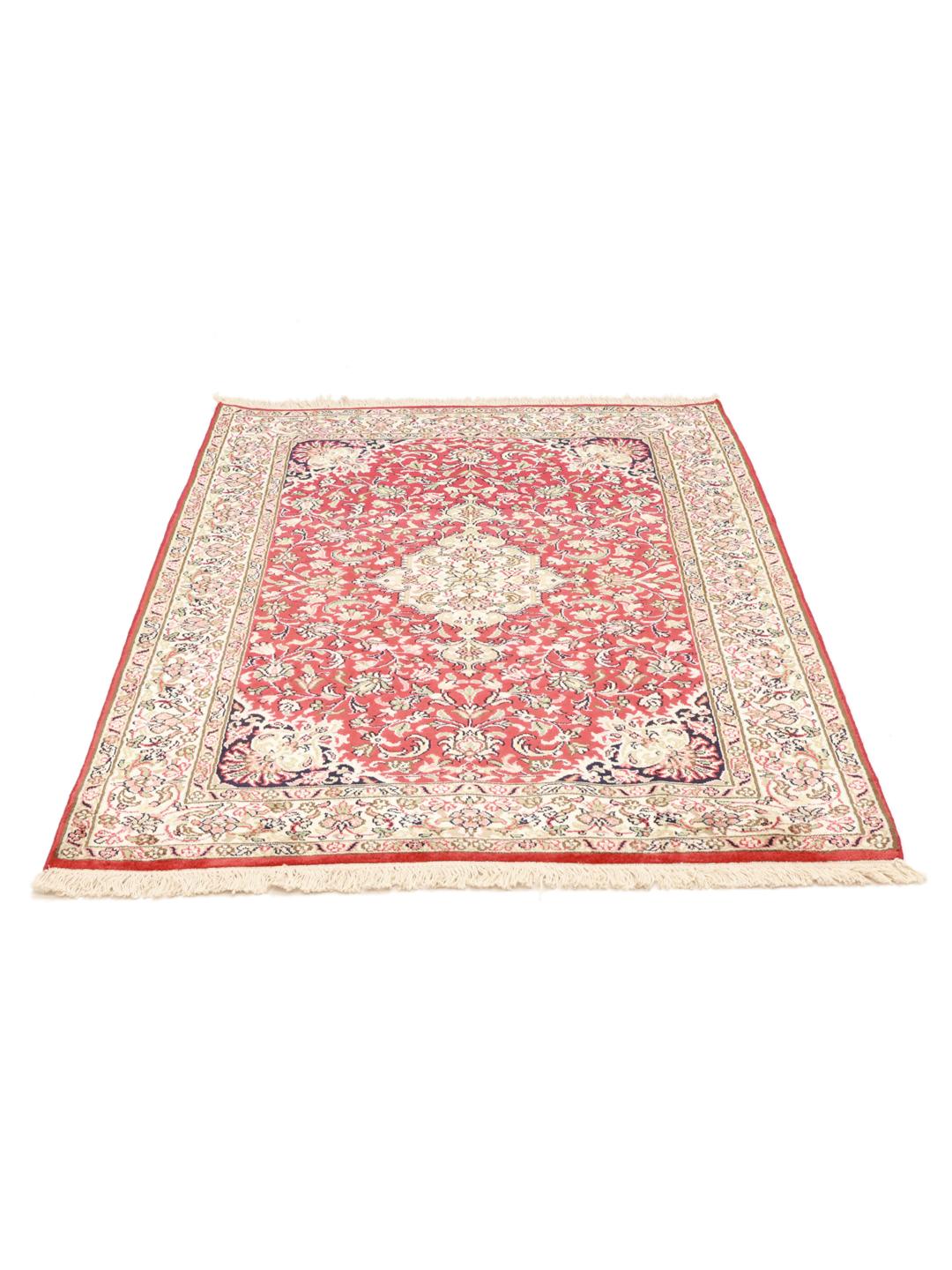
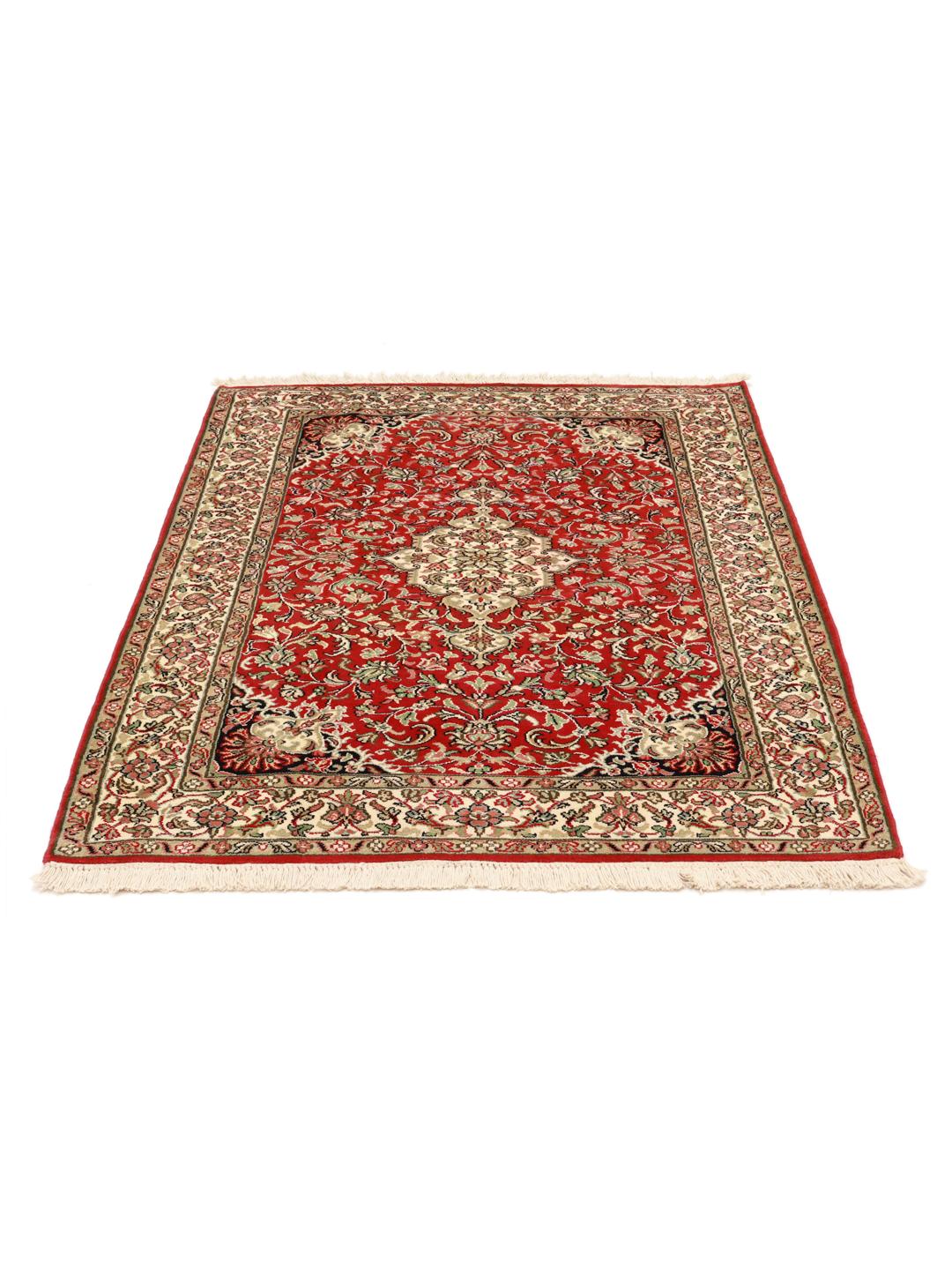
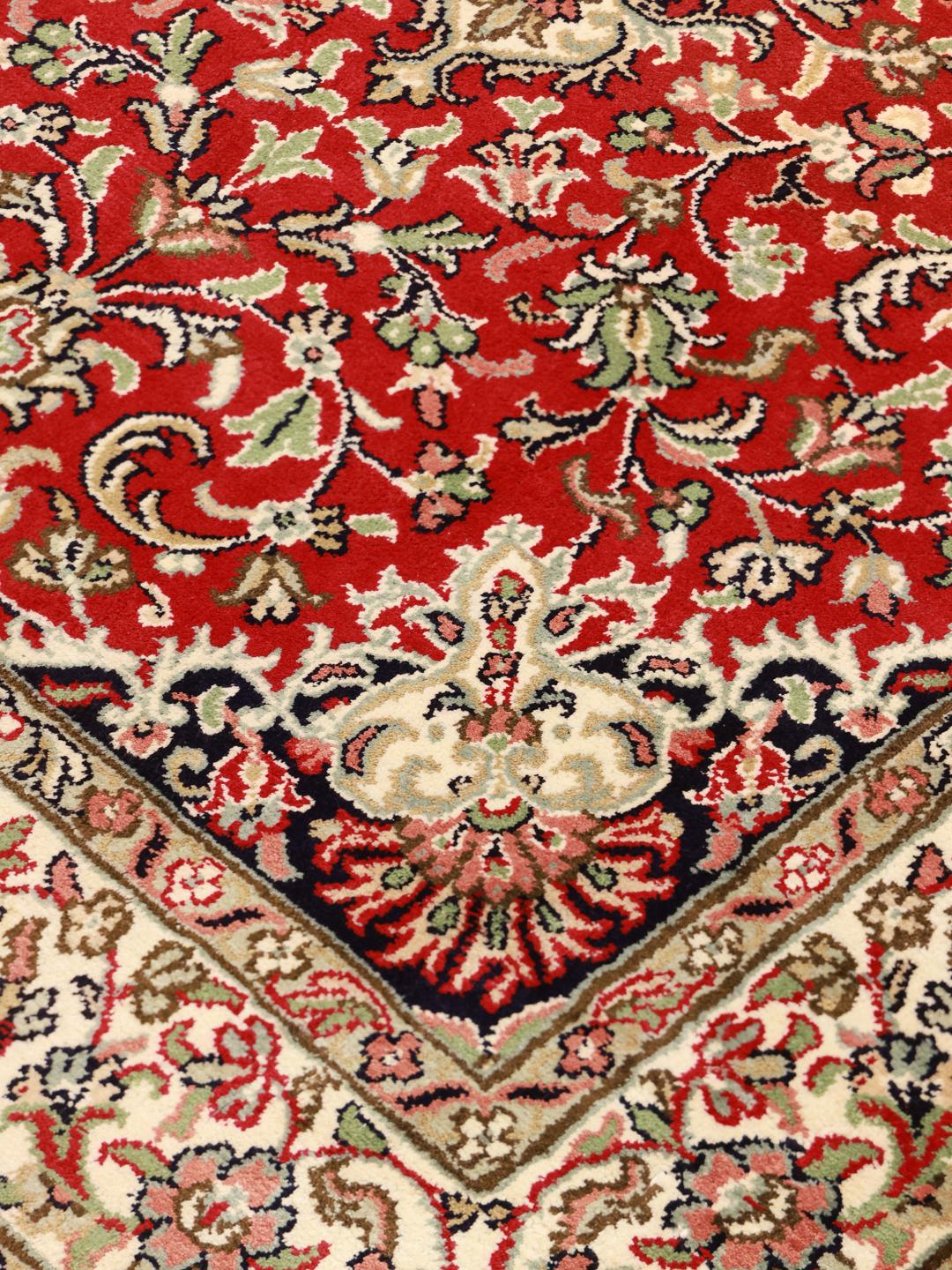
Designers of these rugs frequently draw inspiration from the natural beauty of the Himalayan valleys, incorporating motifs such as the tree of life, blooming vines, and complex central medallions. This specific piece features traditional floral arrangements that reflect a balance between symmetry and organic flow, a testament to the enduring appeal of Kashmiri artistry.
Collecting a Kashmir silk rug is more than a purchase; it is an appreciation of a craft passed down through generations. These pieces are valued for their ability to transform a room with their reflective properties and historical weight, making them not just floor coverings, but heirloom-quality items that connect your home to a long lineage of skilled textile production.