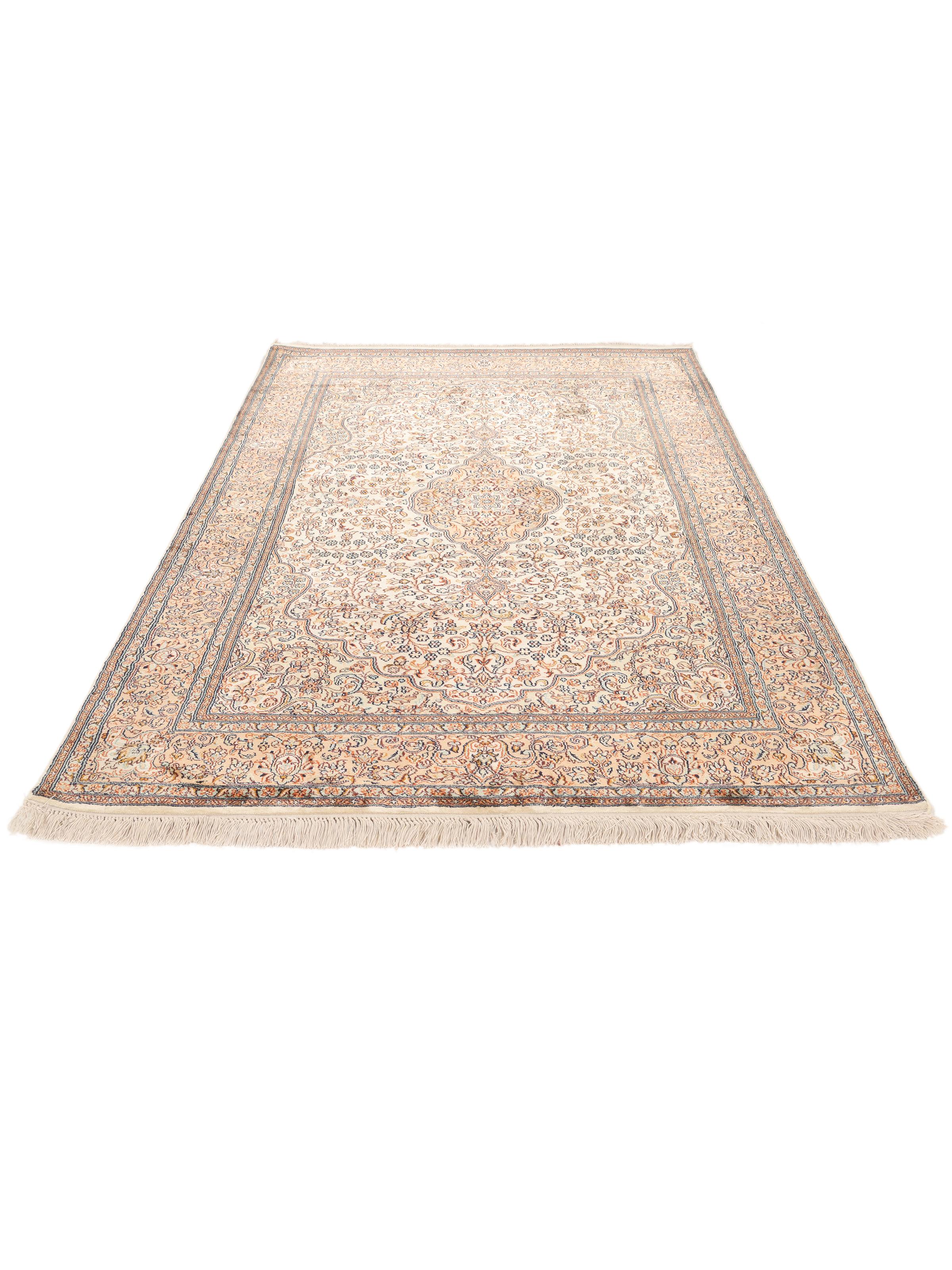
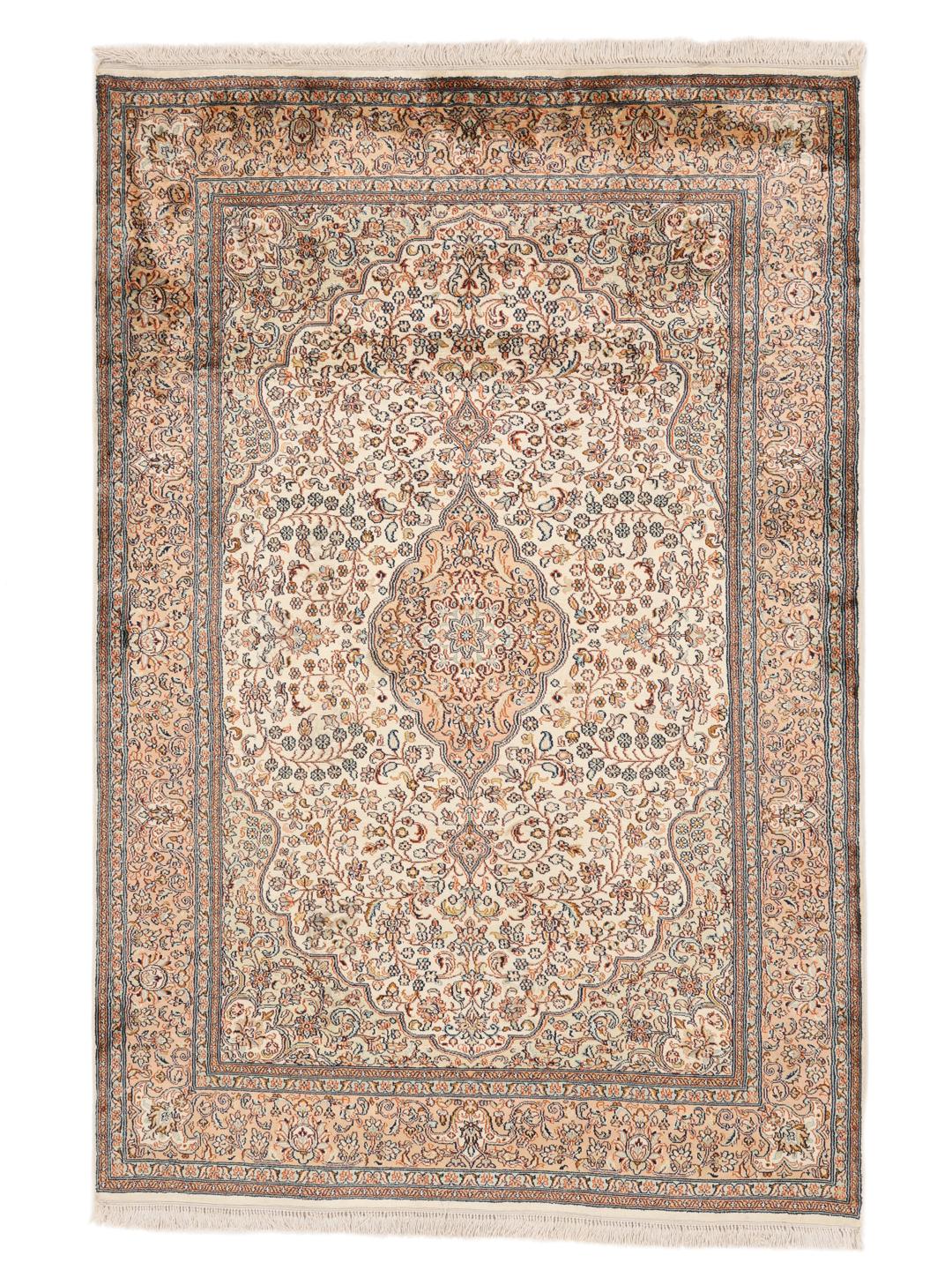
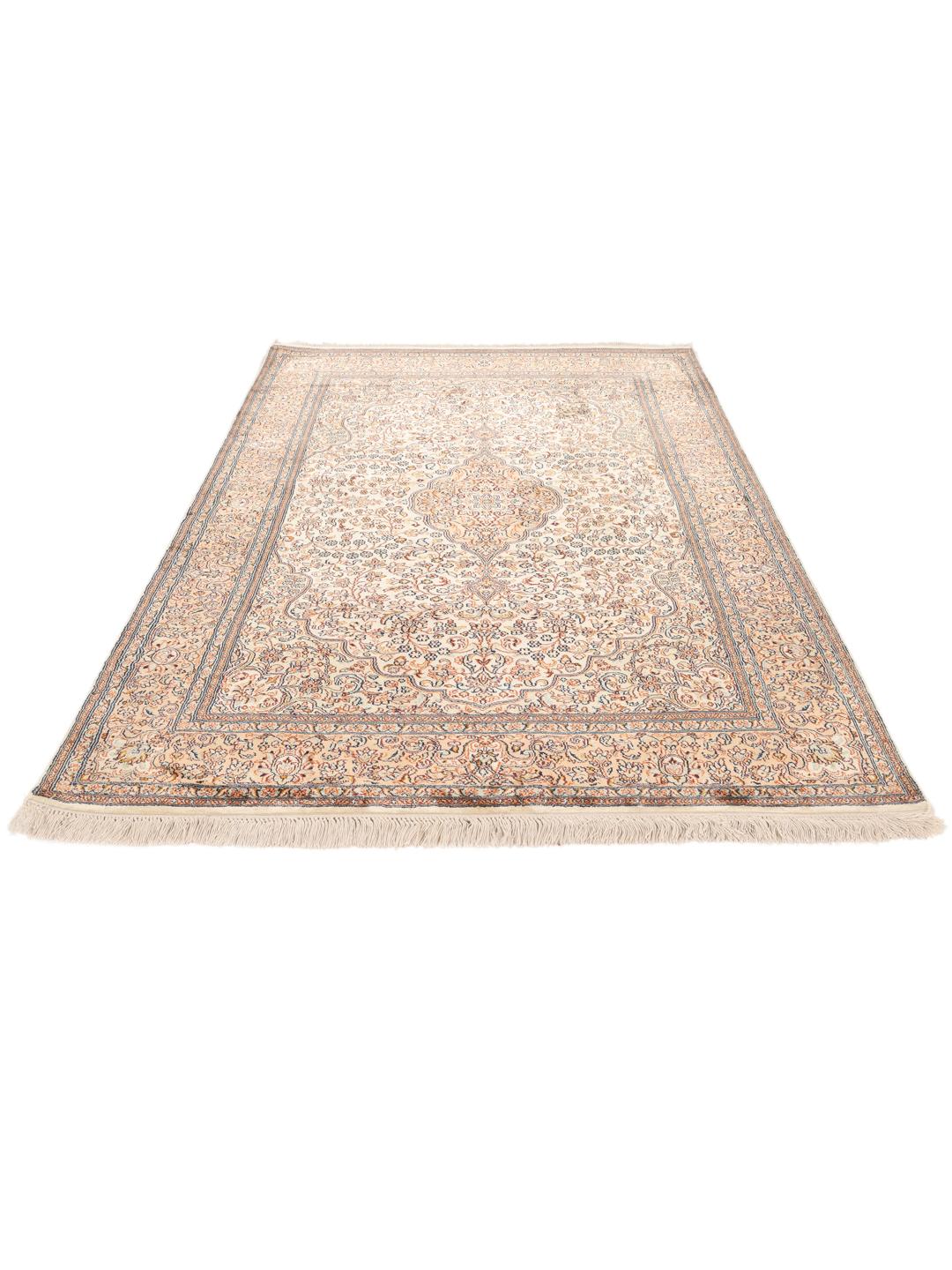
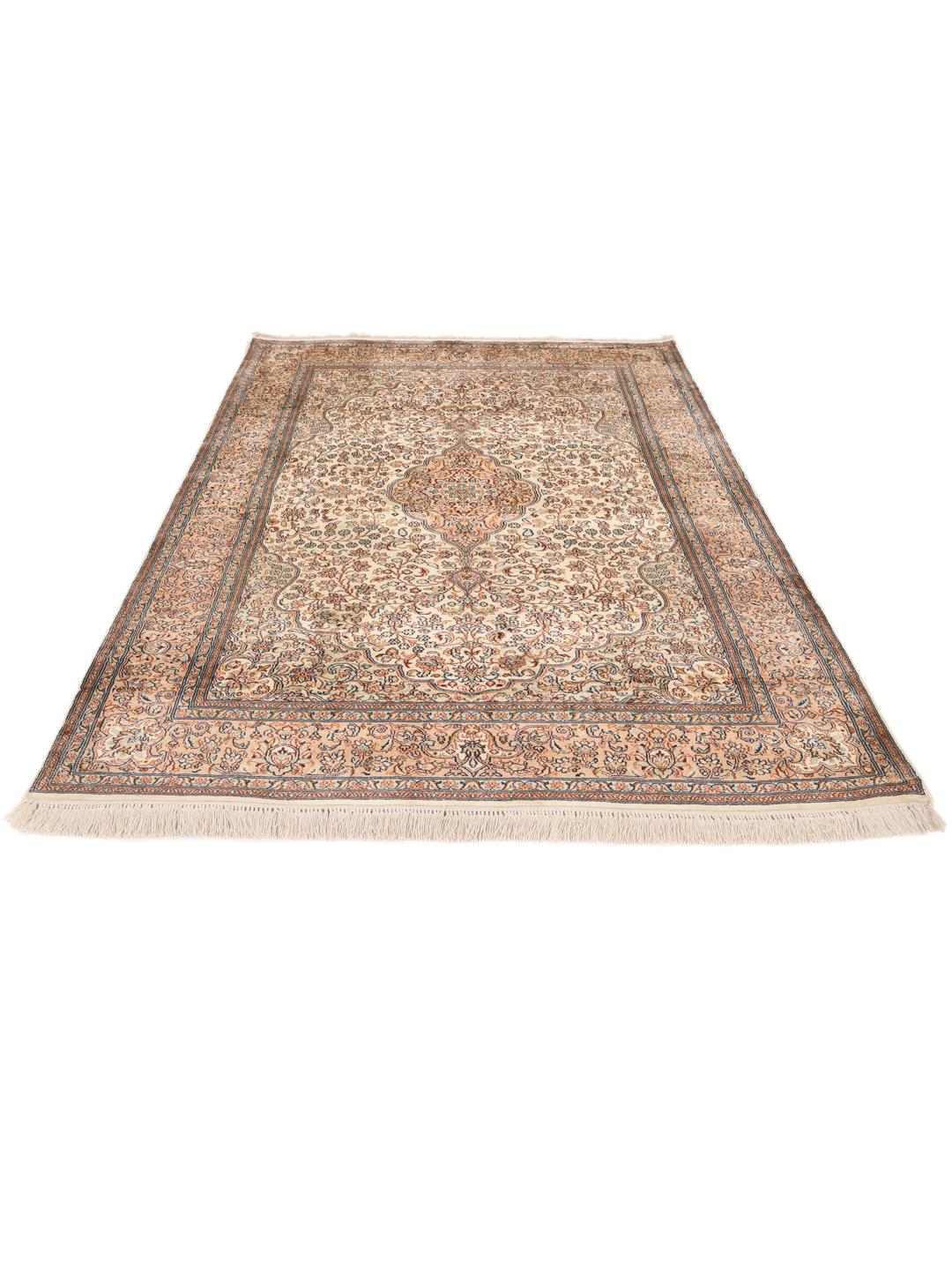
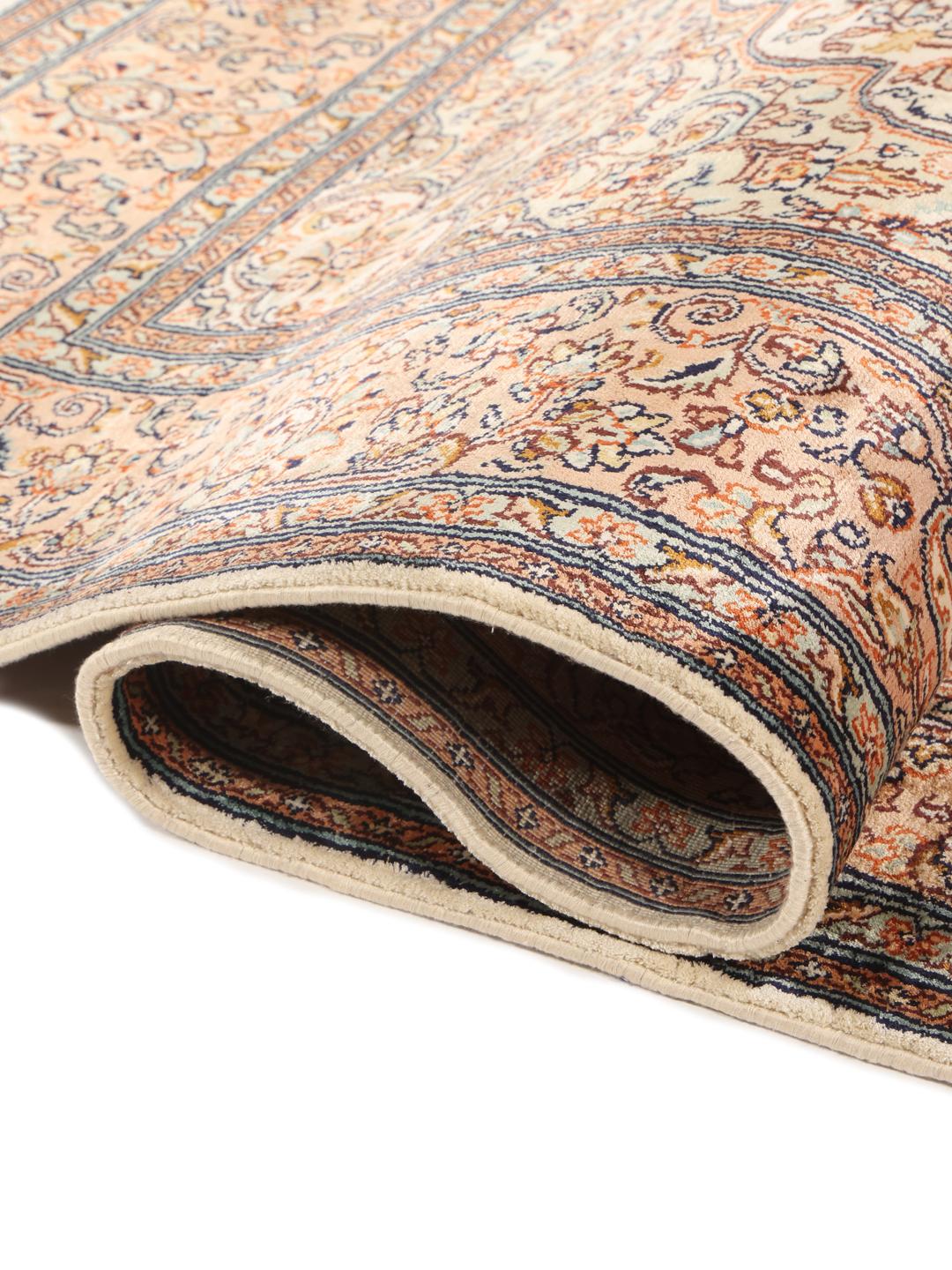
Kashmir rugs carry a rich legacy that traces its roots back to the 15th century, when the art of weaving was introduced to the valley of Kashmir in Northern India. Drawing inspiration from the traditional aesthetic styles of the broader Middle East, local artisans developed their own unique vocabulary of design, blending regional floral influences with a refined, delicate sensibility that has become world-renowned.
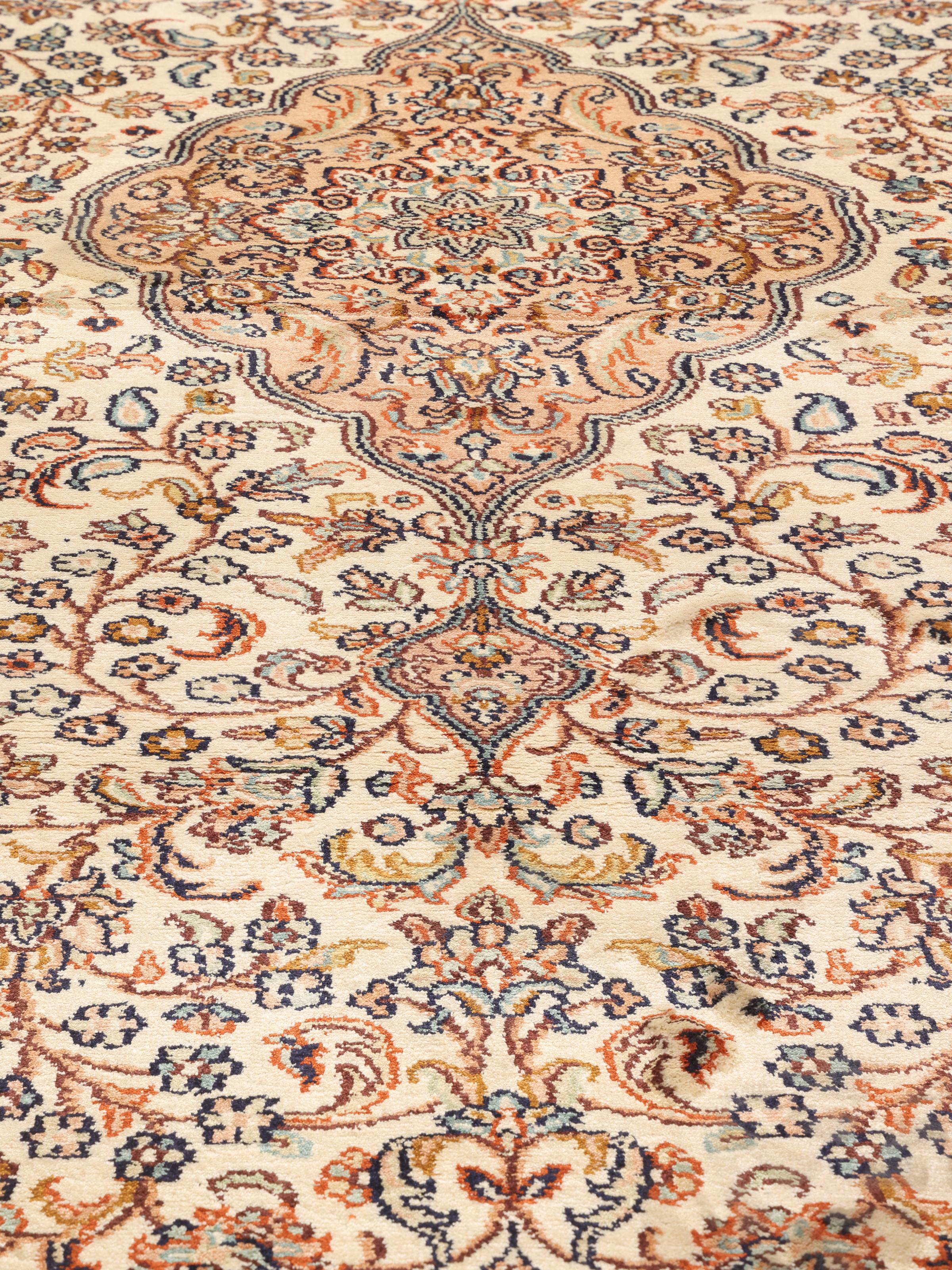
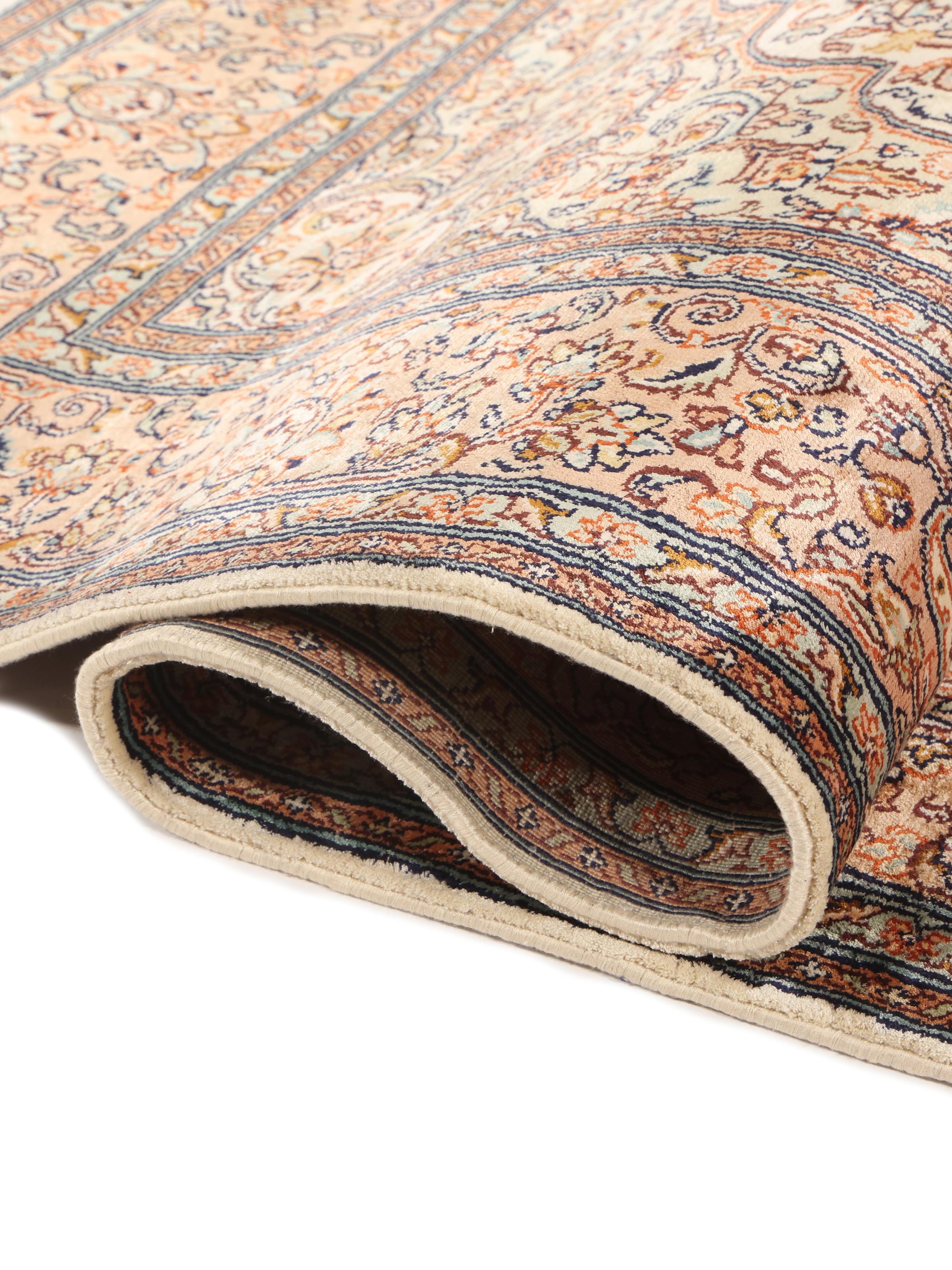
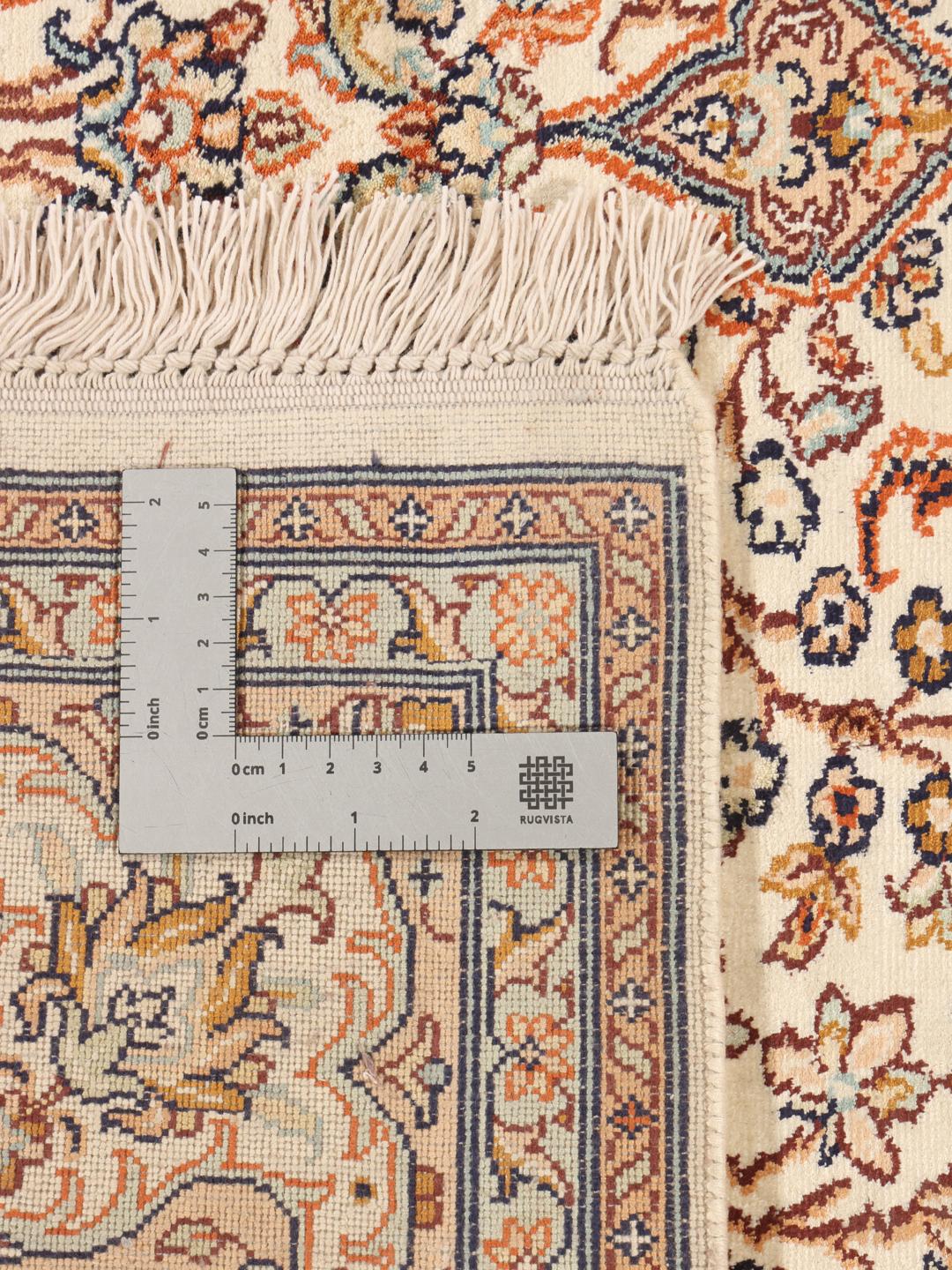
The term 'Kashmir silk' refers to the specific, labour-intensive craft tradition where silk is used to create a pile of unparalleled softness and lustre. Using silk allows for a much finer thread than wool, which in turn enables the weaver to execute incredibly detailed and complex patterns. This choice of material is not merely for aesthetics, but for the inherent strength and long-term resilience that silk provides, ensuring the rug remains a prized possession.
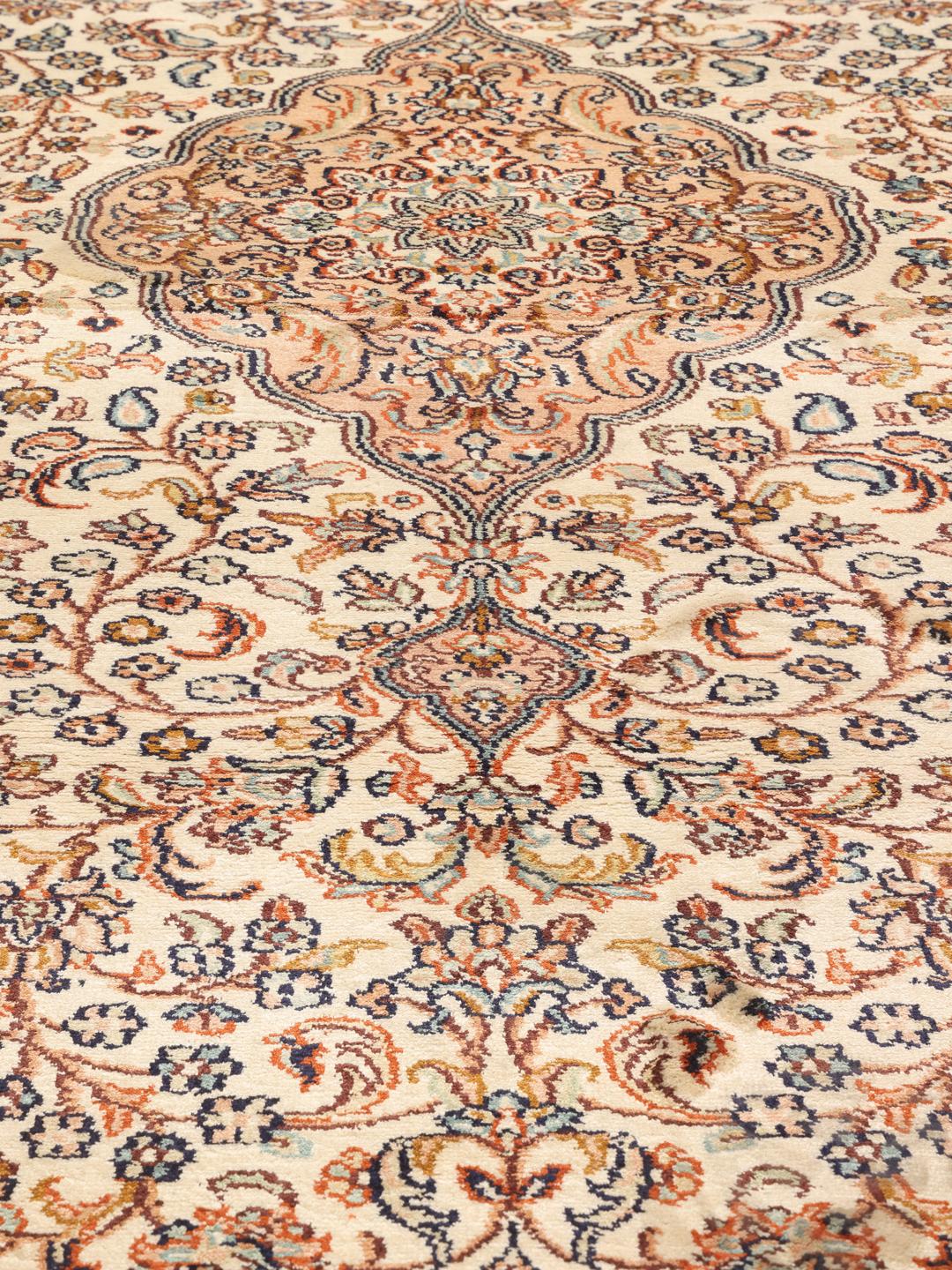
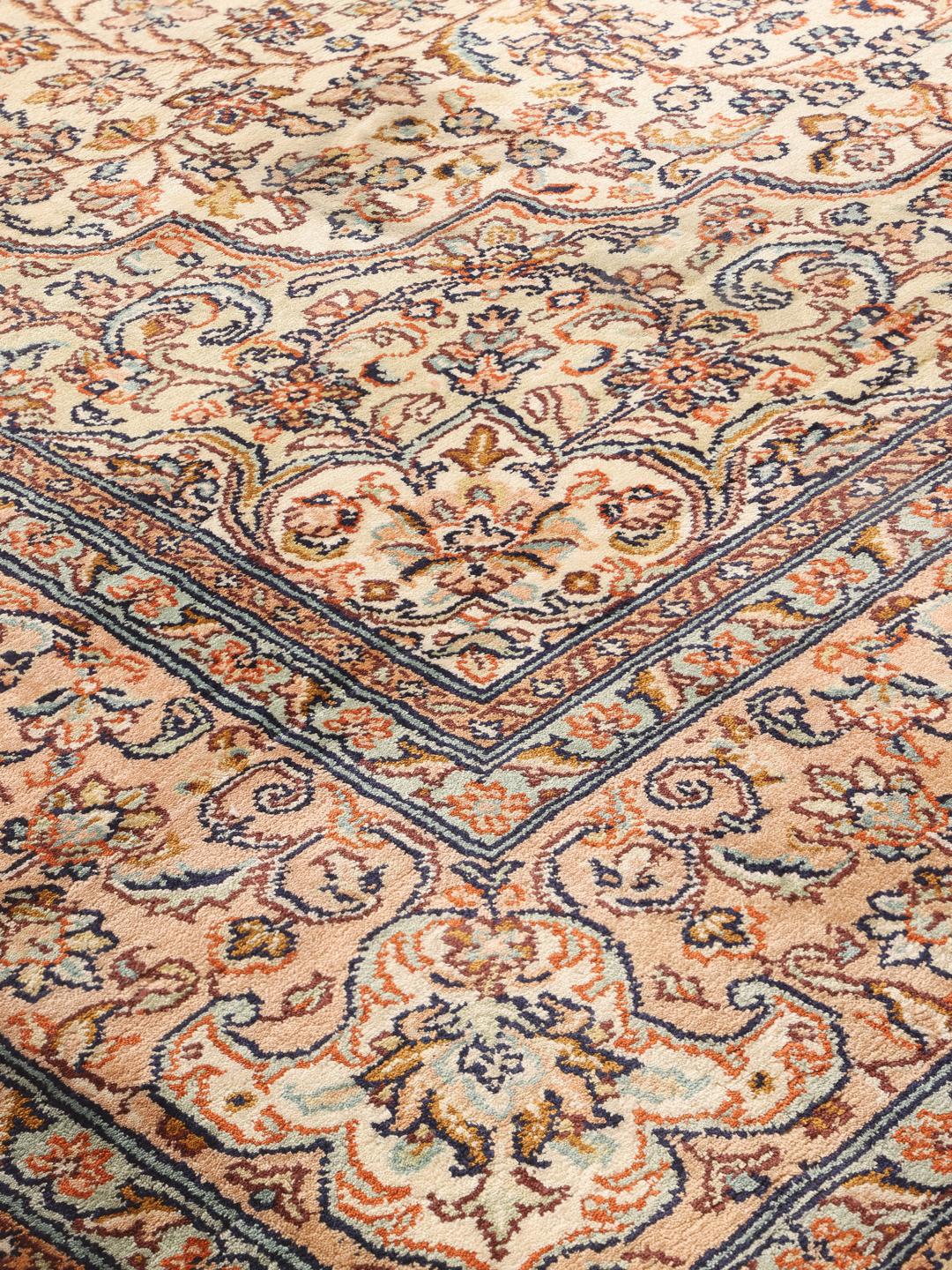
The signature design elements of these rugs often include the classic central medallion, reminiscent of traditional garden layouts, surrounded by dense, flowing floral motifs and delicate vines. These patterns are typically framed by elaborate, multi-layered borders that guide the eye around the entire piece. The colour palettes are often soft and luminous, designed to capture and reflect light in a way that creates a sense of depth and movement across the surface.
Owning a piece from this tradition is an act of preserving a specialised craft that has been passed down through generations of families. Because each rug is individually hand-made, it represents a profound level of human skill and patience that cannot be replicated by modern machinery. These rugs are highly valued by collectors and homeowners alike, not just for their beauty, but for the cultural weight and the tangible connection they provide to a long-standing tradition of excellence.