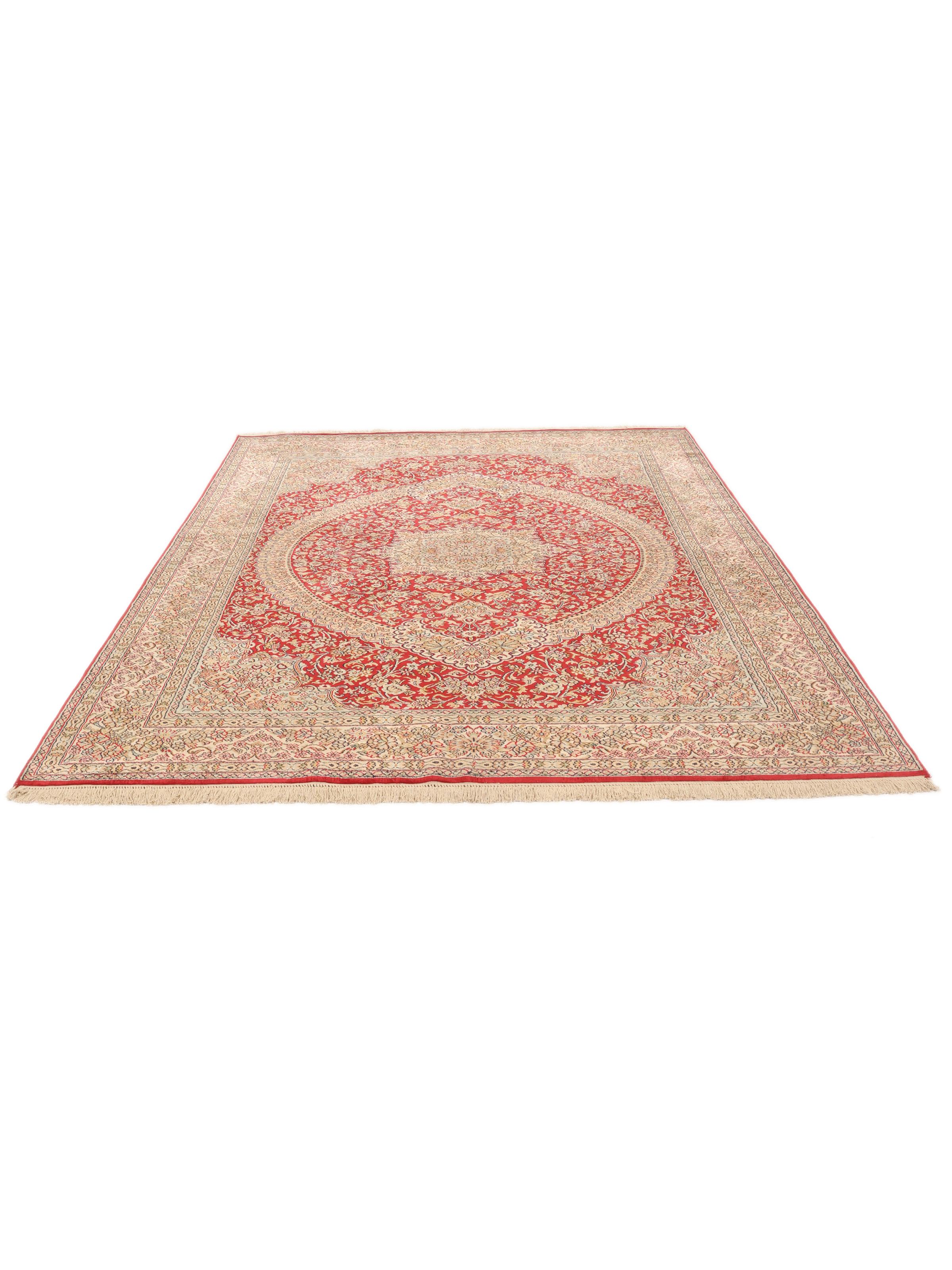
The tradition of weaving in the Kashmir region of India is a storied craft that traces its lineage back to the influence of Middle Eastern artisans who travelled to the valley in the 15th century. Over centuries, these techniques were refined and adapted by local masters, blending Middle Eastern design principles with indigenous Indian artistic sensibilities. The result is a unique, globally recognised style that is celebrated for its finesse and dedication to intricate, nature-inspired motifs.
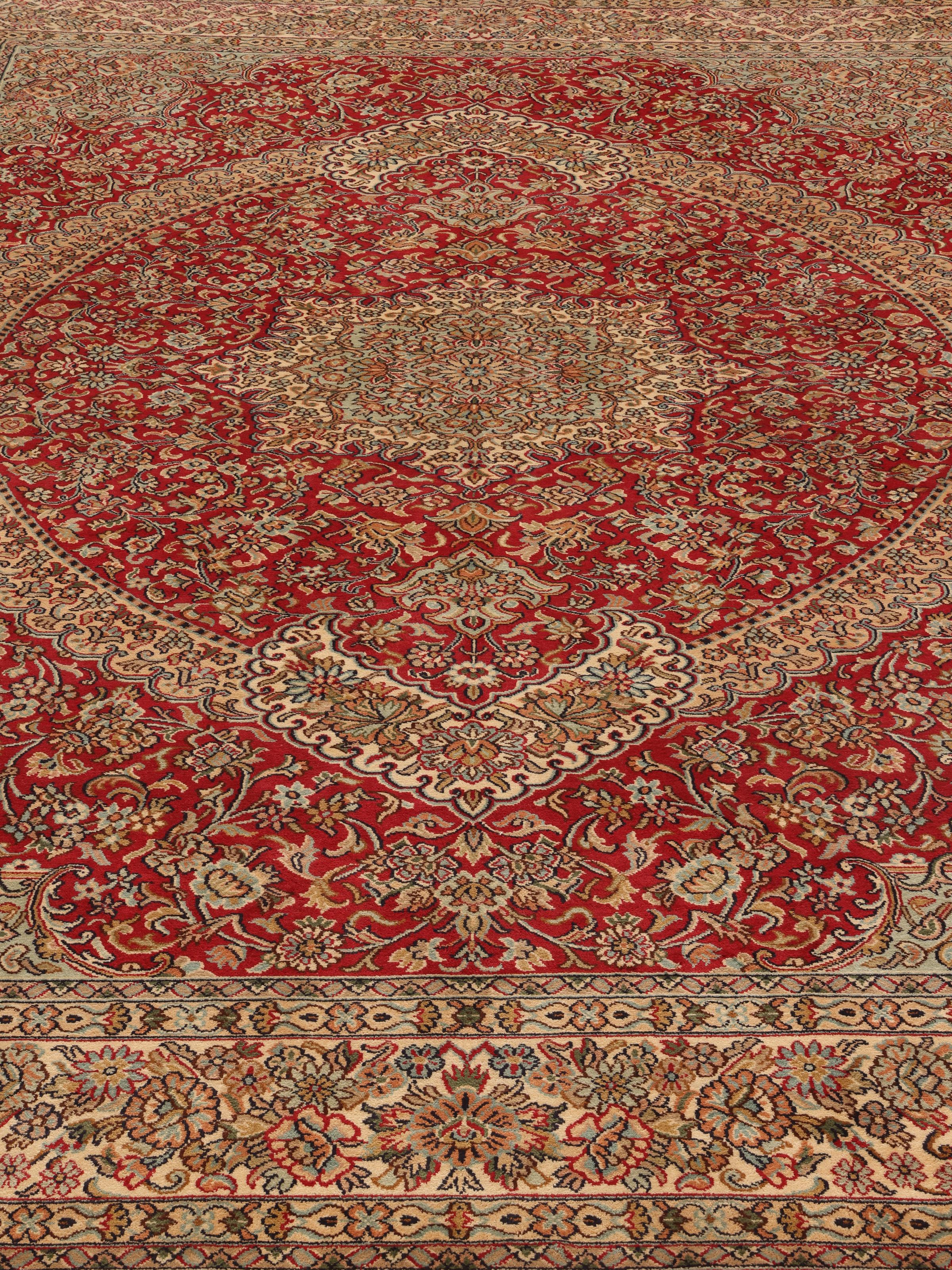
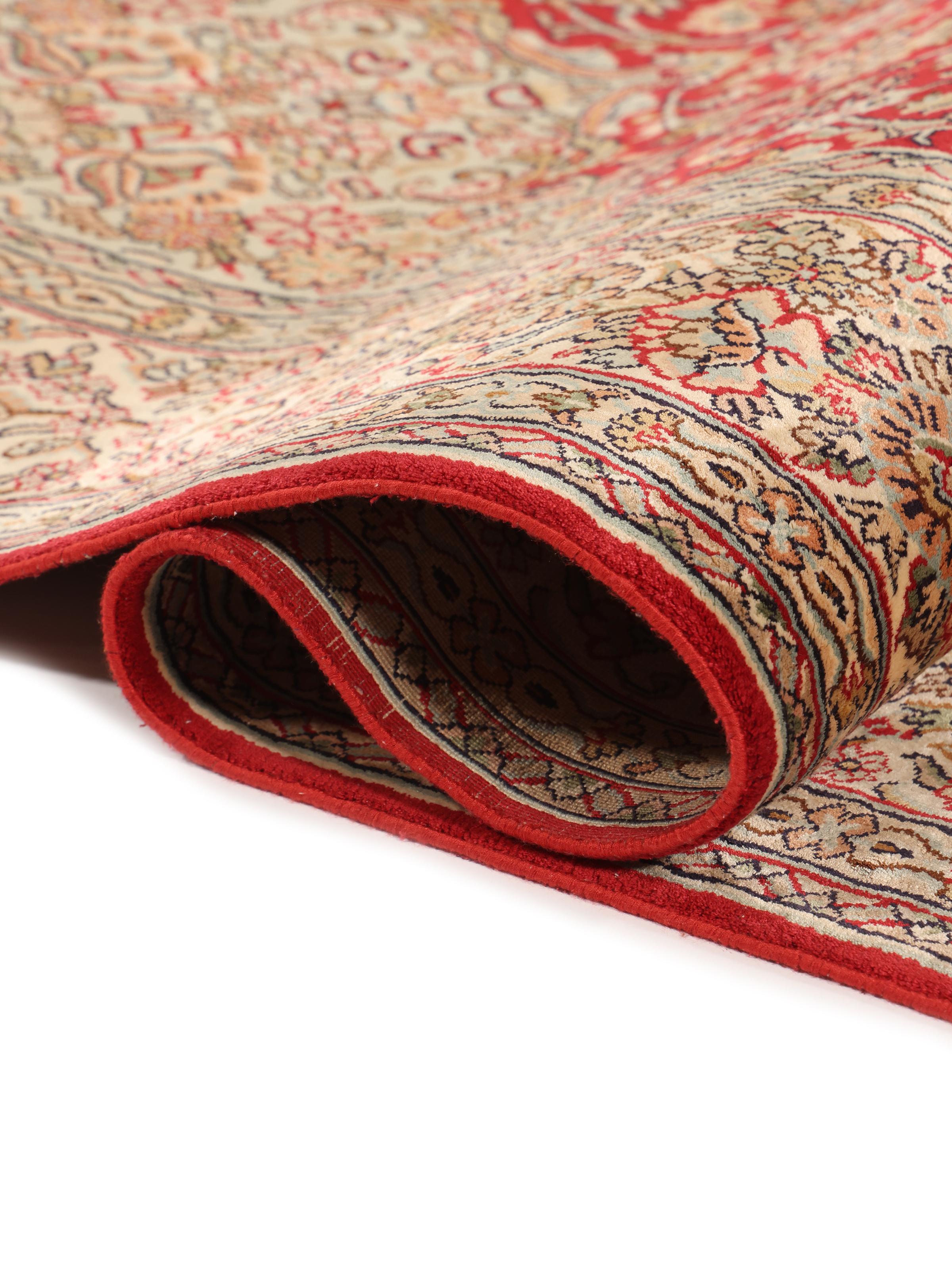
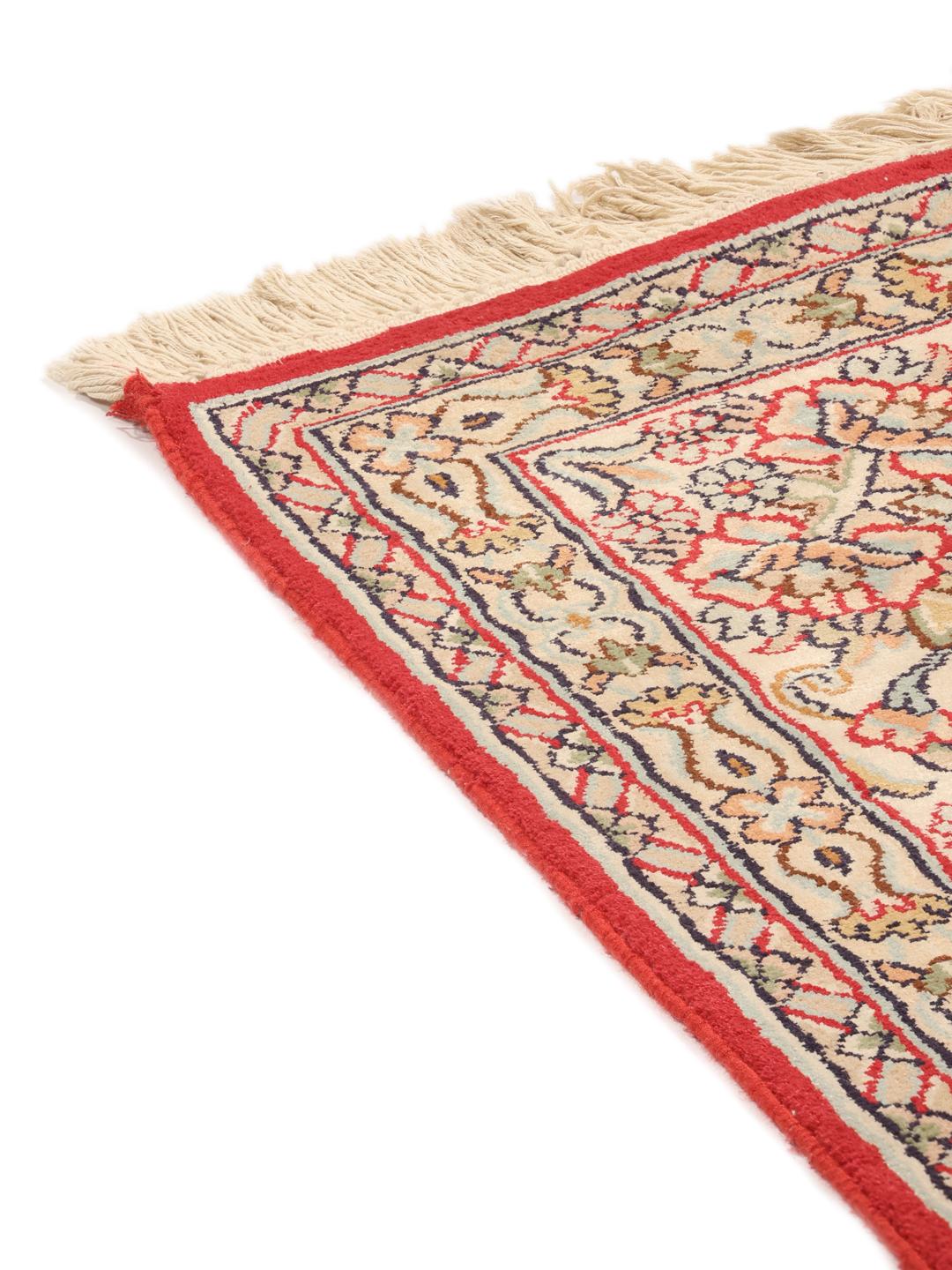
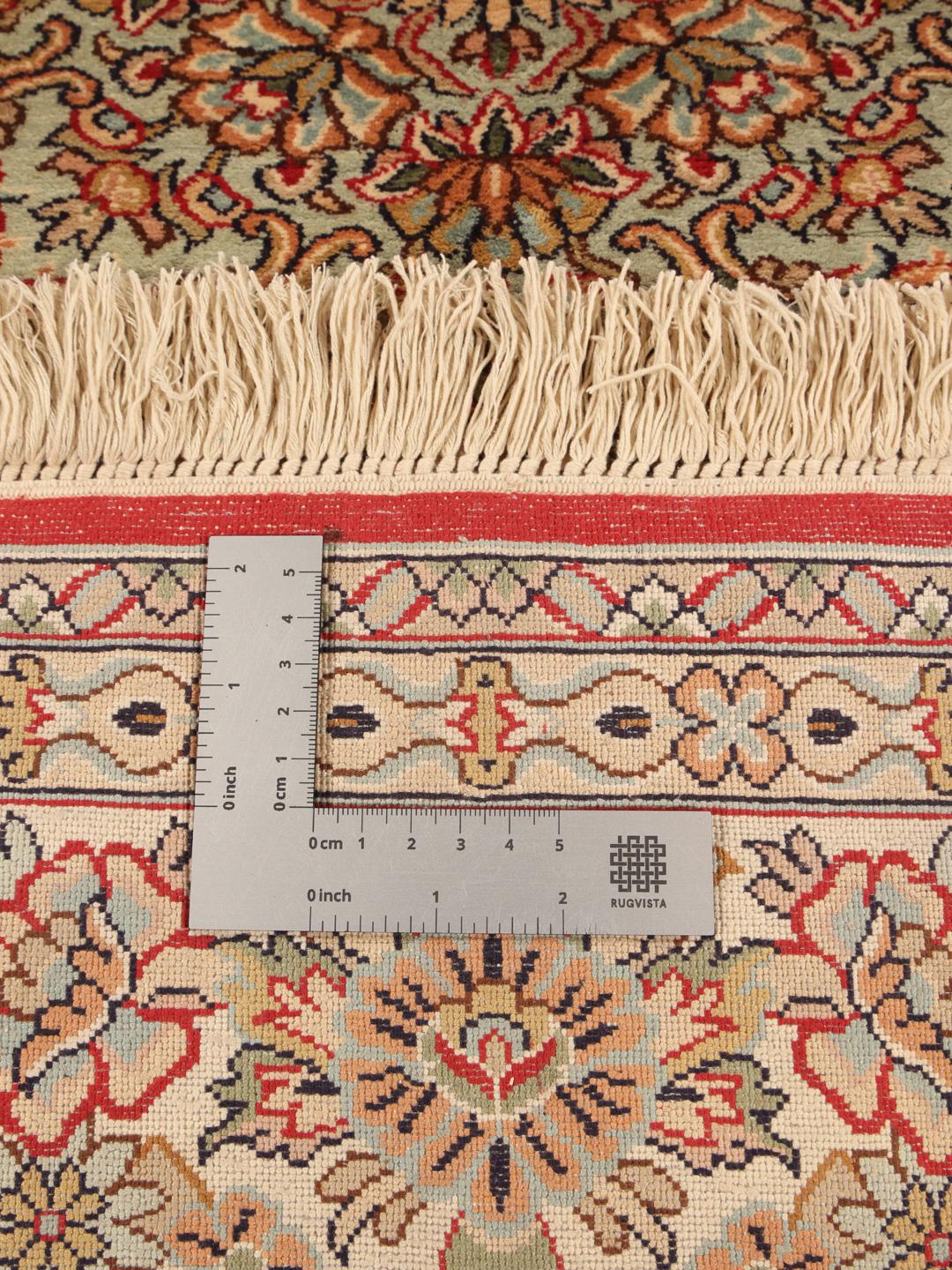
The terminology used to describe these rugs often refers to the 'quality' or the number of knots per square inch or metre, which serves as the primary metric for evaluating their fineness. A higher knot count, such as the 24/24 quality, indicates a significantly more complex weaving process, allowing for curvilinear designs and highly detailed borders that are impossible to achieve in coarser weaves. This density is the hallmark of a true Kashmir rug, distinguishing it as a piece of high technical merit.
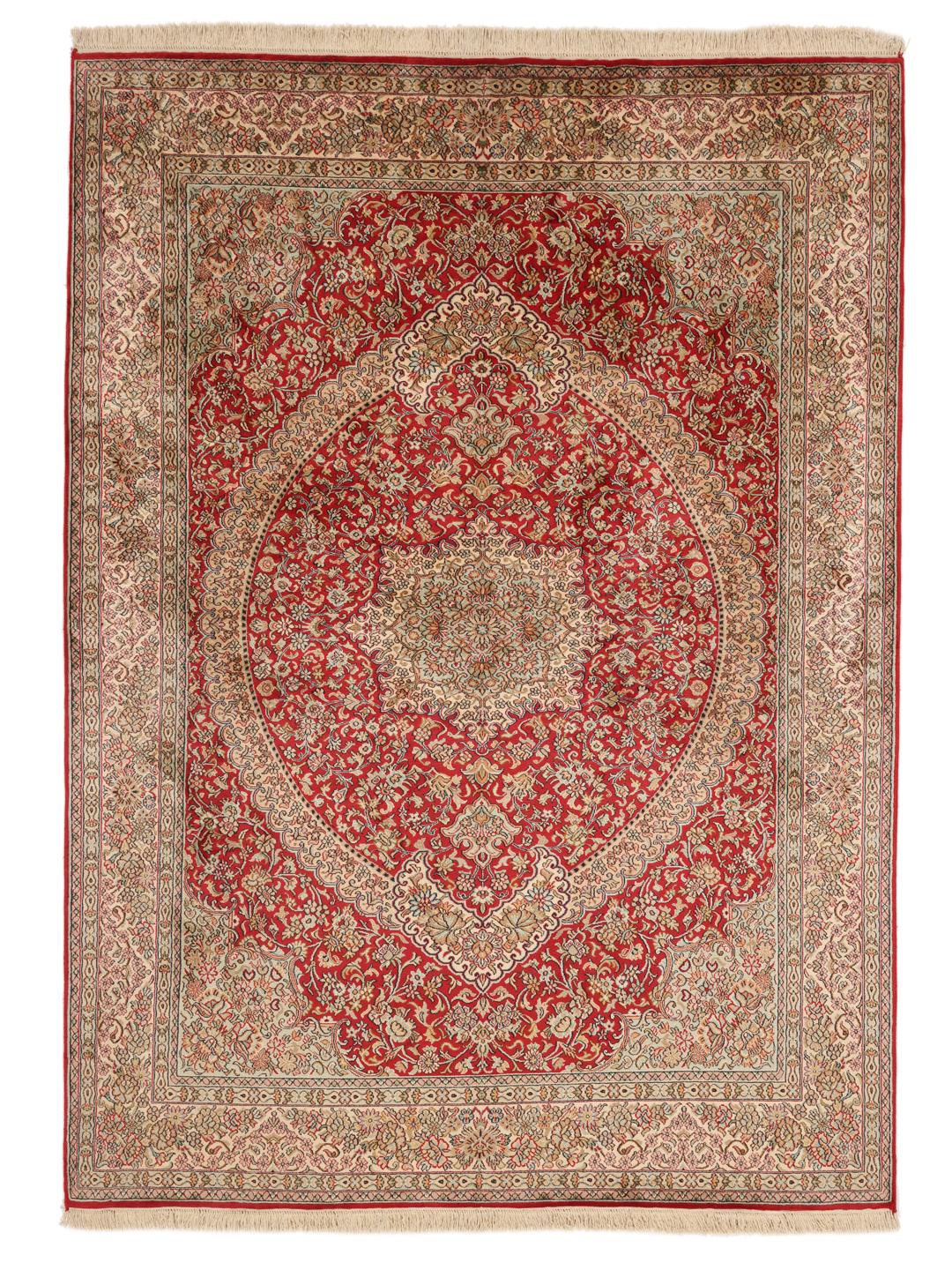
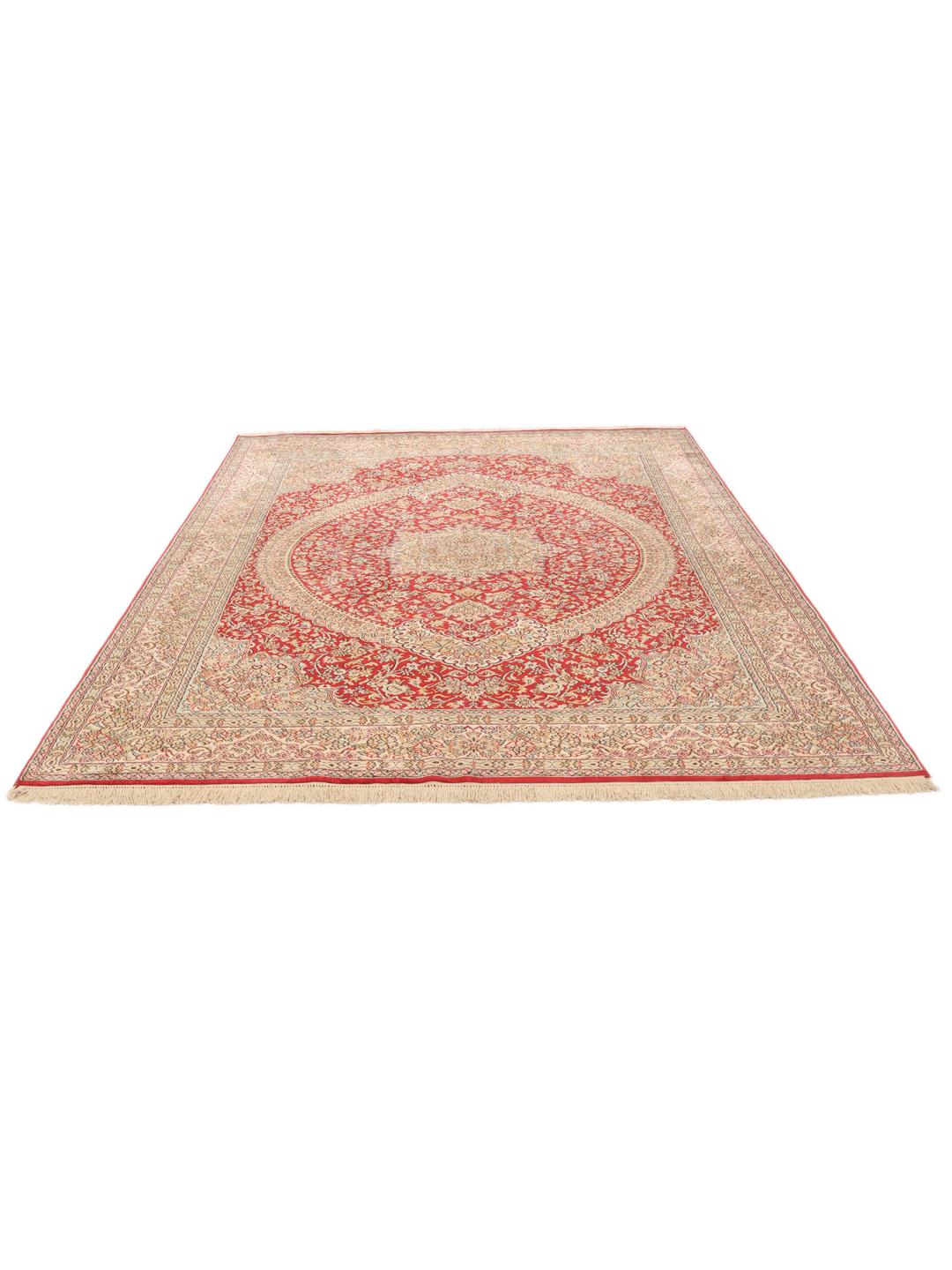
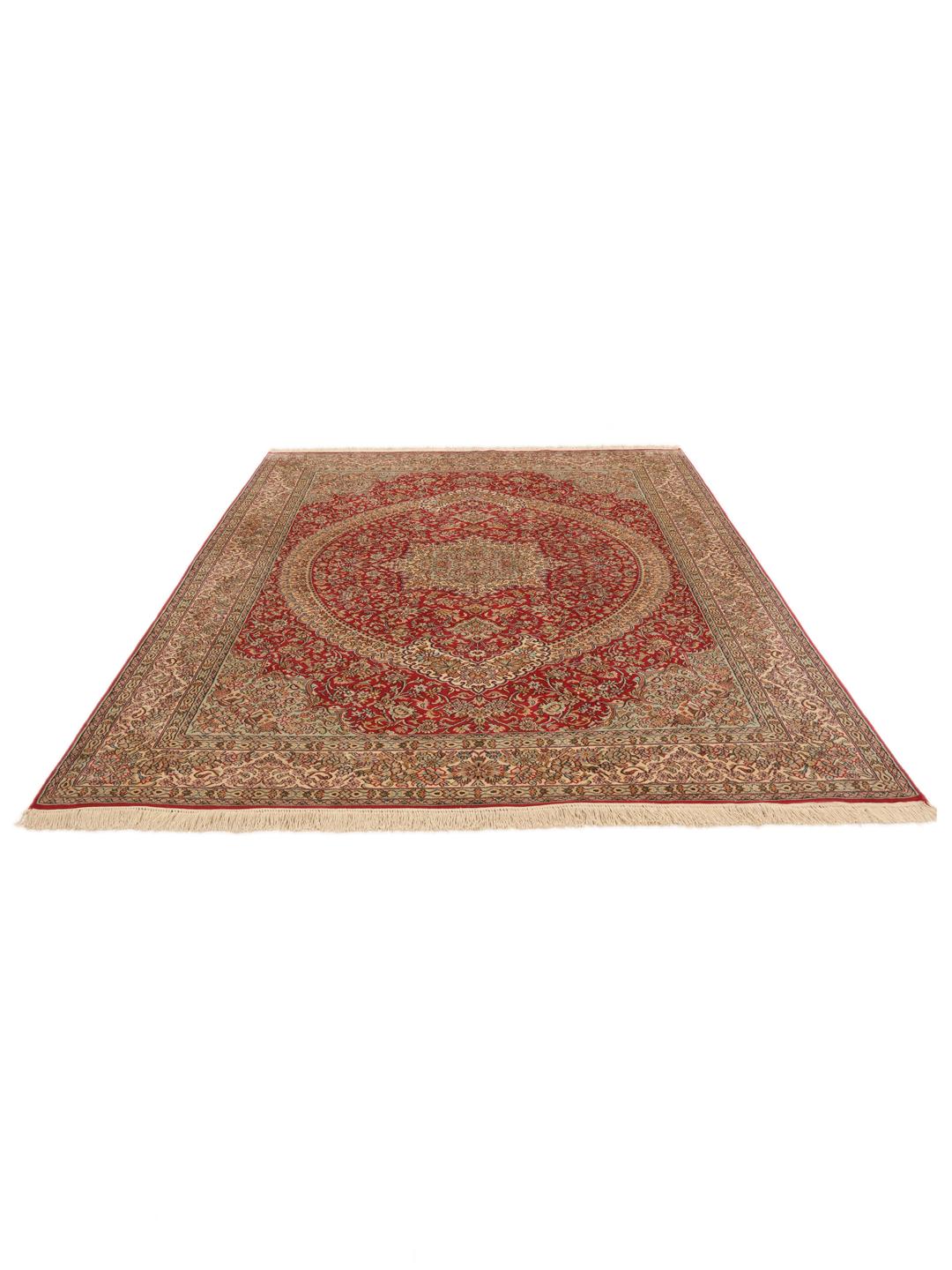
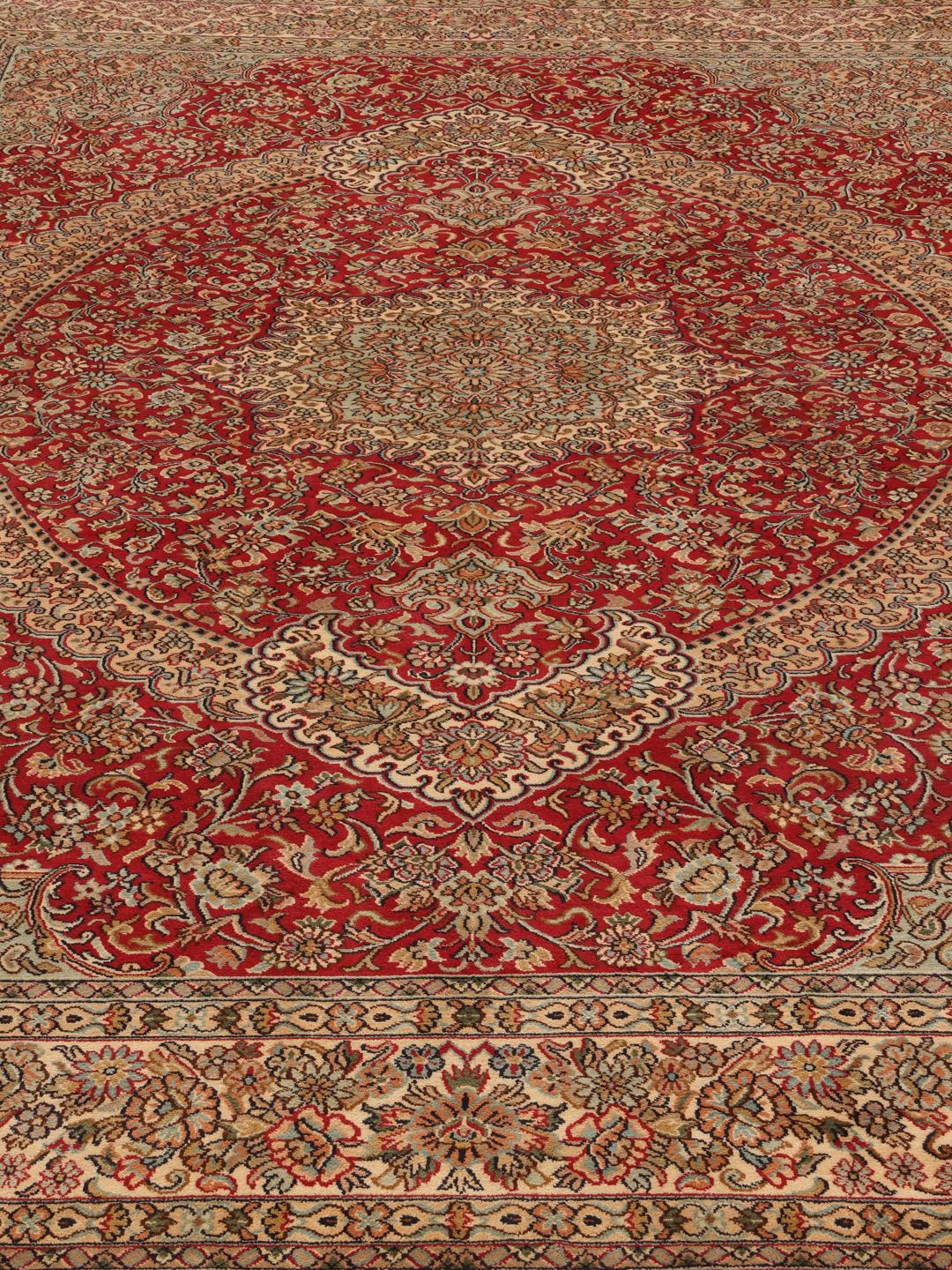
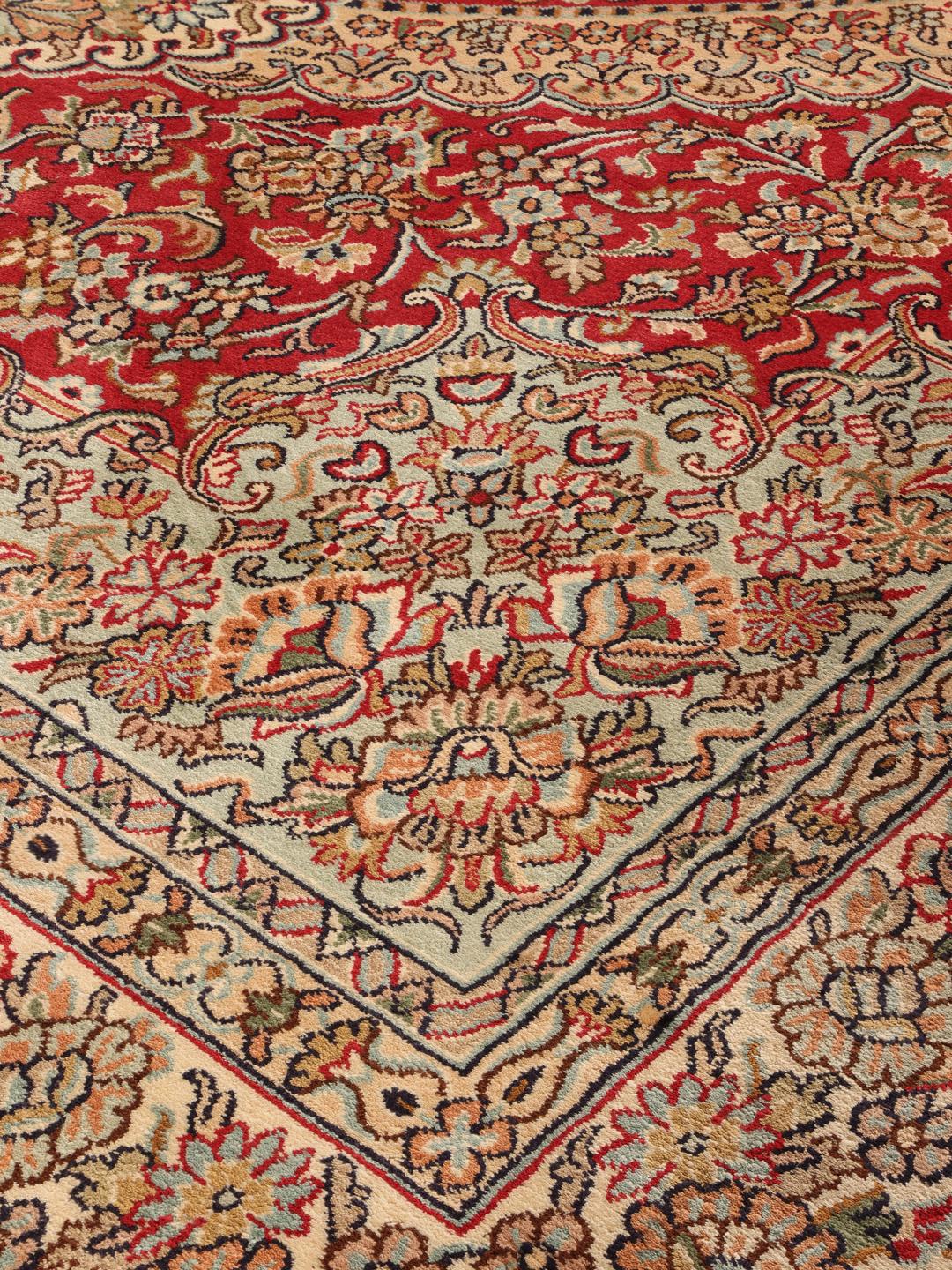
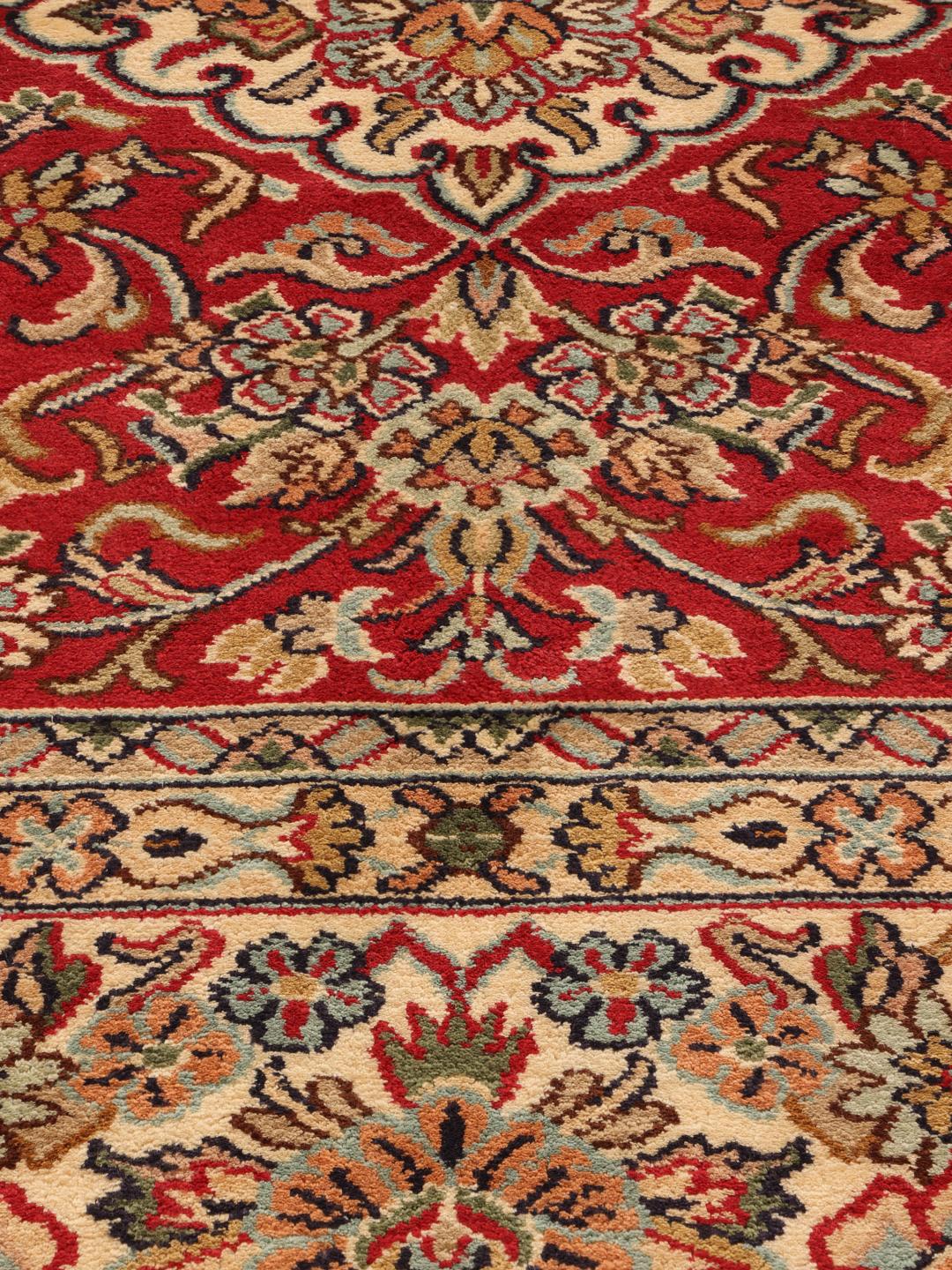
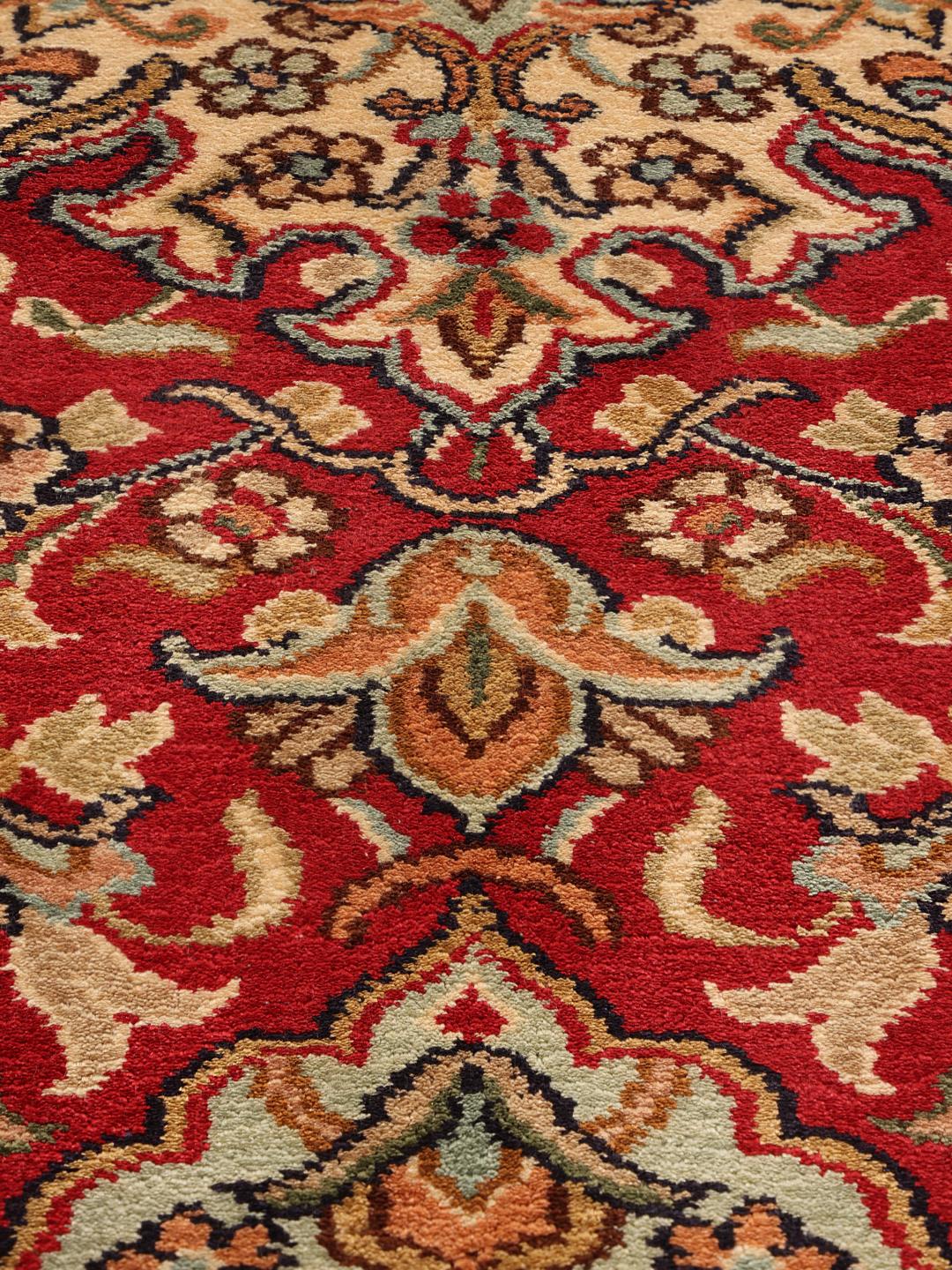
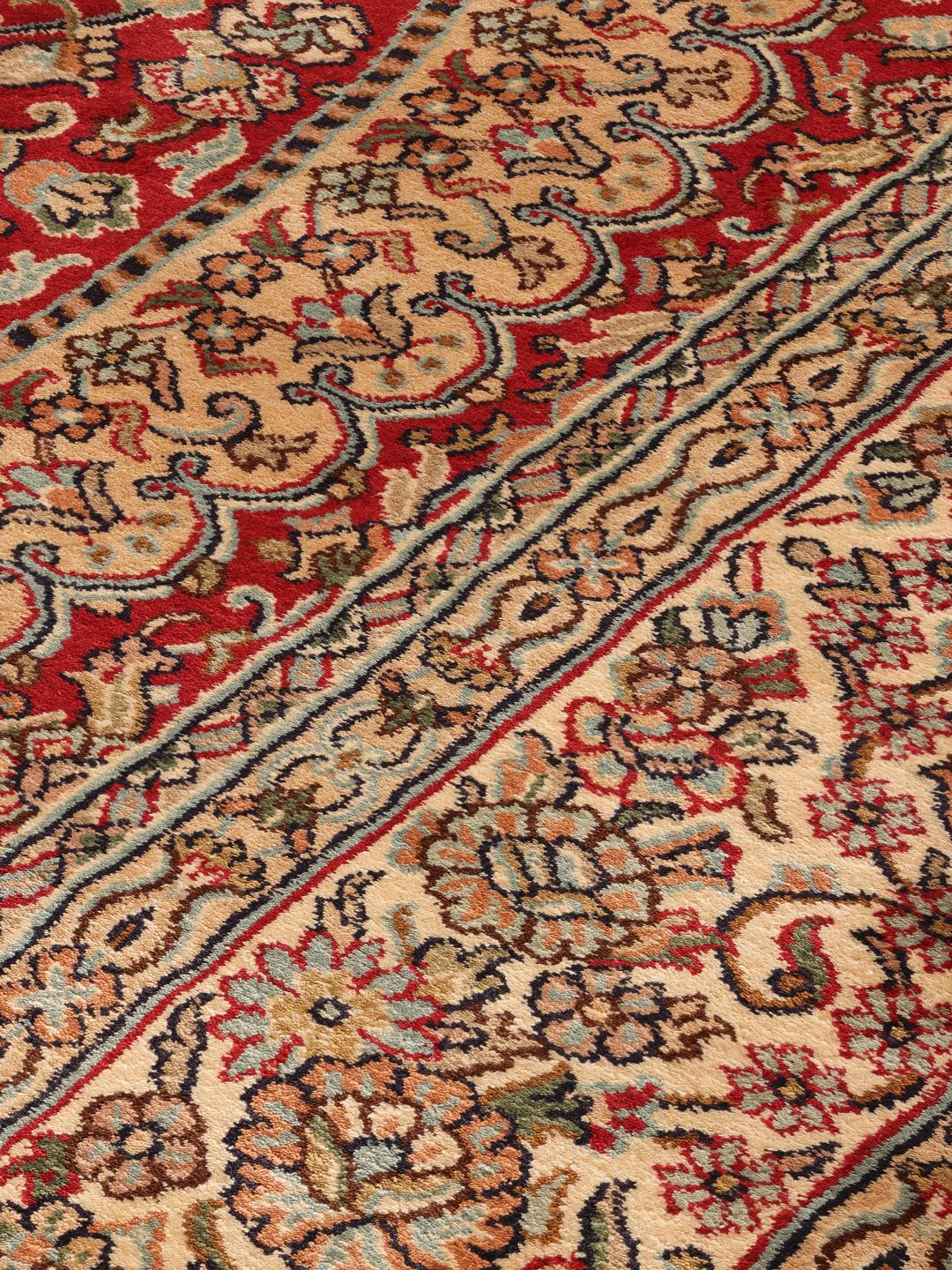
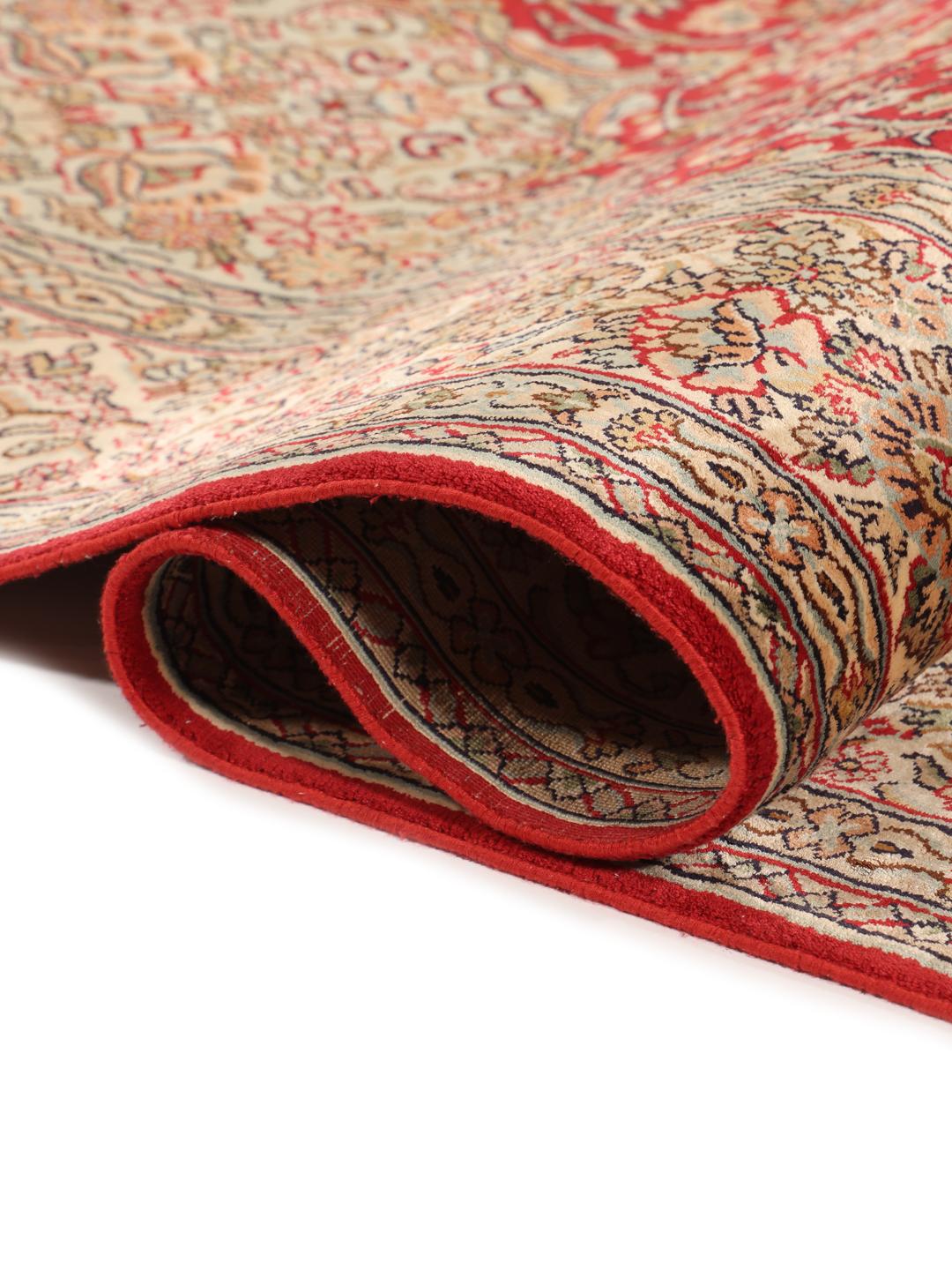
Visually, these rugs are defined by their sophisticated use of floral patterns, often centred around a grand medallion. The field is typically filled with elaborate vines, palmettes, and floral sprays, reflecting the lush landscapes of the Kashmir valley. The border systems are equally complex, often featuring multiple narrow guard stripes that frame the central design and guide the eye toward the heart of the rug, creating a balanced and harmonious composition.
Collecting a Kashmir rug is an investment in cultural heritage and human skill. These pieces are highly valued not only for their aesthetic beauty but for the immense patience and precision required to create them. Because each rug is a product of its weaver's individual interpretation of traditional patterns, owning one is a way to preserve a living history of textile art, ensuring that these ancient techniques continue to be appreciated and honoured in modern homes.