The Joshaghan rug tradition originates from the historic village of Joshaghan-e Ghali, located in central parts of the Middle East. This region has been a renowned centre for weaving for centuries, with a reputation for creating rugs that are as durable as they are beautiful. The tradition here is deeply rooted in the local landscape and cultural history, often characterised by a sophisticated approach to symmetry and colour harmony.
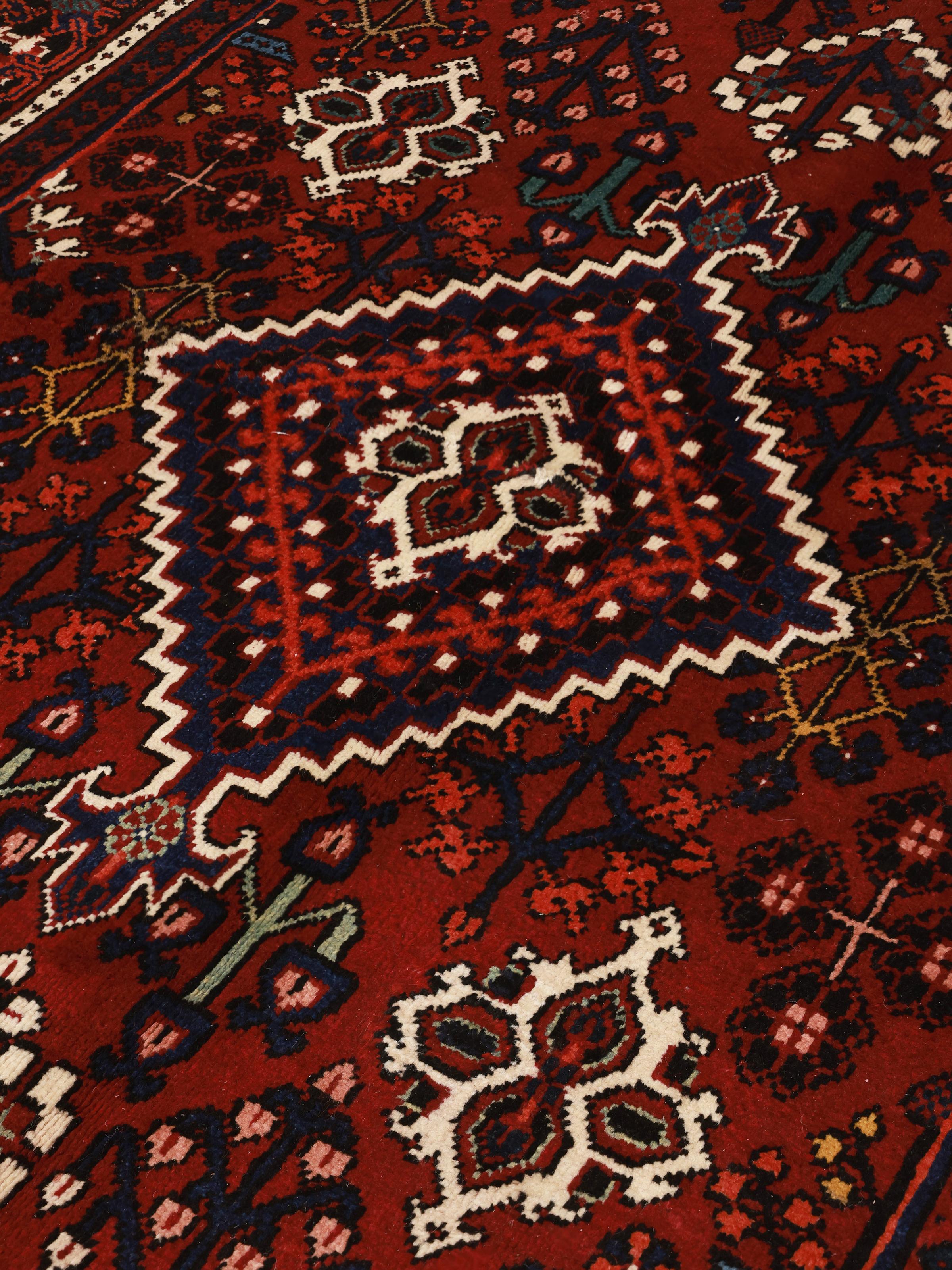
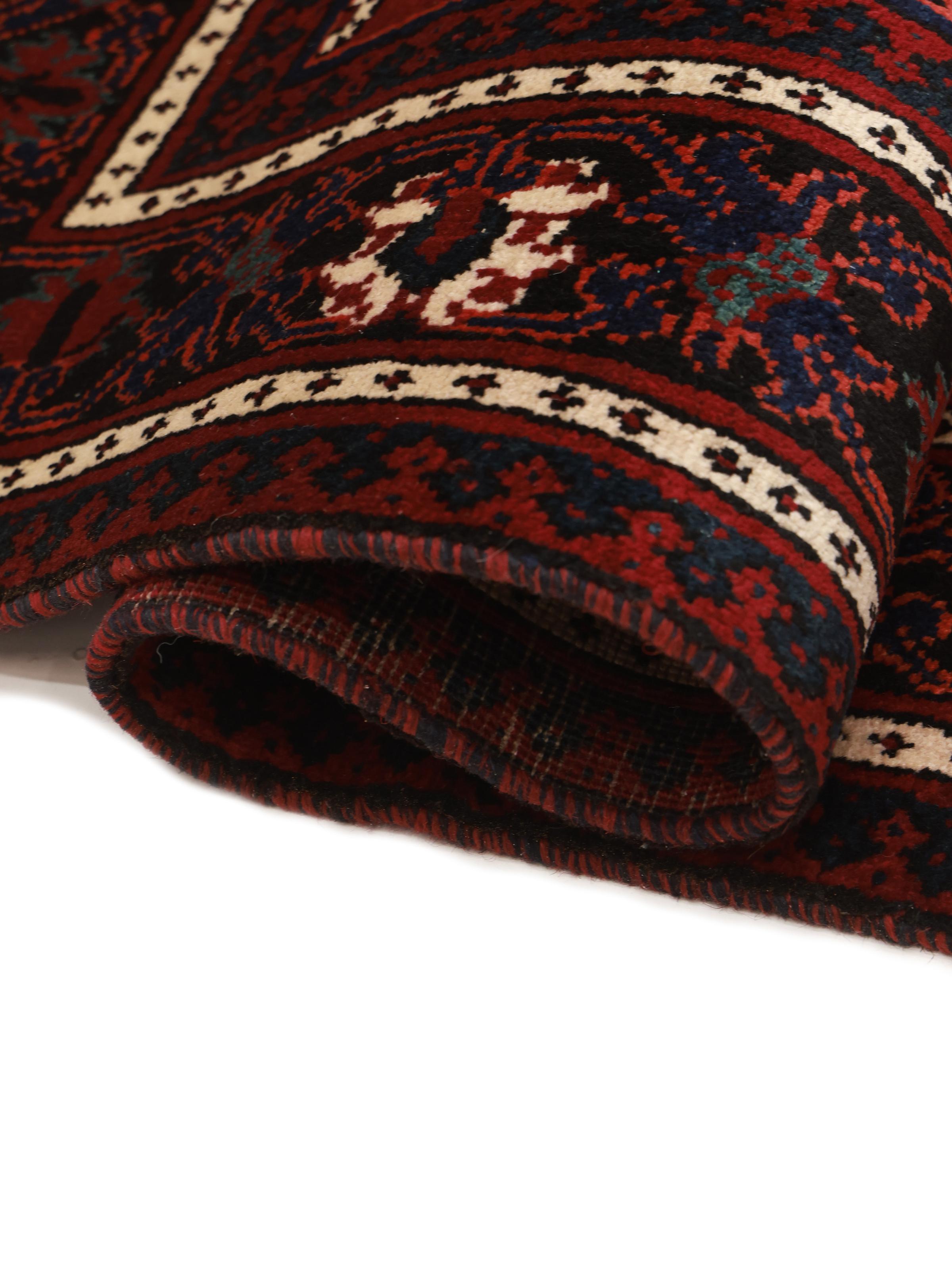
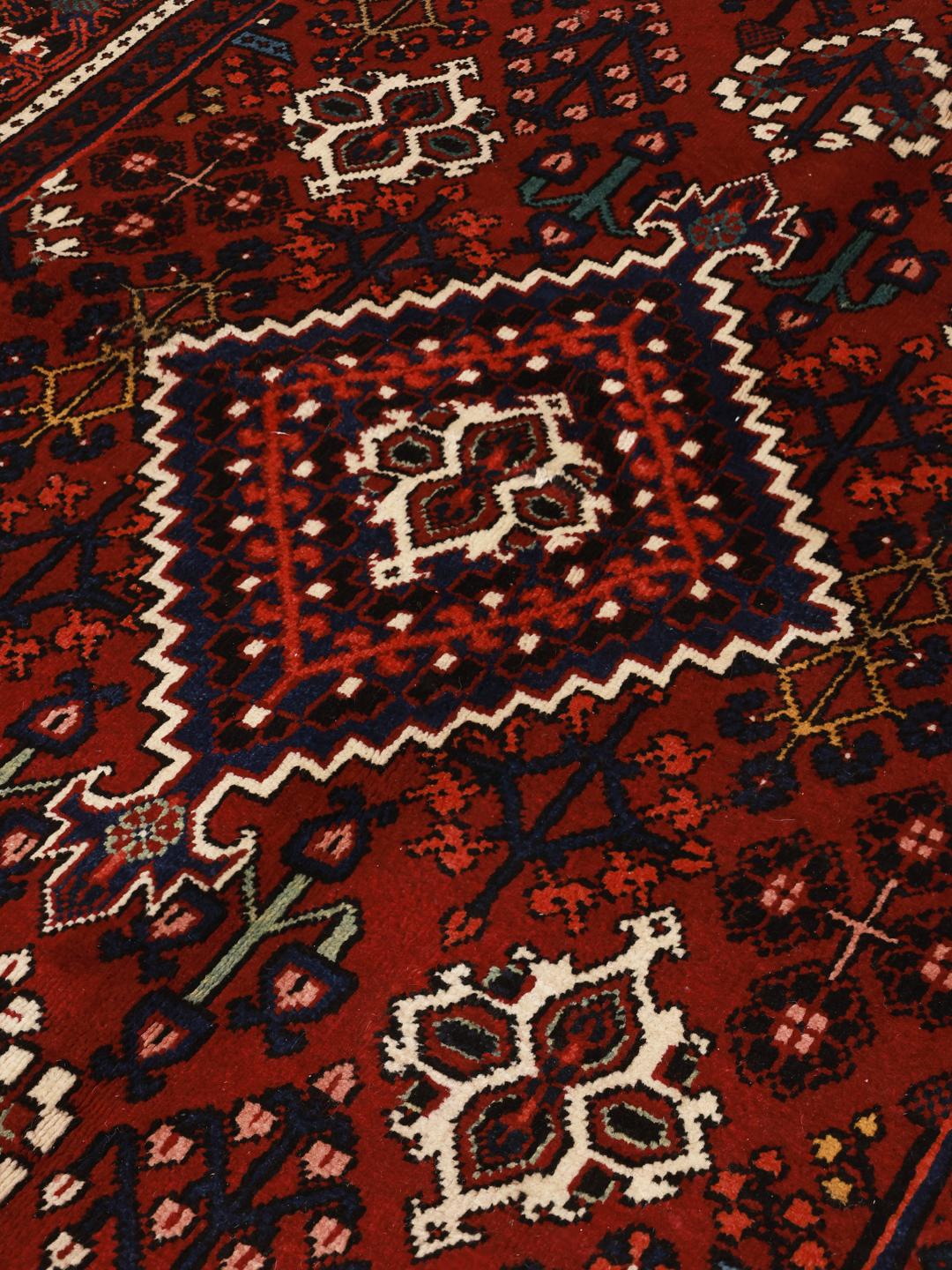
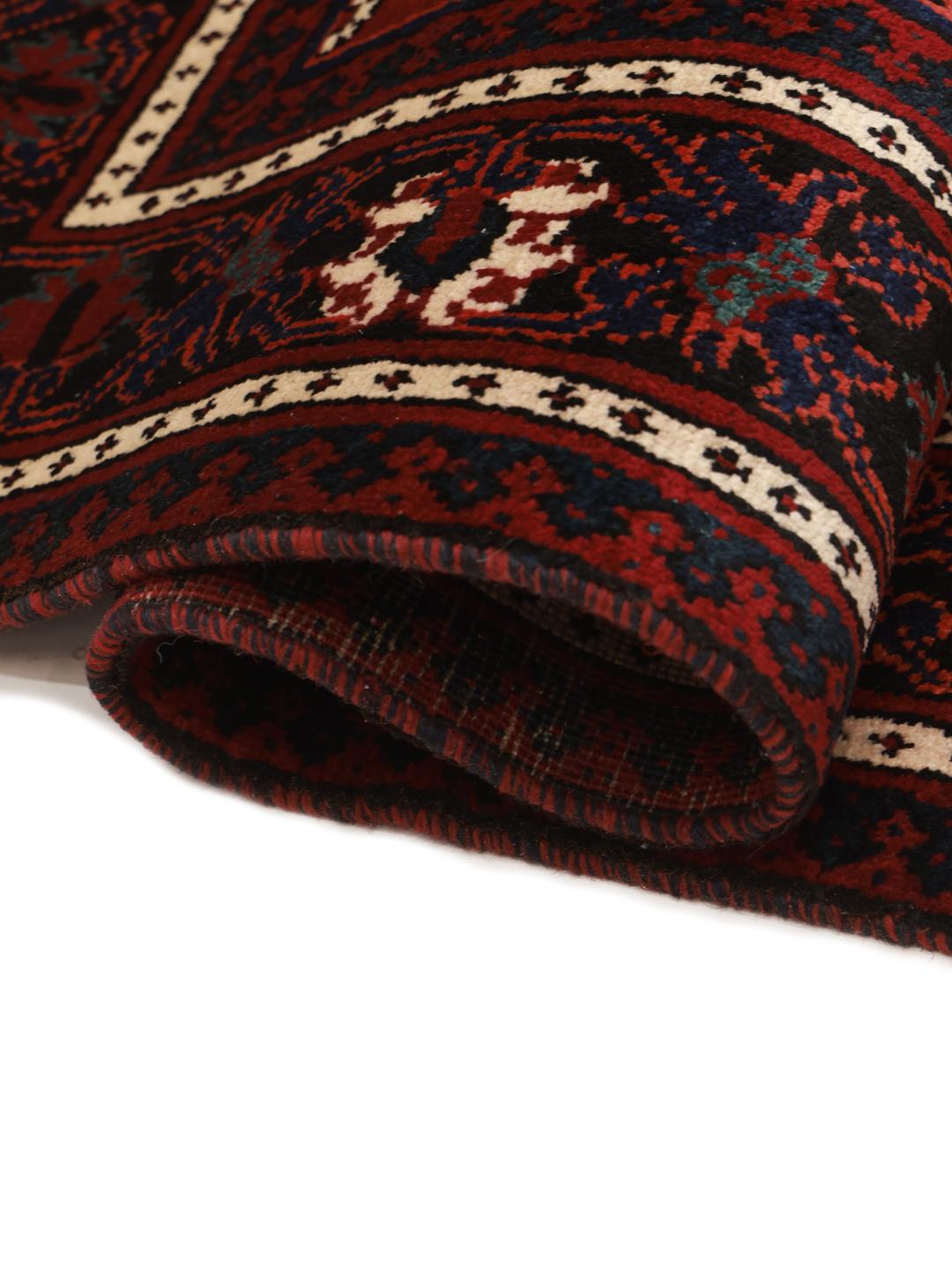
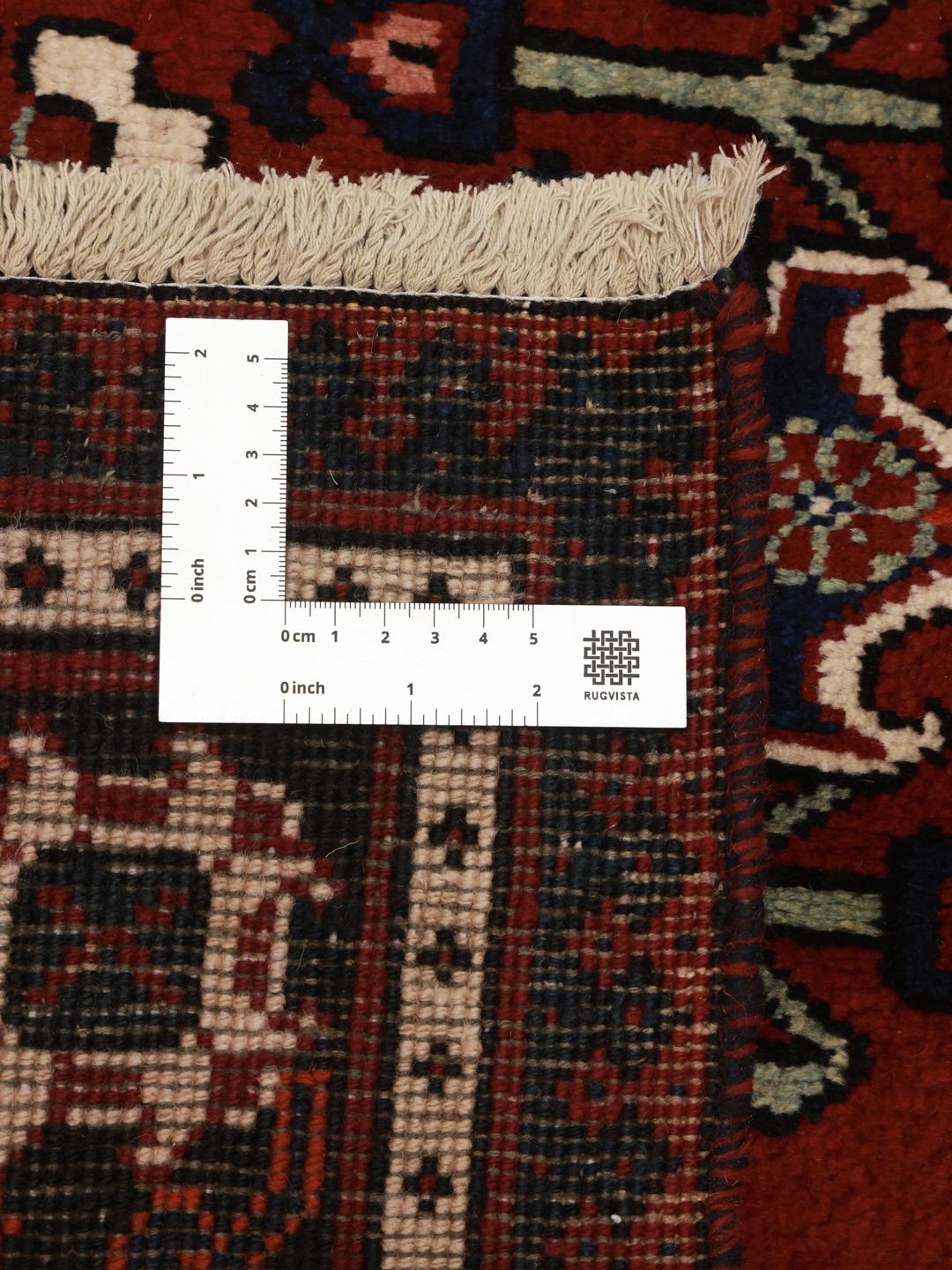
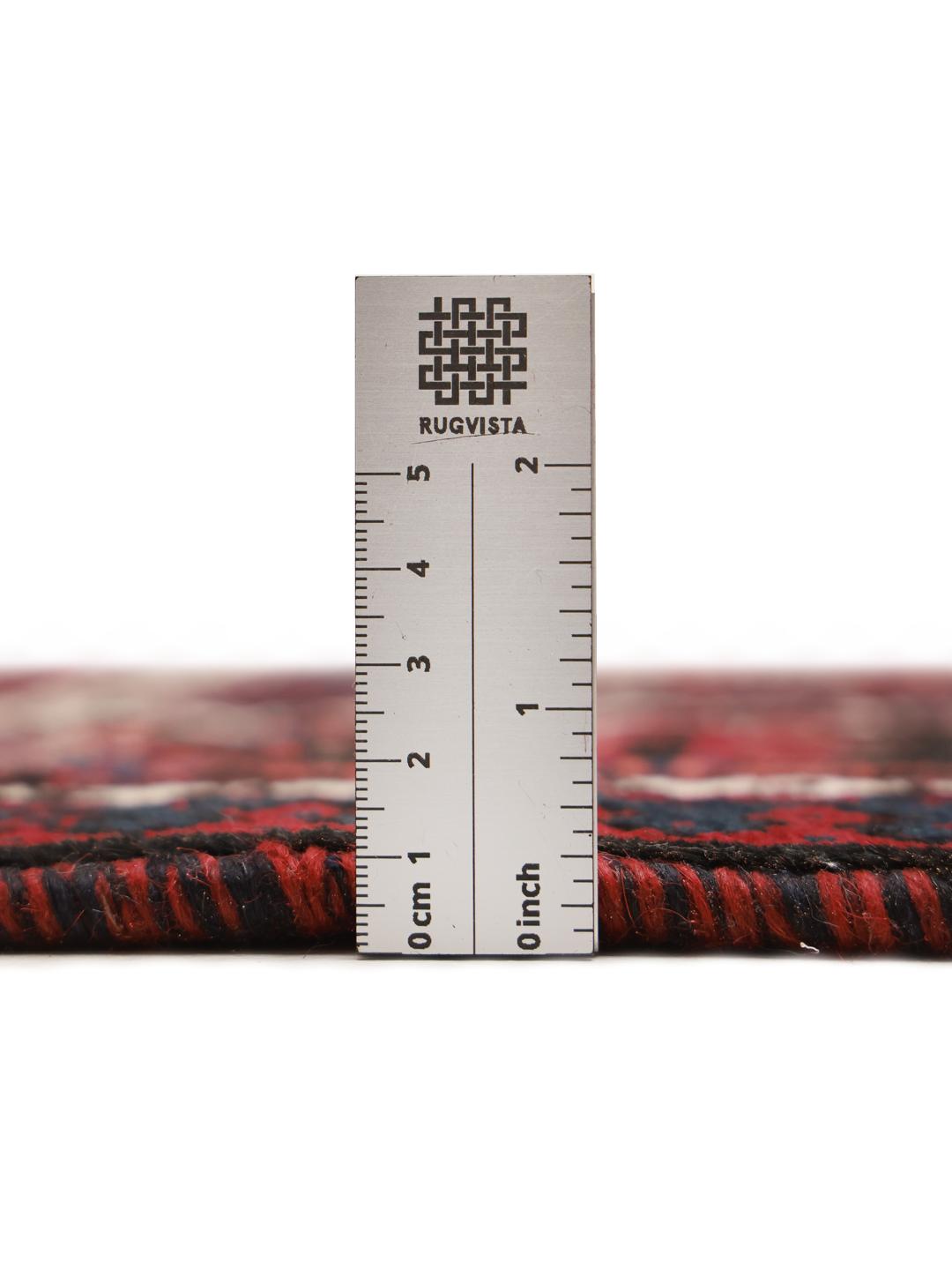
Technical excellence is a hallmark of this category. The term Joshaghan refers to a specific design vocabulary that has been refined over generations. Unlike looser, tribal weaving styles, these pieces often feature a more structured approach, resulting in a pile that is dense and resilient. This structural integrity is what makes these rugs prized not just for their appearance but for their ability to withstand the test of time.
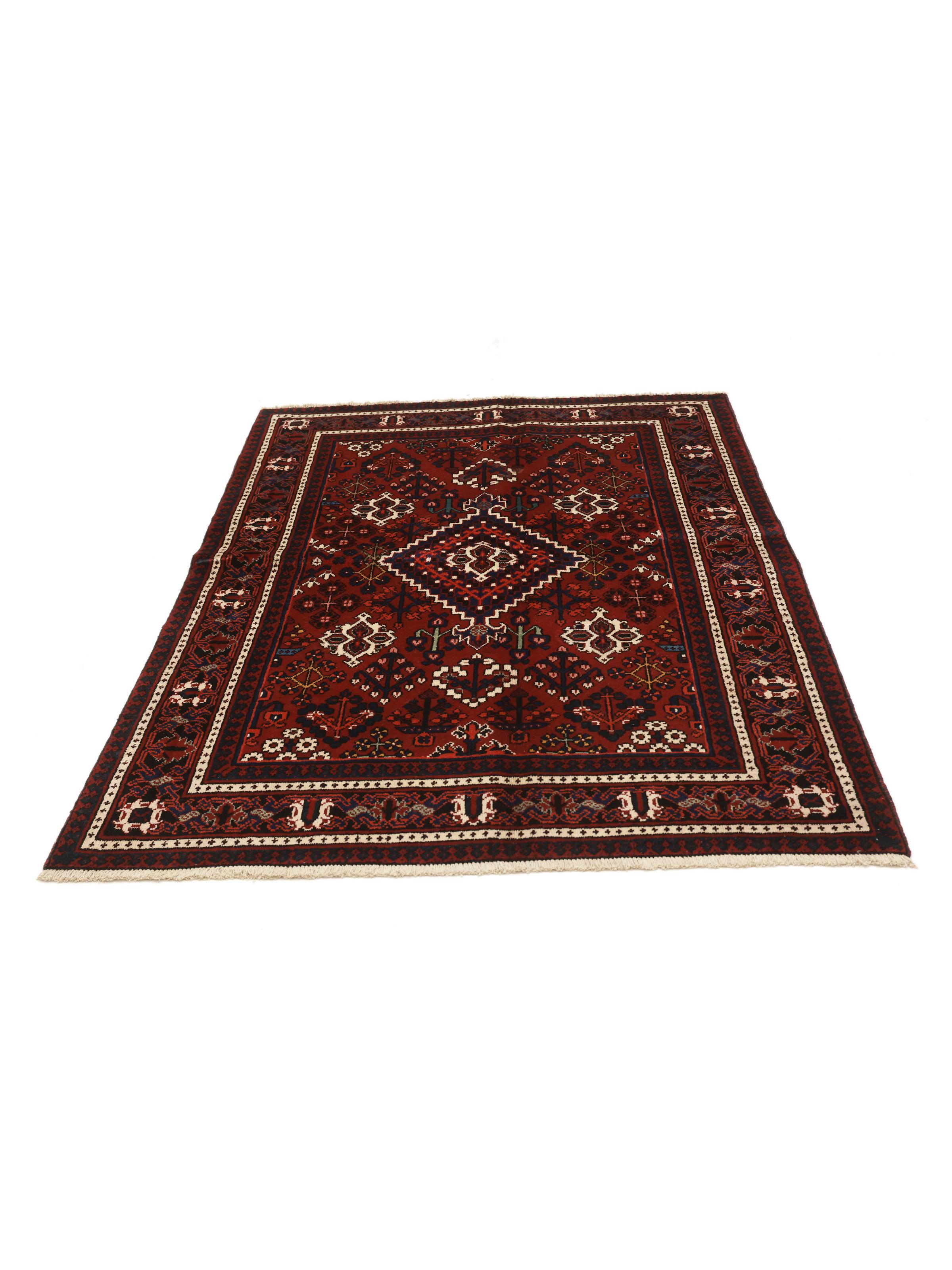
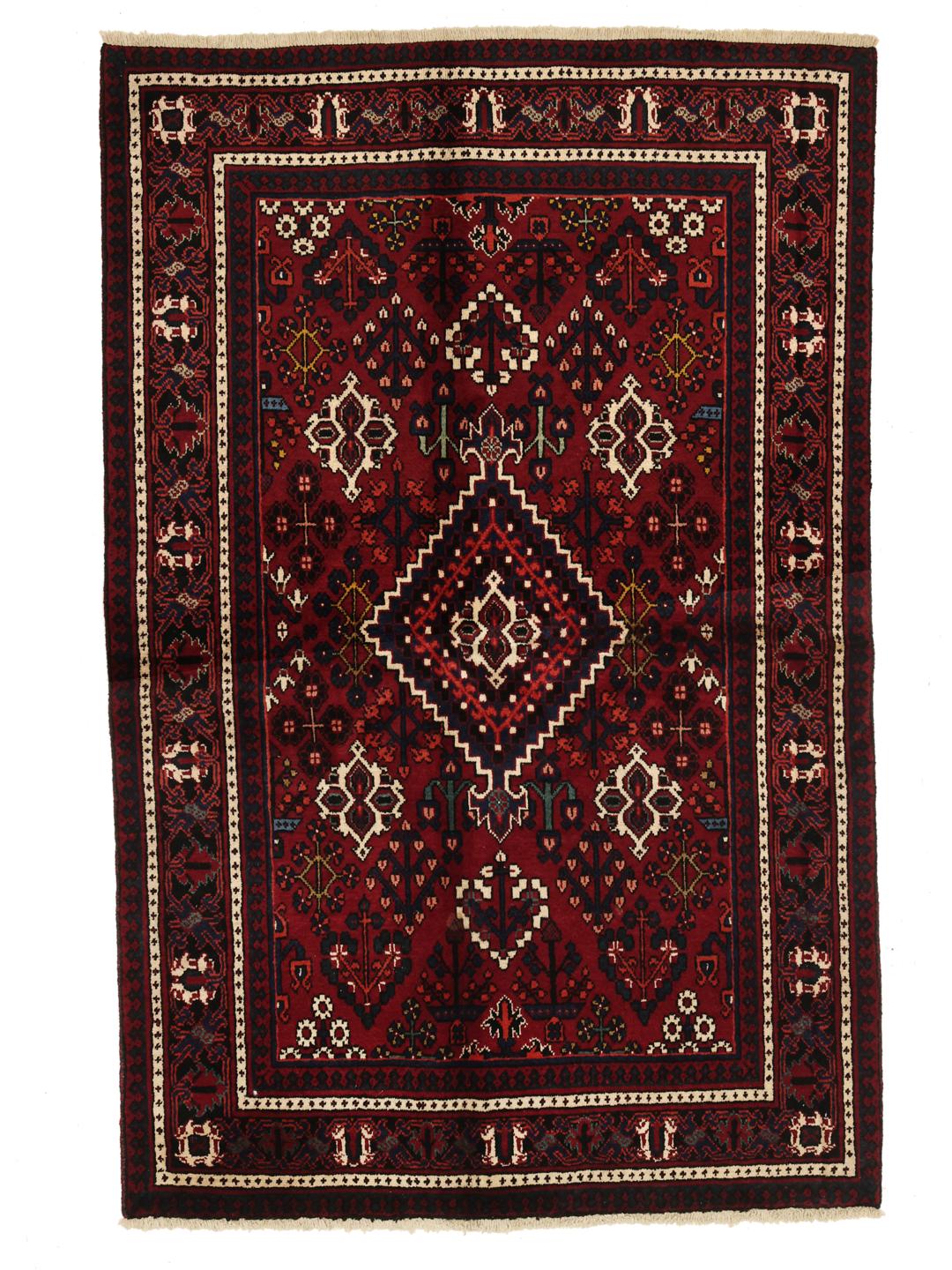
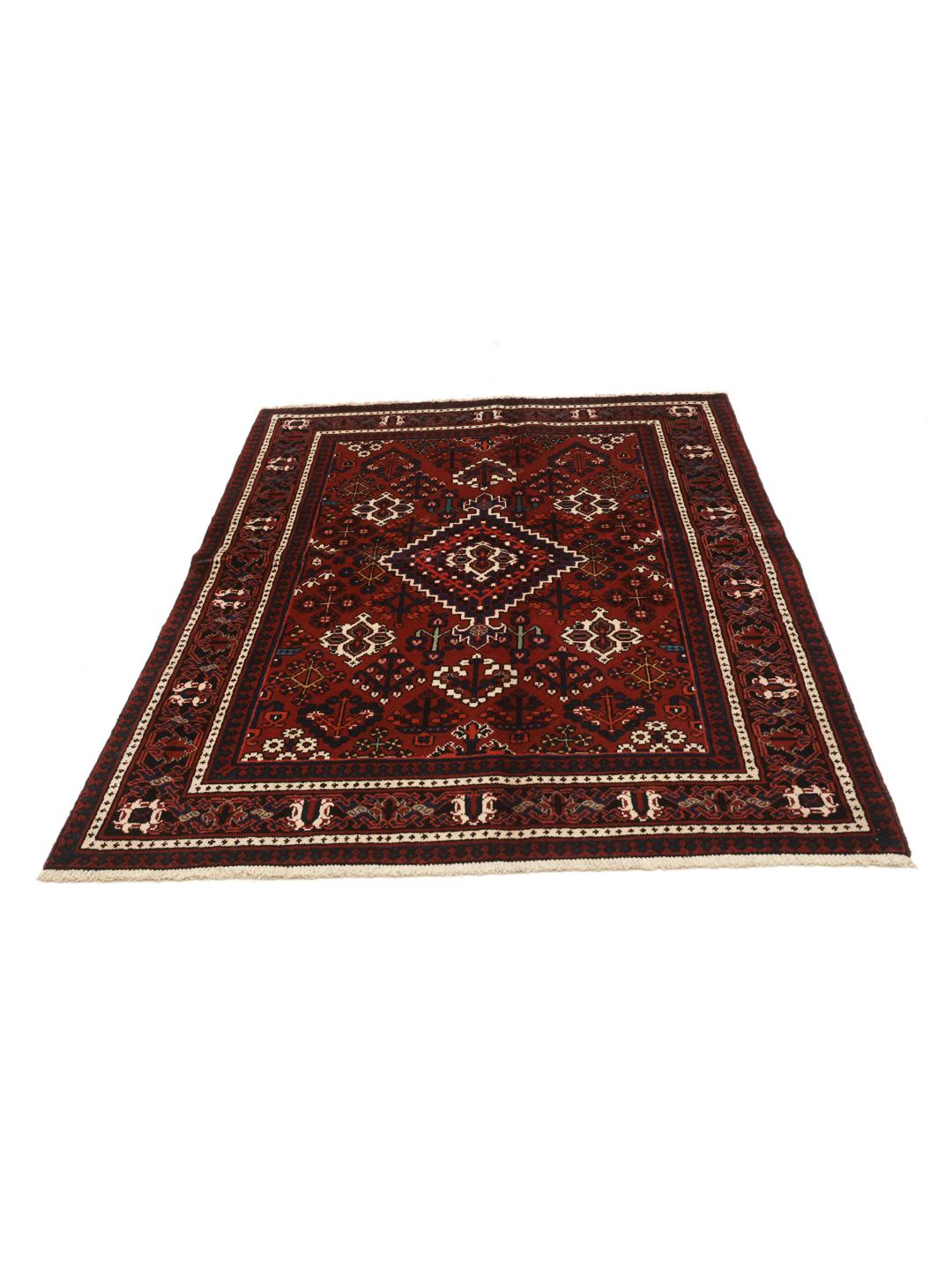
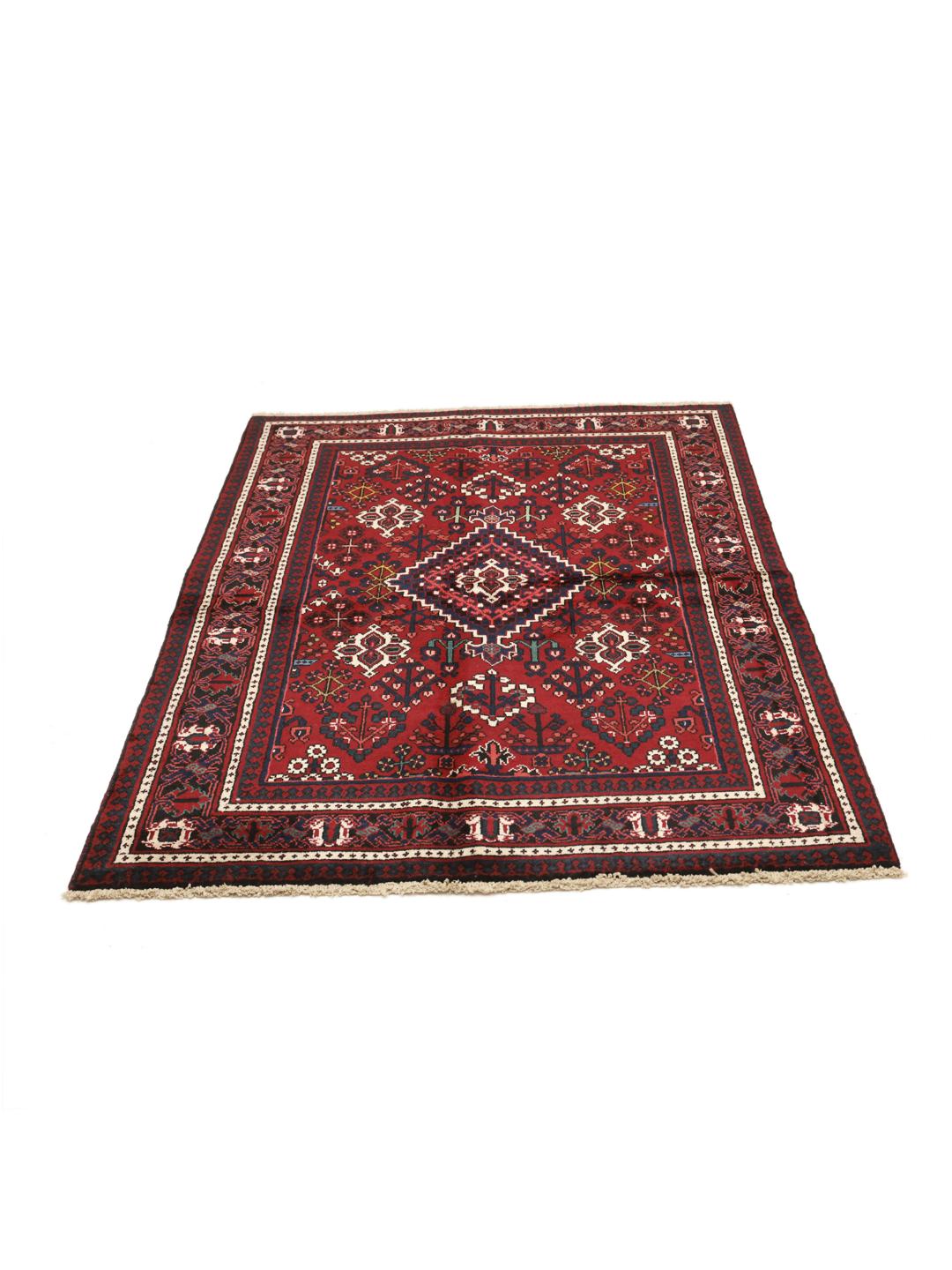
Visually, these rugs are defined by their iconic geometric and floral patterns. A common motif is the Shah Abbas design, which utilises a repeating lattice or diamond structure filled with stylised blossoms and leaves. This particular rug captures that classic look with its balanced composition and deep, earthy colour palette, which serves to highlight the precision of the underlying geometric framework.
Owning a piece from this tradition is an investment in cultural heritage. These rugs are highly valued by collectors for their consistency and the depth of their design language. Because they are hand-made, each rug tells a slightly different story, making them a meaningful addition to any home that values authentic craft and historical significance.