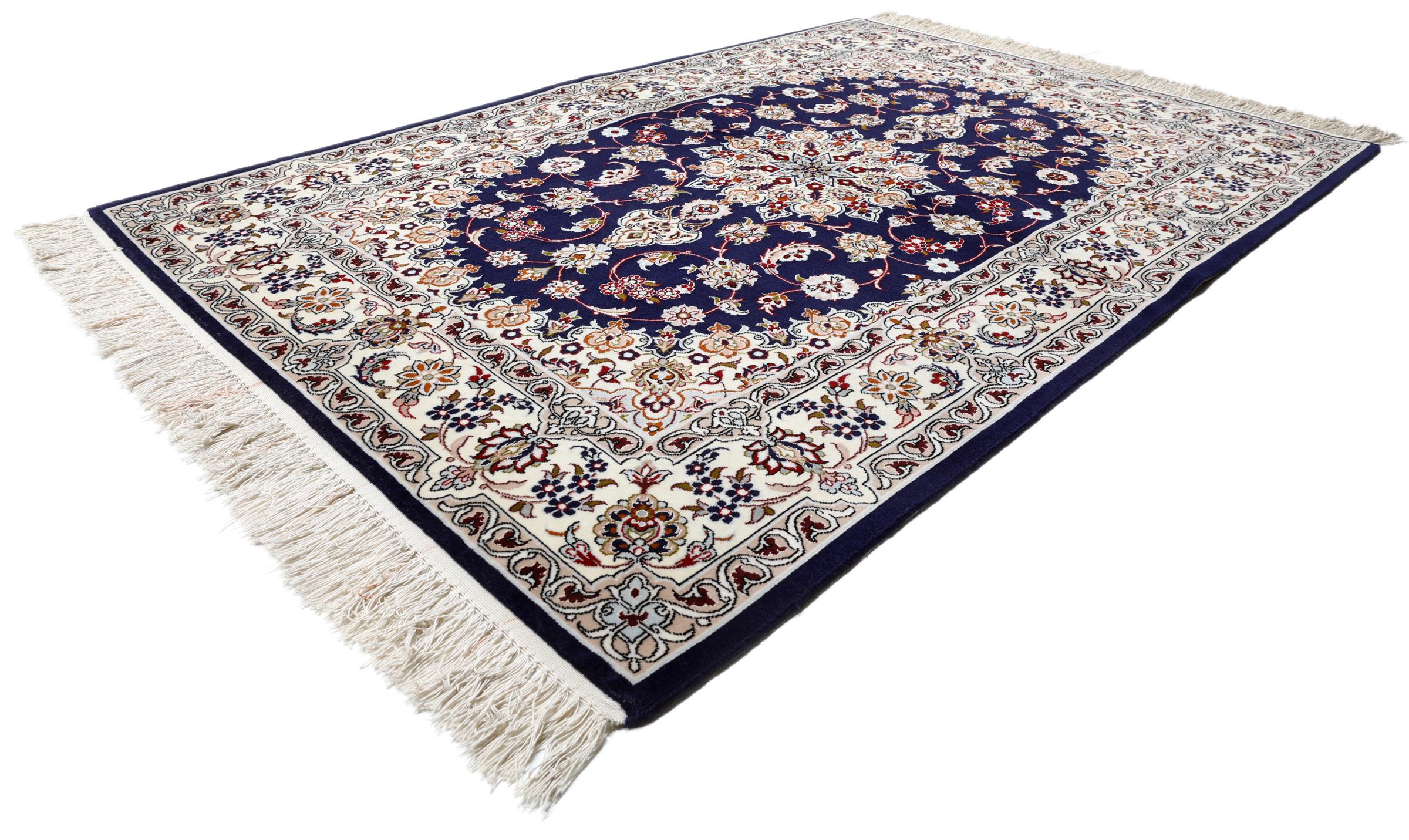
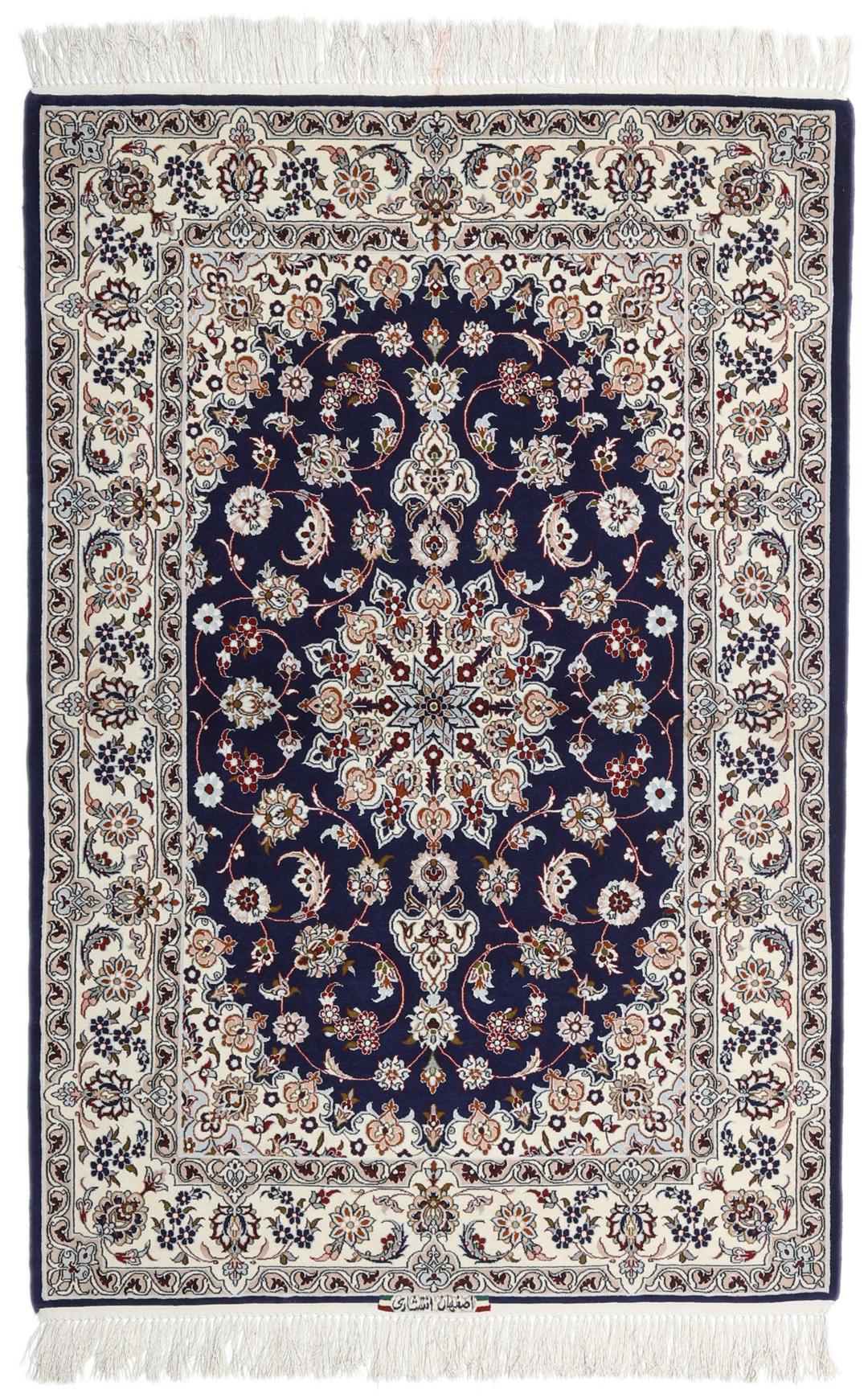
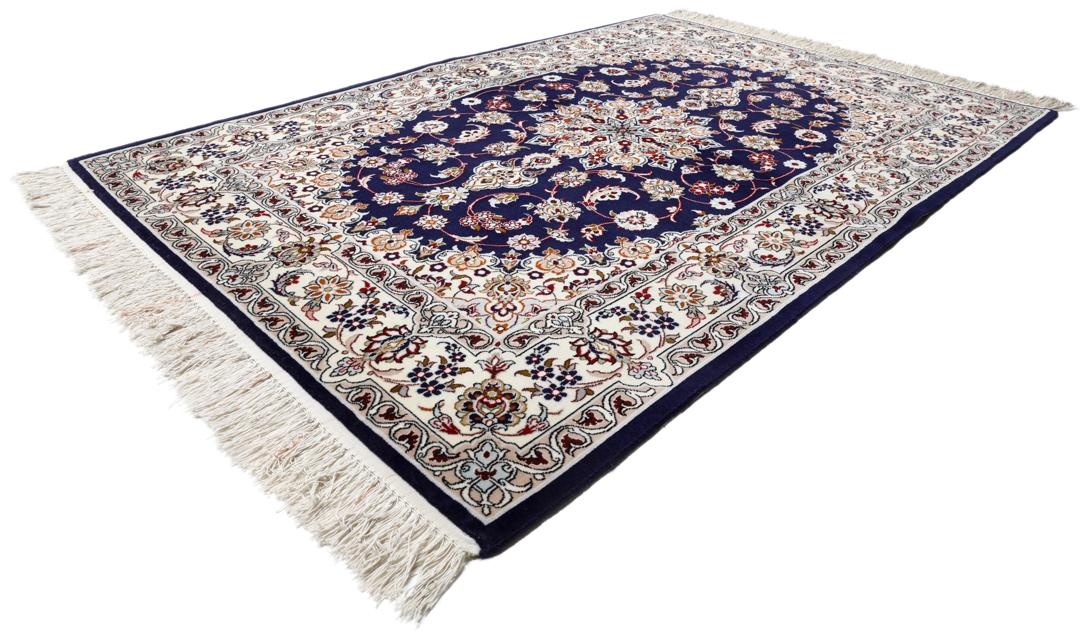
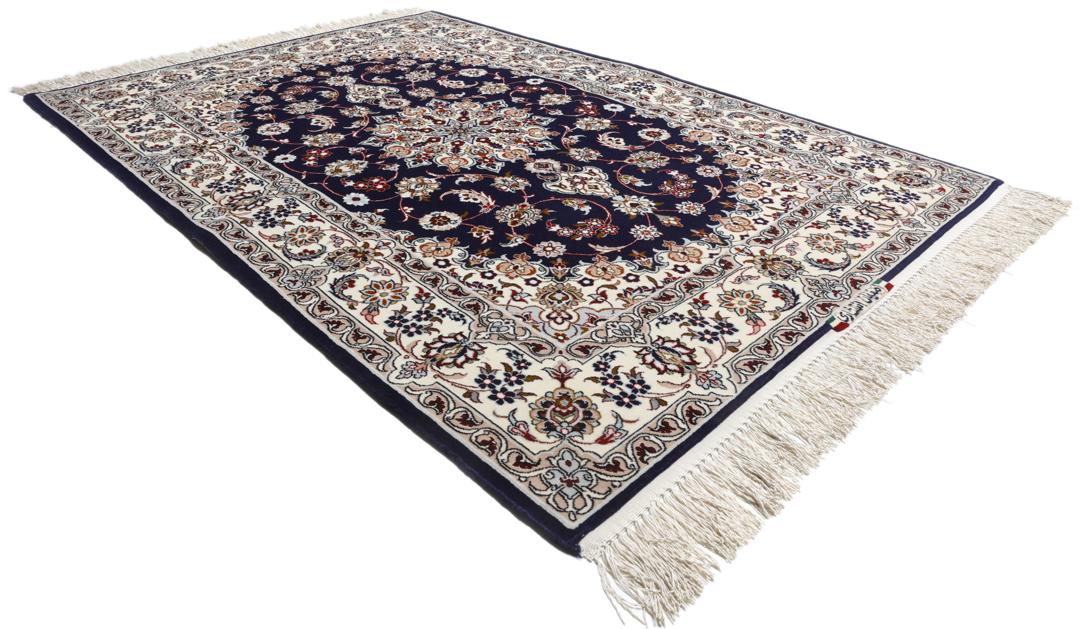
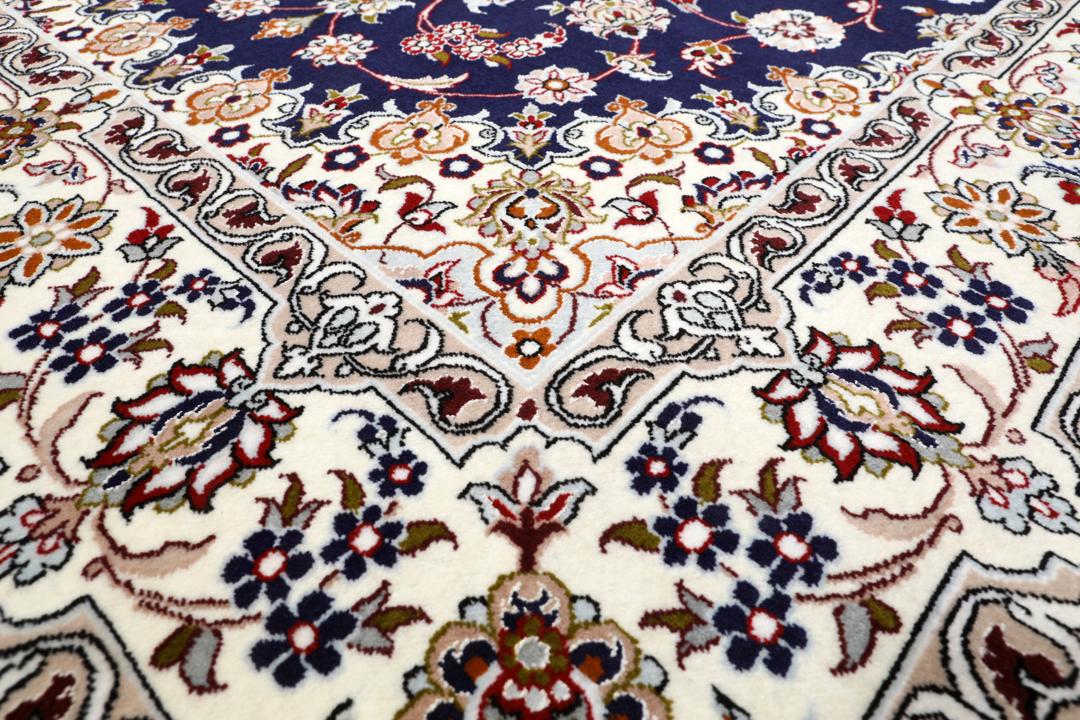
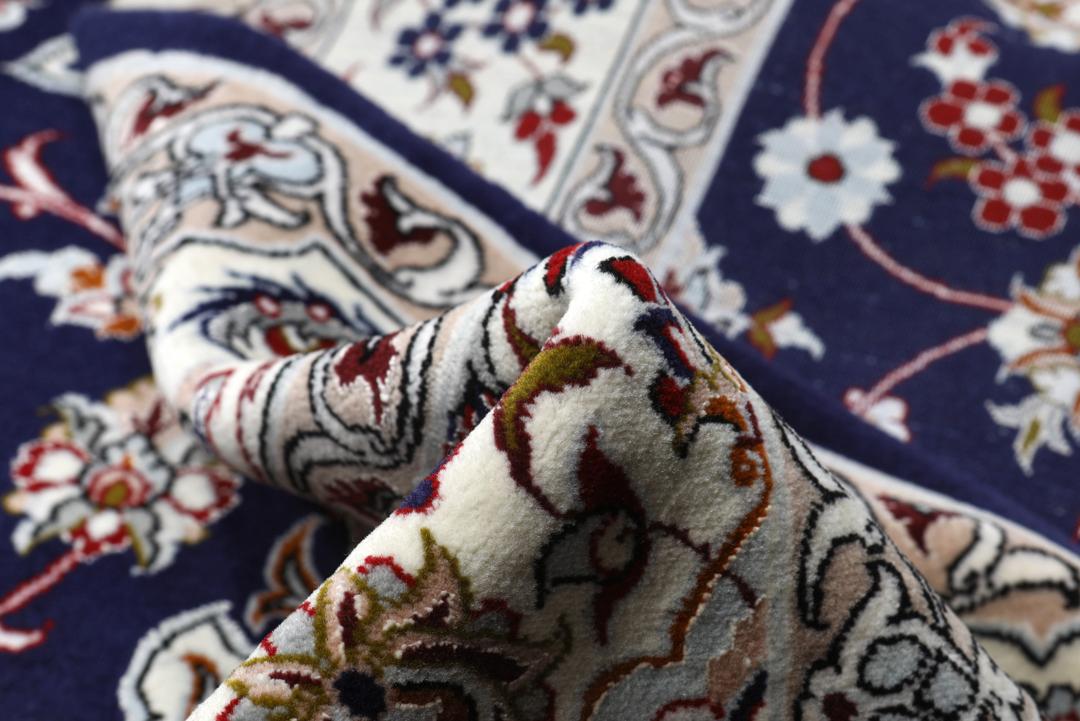
Isfahan rugs are celebrated as some of the most refined floor coverings produced in the Middle East. Originating from the city of Isfahan, once the capital of an ancient empire, these rugs reflect a long-standing tradition of artistic patronage and mathematical precision in design.
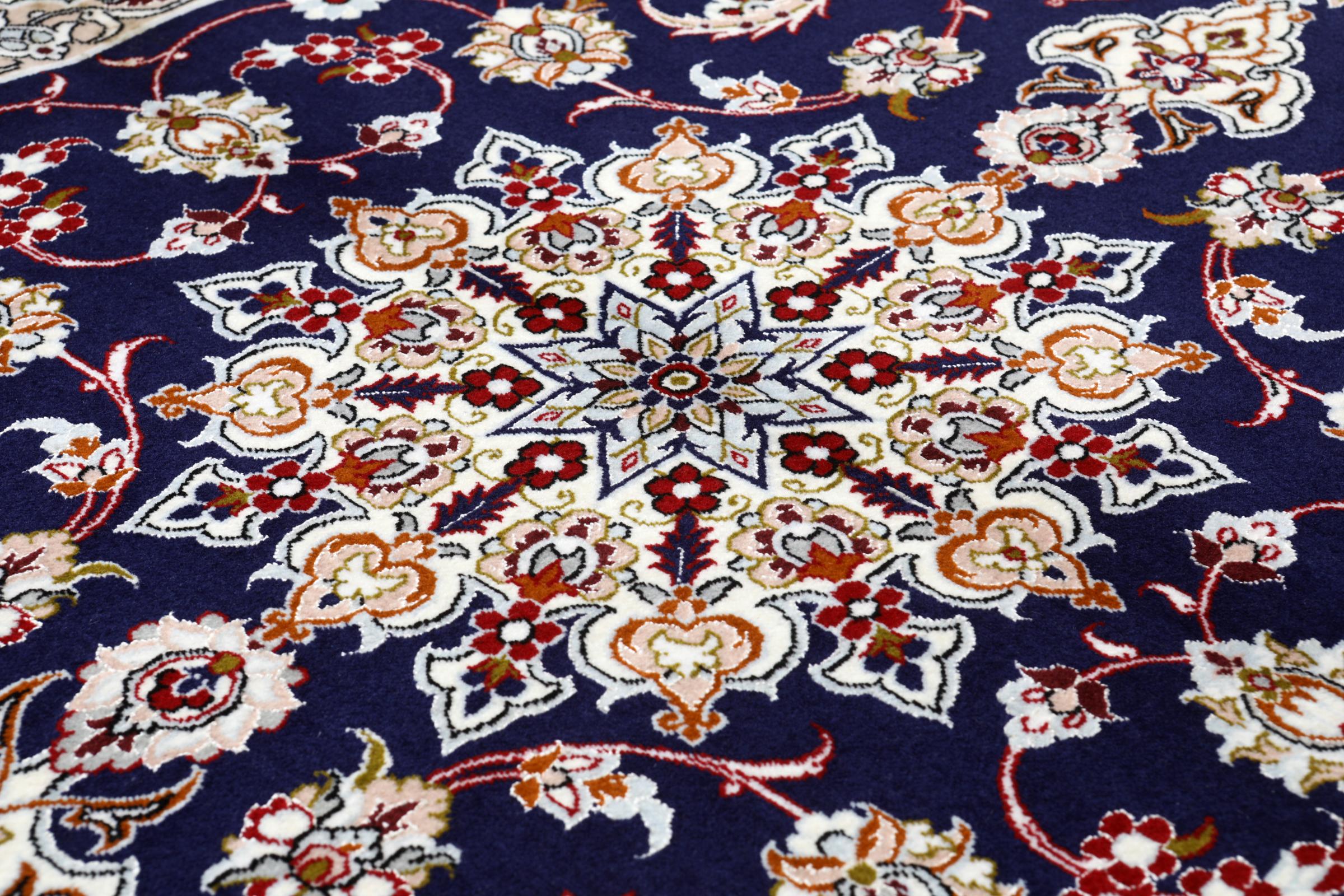
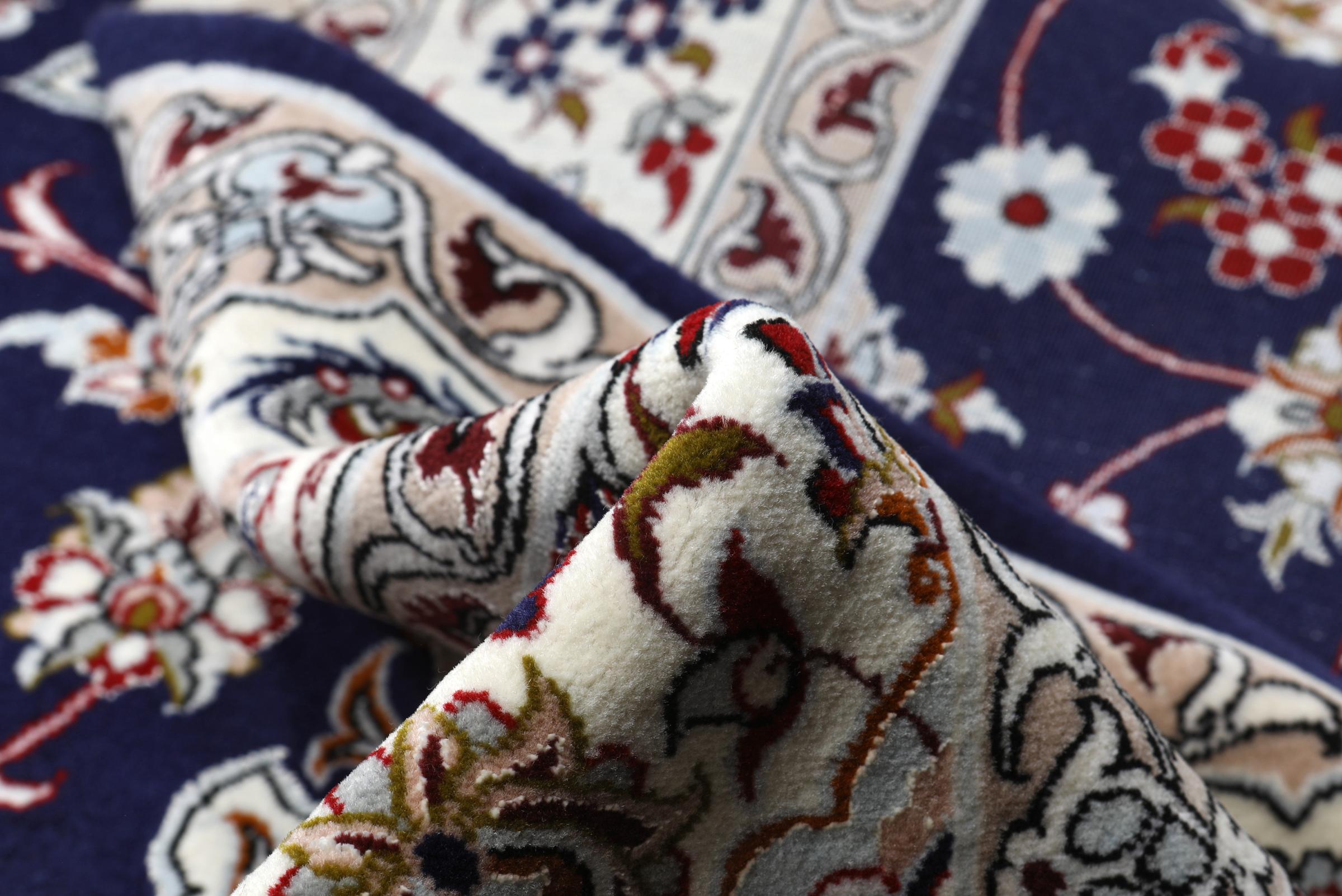
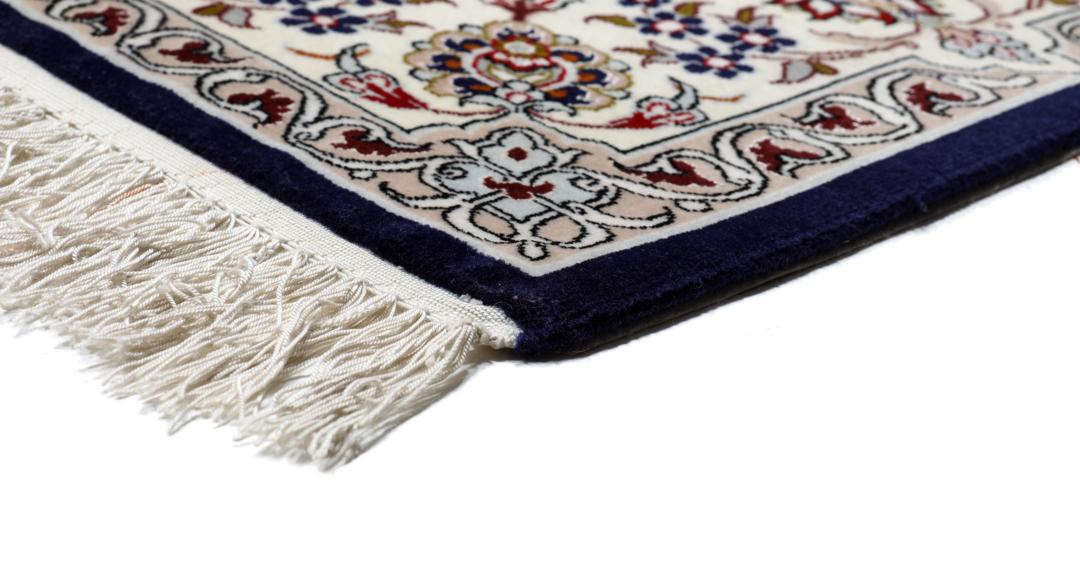
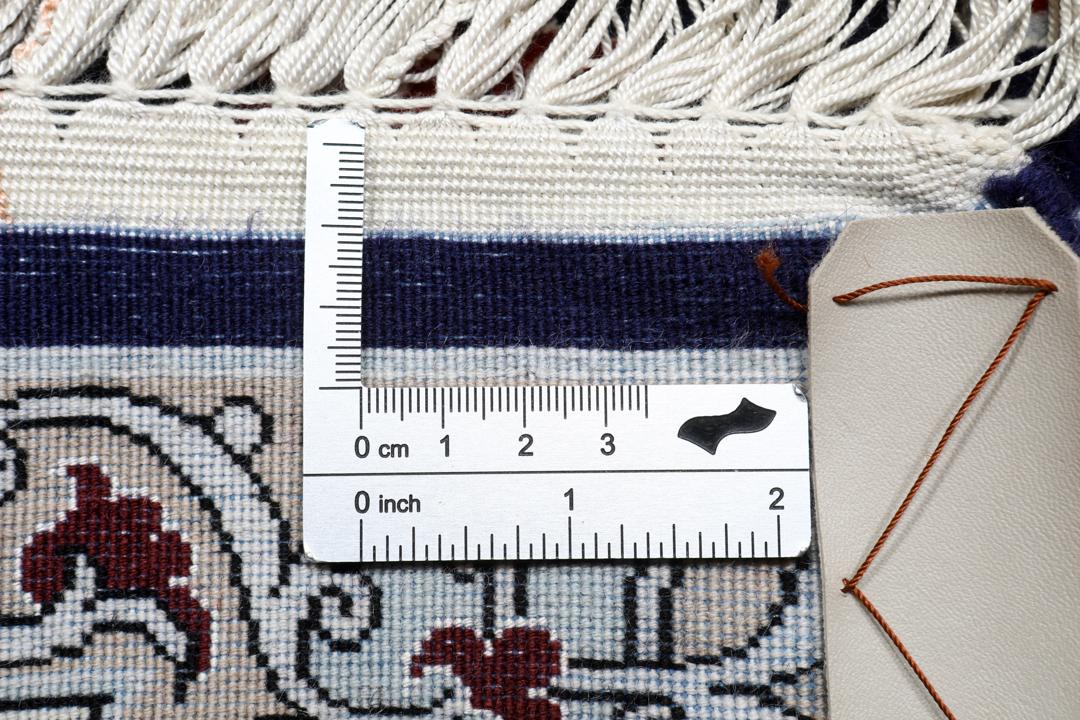
The term Silkwarp refers to the use of silk in the foundation of the rug, which provides a level of structural integrity and fine detail that is difficult to achieve with other materials. This construction allows for the signature thin, tight pile that Isfahan rugs are known for, making them highly prized for their ability to display intricate, curved patterns with perfect clarity.
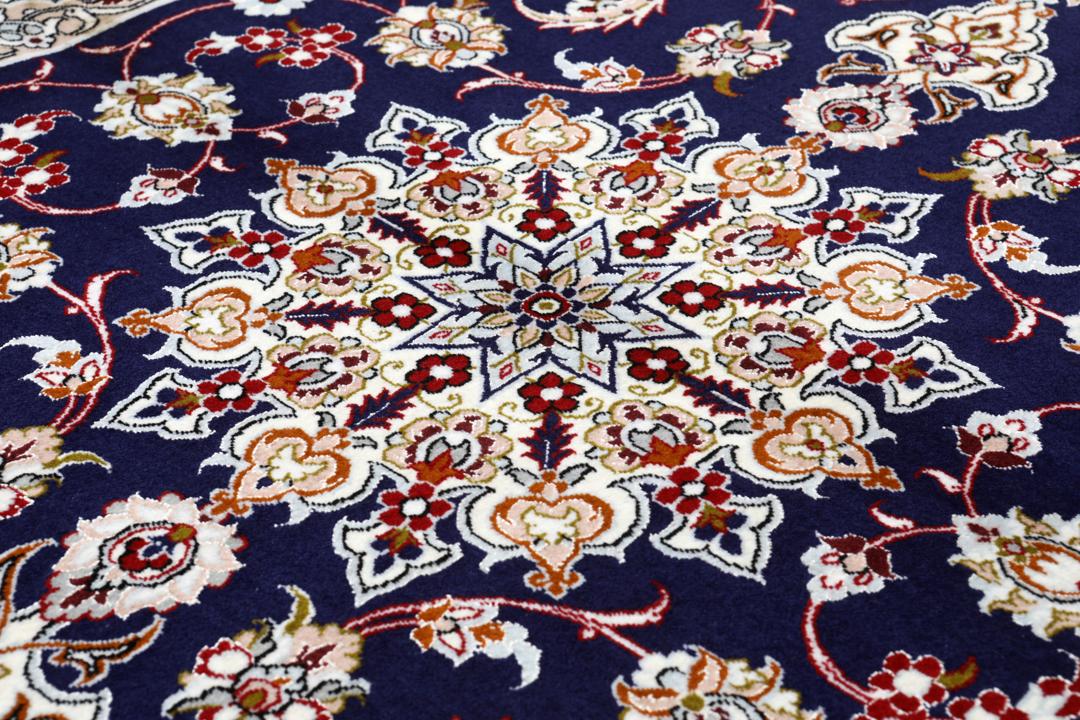
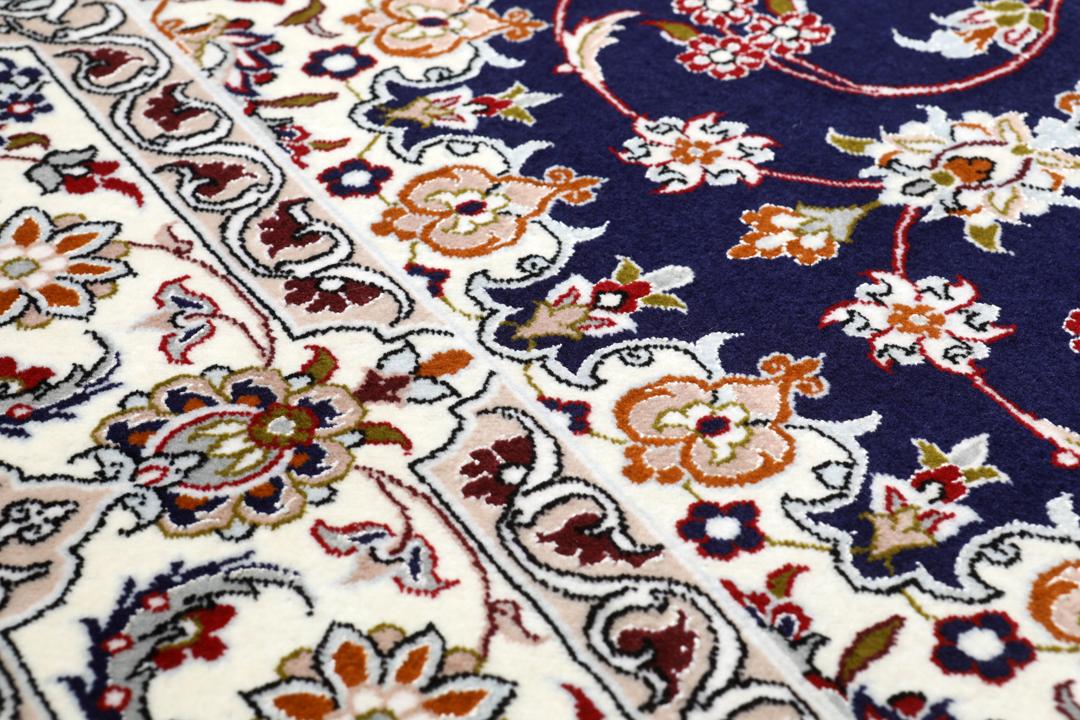
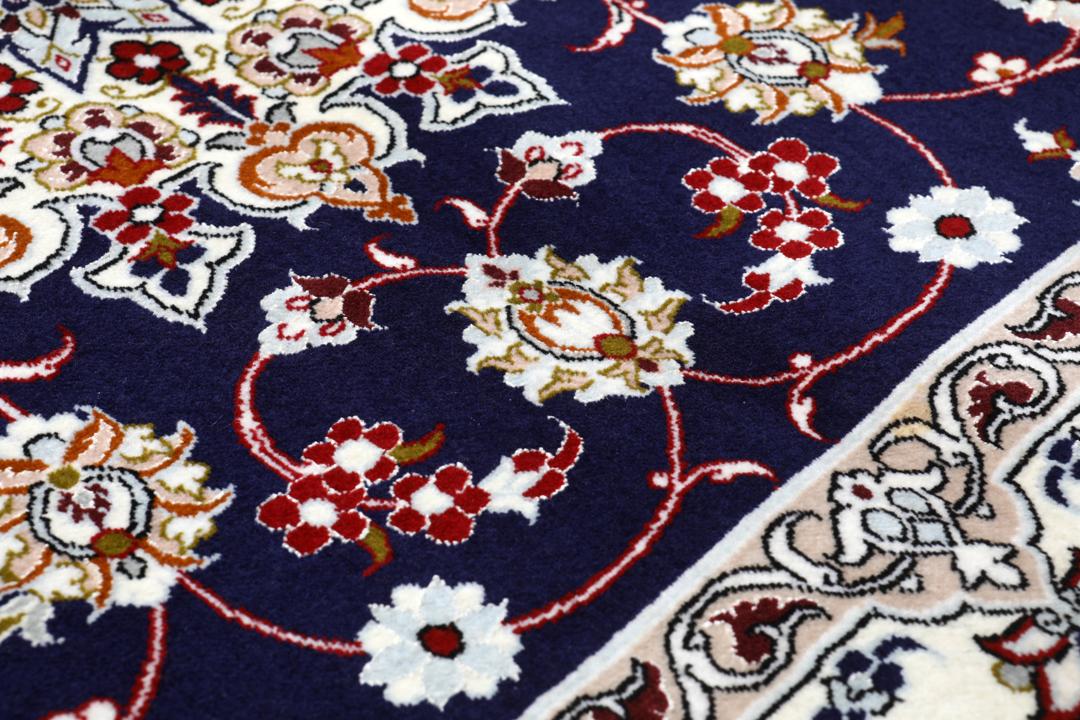
Visually, these rugs are defined by a sophisticated vocabulary of floral arabesques, scrolling vines, and complex central medallions. The composition is typically formal and balanced, often drawing inspiration from the tilework and architectural motifs found in historic regional mosques and palaces. A signed piece, such as this one by Intashari, indicates a work of notable pedigree and artistic intent.
Collectors value Isfahan rugs not only for their aesthetic beauty but for the immense skill required to produce them. Owning such a piece is an investment in a storied craft tradition that has been passed down through generations, representing a pinnacle of textile artistry that brings a sense of cultural depth to any home.