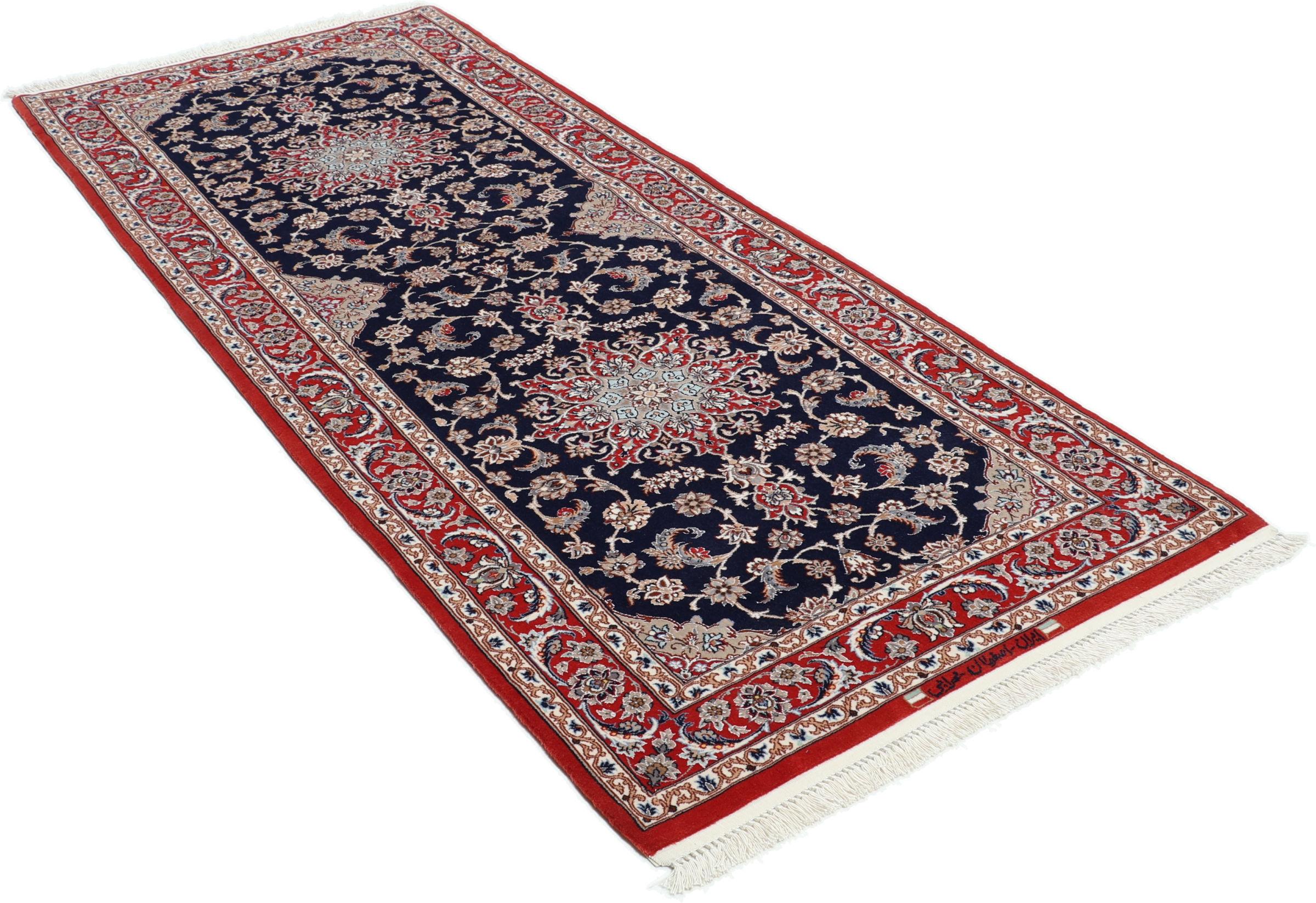
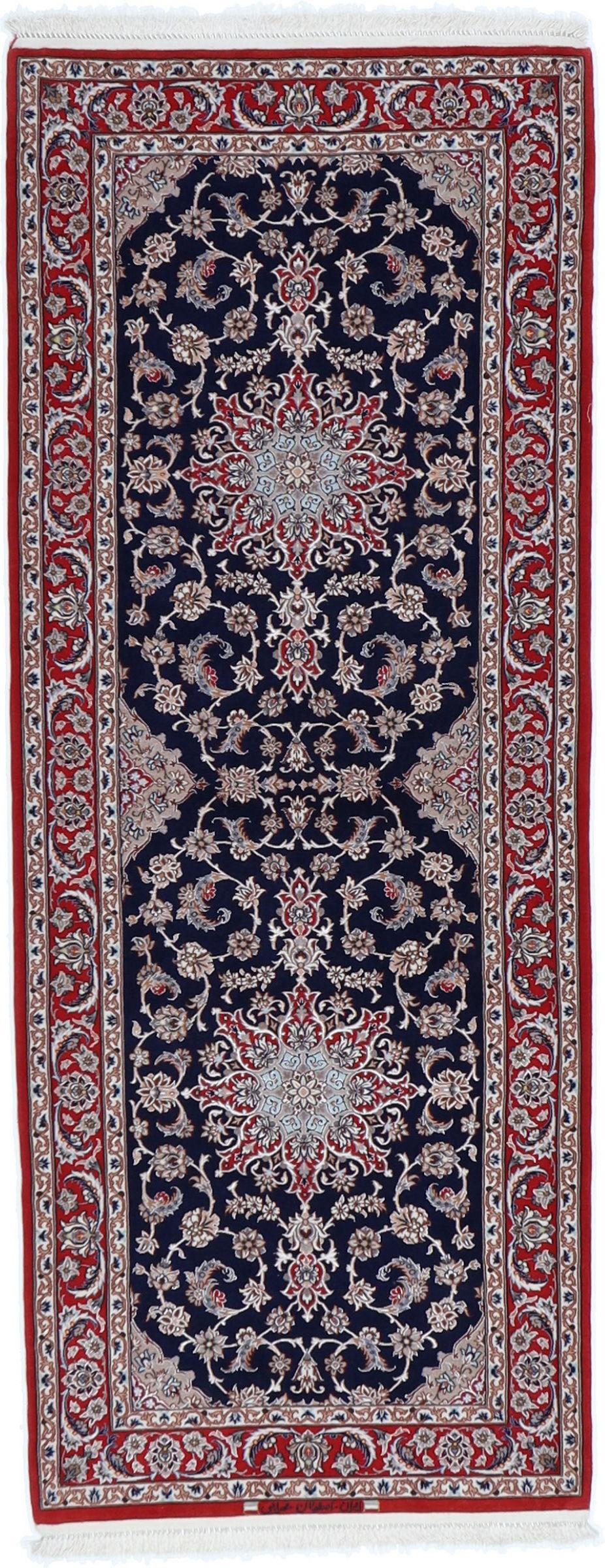
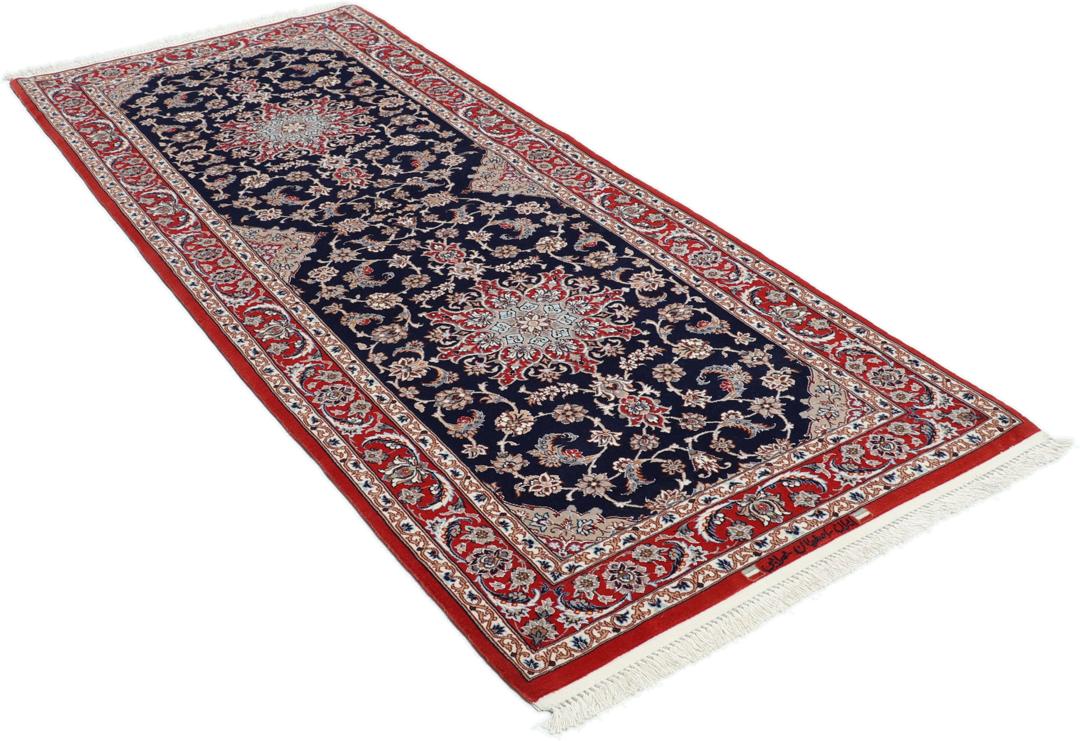
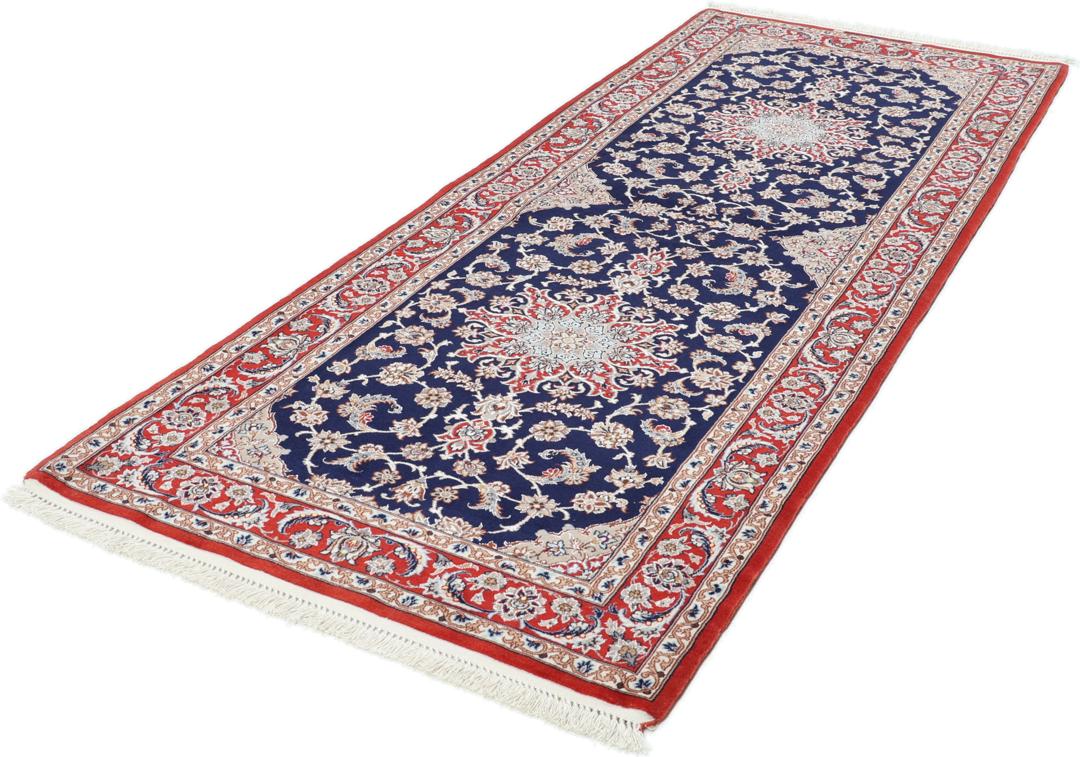
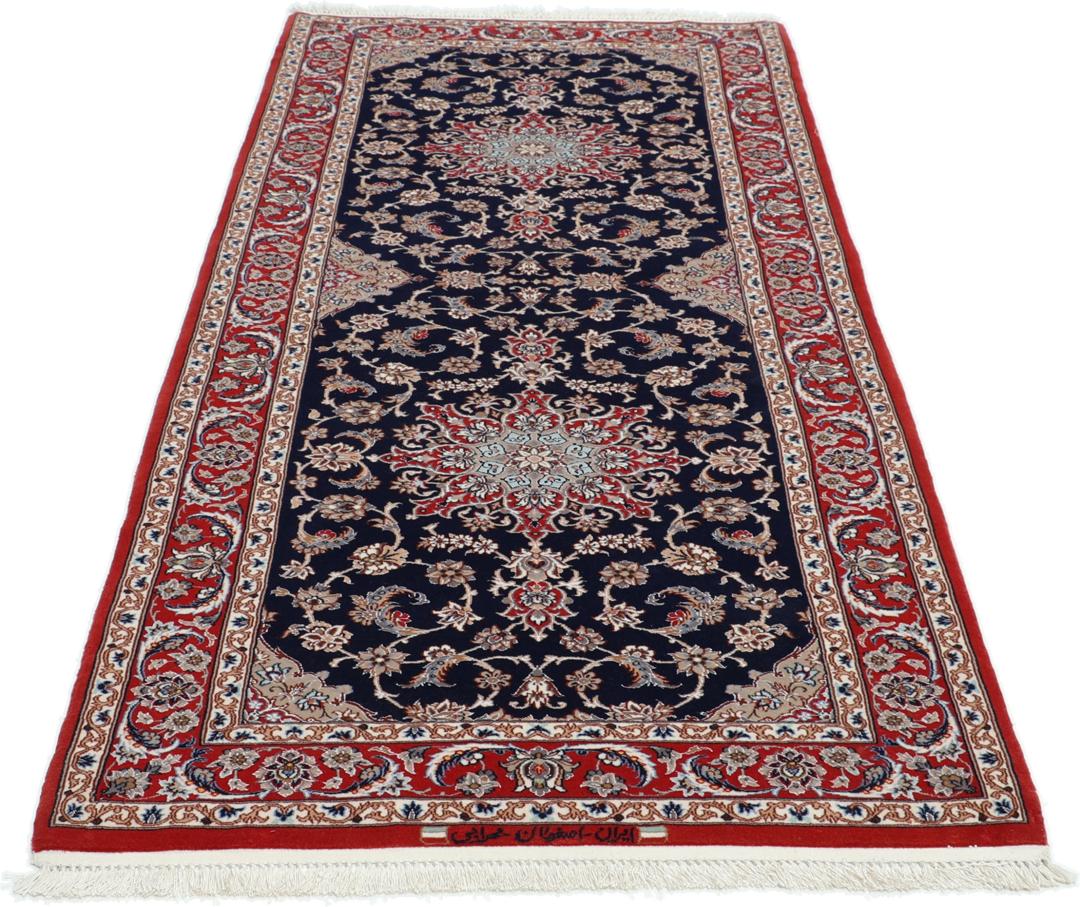
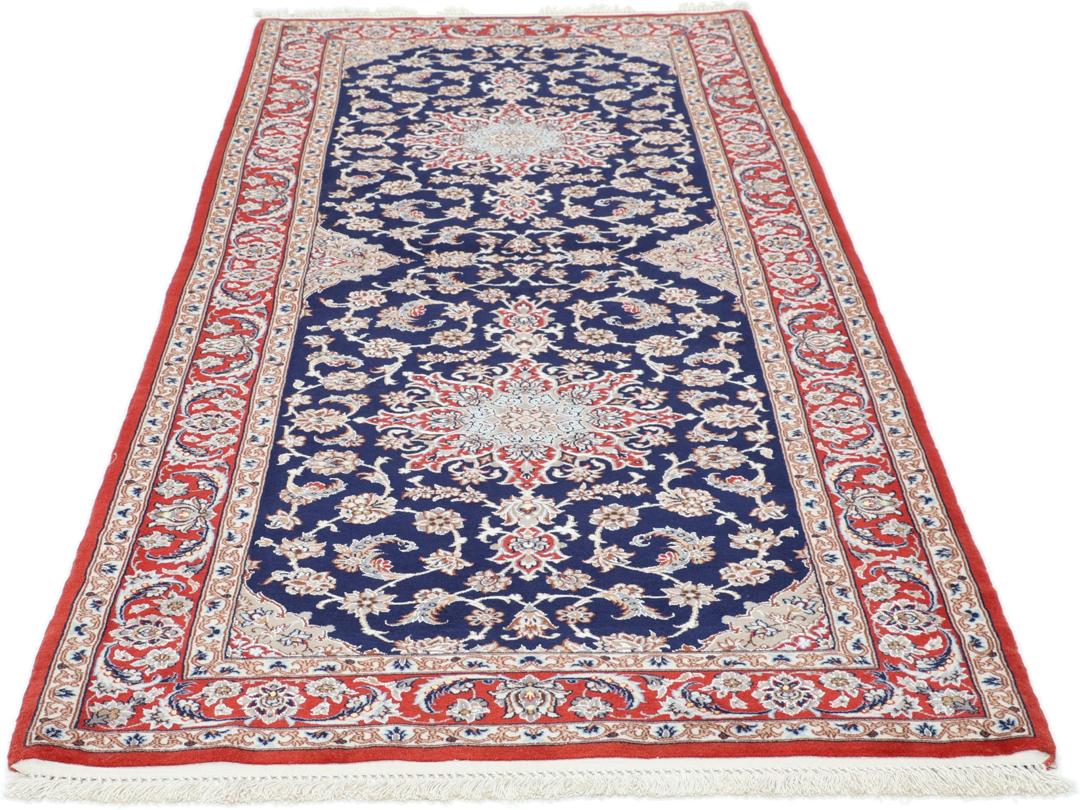
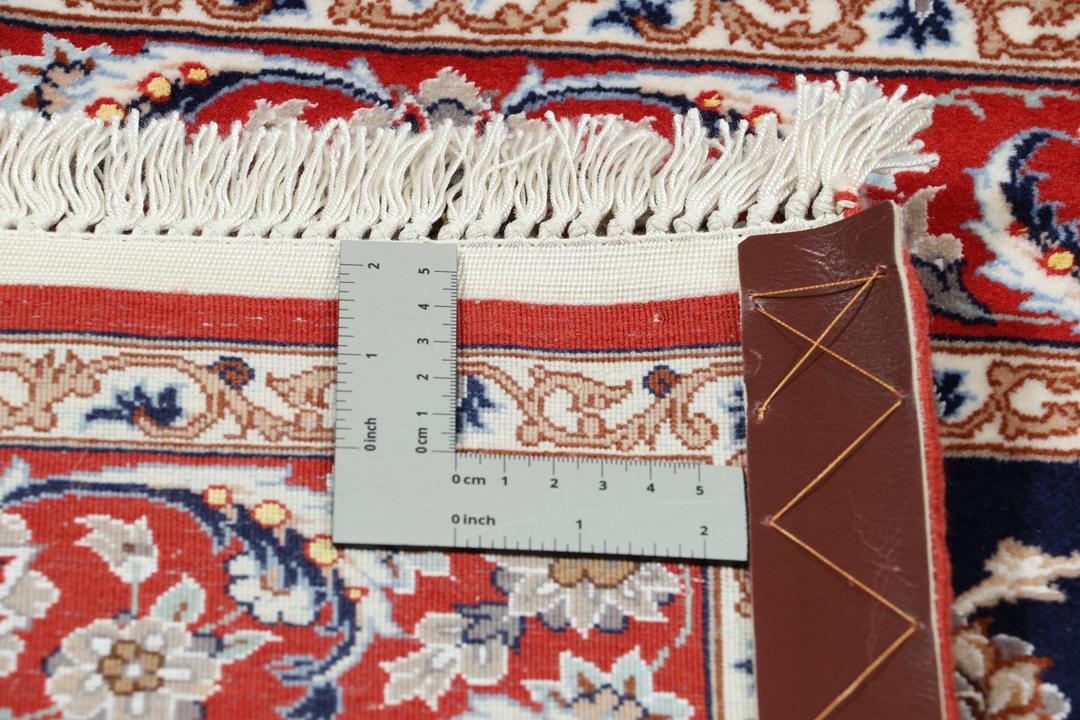
The city of Isfahan, located in the heart of the Middle East, has long been a centre of artistic excellence and cultural refinement. Known for its stunning architecture and historic gardens, the city's aesthetic influence is directly mirrored in the rugs that bear its name. These rugs are celebrated for their sophisticated design, often drawing inspiration from the intricate tile work and floral motifs found in the region's famous mosques and palaces.
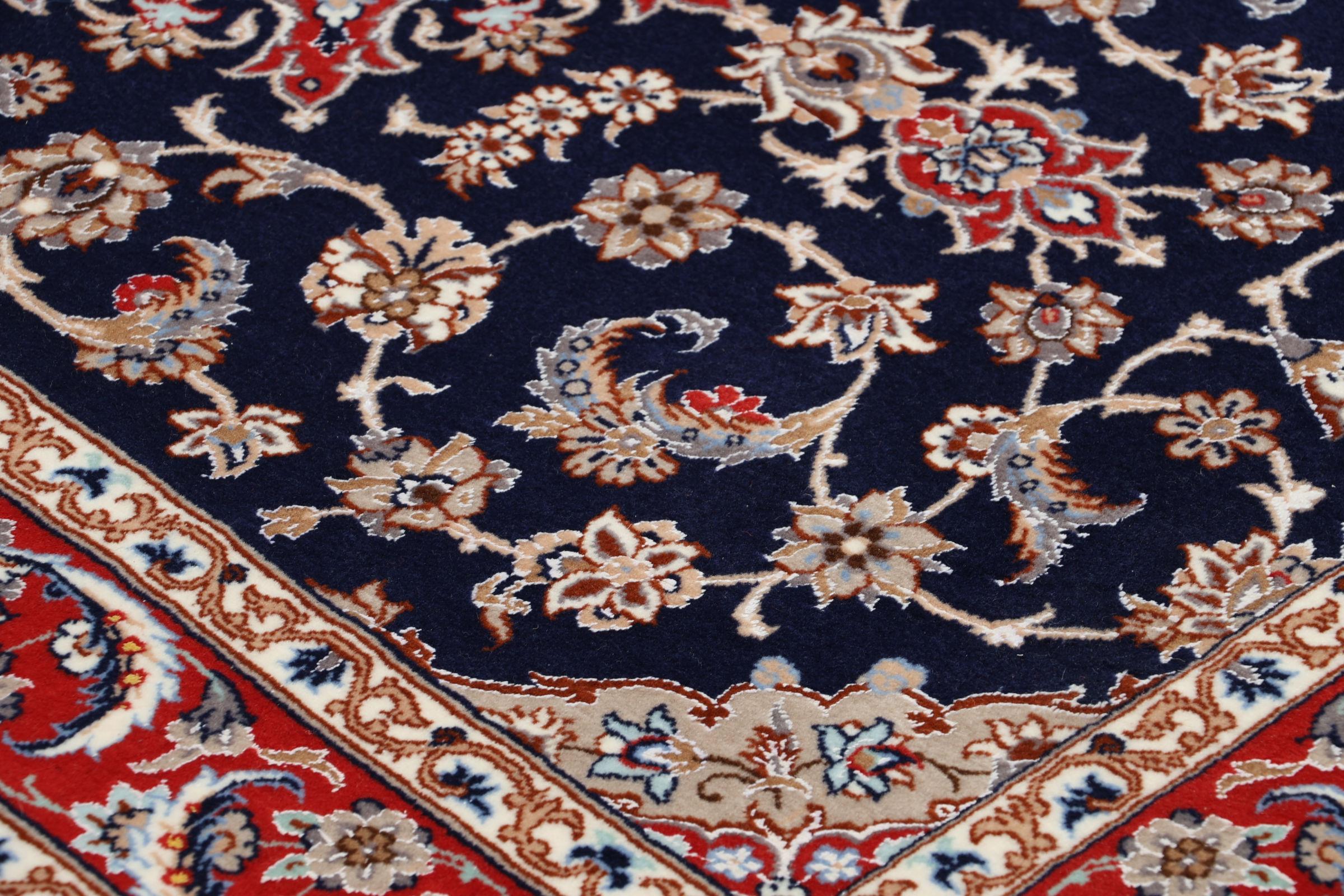
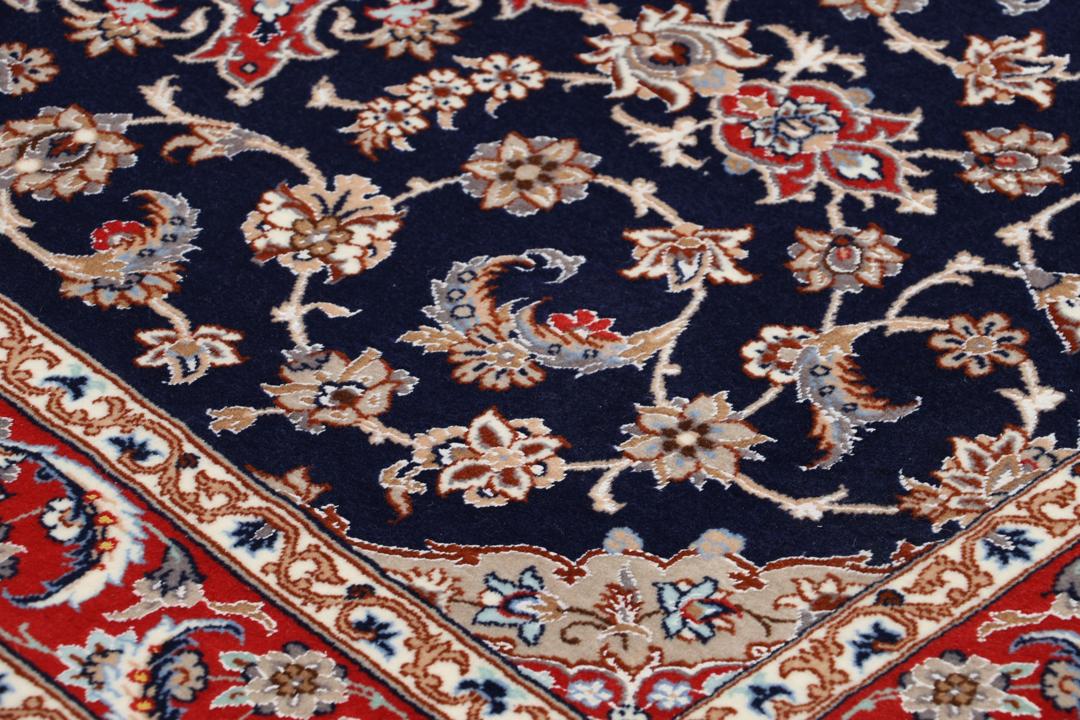
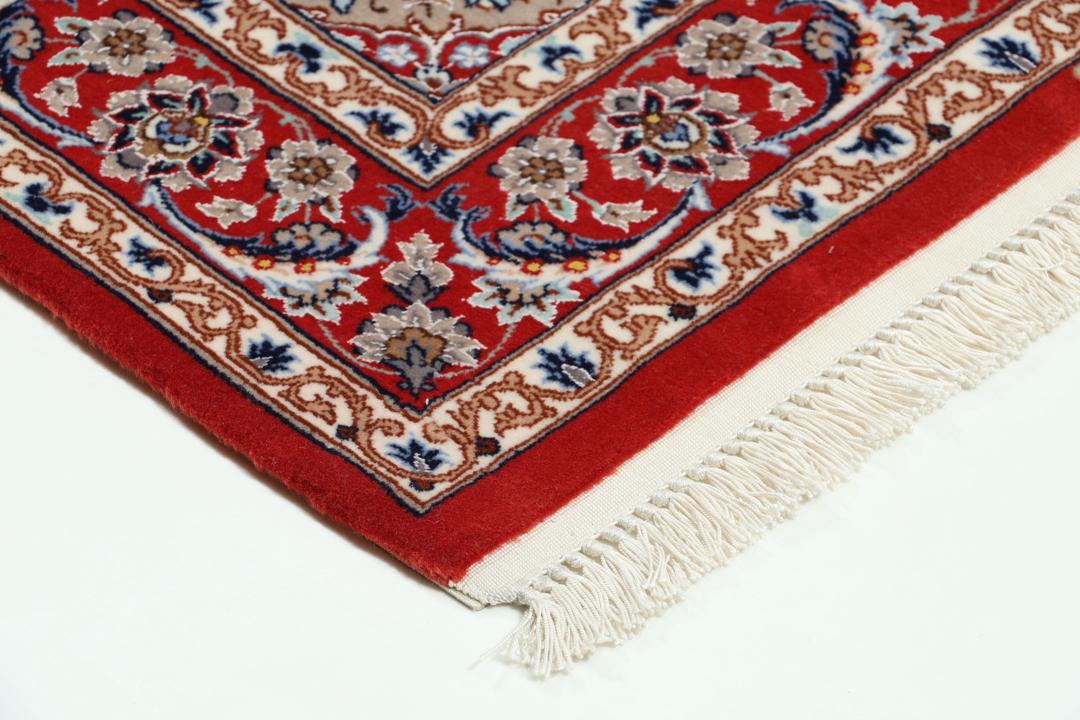
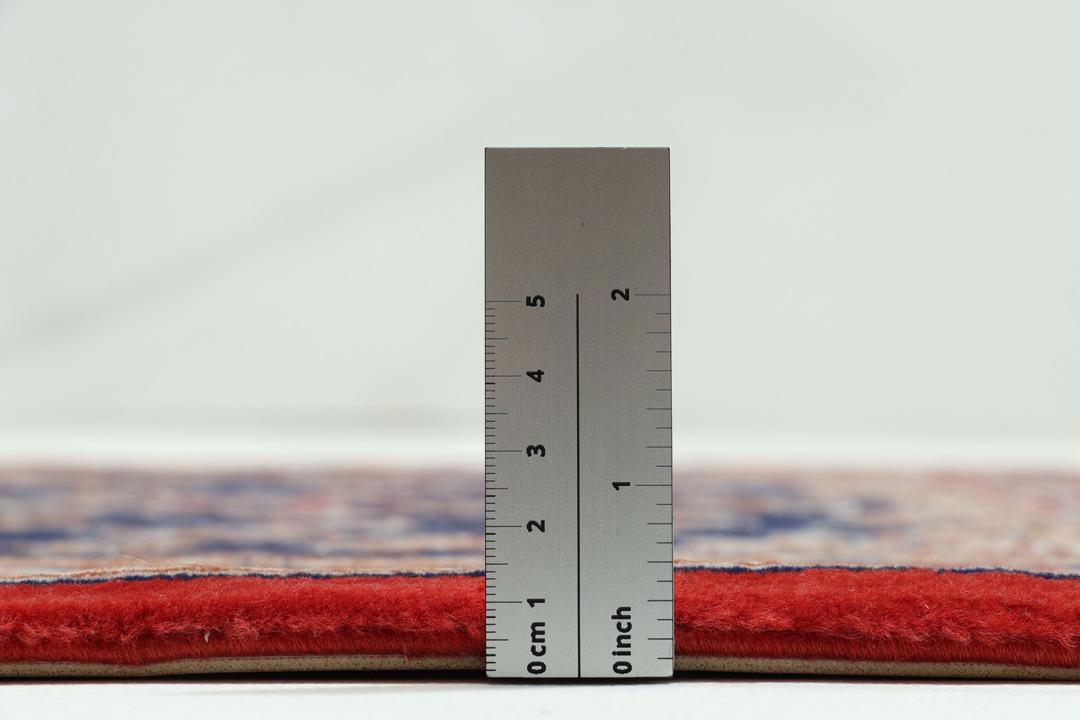
Technical precision is the hallmark of the Isfahan tradition. The use of dense knotting allows weavers to execute highly complex, curvilinear patterns that appear almost painterly. By using finer materials for the foundation, the weavers are able to achieve a thinner, more flexible rug that does not sacrifice strength. This technical mastery ensures that the final product is both a work of art and a functional floor covering that lies perfectly flat.
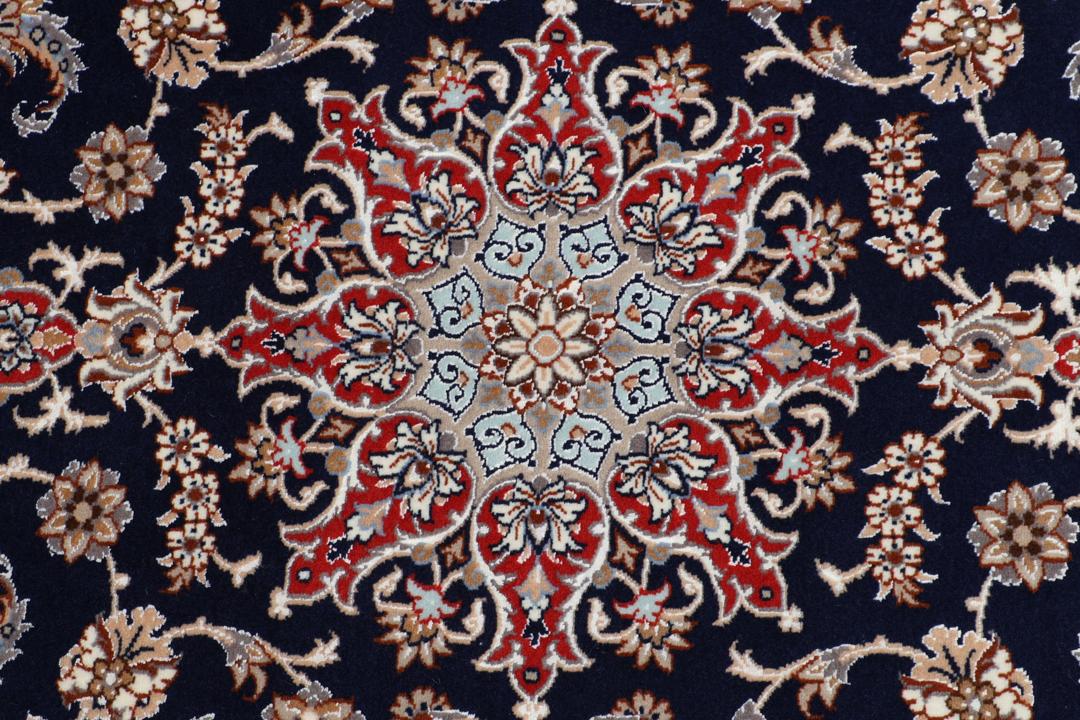
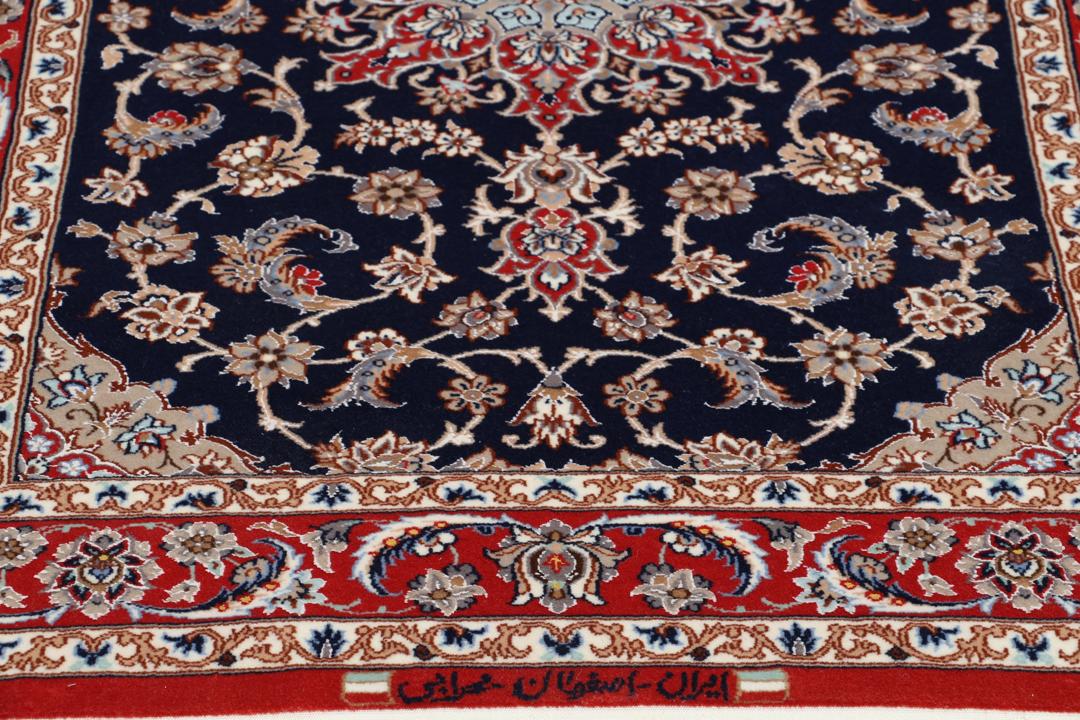
The visual language of an Isfahan rug is typically defined by a central medallion surrounded by a sea of delicate, interconnected floral arabesques and vines. The borders are equally considered, often mirroring the complexity of the central field to create a balanced, harmonious look. While traditional palettes often feature deep blues and rich reds, the specific execution of these colours can vary, making each rug a unique expression of the weaver's artistic vision.
Owning an Isfahan rug is an invitation to connect with a centuries-old heritage of craftsmanship. These pieces are highly valued by collectors and enthusiasts alike because they represent the pinnacle of regional skill and design. Beyond their beauty, they are considered a long-term investment in cultural history, bringing a sense of depth, stability, and enduring value to any home they occupy.