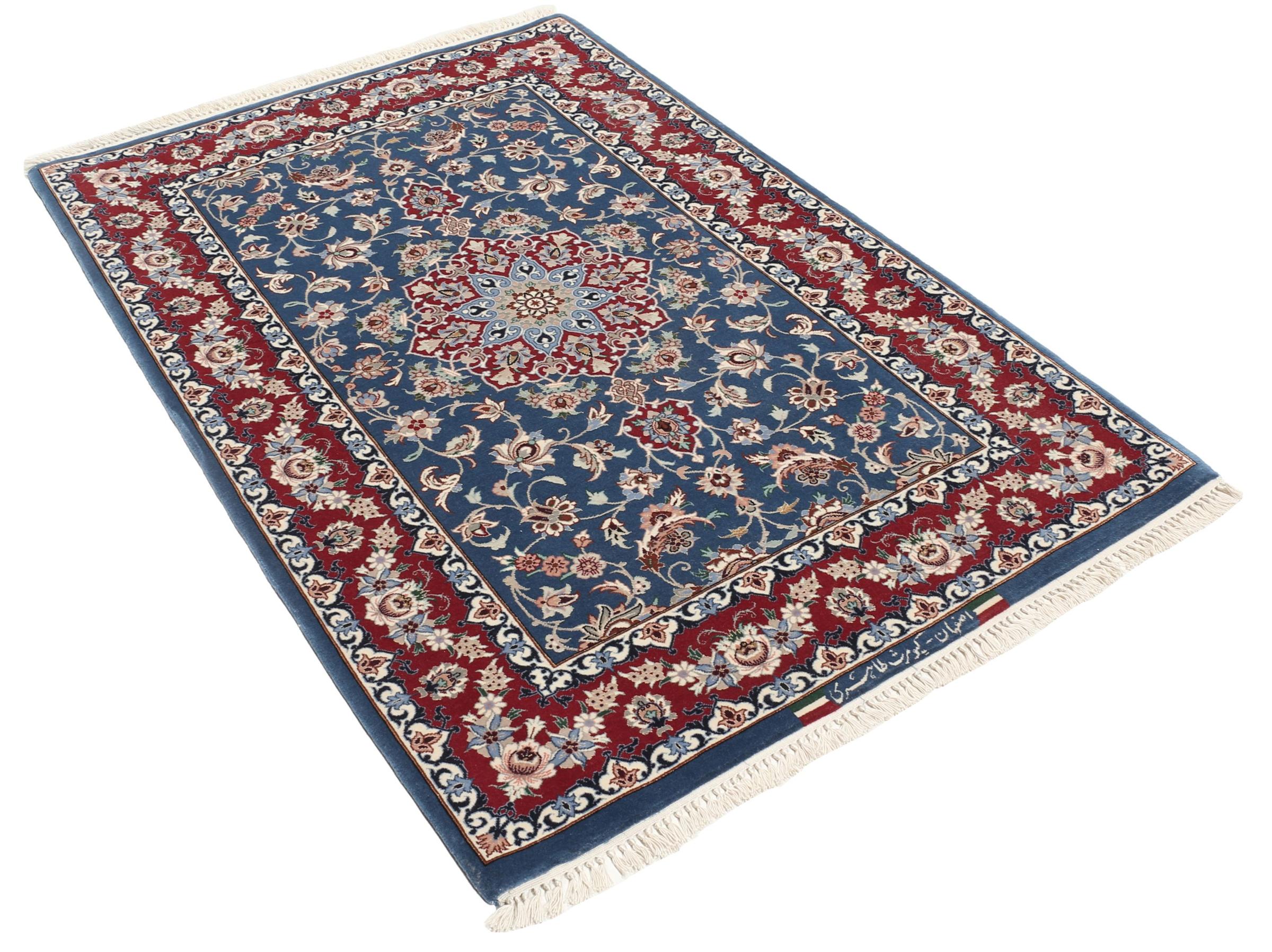
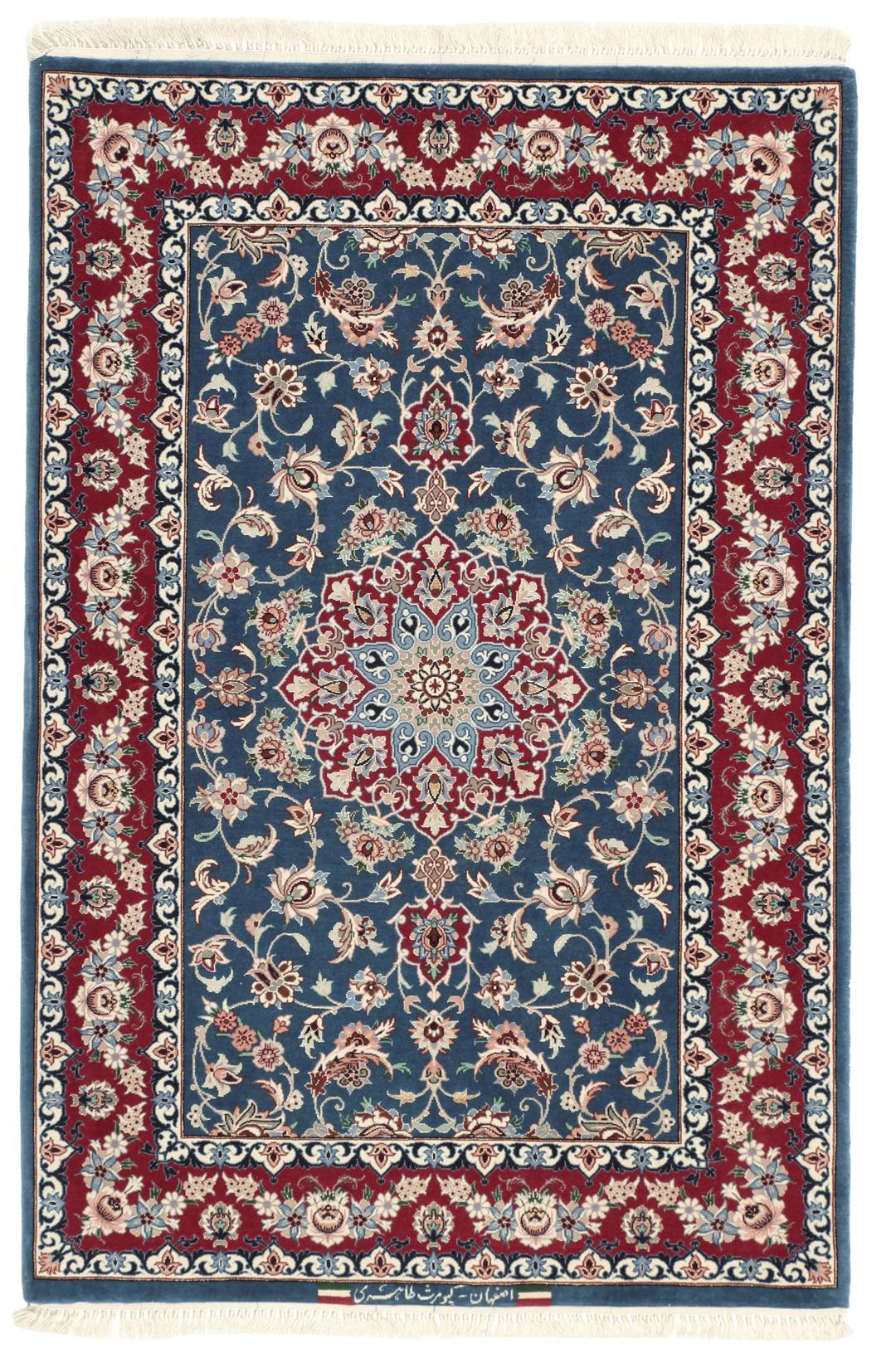
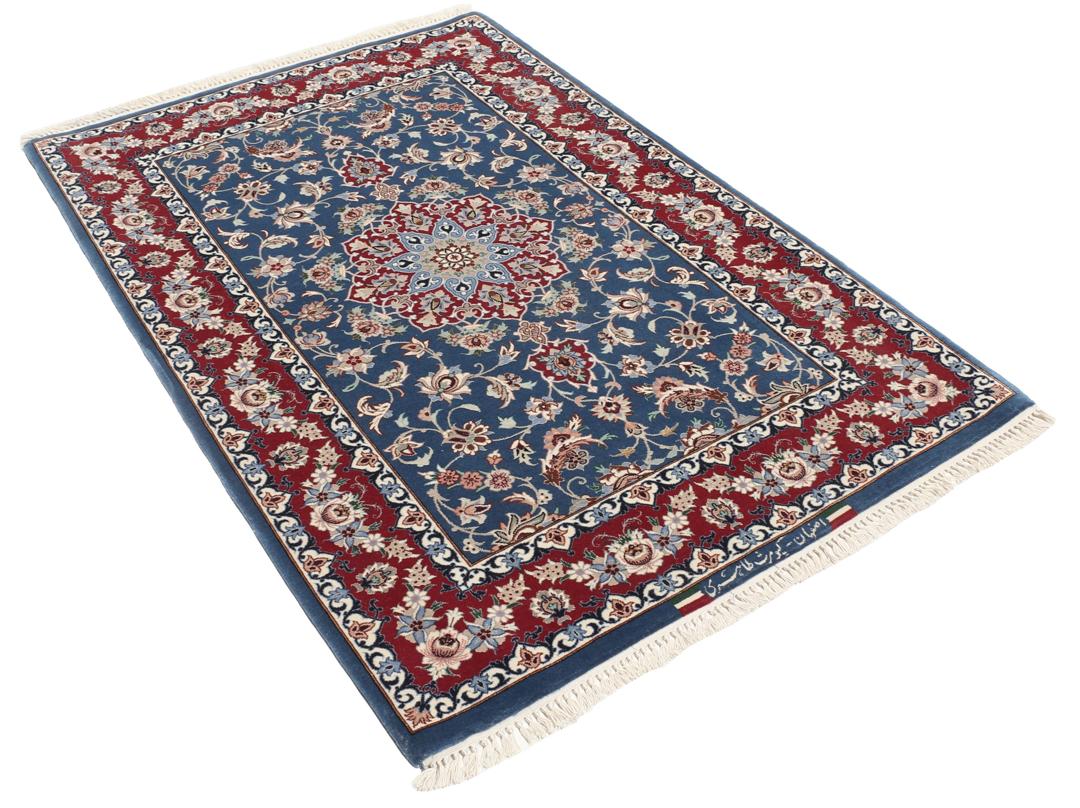
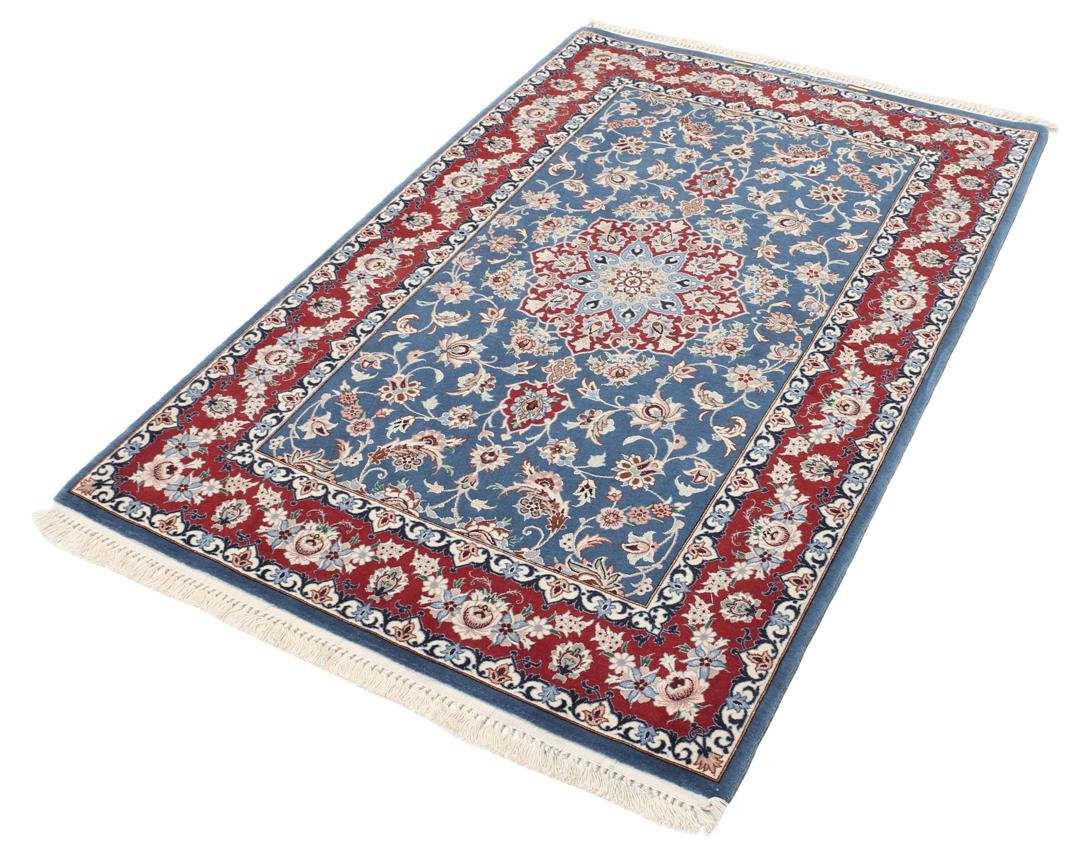
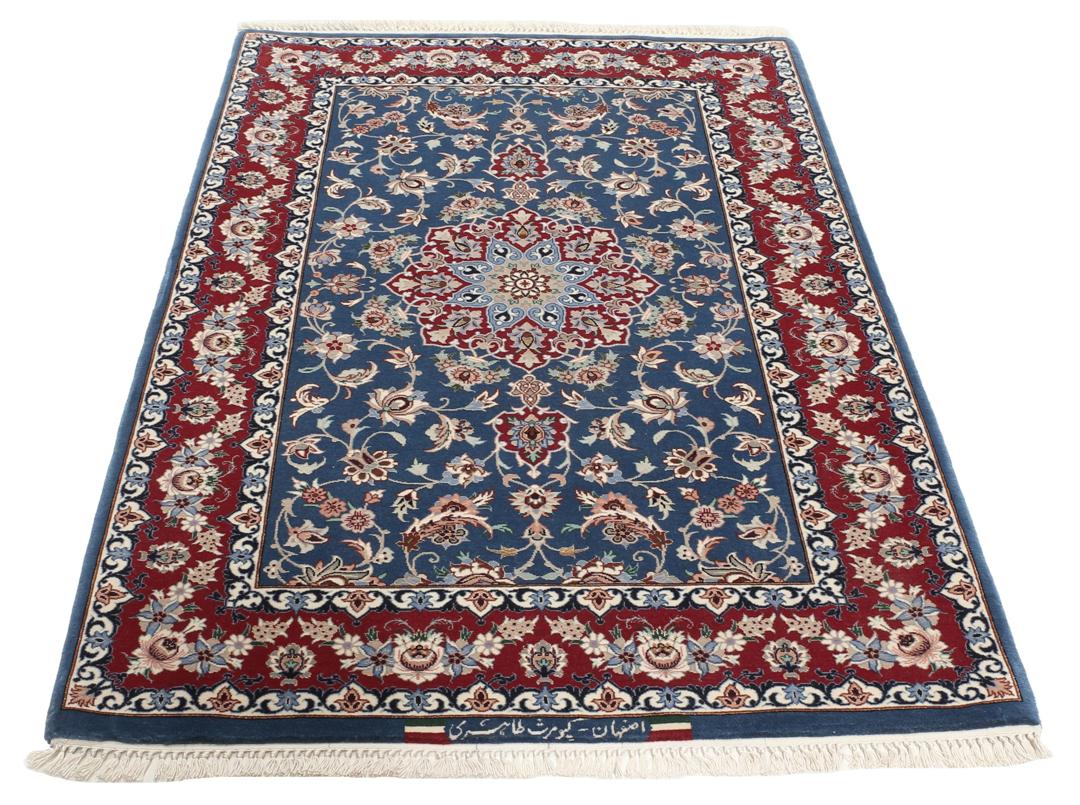
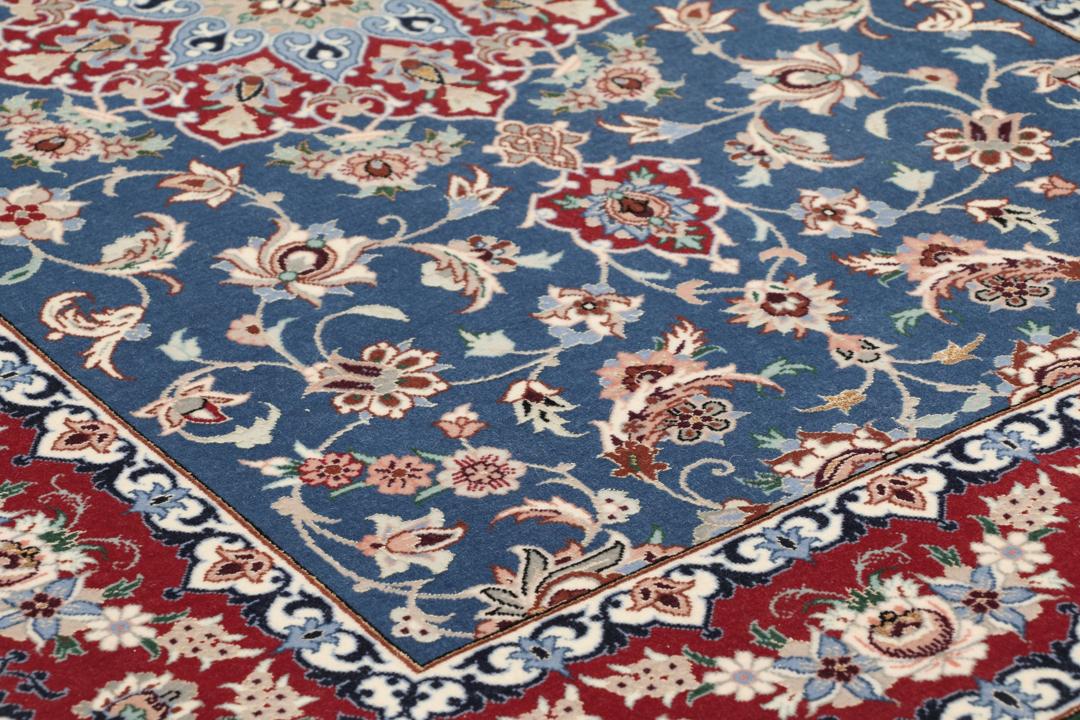
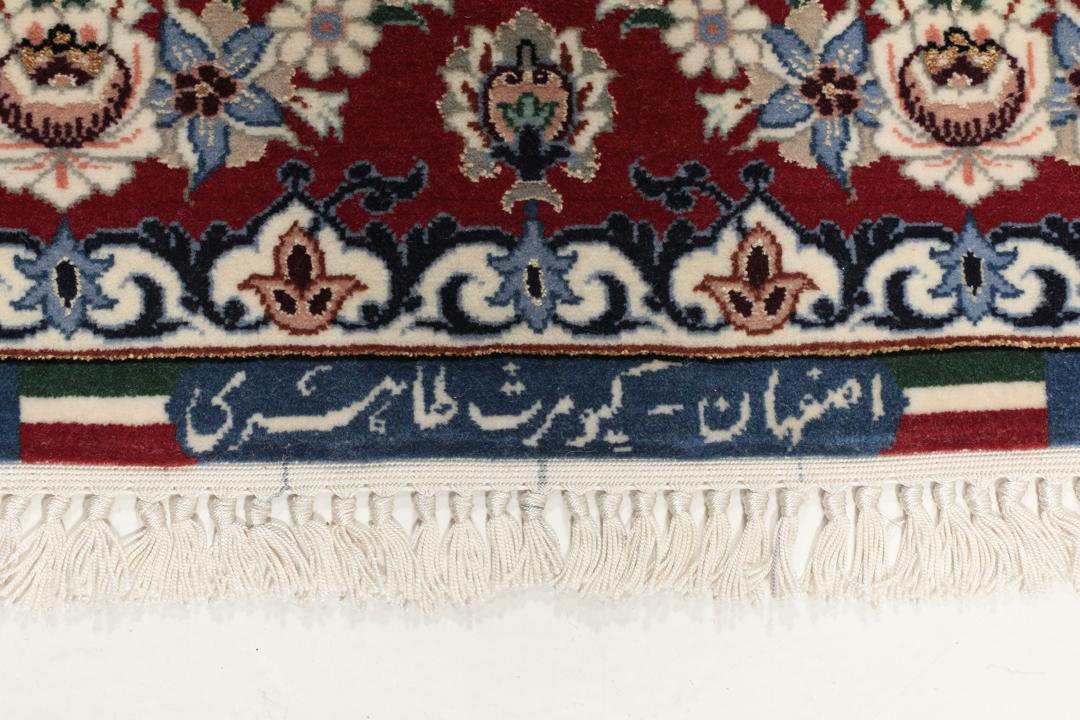
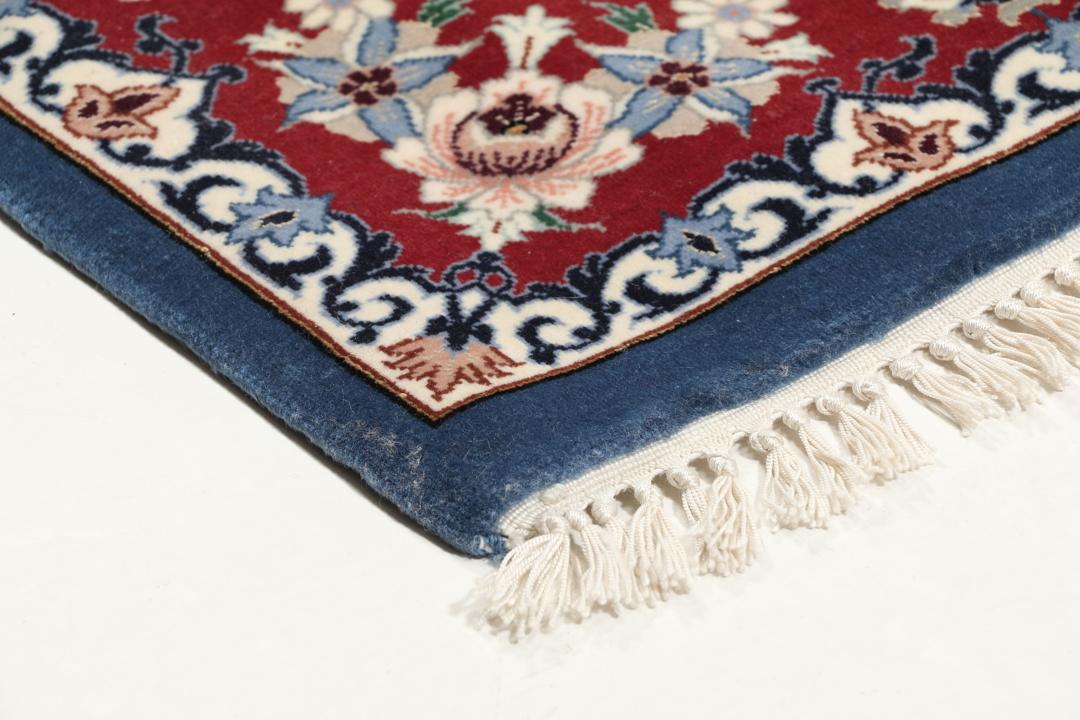
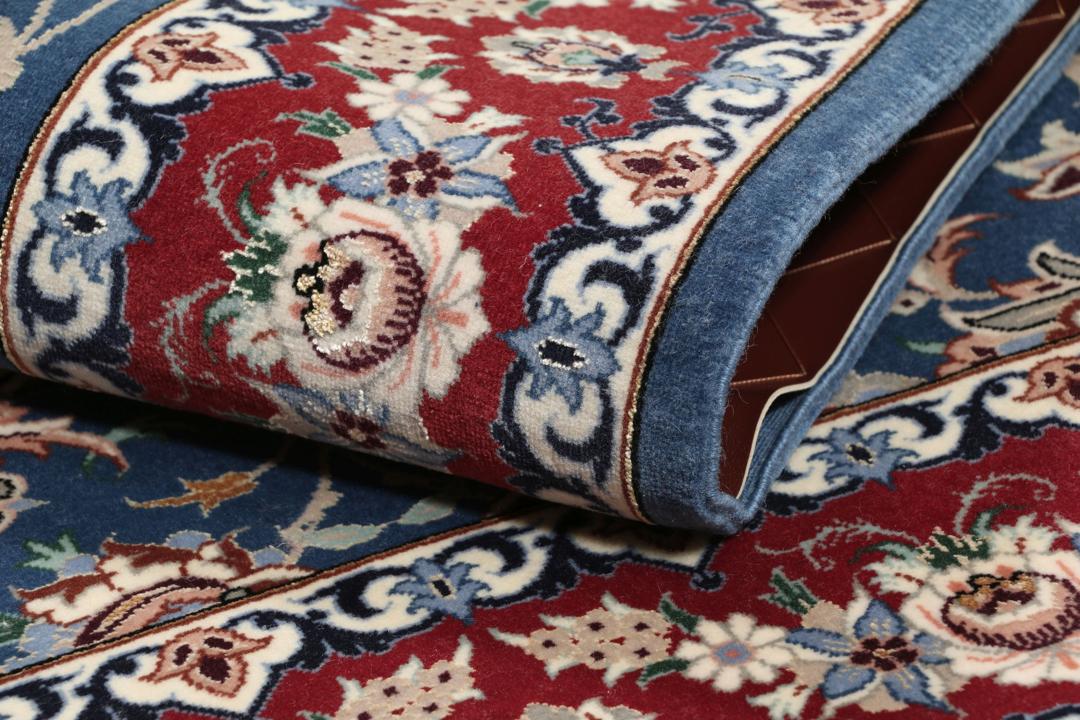
Isfahan rugs originate from the historic city of Isfahan in the heart of the Middle East, a region long celebrated as a centre for fine artistic production. The city's tradition of rug weaving is deeply tied to the royal courts and the refinement of Middle Eastern art, where weavers were historically commissioned to create pieces that reflected the pinnacle of cultural achievement.
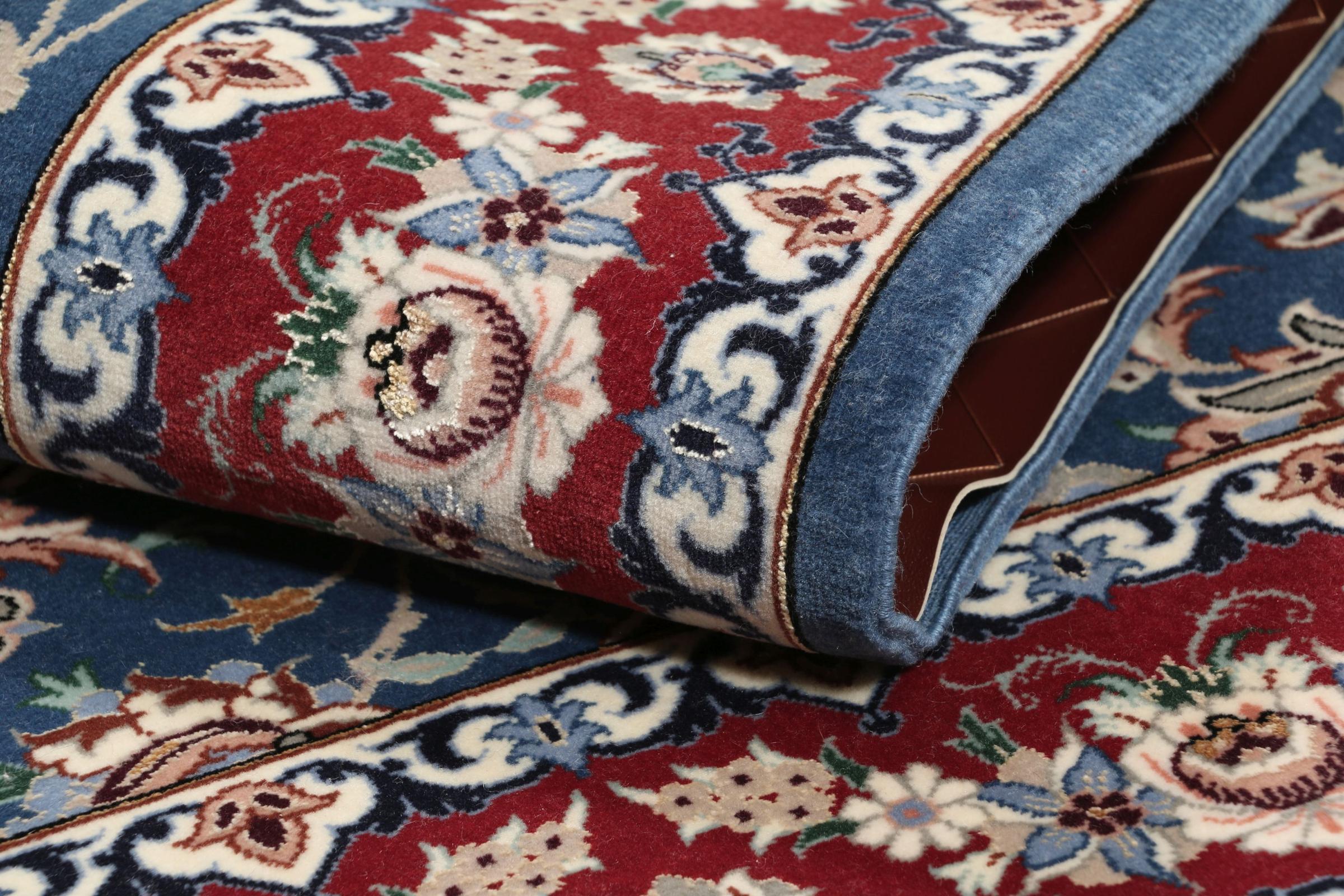
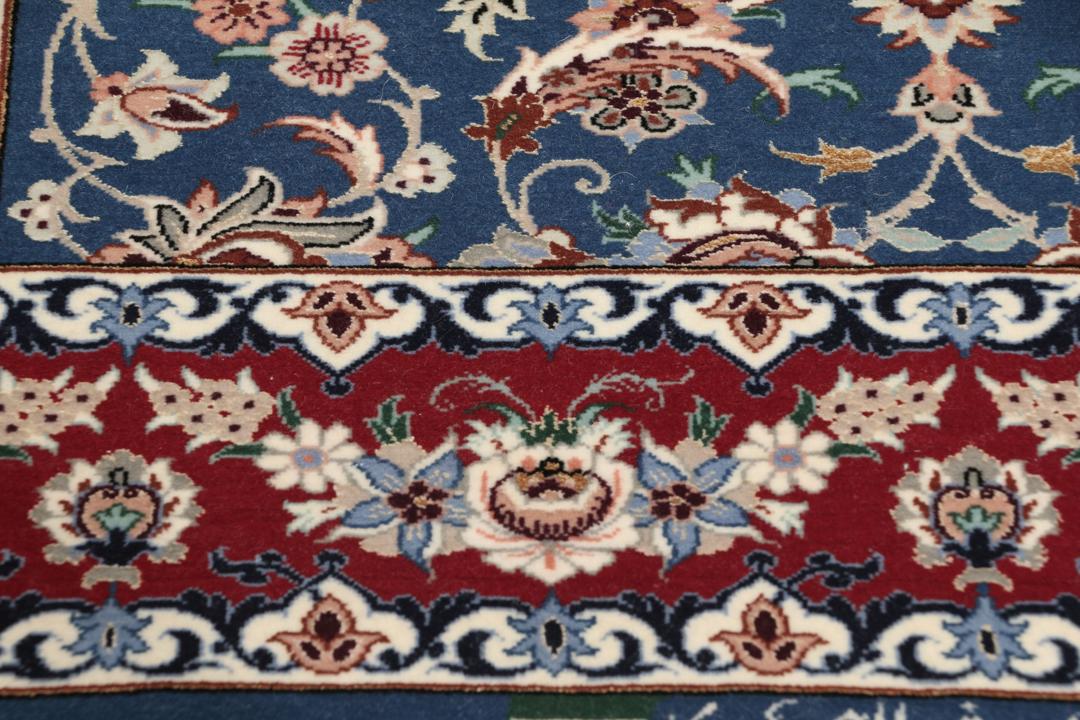
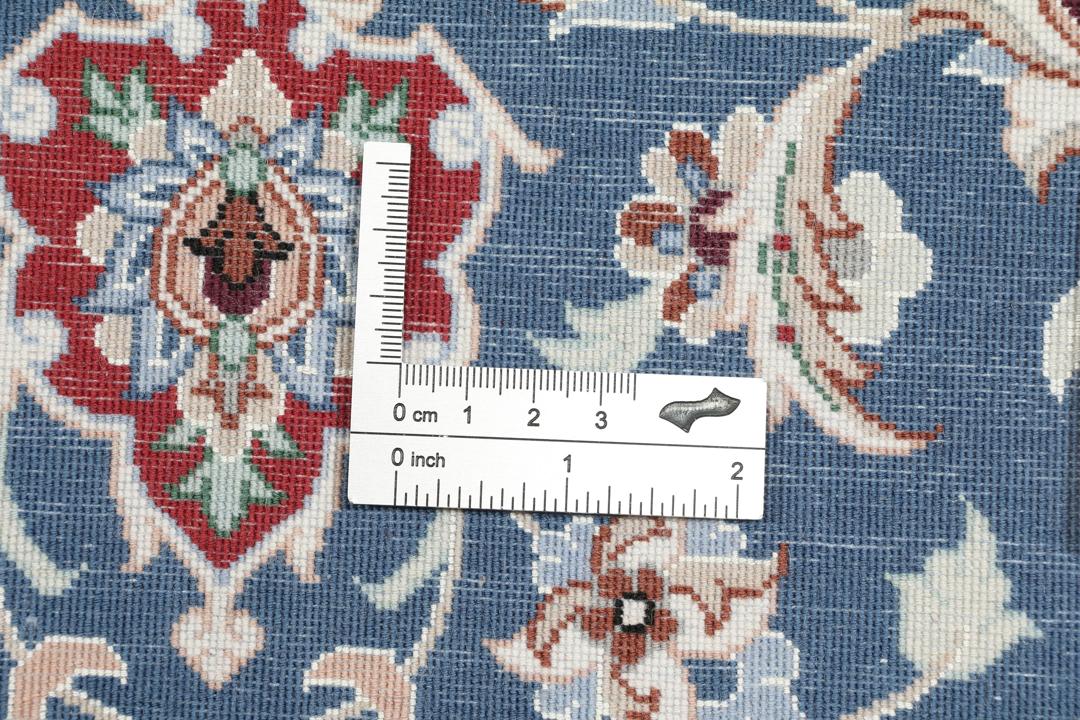
The term Silkwarp refers to the use of silk in the foundation of the rug, which allows for a thinner, more flexible structure compared to traditional cotton foundations. This technical choice is significant because it enables the weavers to achieve a much higher knot density, resulting in the incredibly intricate, painterly designs for which Isfahan rugs are world-renowned.
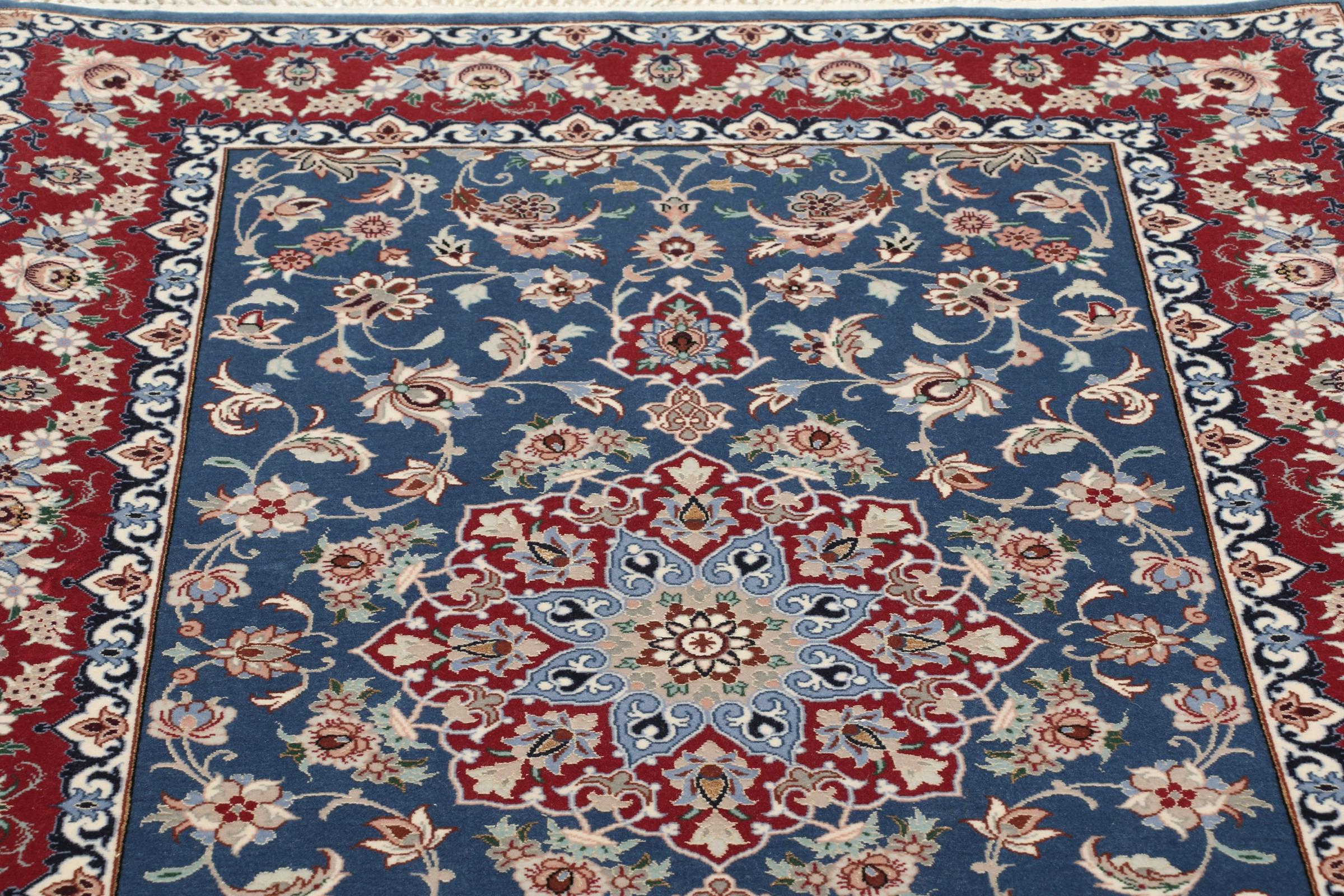
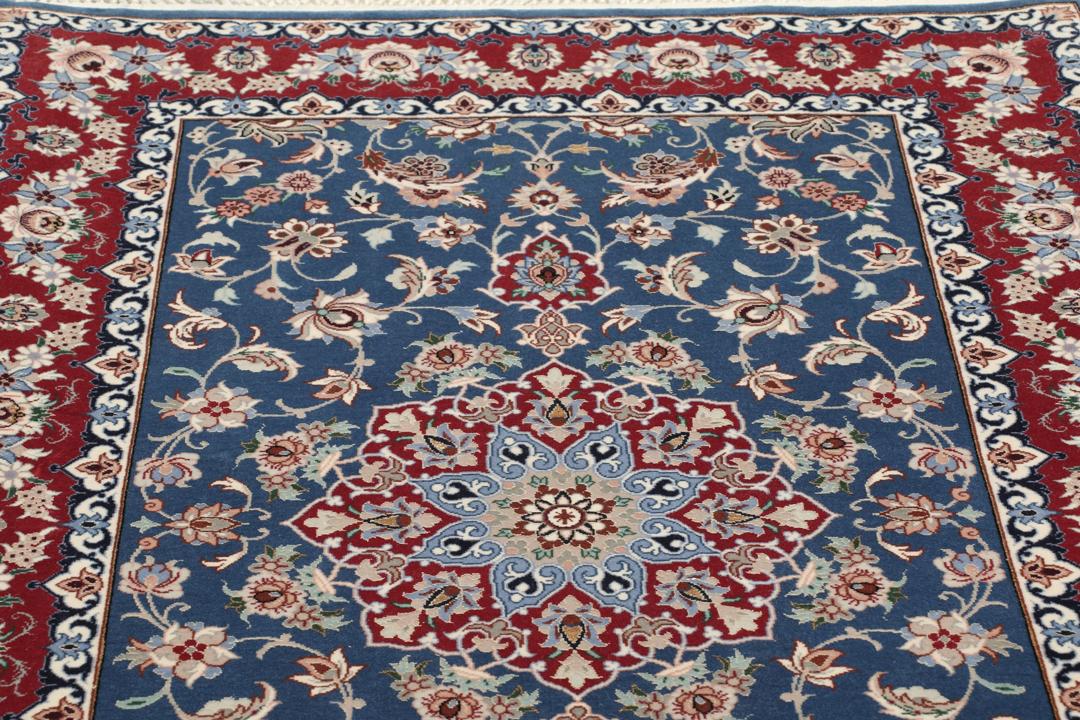
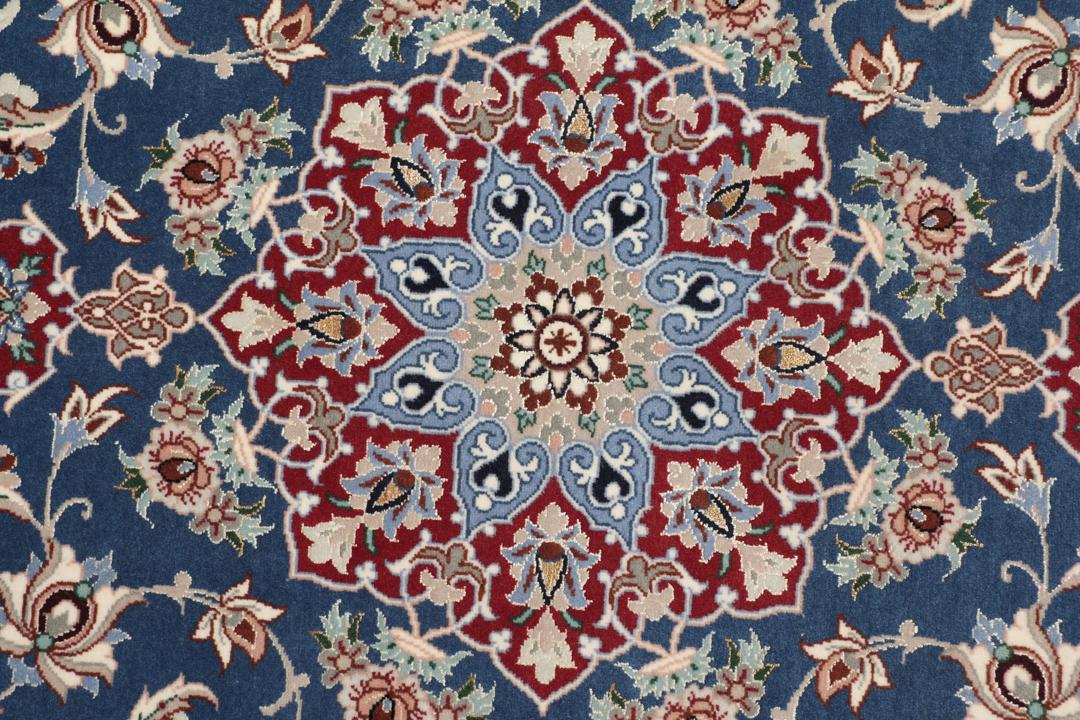
The visual language of an Isfahan rug is characterised by its balanced, often medallion-centred compositions and highly detailed floral motifs. These designs frequently draw inspiration from garden themes and classical architecture, featuring delicate vines, palmettes, and arabesques that create a harmonious, flowing aesthetic across the field.
Collectors value these rugs for their technical mastery and their embodiment of a historical craft that has survived for centuries. Owning an Isfahan is not just about floor decor; it is about preserving a legacy of skill and dedication that represents one of the most sophisticated weaving traditions in the world.