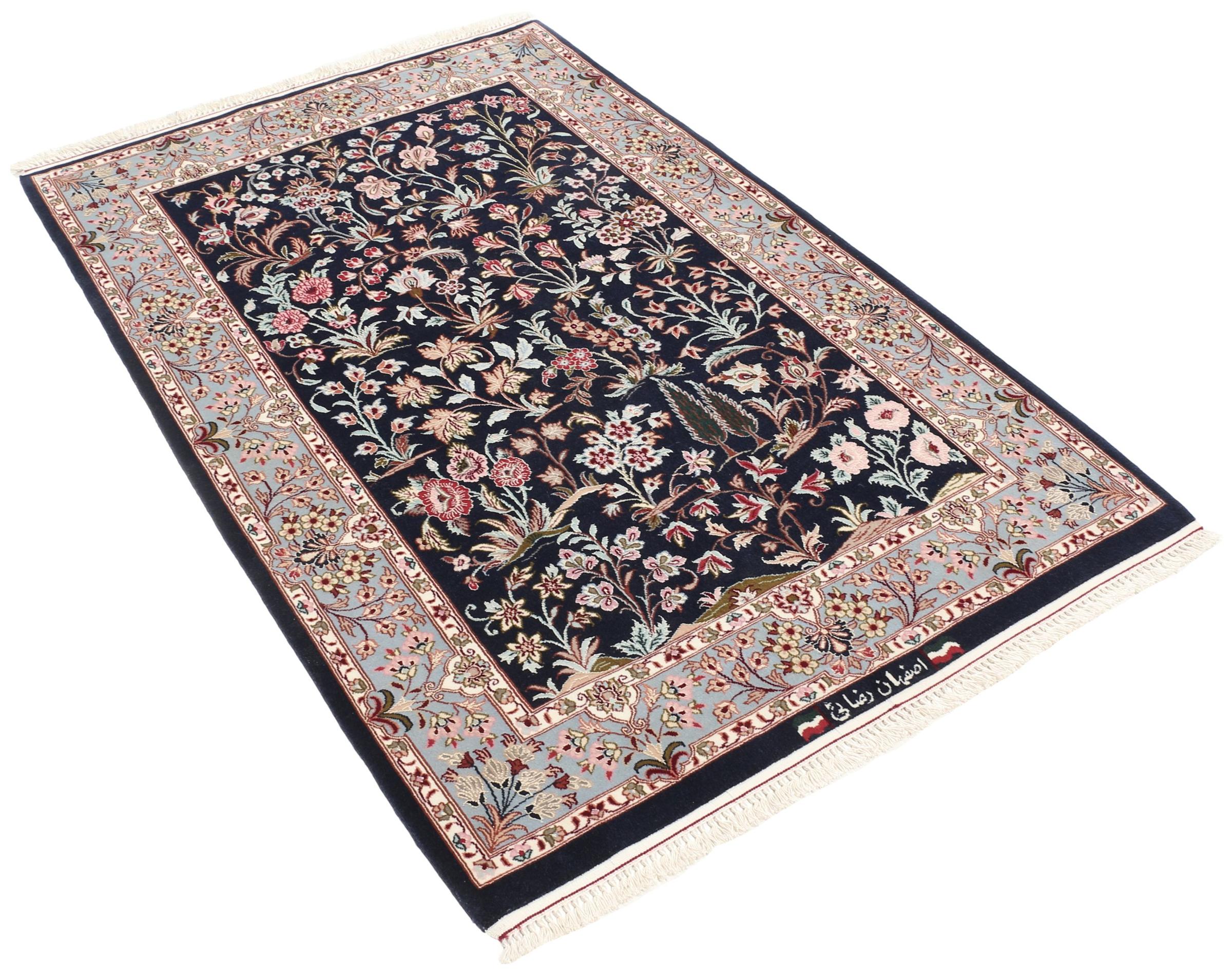
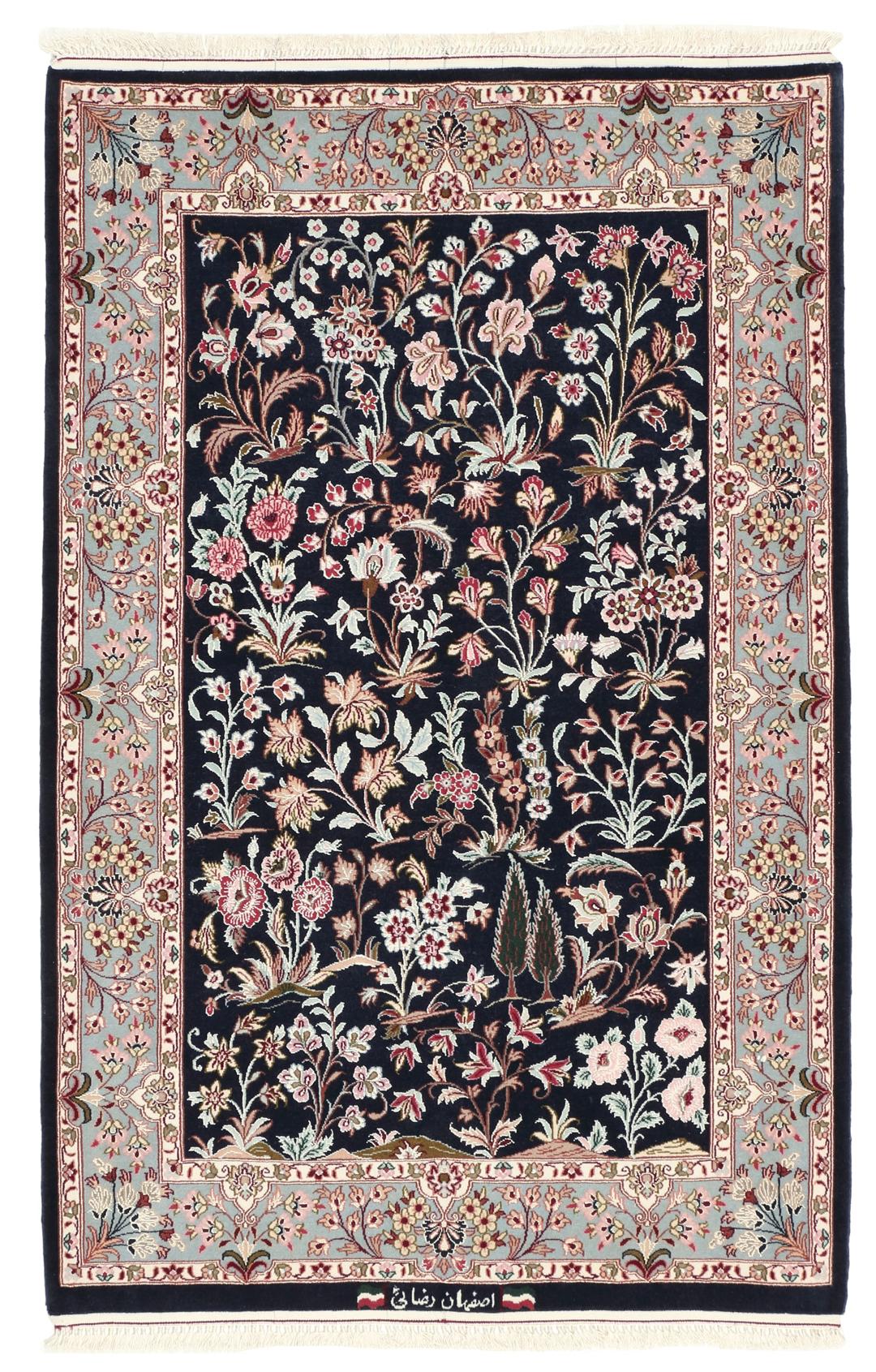
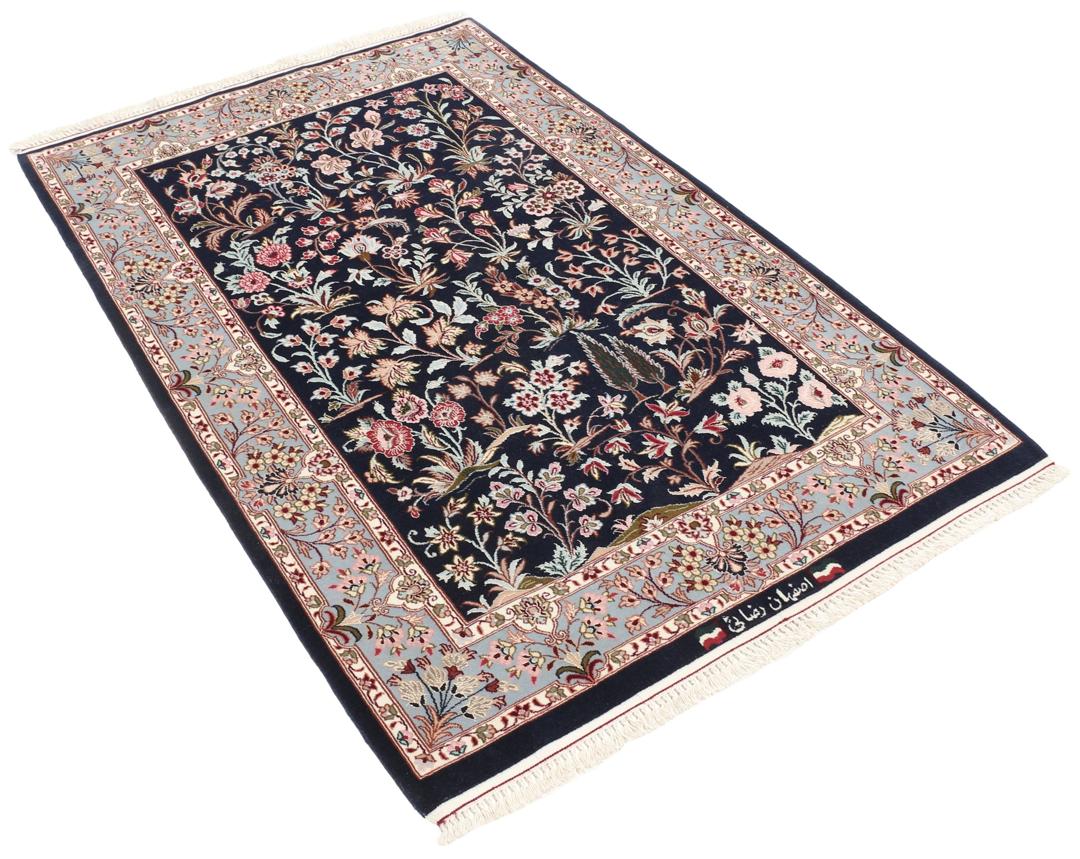
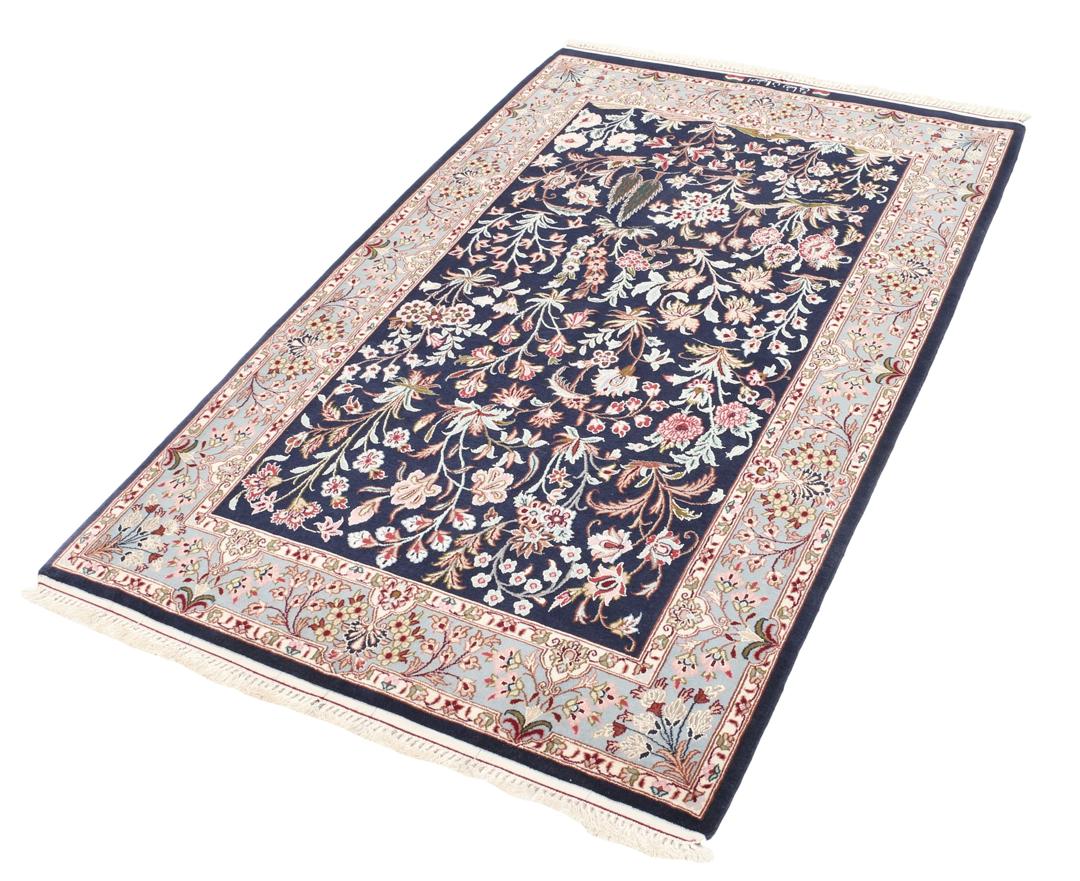
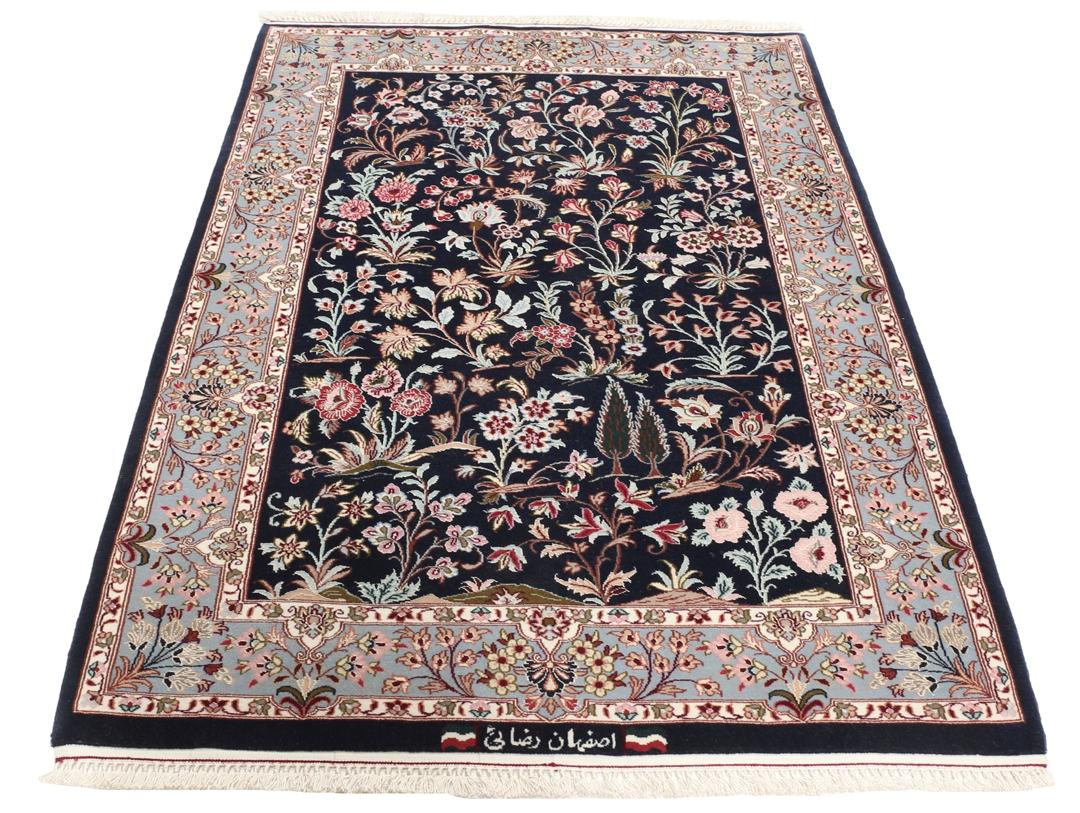
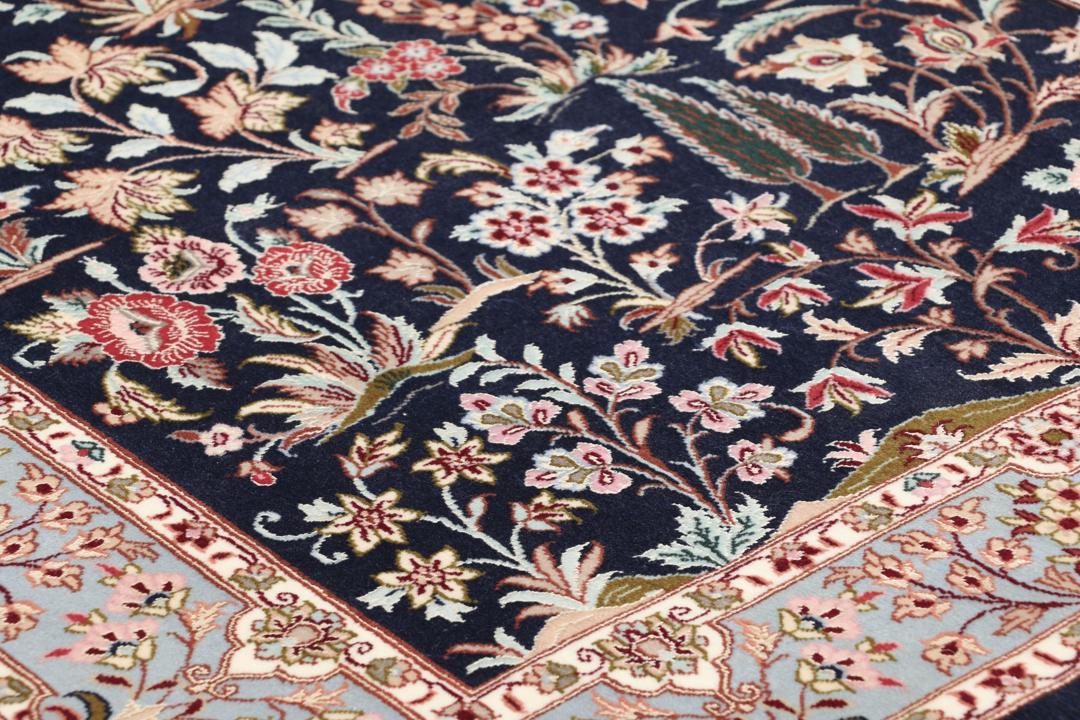
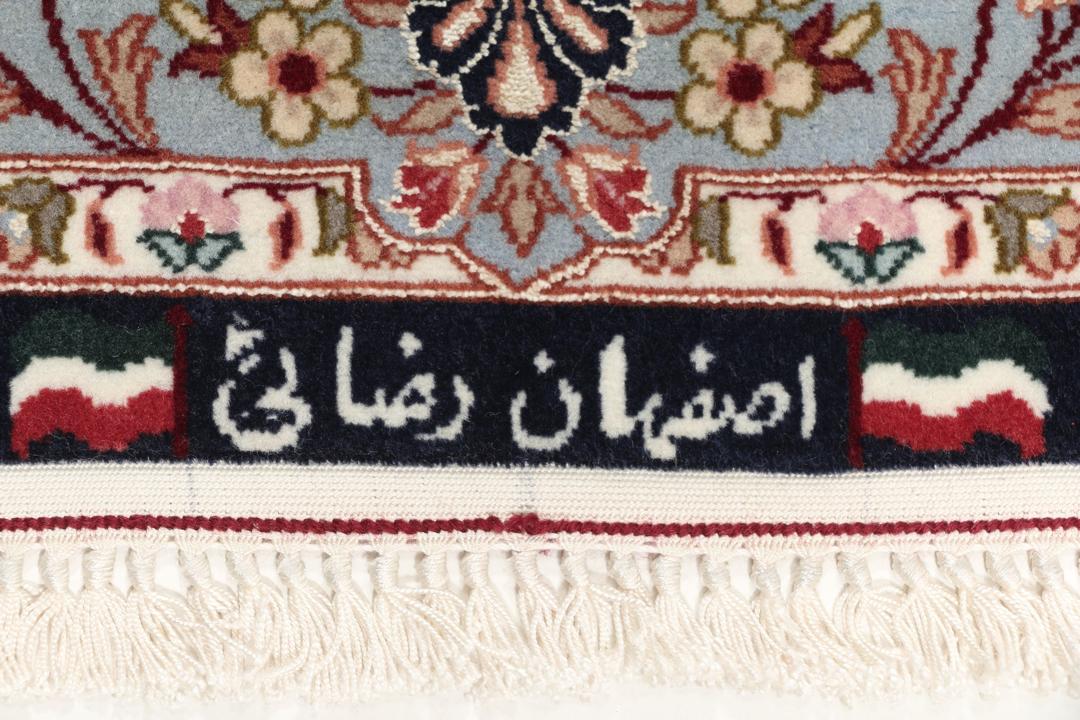
The Isfahan rug tradition hails from the historic city of Isfahan in the Middle East, a region celebrated for centuries as a centre of high art and culture. Rugs from this area are historically associated with the royal courts and elite workshops, where the pursuit of beauty and technical perfection was paramount. This tradition has evolved into a global standard for luxury, known for its emphasis on balance, harmony, and incredibly fine detail.
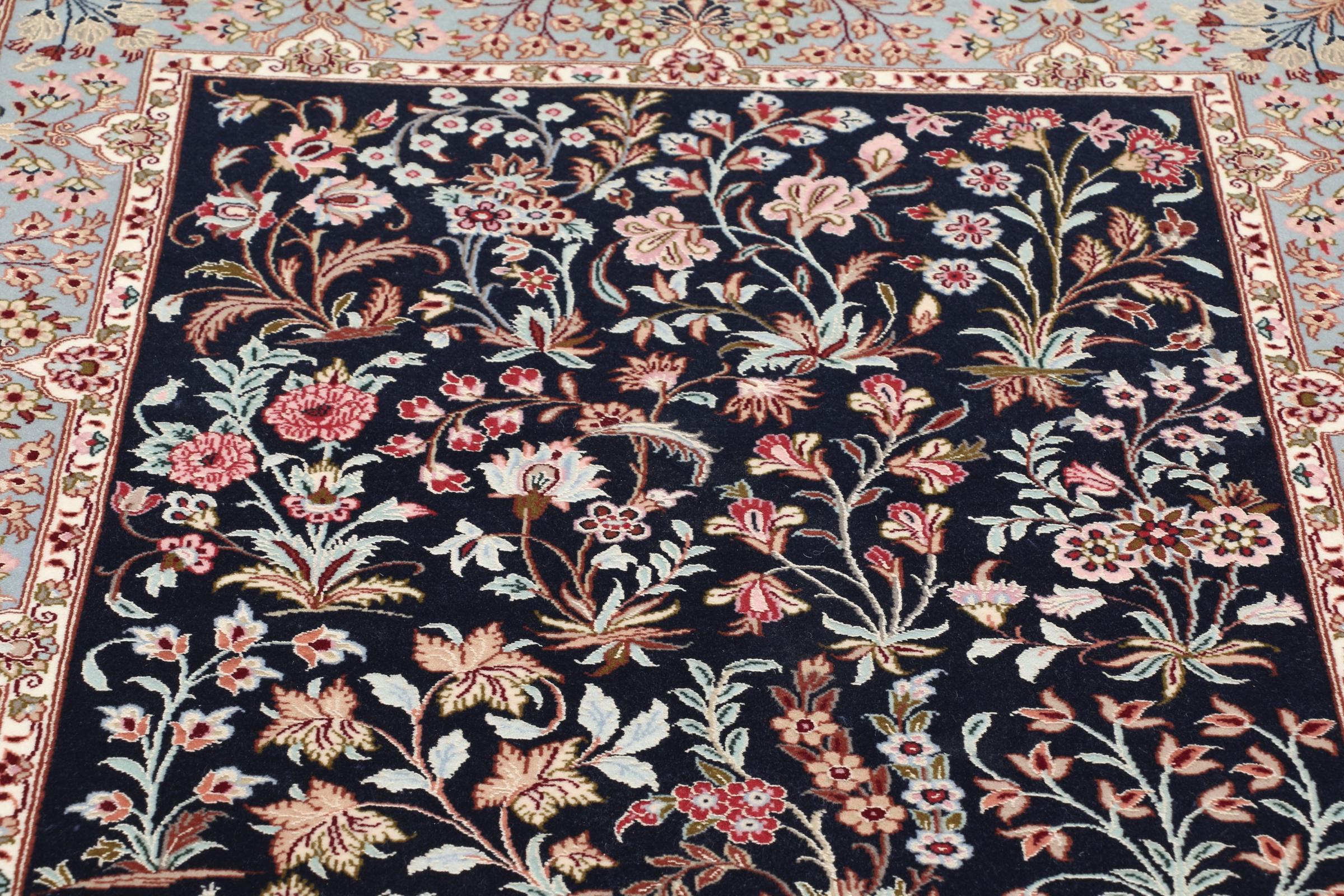
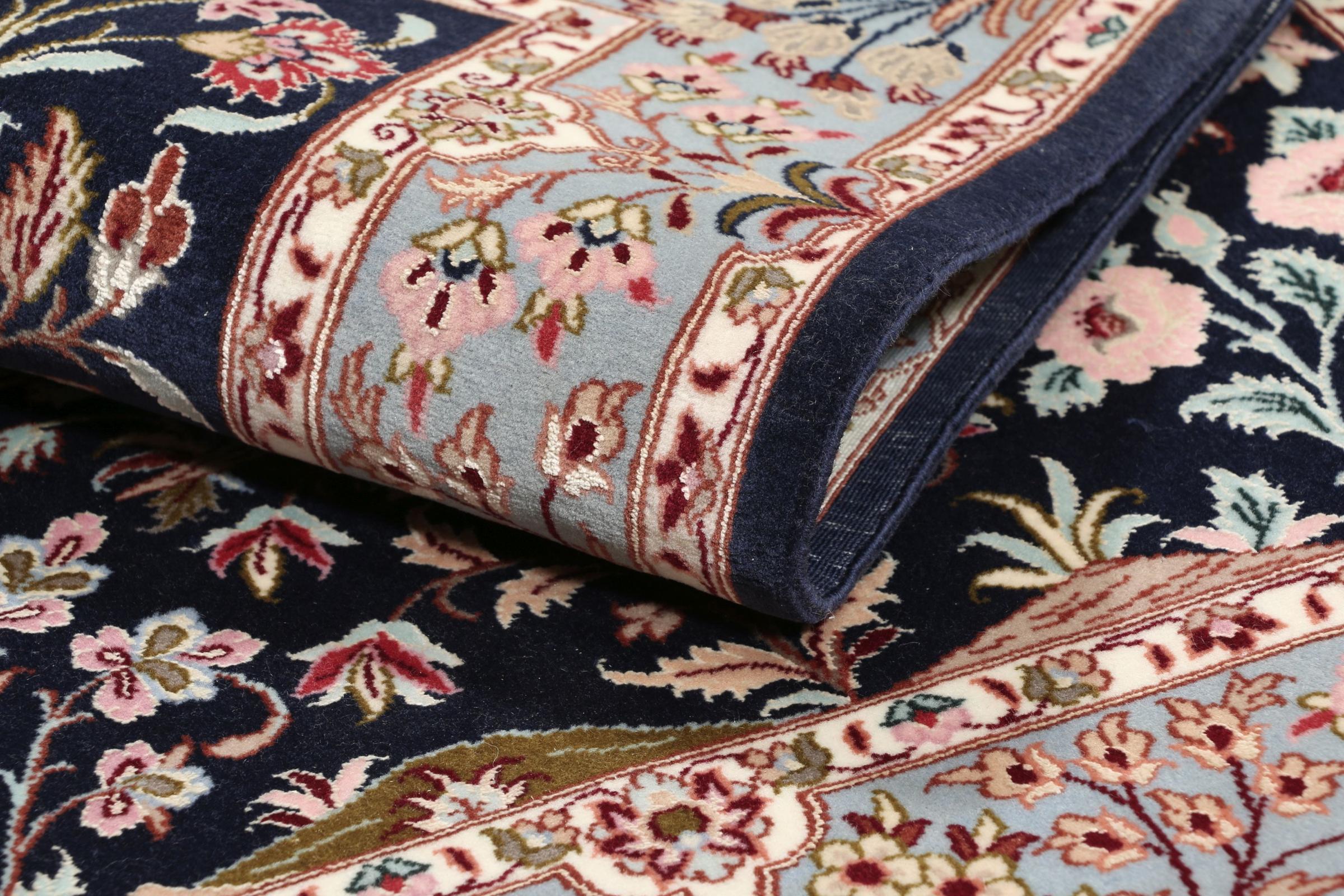
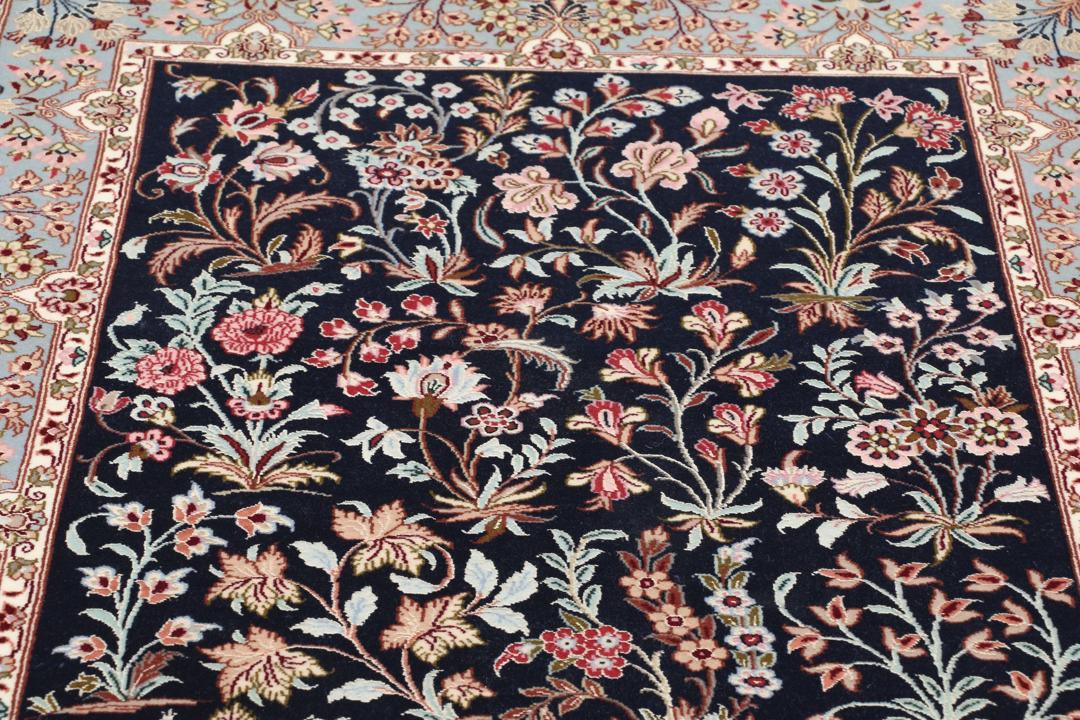
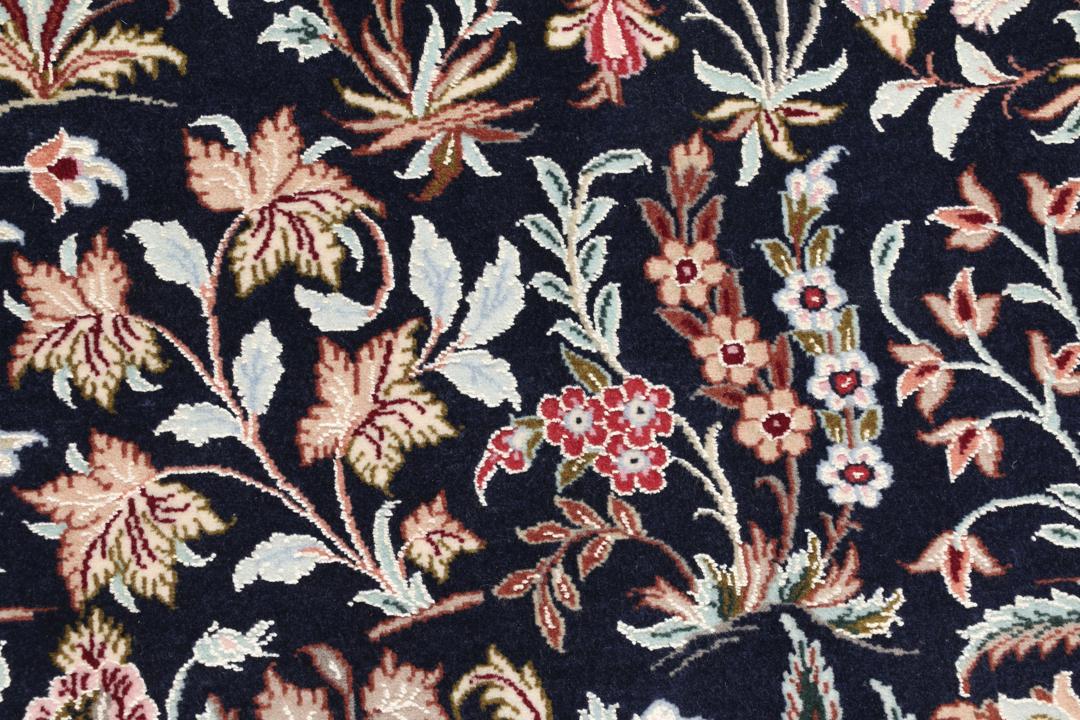
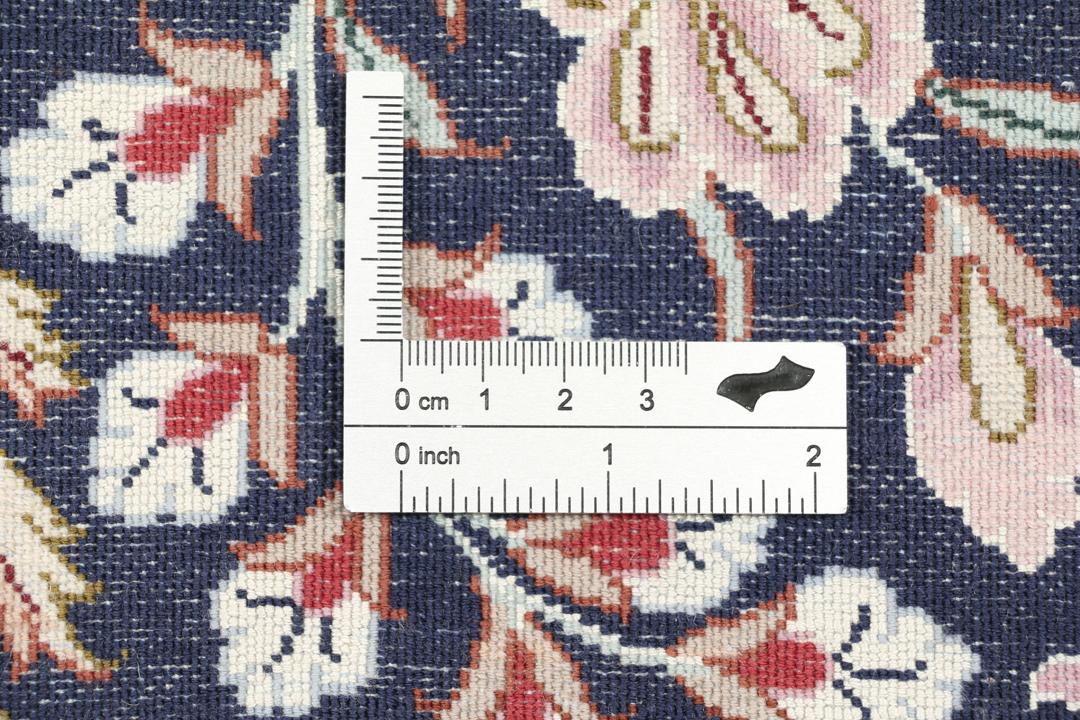
Technical mastery is the hallmark of the Isfahan style, often characterised by a very high knot density. This density is essential for creating the fluid, naturalistic floral designs that define the category. By utilising a high number of knots, weavers are able to achieve a level of clarity in their patterns that is rarely matched, resulting in a pile that is not only visually crisp but also exceptionally sturdy and resilient.
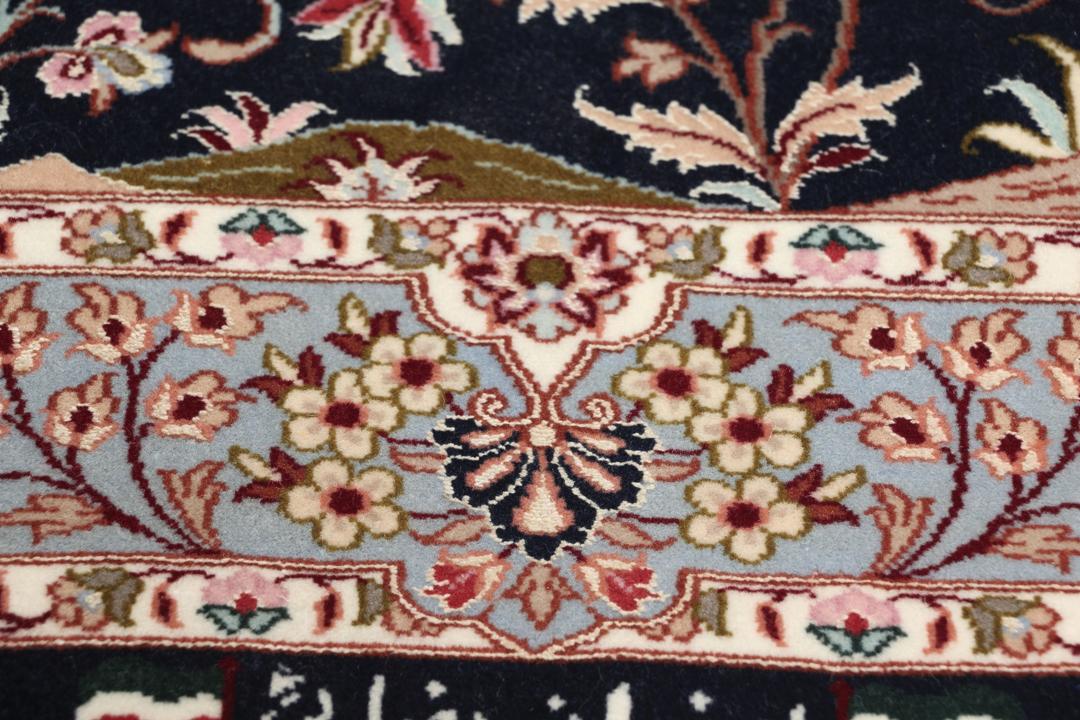
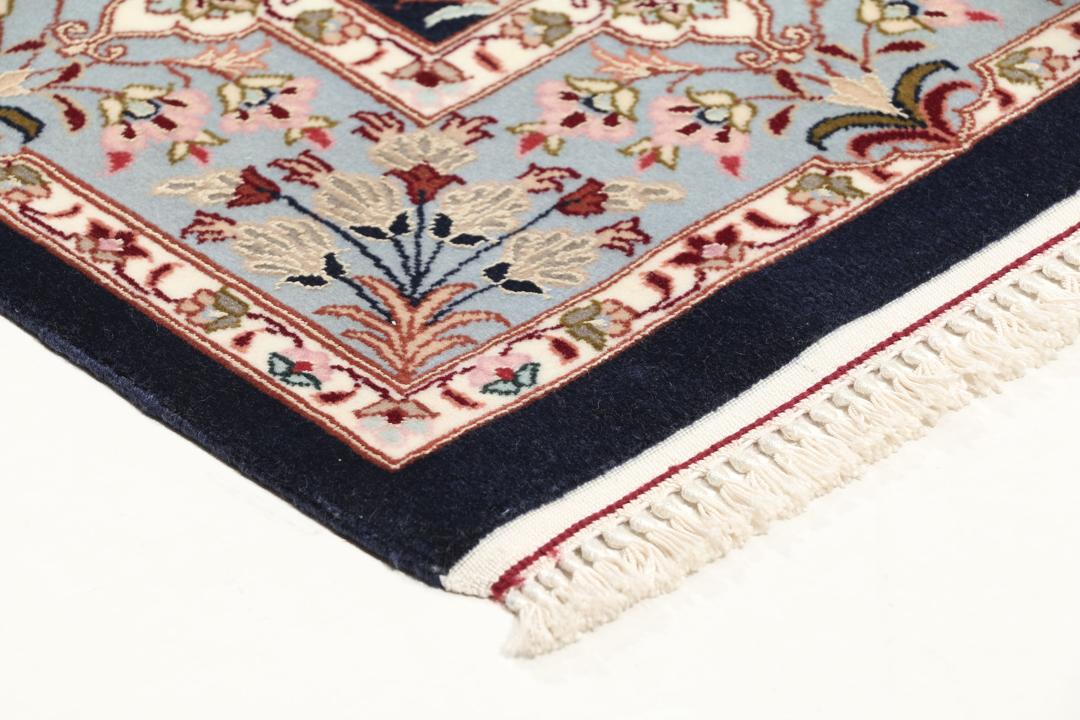
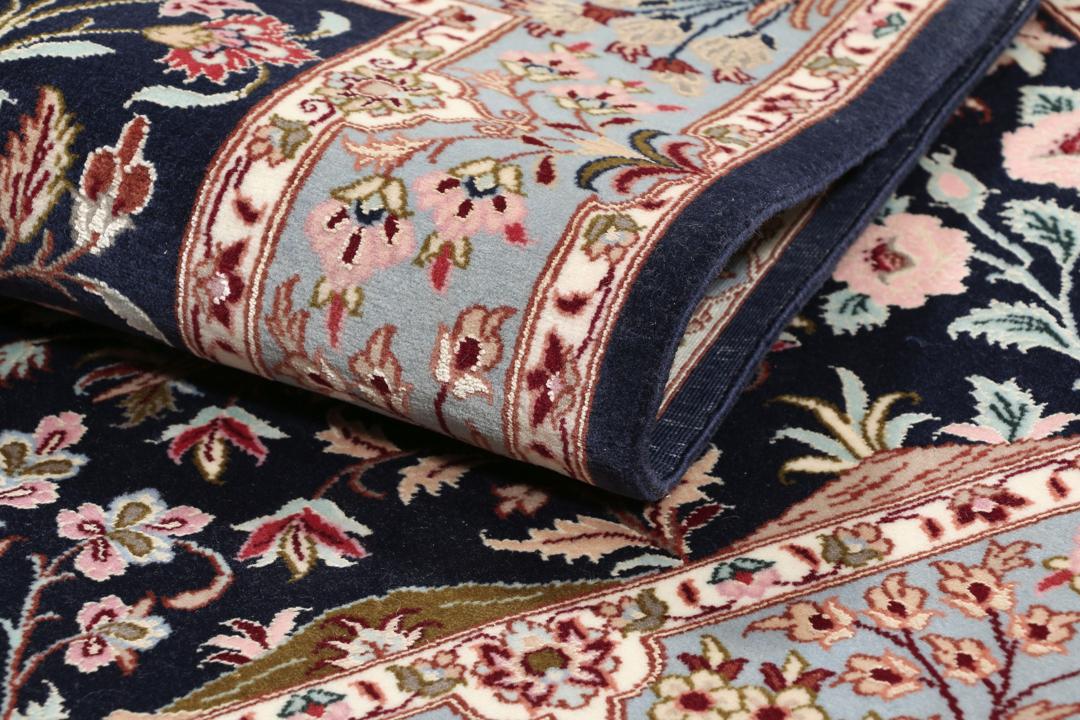
The visual language of an Isfahan rug is deeply rooted in the classic garden and floral motifs of the region. You will typically find the field filled with elaborate scrolling vines, palmettes, and blossoms, often organised around a central medallion or in an all-over repeating pattern. The borders are equally considered, usually featuring multiple strips of decorative motifs that frame the field, providing a sense of enclosure and structure to the design.
Collecting an Isfahan rug is an investment in a storied craft tradition. These pieces are valued not just for their aesthetic grace but for the immense skill and cultural heritage they embody. Owning one is a way to celebrate the history of skilled weaving and to ensure that these time-honoured techniques continue to be appreciated as a vital part of our shared artistic legacy.