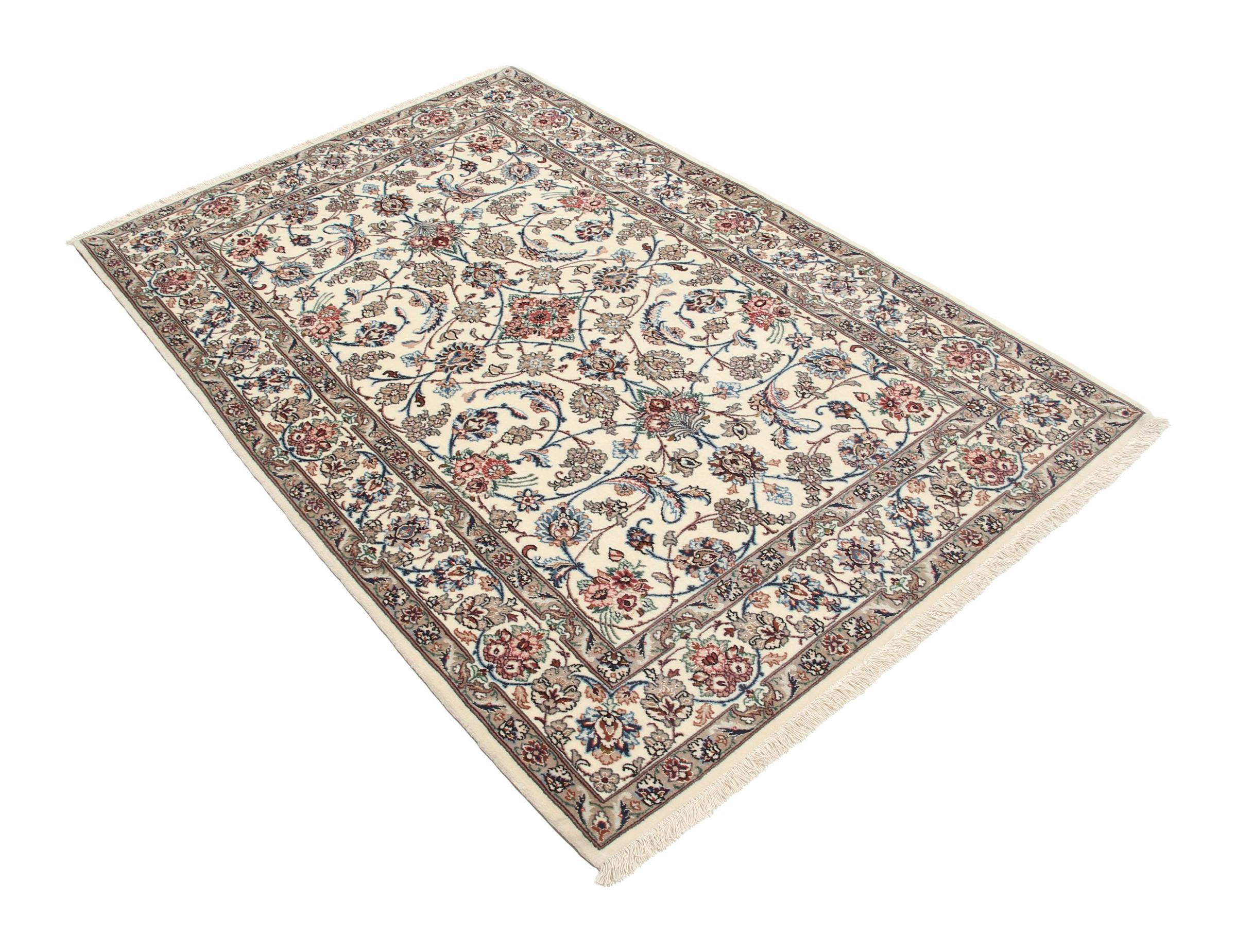
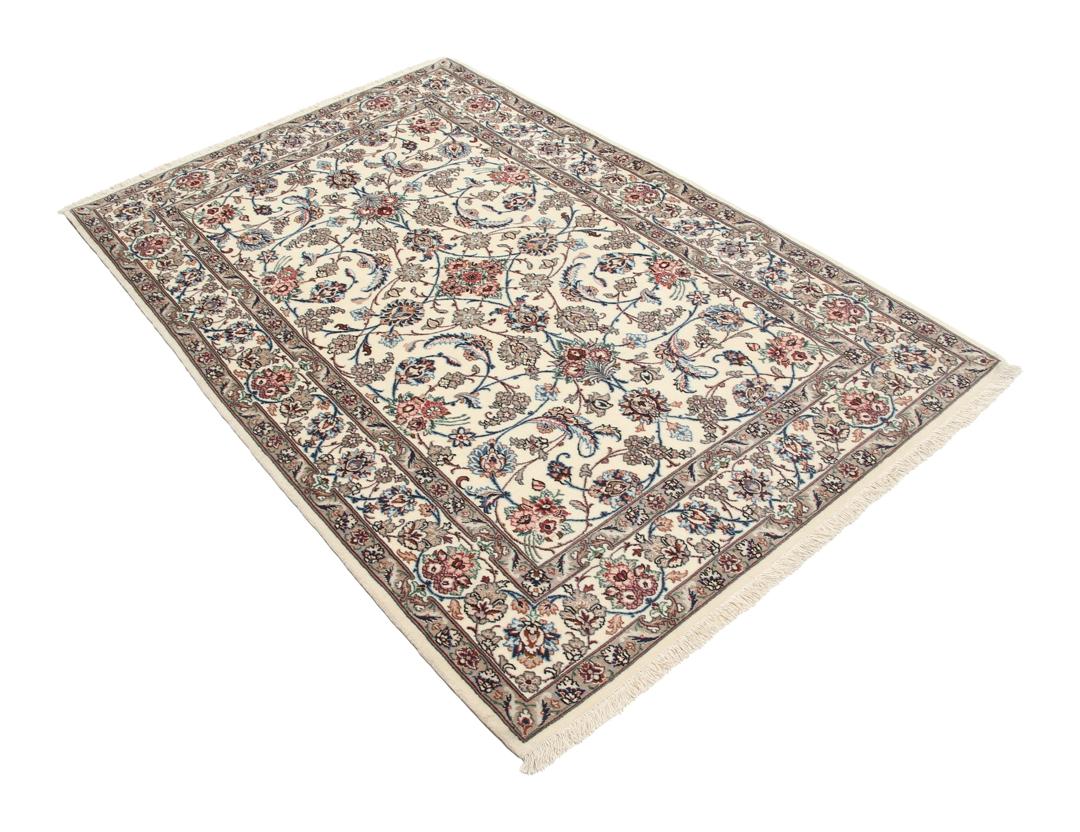
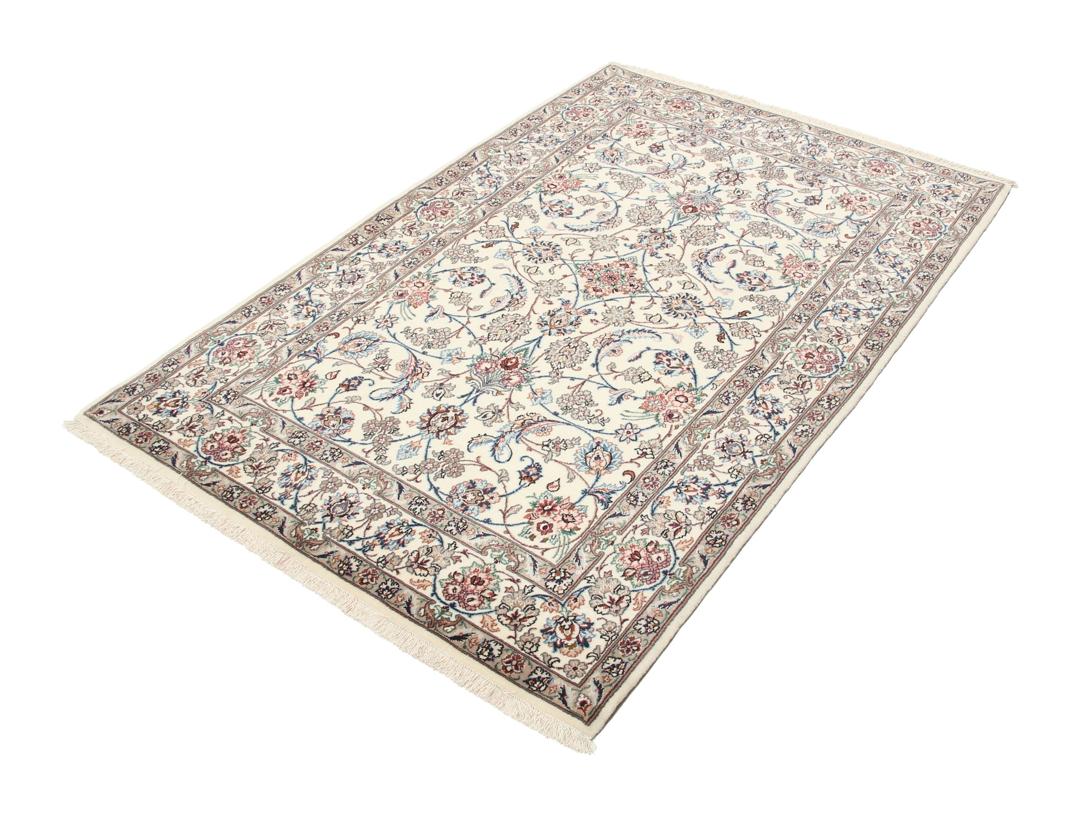
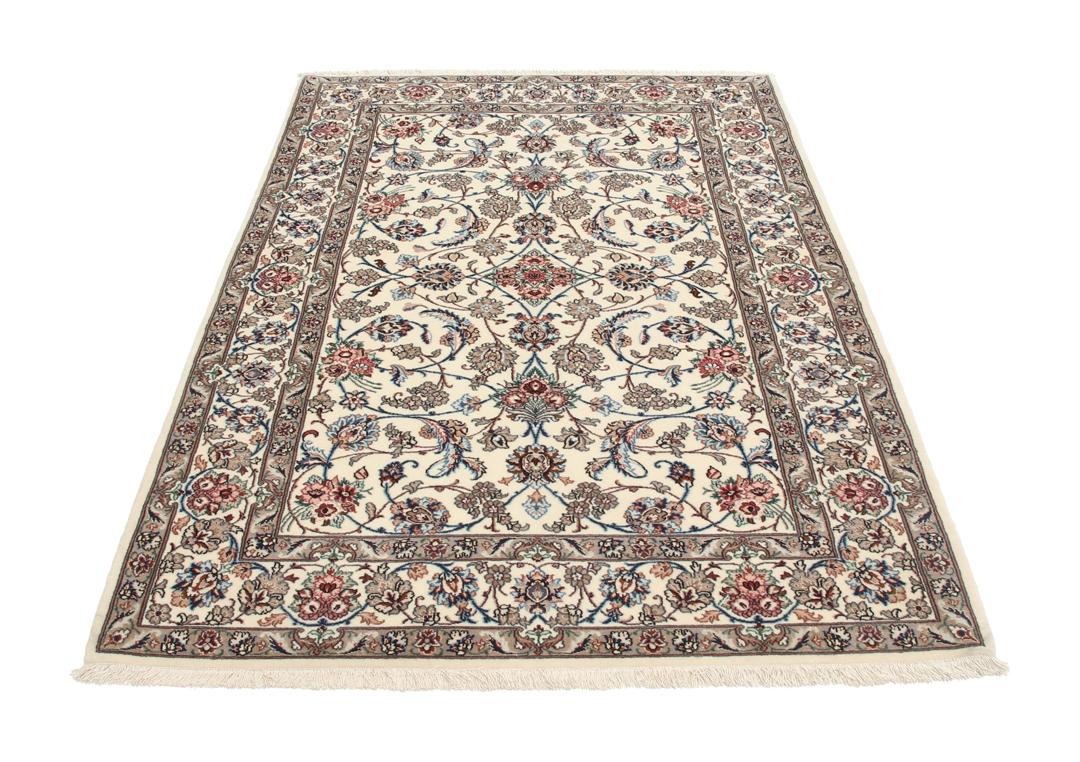
Isfahan rugs are celebrated globally as some of the most refined examples of weaving from the Middle East. Originating from the historic city of Isfahan, which served as a capital of the region, these rugs reflect the city's long-standing reputation as a centre for the arts, architecture, and sophisticated craftsmanship. The tradition of weaving in this region has evolved over centuries, drawing influence from the rich cultural tapestry of the Silk Road.
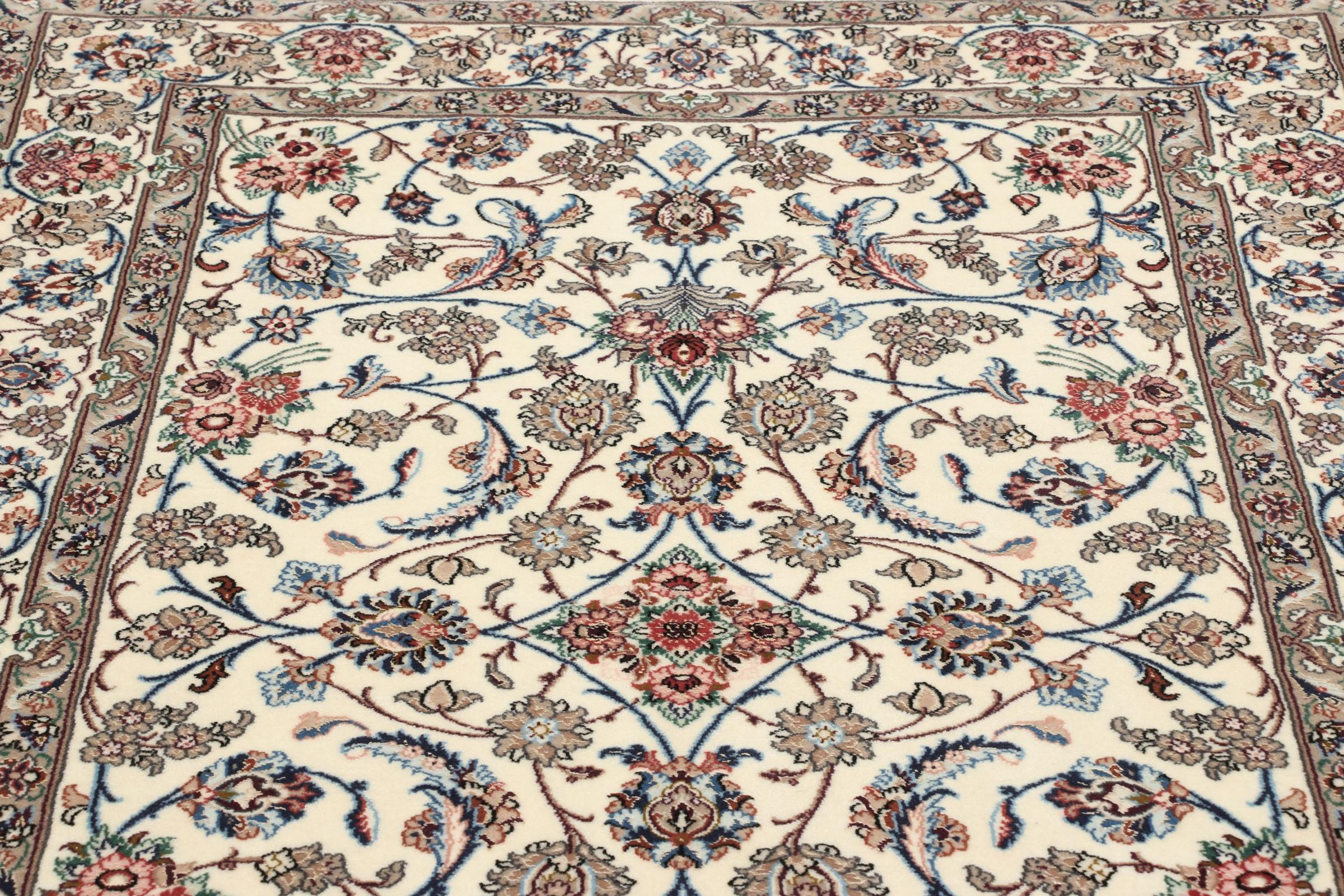
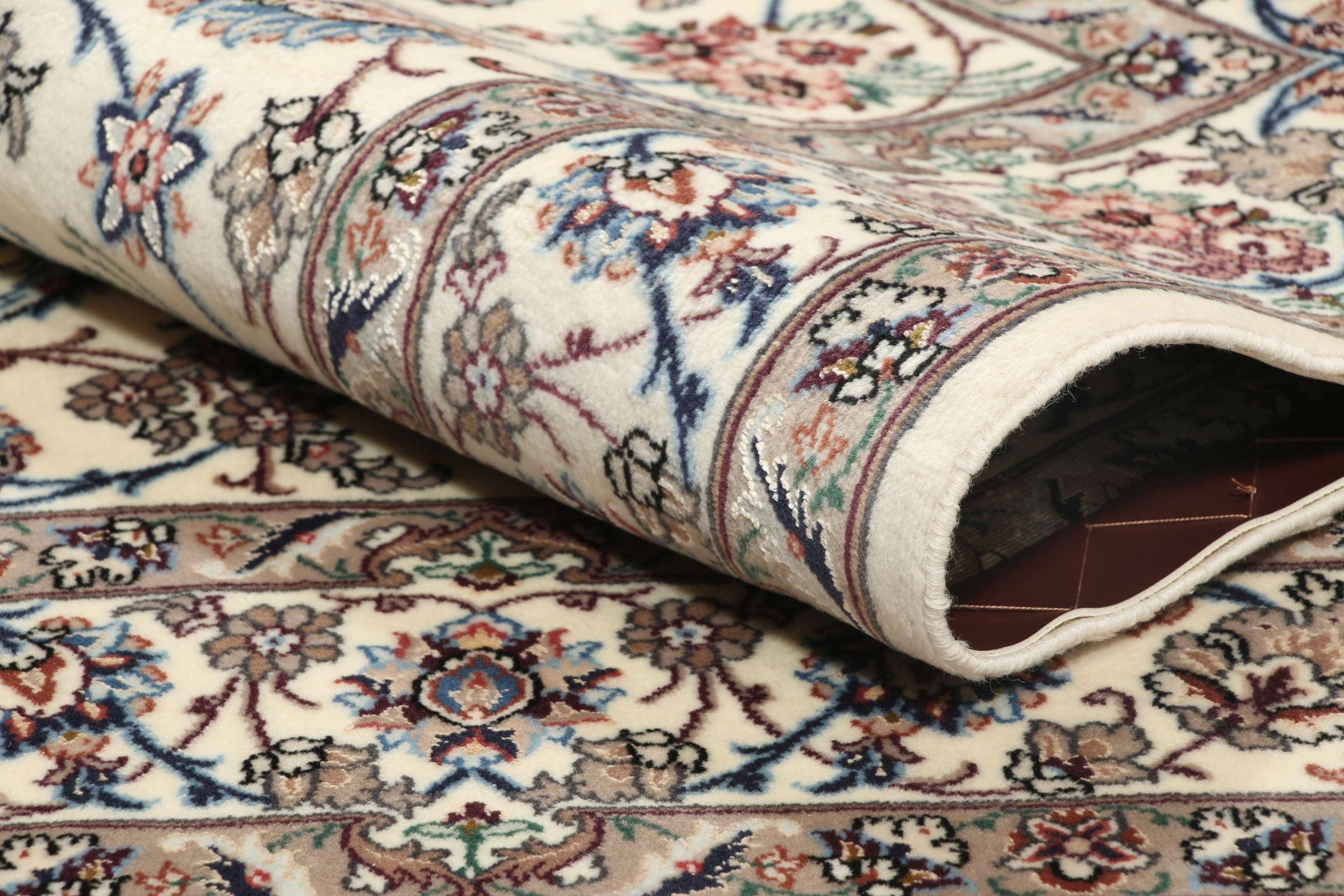
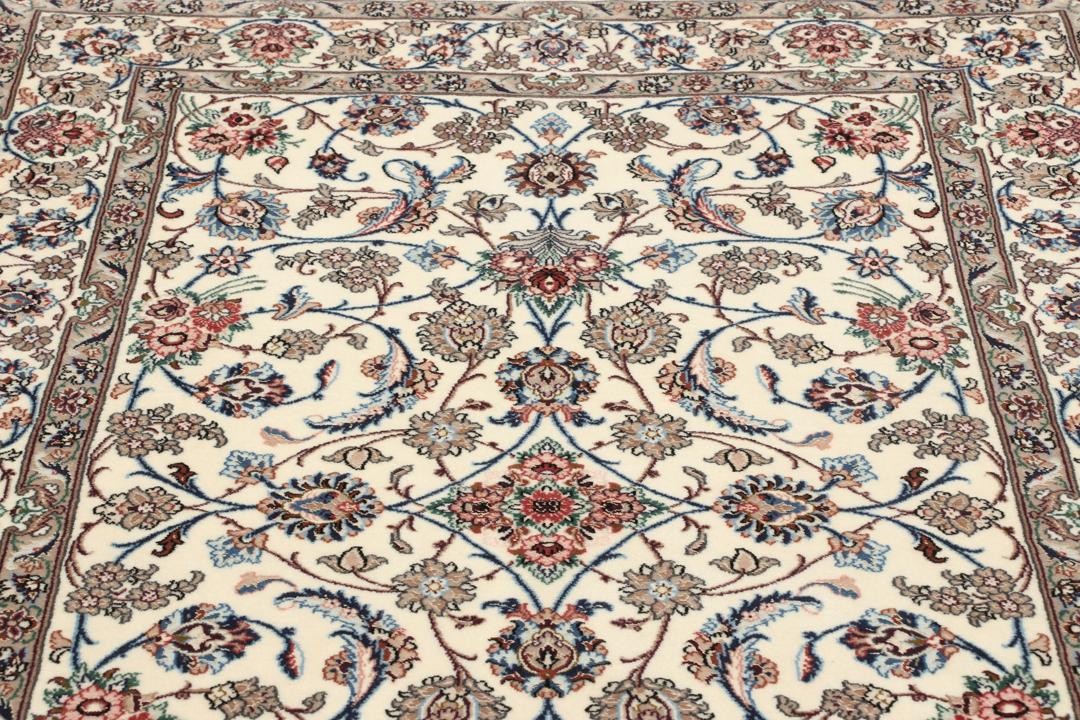
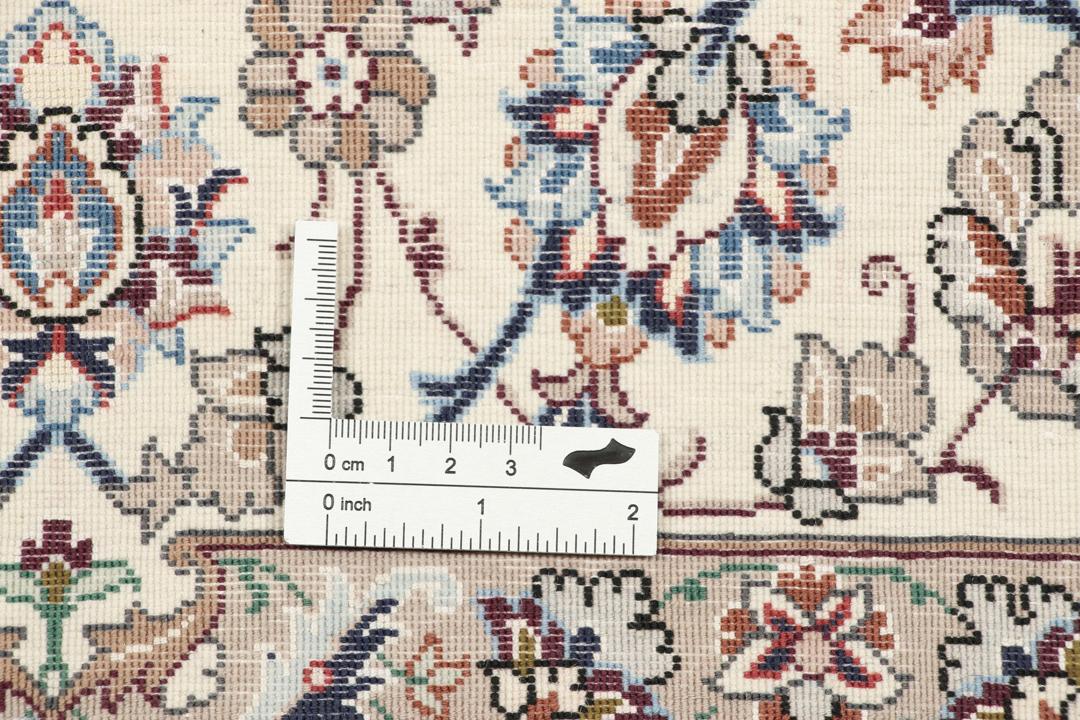
The term Isfahan refers not only to the geographic origin but also to a specific standard of quality and design density. The rugs are known for their exceptionally fine knotting, which allows for delicate, curvilinear patterns that are difficult to achieve in coarser weaves. This technical mastery is what enables the intricate floral work and balanced compositions that make these rugs so highly sought after by collectors and interior enthusiasts alike.
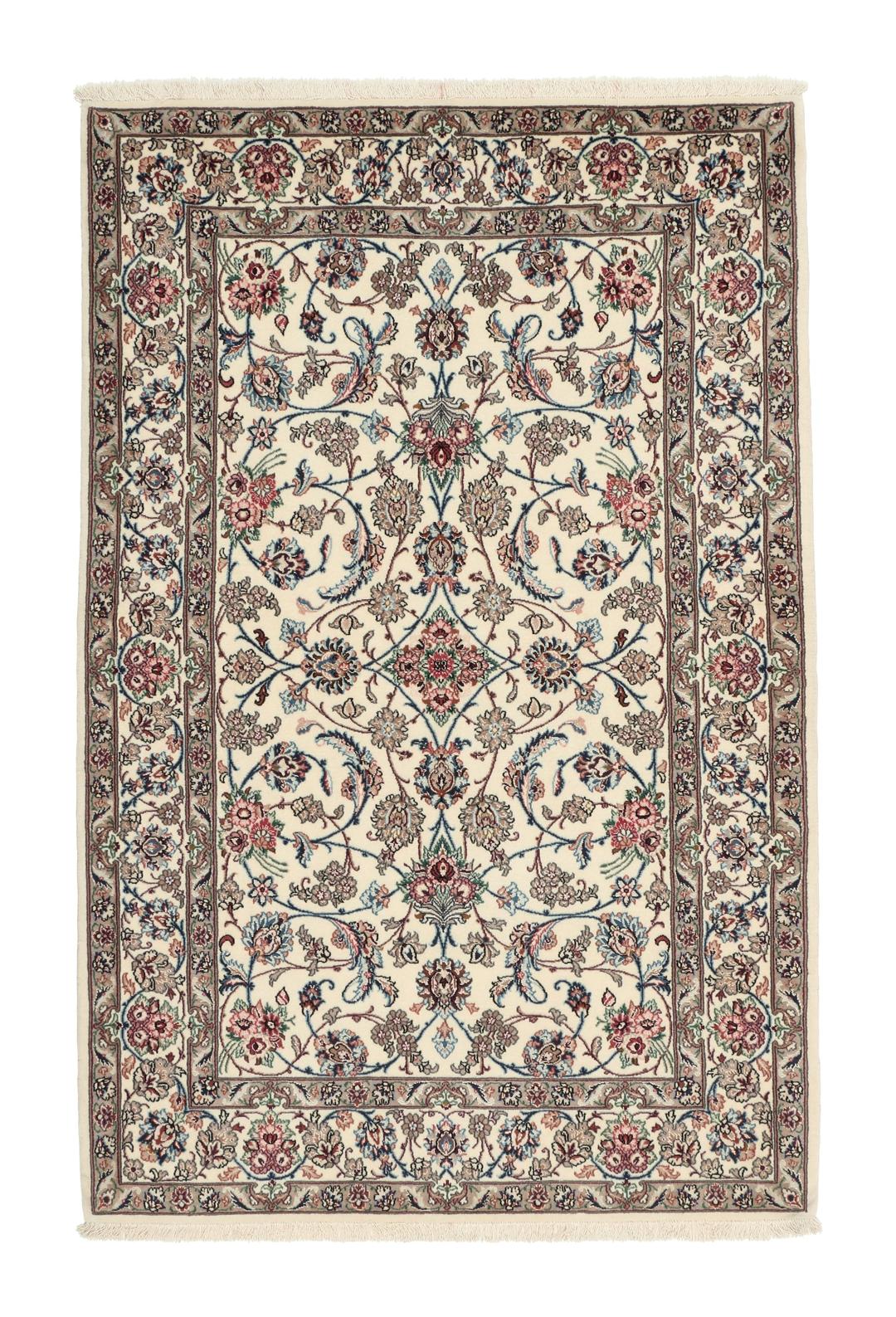
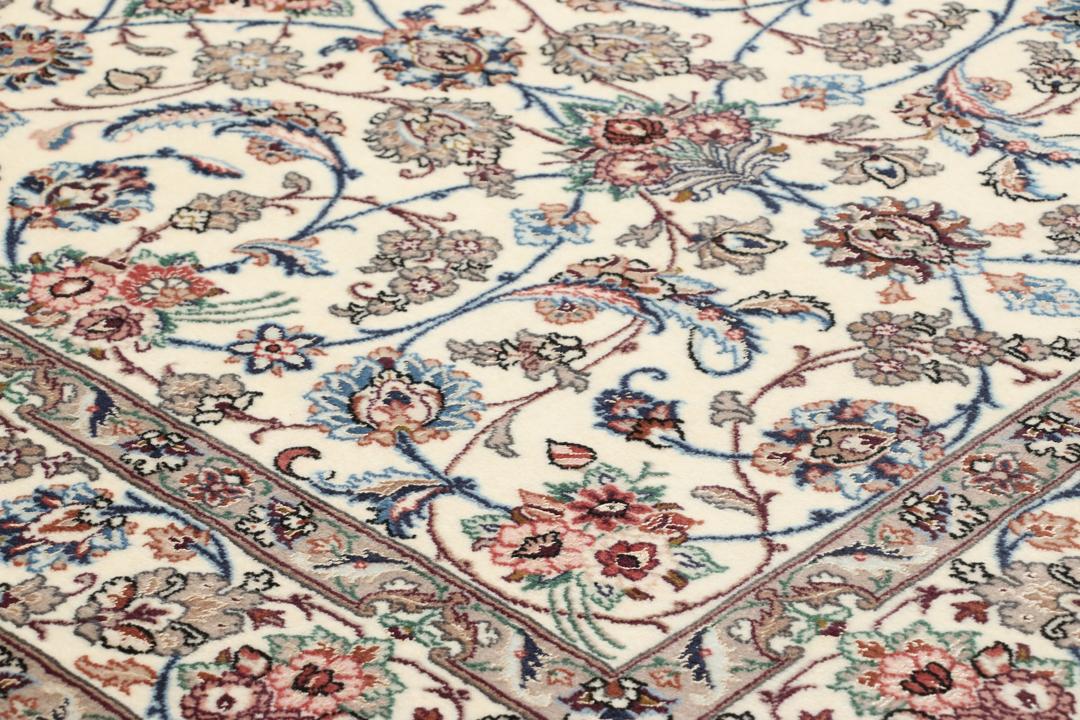
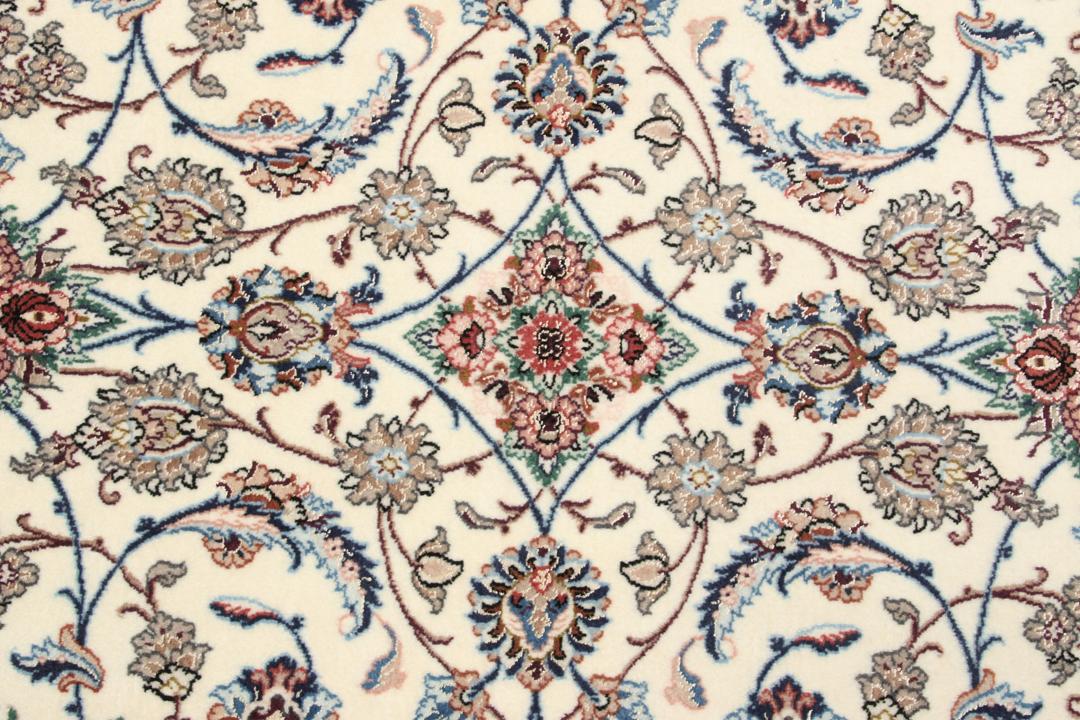
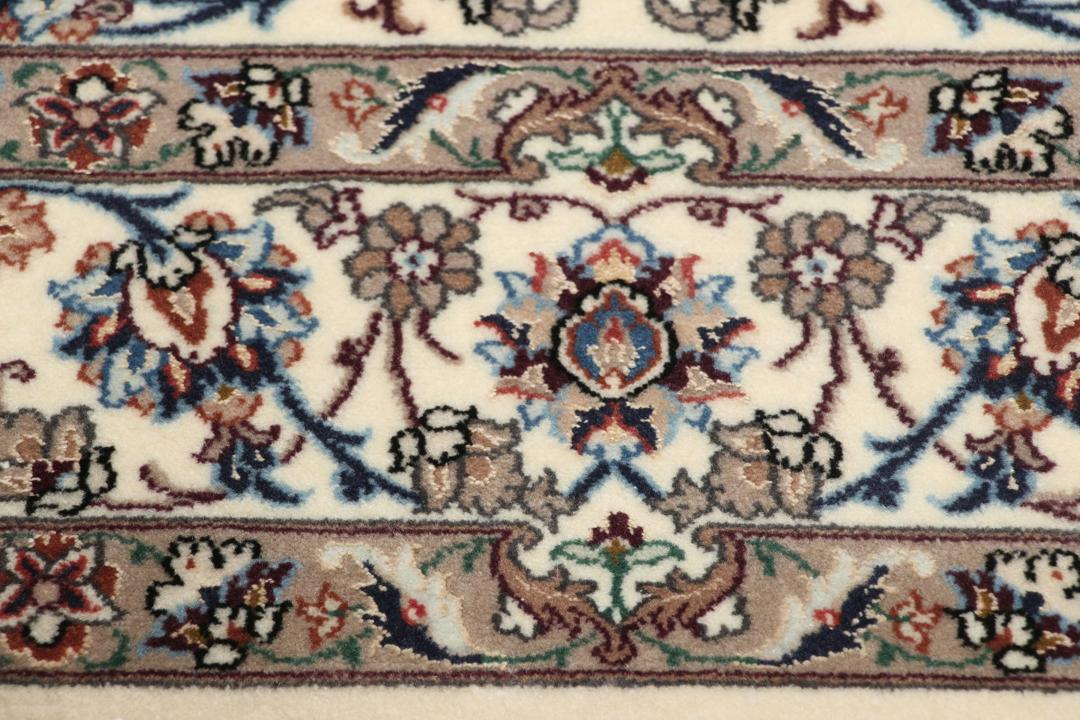
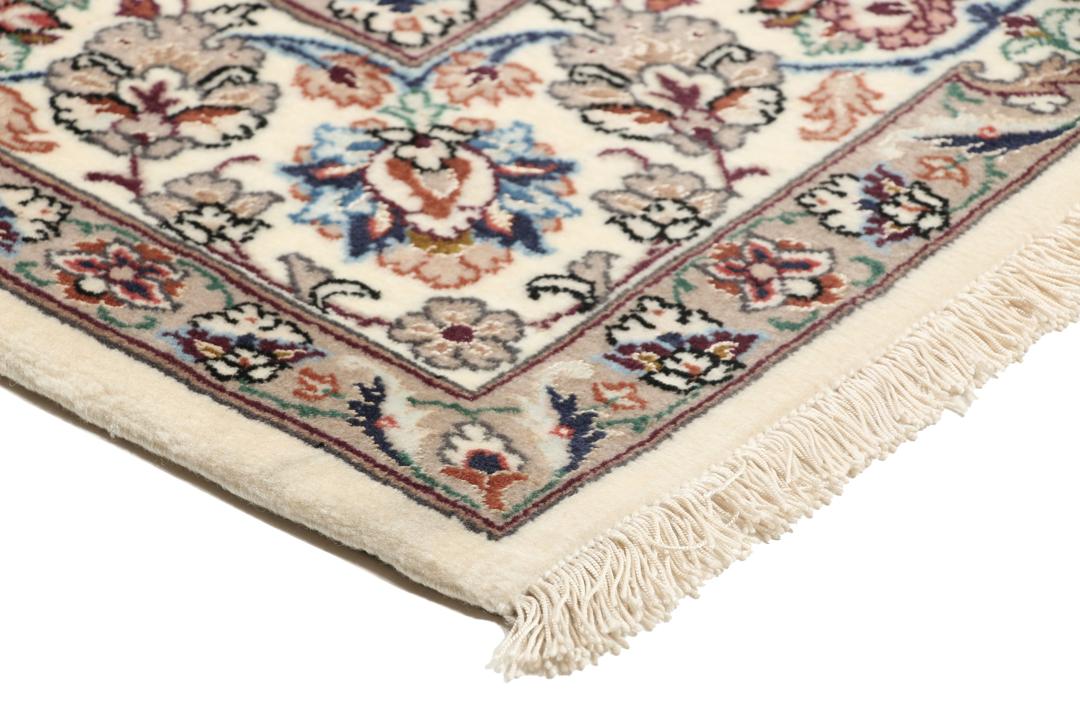
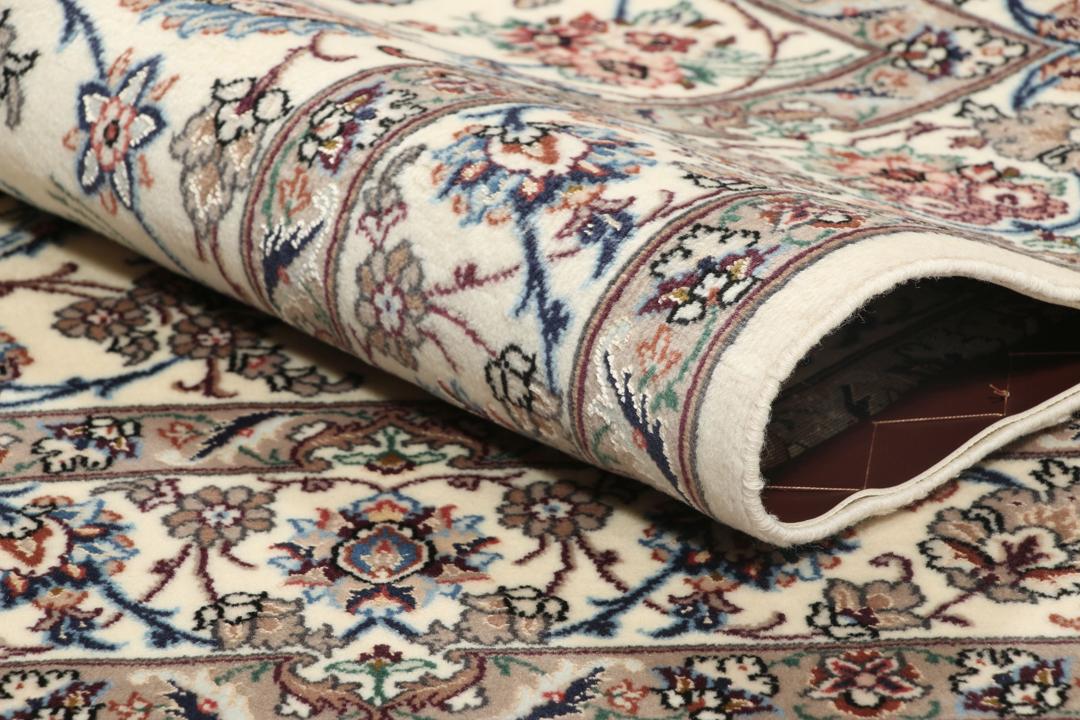
Design-wise, Isfahan rugs are characterised by their formal and balanced layouts, often featuring a central medallion surrounded by lush, scrolling floral vines and palmettes. The colour palettes are typically sophisticated, often utilising cream or ivory backgrounds to highlight the vibrant, detailed motifs within the field and borders. This specific piece continues that tradition, offering a harmonious blend of colour and form that feels both traditional and timeless.
Owning an Isfahan rug is a significant acquisition, as it represents a commitment to preserving a complex and beautiful craft tradition. These rugs are valued not just for their aesthetic appeal, but for the immense level of human skill required to bring such intricate designs to fruition. They are often passed down through generations, serving as enduring symbols of heritage, patience, and the pursuit of beauty in the home.