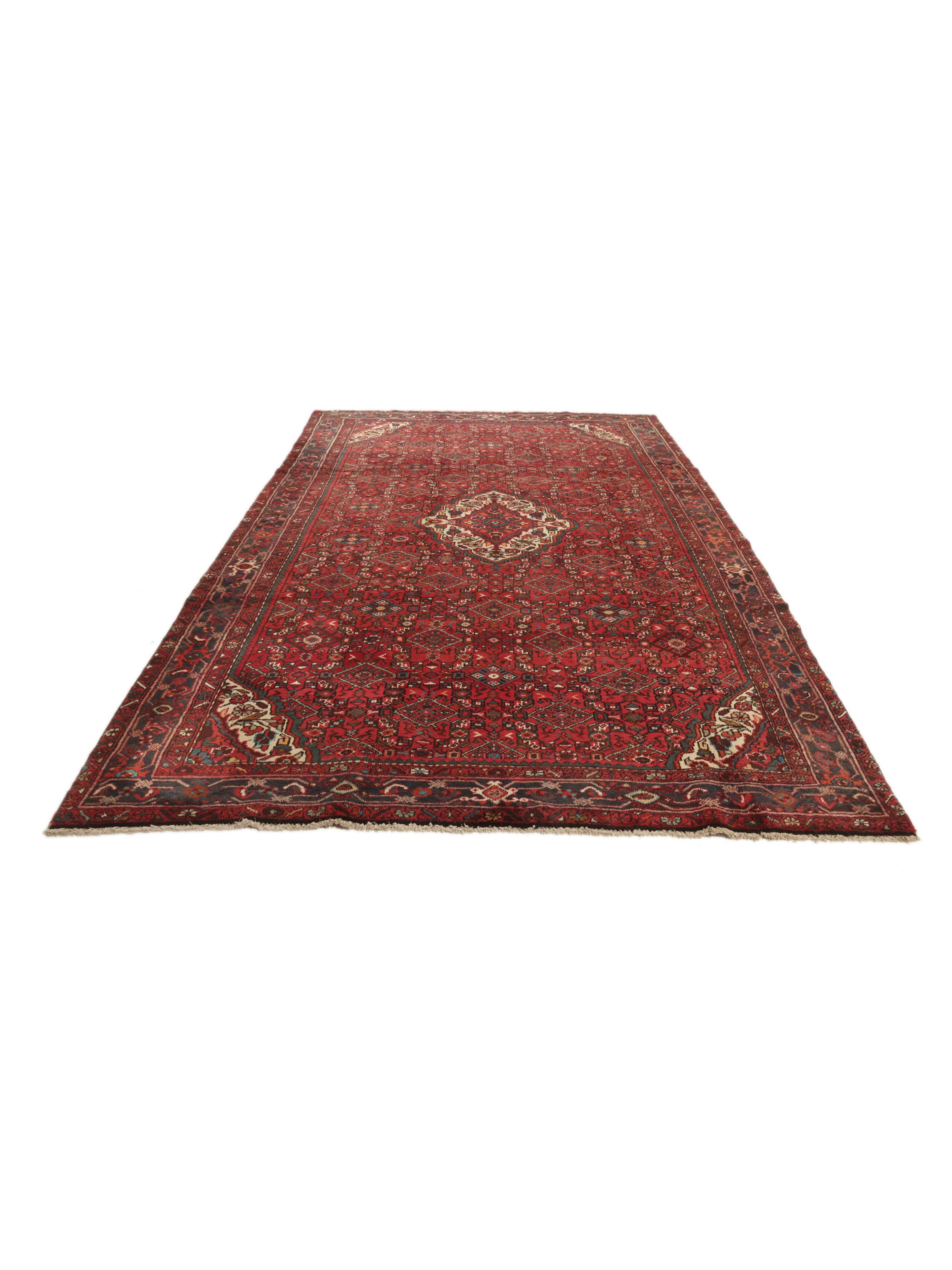
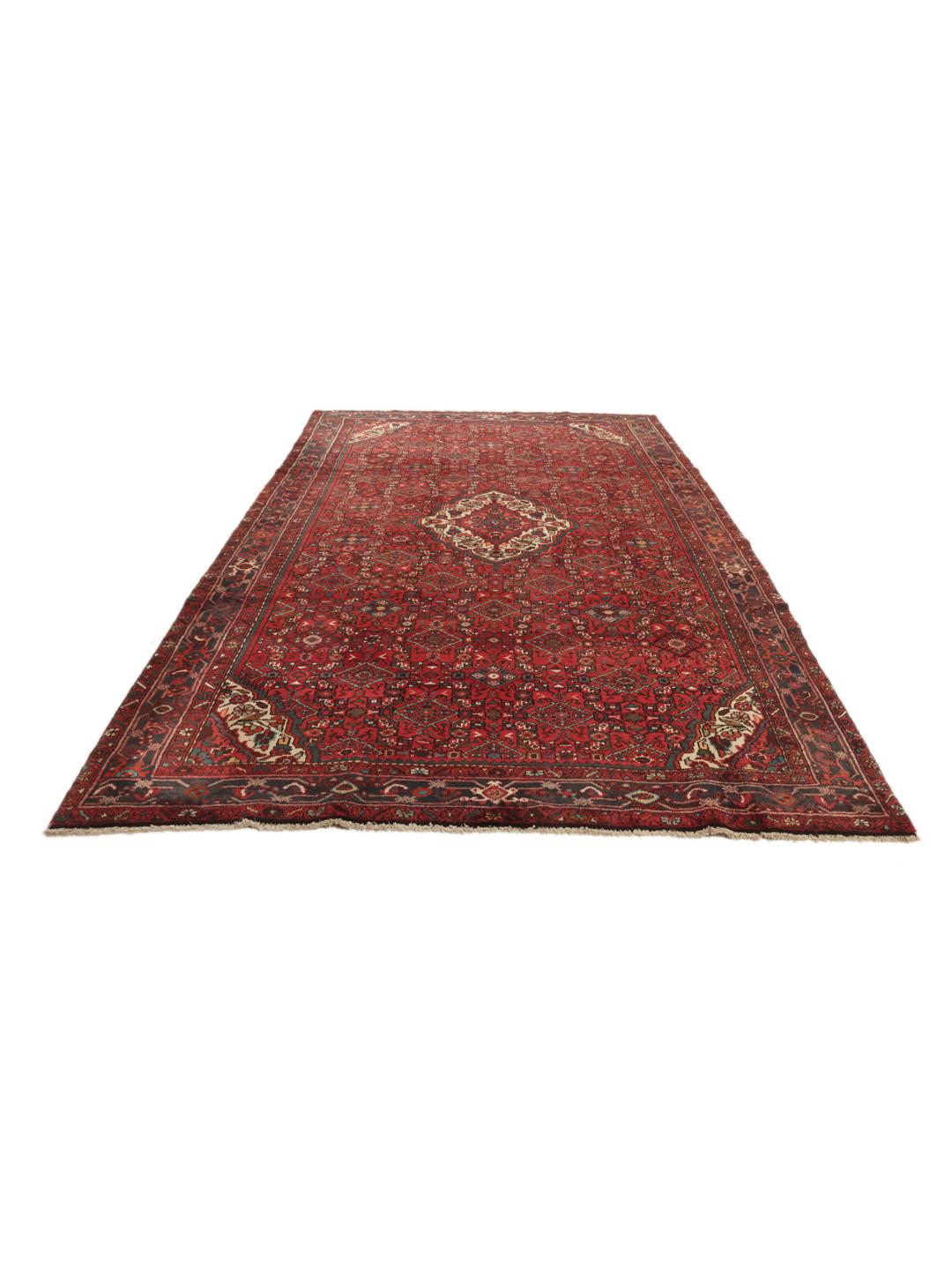
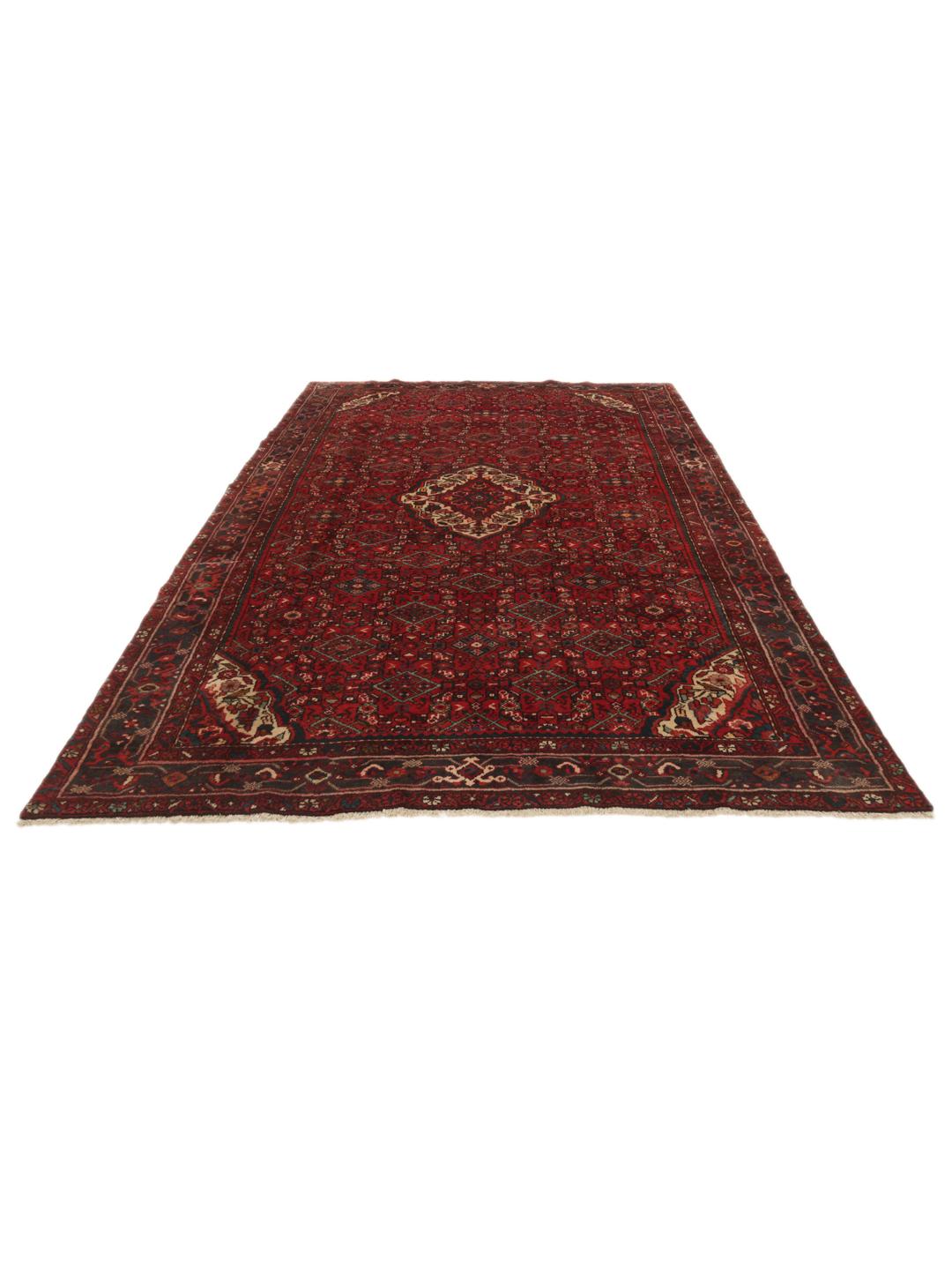
Hosseinabad rugs originate from the Hamadan region in the Middle East, an area long celebrated for its prolific and diverse rug-making traditions. These rugs are deeply rooted in the rural weaving culture of the region, where families have traditionally produced hand-knotted textiles in their homes for generations, often drawing inspiration from the surrounding landscapes and local heritage.
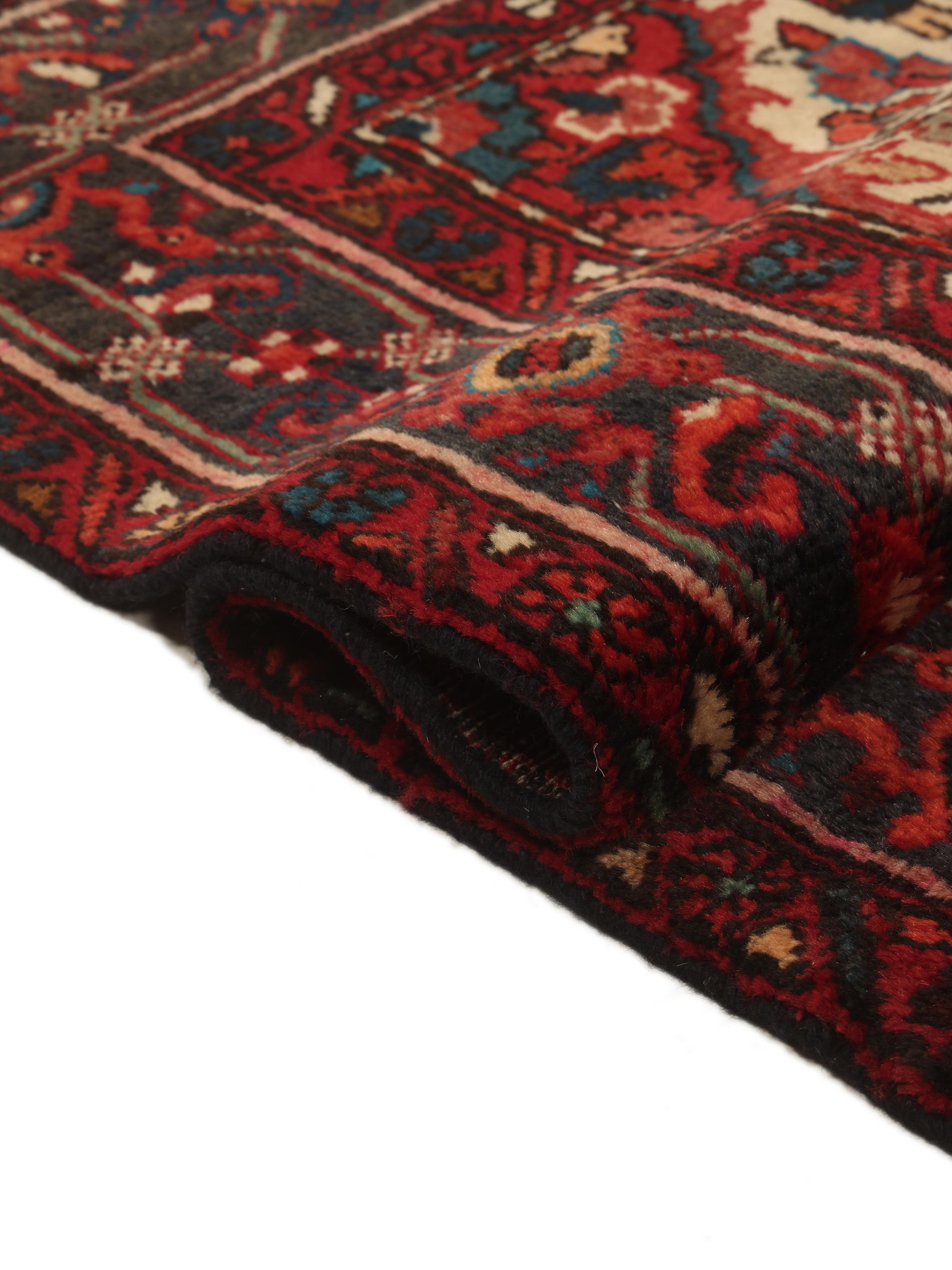
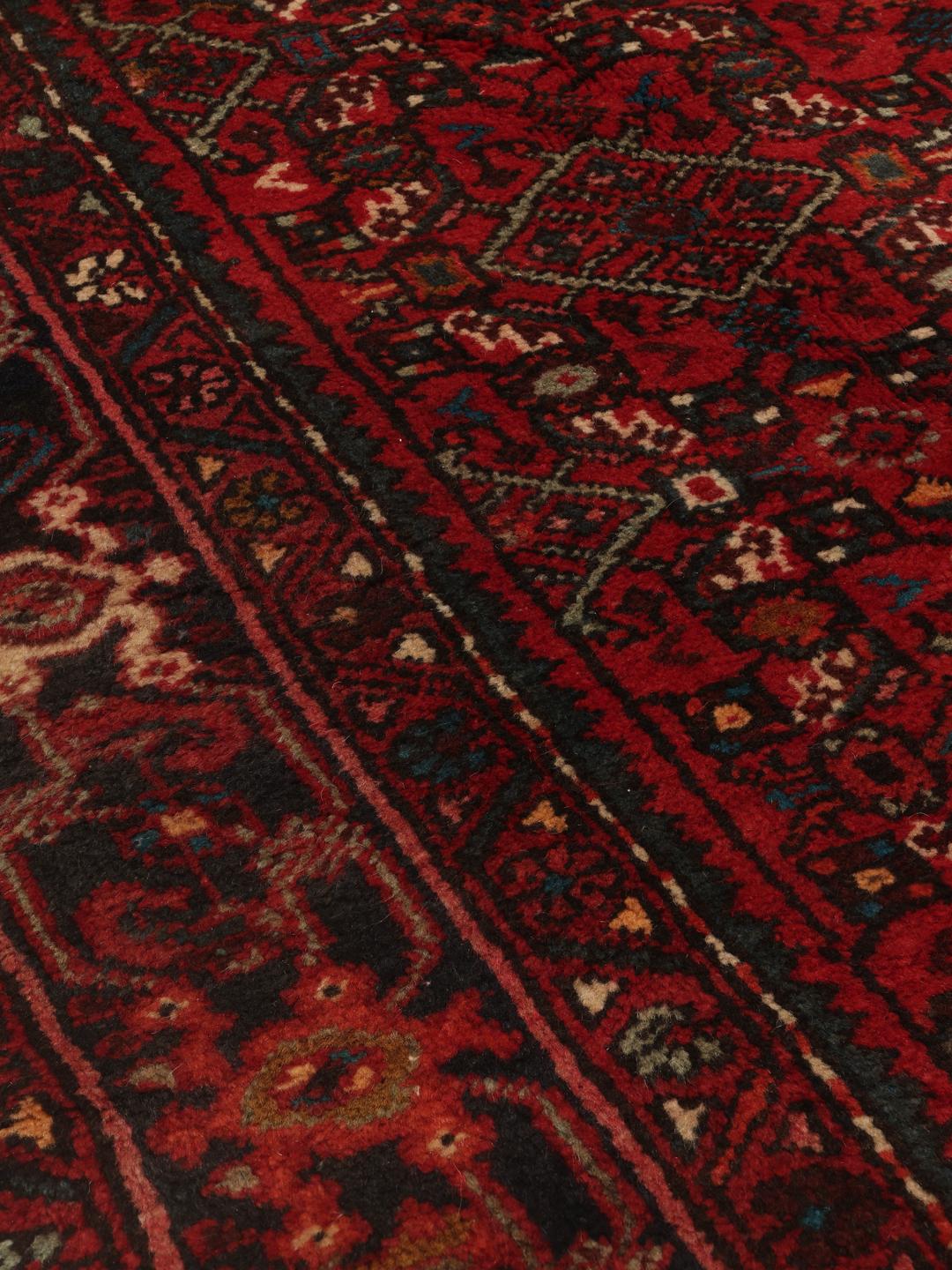
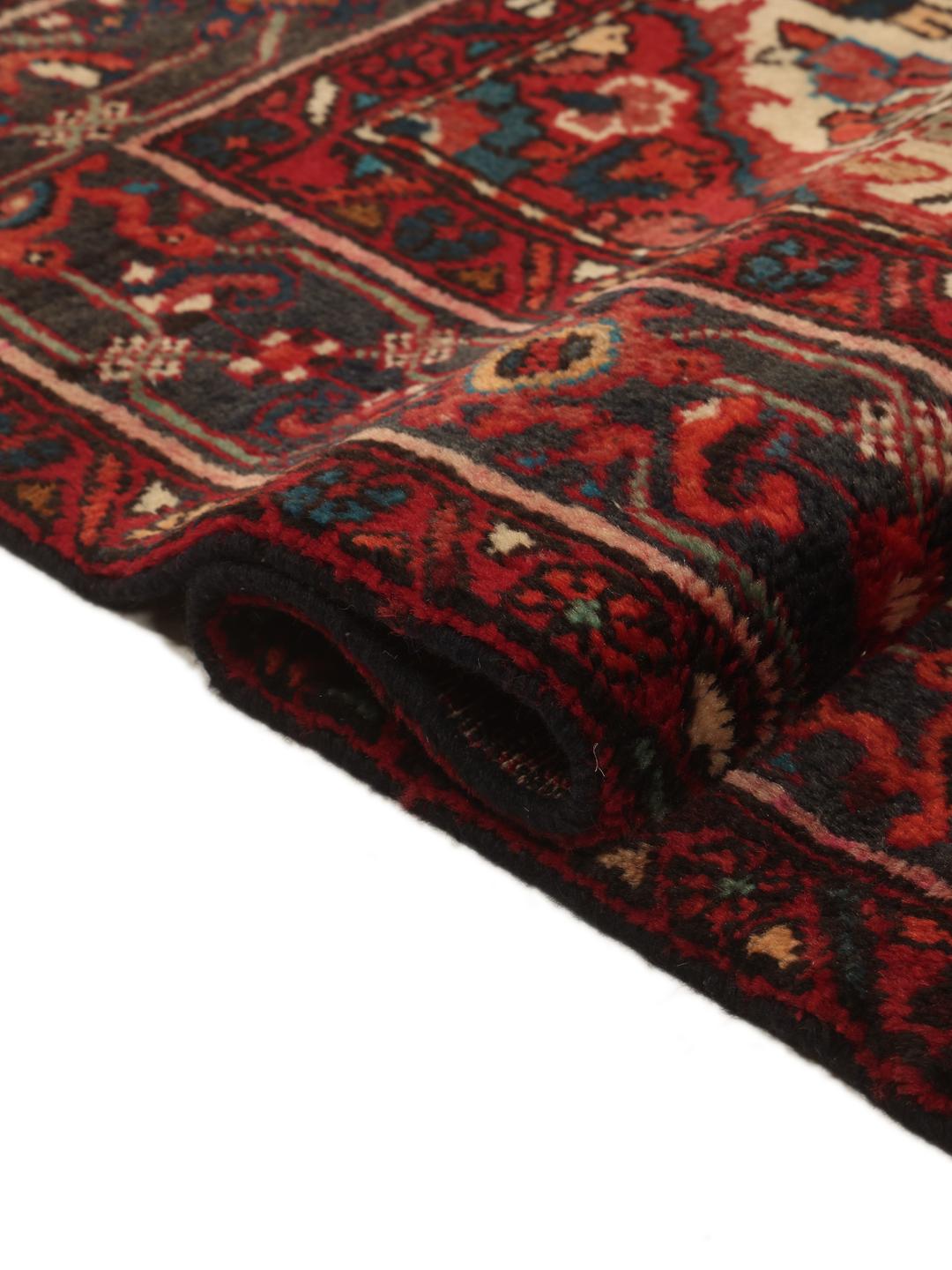
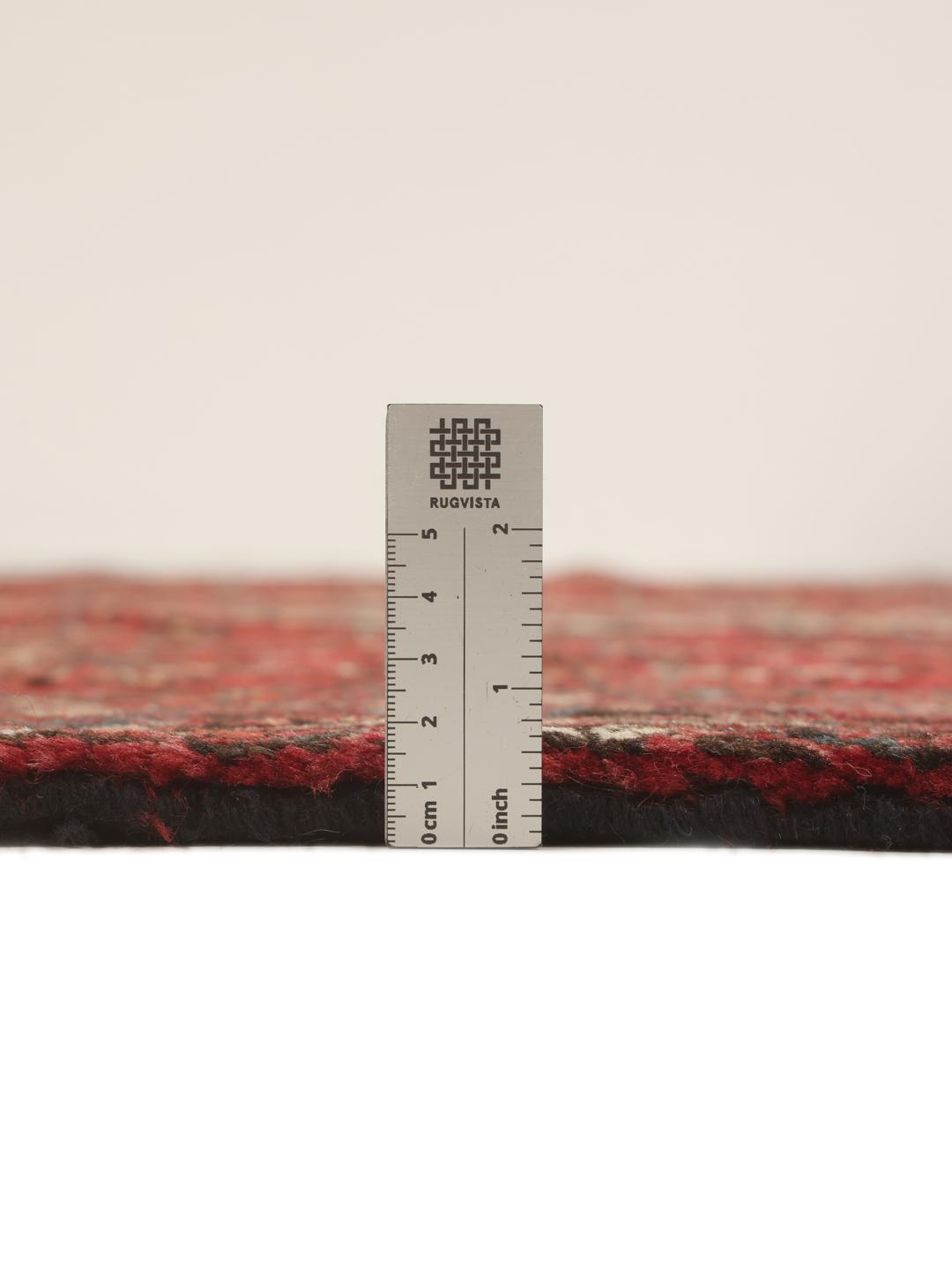
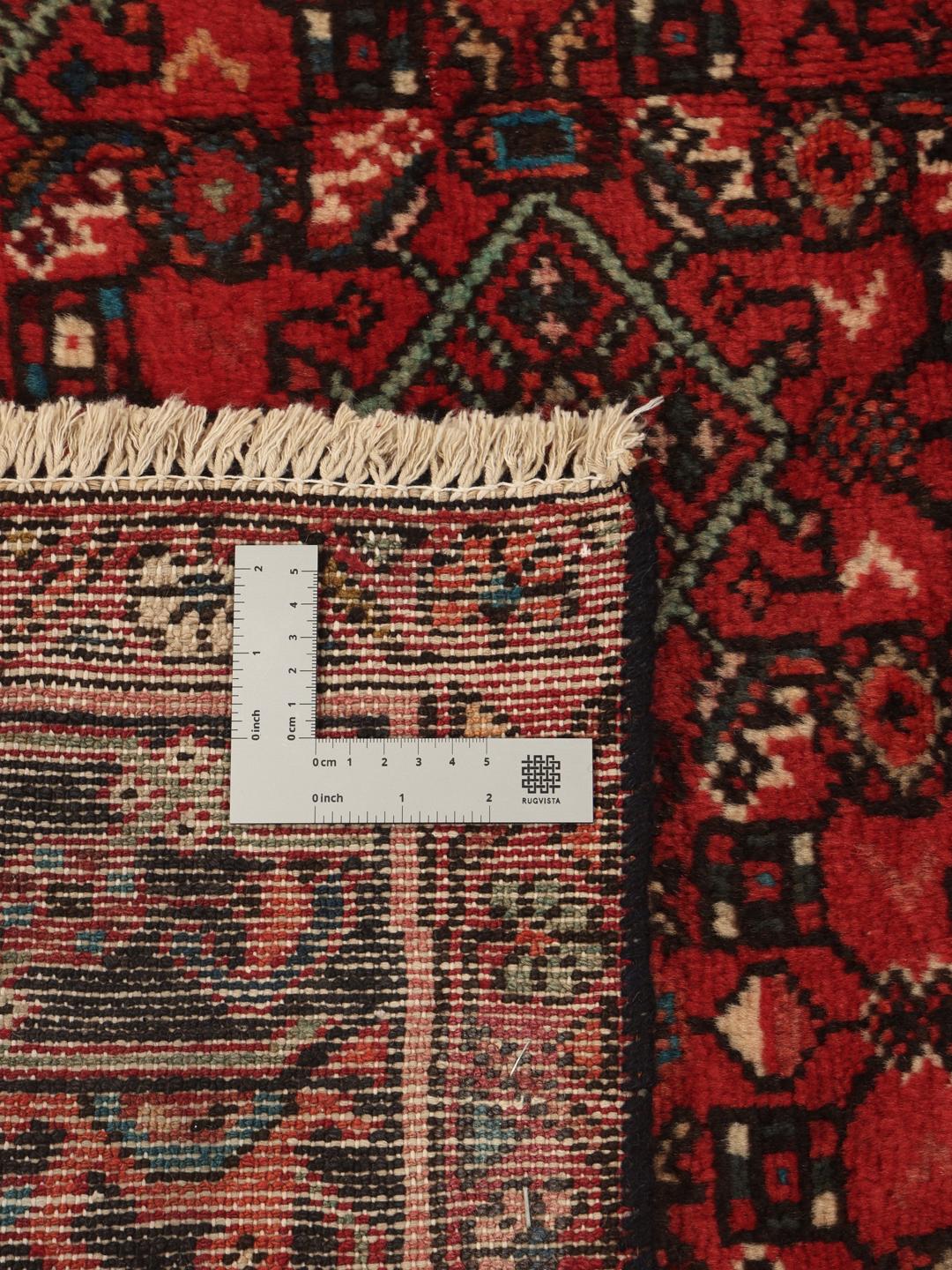
The construction of these rugs is characterised by a sturdy foundation that provides excellent durability. The pile is typically crafted to be dense and robust, making it highly practical for everyday use. This focus on long-lasting construction is a hallmark of the regional style, ensuring that the rugs can withstand the rigours of daily life while retaining their aesthetic appeal.
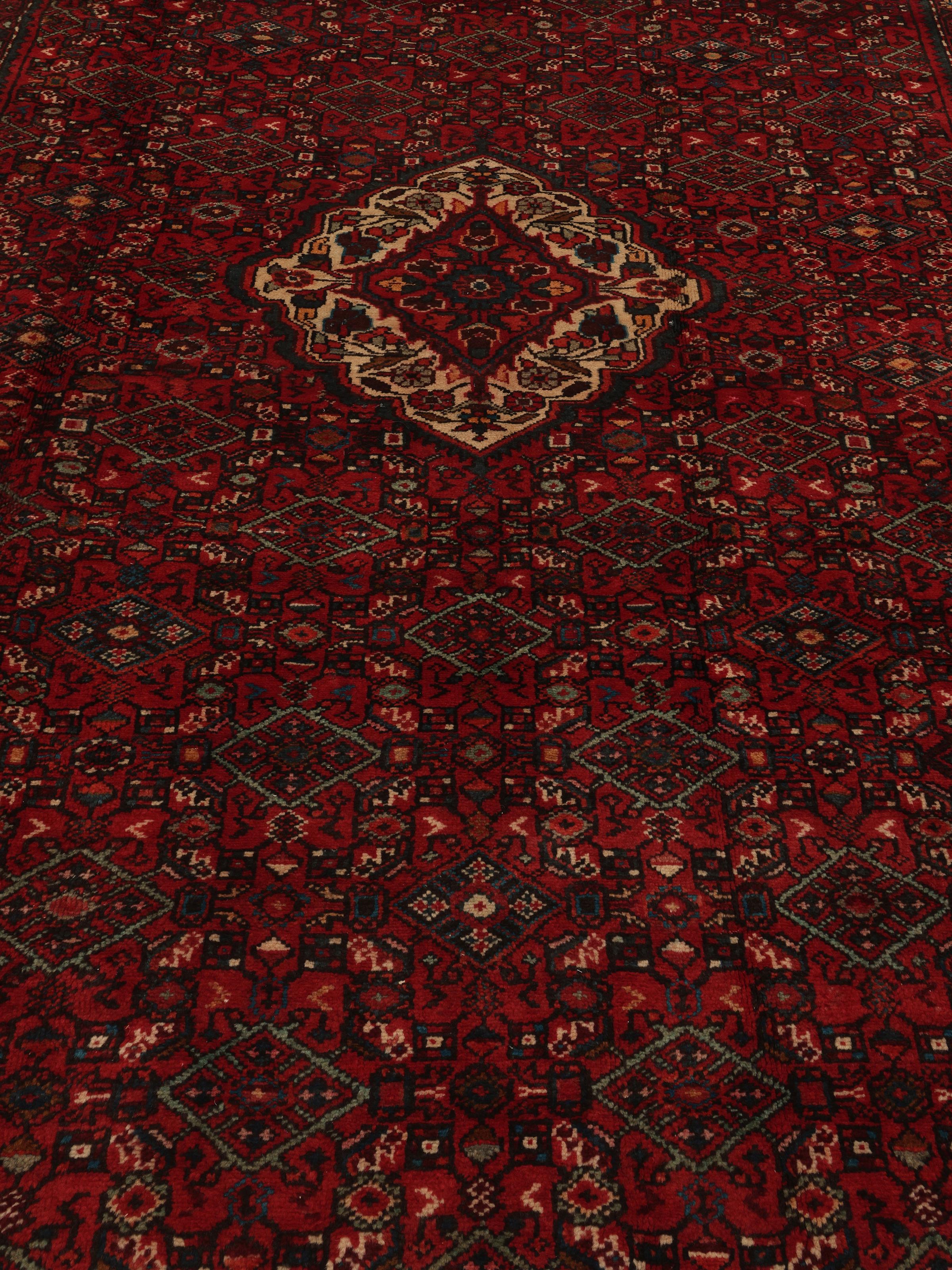
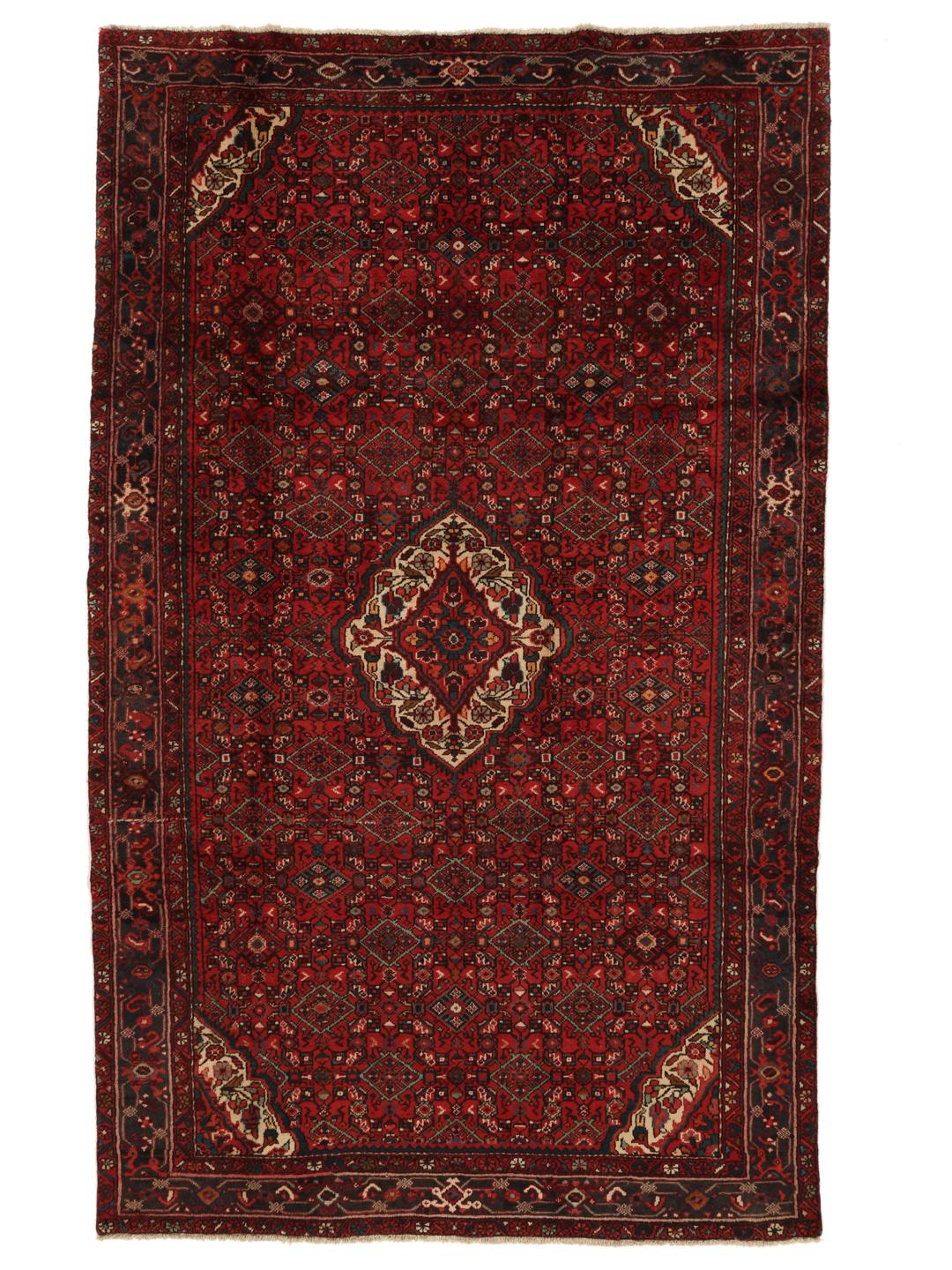
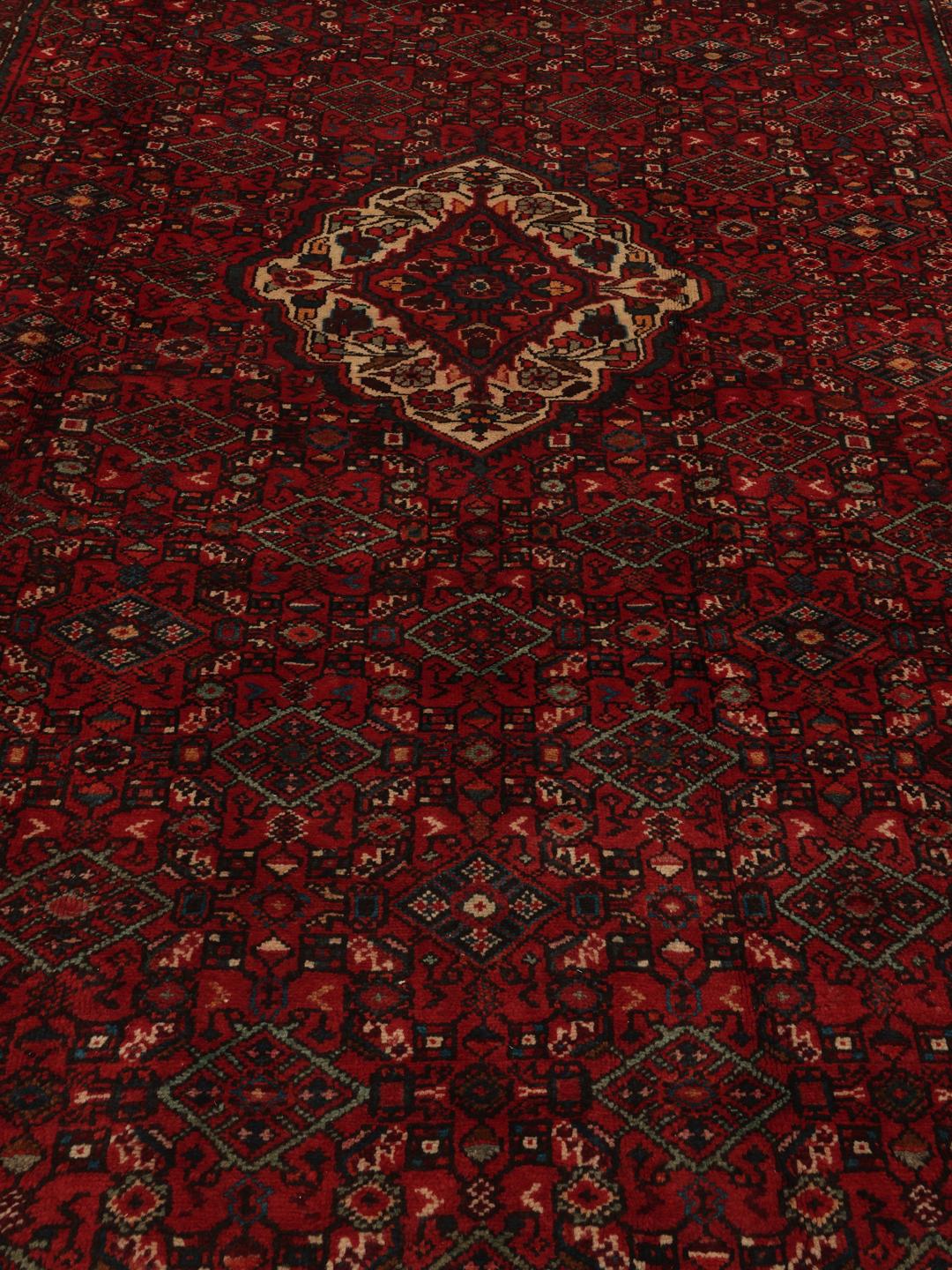
Visually, Hosseinabad rugs are known for their bold, expressive use of colour and geometric design. While the central medallion is a common feature, the field is often filled with repeating patterns, angular floral motifs, or stylised boteh shapes. These designs are framed by intricate borders that reflect the specific aesthetic preferences of the village weavers who created them.
Collectors value these rugs for their authenticity and the glimpse they offer into a living craft tradition. Owning a Hosseinabad rug is an opportunity to possess a piece of cultural history that has been shaped by human hands, offering a level of character and depth that mass-produced floor coverings simply cannot replicate.