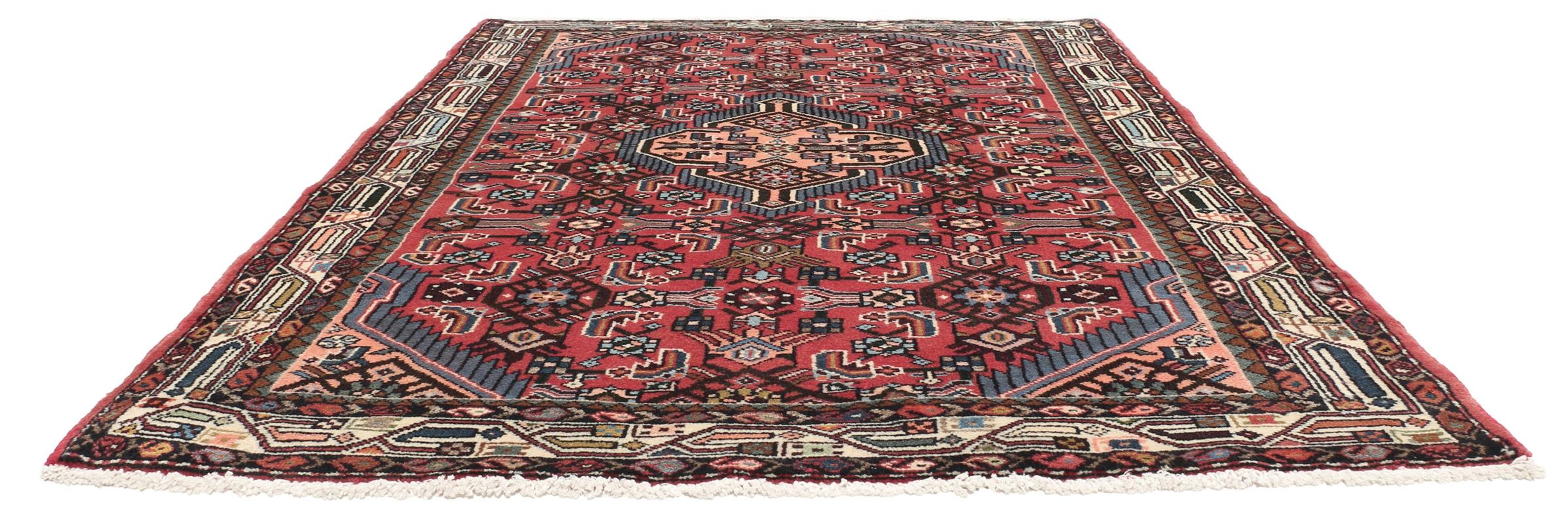
Hosseinabad rugs originate from the Hamadan region in the Middle East, an area long celebrated for its prolific weaving traditions. These rugs are deeply rooted in the daily lives of local village communities, where the art of weaving has been passed down through generations, reflecting the specific regional aesthetics and cultural values of the people.
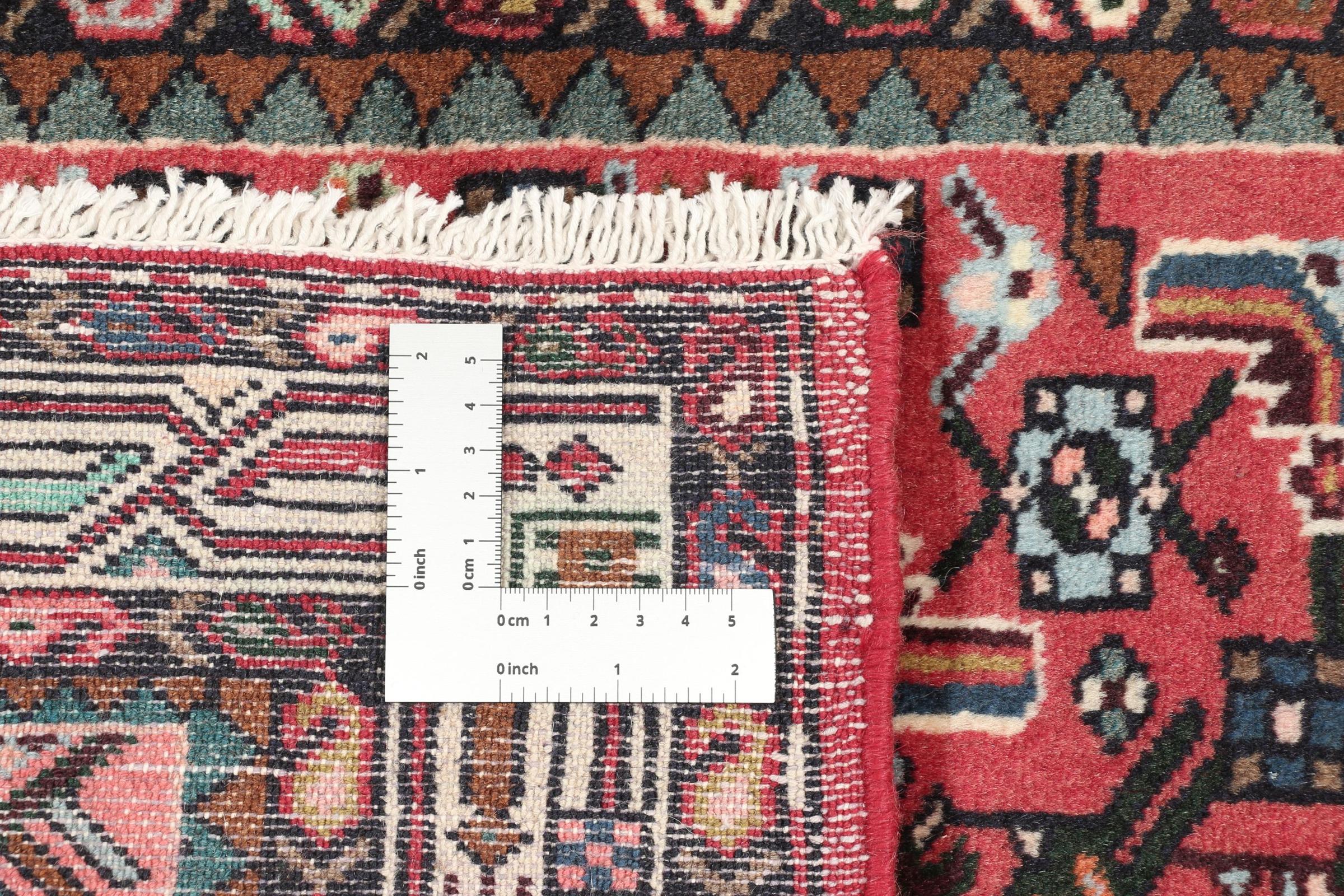
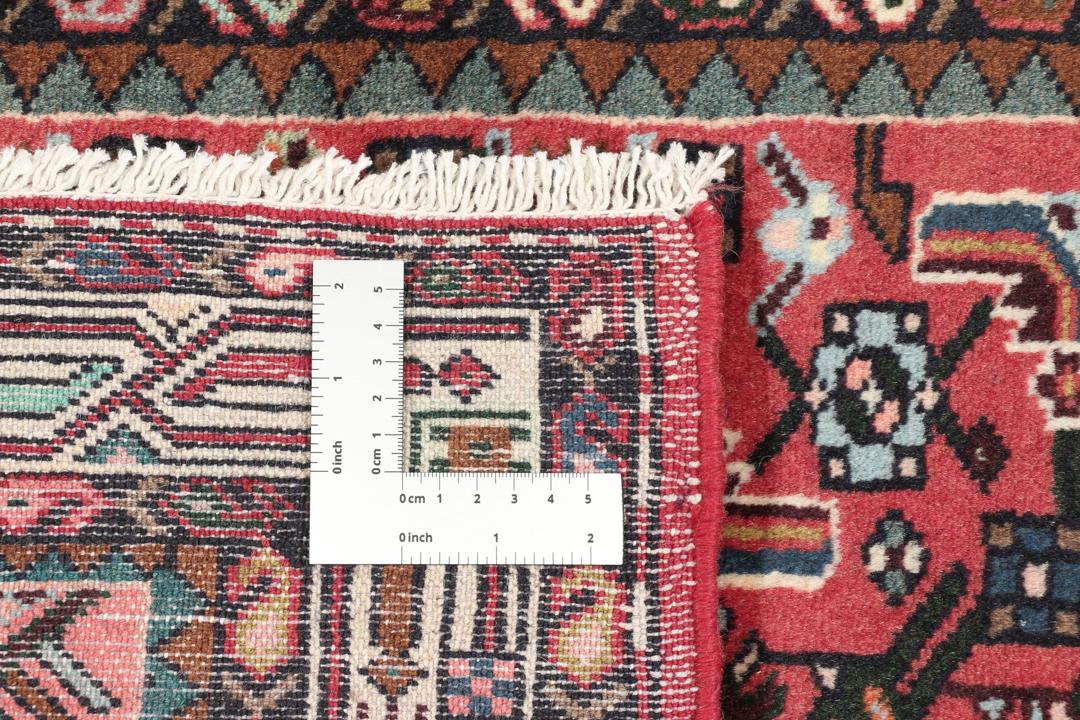
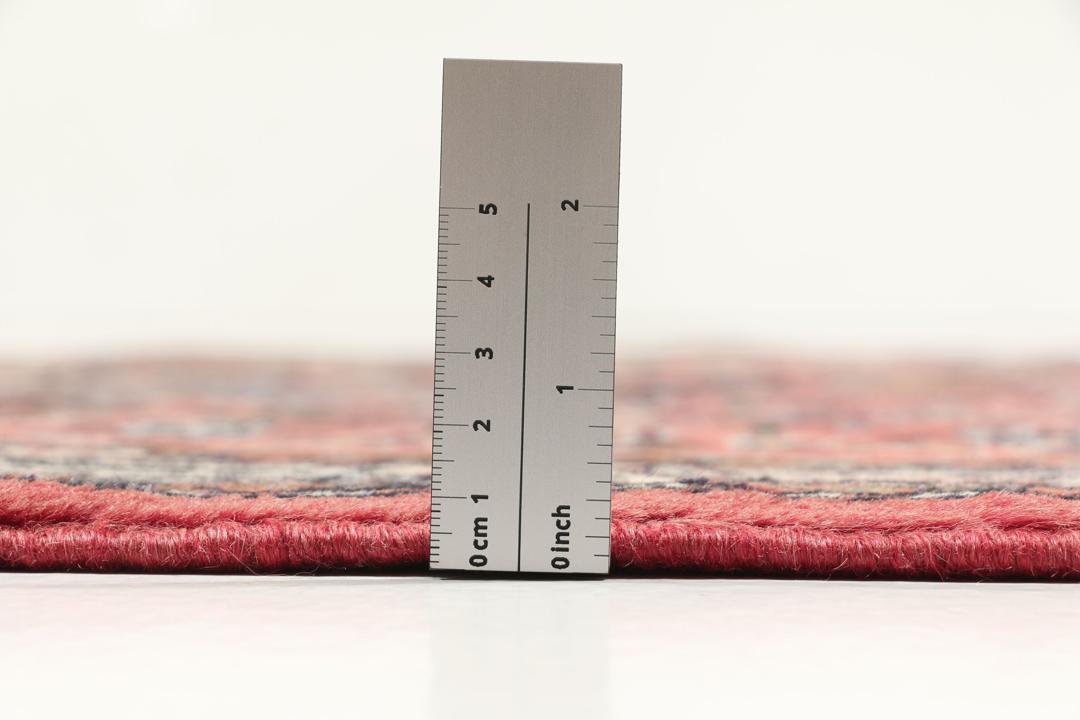
Technical mastery is at the heart of the Hosseinabad tradition. Weavers in this region are known for their ability to create durable, functional pieces that also serve as canvases for storytelling. The construction often utilises a sturdy foundation, which allows the Wool pile to remain dense and resilient, ensuring the rug can withstand the rigours of daily use while retaining its character over decades.
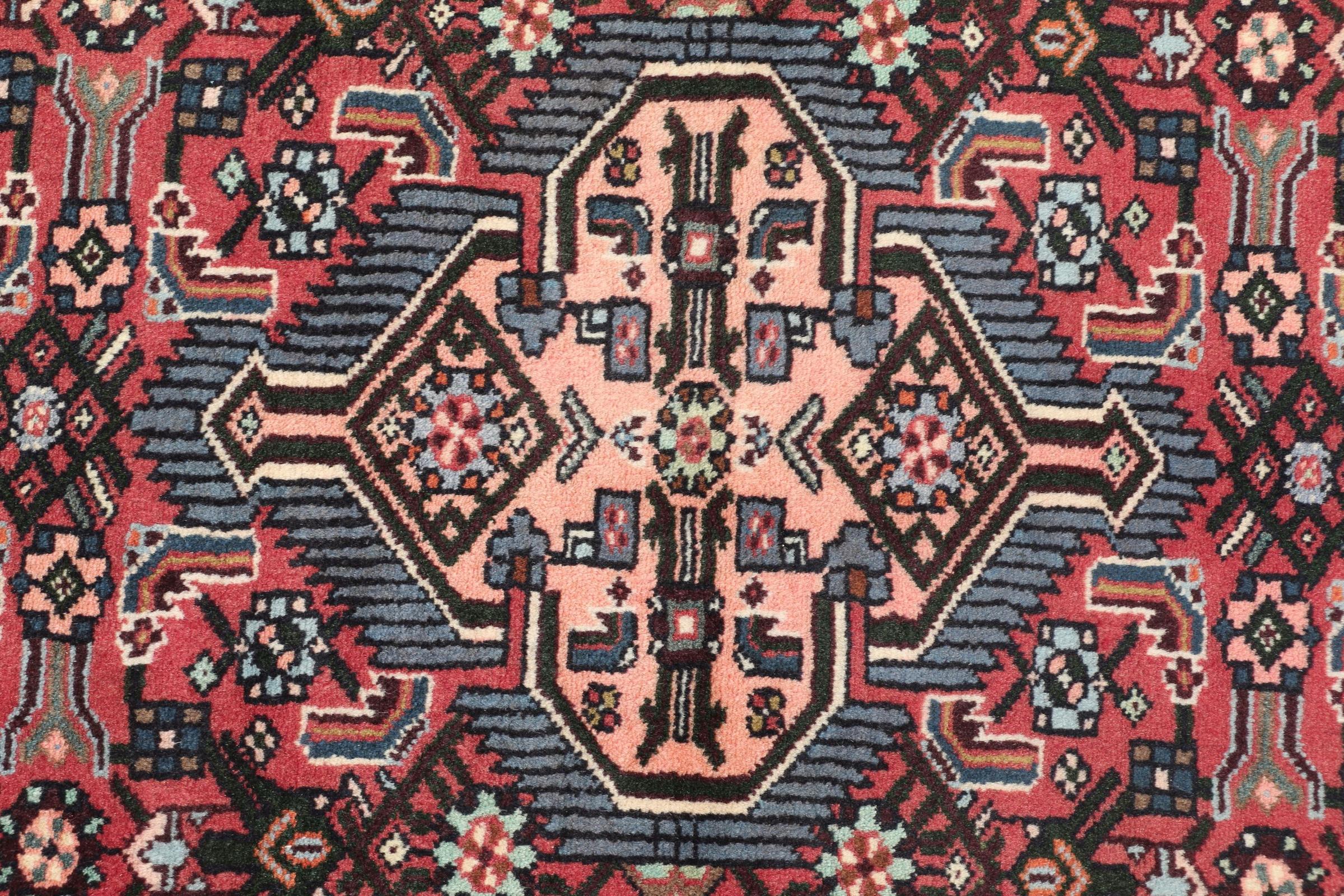
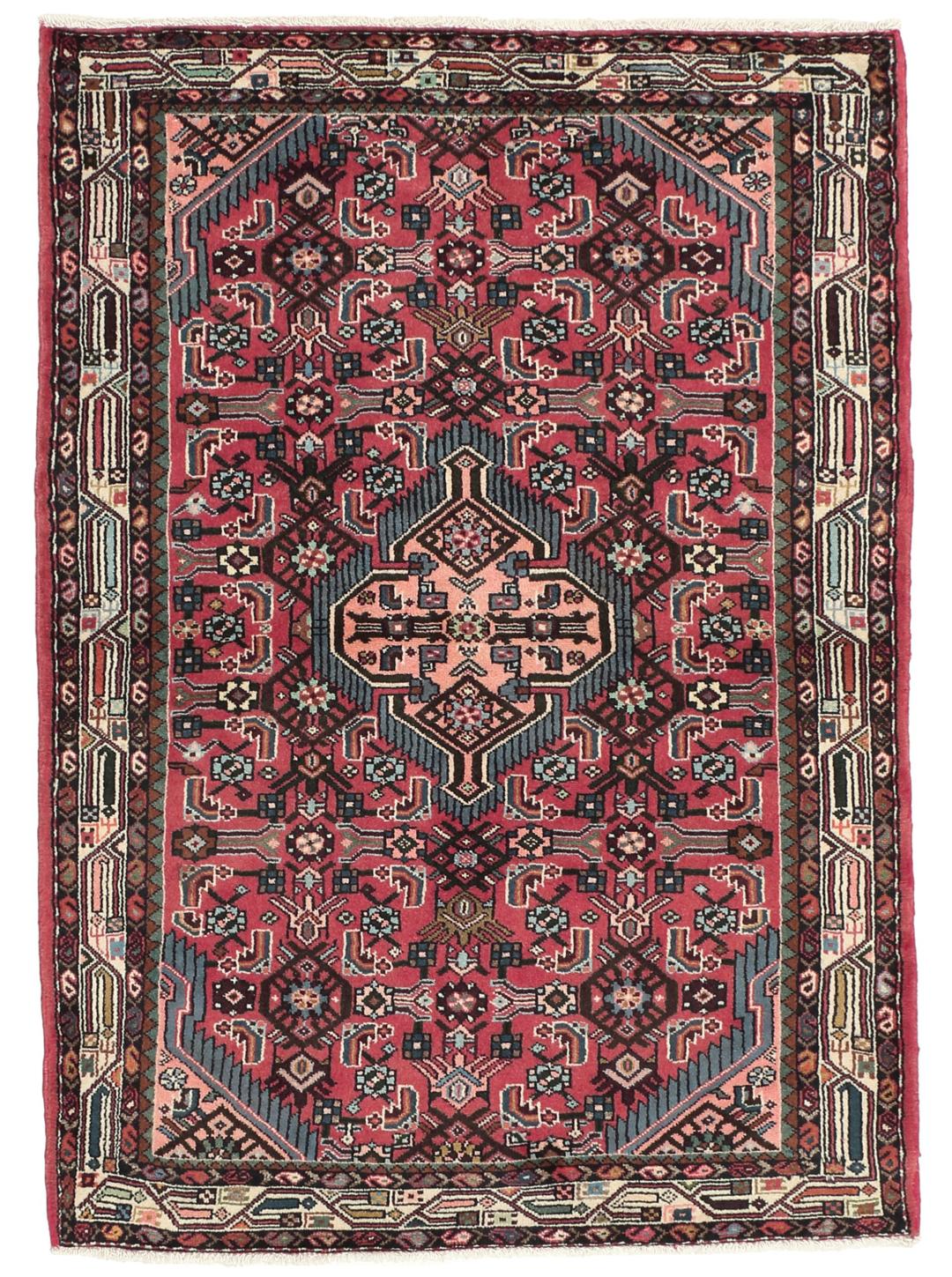
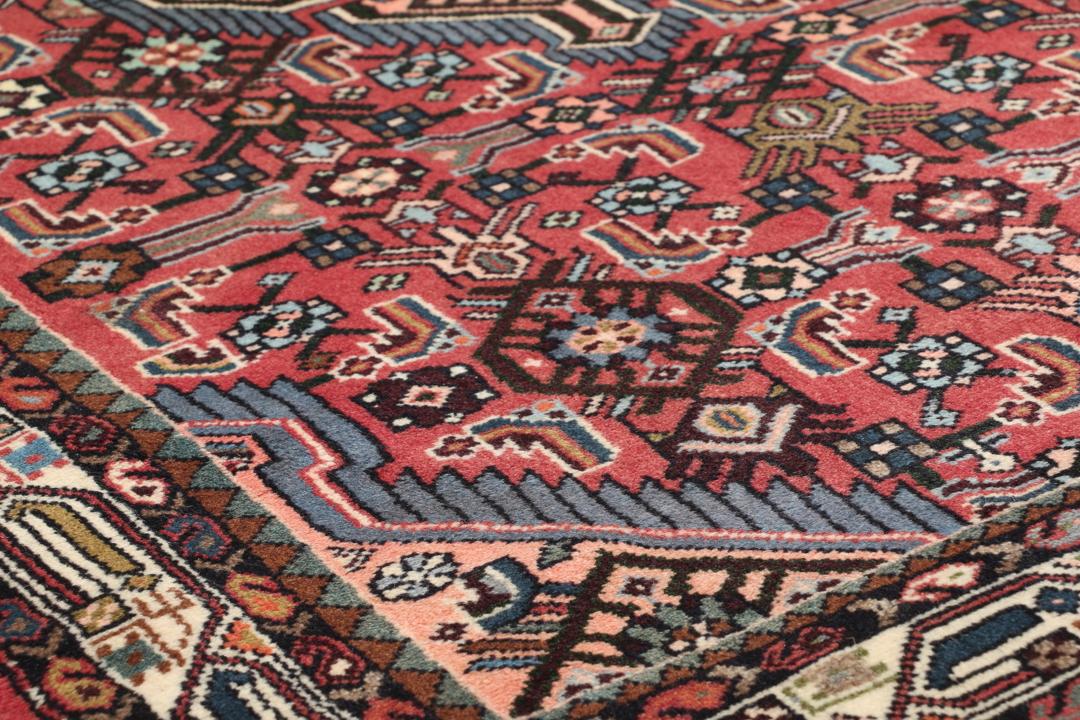
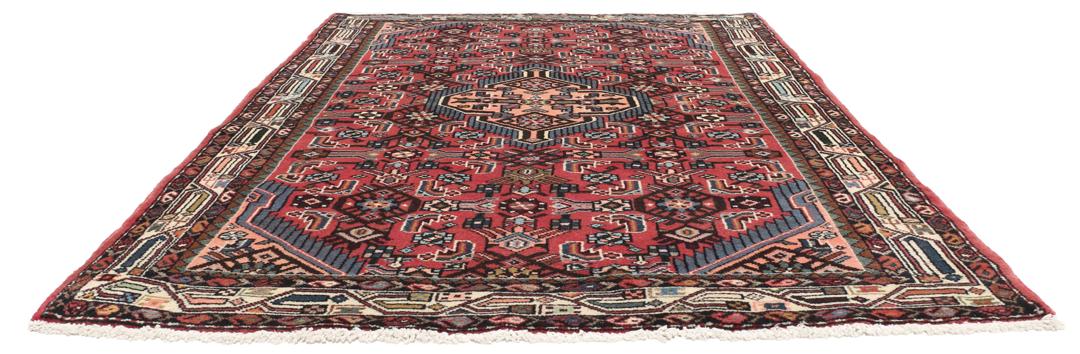
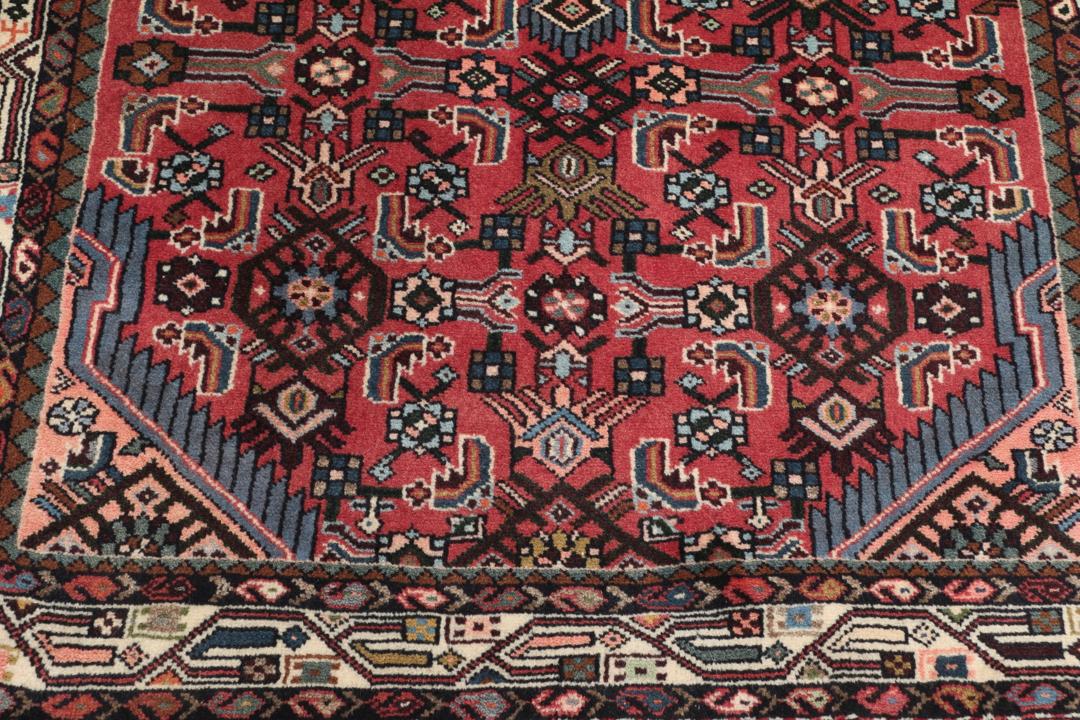
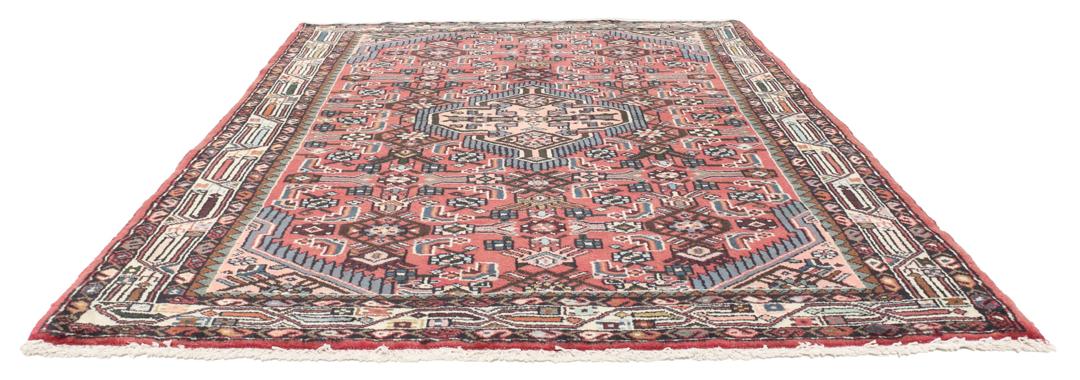
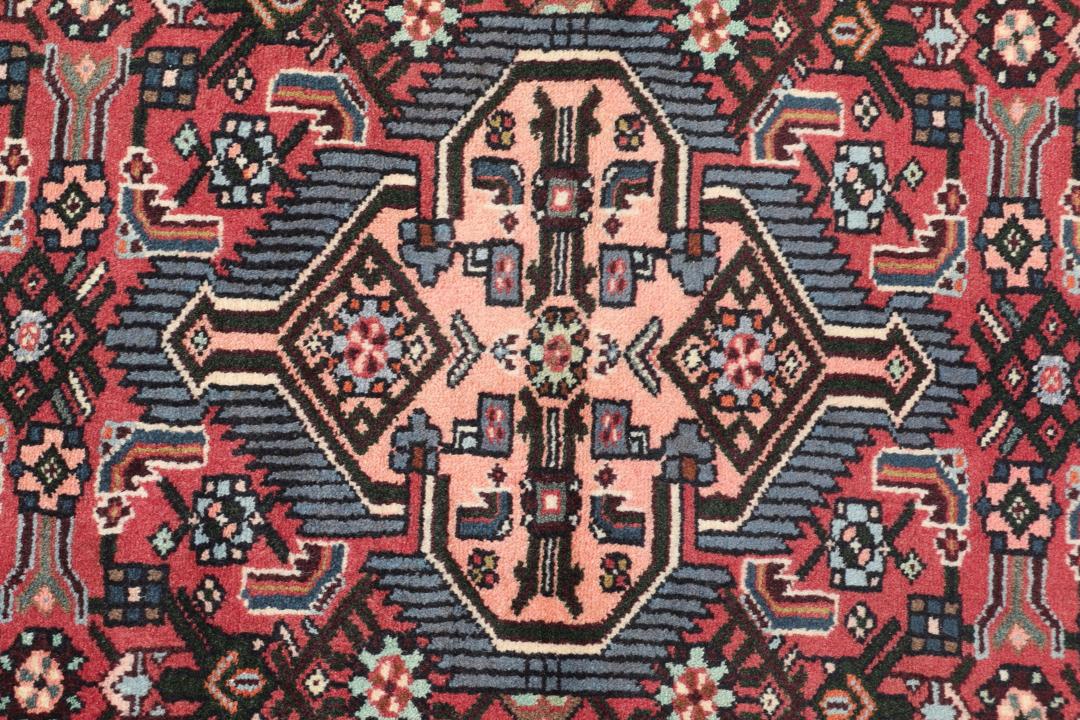
The visual language of these rugs is defined by a bold, geometric approach. You will often find central medallions surrounded by repeating floral or tribal motifs, all contained within wide, decorative borders. The colour palette typically highlights strong reds and deep blues, creating a high-contrast look that is instantly recognisable to those familiar with Middle Eastern carpet traditions.
Collecting a rug from this tradition is an investment in cultural continuity. These pieces are not just floor coverings but are considered essential elements of a well-lived home, representing a bridge between the ancient techniques of the past and the contemporary interior. Owning a Hosseinabad rug means participating in a legacy of skill and artistic expression that remains highly respected by collectors worldwide.