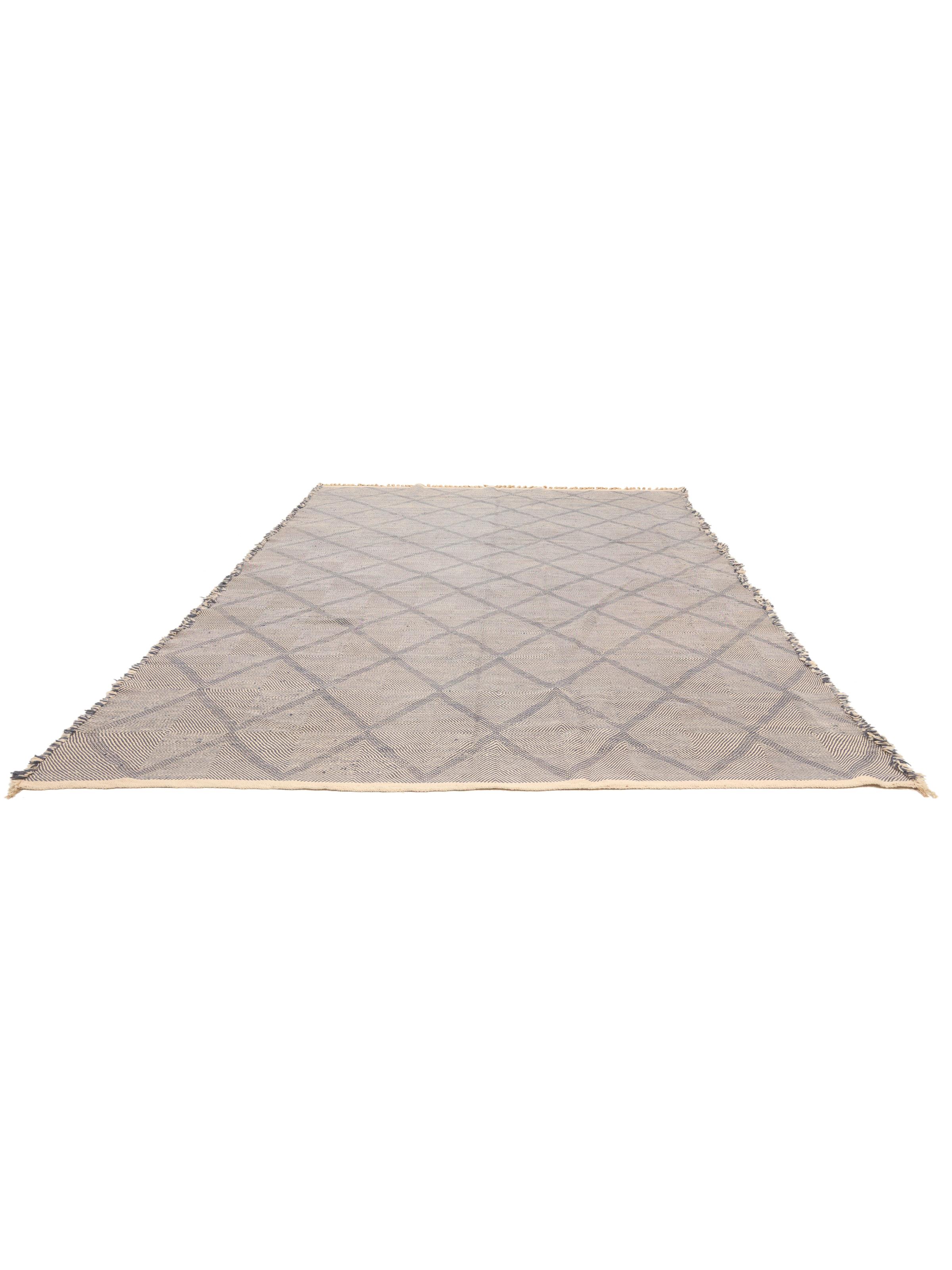
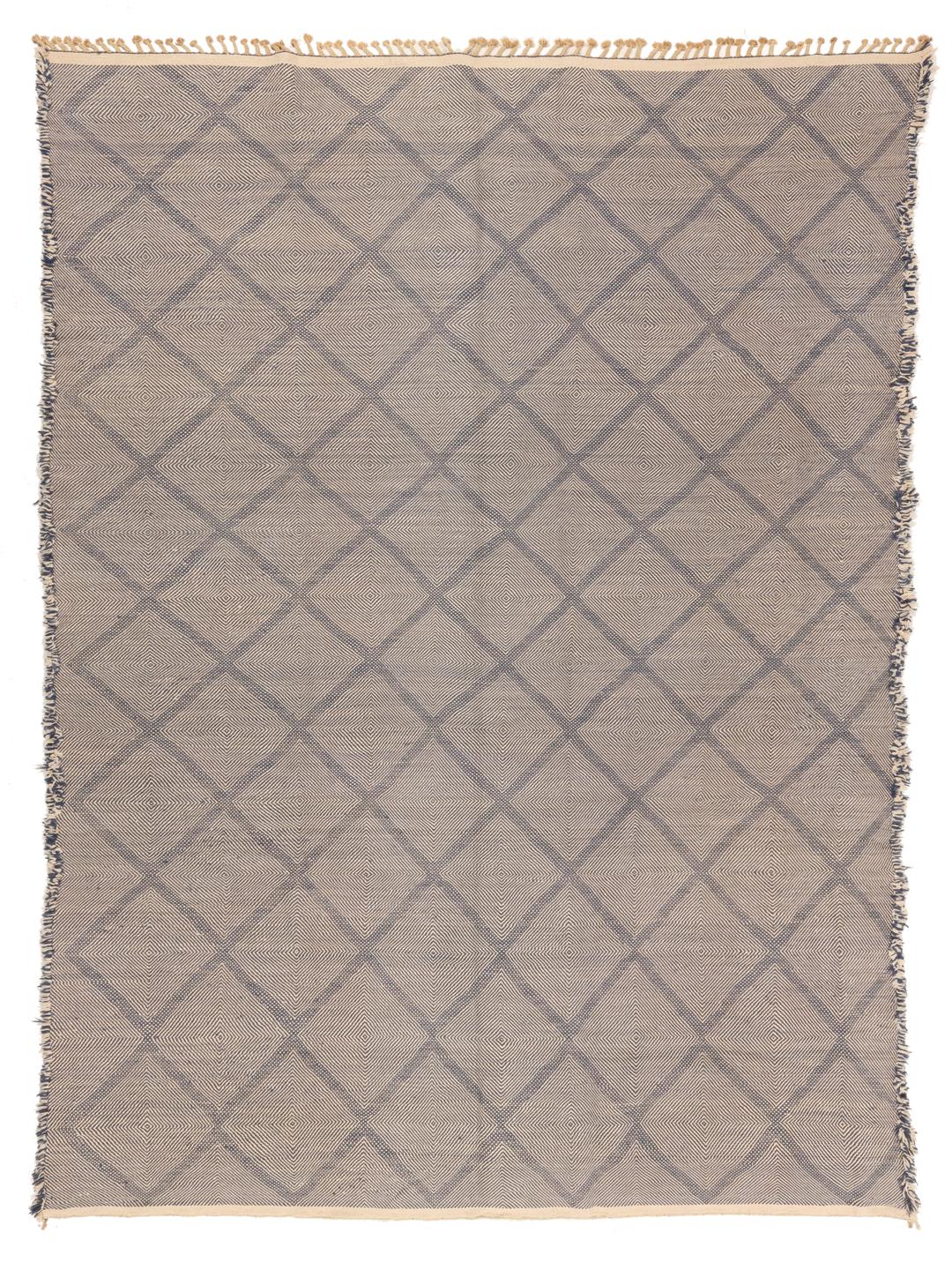
The High Atlas region of Morocco is renowned for its deep-rooted weaving traditions, which have been passed down through generations of Berber families. These rugs are more than just functional items; they are a form of cultural expression, with each design reflecting the environment, beliefs, and creative vision of the weaver. The rugged landscape of the Atlas mountains has long influenced the choice of raw, natural materials and bold, clean aesthetics.
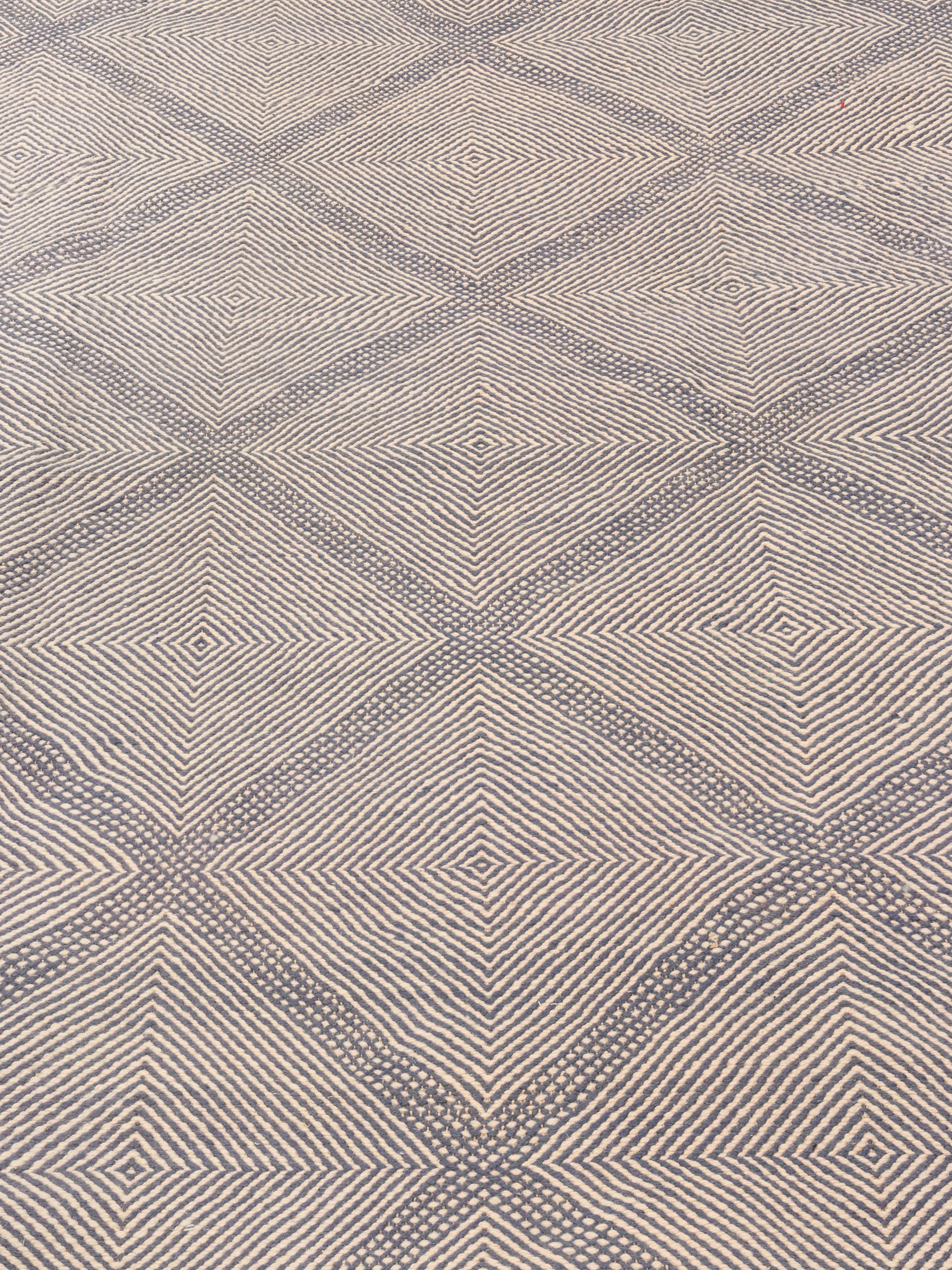
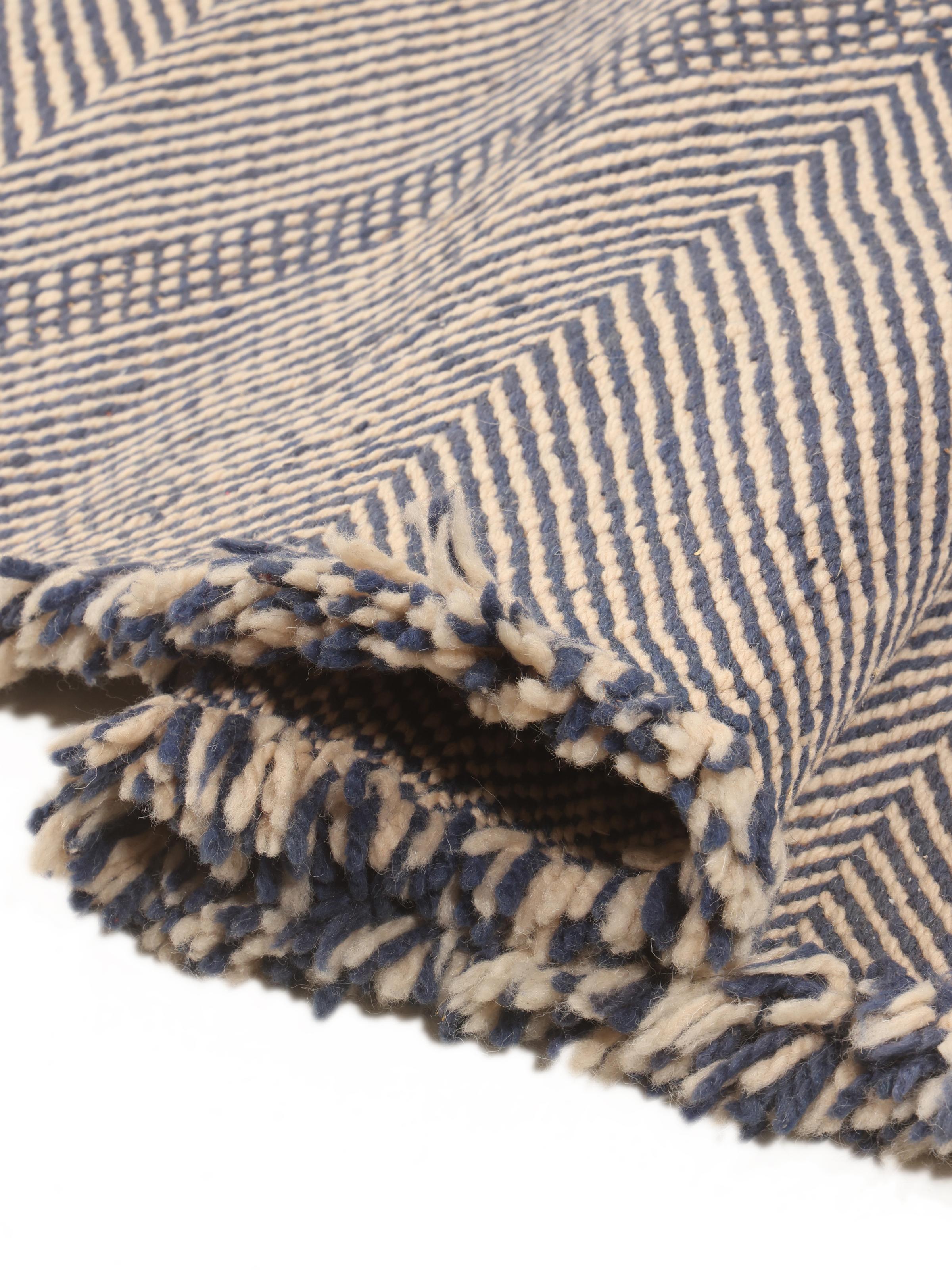
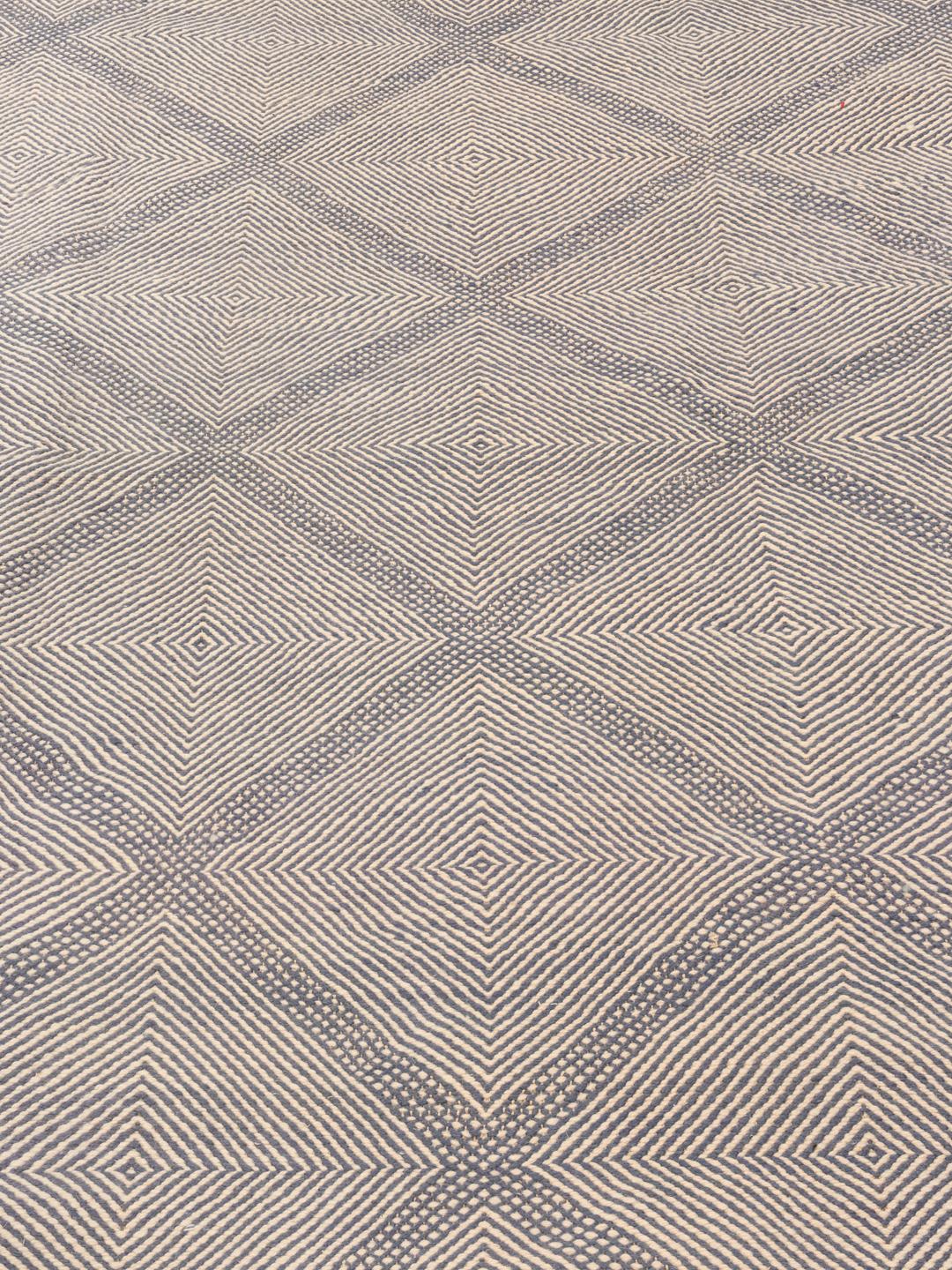
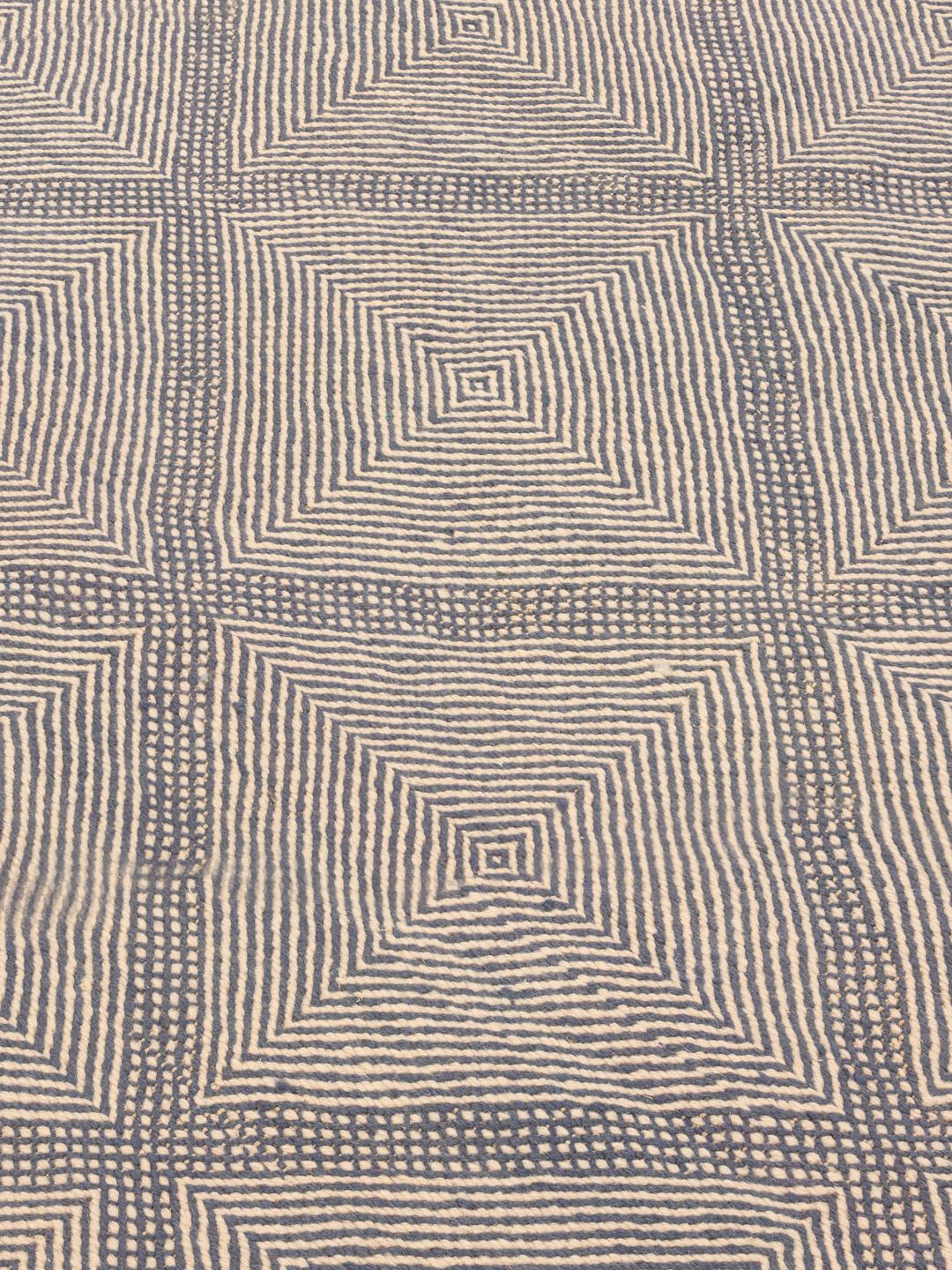
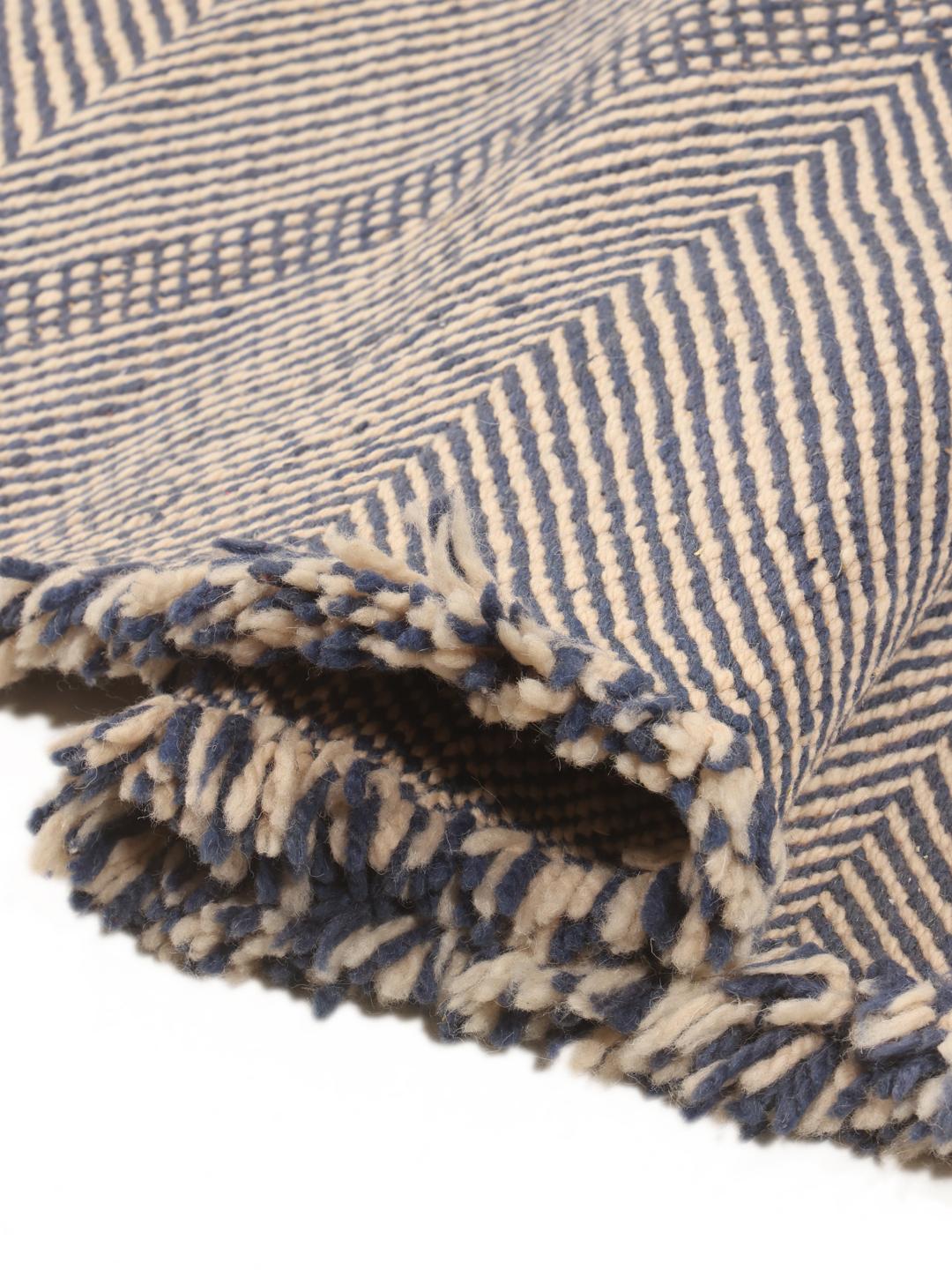
The term 'Kelim' refers to a flat-woven construction, which lacks the pile found in traditional knotted rugs. This technique relies on the interweaving of warp and weft threads to create the pattern, resulting in a lighter, more versatile fabric that is exceptionally durable. This method requires a steady hand and a keen eye for detail, as the pattern is built directly into the structure of the rug rather than being added later.
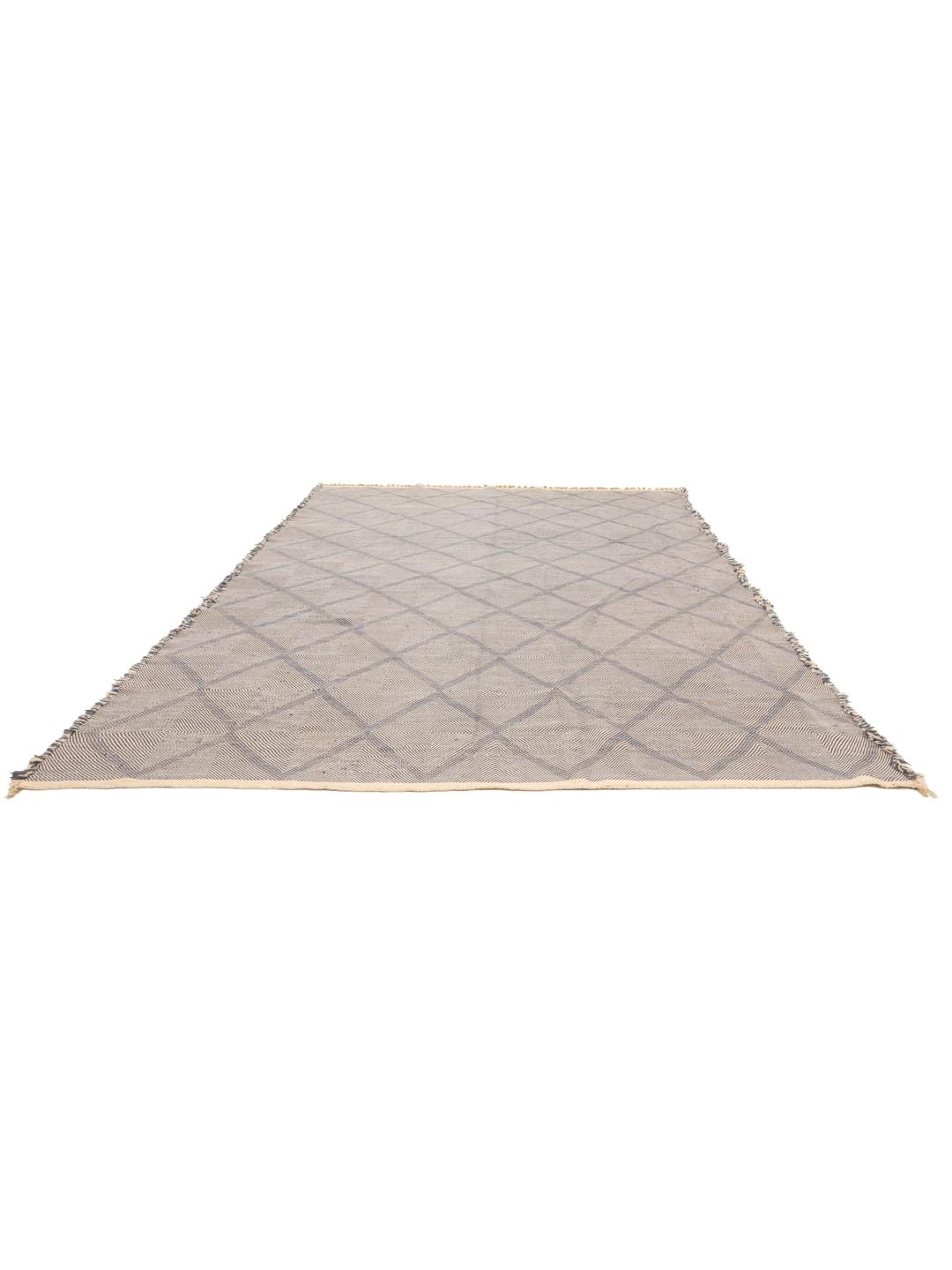
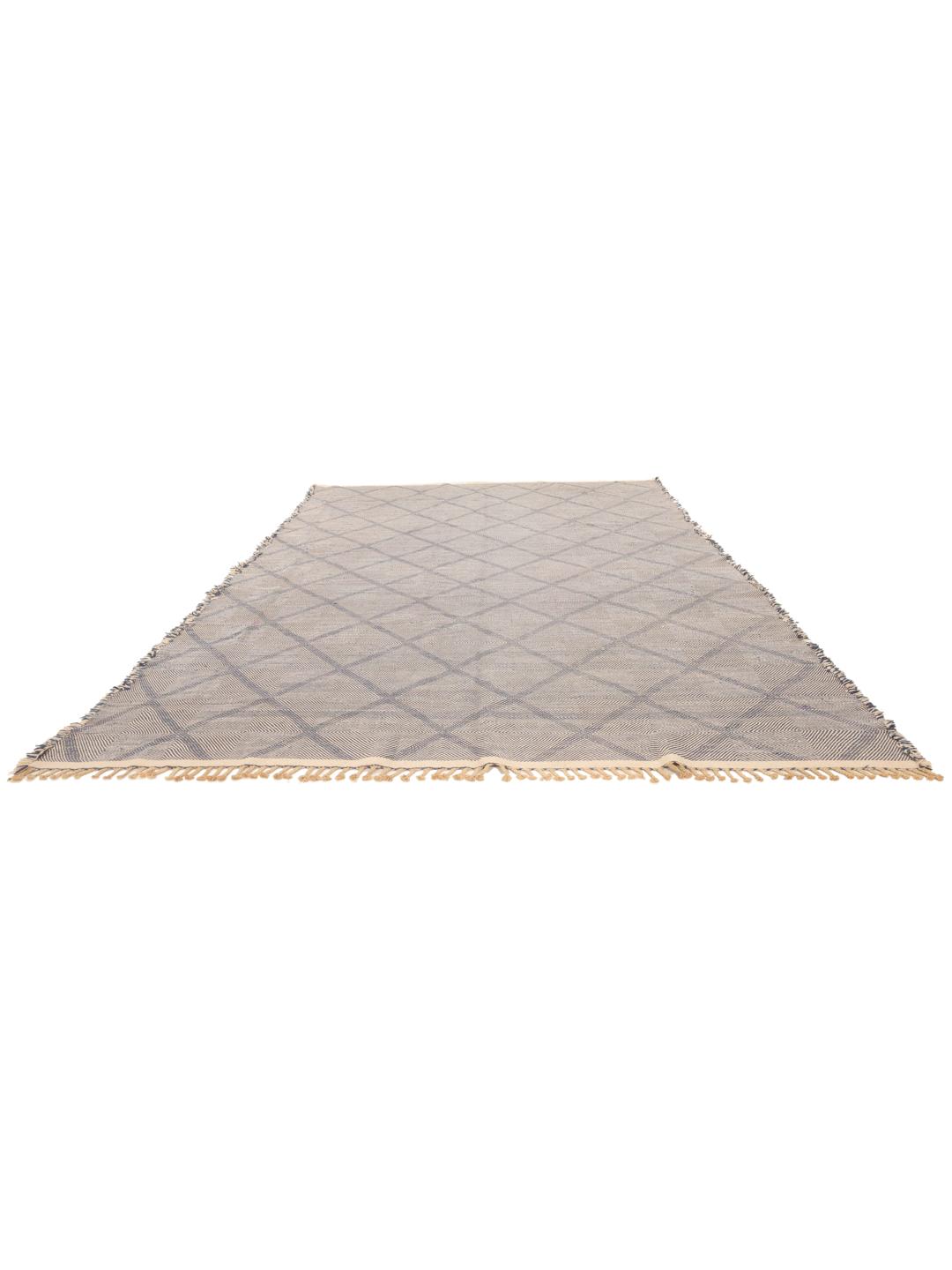
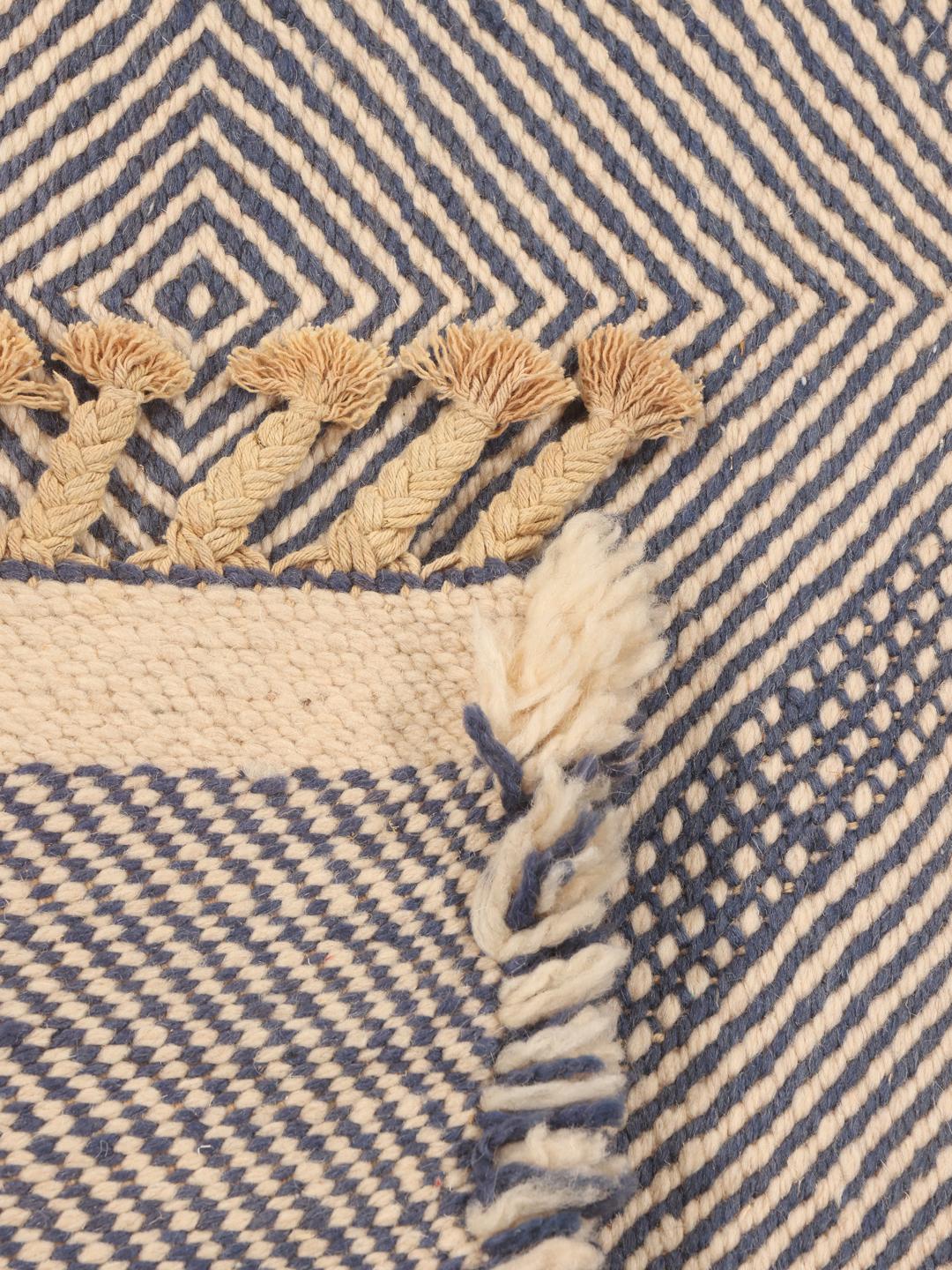
Visually, these rugs are defined by their reliance on geometric shapes and earthy, natural palettes. The diamond motif seen here is a classic signature of the region, often representing protection, fertility, or the natural elements surrounding the weavers. The contrast between the dark, structured diamonds and the neutral background is a hallmark of the Berber style, which prioritises simplicity and symbolic geometry over overly ornate designs.
Collecting a piece from this tradition allows you to own a tangible link to a rich, enduring heritage. These rugs are highly valued for their ability to bring a sense of warmth and history into modern homes. By choosing a hand-woven Kelim, you are supporting a legacy of skill and cultural identity that remains vibrant despite the rapid pace of modern manufacturing.