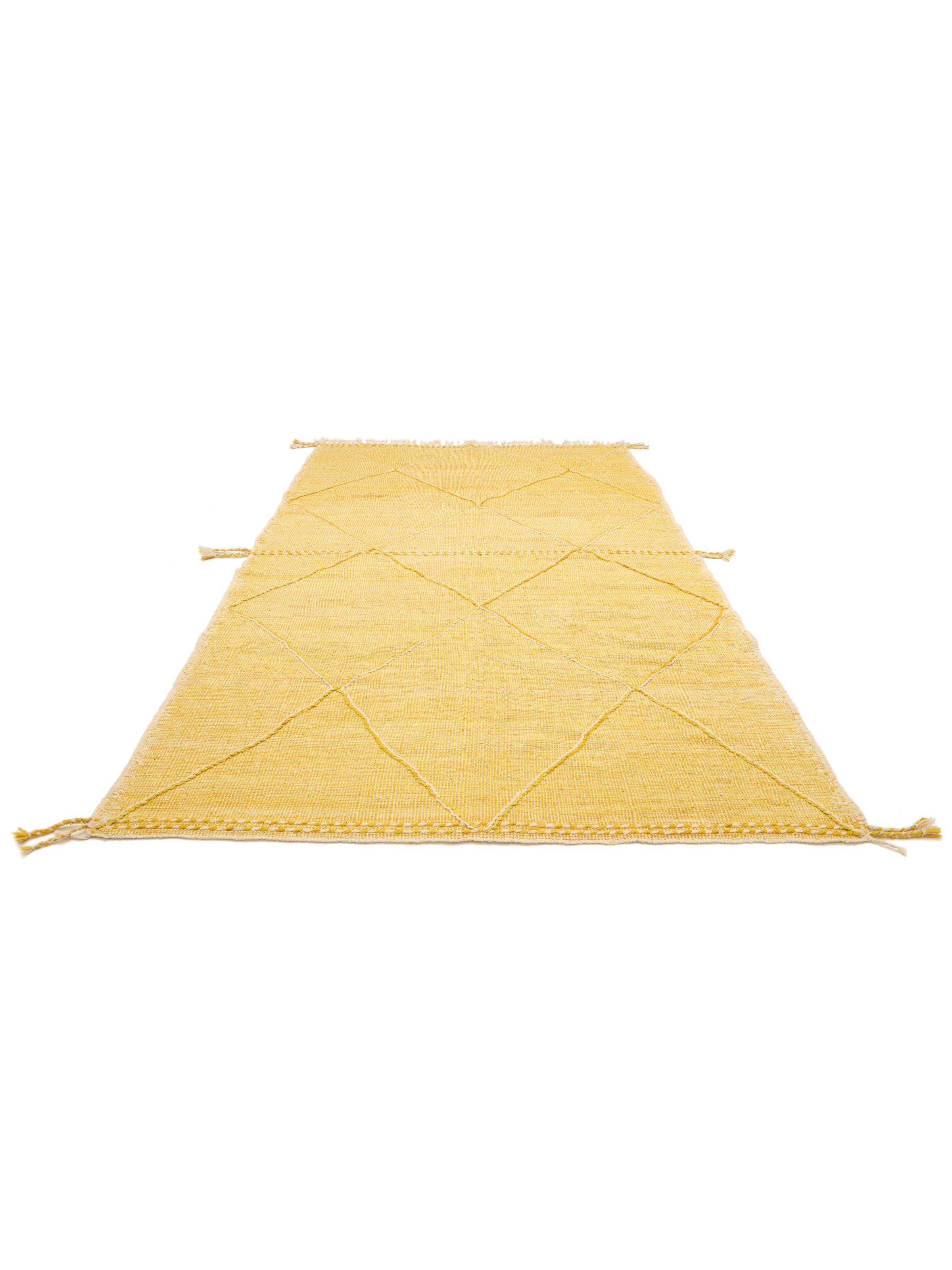
The High Atlas Kelim finds its roots in the mountainous regions of Morocco, where Berber tribes have been weaving textiles for centuries. These rugs are deeply connected to the landscape and the nomadic lifestyle of the Berber people, who have traditionally used Wool from their own flocks to create functional items for the home. The evolution of these designs from strictly utilitarian household items to celebrated works of art reflects the enduring cultural significance of Moroccan weaving.
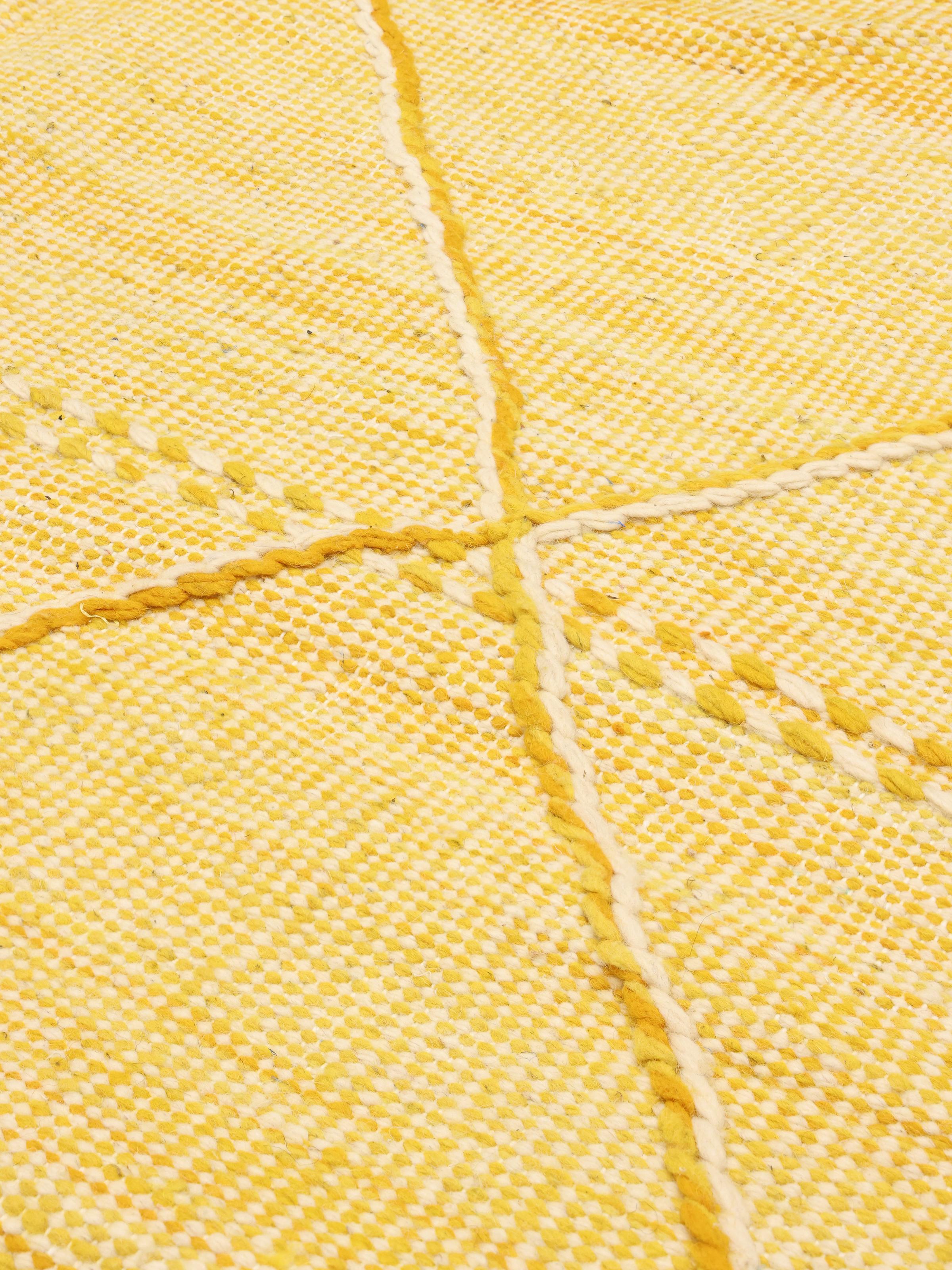
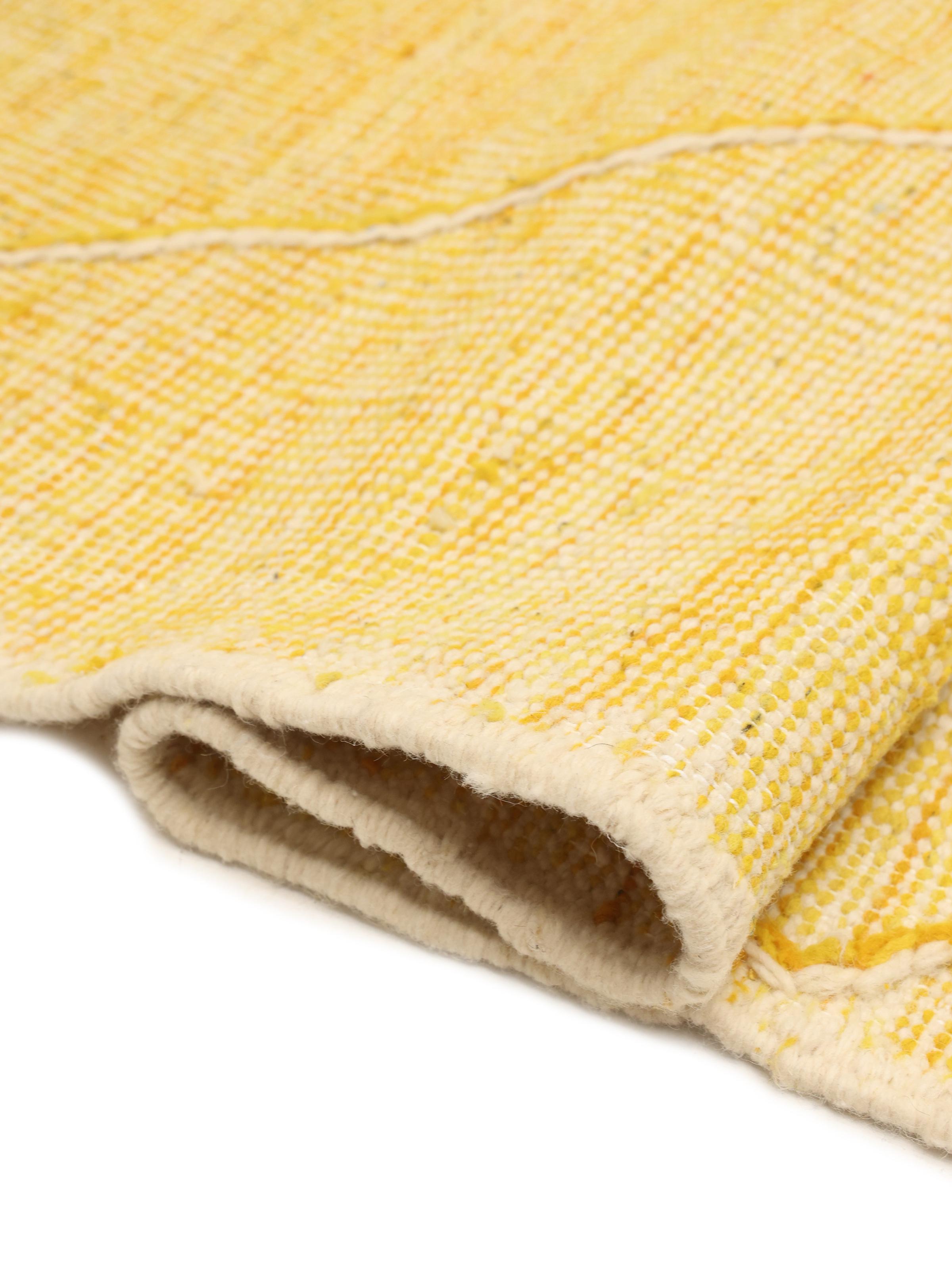
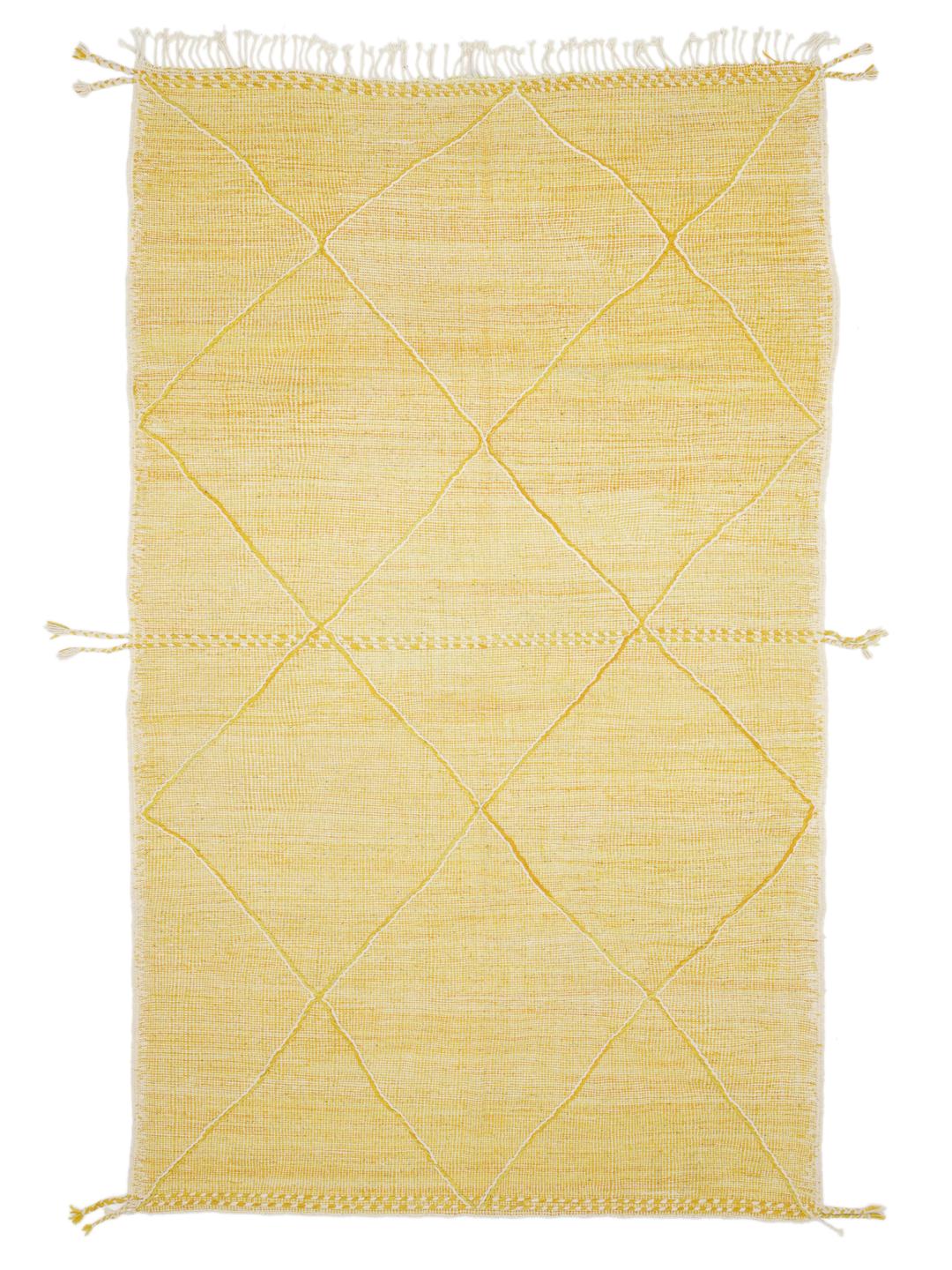
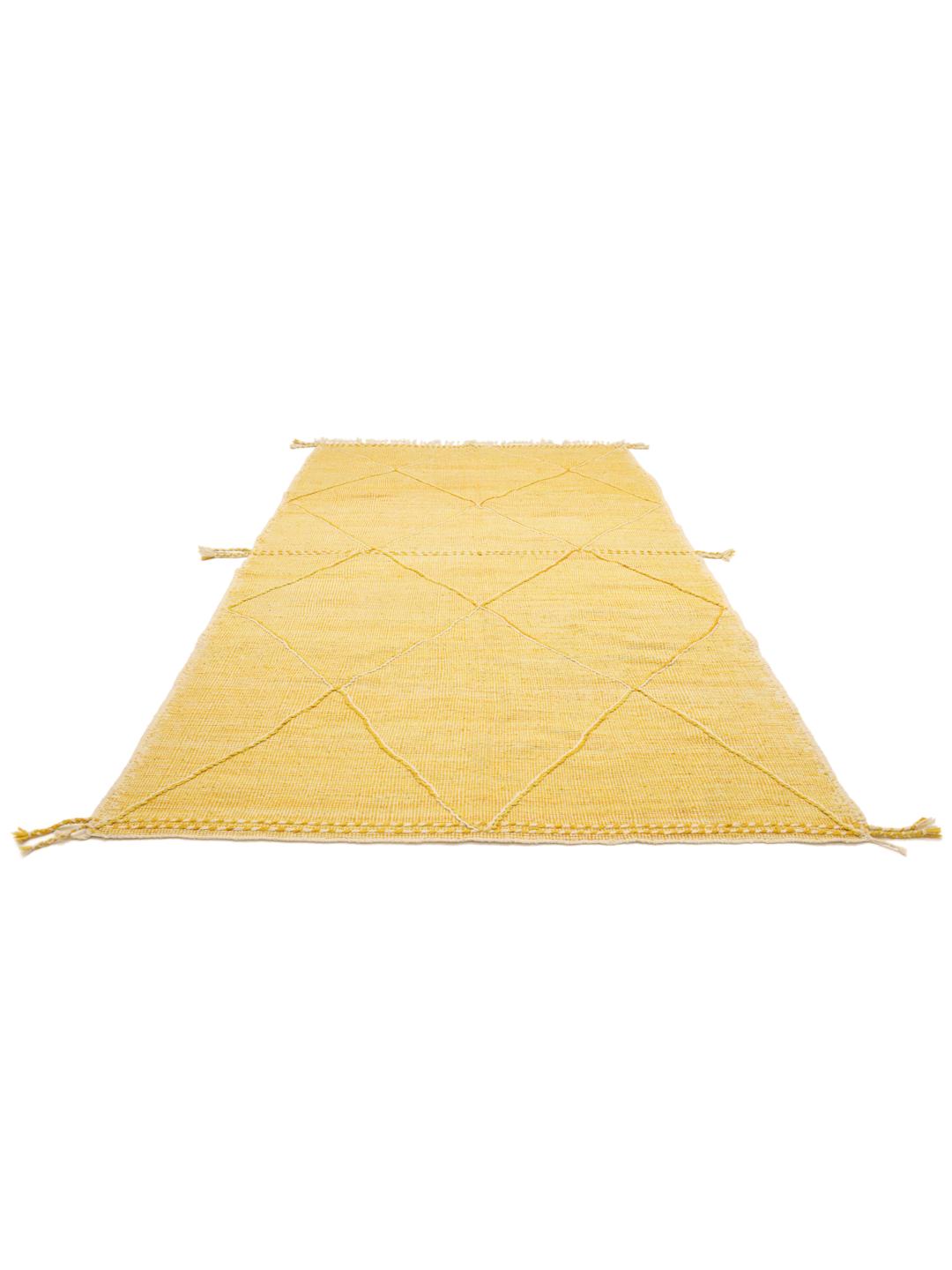
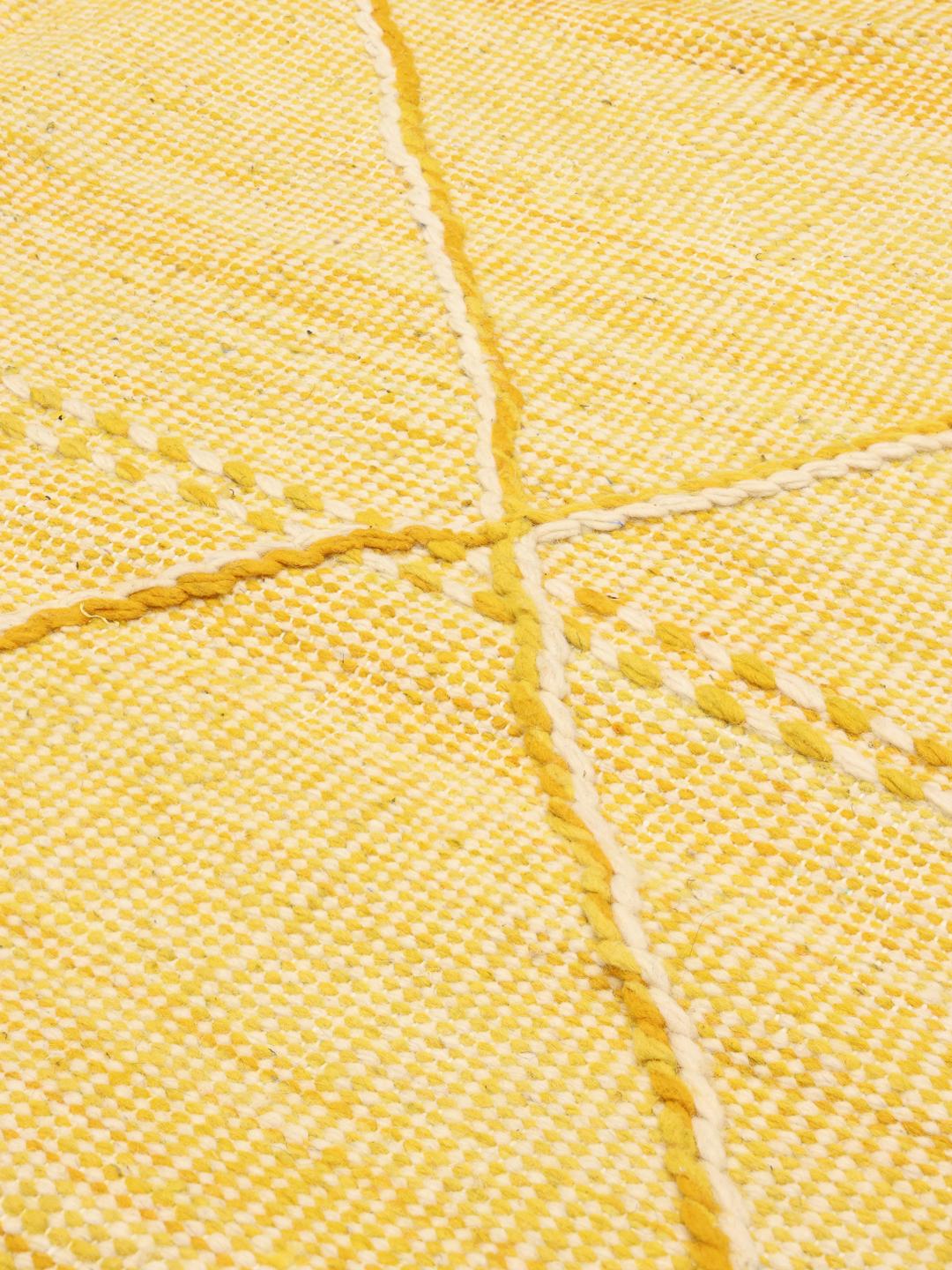
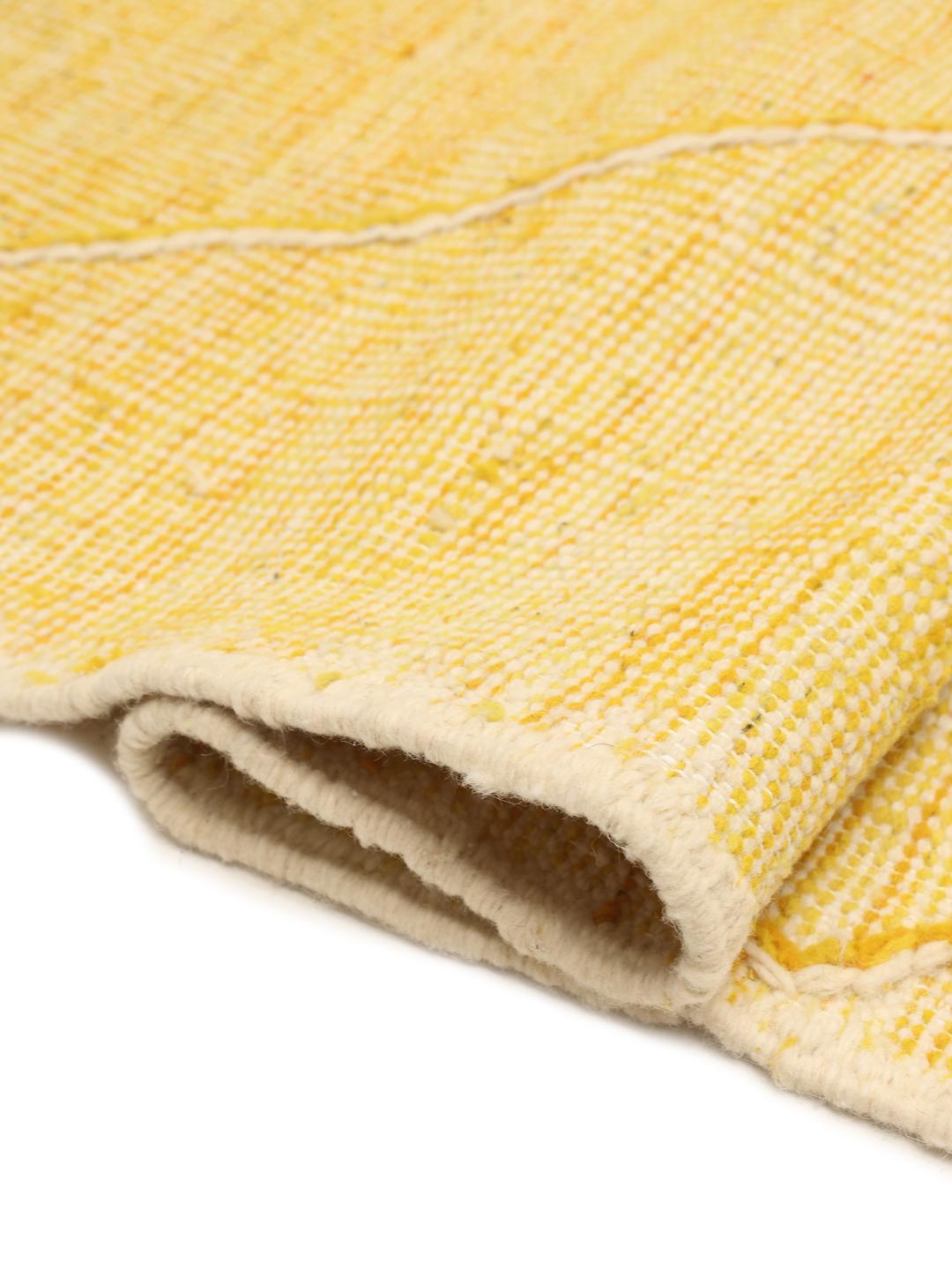
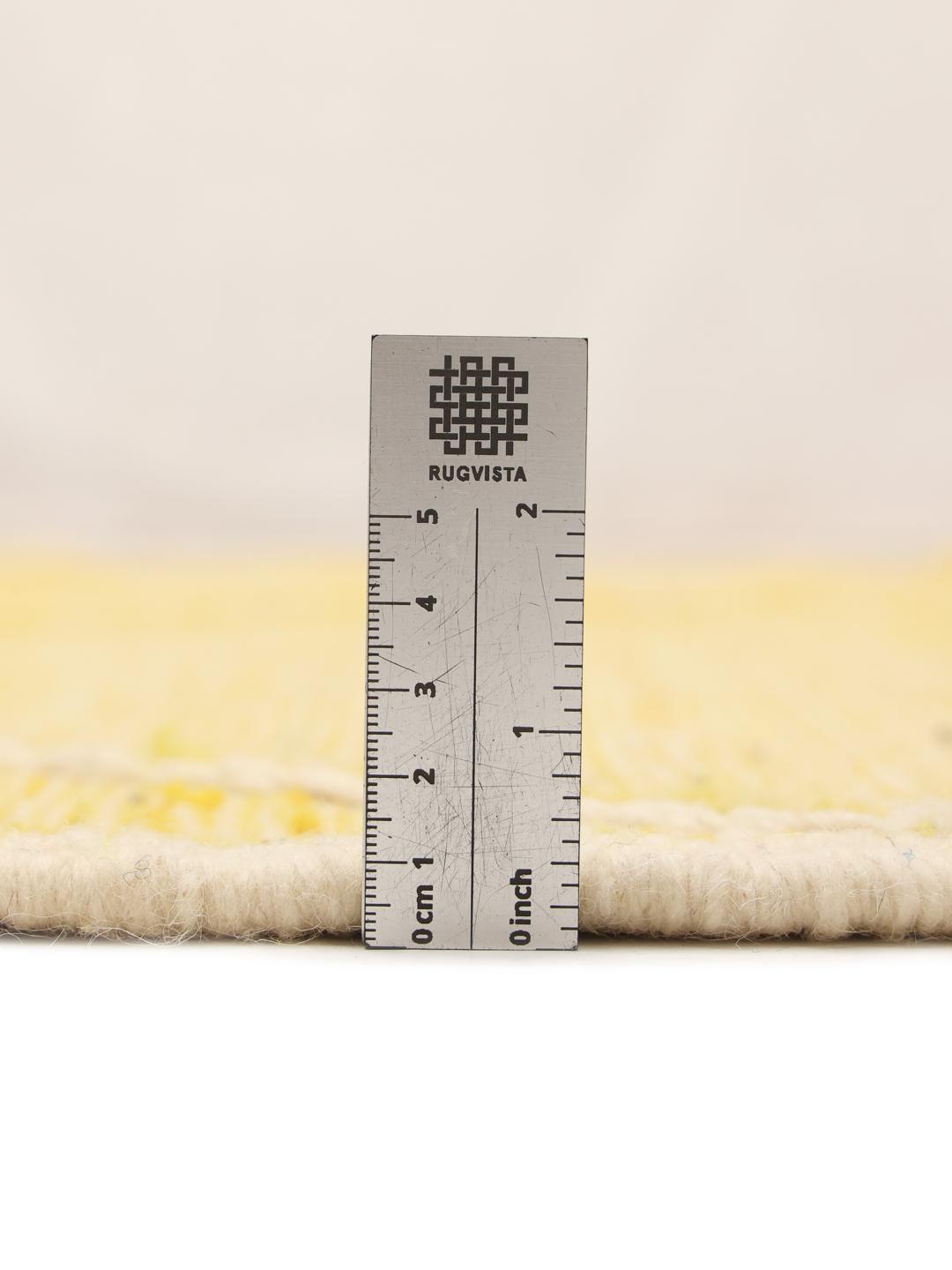
A kelim is a flat-woven rug, meaning it lacks a high pile, which results in a lighter, more versatile piece. In the context of Moroccan craftsmanship, this technique allows for the creation of crisp, graphic patterns like the diamond motifs seen here. The lack of a pile does not equate to a lack of quality; instead, it showcases the purity of the weave and the skill required to maintain even tension across the entire surface of the rug.
The diamond motif is a signature element of this region, often symbolising protection or prosperity within the cultural language of the Berber tribes. While many traditional rugs are known for their intricate, multi-coloured palettes, this particular piece opts for a bold, singular yellow, which highlights the geometric precision of the weave. Such a choice makes it an exceptional example of how modern aesthetic sensibilities can be applied to traditional weaving techniques.
Collecting a Moroccan rug is an act of preserving a rich, tangible history. These pieces are valued not only for their beauty but for the connection they provide to a global craft tradition that remains largely unchanged by time. By owning this rug, you are becoming a custodian of a heritage that celebrates the human hand and the natural world, ensuring that these ancient skills continue to be appreciated and shared.