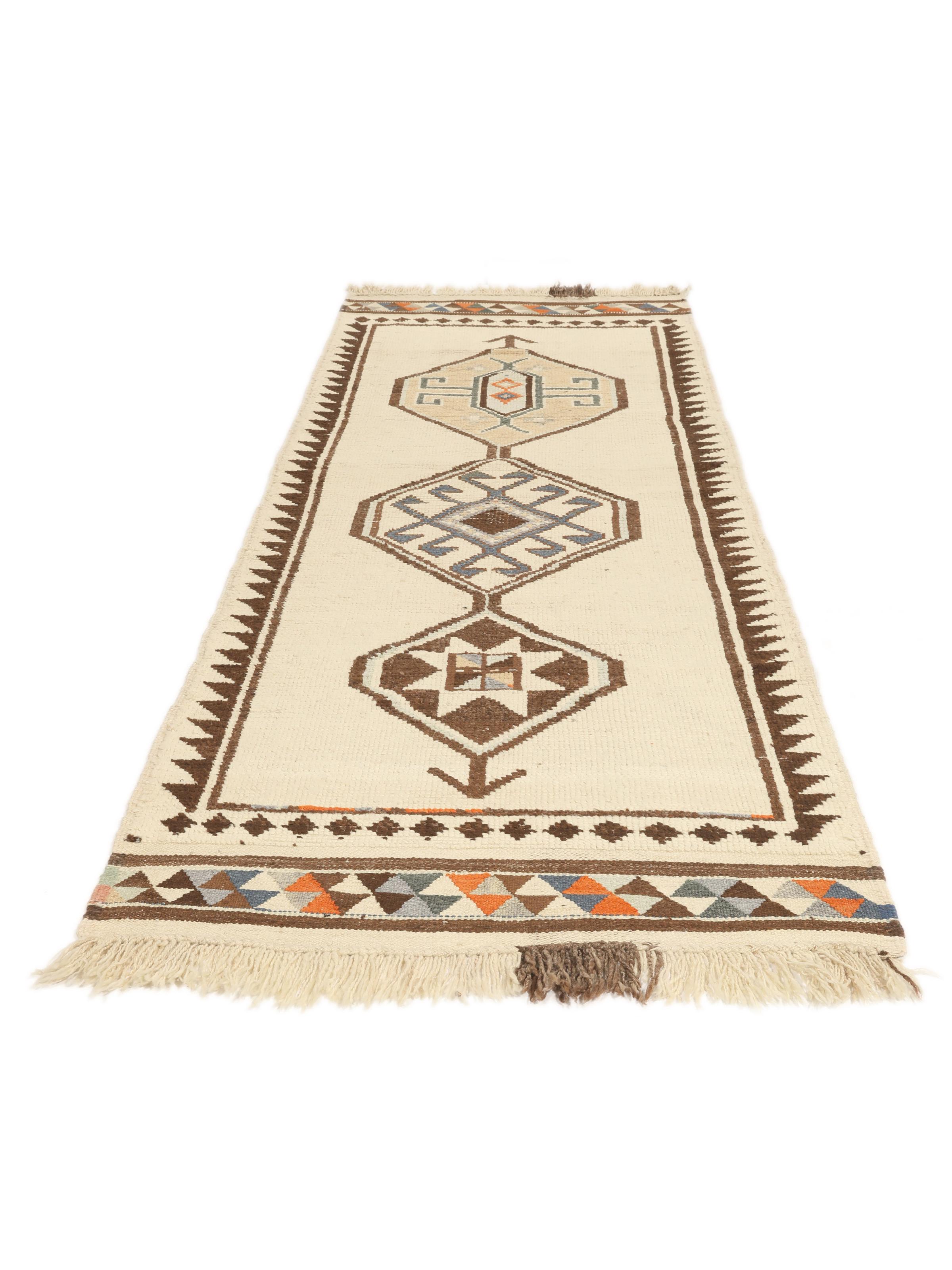
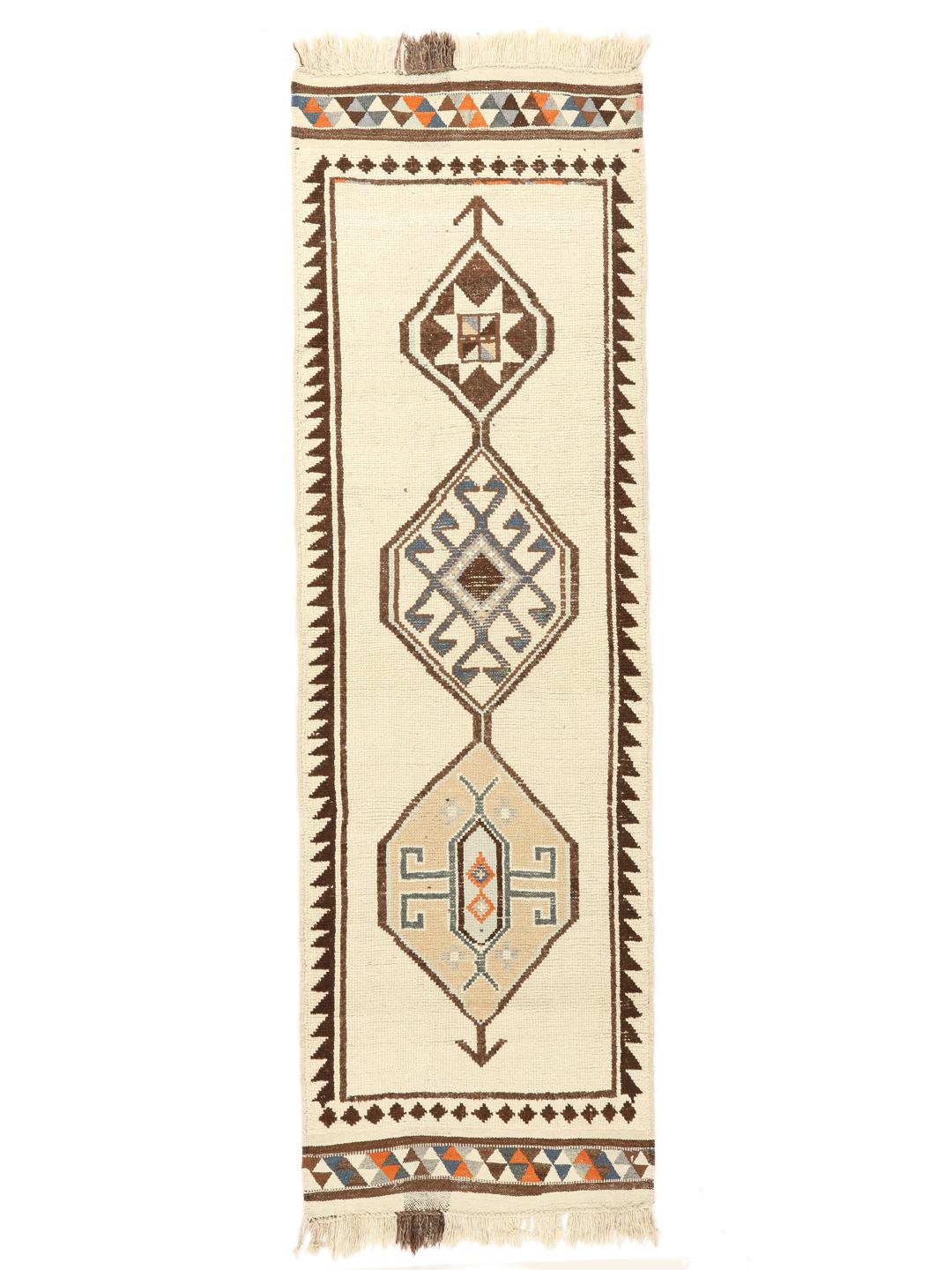
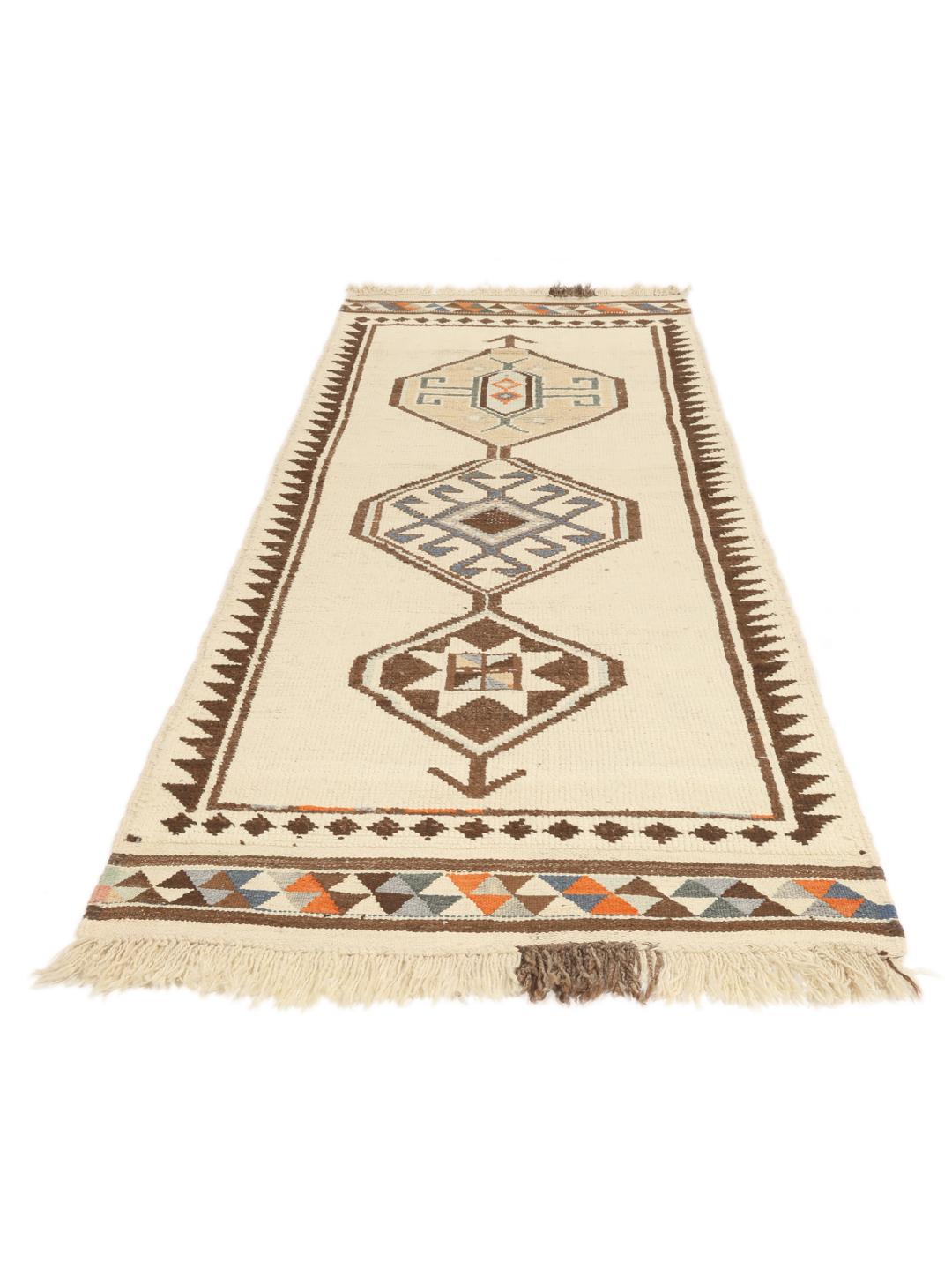
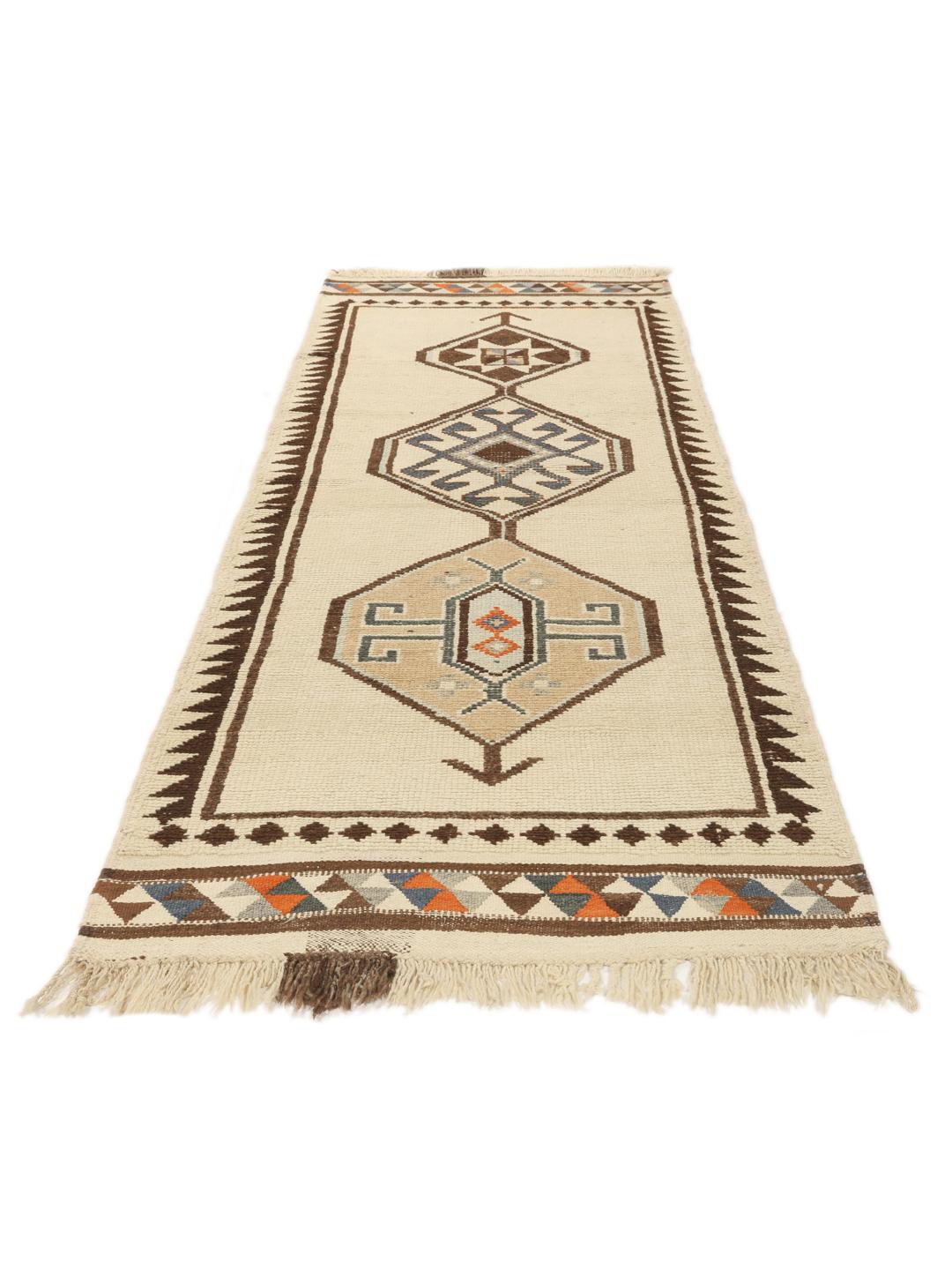
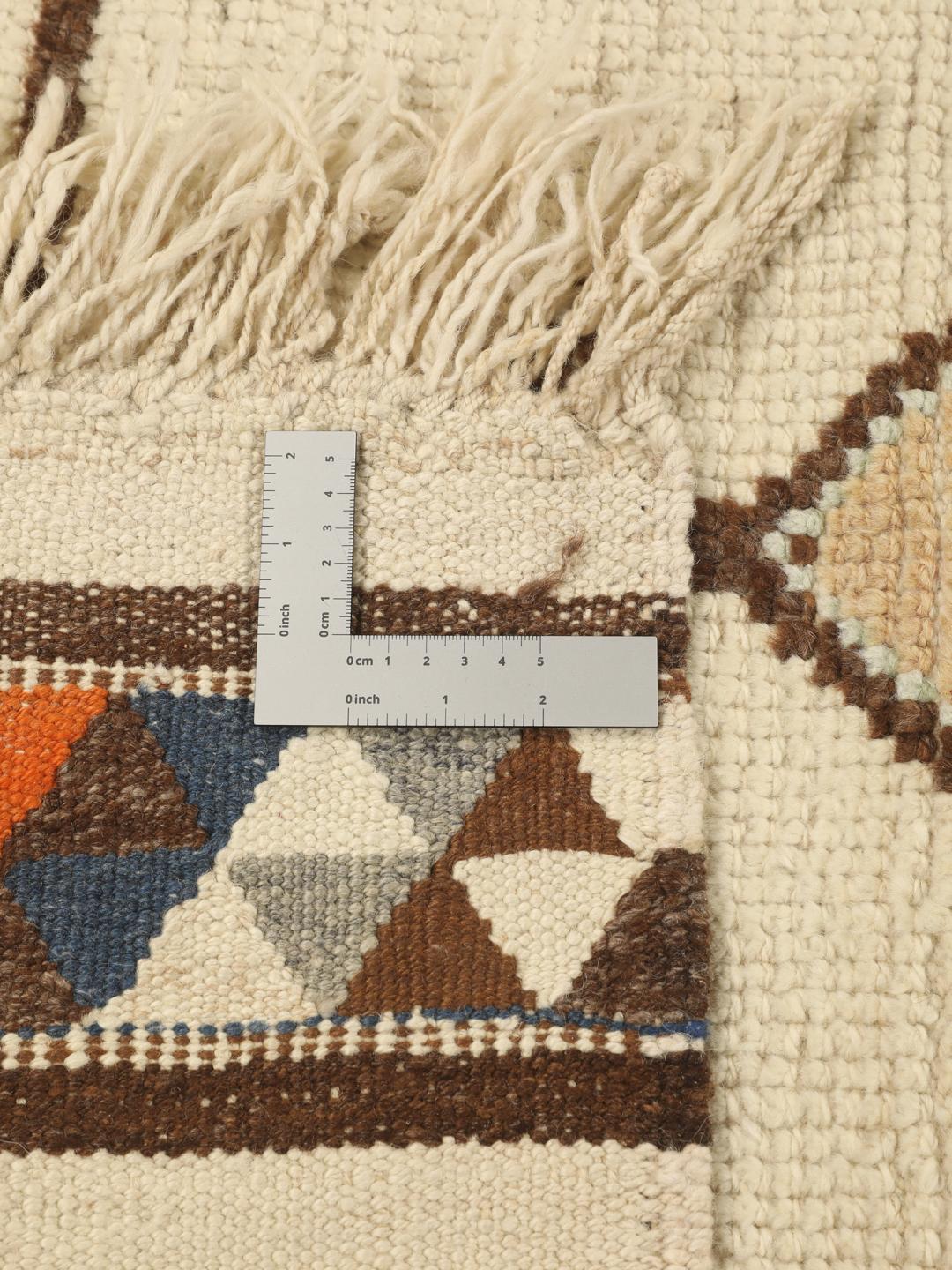
The Herki tradition originates from the rugged, mountainous regions of Turkey, where weaving has long been a vital part of local life. These rugs are deeply connected to the nomadic and semi-nomadic cultures of the area, known for their resilience and ability to translate their natural surroundings into intricate textile art.
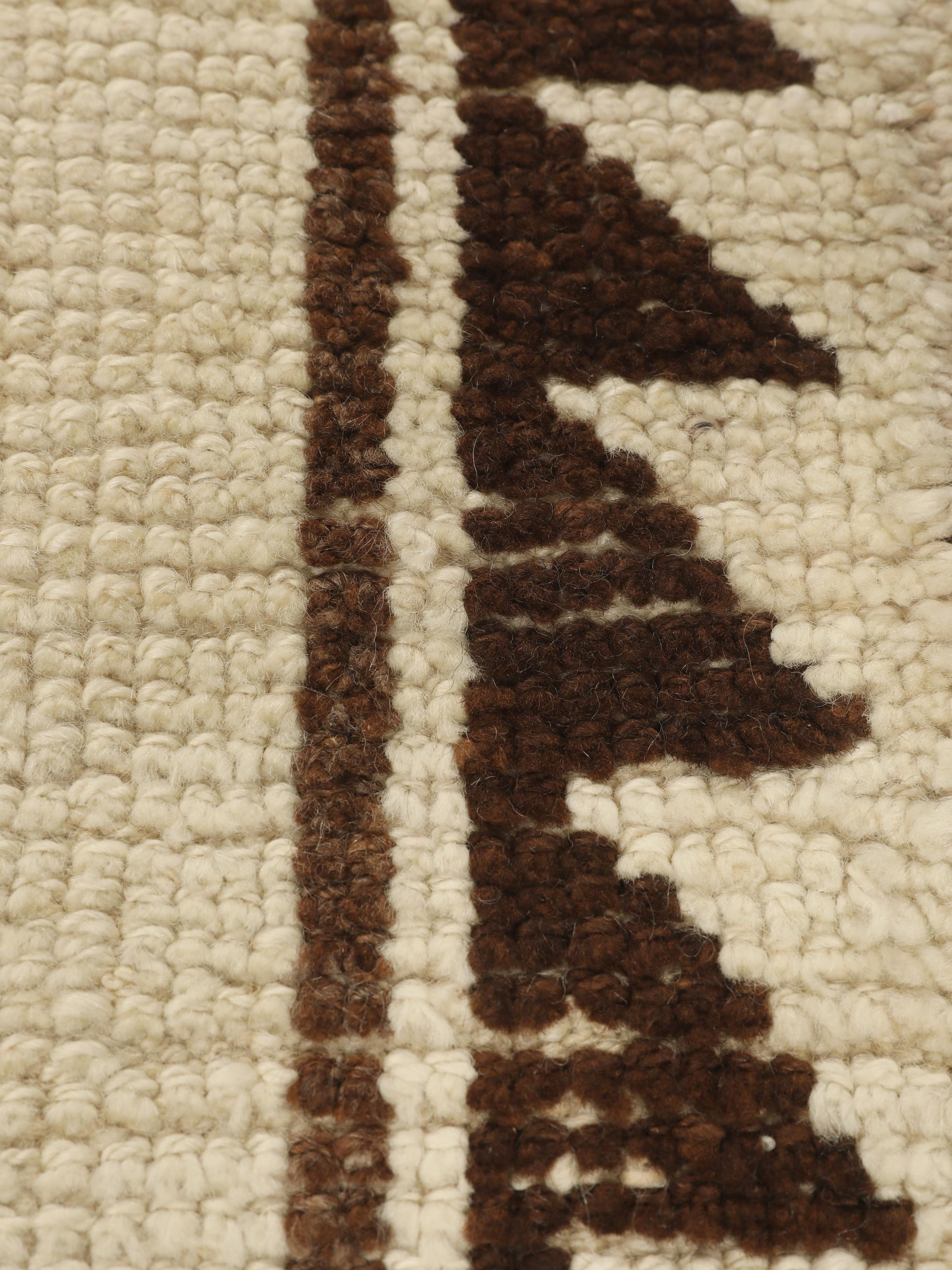
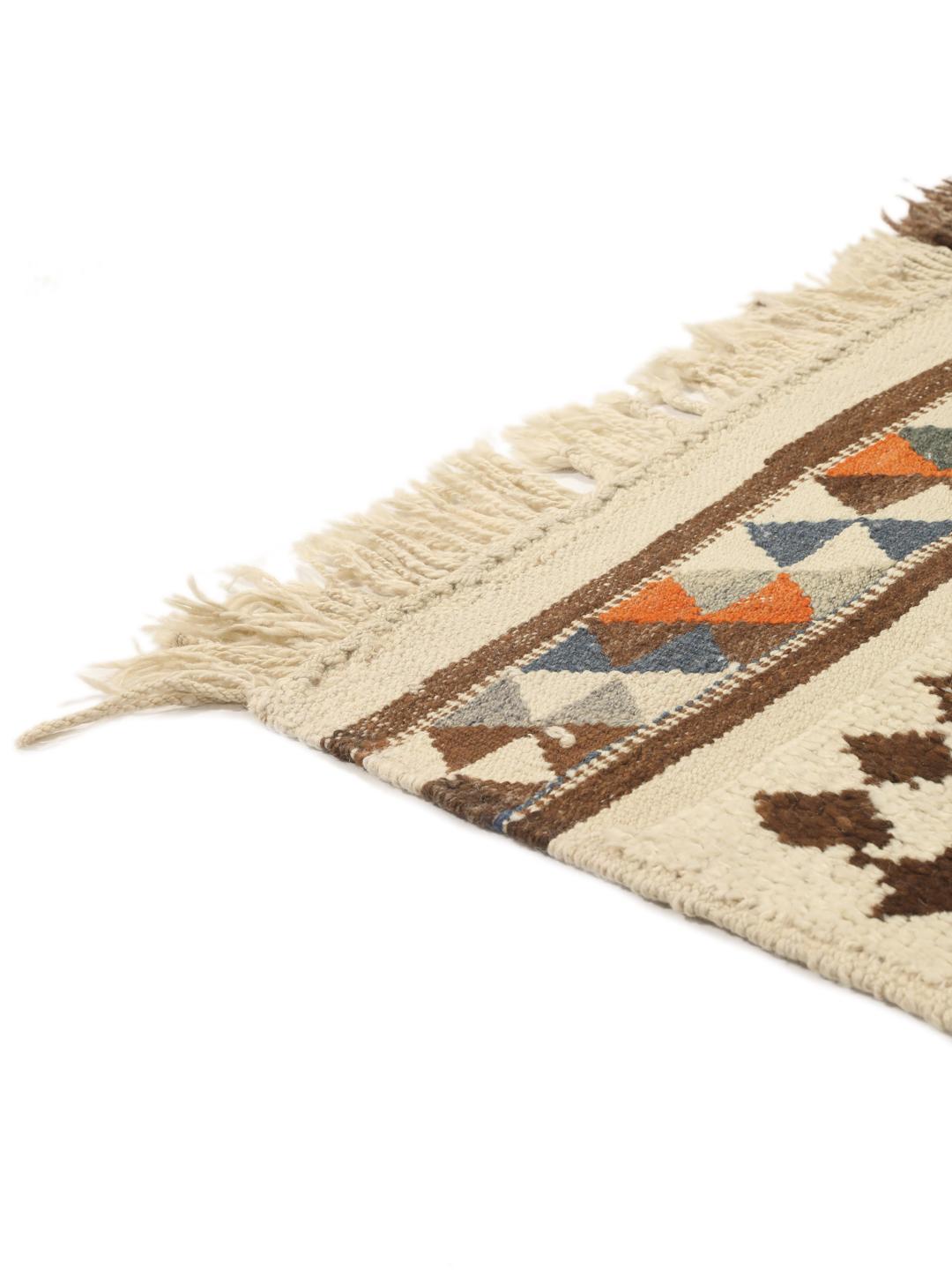
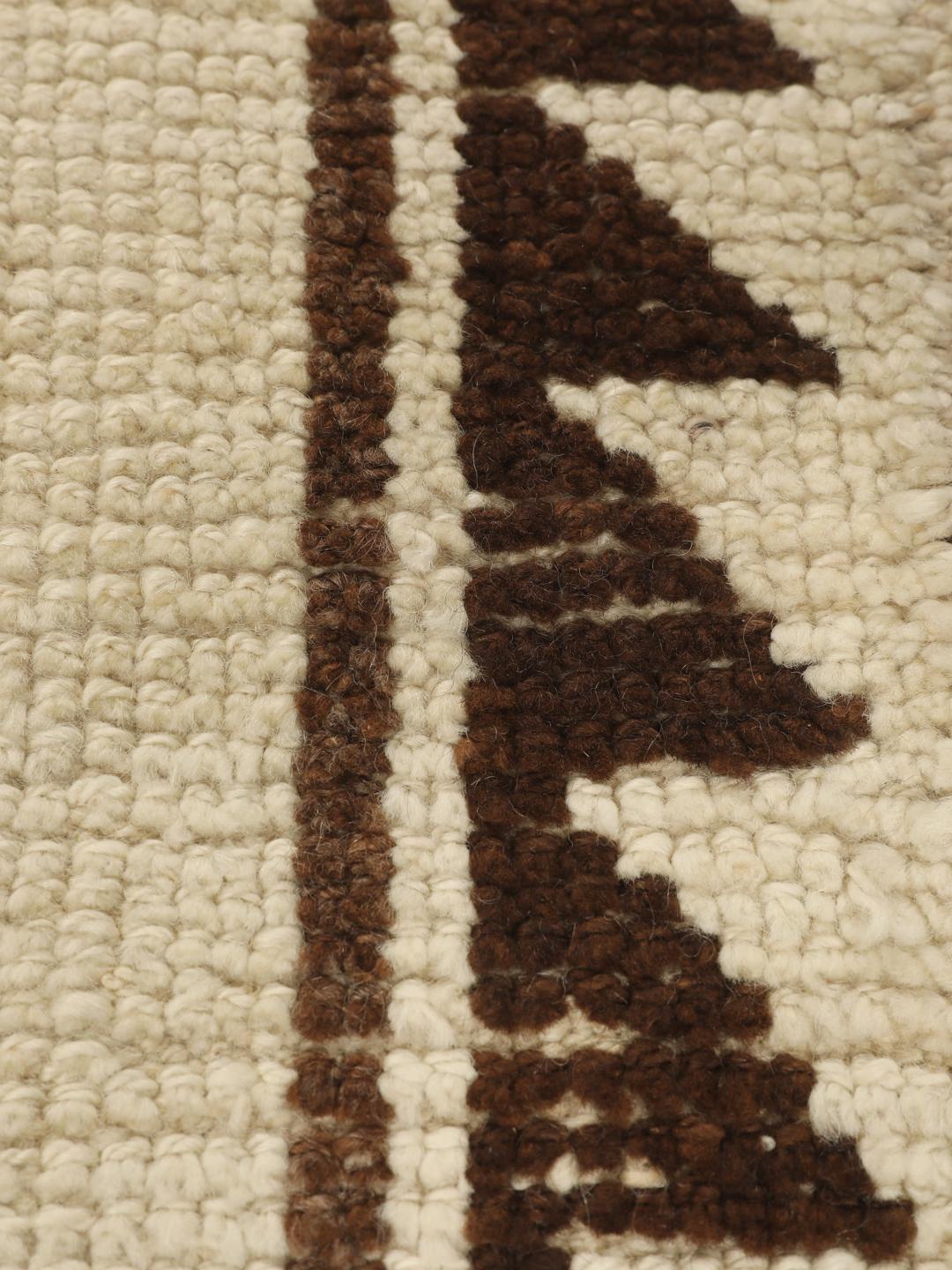
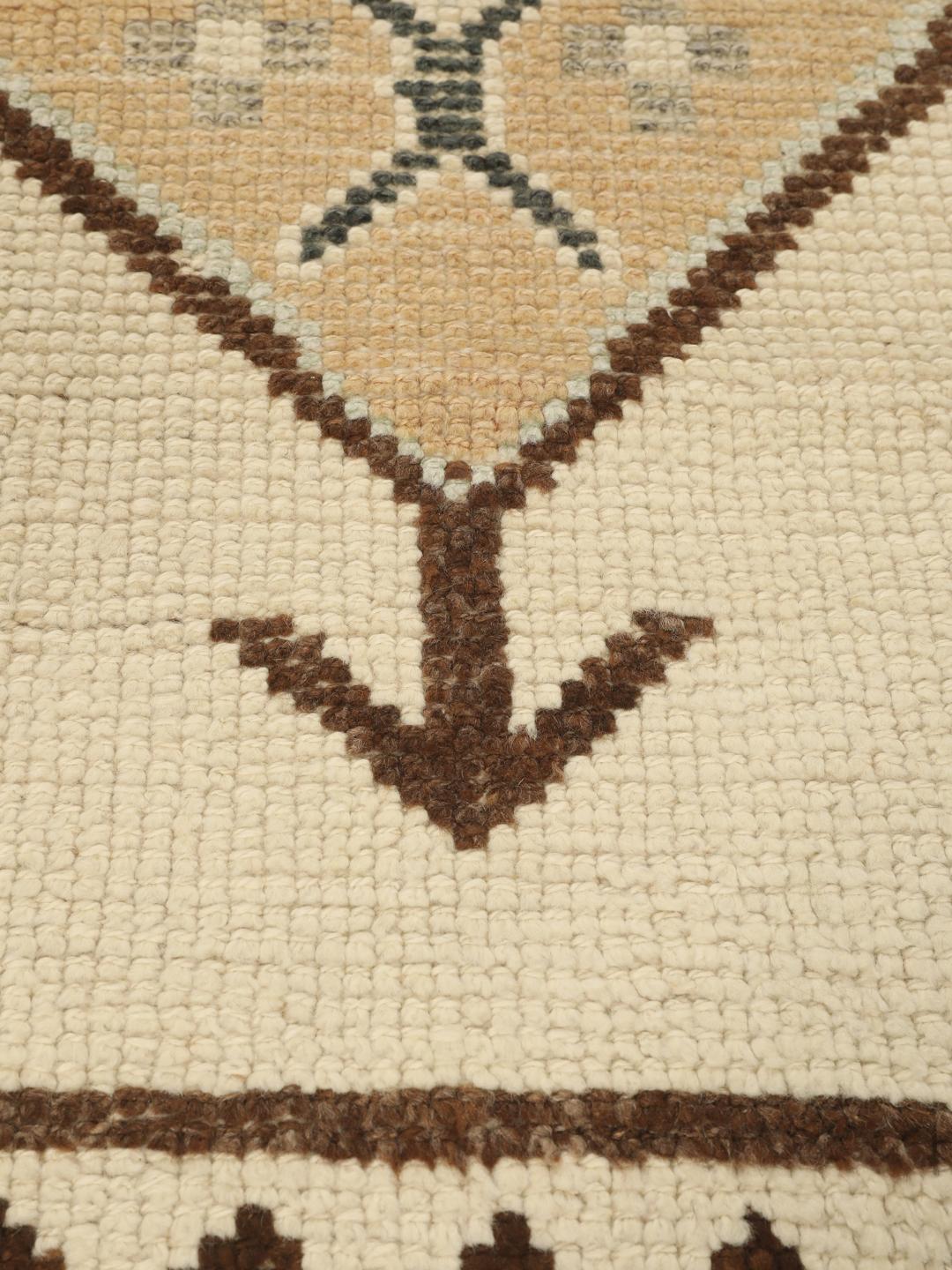
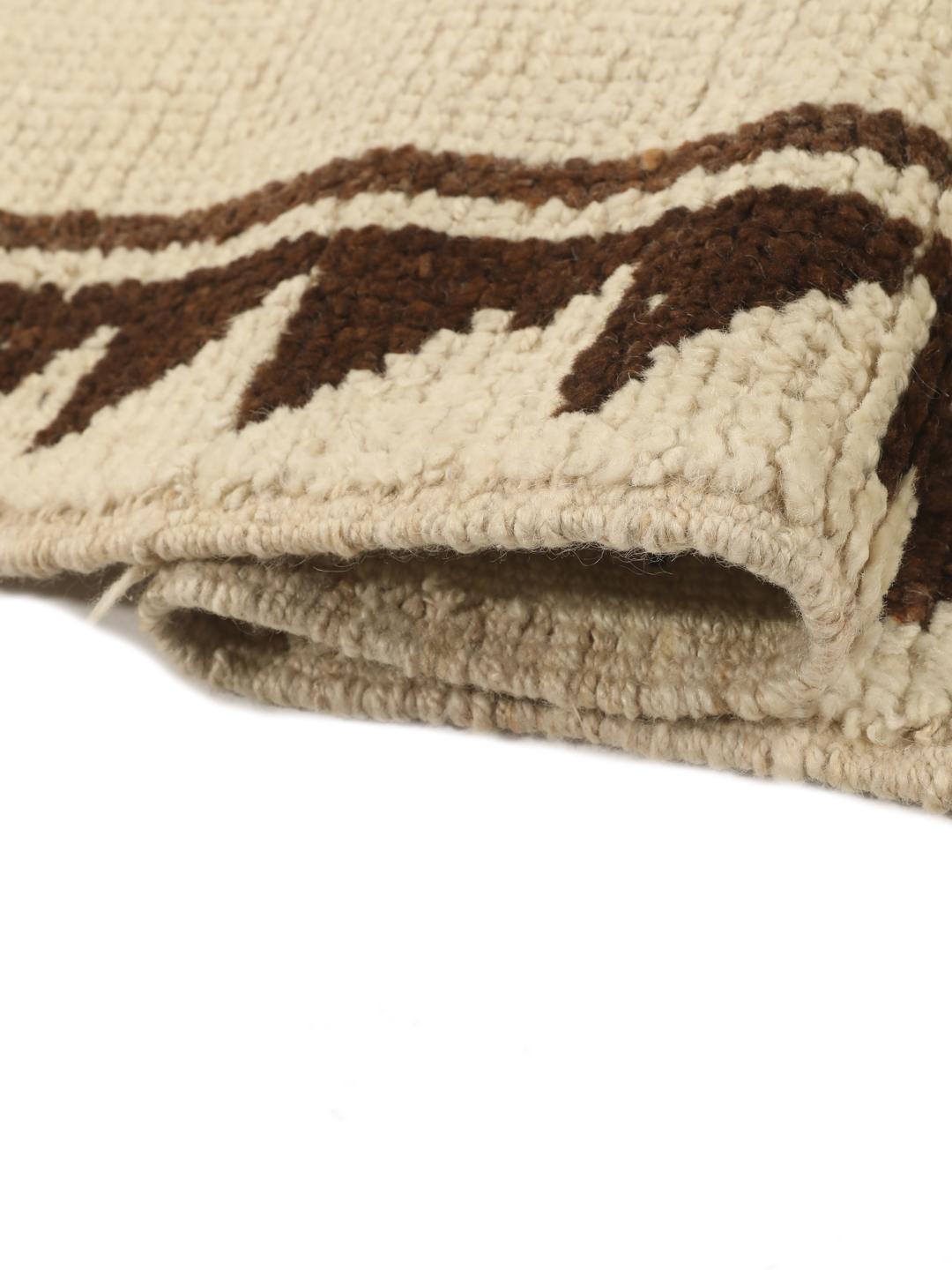
Weaving techniques in this region are passed down through generations, with each family or group developing their own signature style. The process of hand-knotting is a labour-intensive tradition that prioritises durability and warmth, essential for life in cooler climates where these rugs were historically used as floor coverings, wall hangings, or even bags.
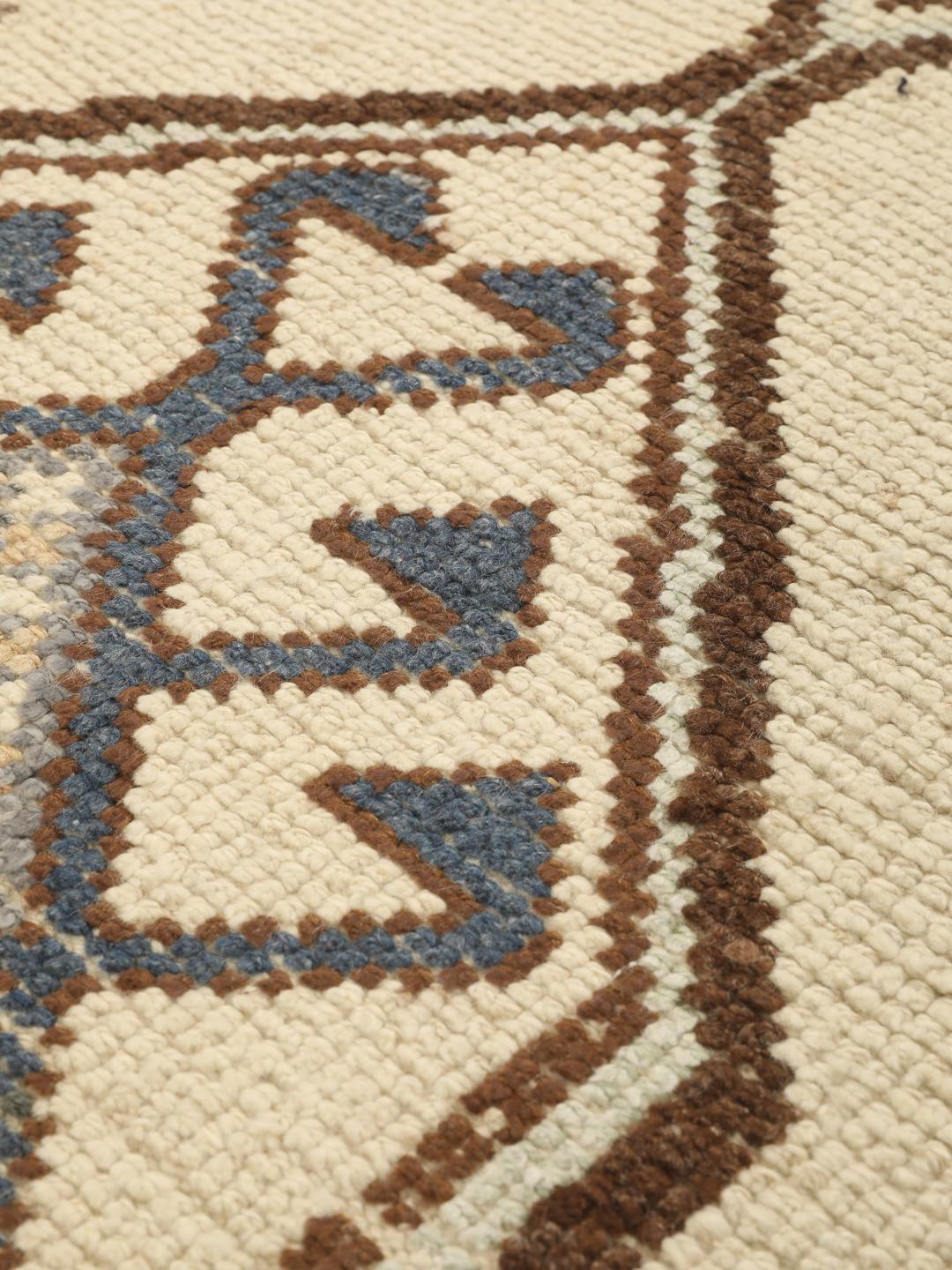
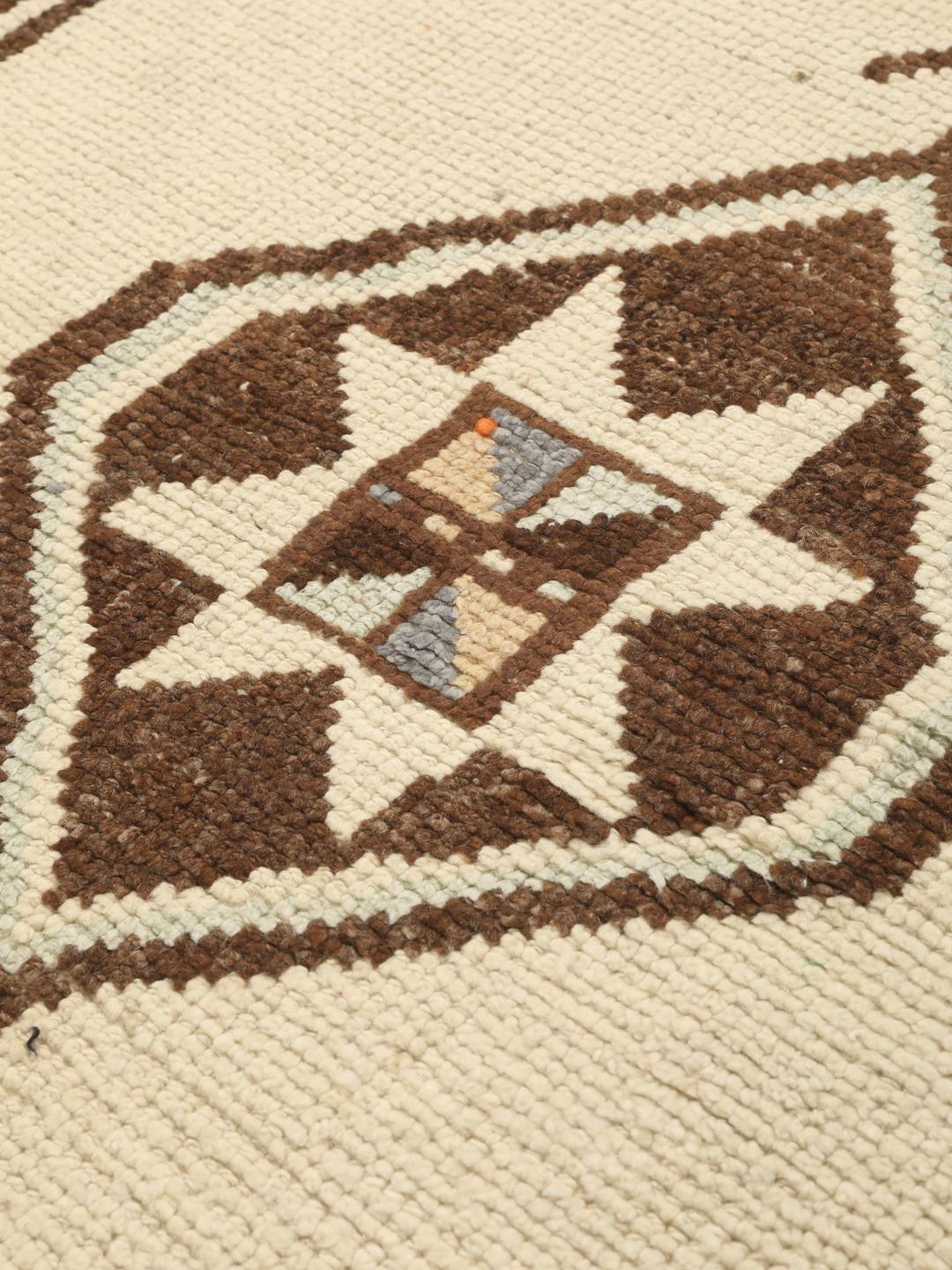
The design of this runner features bold geometric motifs, which are characteristic of the Herki aesthetic. These patterns often carry symbolic meanings, ranging from protection against the evil eye to representations of tribal identity and local flora. The use of a central medallion or recurring diamond shapes creates a rhythmic visual flow that is both balanced and dynamic.
Owning a vintage Herki rug is more than just purchasing a floor covering; it is an investment in cultural heritage. Collectors value these pieces for their authenticity, the raw energy of their designs, and the fact that they represent a dying art form. To bring one into your home is to preserve a slice of history and support the continuation of a craft that celebrates human creativity.