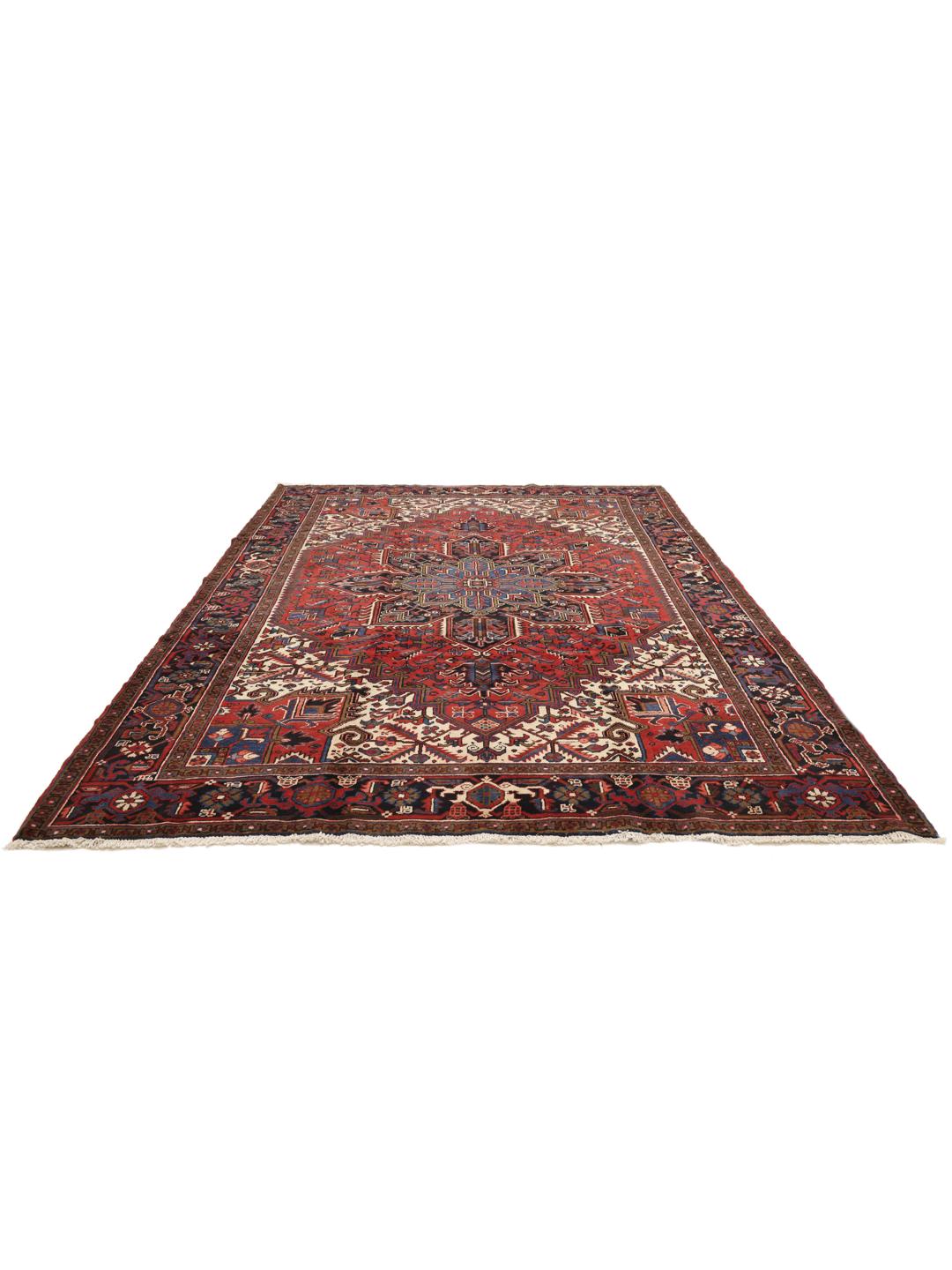
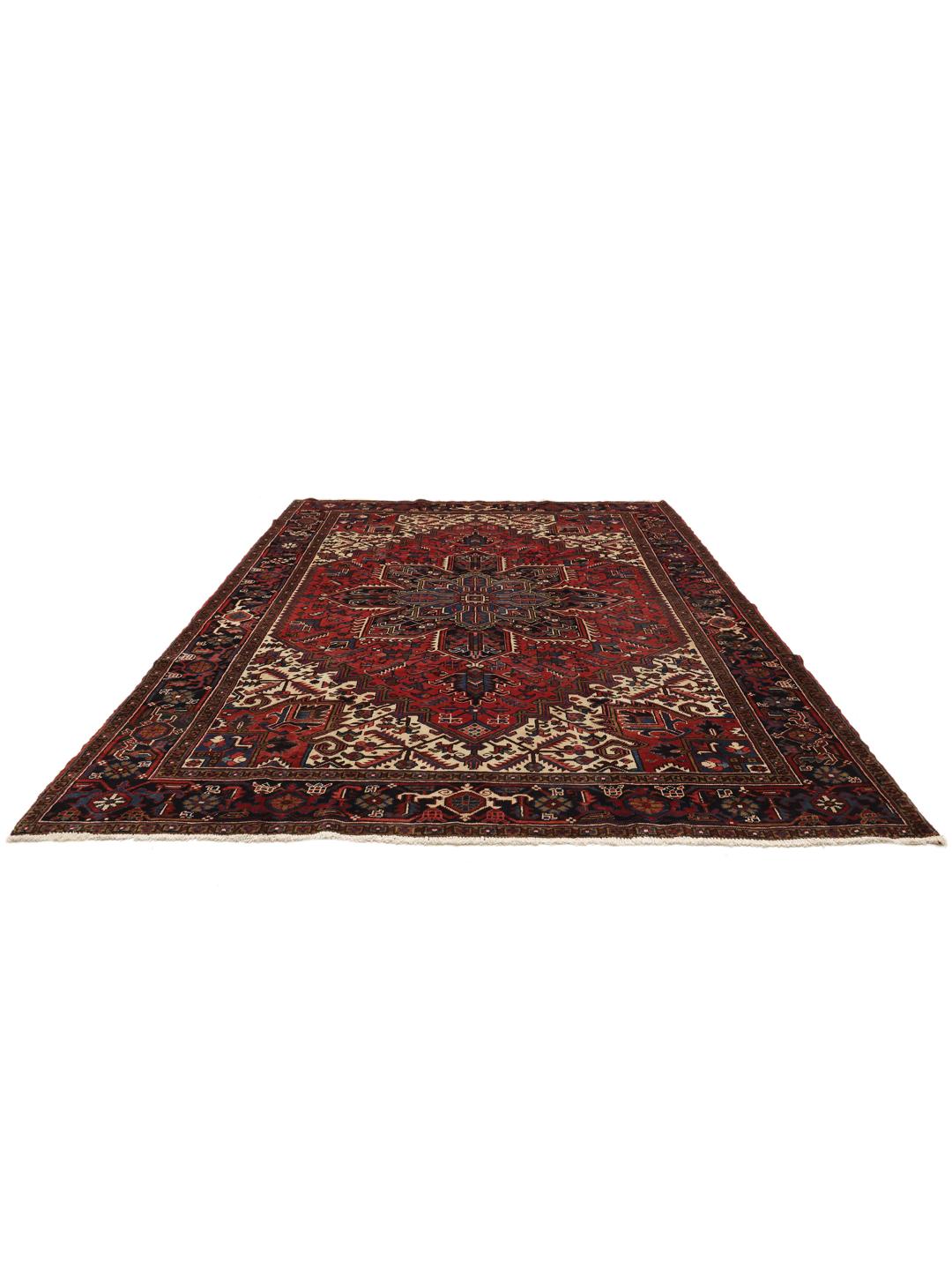
Heriz rugs originate from the rugged, mountainous region of Northwest Middle East, near the city of Tabriz. This area is famous for its distinct weaving tradition, which has evolved over centuries to produce some of the most durable and visually striking rugs in the world. The designs are heavily influenced by the harsh, beautiful landscape of the region, leading to a style that is celebrated for its boldness and structural strength.
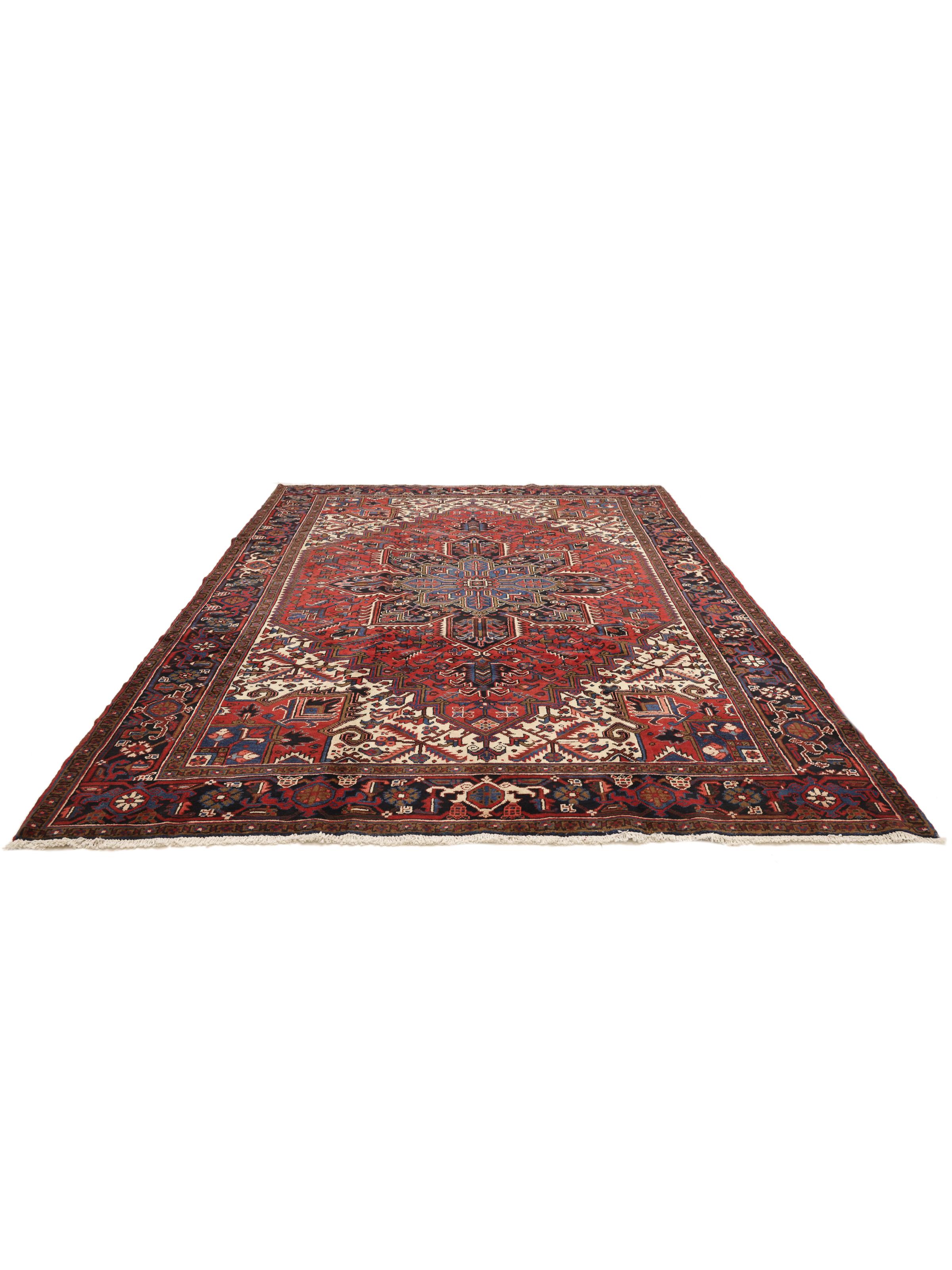
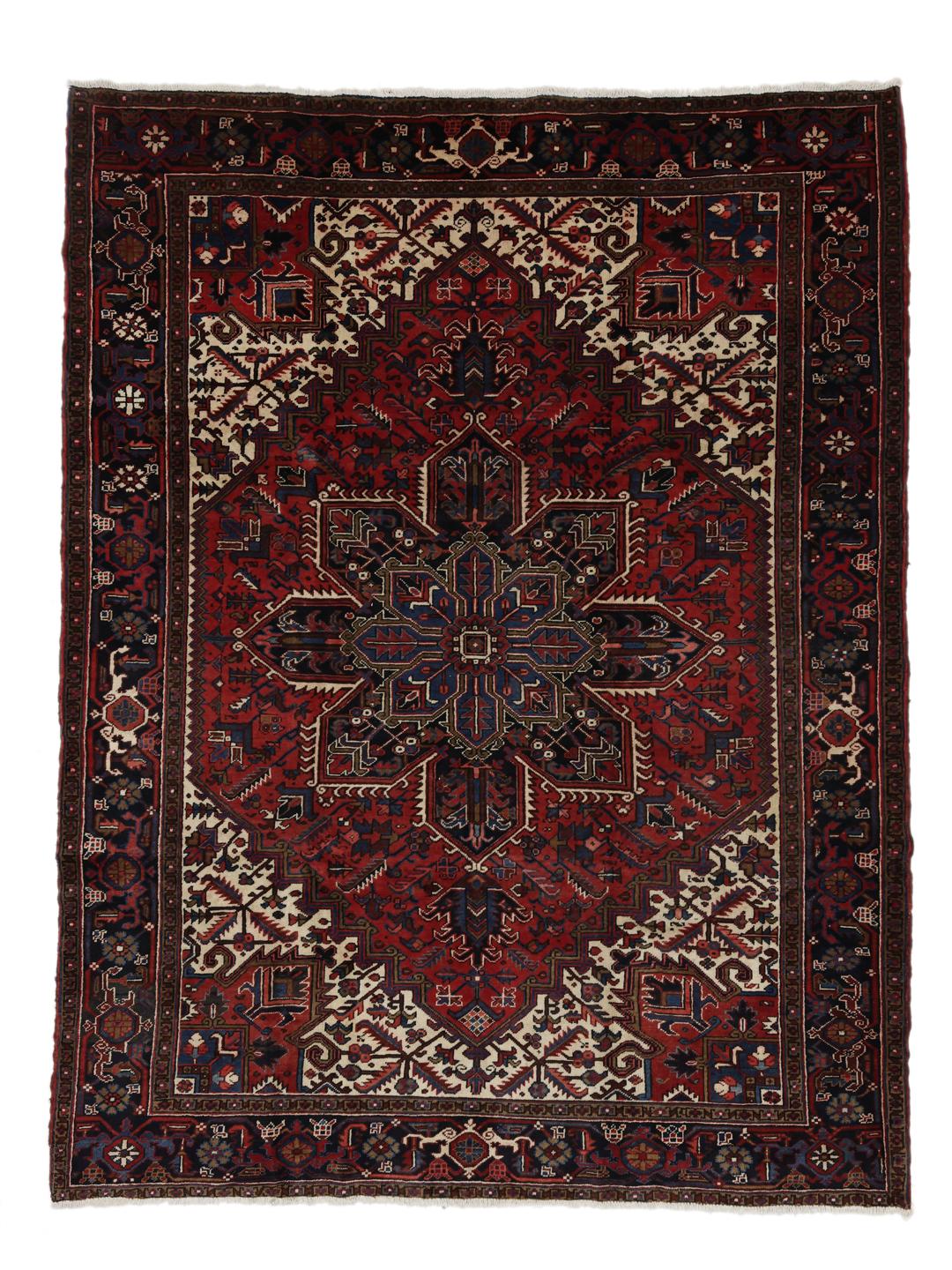
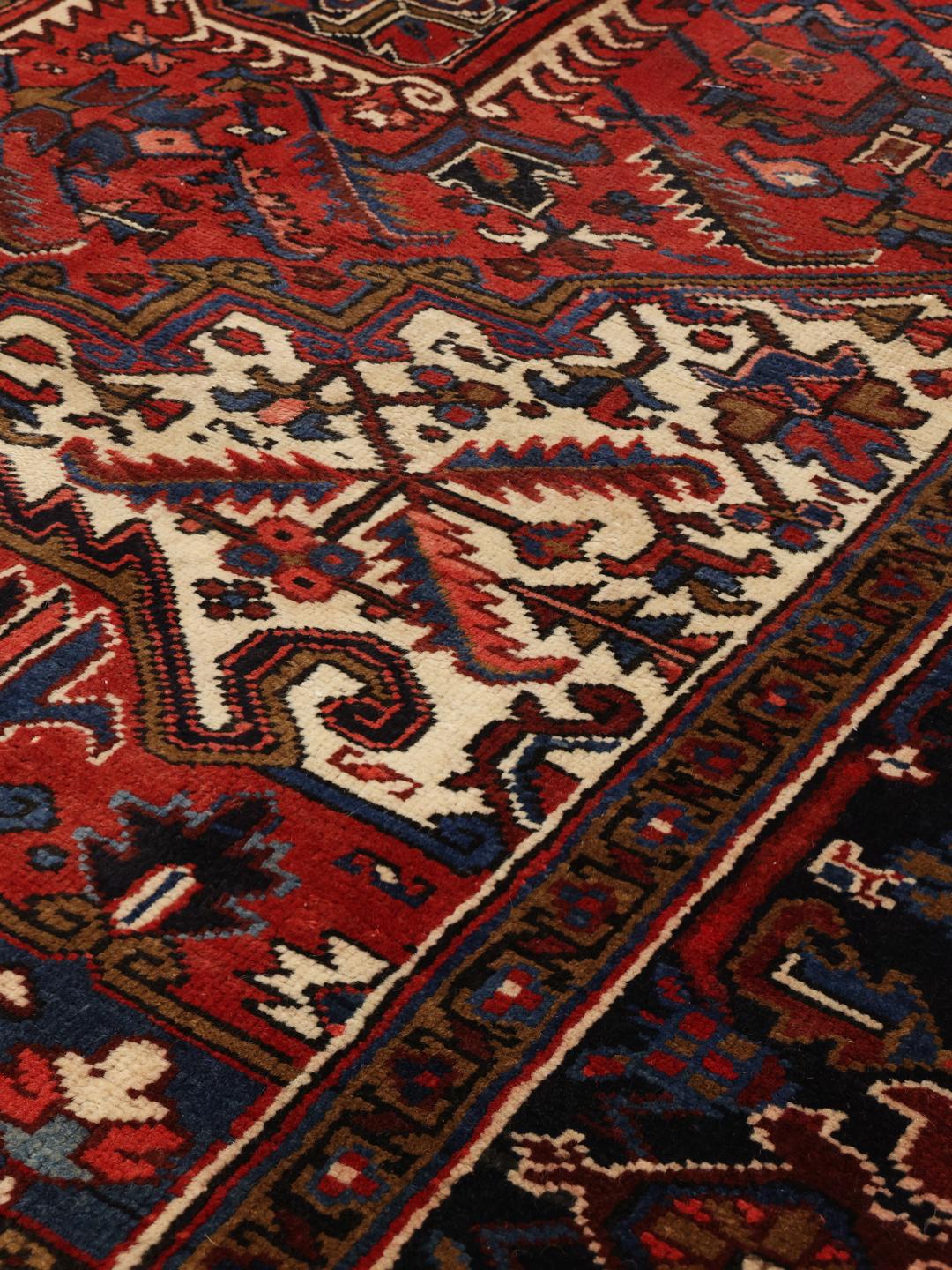
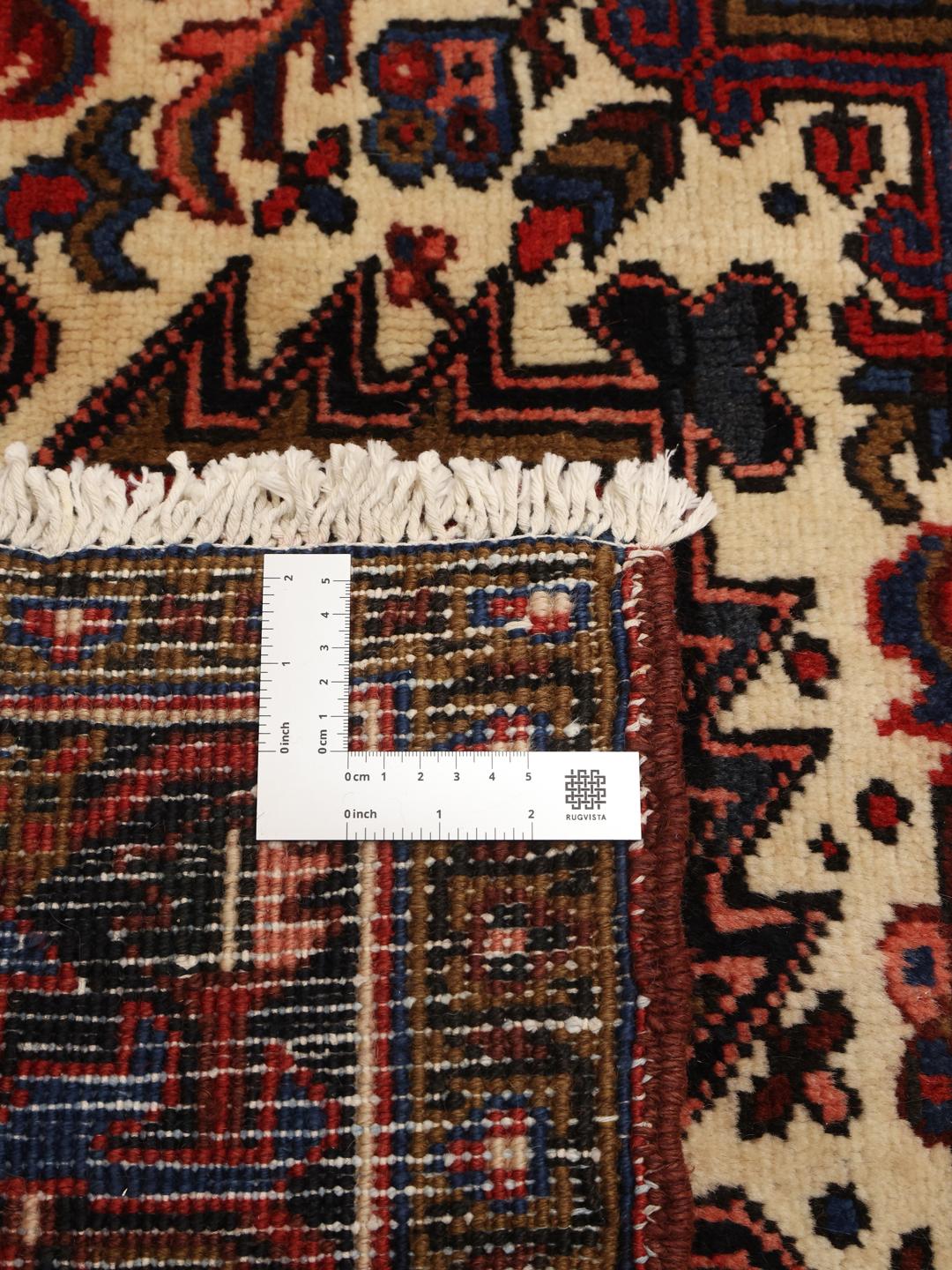
The term Heriz typically refers to rugs that feature a large, dominant central medallion, often with angular or geometric floral motifs. Unlike the delicate, curvilinear patterns found in other regions, Heriz rugs are known for their strong, architectural lines. This geometric approach is not just an aesthetic choice; it is a signature of the local weaving style that prioritises bold, recognisable patterns that can be seen and appreciated from a distance.
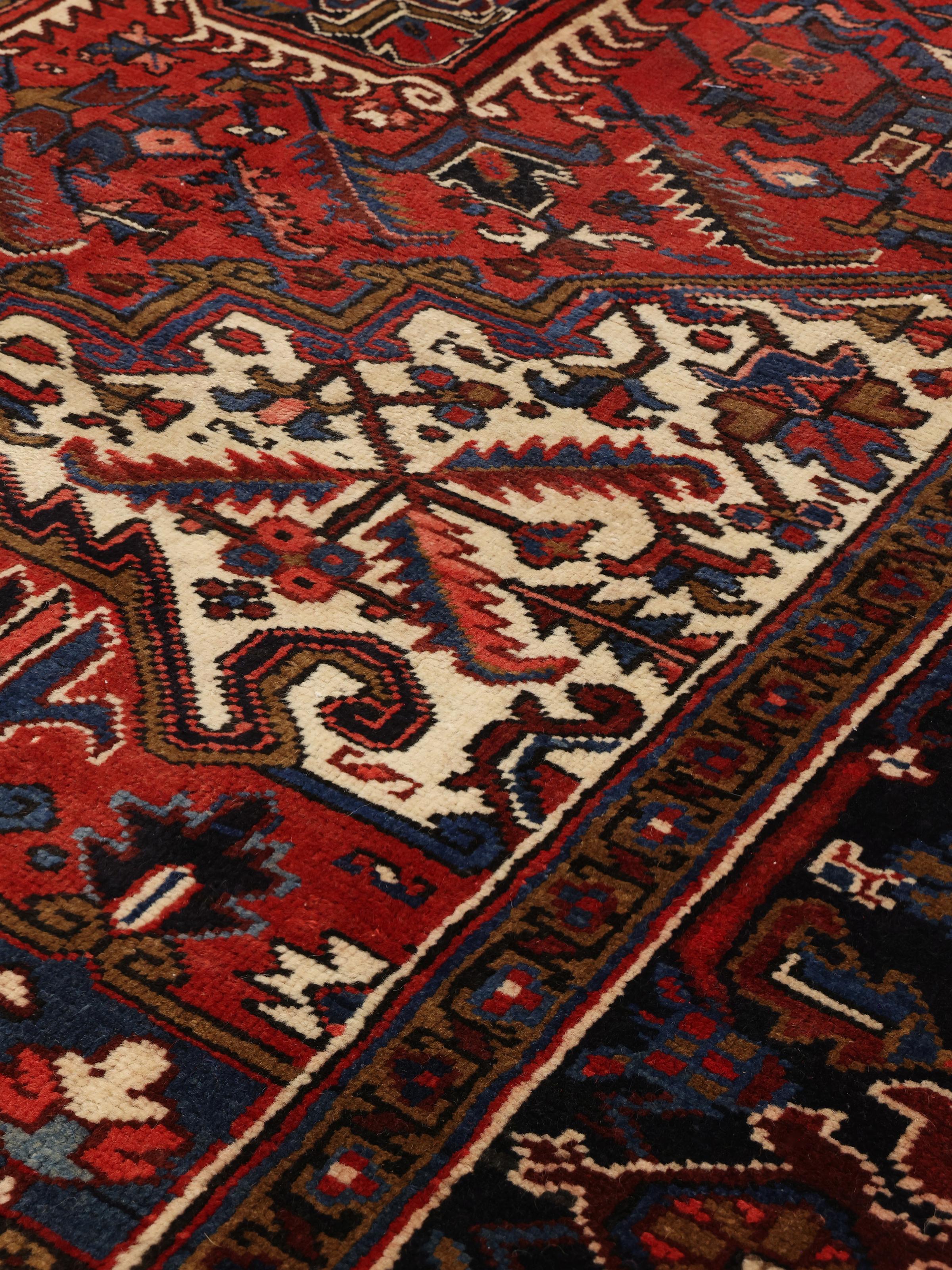
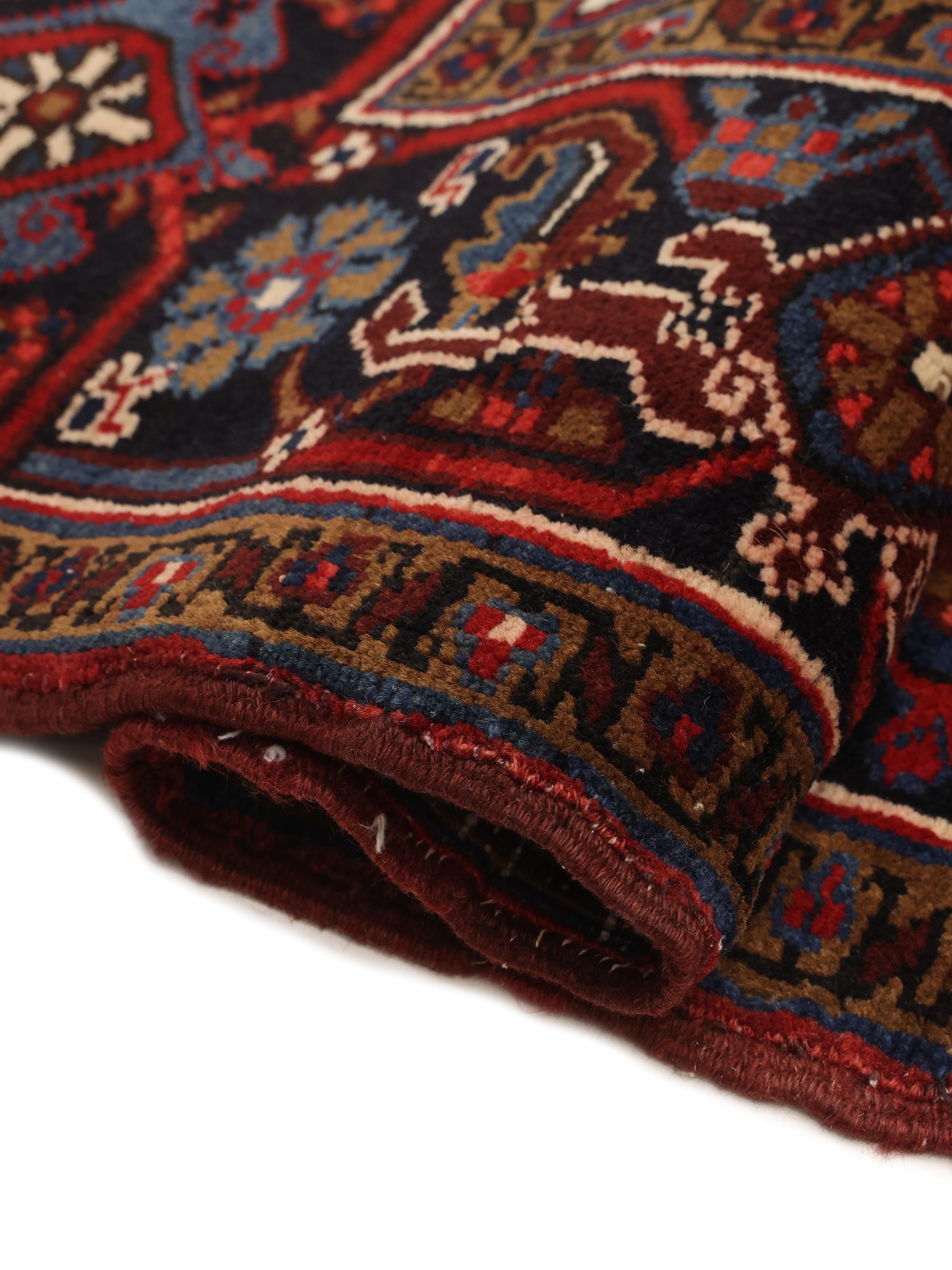
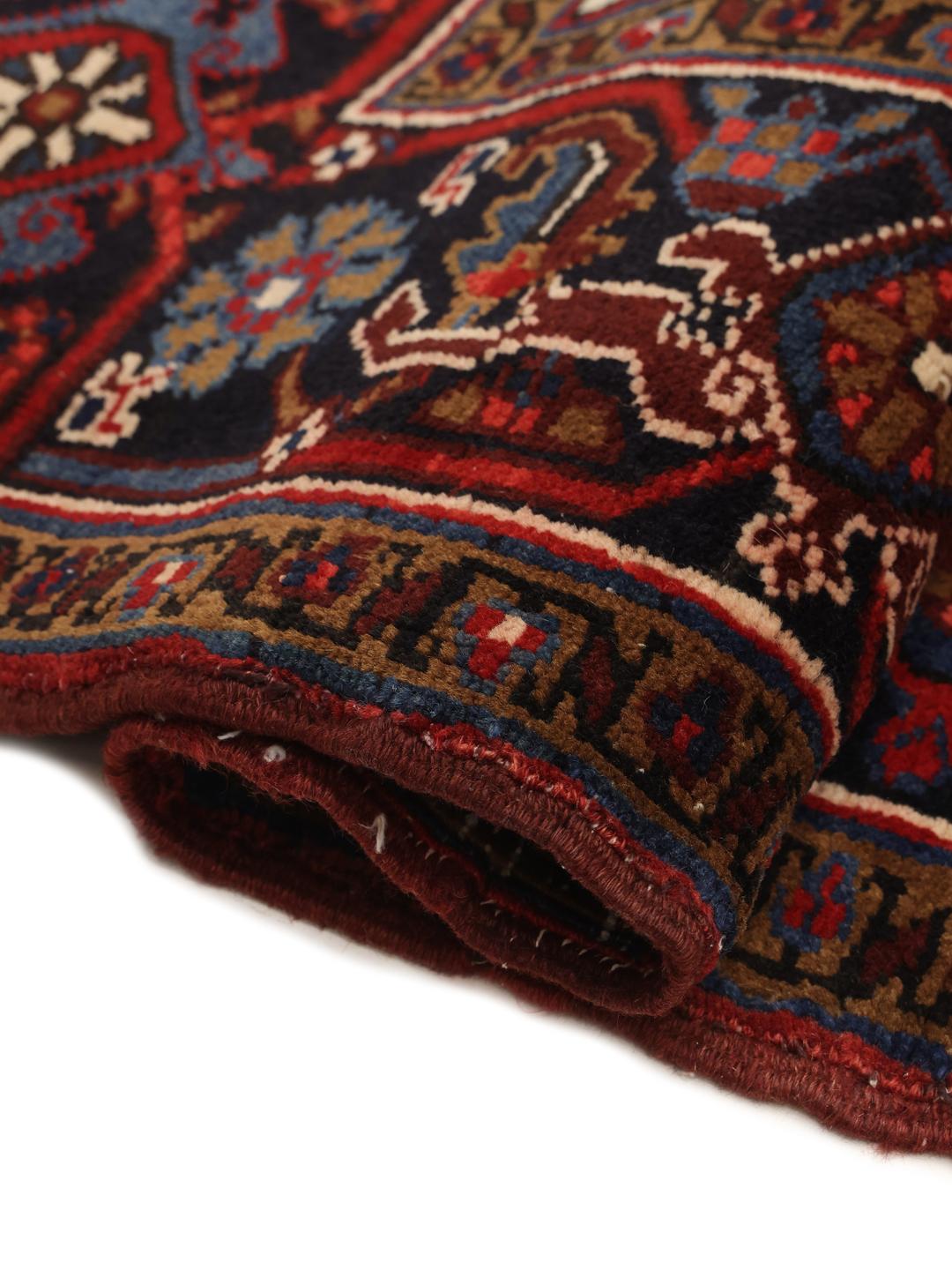
One of the most defining characteristics of a traditional Heriz is the use of rich, deep colours, particularly strong reds and earthy blues. These colours are traditionally derived from natural dyes, which develop a beautiful, muted patina as they age. The inclusion of intricate corner spandrels and a wide, formal border is a classic feature that frames the central medallion, creating a balanced and harmonious composition that is highly sought after by collectors.
Owning a Heriz rug is a way to connect with a long-standing tradition of craft that values longevity above all else. These rugs are often passed down through families, becoming heirlooms that tell a story of regional skill and cultural pride. Their reputation for resilience and their iconic, timeless aesthetic have made them a staple in fine homes worldwide, favoured for their ability to bring a sense of history and warmth to any interior.