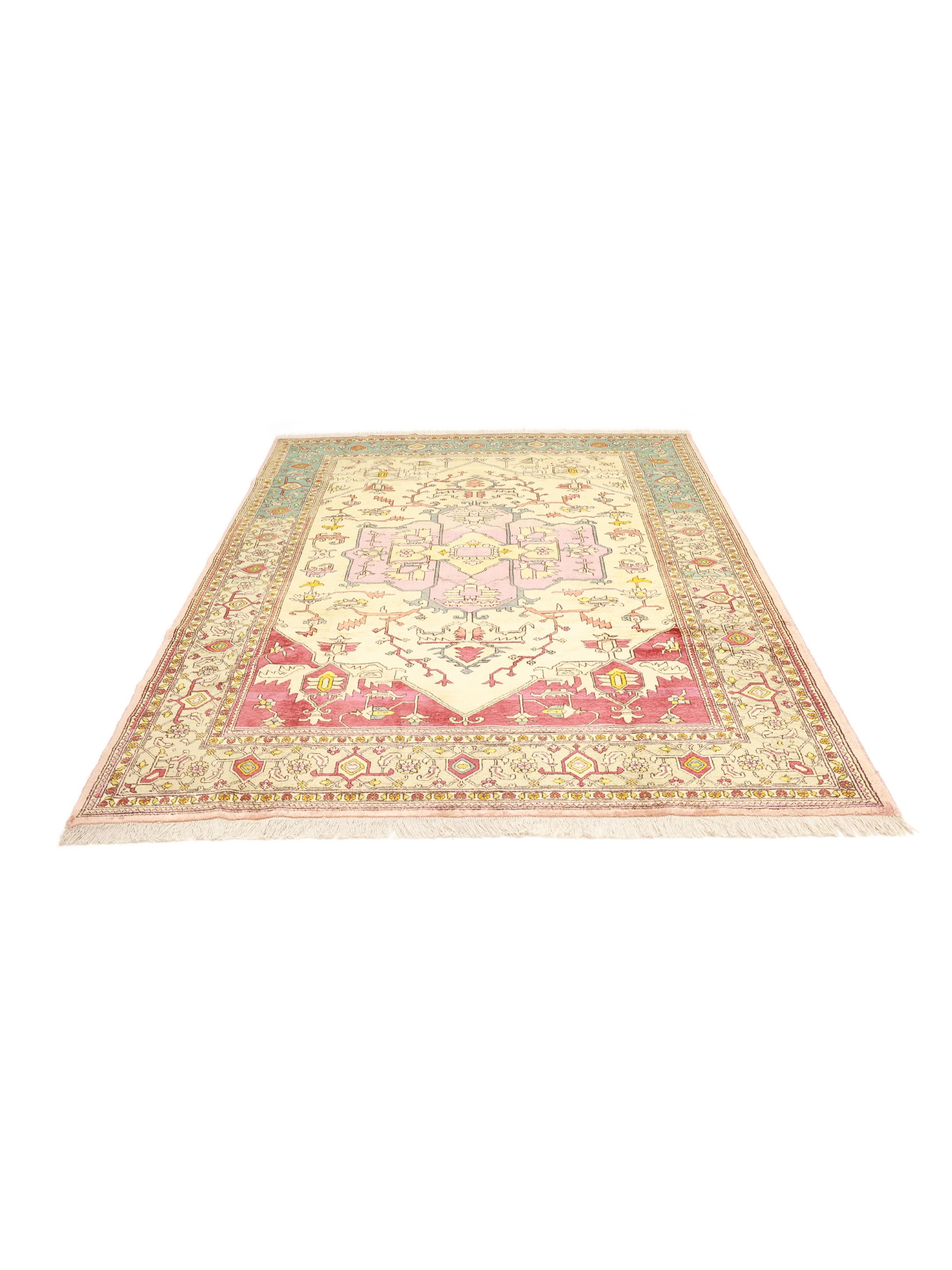
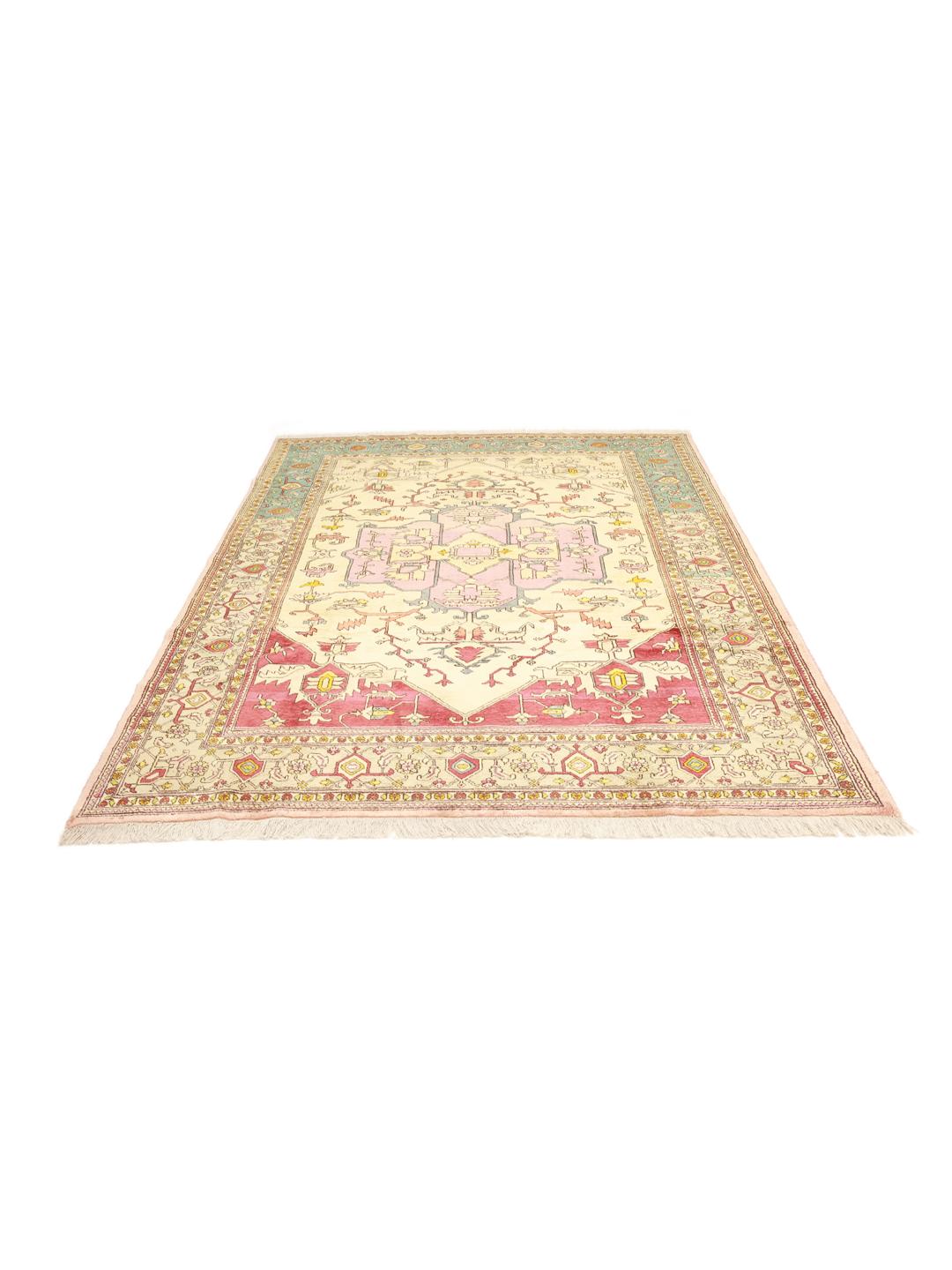
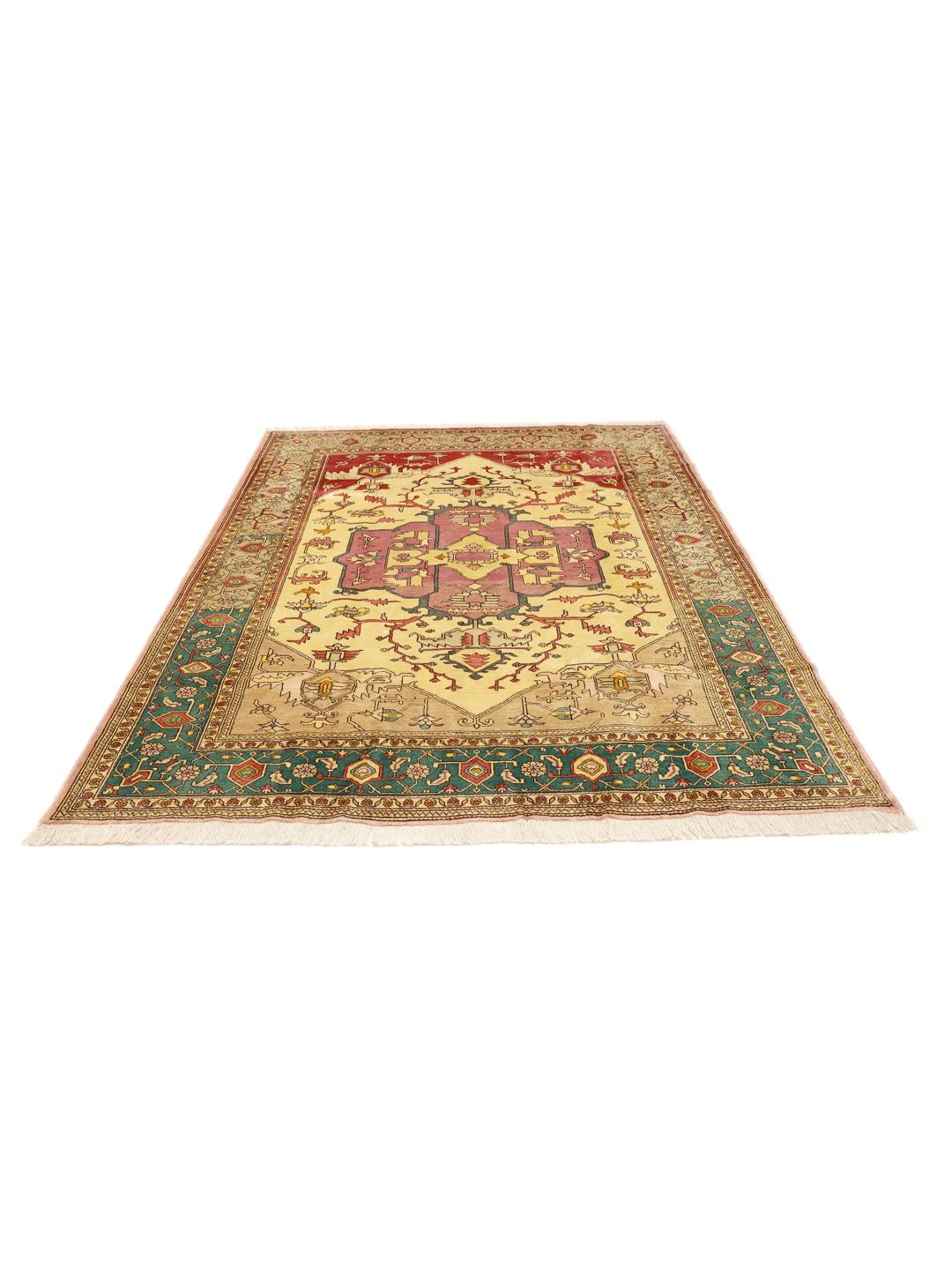
Heriz rugs originate from the rugged, mountainous regions of Northwest Middle East, near the base of Mount Sabalan. This area has long been a hub for weaving, where the local weavers have cultivated a distinct style that balances the spontaneity of tribal design with the structured formality of traditional medallion arrangements.
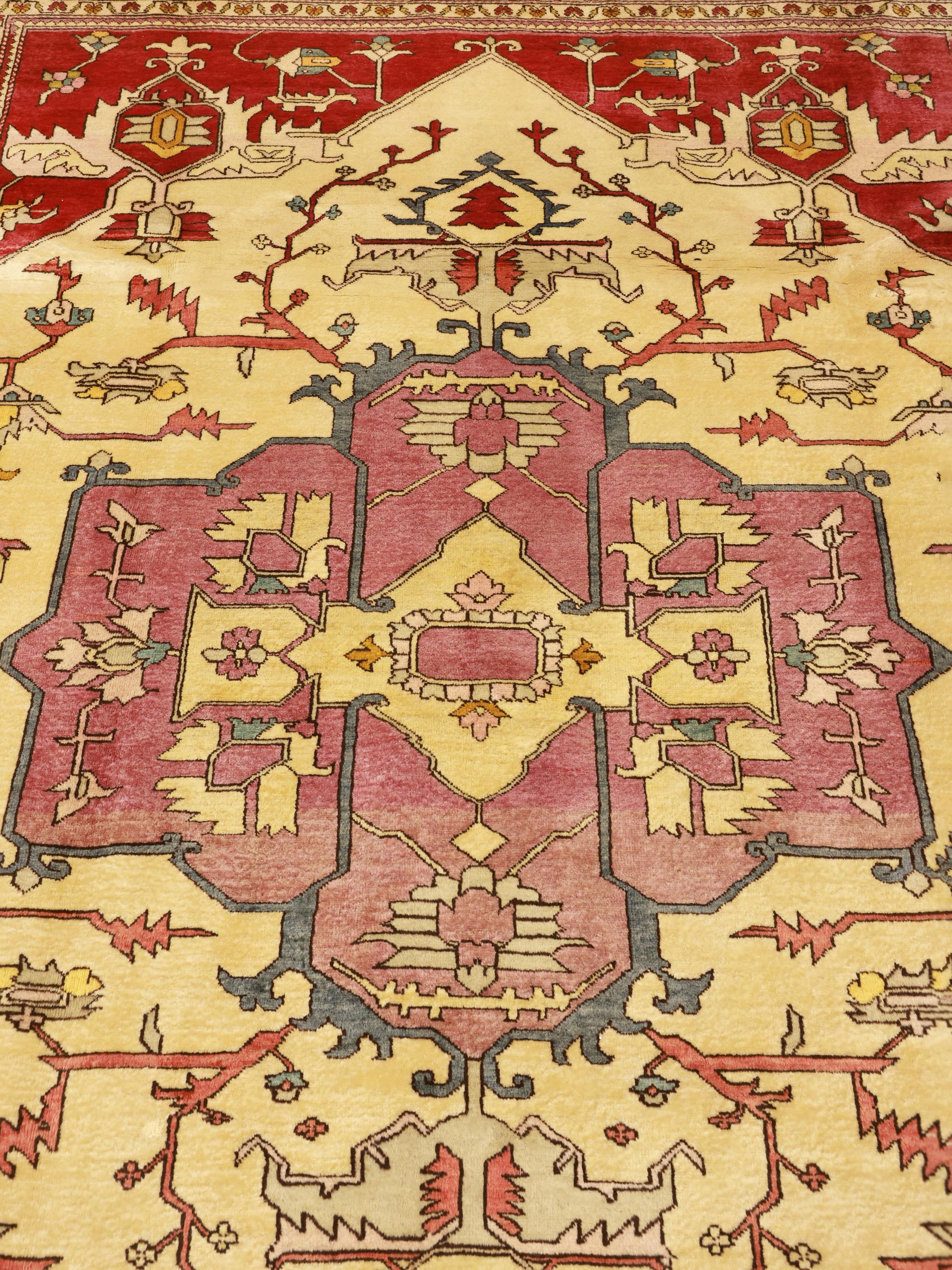
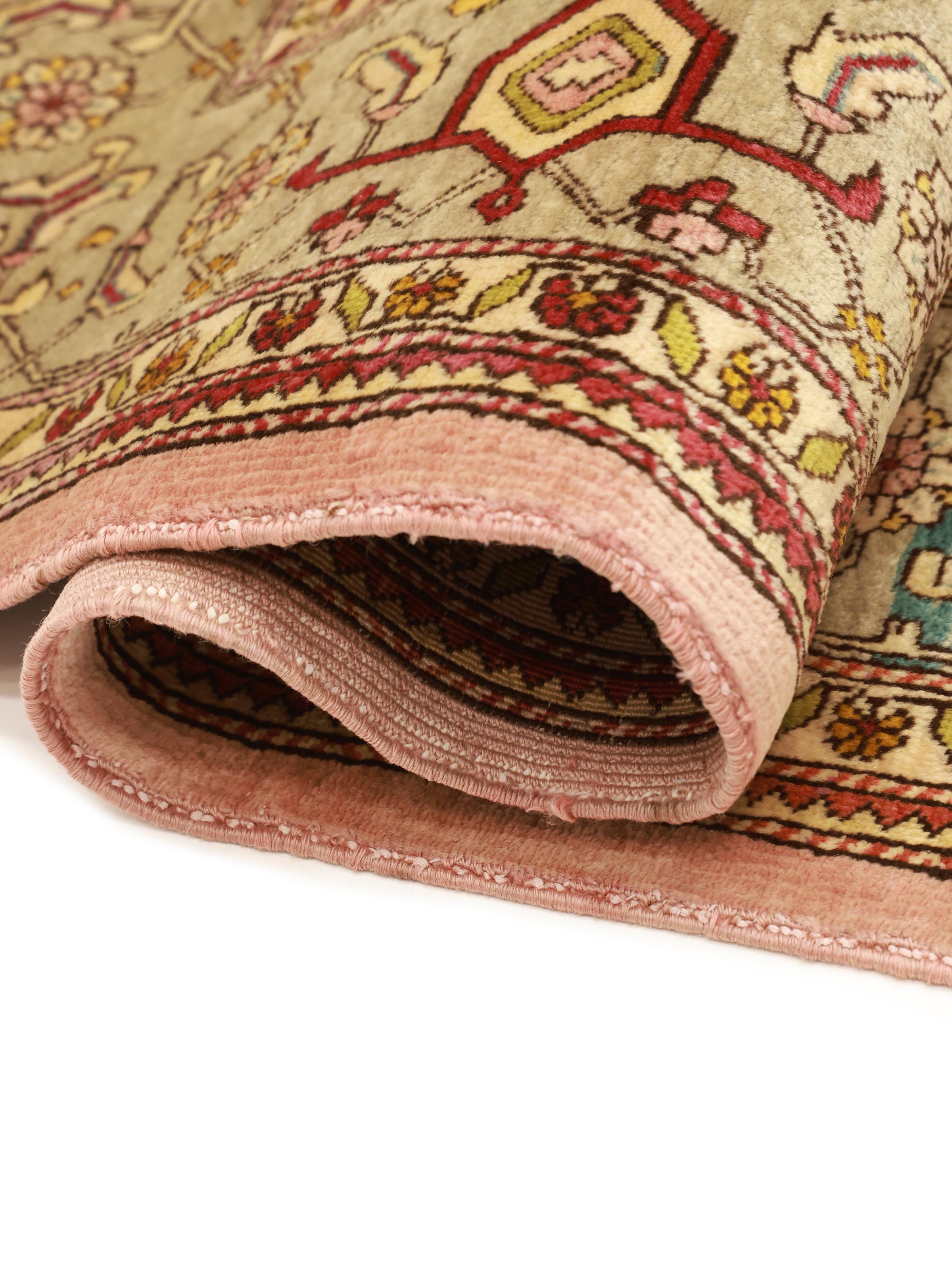
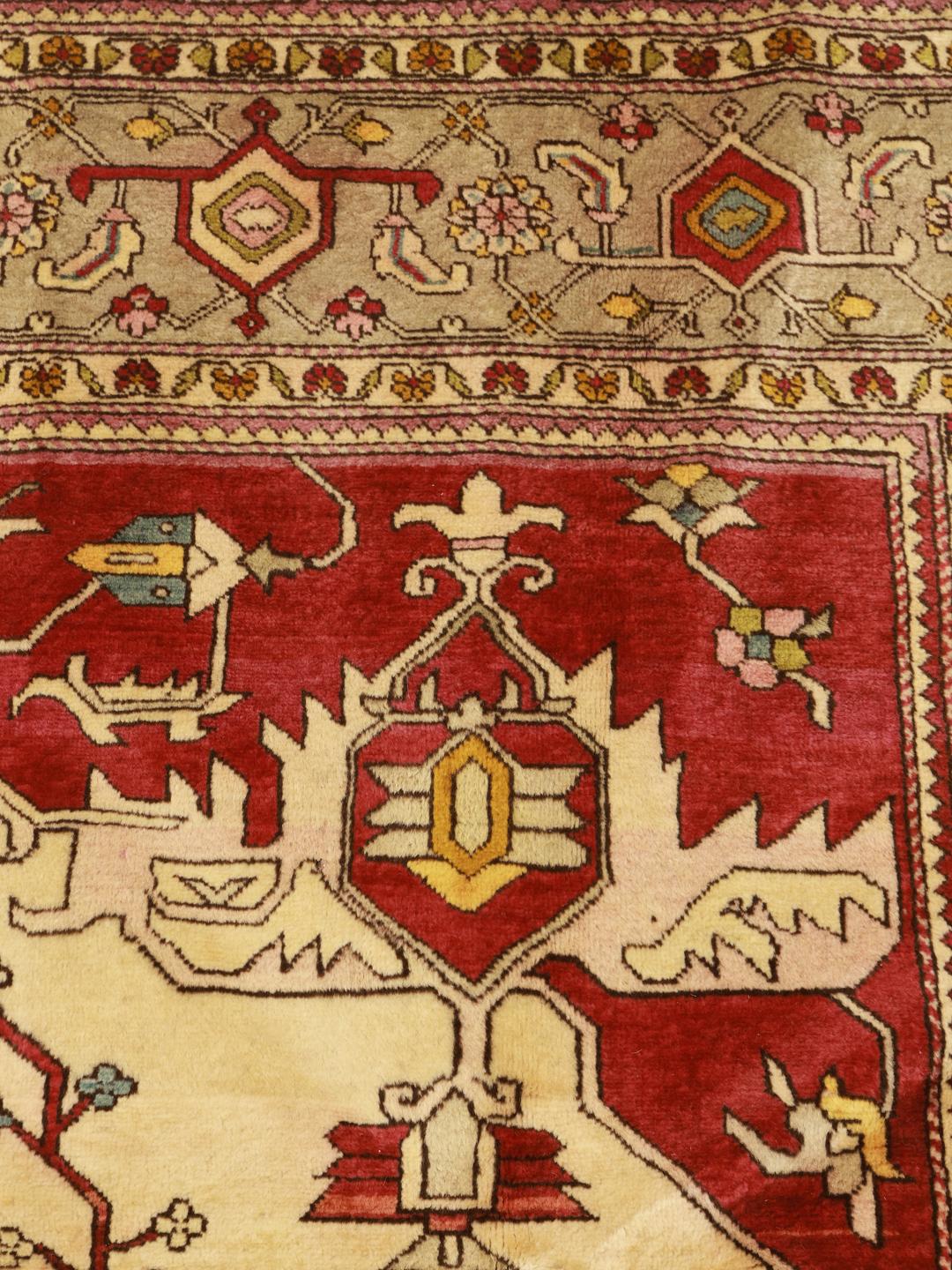
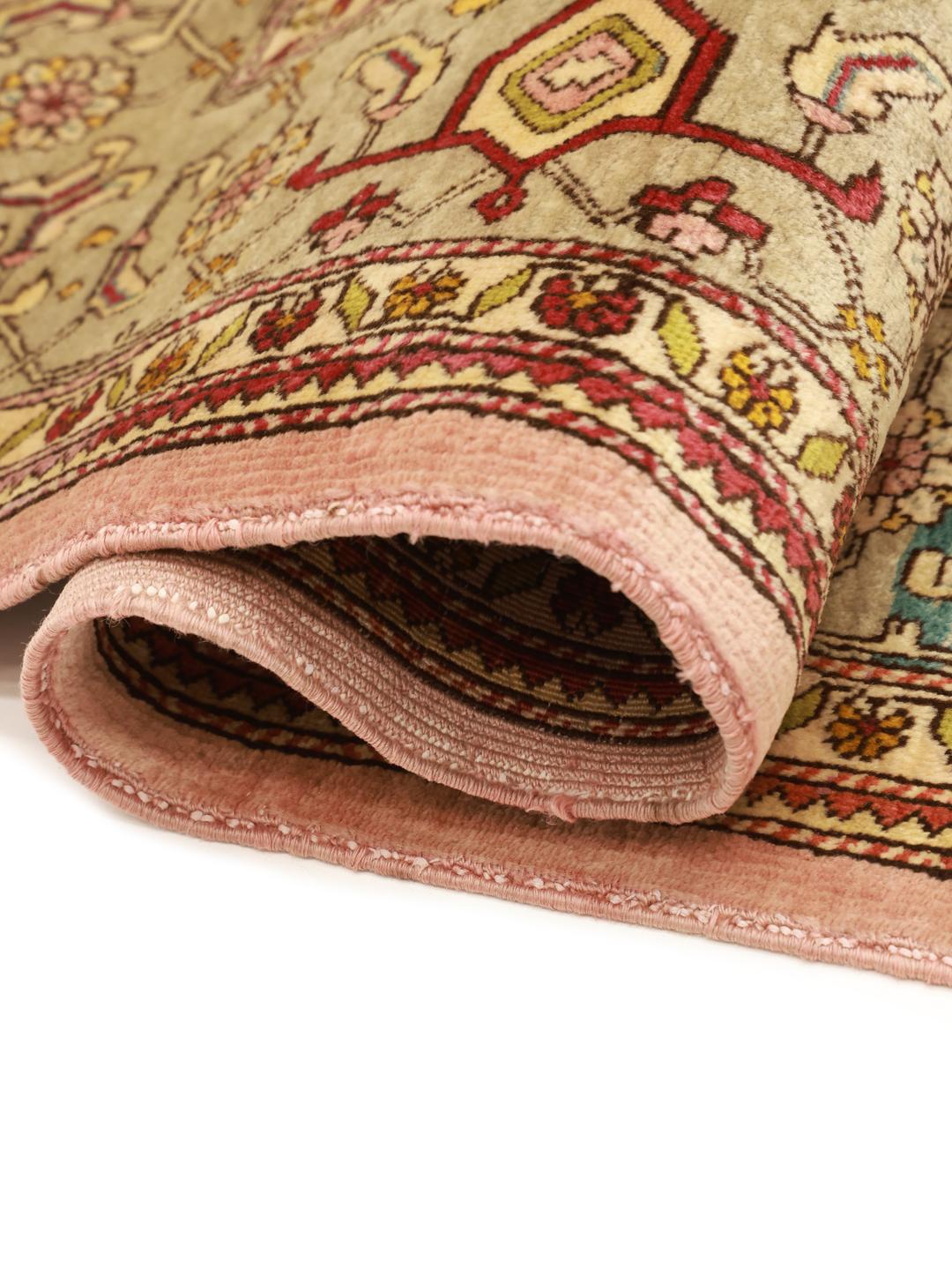
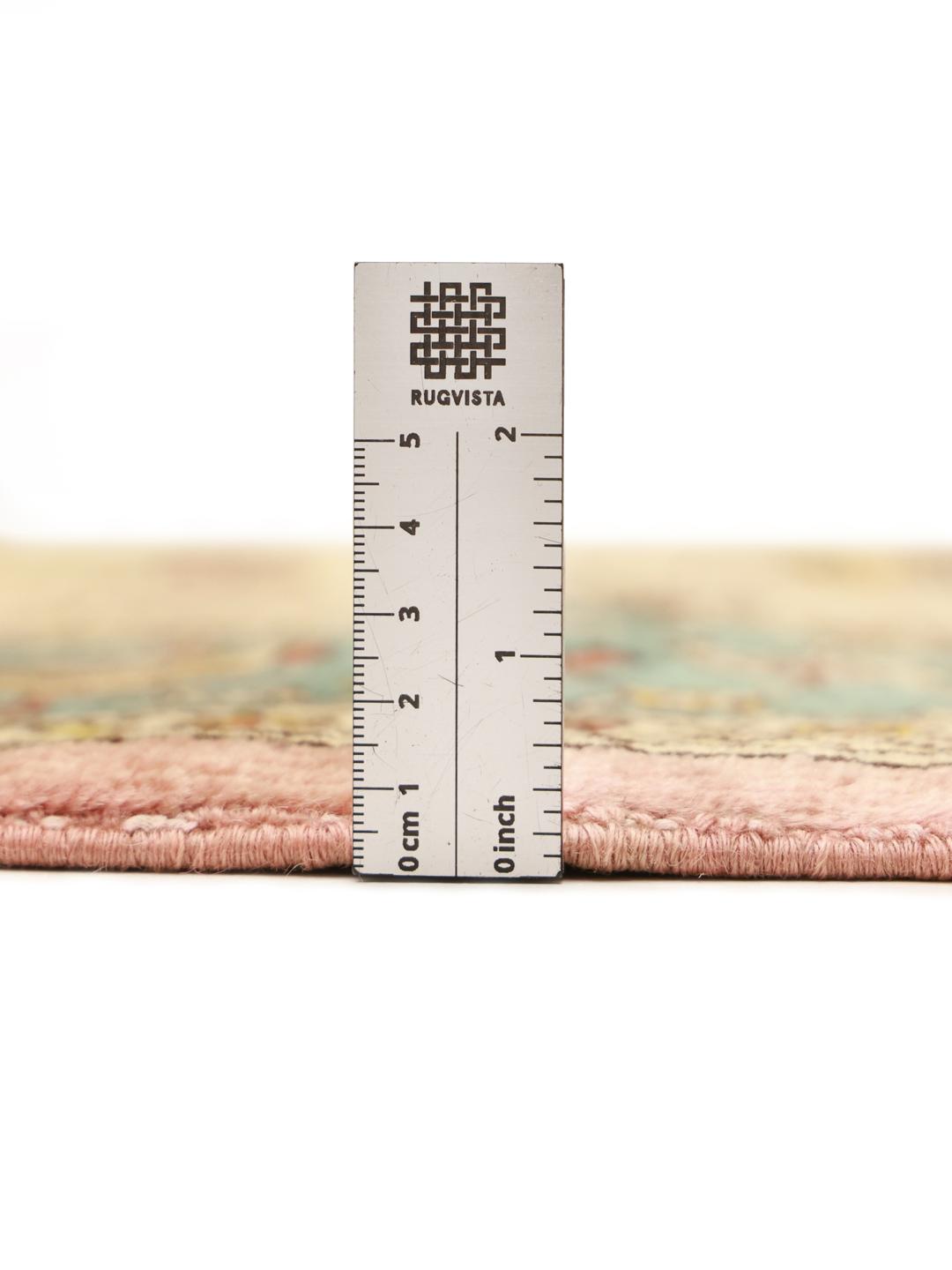
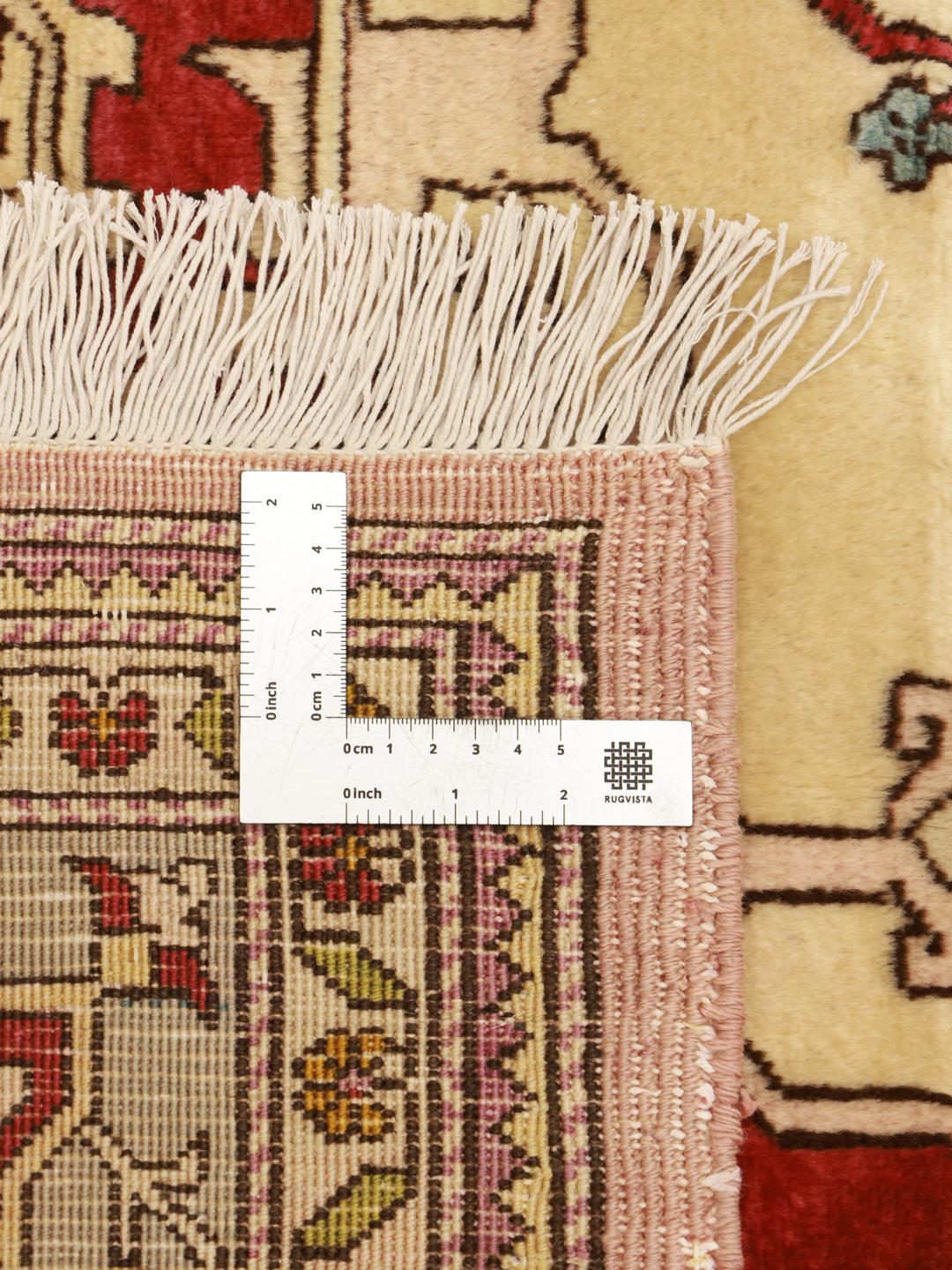
The construction of a Heriz is famously robust, often utilising a sturdy foundation that allows for a thick, resilient pile. This technical approach is not merely for aesthetics; it was developed to ensure the rugs could withstand the harsh climate and active use within traditional village homes, resulting in a reputation for longevity that makes them highly sought after by collectors.
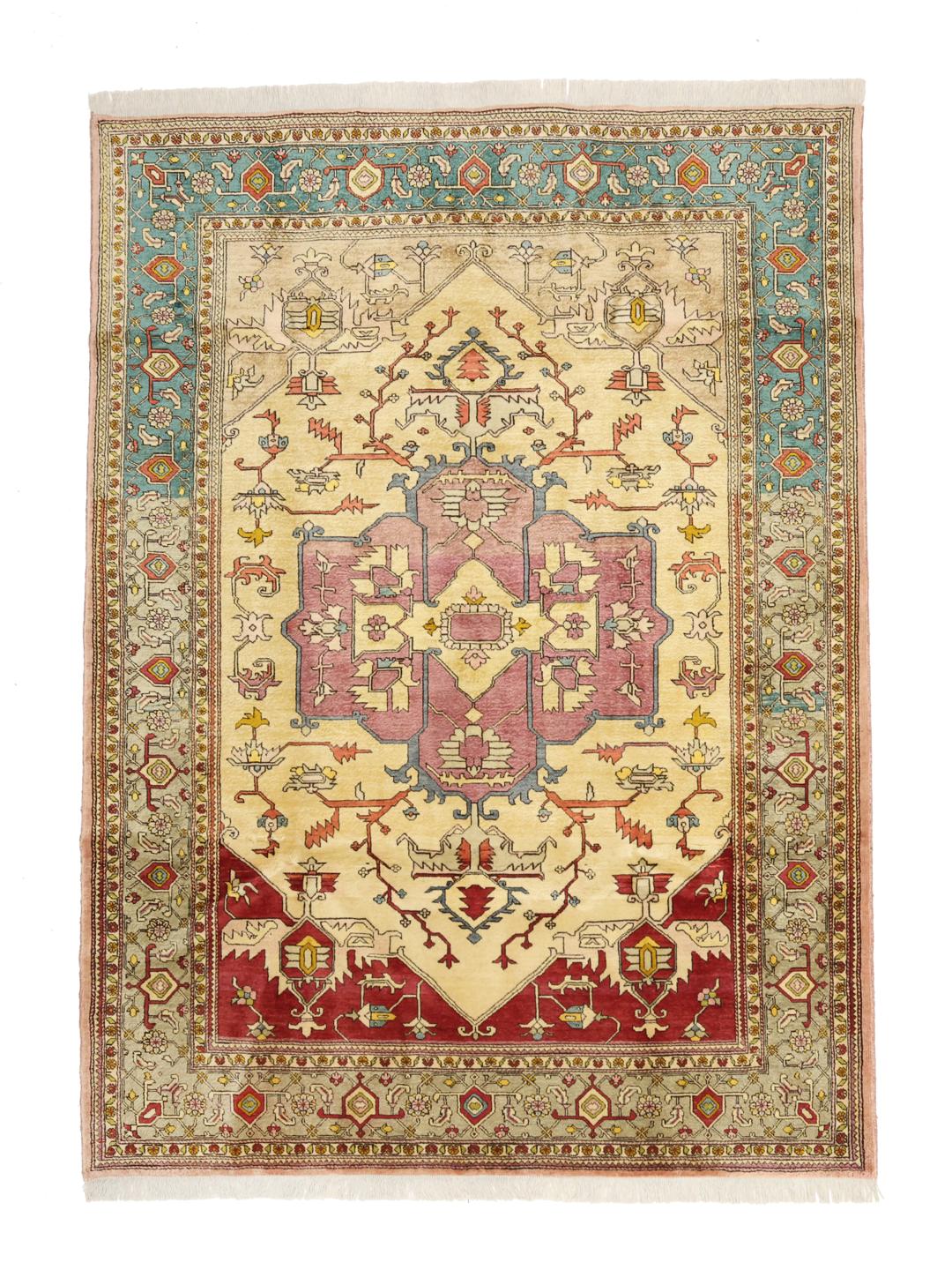
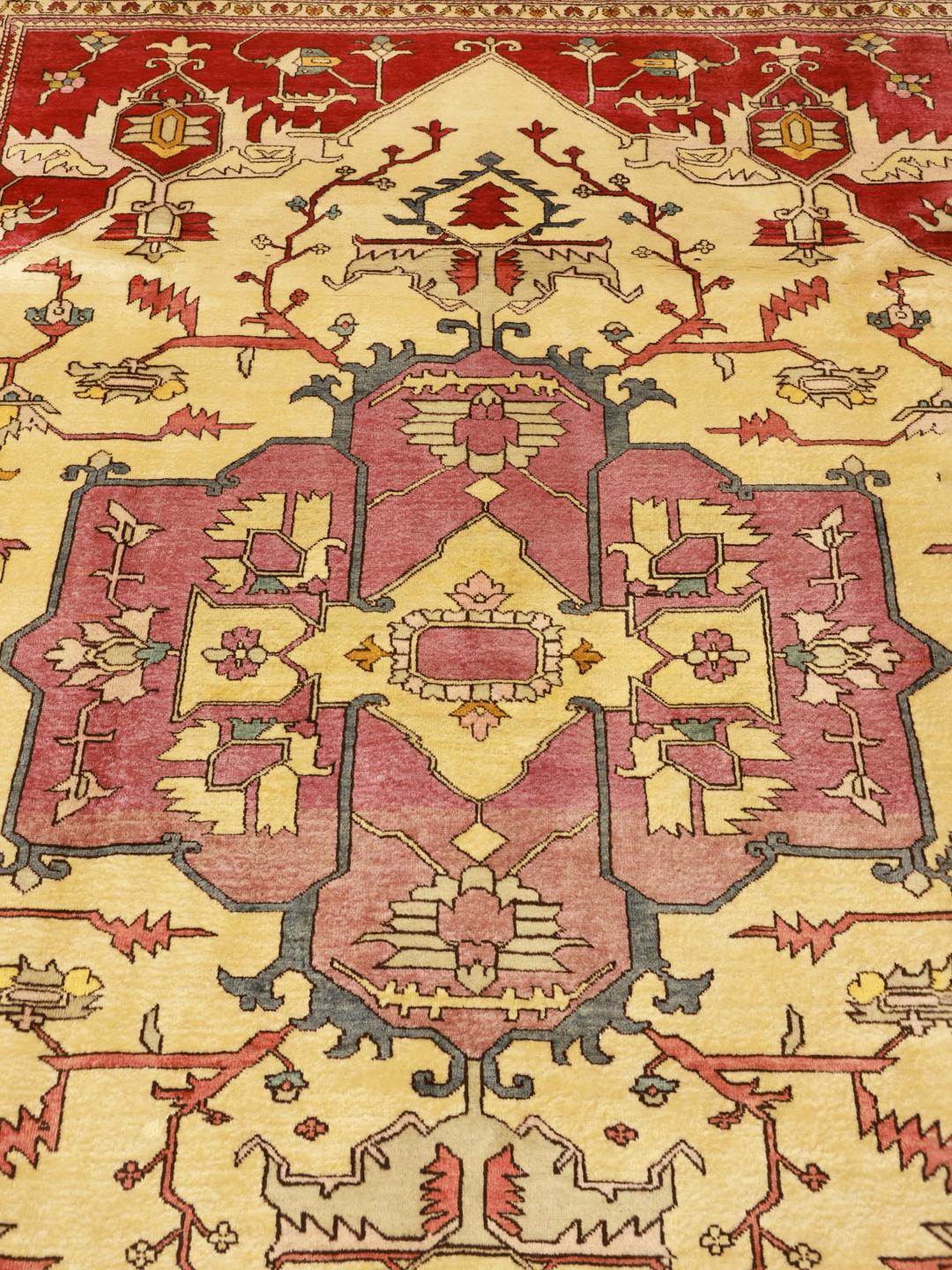
Visually, these rugs are defined by their bold, rectilinear approach to classic motifs. The signature look often features a large, angular central medallion that dominates the field, surrounded by stylised floral elements and geometric vines. While many rugs from this region follow traditional colour palettes, the use of deep reds, soft blues, and warm ivories is a hallmark that gives them their timeless, majestic presence.
Owning a Heriz is a testament to the endurance of traditional craftsmanship. These pieces are valued not only for their striking visual impact but for the cultural history embedded in their patterns. As an investment in heritage, a genuine Heriz represents a bridge between ancient weaving traditions and modern interior design, offering a depth of character that mass-produced items cannot replicate.