The art of handloom weaving in India is a practice that stretches back centuries, deeply rooted in the cultural fabric of the region. This tradition has evolved from creating functional textiles for the home to producing sophisticated, modern rugs that are celebrated globally. Indian artisans are renowned for their ability to blend ancestral techniques with contemporary design sensibilities, resulting in pieces that bridge the gap between history and the modern home.
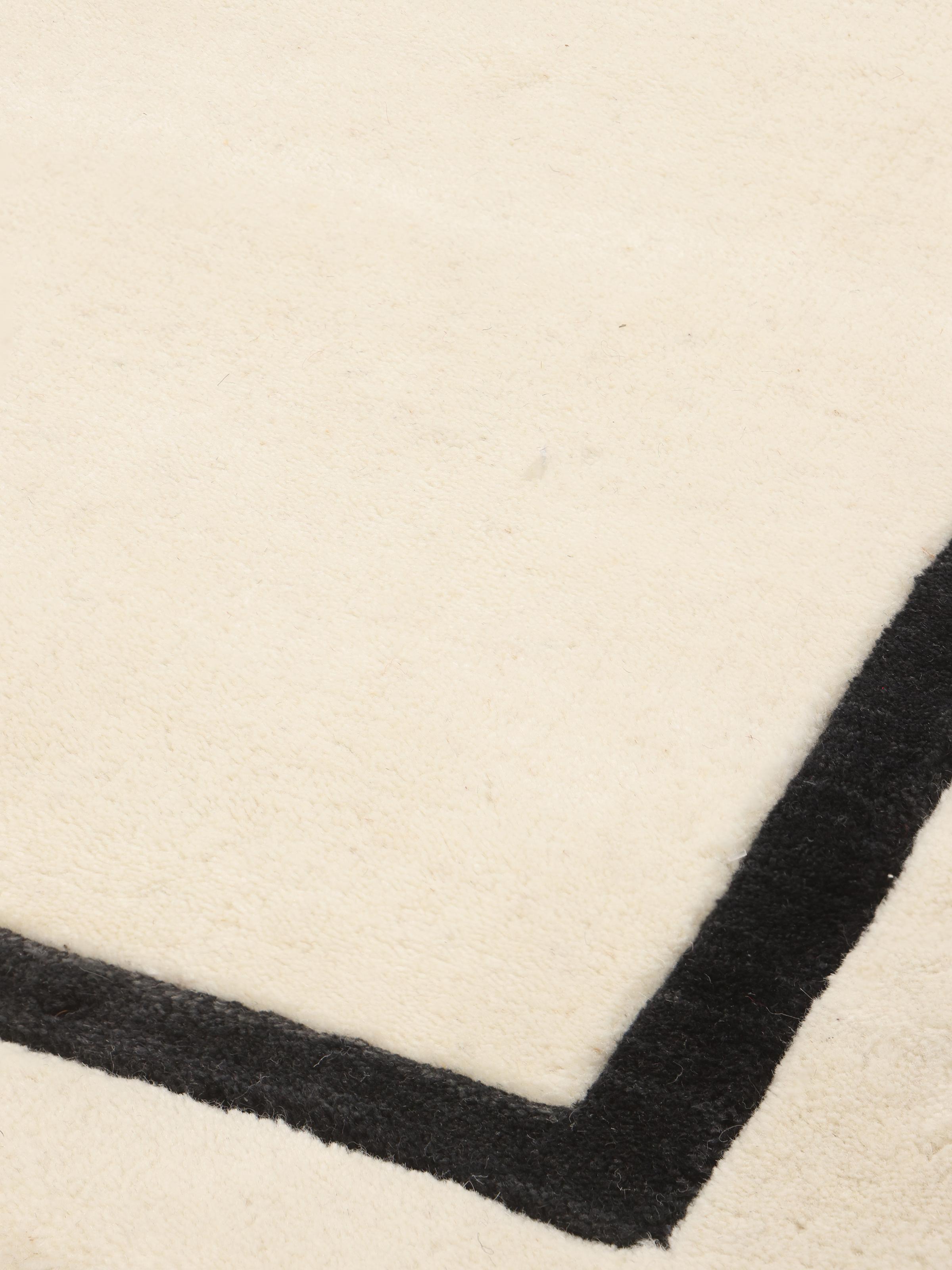
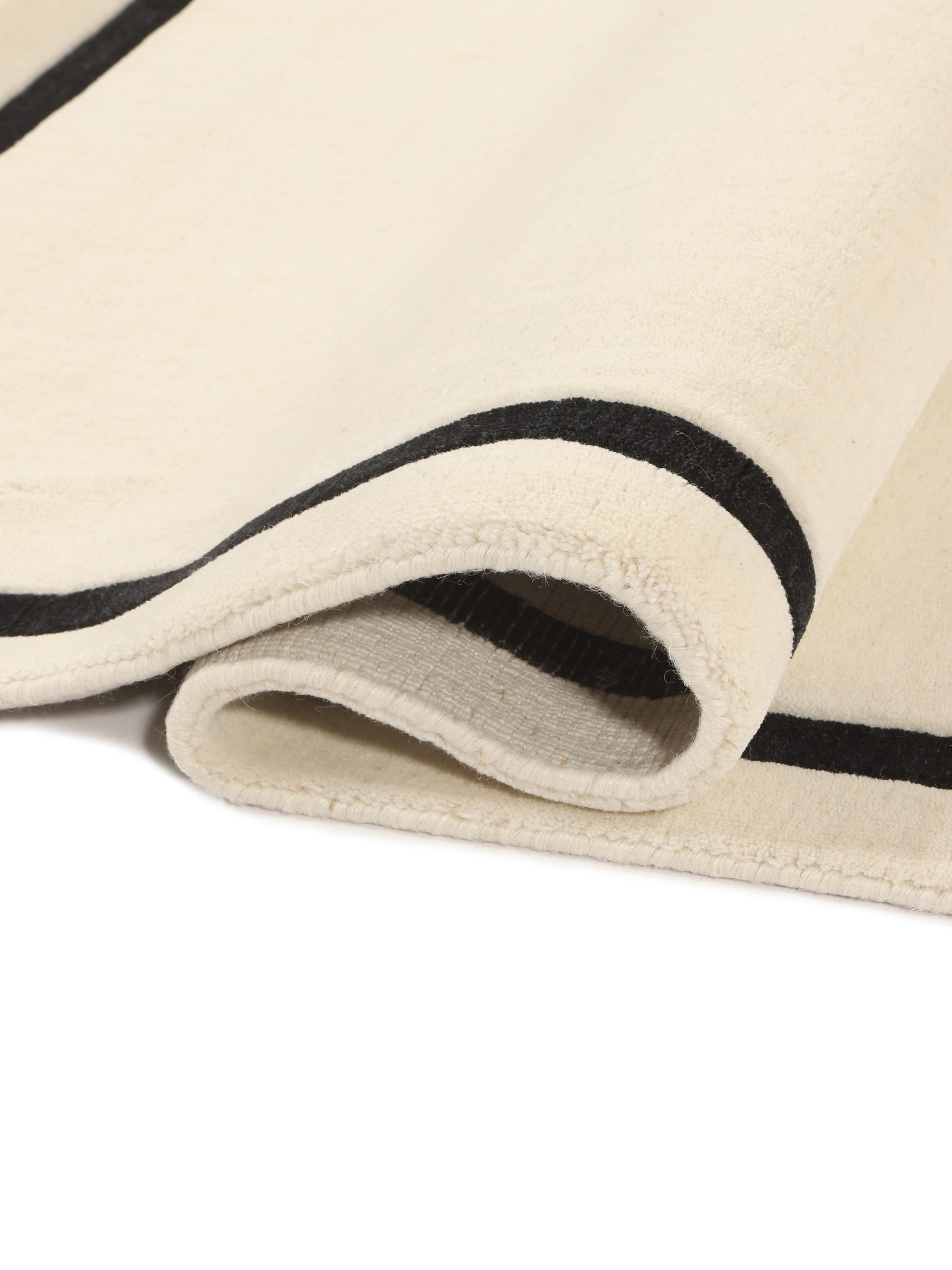
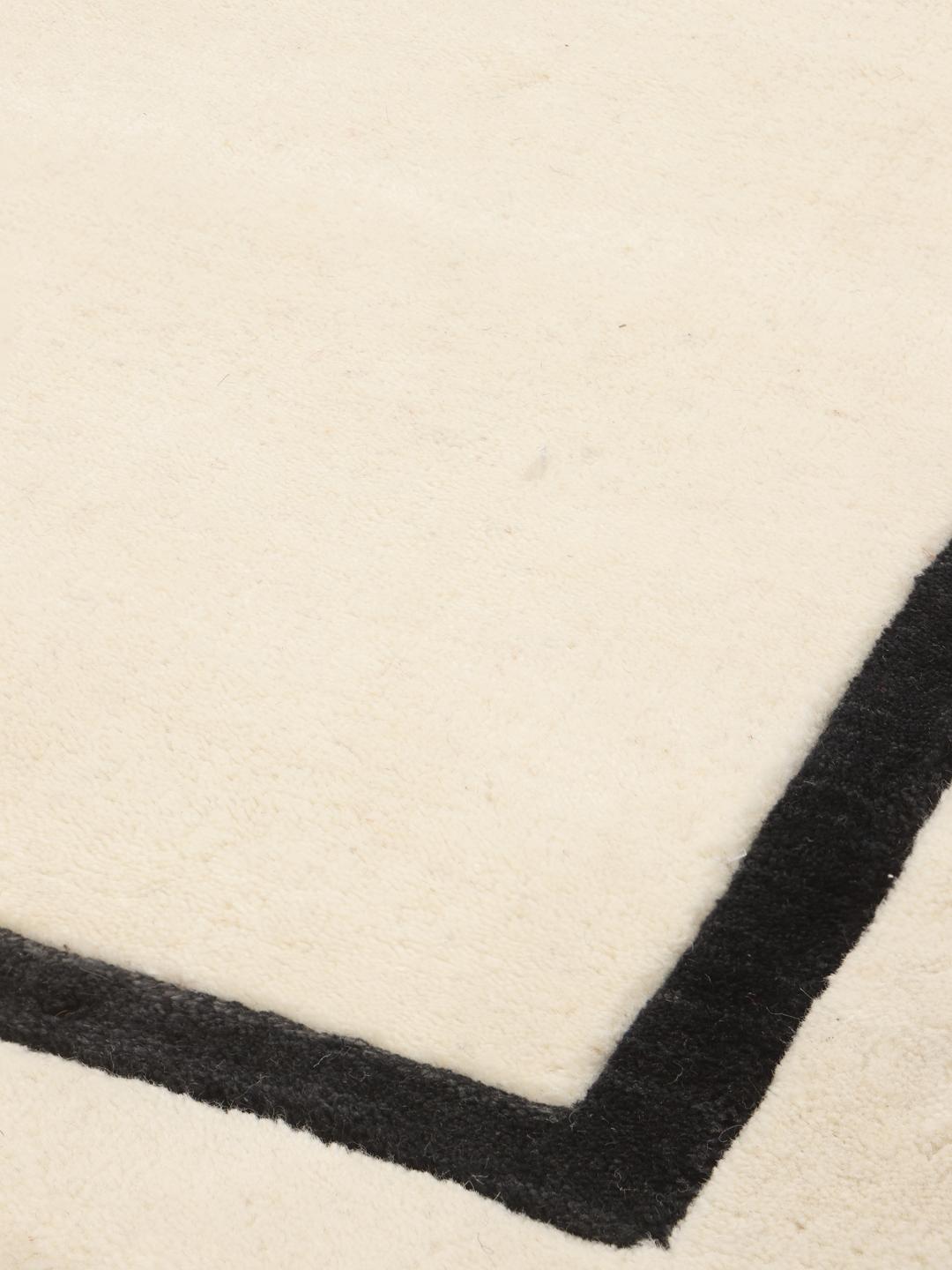
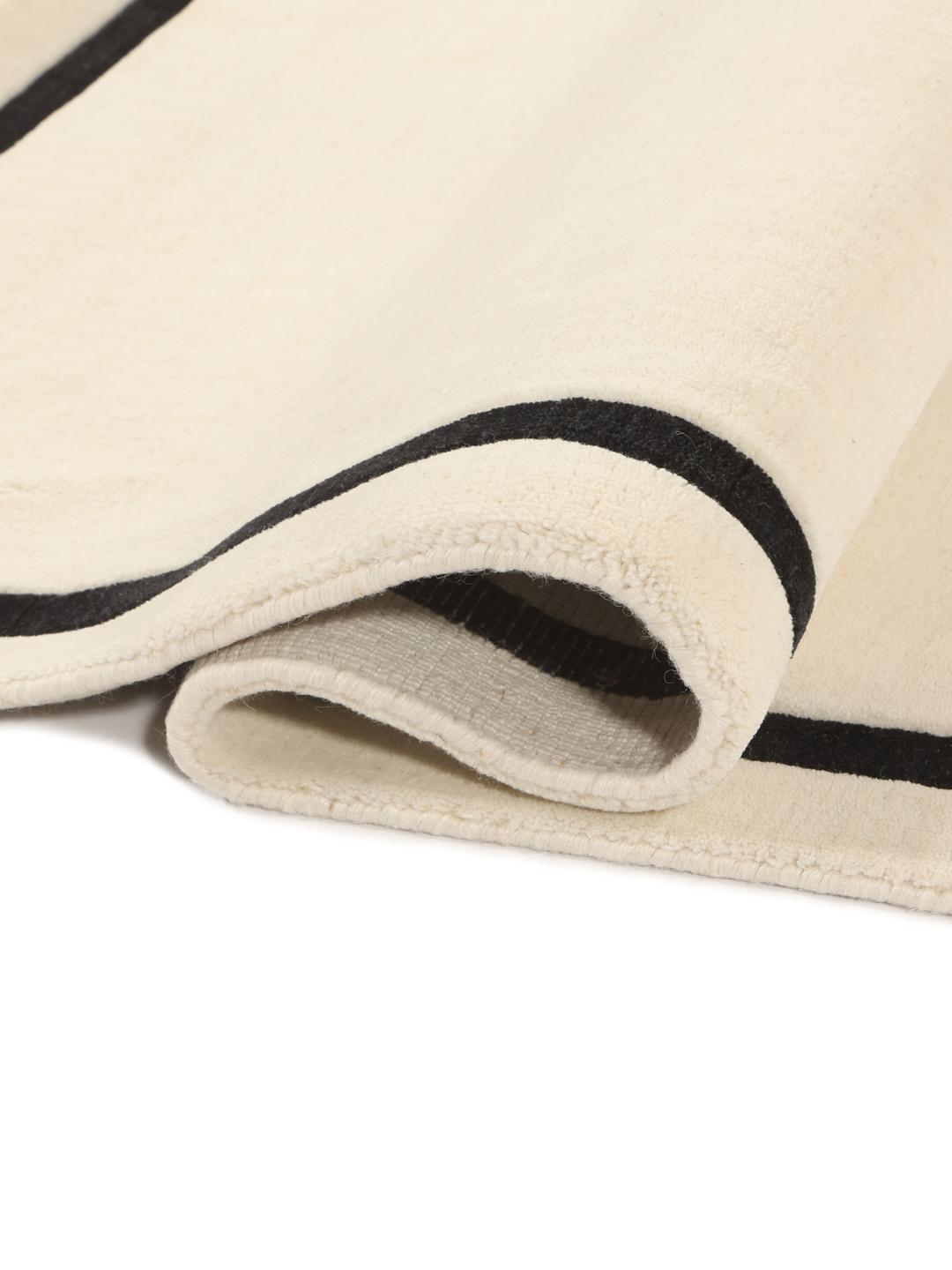
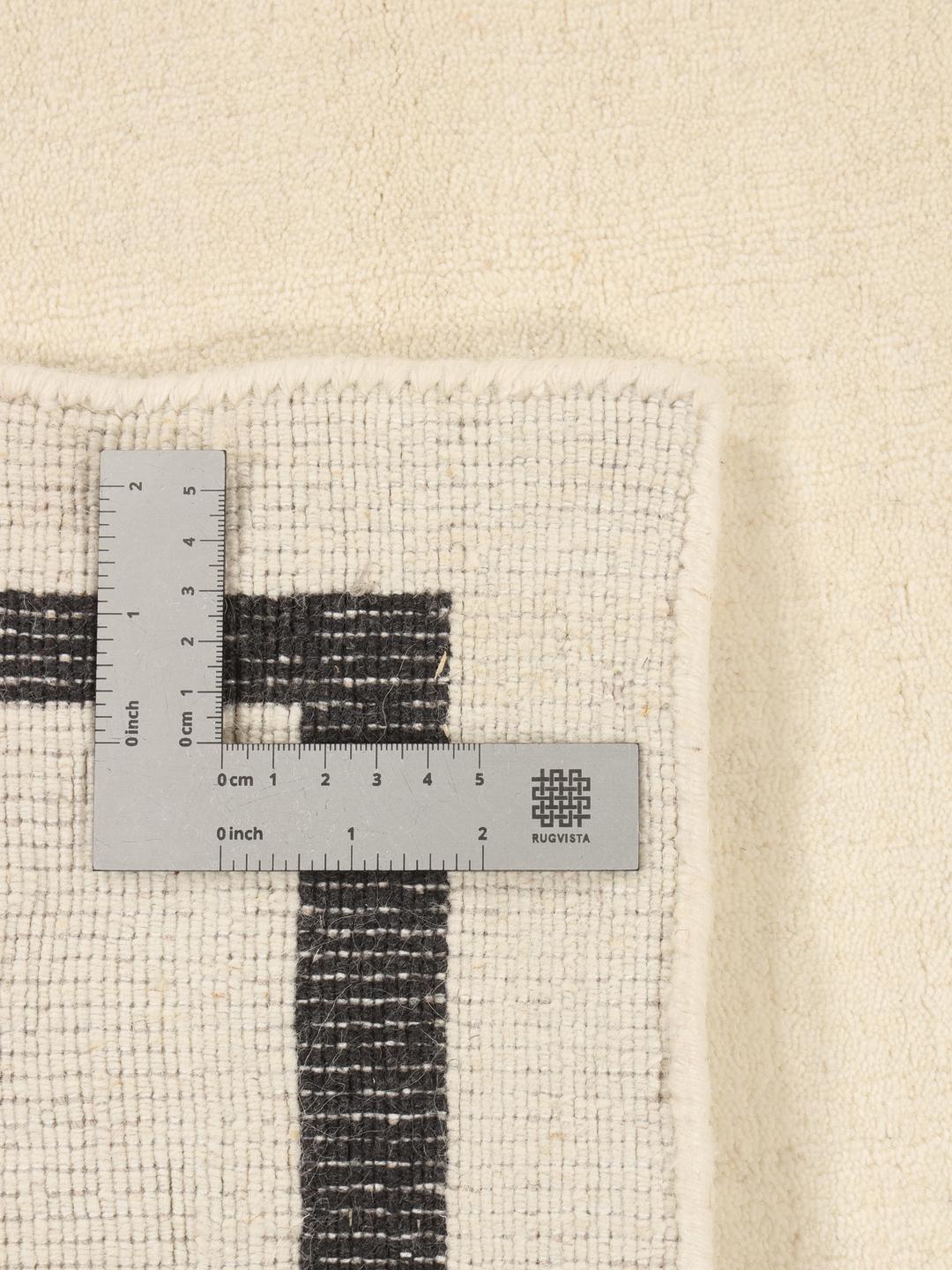
Handloom production is a deliberate and focused craft. Unlike power-loomed rugs, a hand-woven piece relies entirely on the weaver’s rhythm and tension control. This process creates a unique structural integrity, where the wool is woven into a sturdy foundation. The result is a finished product that feels remarkably organic and authentic, with a character that reflects the human touch involved in every stage of production.
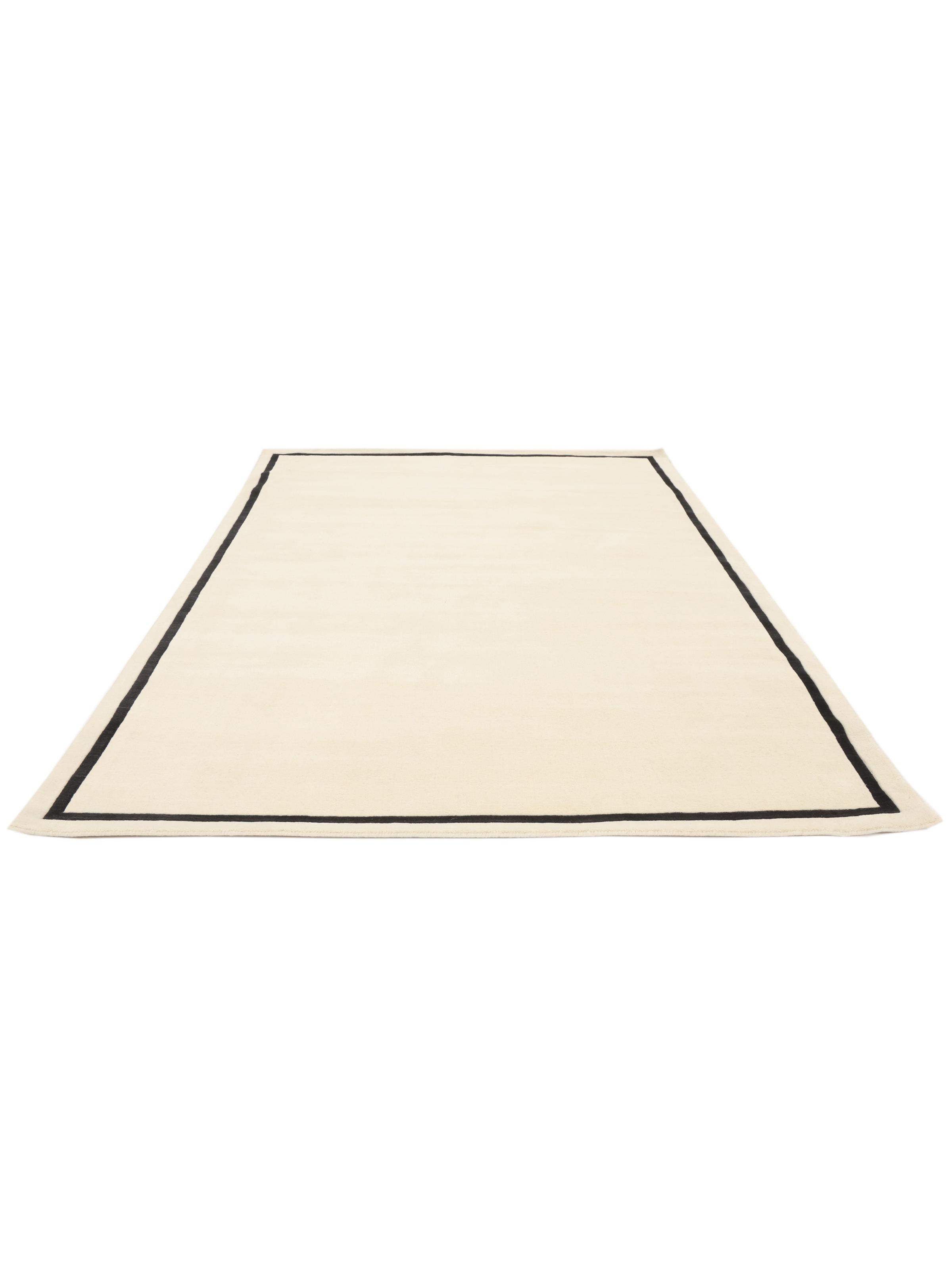
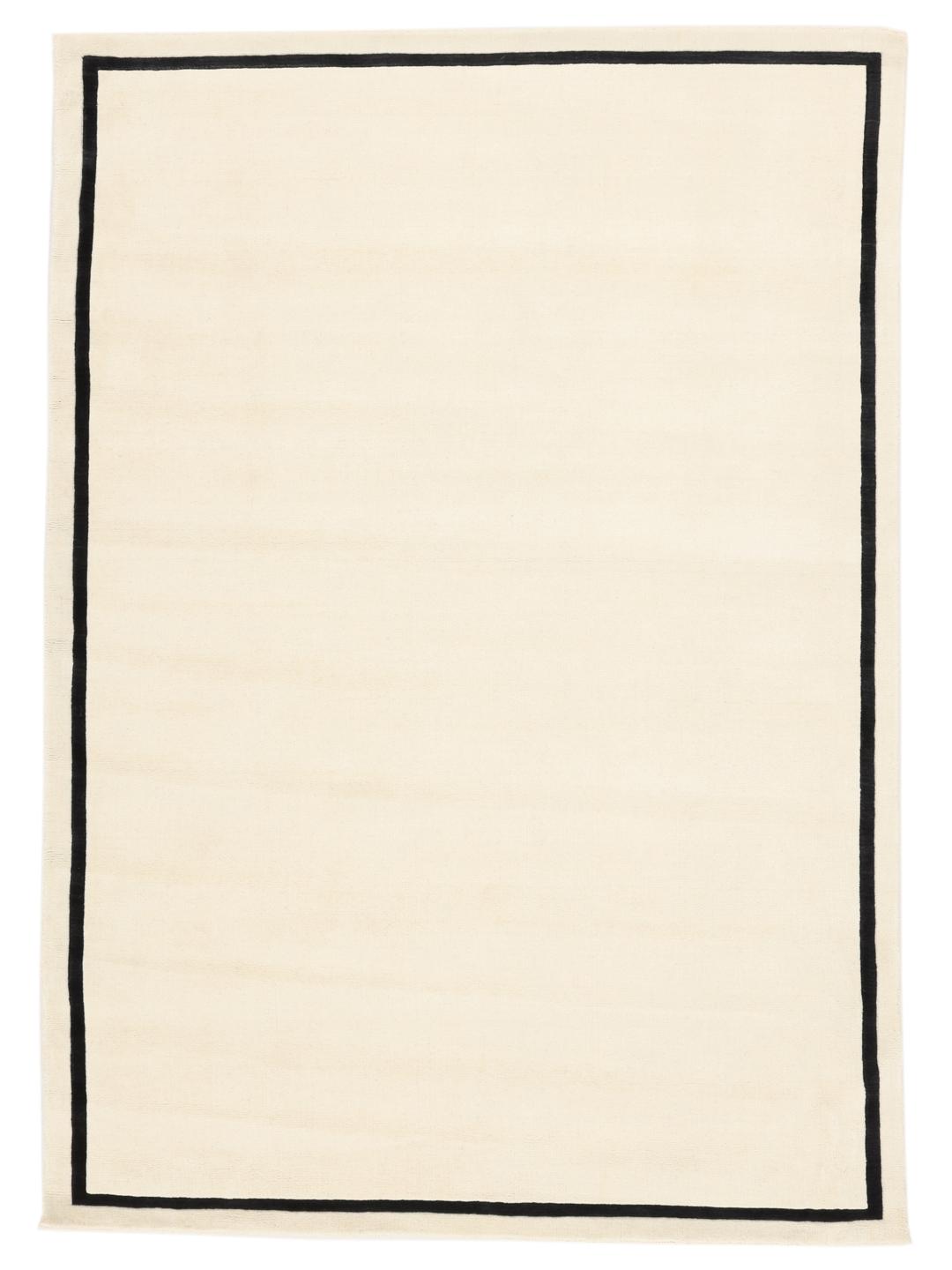
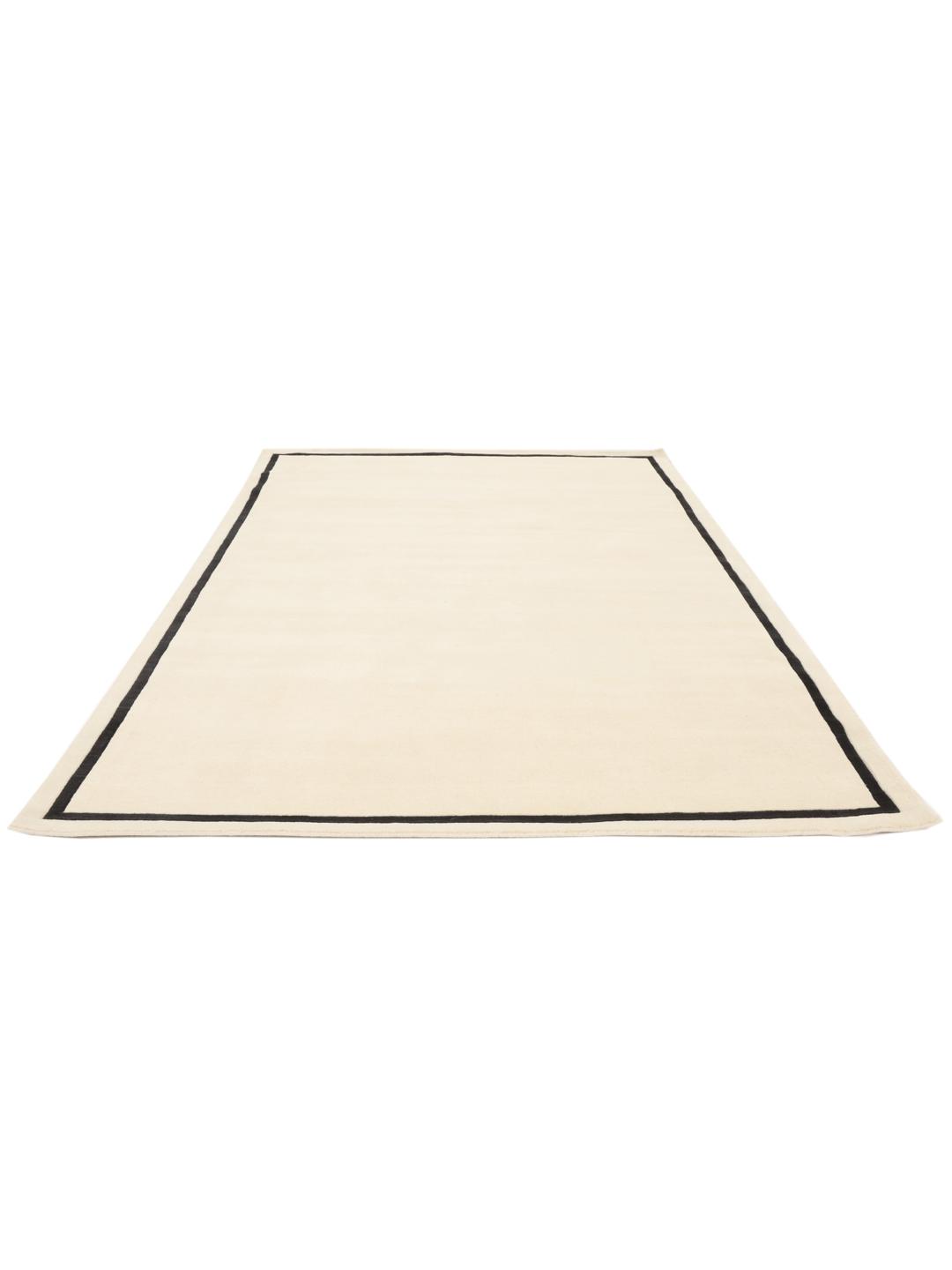
The design of this rug draws on the power of simplicity, utilising a classic, minimalist border to frame the central field. In the world of textile design, this approach is often referred to as 'negative space' composition, where the focus is shifted to the balance of colour and the texture of the material rather than complex, busy patterns. This style has become a staple of modern interior design, prized for its ability to create a sense of order and calm.
Owning a piece from this tradition is an investment in both heritage and skill. These rugs are not merely decorative items but are reflections of a long-standing commitment to quality. By choosing a hand-woven rug, you are supporting a legacy of craftsmanship that values detail and longevity, ensuring that your home is furnished with something that carries real cultural weight and lasting beauty.