The art of handloom weaving in India is a practice that spans centuries, deeply rooted in the cultural fabric of the region. Historically, these looms served as the primary method for producing textiles for both local use and trade, evolving over time into a sophisticated craft that balances ancient techniques with contemporary design needs.
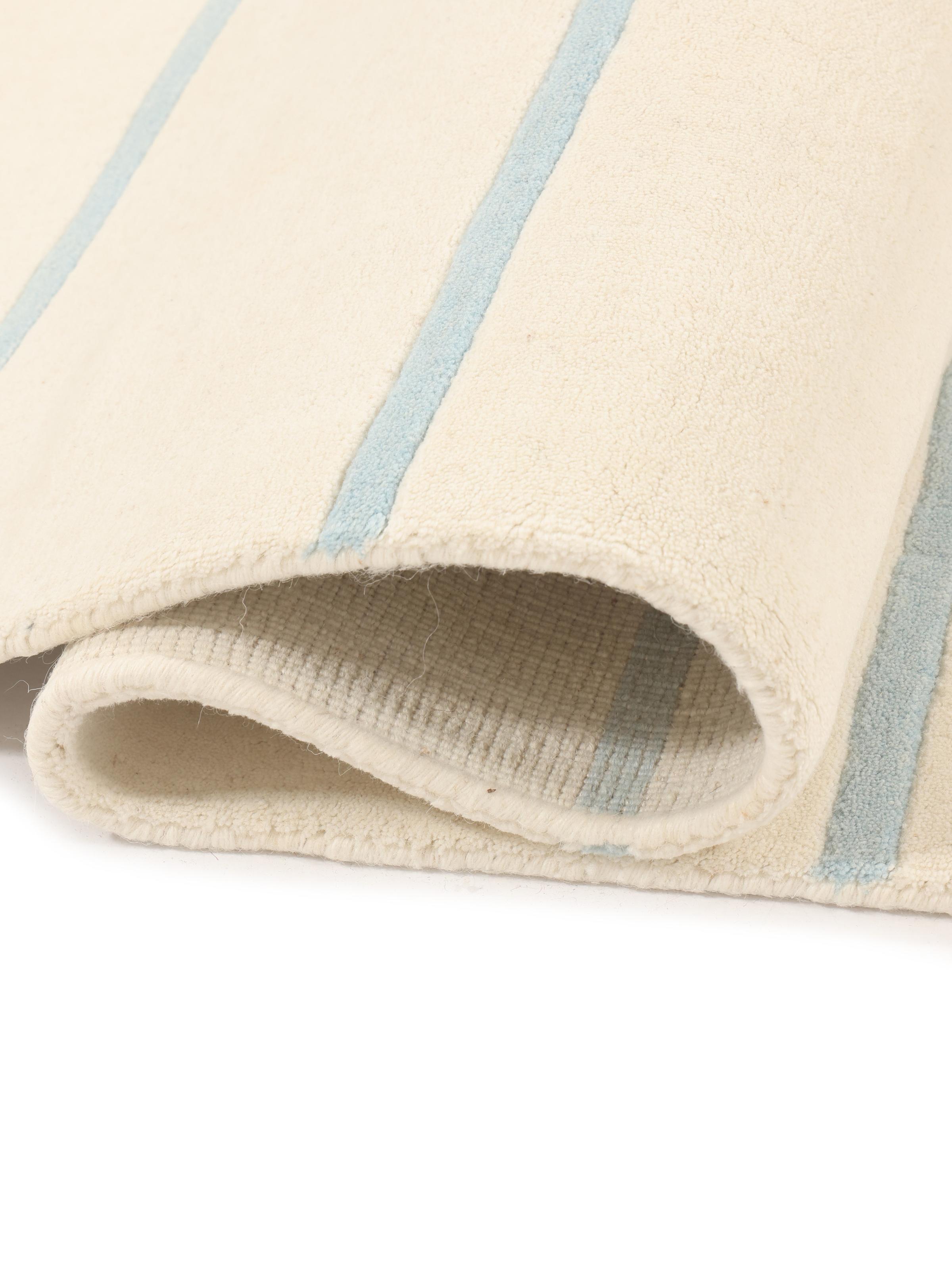
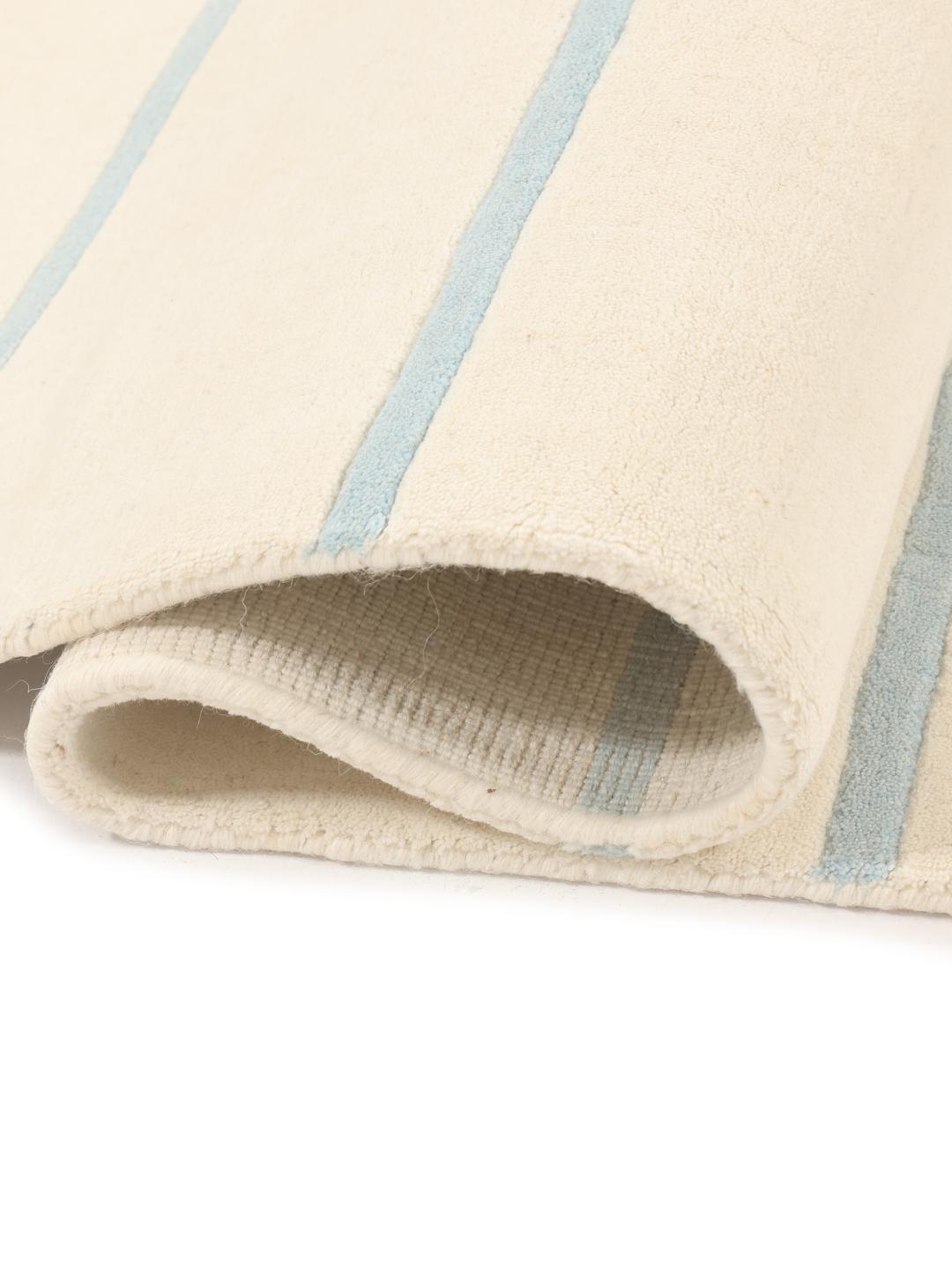
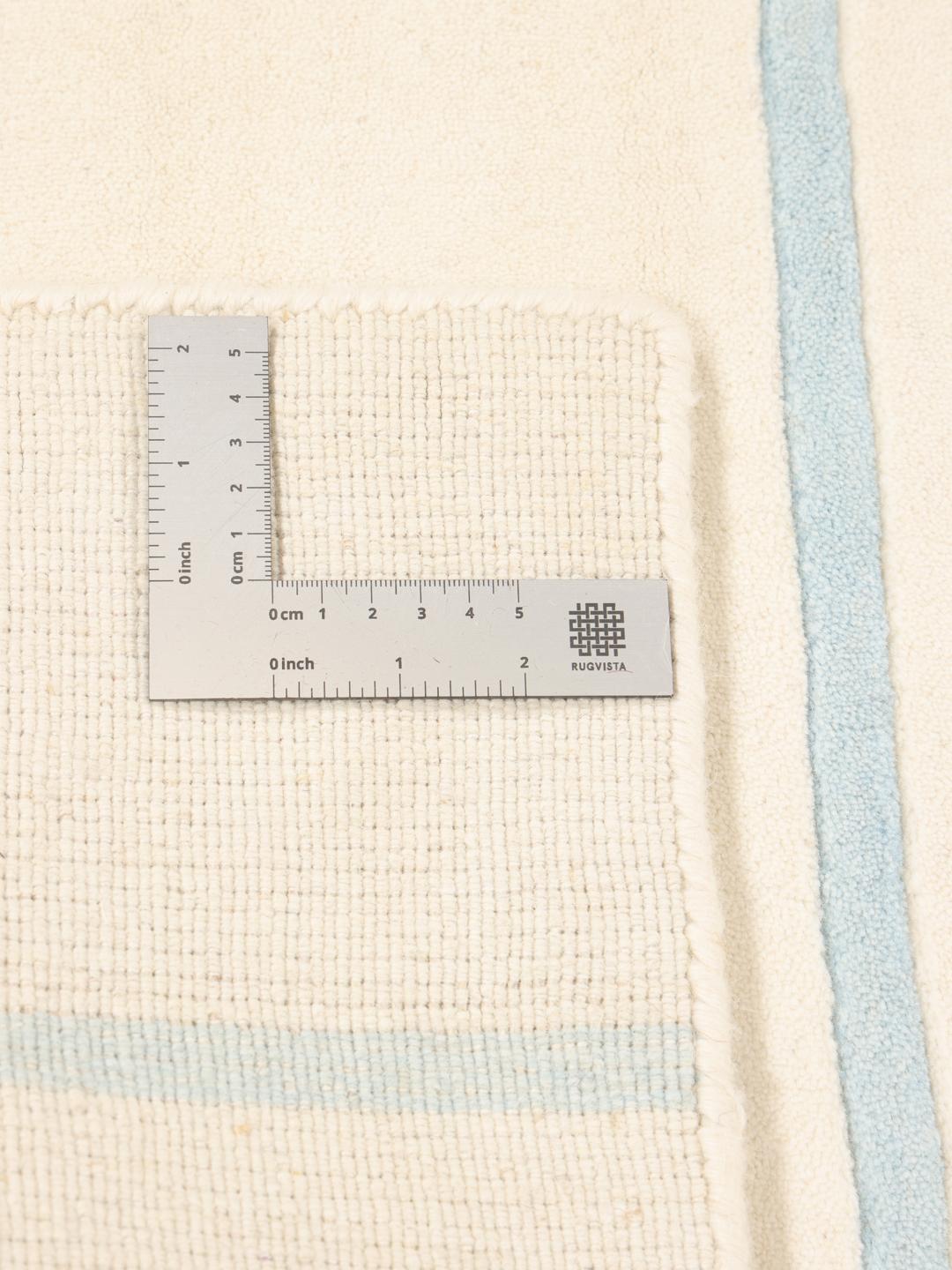
Handloom refers to the process where the weaver manually operates the loom, passing the weft through the warp to create the rug structure. Unlike automated production, this method allows the weaver to adjust the tension and density of the weave in real-time, which results in a product with superior strength and a more natural, organic feel.
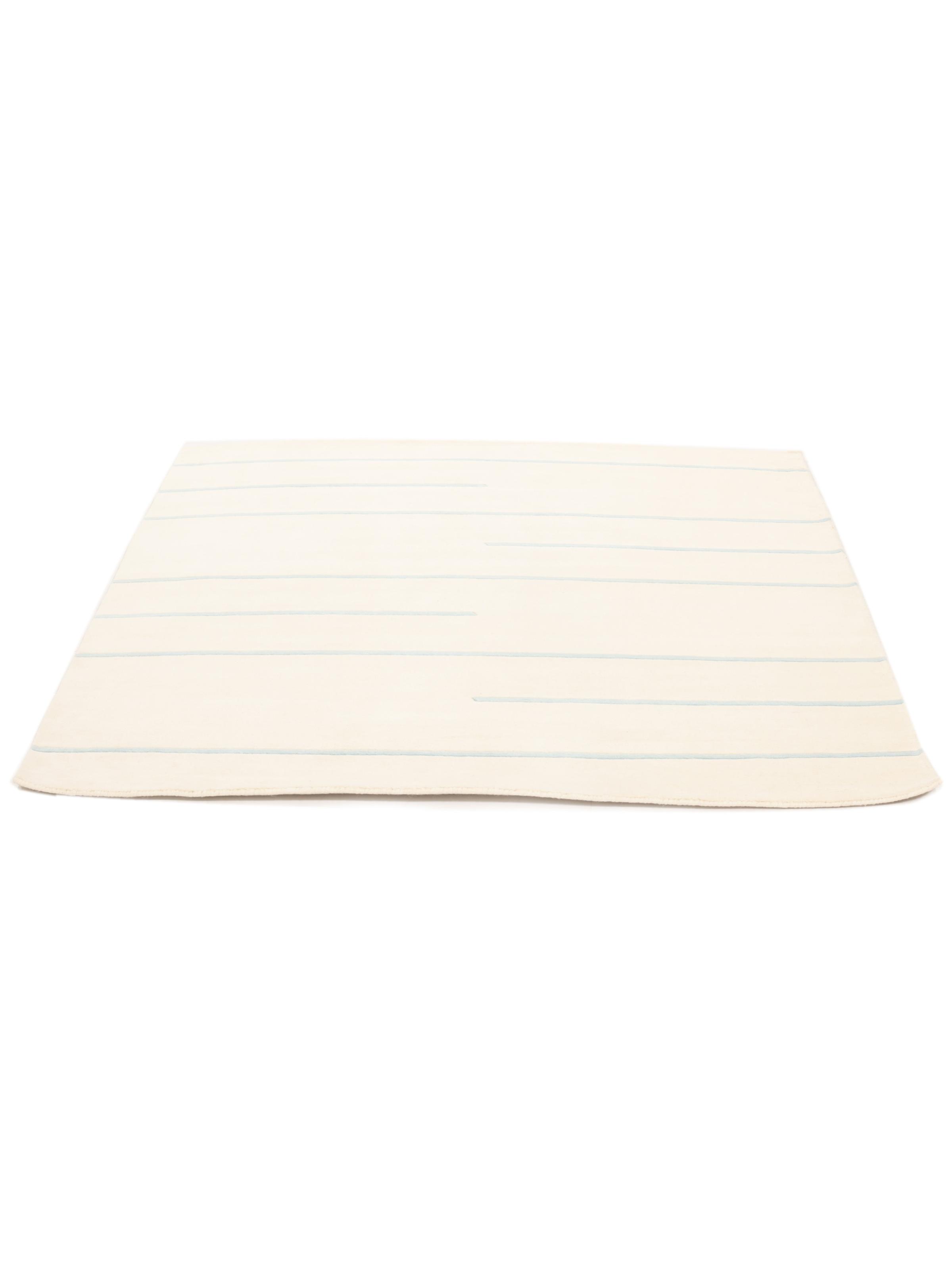
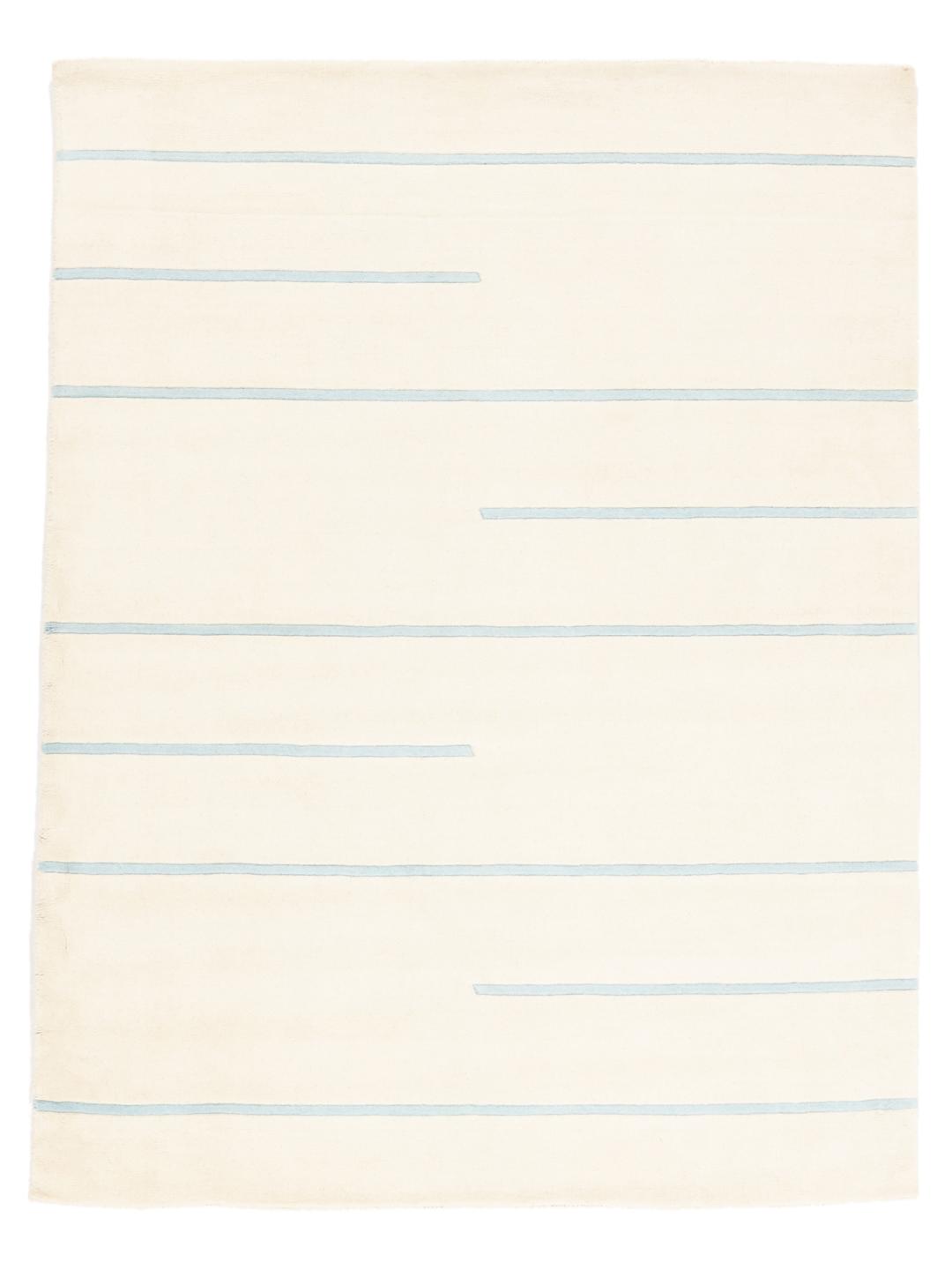
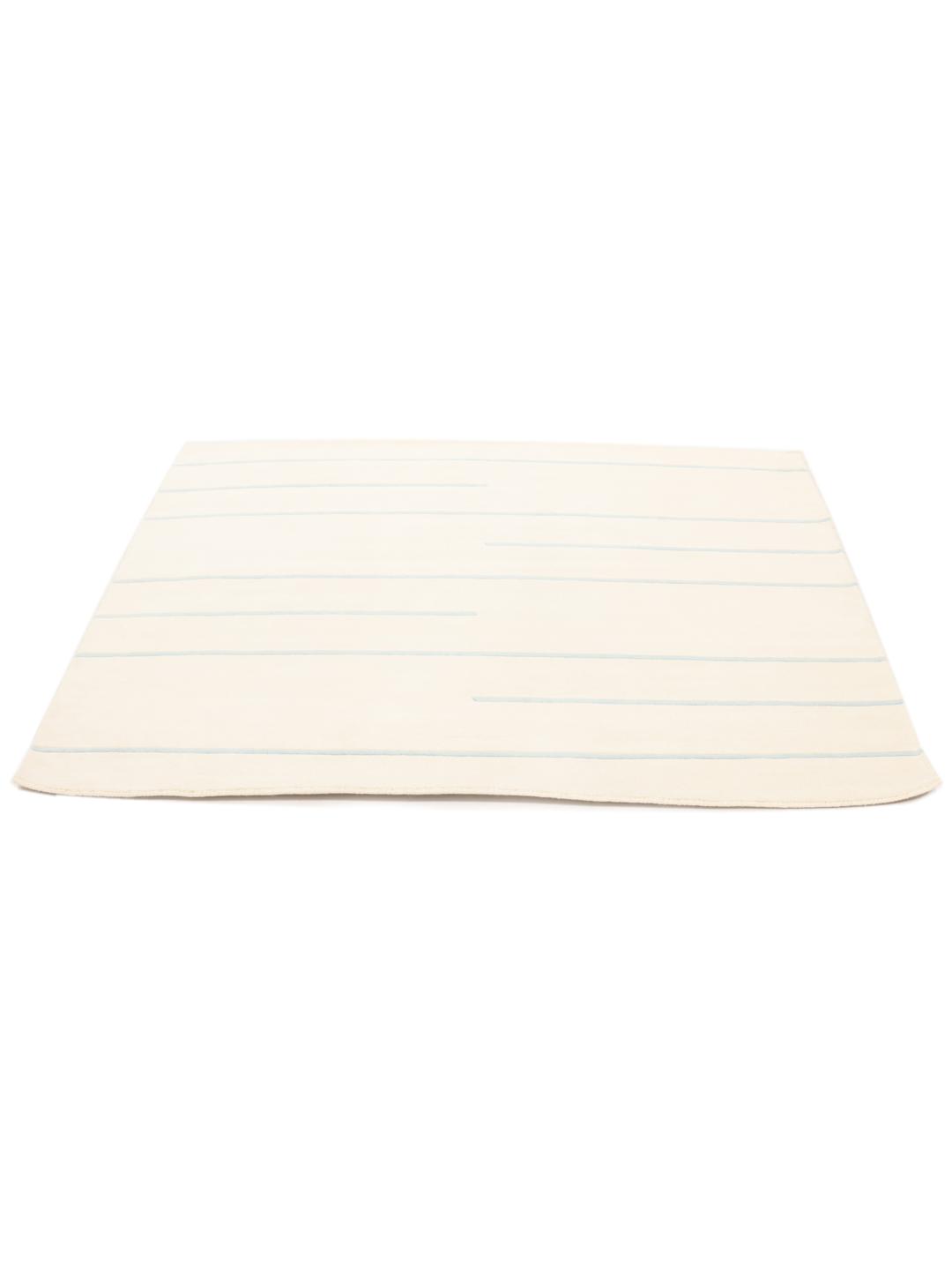
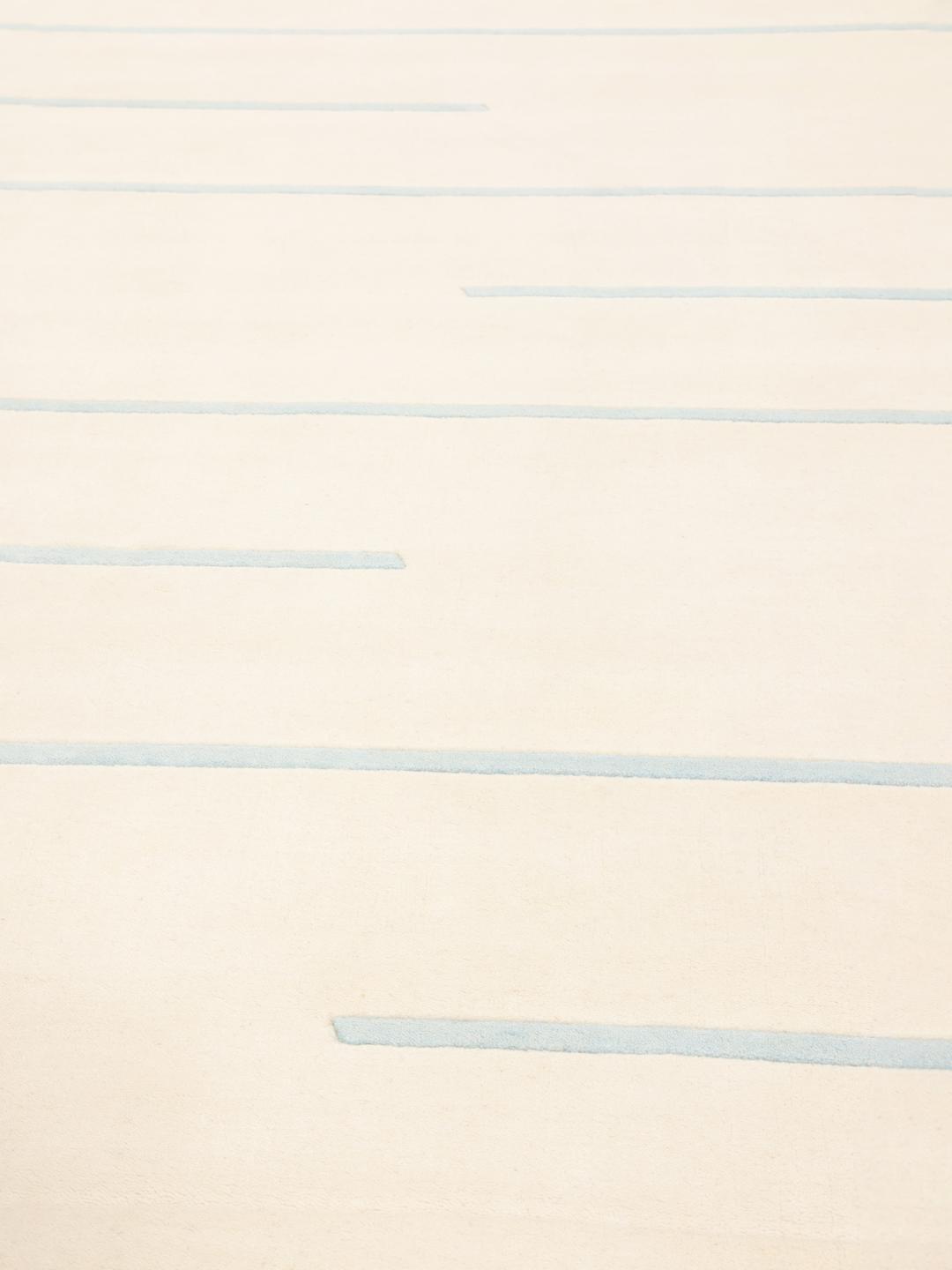
Modern design traditions often emphasise simplicity and the beauty of negative space, a philosophy that this rug embodies through its minimalist, linear pattern. By stripping away complex, ornate motifs, the focus is shifted to the quality of the materials and the precision of the weave, creating a piece that feels both current and rooted in timeless craft.
Owning a handloom rug is an investment in human skill and cultural heritage. These pieces are highly valued by collectors and homeowners alike, not just for their visual appeal but for the story of the artisan's labour contained within each thread. Choosing a piece like this supports the continuation of traditional weaving methods in a modern, sustainable way.