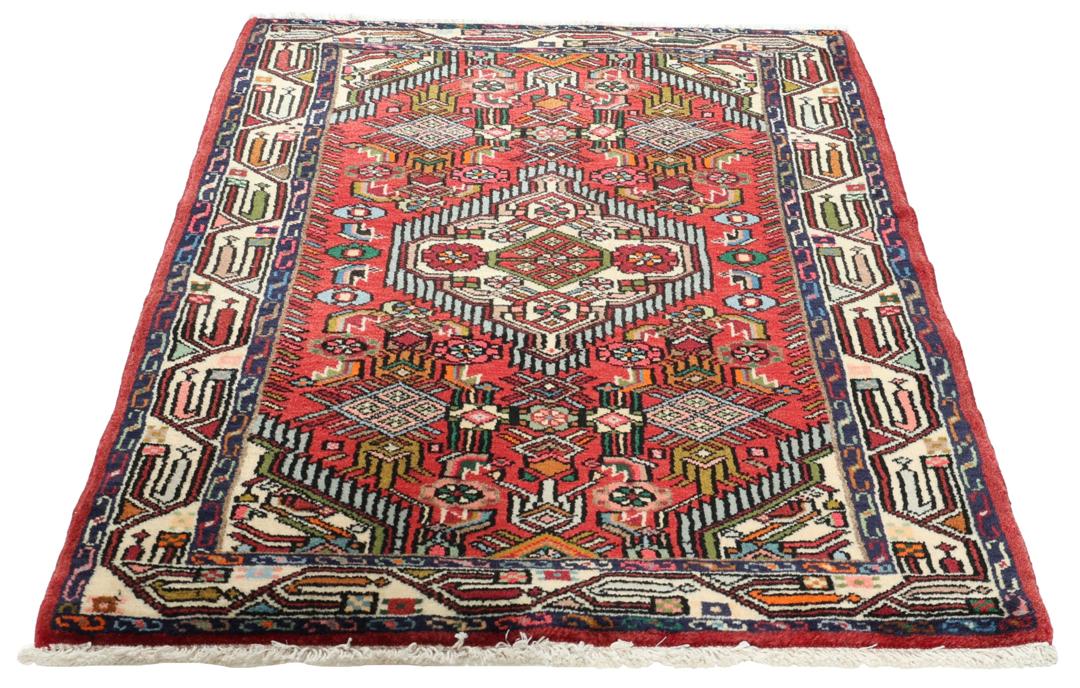
Hamadan rugs originate from one of the oldest cities in the Middle East, a region known for its long-standing tradition of weaving that dates back centuries. Located in the mountainous landscape of western Asia, the area has long been a hub for trade and craftsmanship, allowing local weavers to develop their own distinct style and techniques.
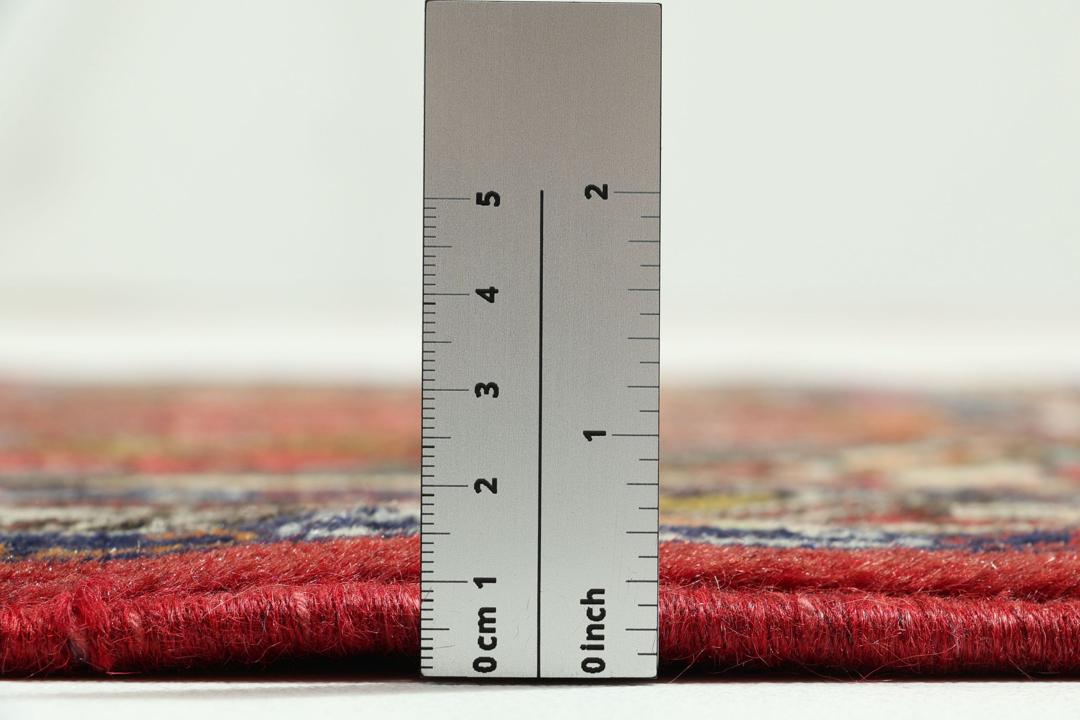
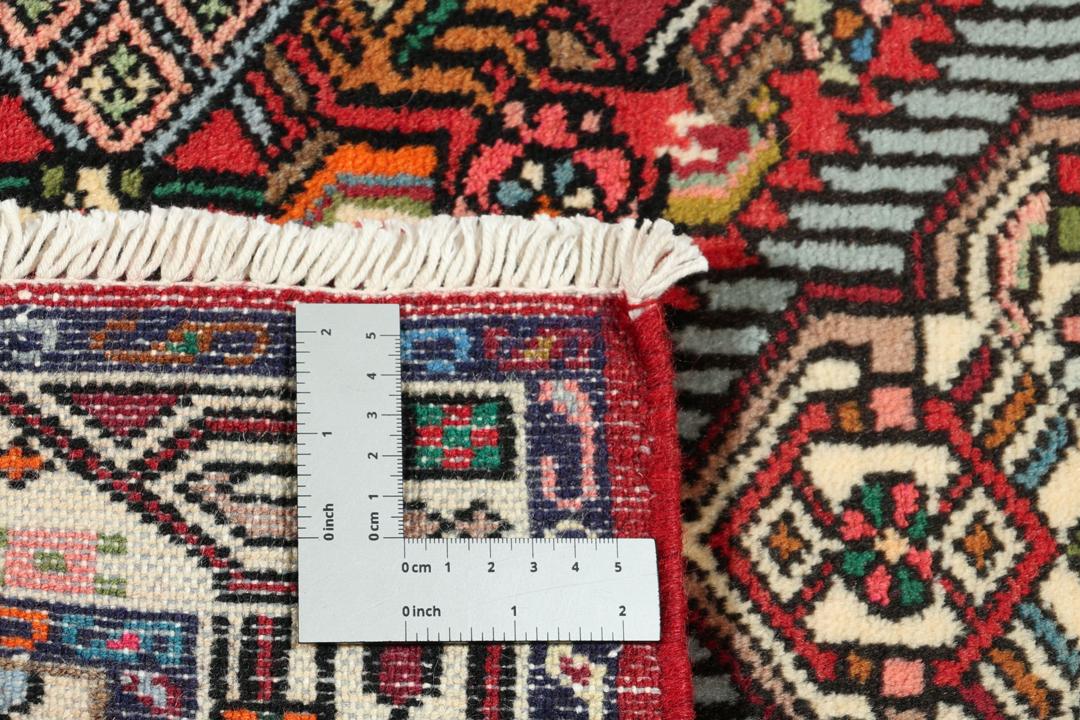
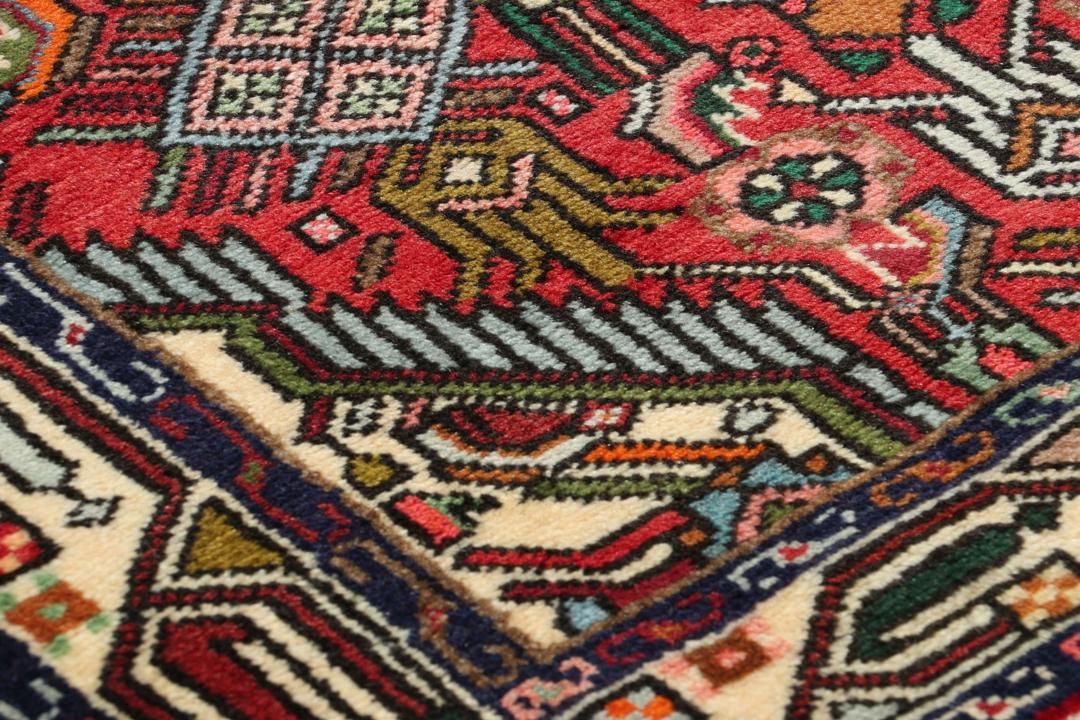
The term Hamadan refers to a wide variety of rugs produced in the city and its surrounding villages. These pieces are often characterised by their sturdy construction and the use of high-quality wool, which is carefully sourced and prepared to create a pile that is both soft and incredibly resilient to daily wear.
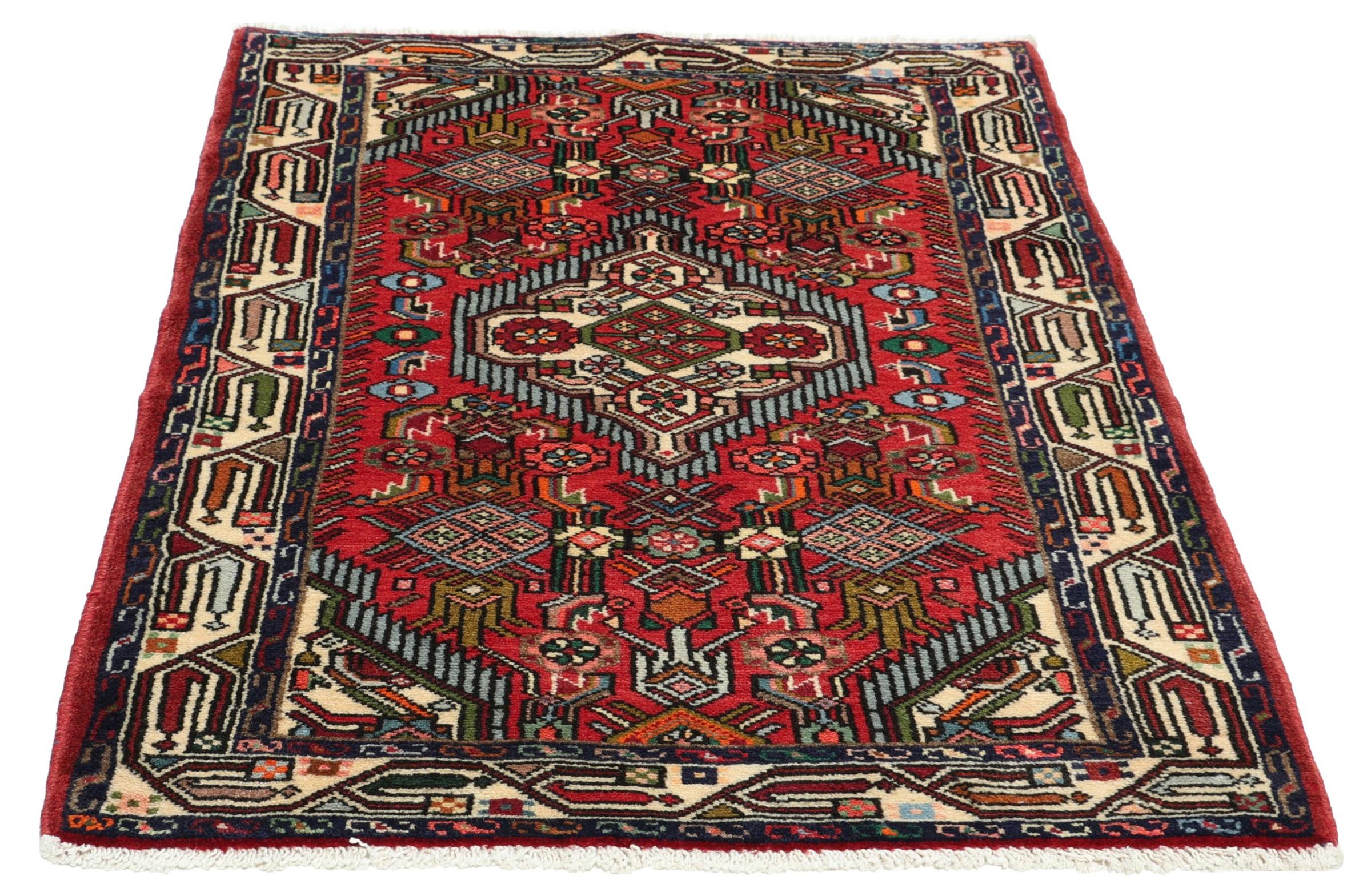
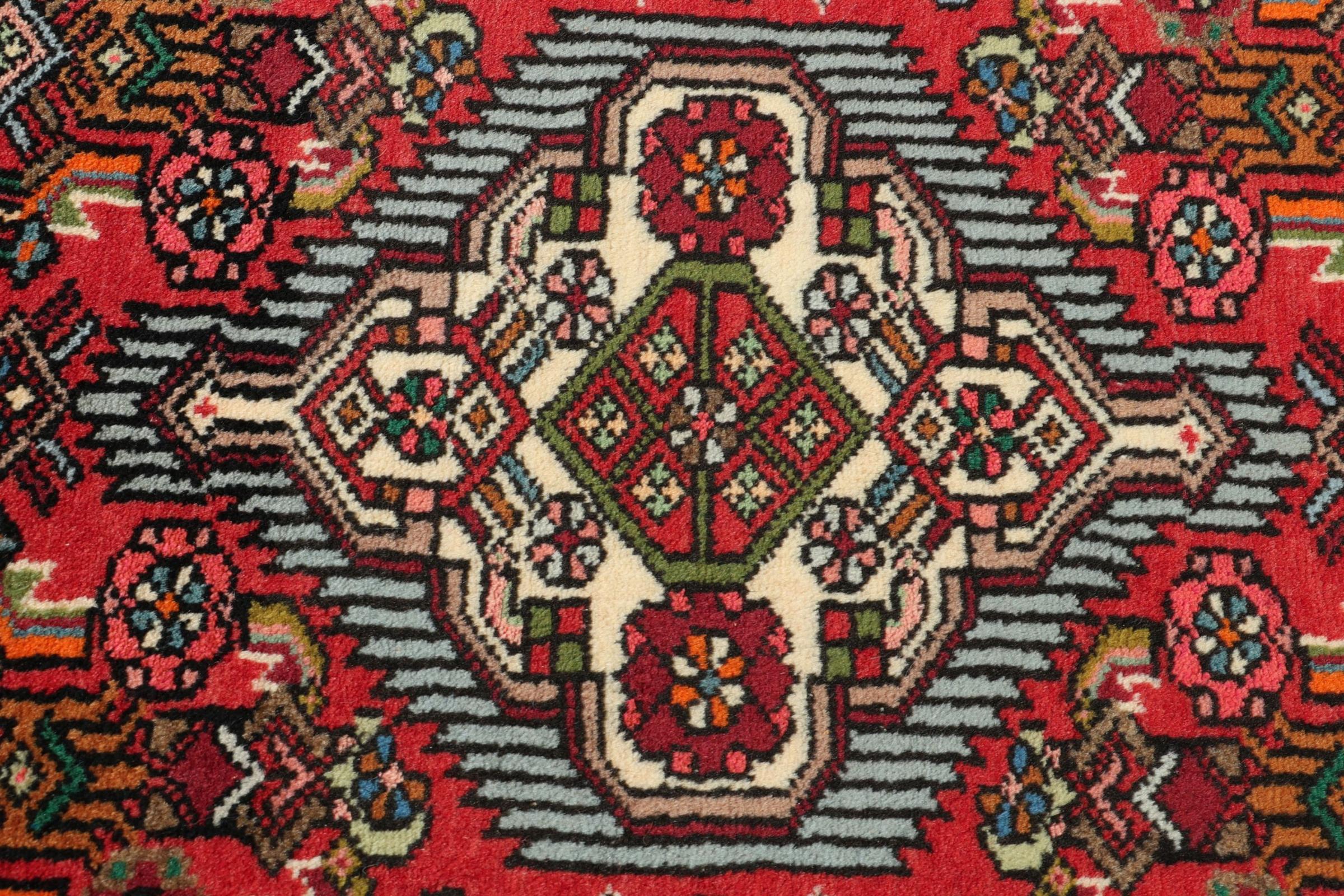
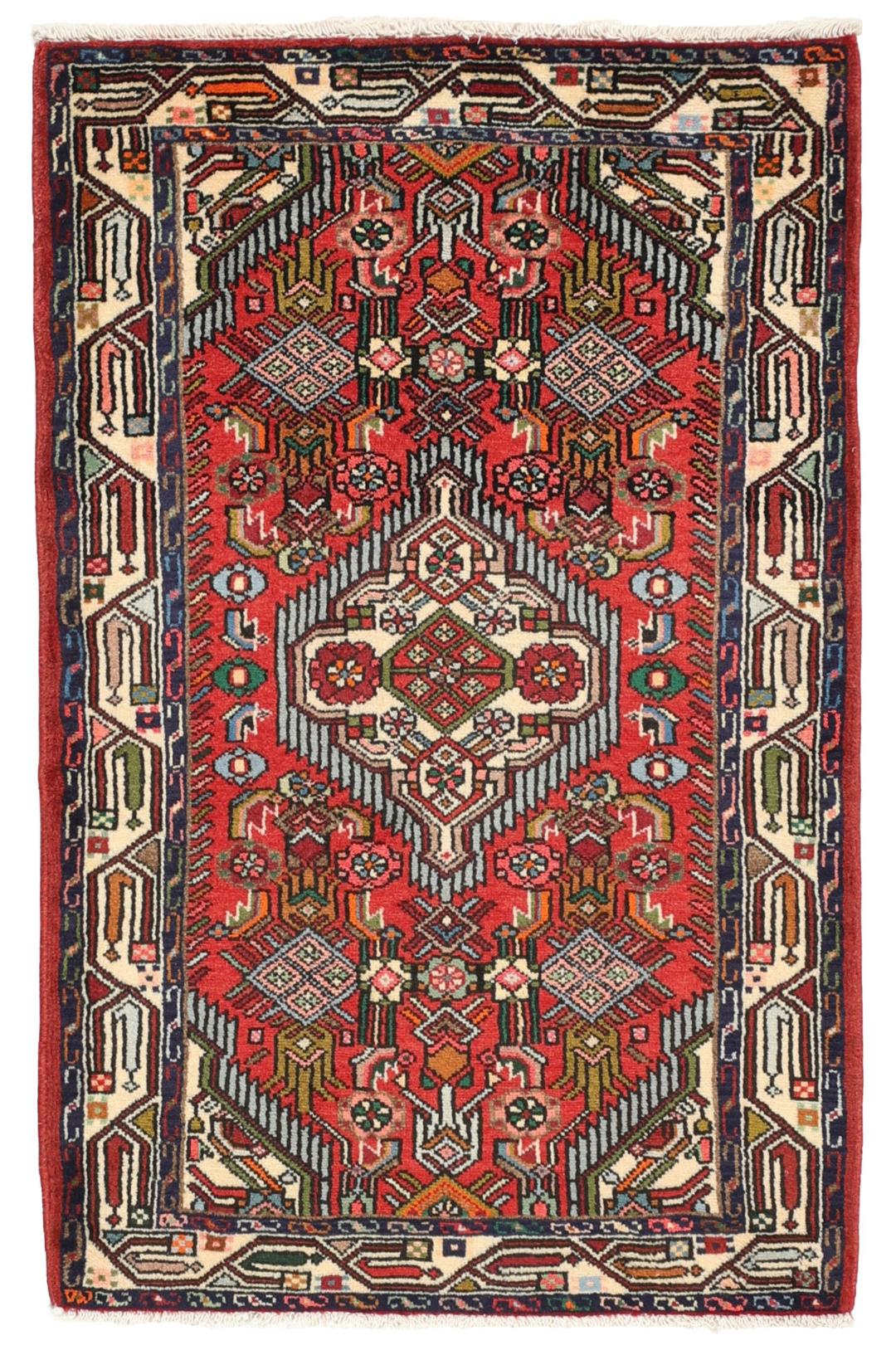
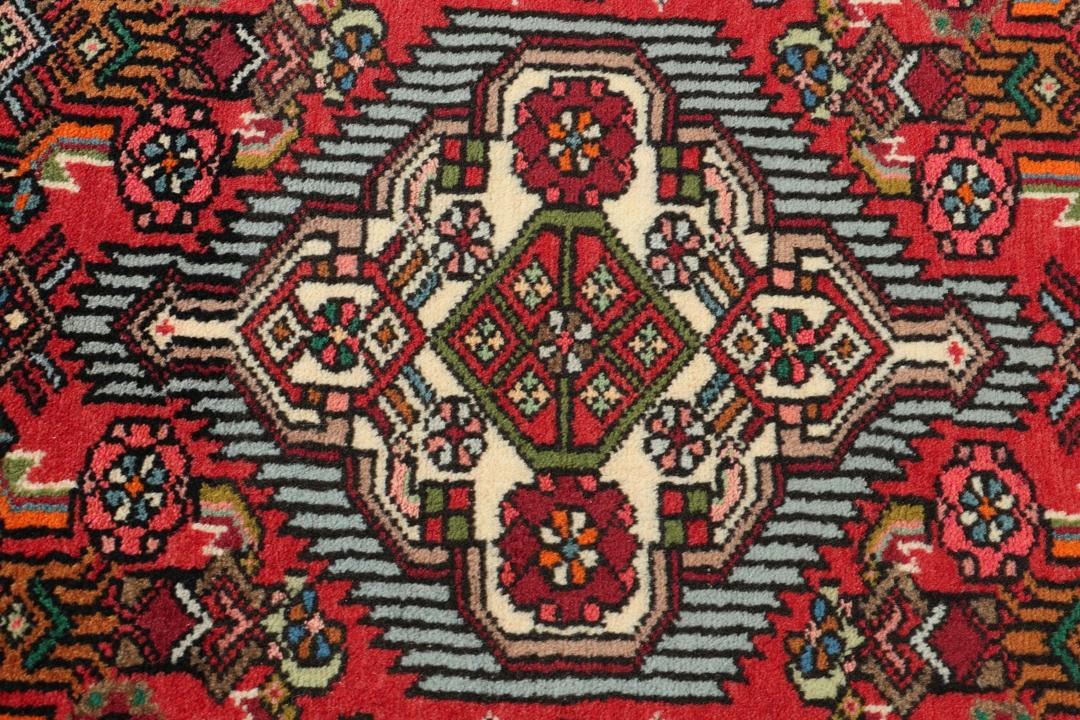
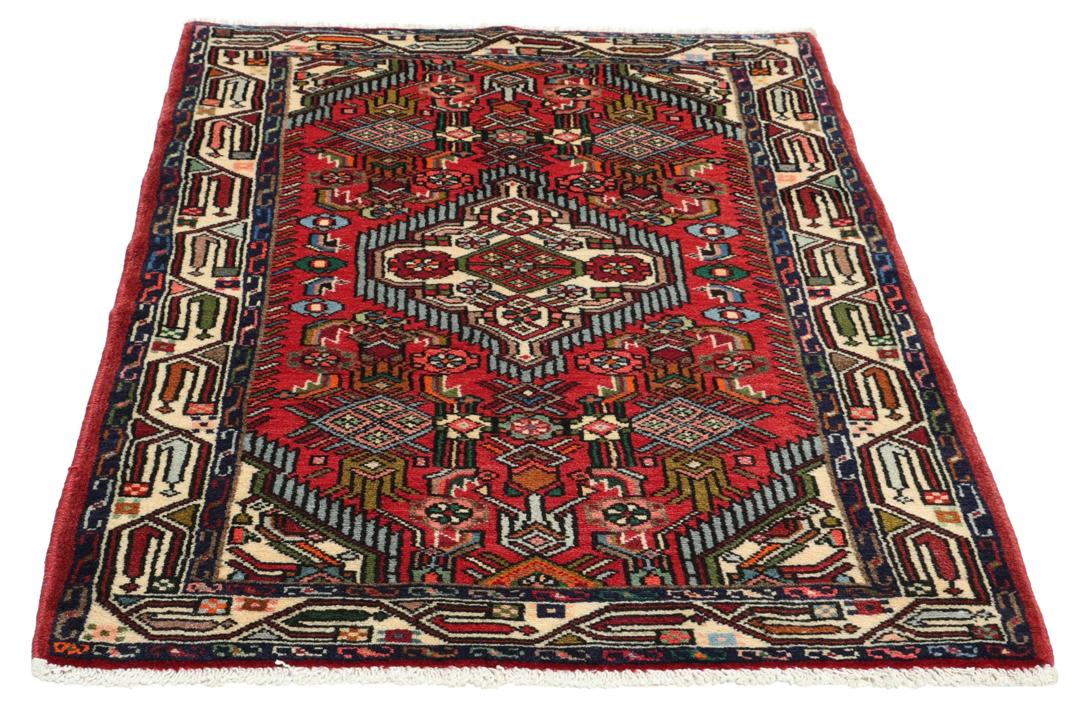
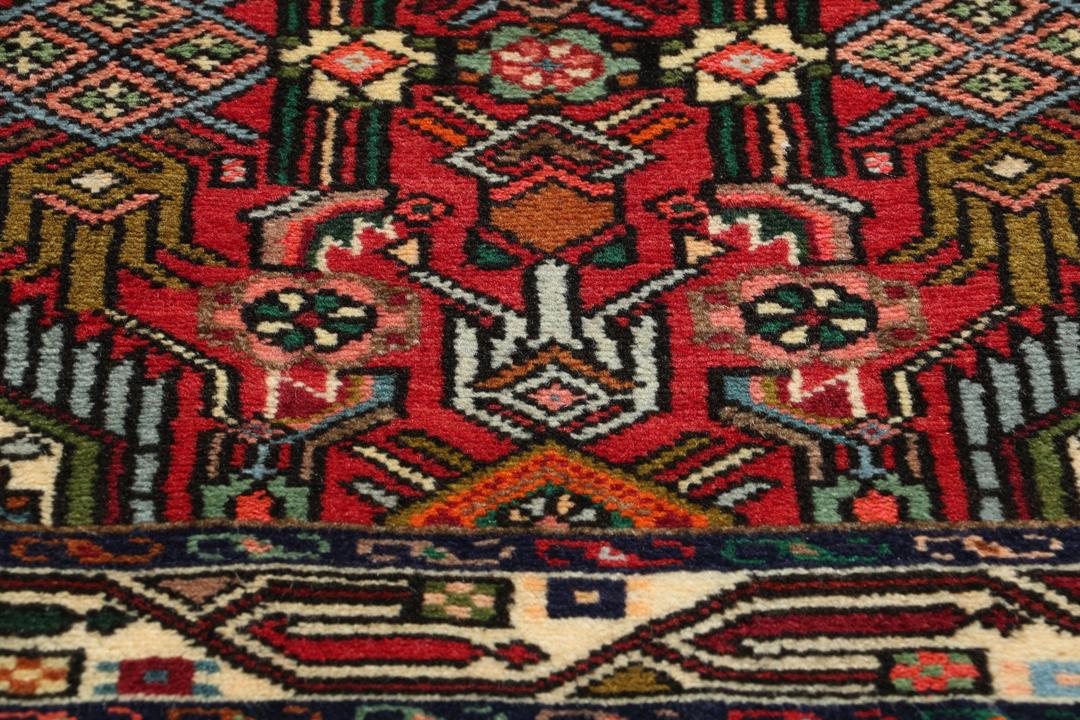
Visually, these rugs are celebrated for their bold geometric patterns and symbolic motifs. While designs can vary from village to village, they often feature stylised floral elements, diamond shapes, and complex borders. The colour palettes are typically warm and earthy, often utilising natural dyes that develop a beautiful, muted patina over time.
Owning a Hamadan rug is more than just a decorative choice; it is an investment in a storied craft tradition. These rugs are highly valued by collectors for their authenticity and the human effort required to create each piece. They stand as a testament to the enduring cultural heritage of their origin, bringing a sense of history and genuine artistry into the modern home.