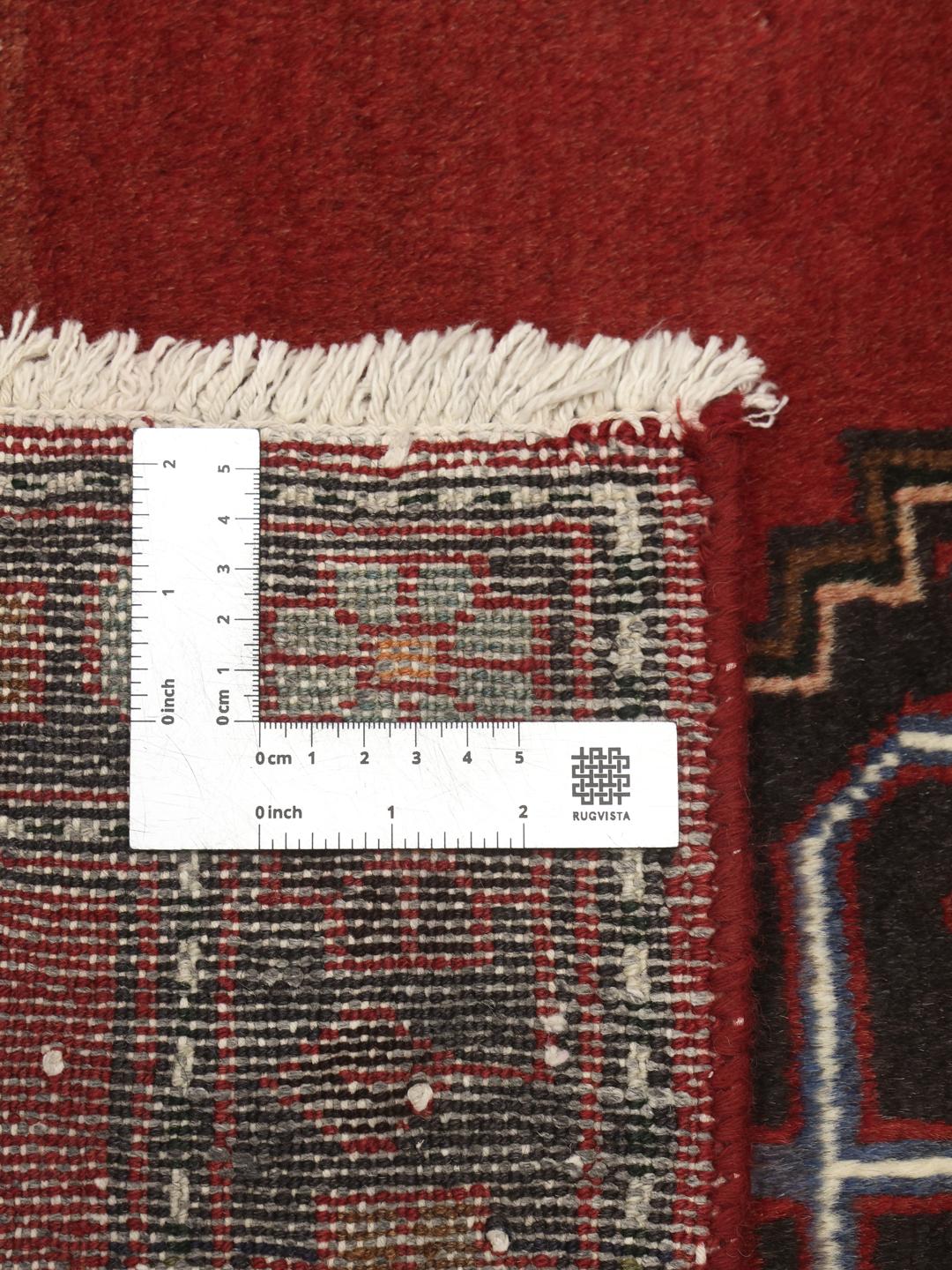
Hamadan, located in the western part of the Middle East, is one of the oldest cities in the world and serves as a major hub for a vast, diverse weaving tradition. The rugs produced in this region are famous for their rustic charm and the variety of designs they encompass, ranging from simple geometric patterns to more complex floral arrangements. These rugs are born from a culture that has perfected the art of weaving over centuries, with techniques passed down through generations of families.
The term Hamadan often refers to a wide array of rugs made in the city and hundreds of surrounding villages. Each village often has its own signature style or colour palette, yet they all share a common commitment to using sturdy, local Wool. This diversity is what makes the Hamadan category so exciting for collectors, as it captures a vast spectrum of regional creativity and local identity within a single, recognisable tradition.
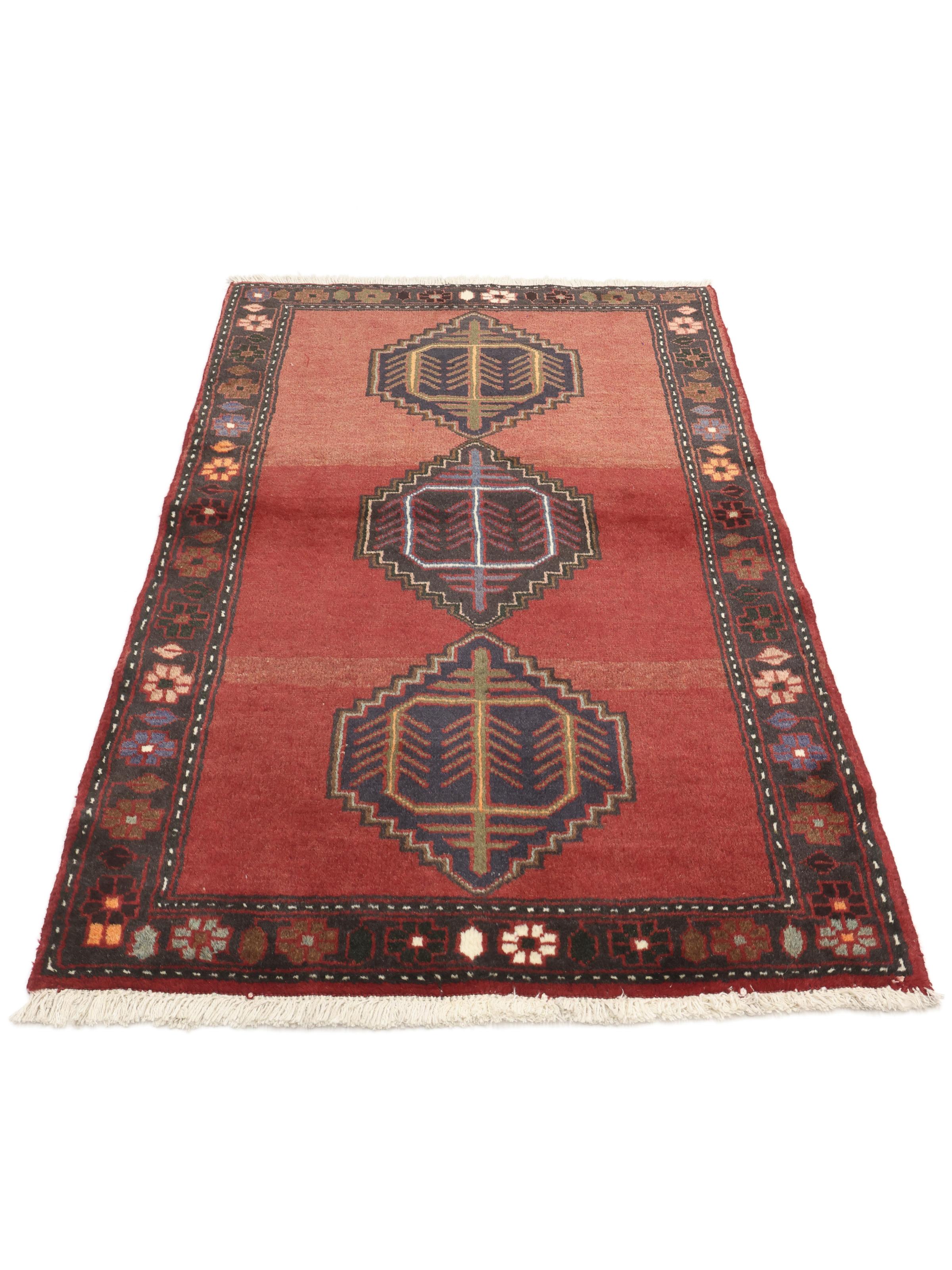
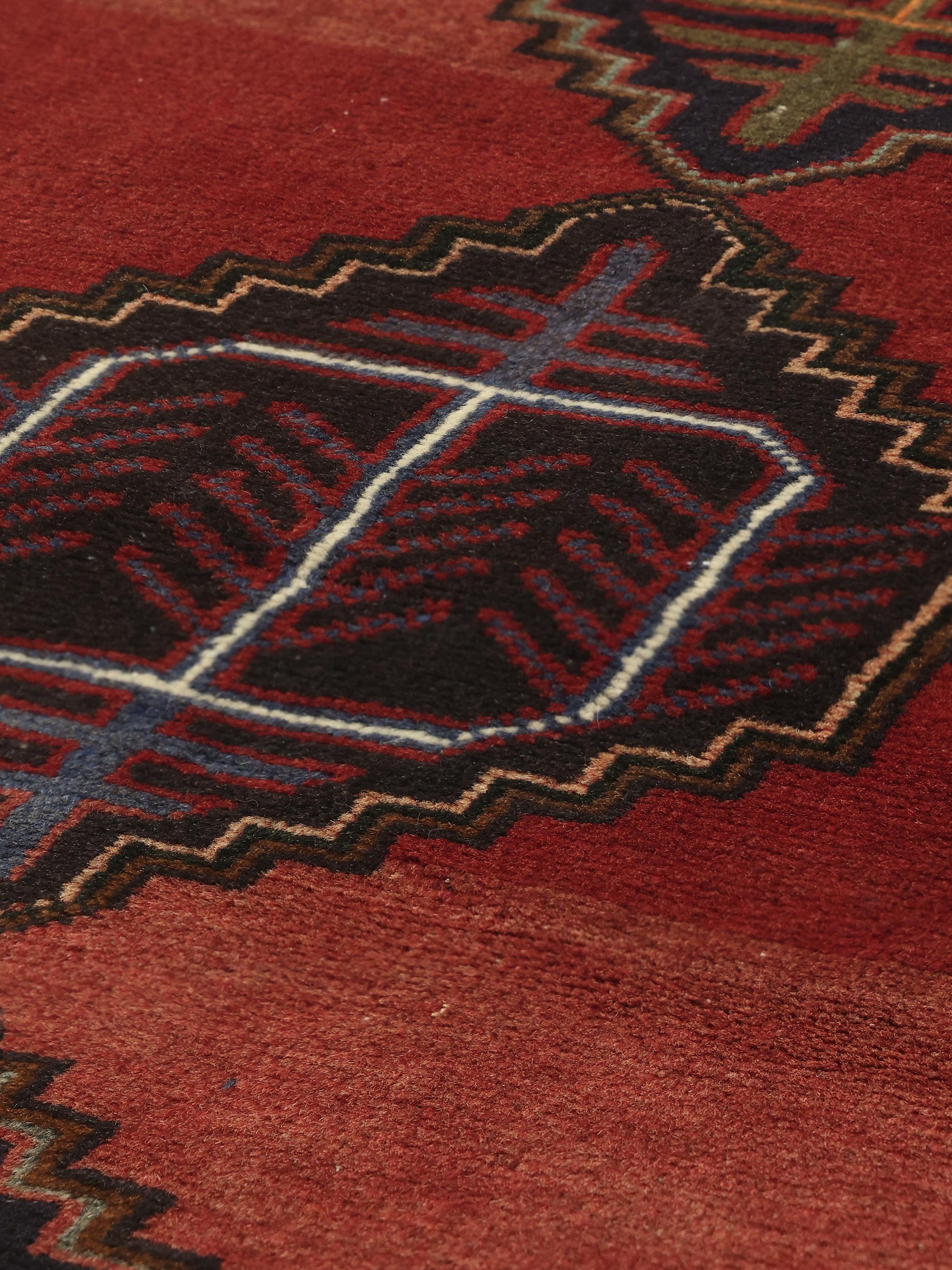
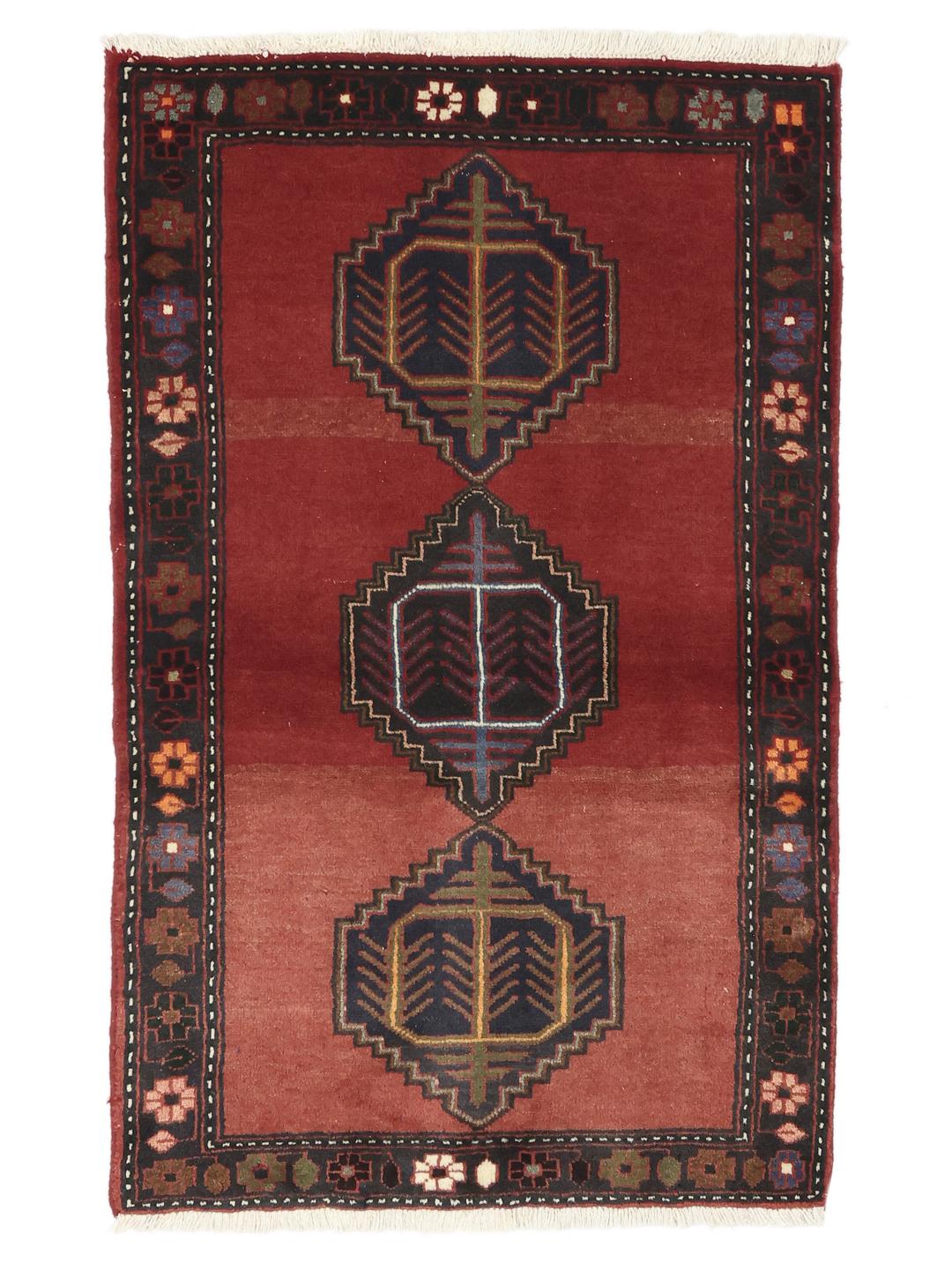
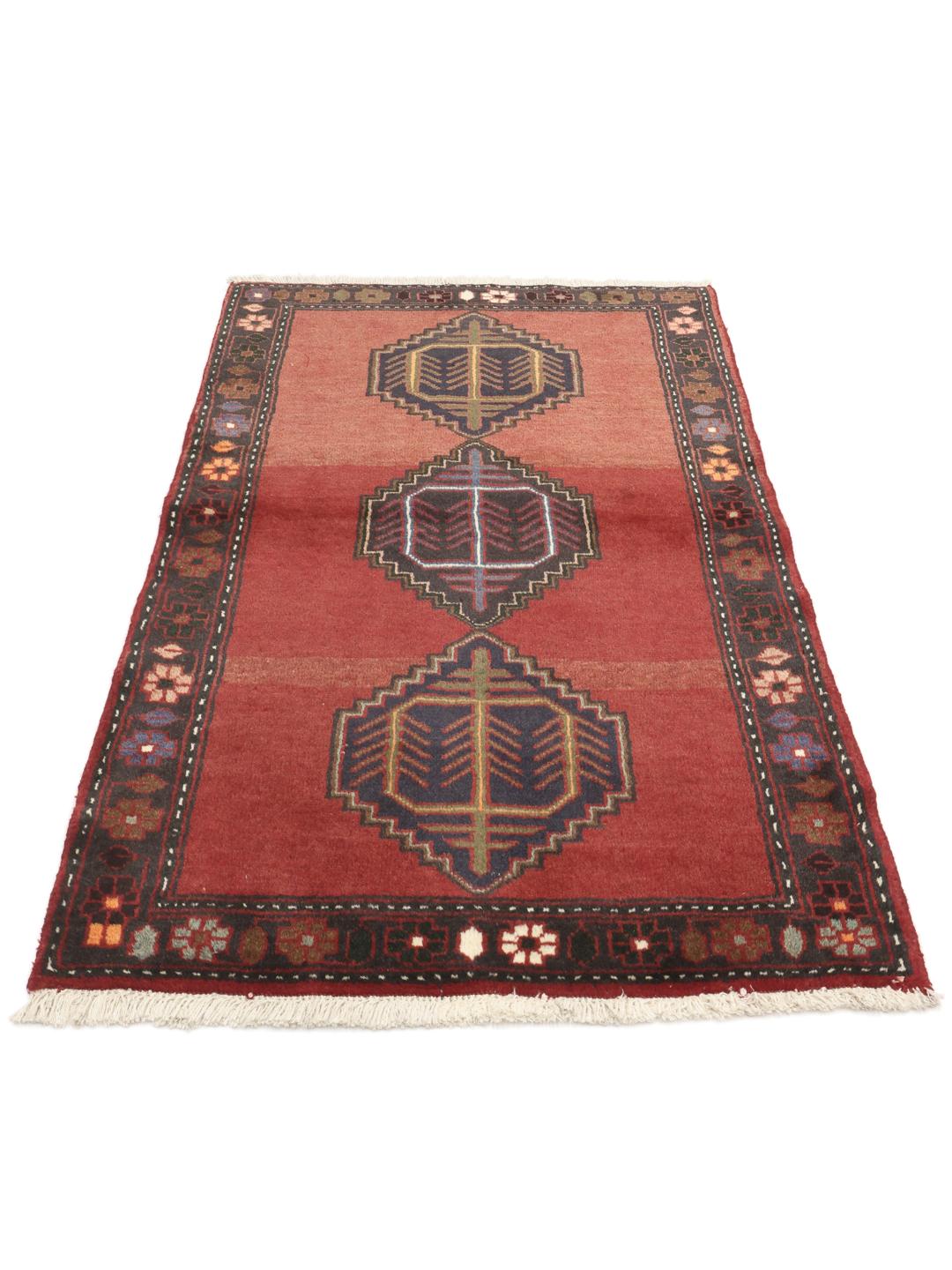
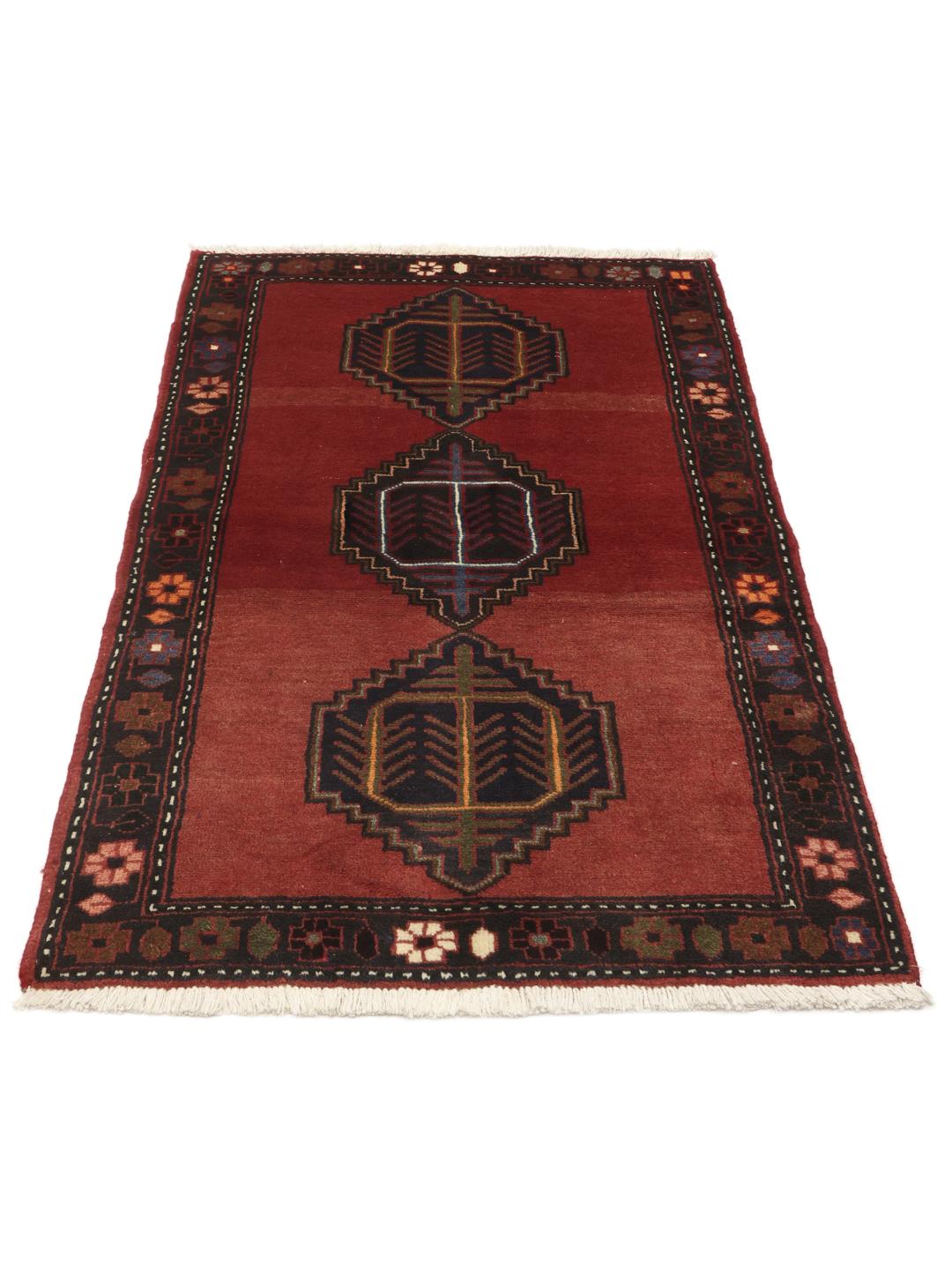
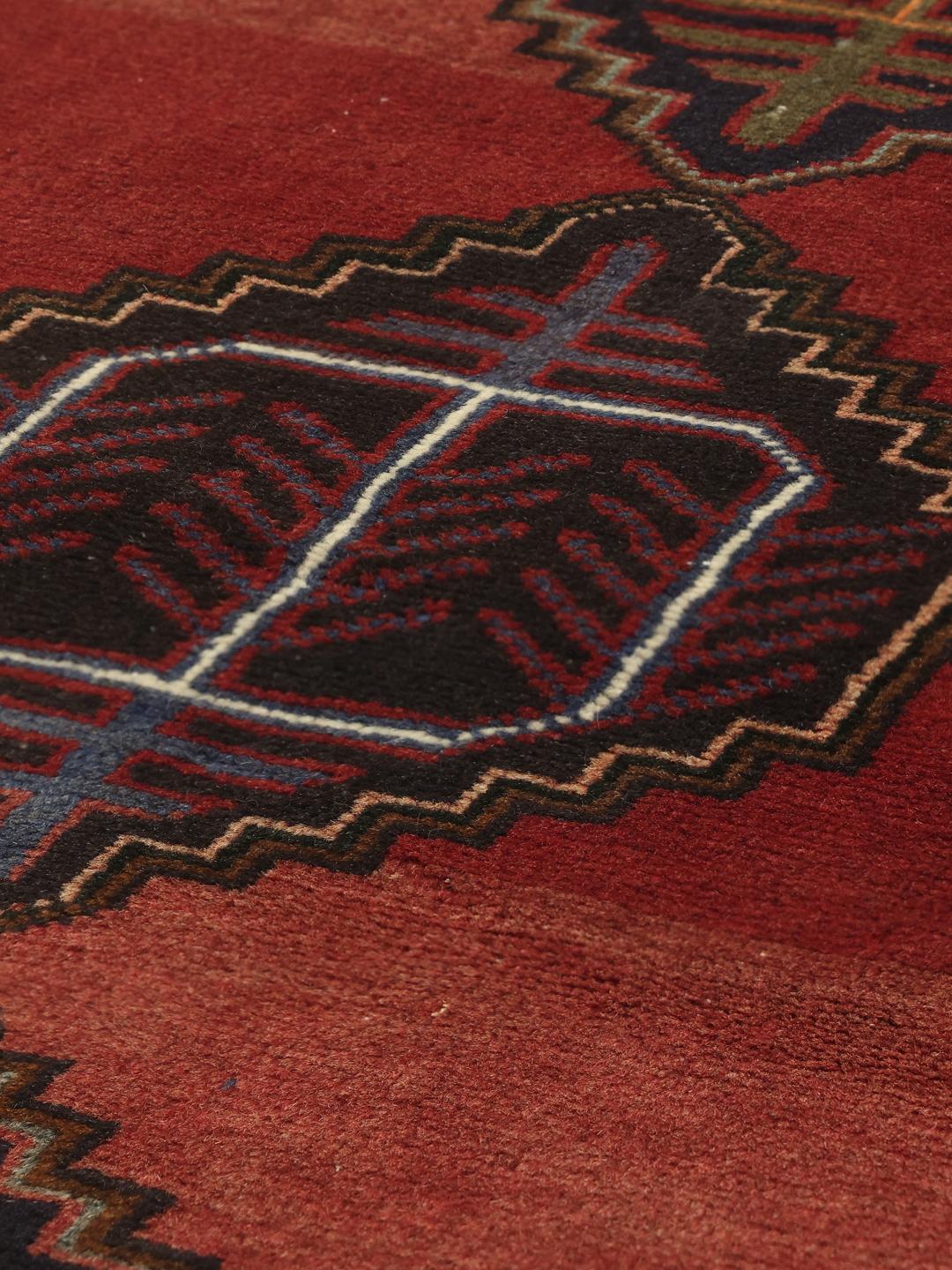
Signature design elements of these rugs frequently include geometric medallions, hooked motifs, and the iconic Herati pattern, which often features a stylized flower surrounded by four leaves. The borders are typically bold and well-defined, framing the field with a sense of order and balance. In this particular piece, the use of three distinct medallions against a rich red background highlights the traditional preference for symmetry and bold, graphic storytelling.
Collecting a Hamadan rug is an investment in cultural heritage and the preservation of ancient craft. These rugs are highly valued not only for their aesthetic beauty but also for their authenticity and the human story behind each knot. By choosing a piece from this tradition, you are supporting a legacy of skill and craftsmanship that has remained a vital part of domestic life in the region for generations.