Hamadan rugs originate from one of the oldest cities in the Middle East, a region with a long-standing reputation as a vital hub for rug production. The tradition of weaving in this area is deeply embedded in the local culture, with designs often passed down through generations of skilled artisans who maintain the integrity of their regional style.
These rugs are celebrated for their adaptability and the variety found within the tradition. While many feature a classic medallion, the artistic freedom allowed to the weavers means that every piece has its own personality, often incorporating motifs that tell stories of the specific village or community where they were crafted.
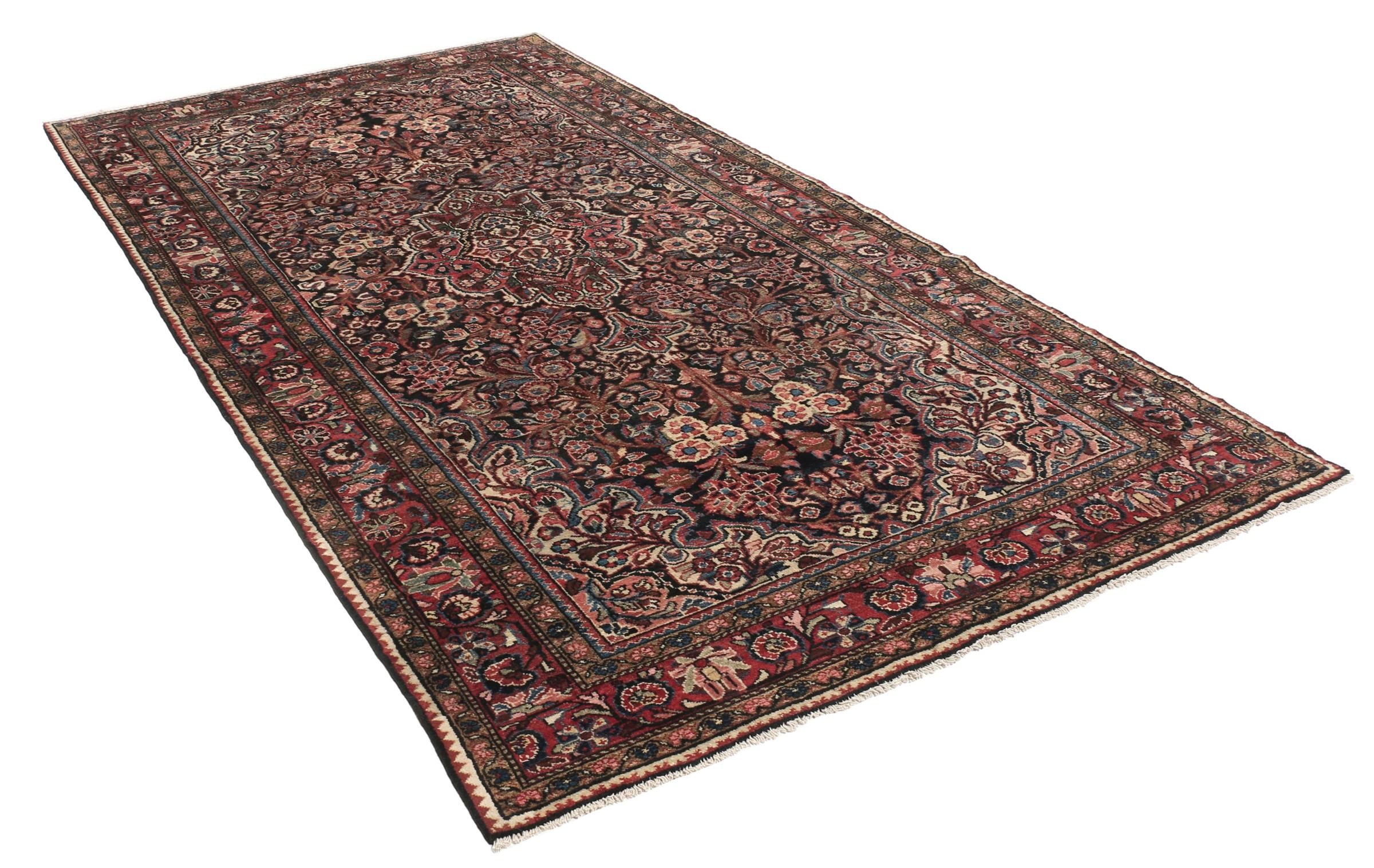
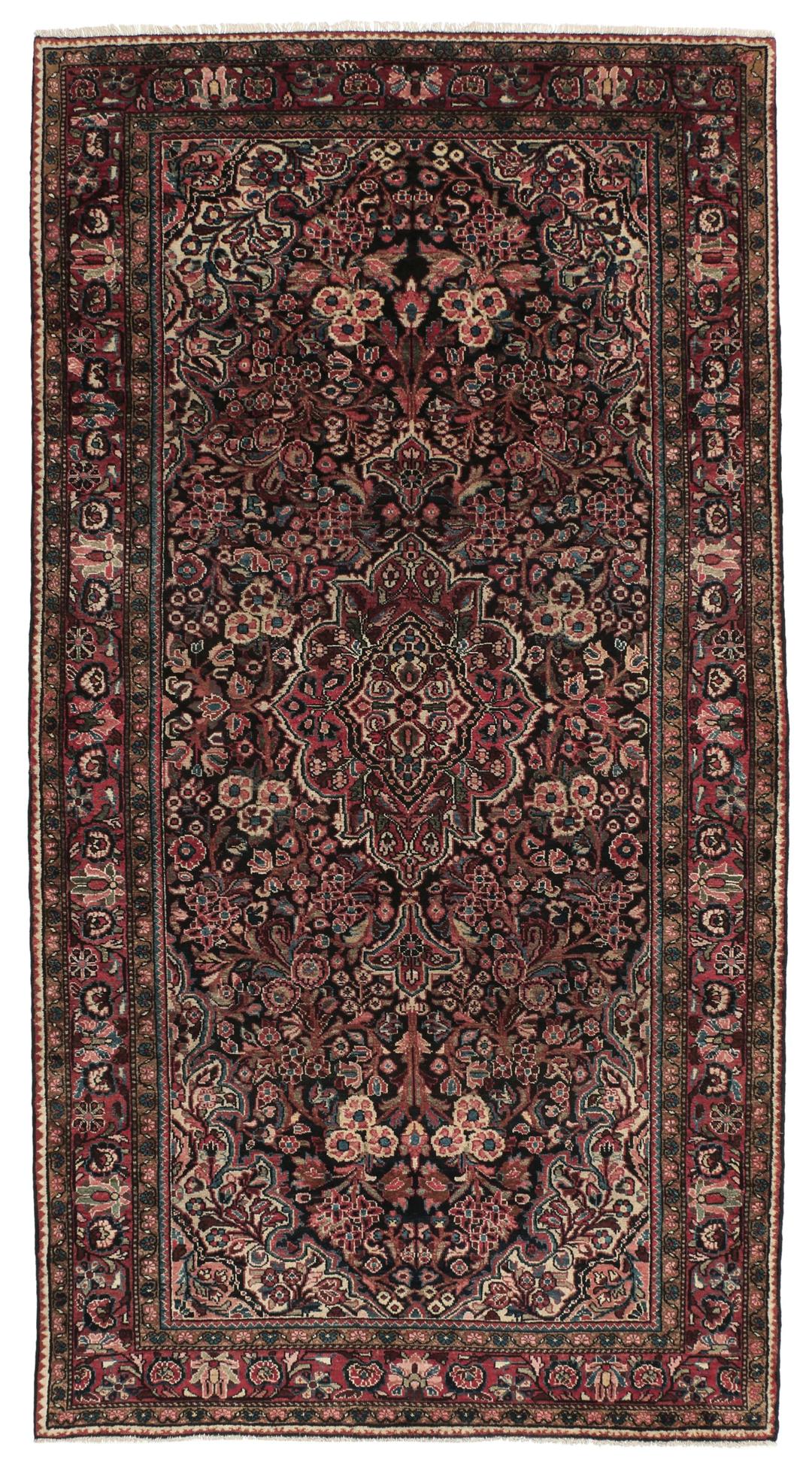
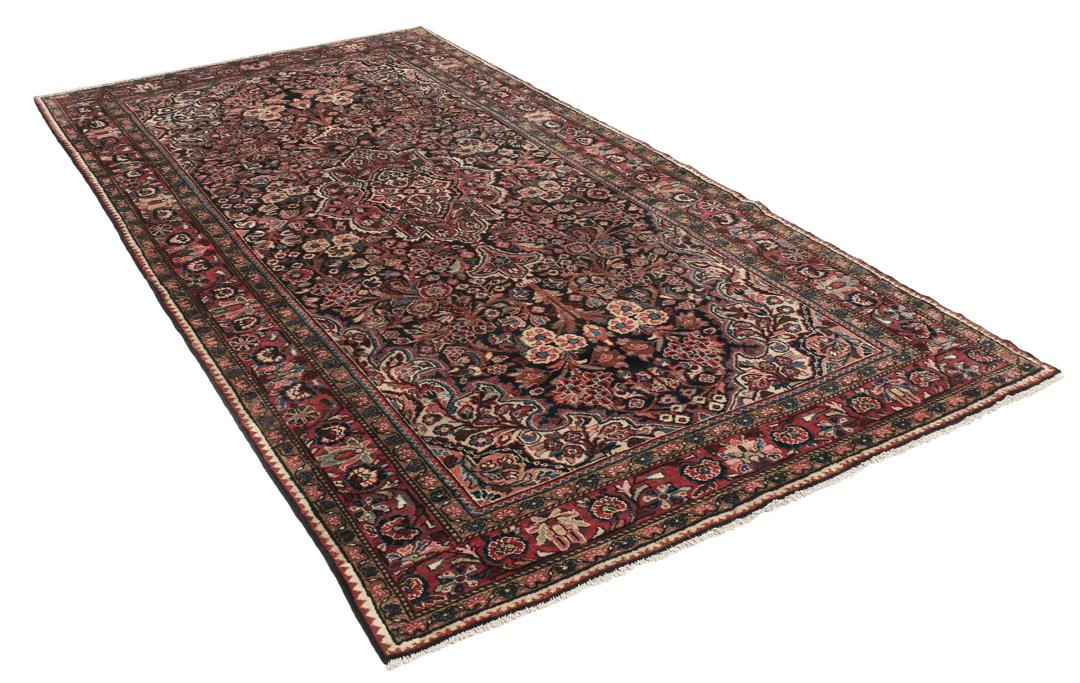
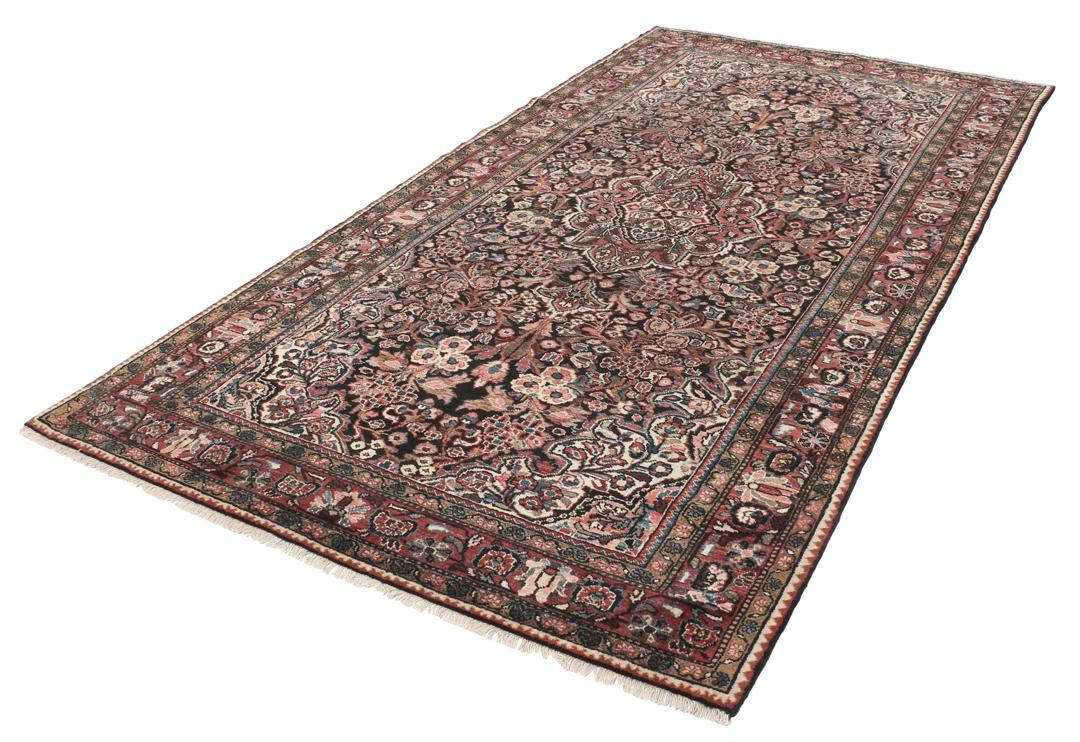
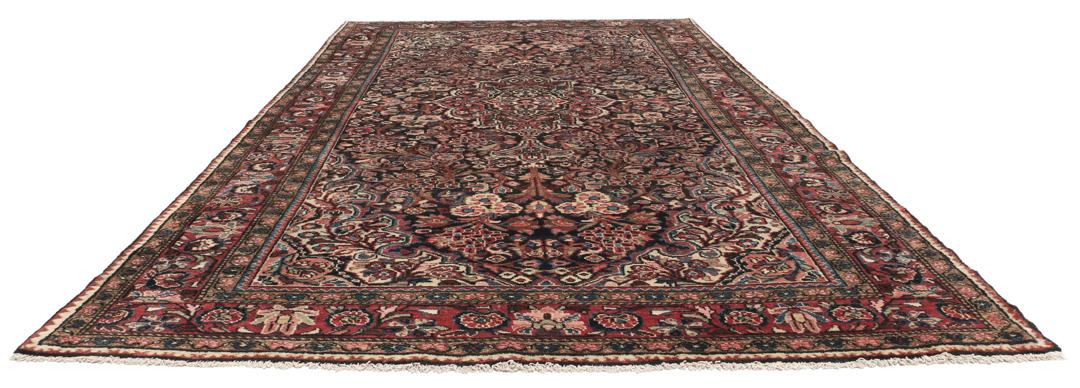
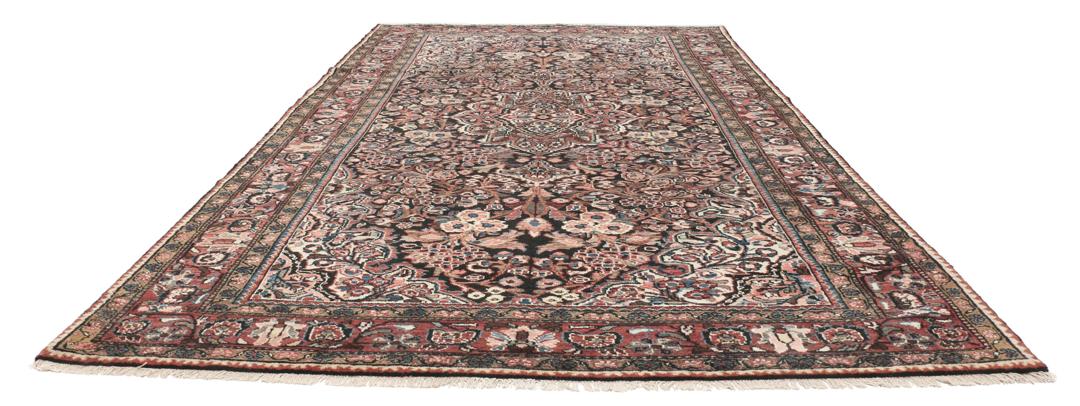
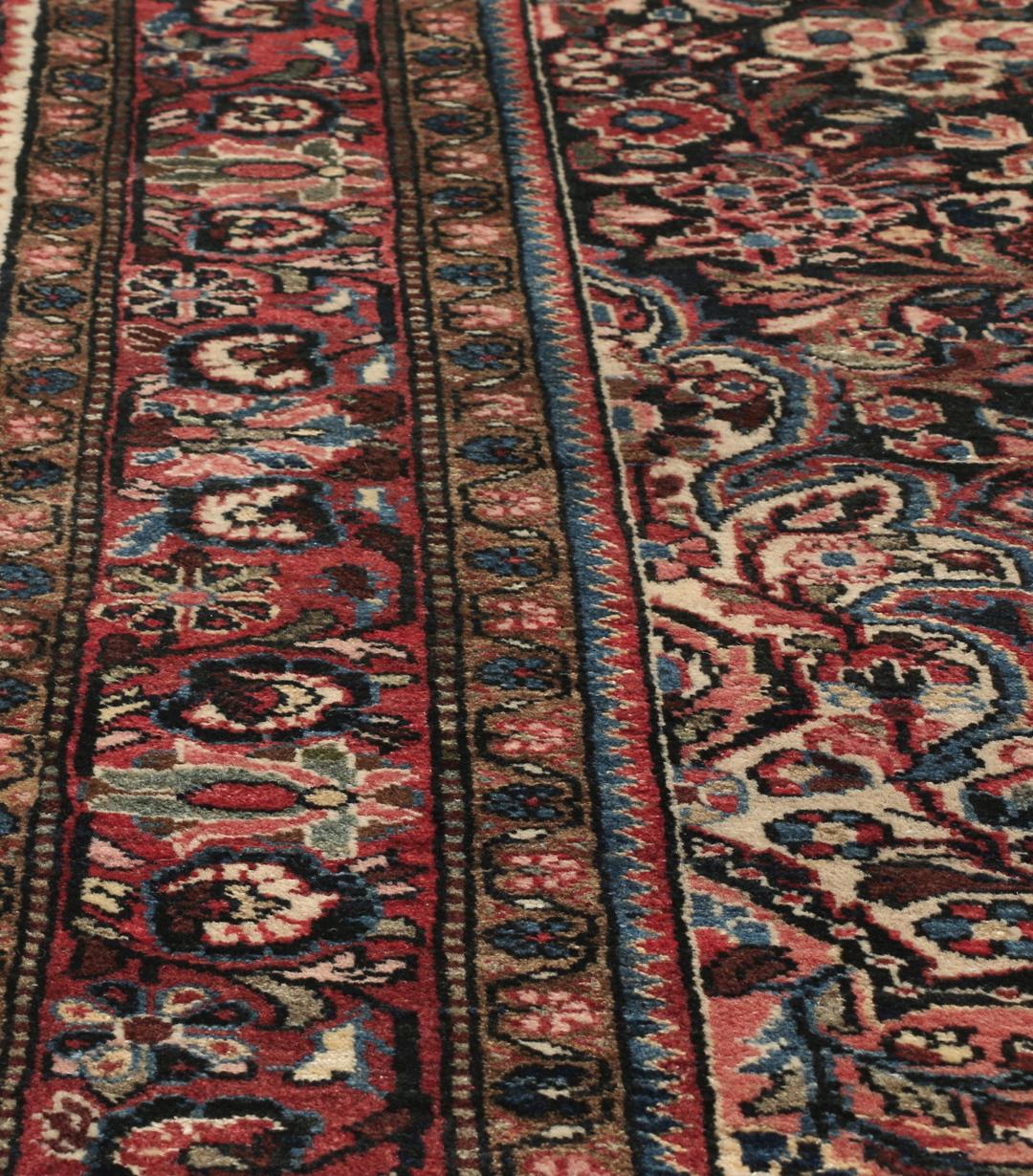
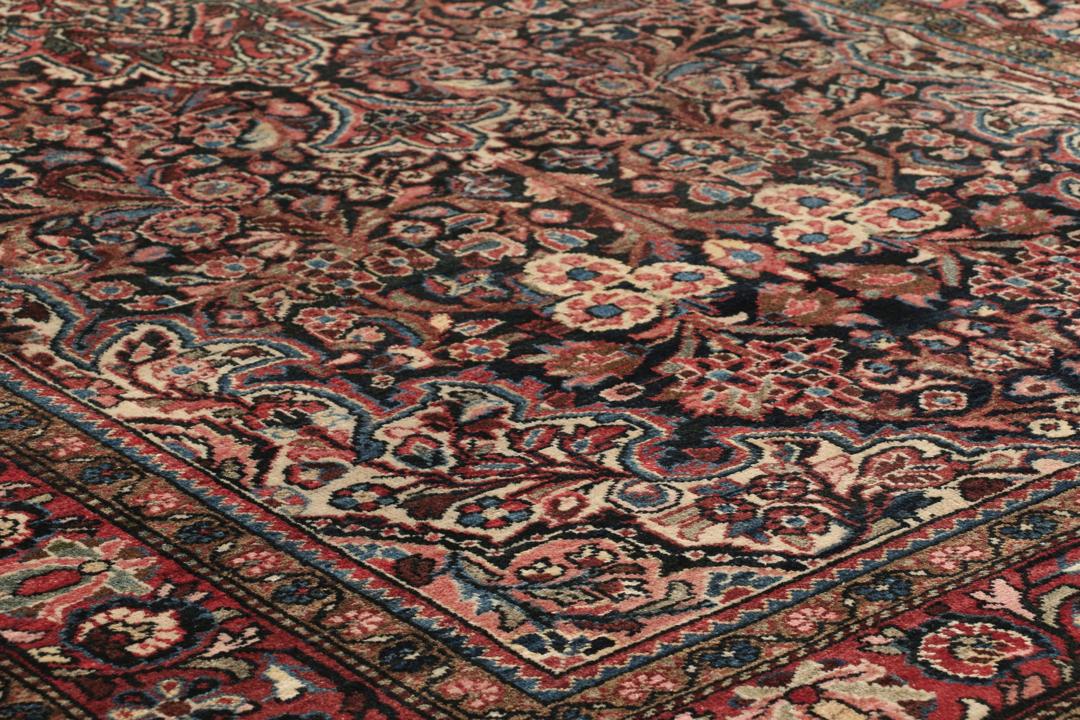
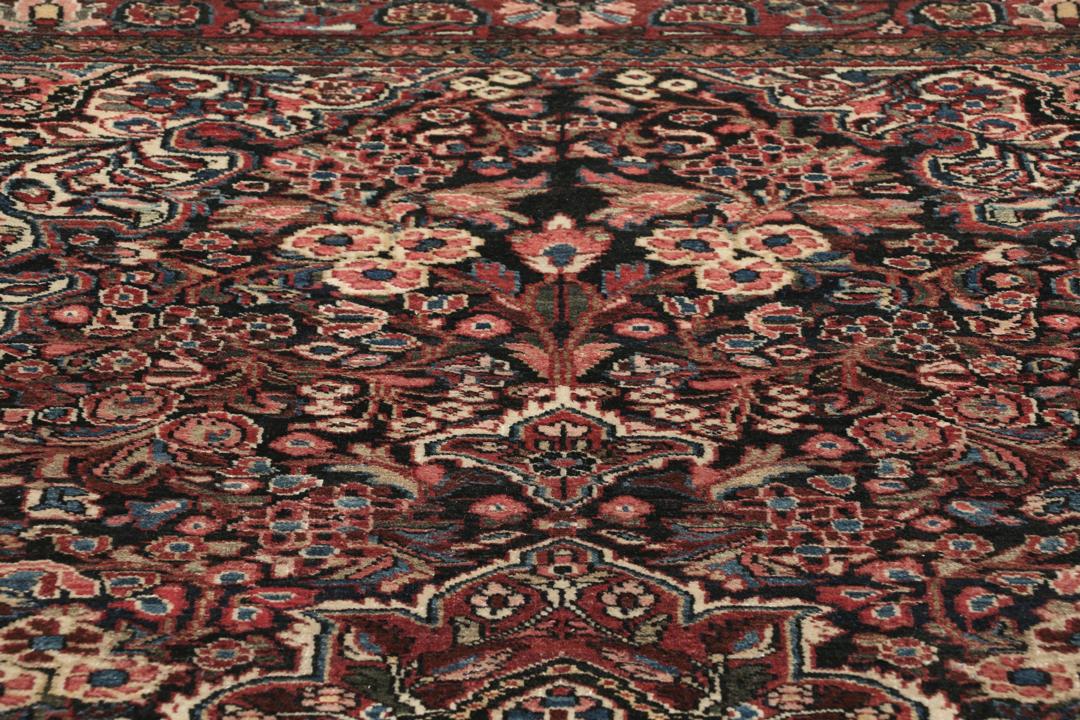
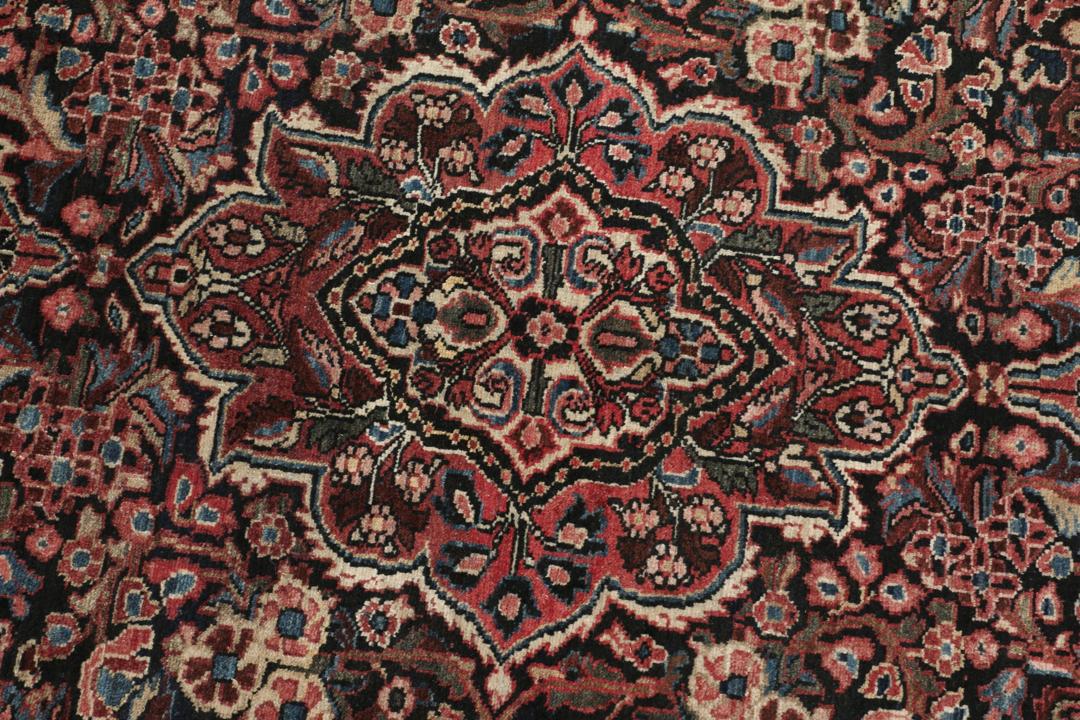
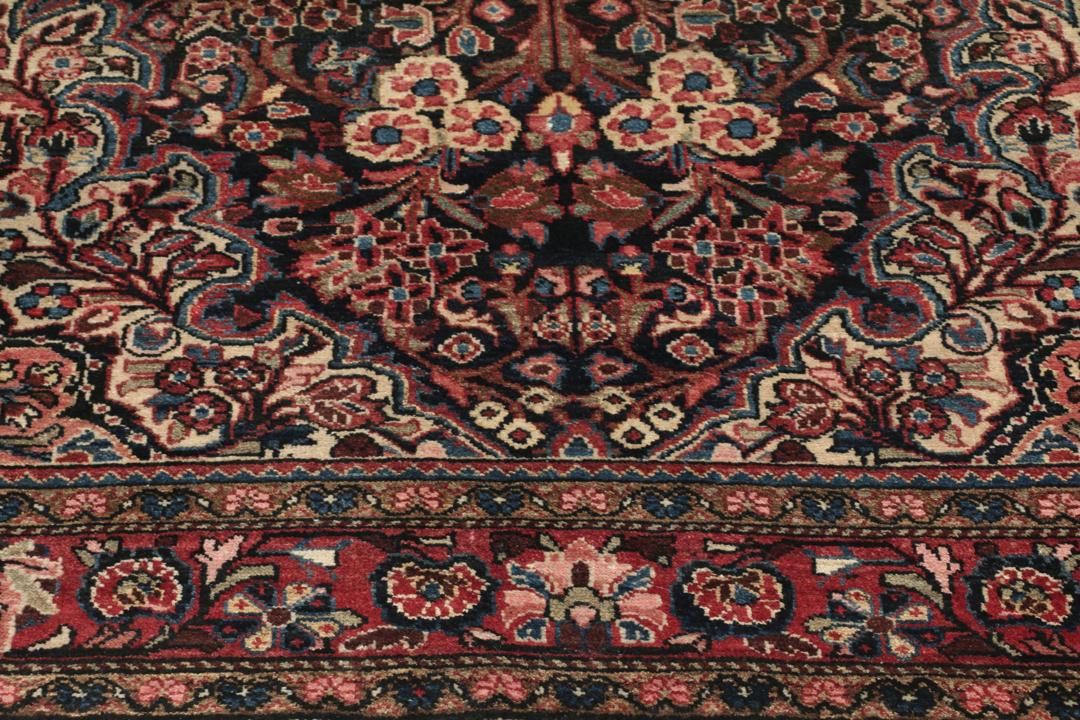
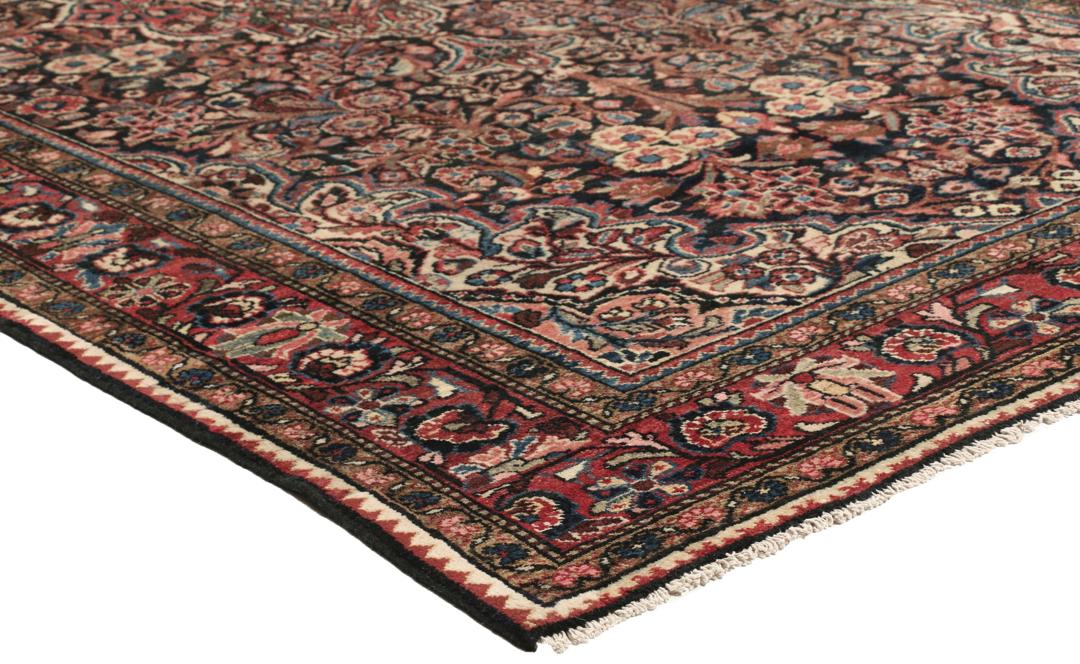
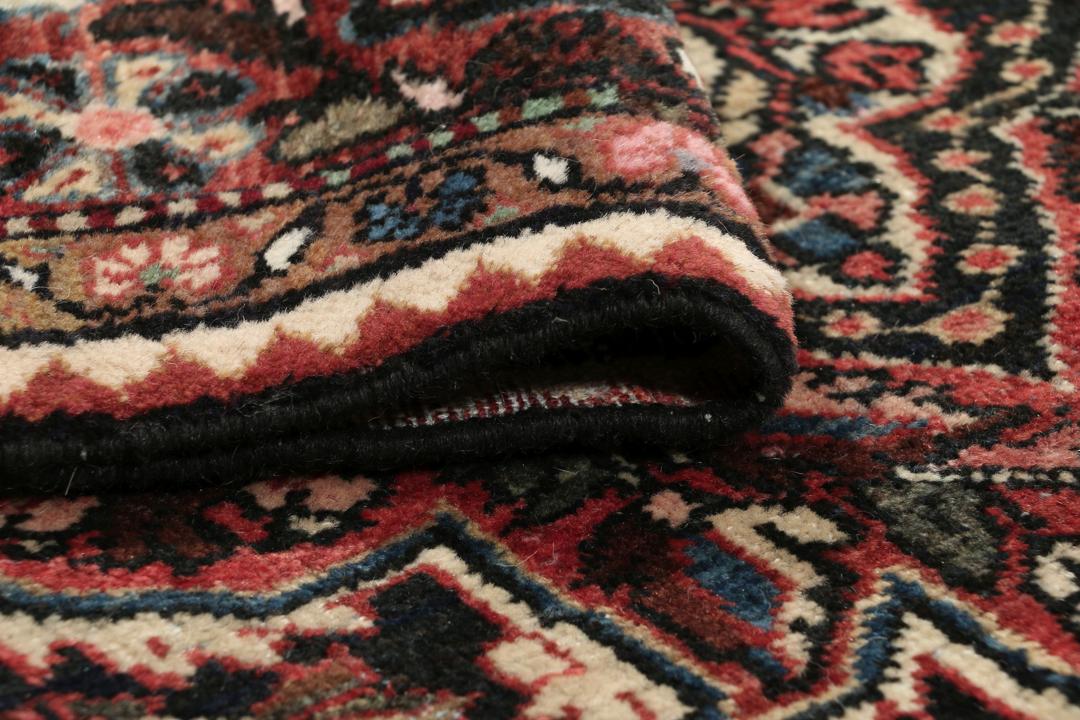
The visual language of a Hamadan is typically defined by bold, recognisable patterns such as central medallions and dense floral filler motifs. The borders are often ornate, acting as a frame for the central story of the rug. In this specific piece, the use of deep, rich tones highlights the intricate nature of these traditional patterns, creating a look that is both sophisticated and grounded.
Collecting a piece from this tradition is an investment in cultural history. These rugs are valued not just for their appearance, but for the human effort and centuries-old techniques they represent. To own one is to participate in a living tradition, bringing a sense of history and authentic craftsmanship into a contemporary home.