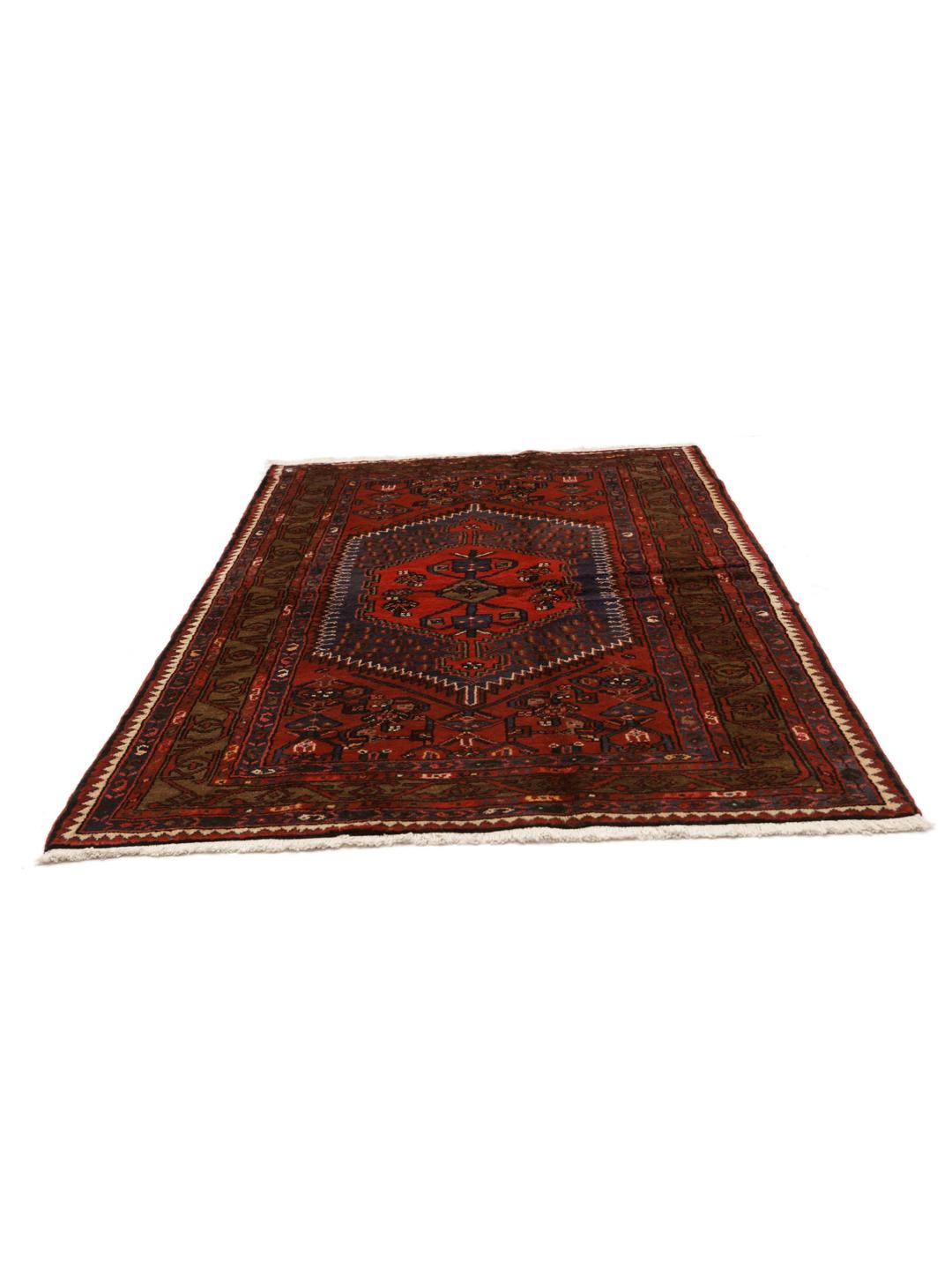
Hamadan rugs take their name from one of the oldest cities in the Middle East, a historic hub located on the ancient trade routes. The weaving tradition in this region is incredibly diverse, reflecting a long history of tribal influence and village-based craft that has evolved over centuries to become a hallmark of regional artistry.
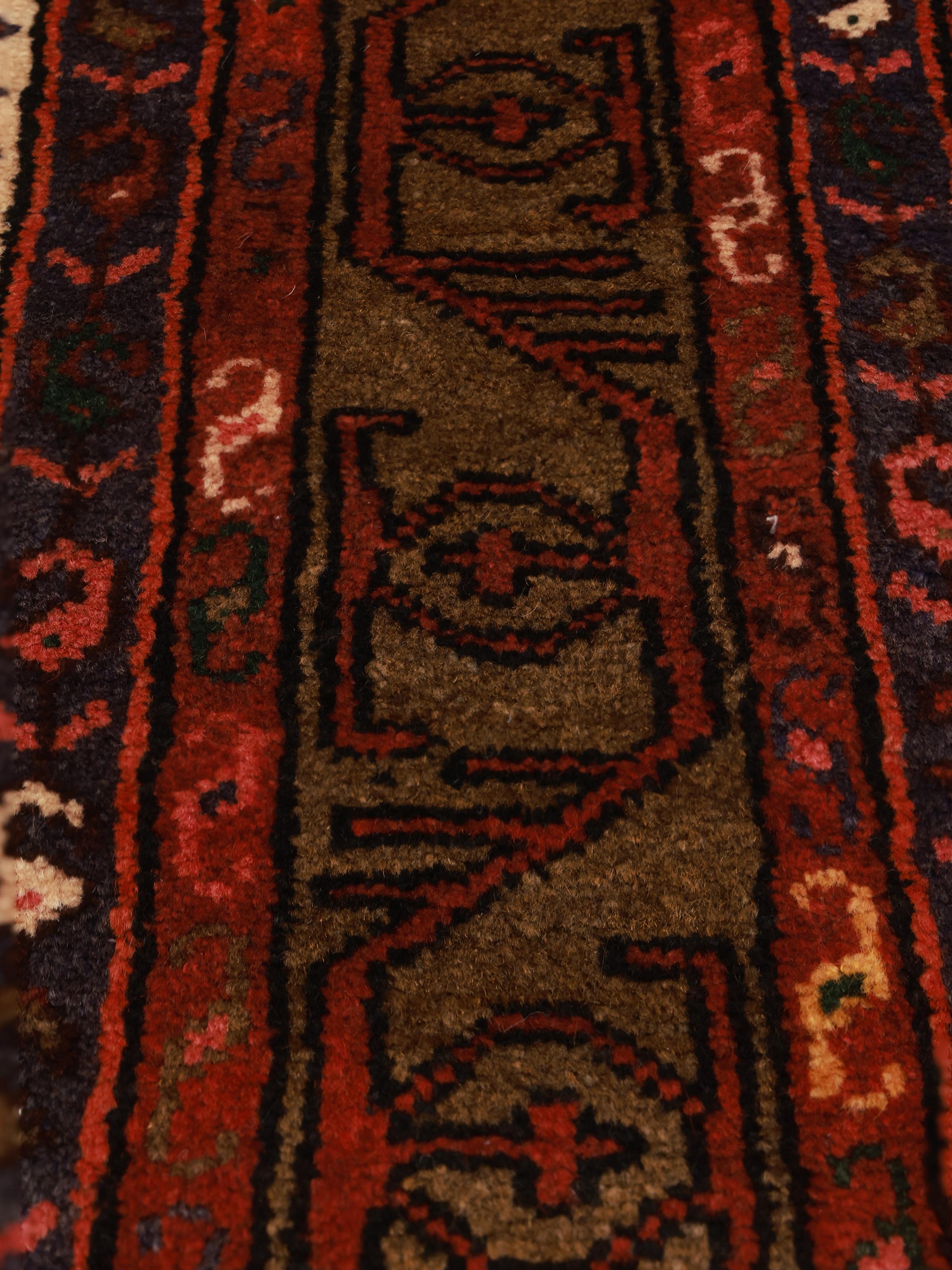
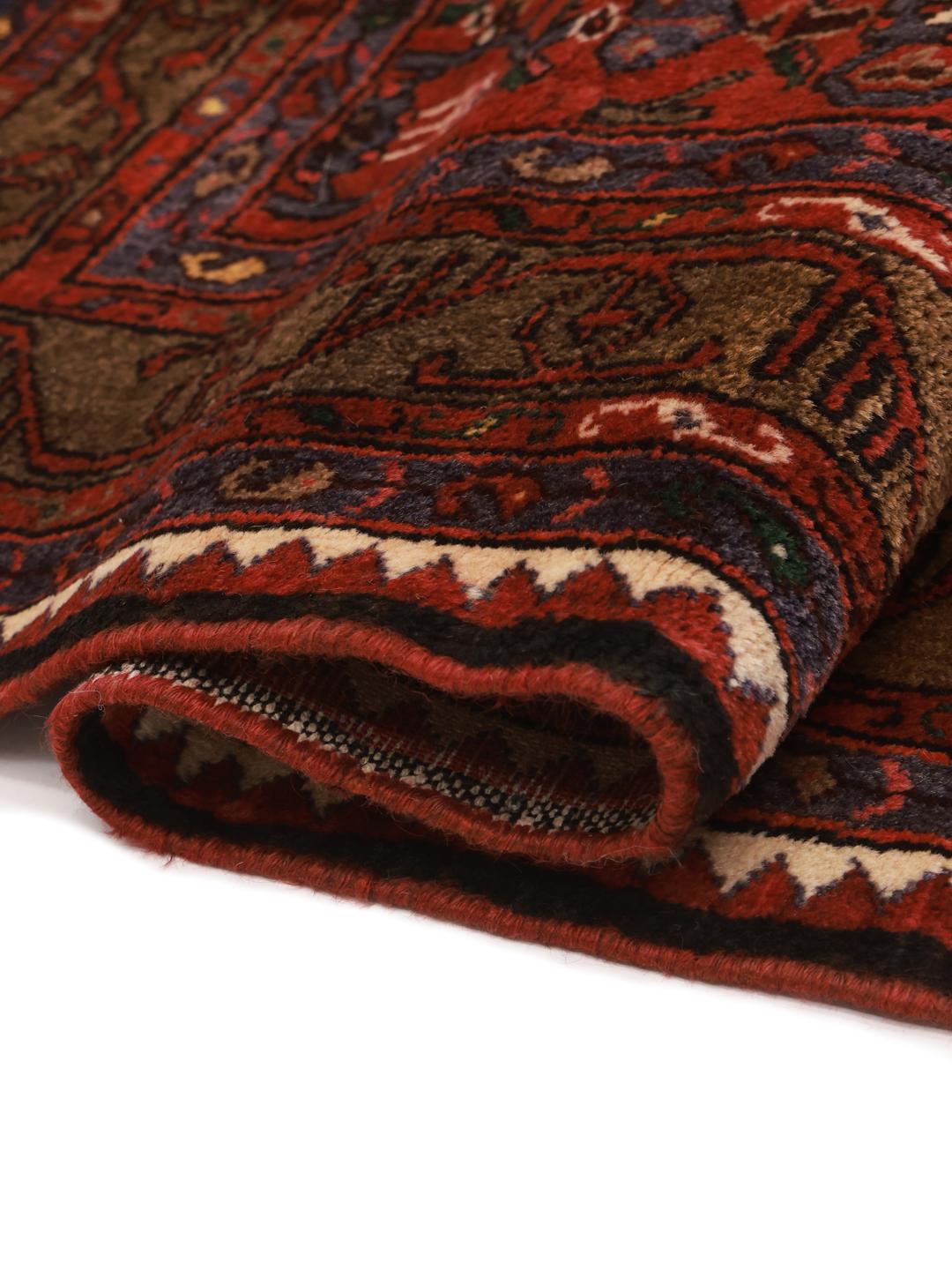
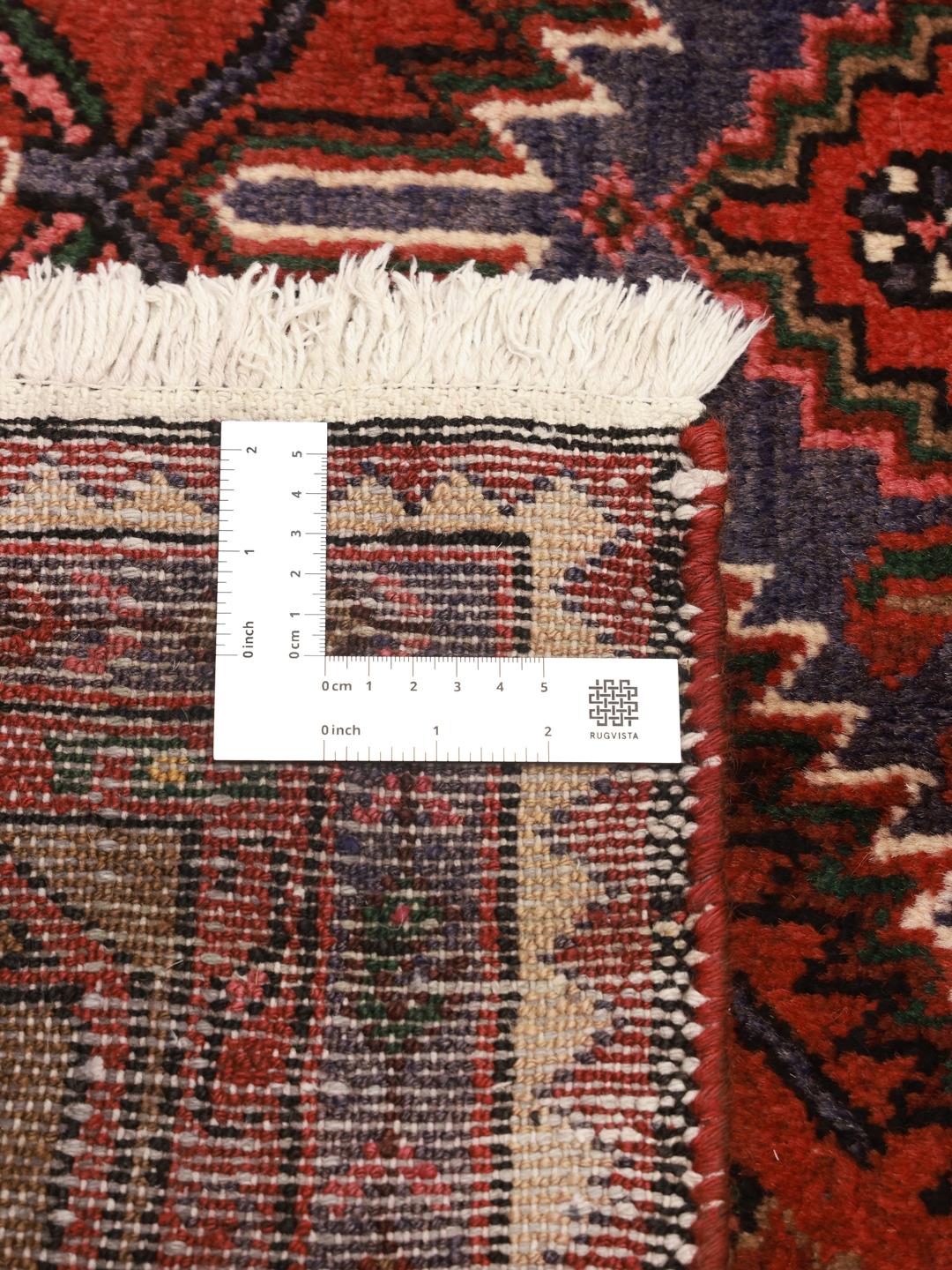
In these traditions, the quality is often defined by the use of high-quality Wool and a sturdy foundation. The techniques passed down through generations focus on creating a durable, functional piece that can withstand the rigors of daily life while maintaining its aesthetic appeal, a testament to the enduring nature of regional craft.
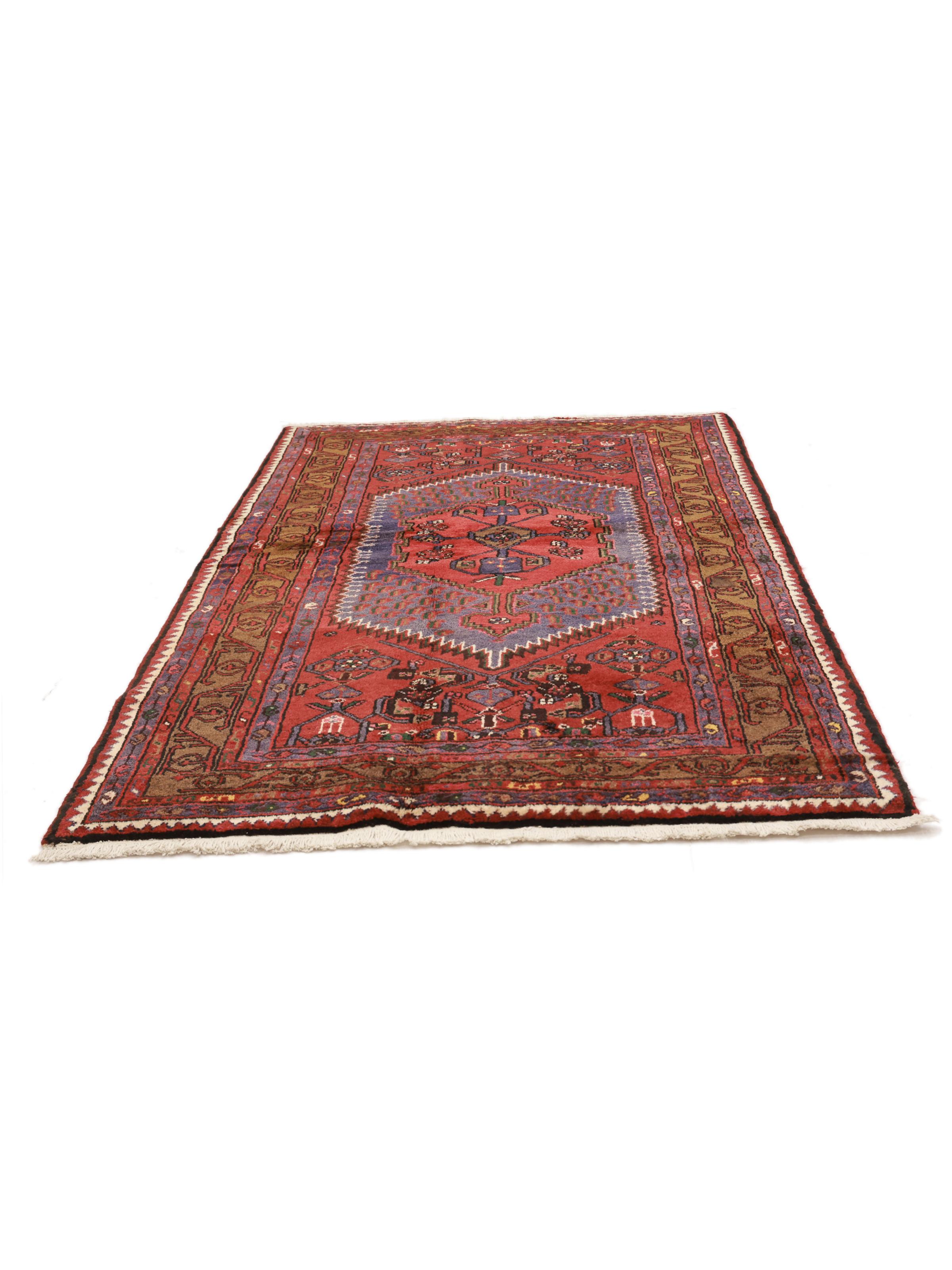
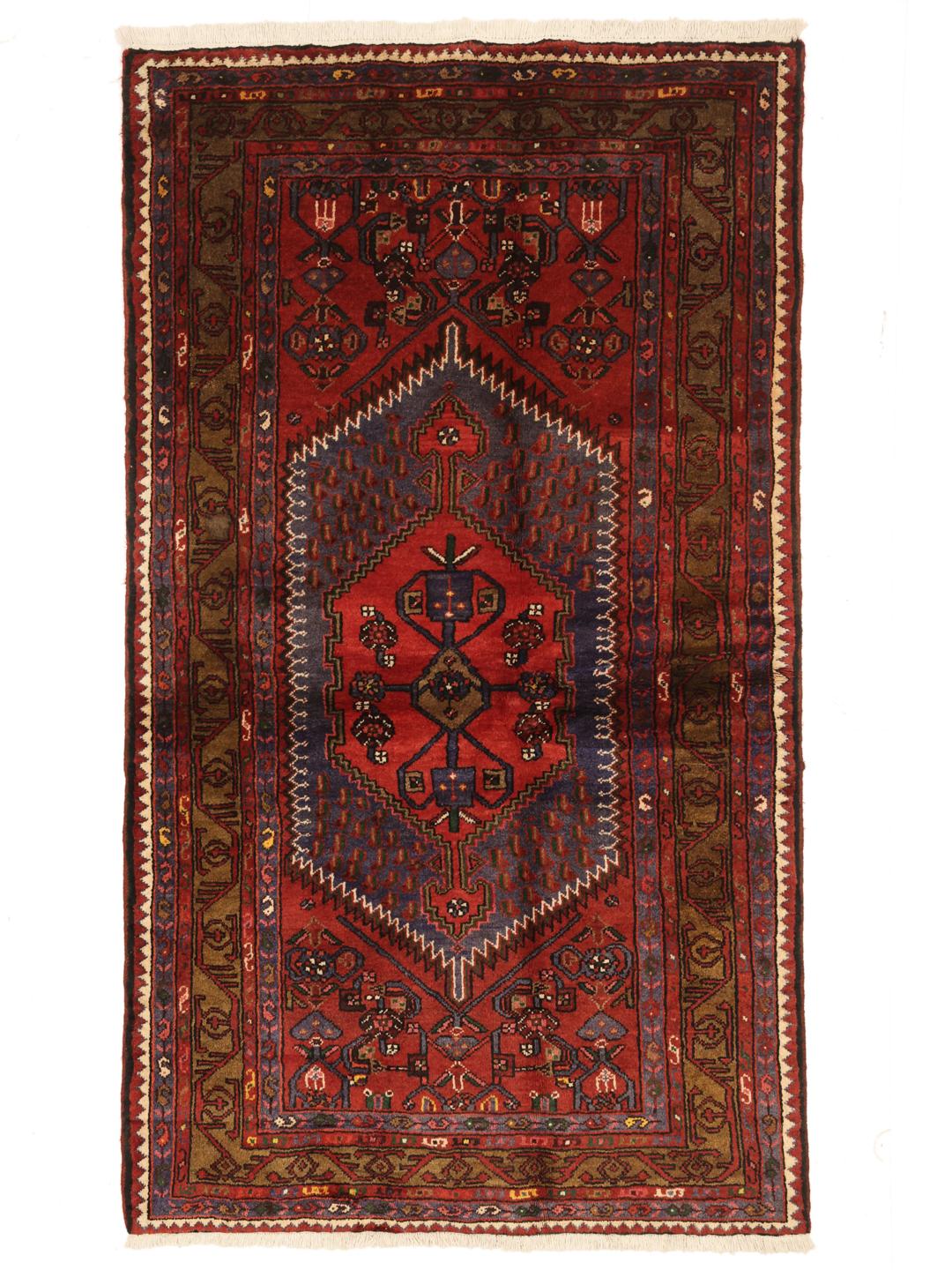
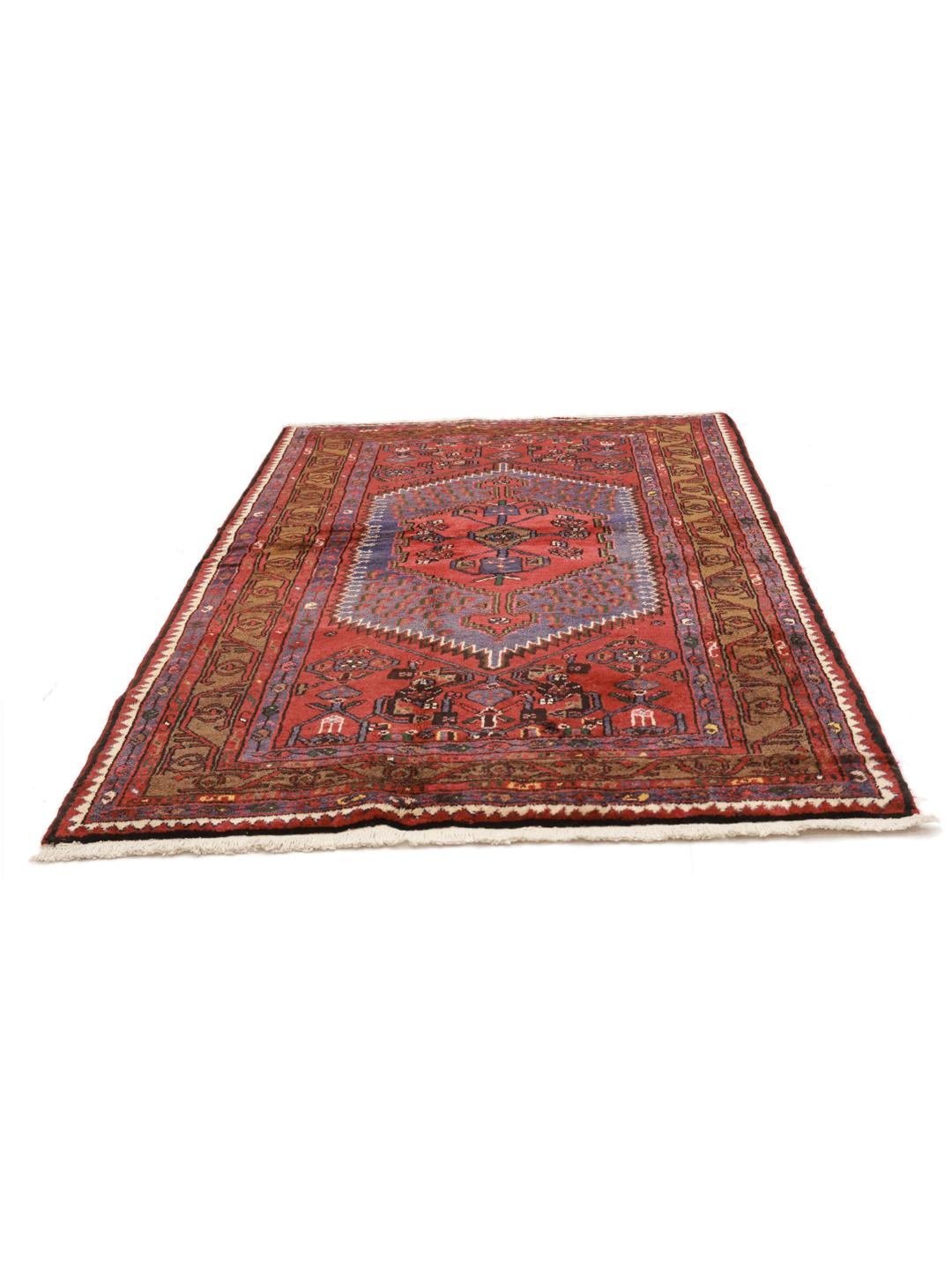
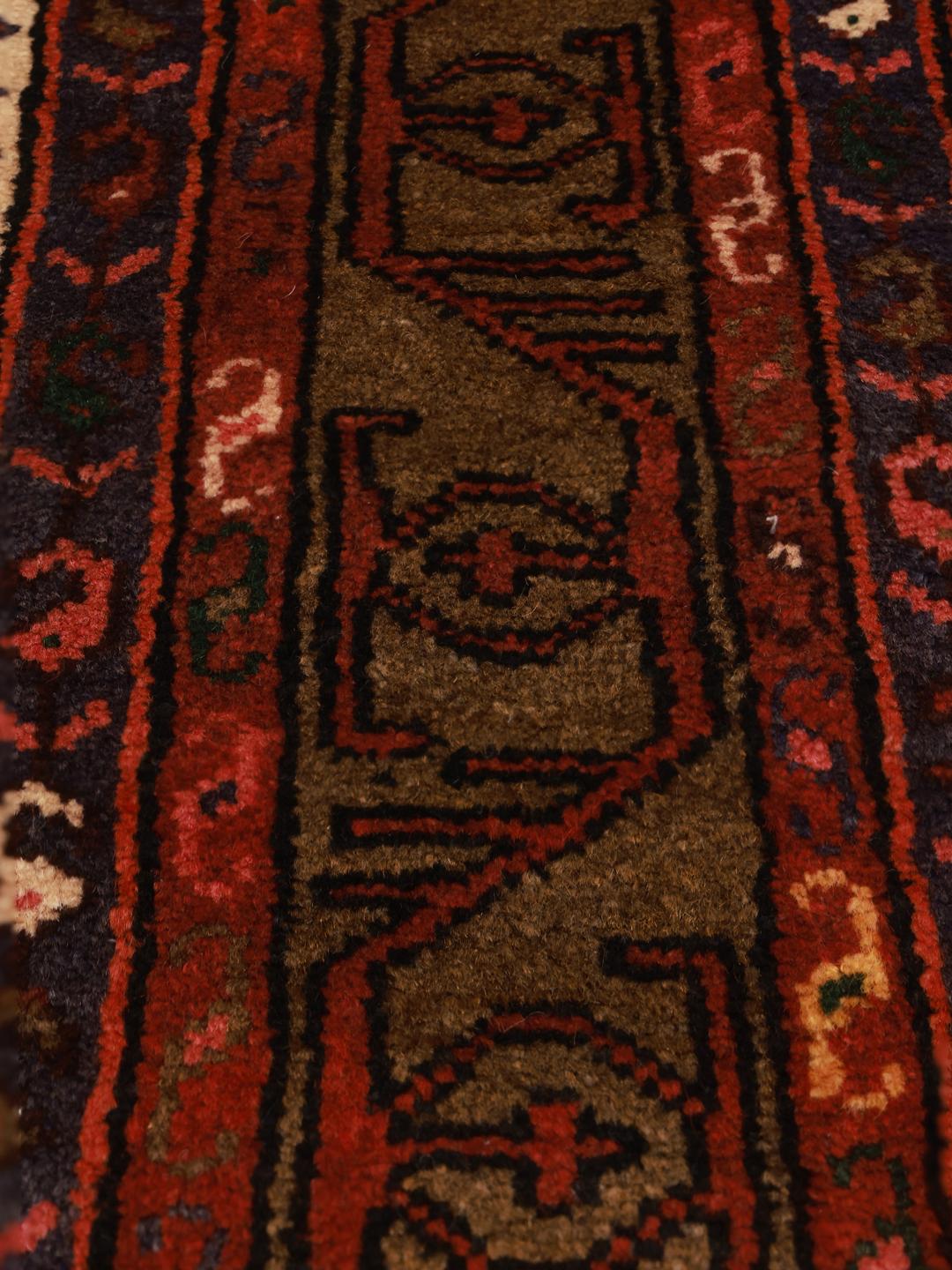
Visually, Hamadan rugs are often celebrated for their bold, geometric interpretations of traditional floral and medallion motifs. While many rugs from this area feature a classic central medallion, the specific arrangement of symbols and the use of rich, natural-looking dyes can vary, often telling a story of the specific village or family where the rug was created.
Owning a piece from this tradition is an opportunity to connect with a rich cultural heritage. These rugs are highly valued by collectors and homeowners alike for their authenticity and the human skill they represent, offering a connection to a world of traditional artistry that remains relevant and cherished in the modern home.