The Hamadan region in the Middle East is one of the oldest and most prolific areas for rug production in the world. Located in the high plateau of the western part of the region, this area has long been a hub for nomadic and village weavers who draw upon local traditions that have been passed down through countless generations.
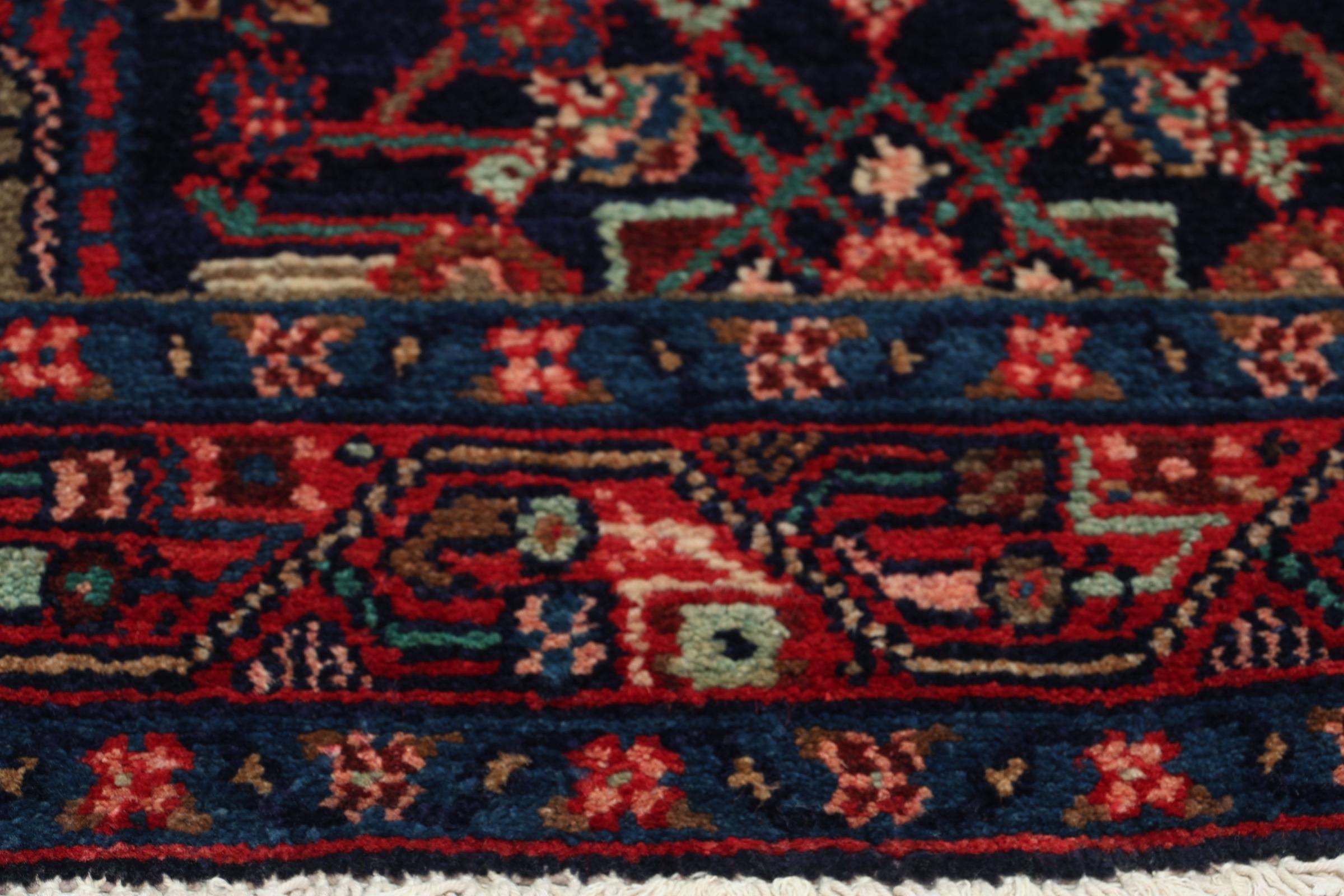
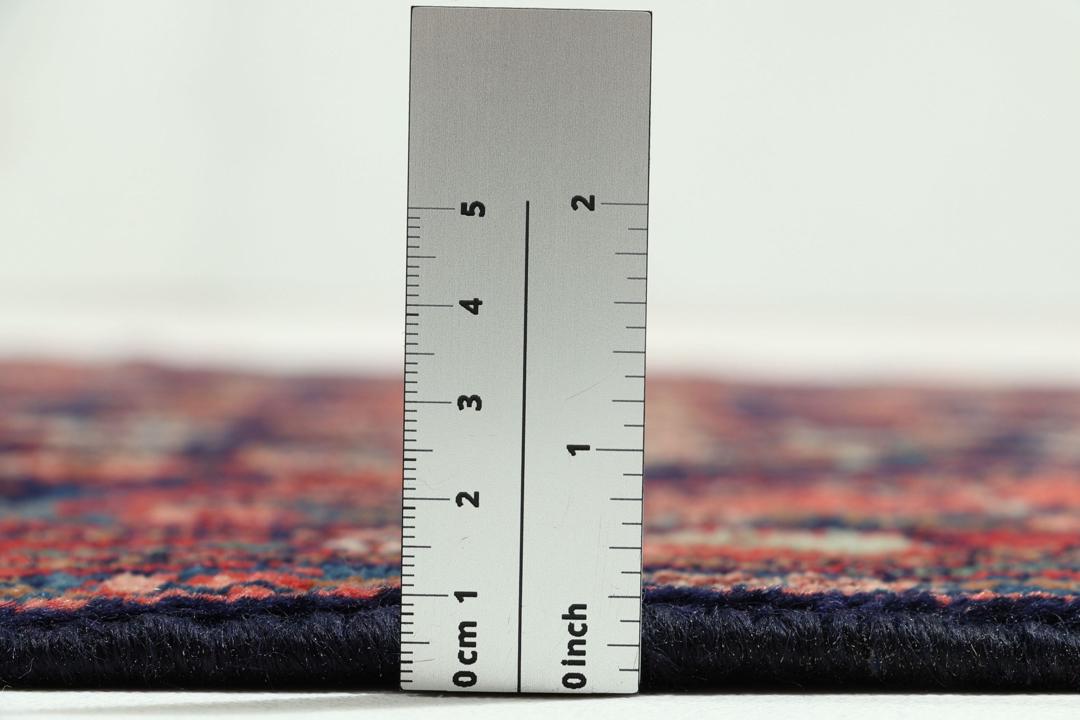
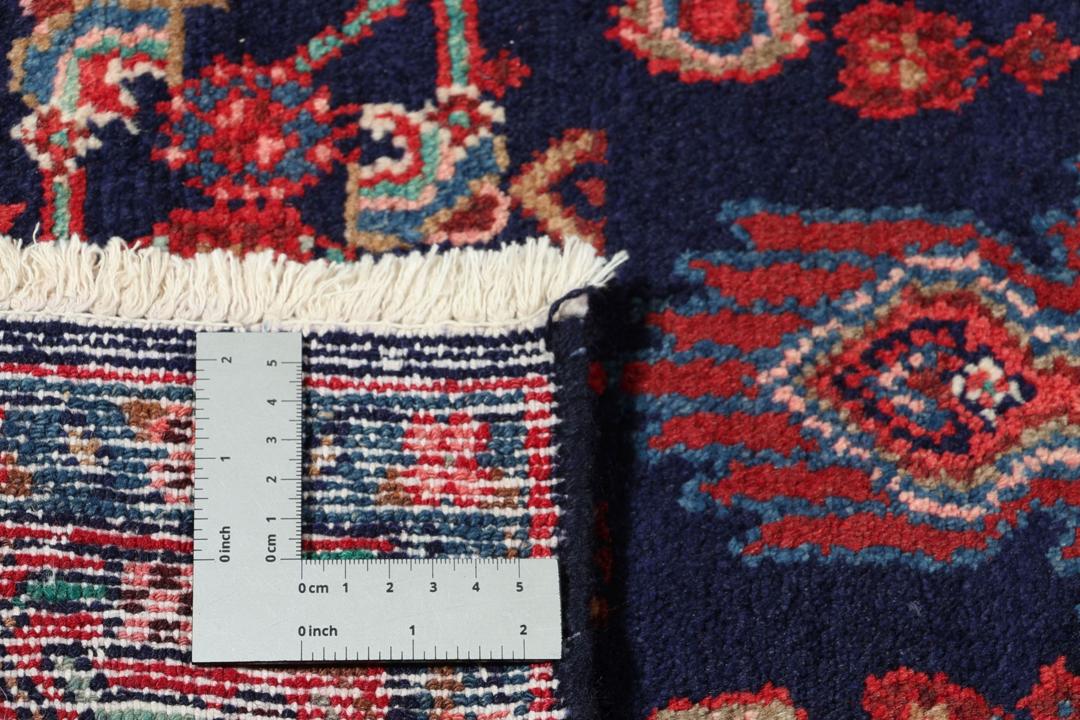
Technical quality in this region is defined by the use of resilient, locally sourced wool, often woven onto a sturdy foundation. This construction method is favoured for its practicality and durability, making these rugs highly prized for their ability to remain vibrant and functional over many decades of use.
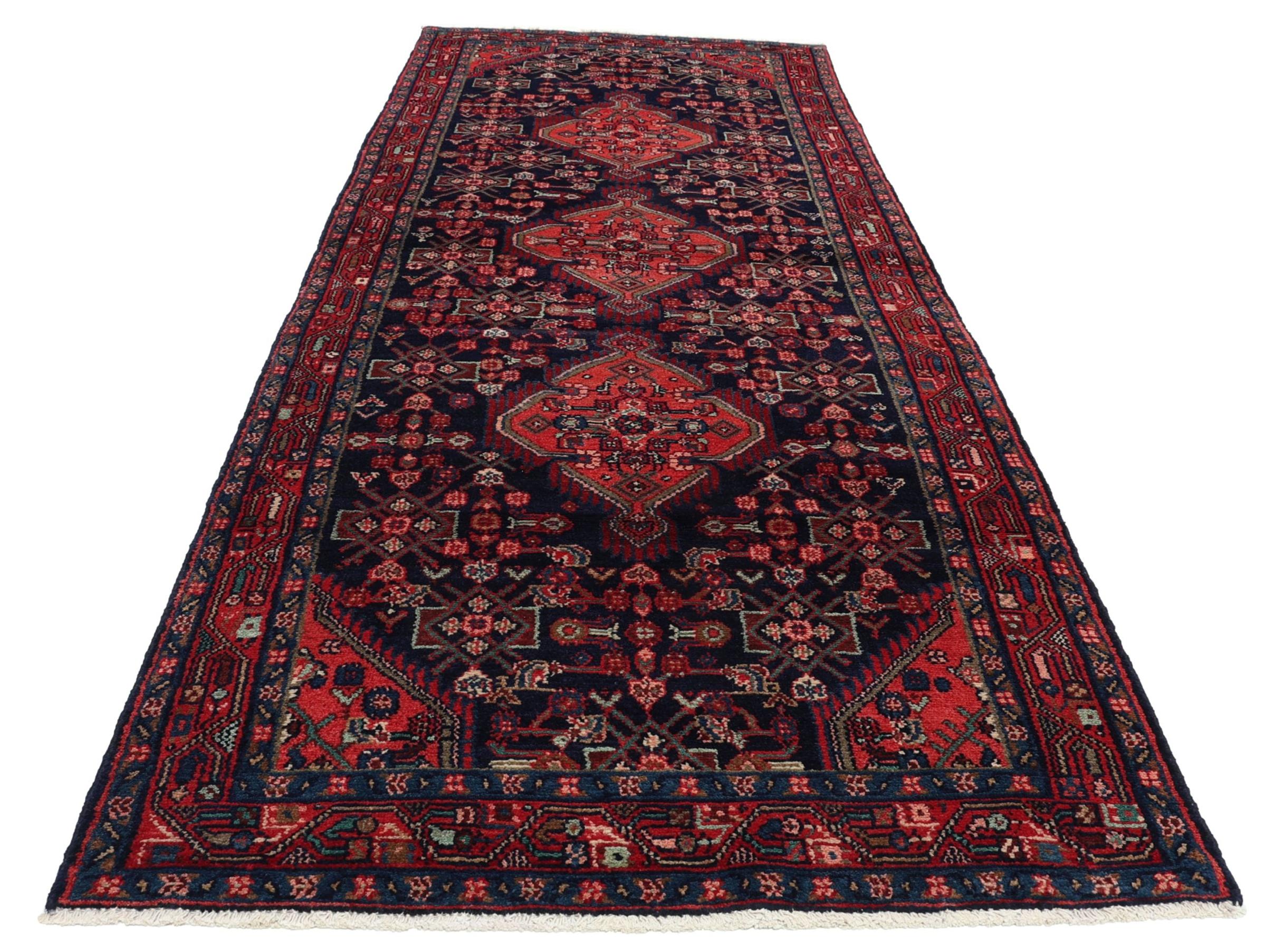
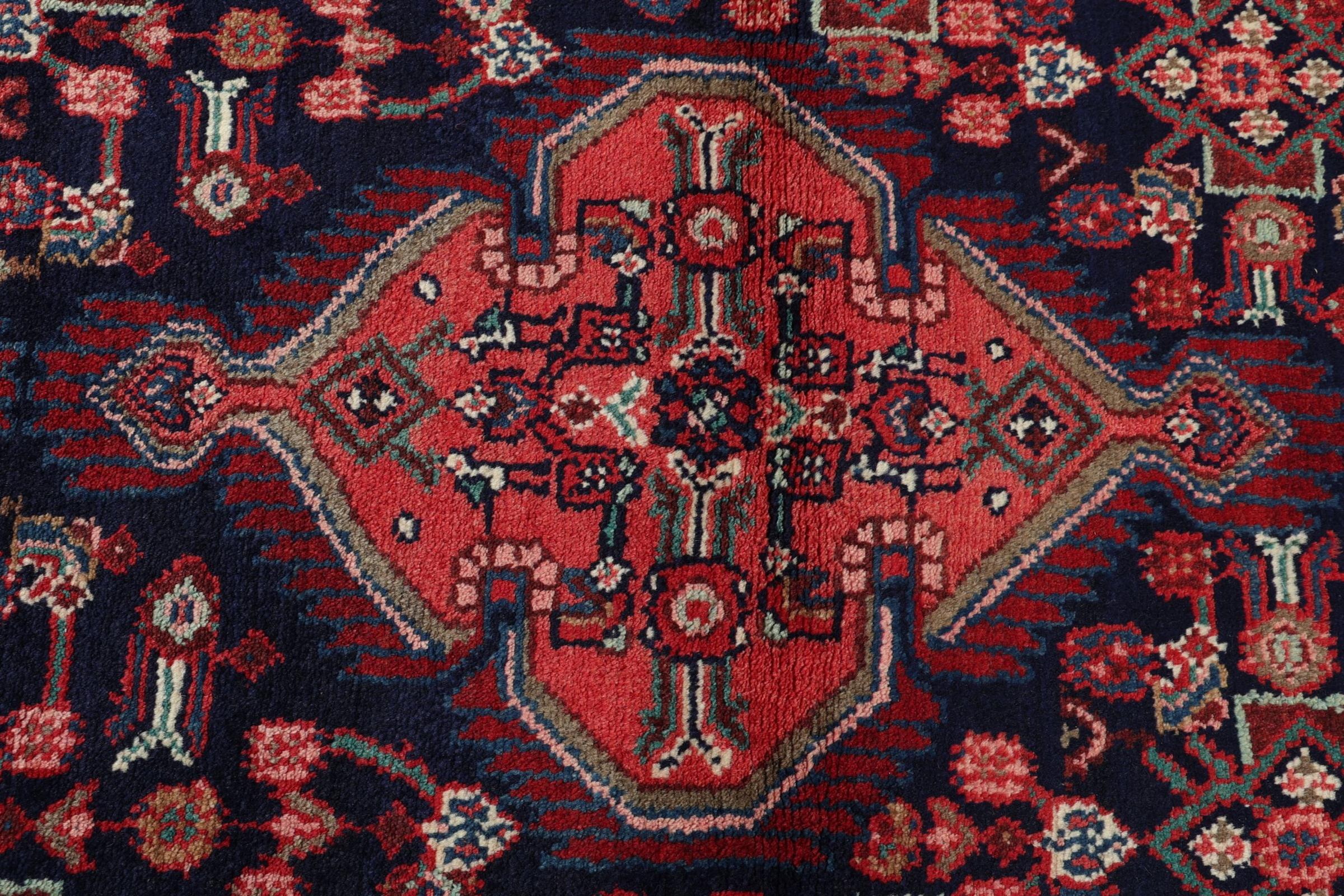
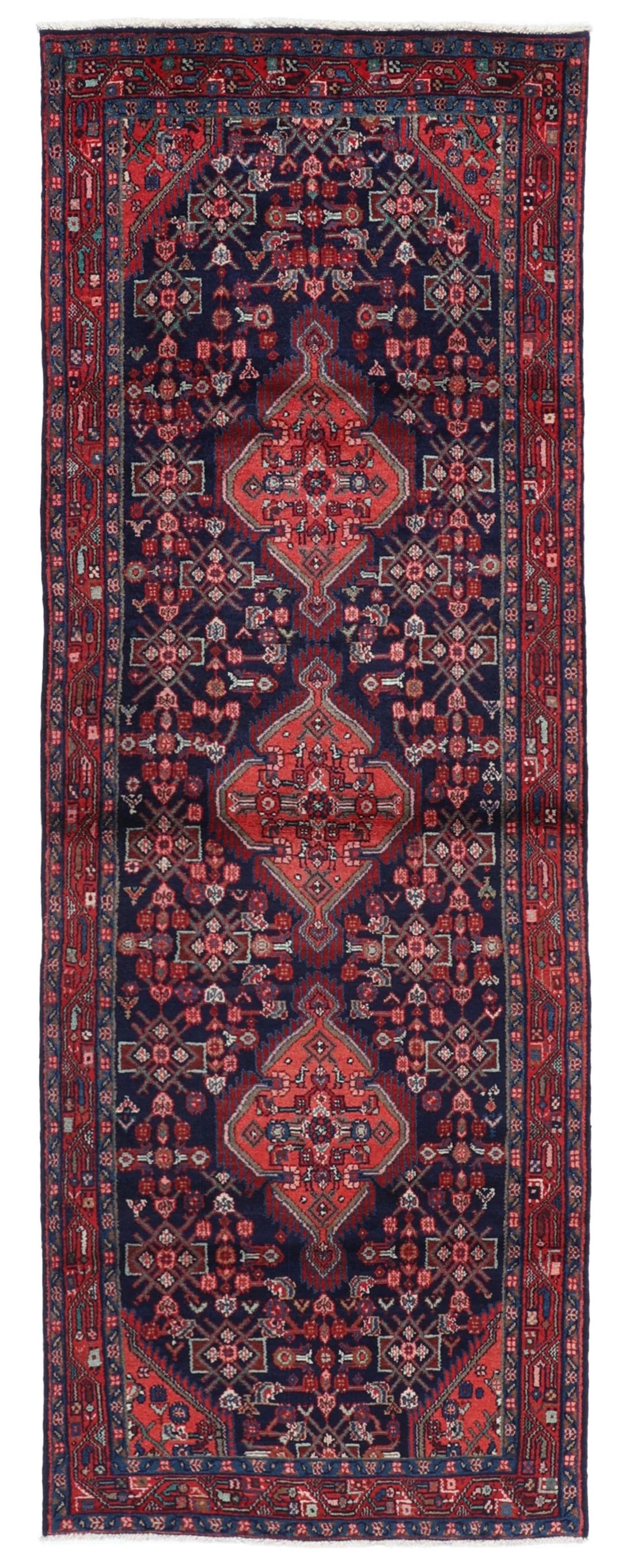
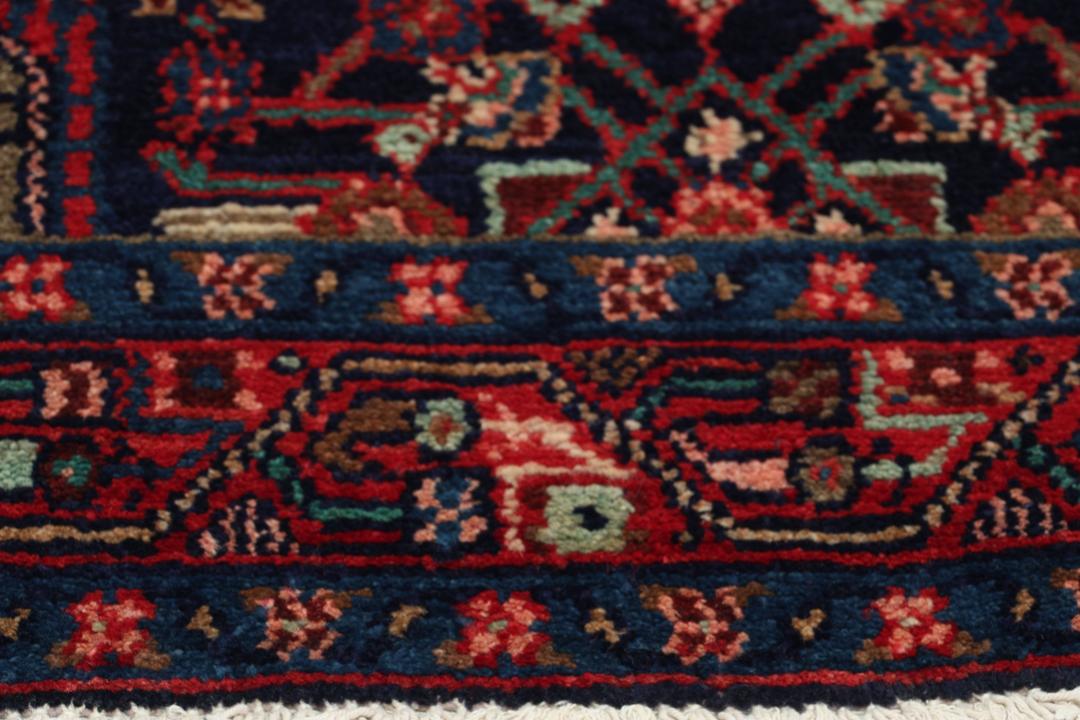
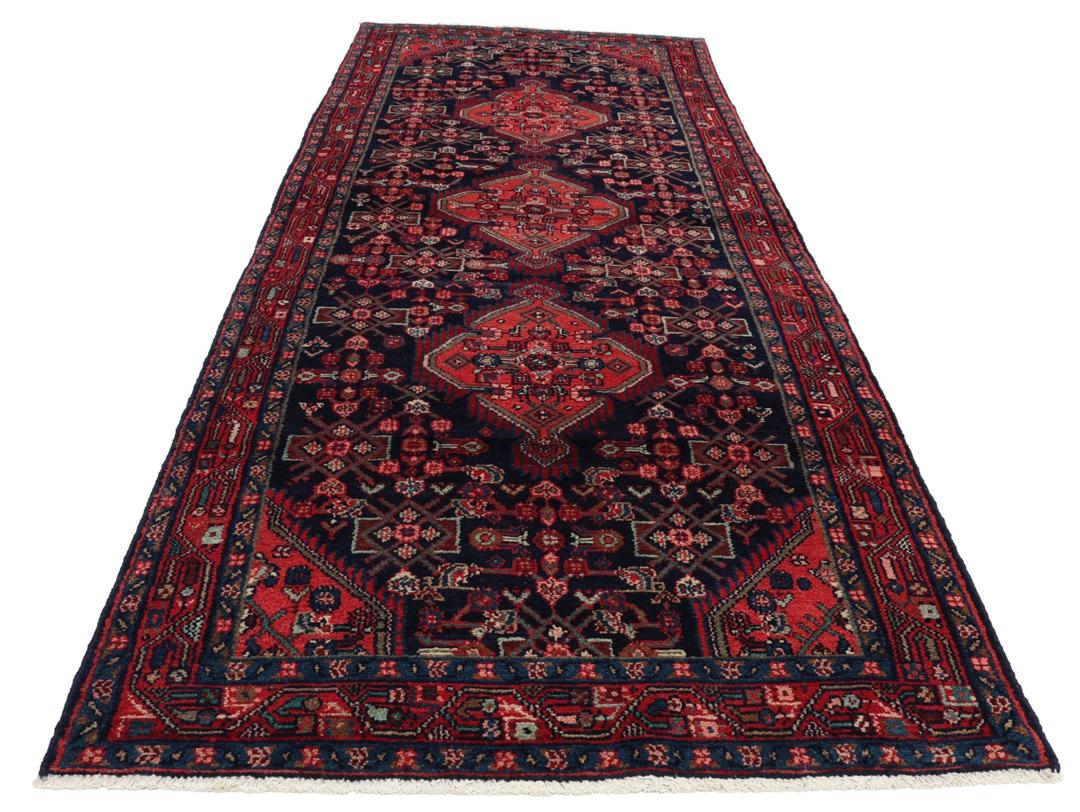
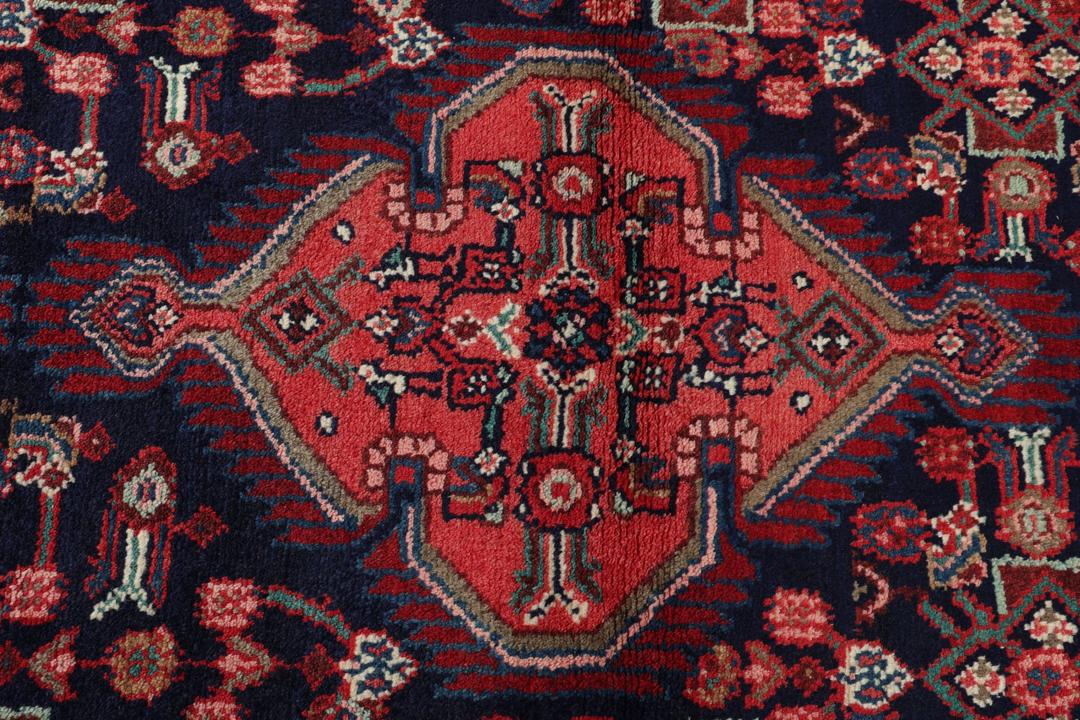
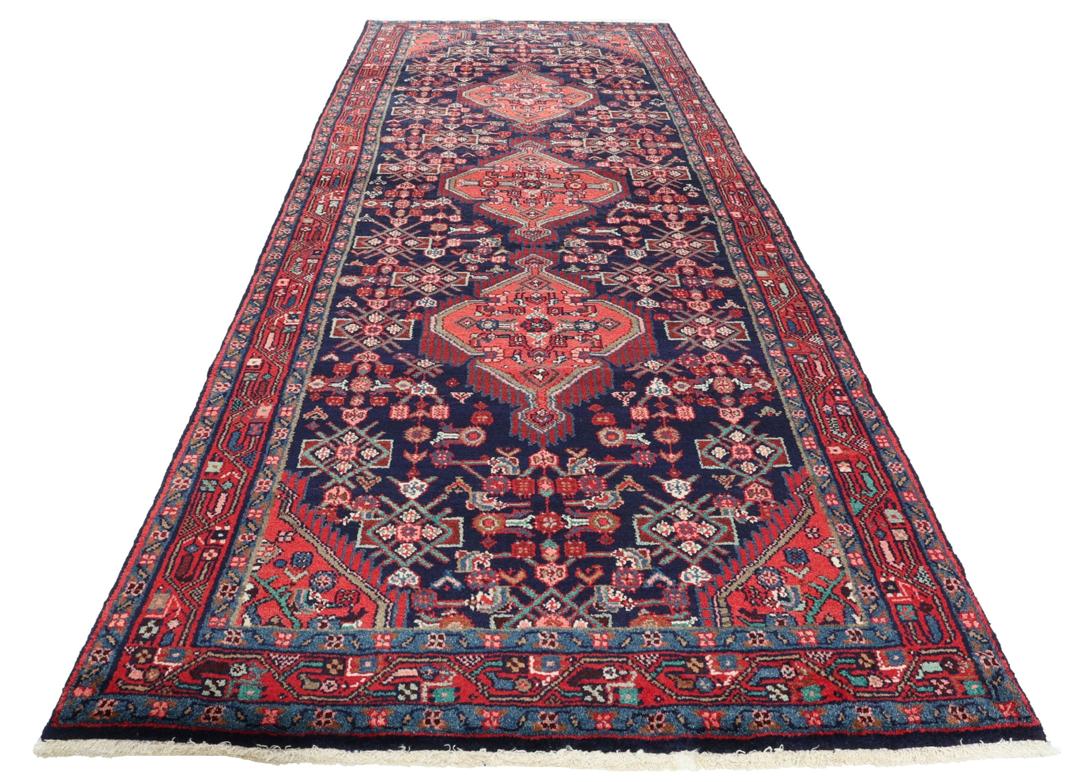
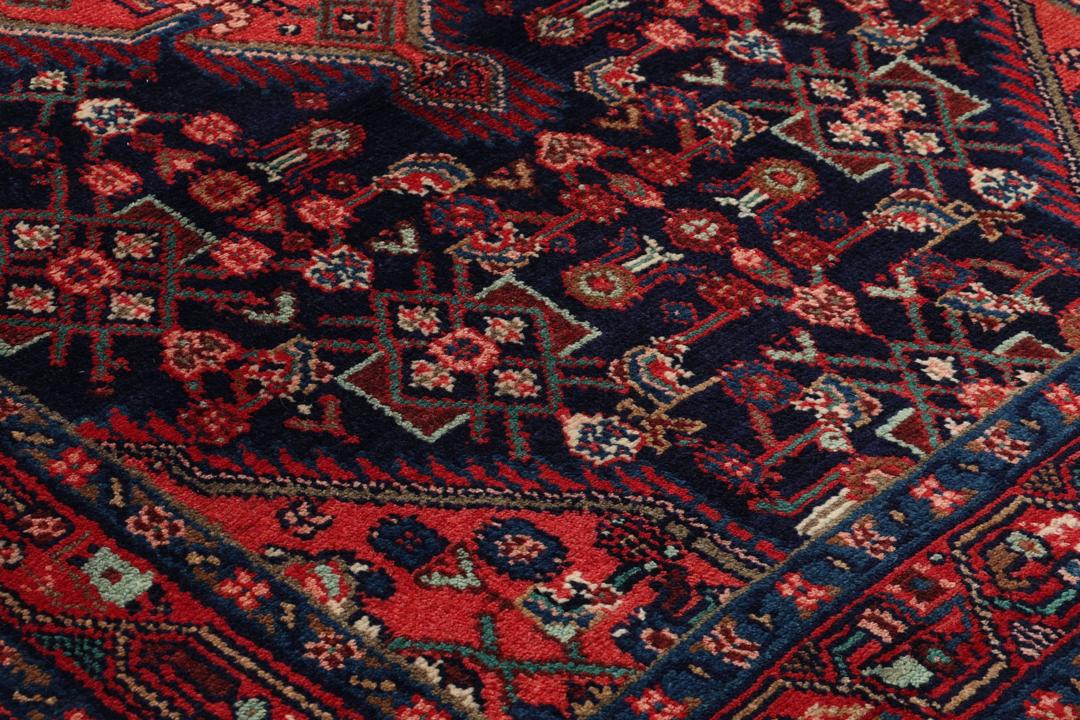
Visually, these rugs are known for their bold, varied designs, often featuring geometric medallions and stylised floral motifs. While they share a common regional heritage, the individual weaver's interpretation results in a vast array of unique patterns, borders, and colour combinations that make every single piece a distinct reflection of its creator.
Owning a piece from this tradition is about more than just decor; it is an investment in cultural heritage. Collectors value these rugs for their authenticity, the human element behind every knot, and the way they bridge the gap between ancient craft and the needs of a modern home.