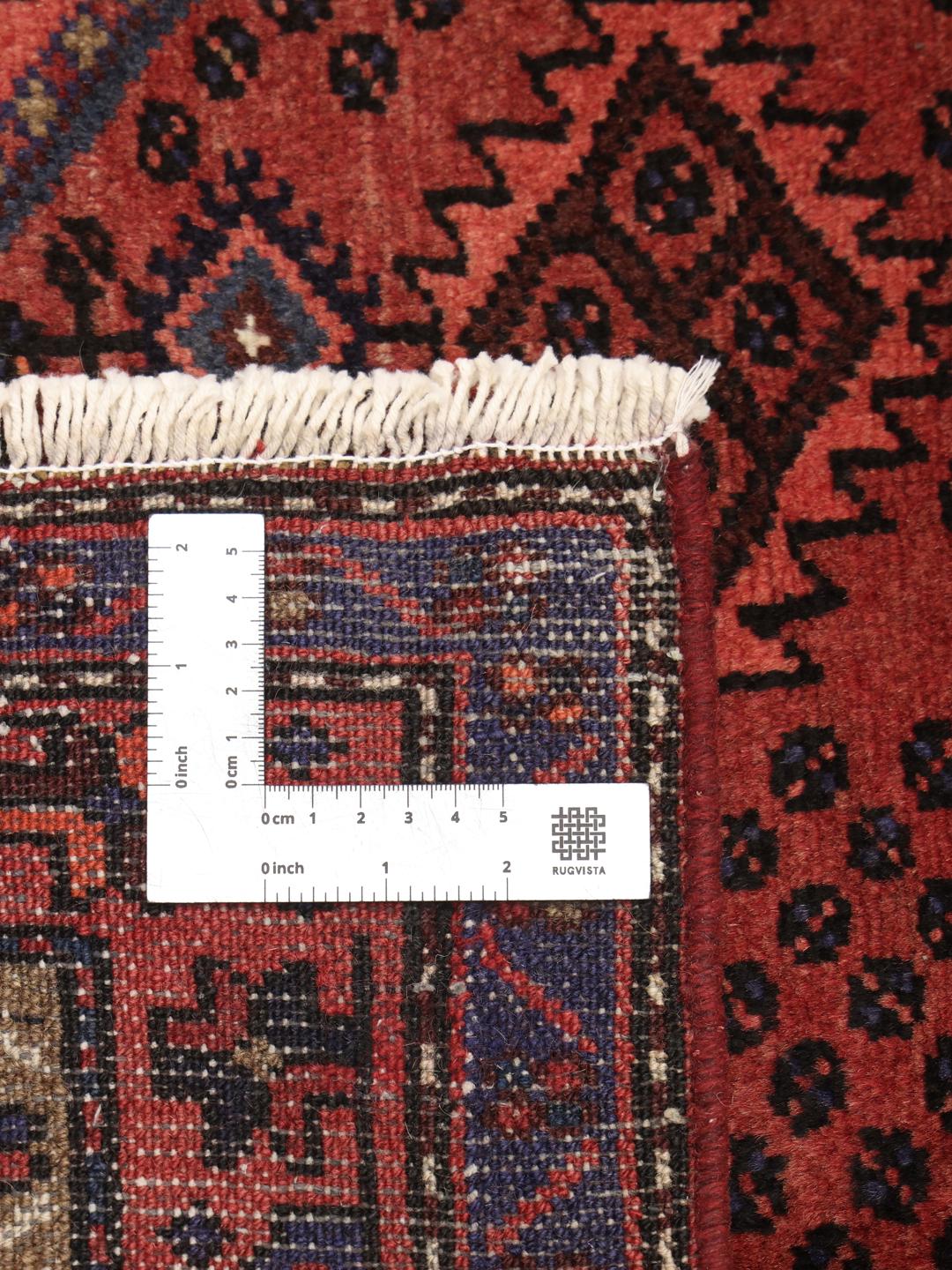
The Hamadan region in the Middle East is one of the oldest and most prolific areas for rug weaving in the world. Located in a mountainous area, the region has long served as a central hub for nomadic and village weavers who bring their goods to the city of Hamadan to be traded. This tradition has evolved over centuries, blending diverse tribal influences into a recognisable and beloved regional style.
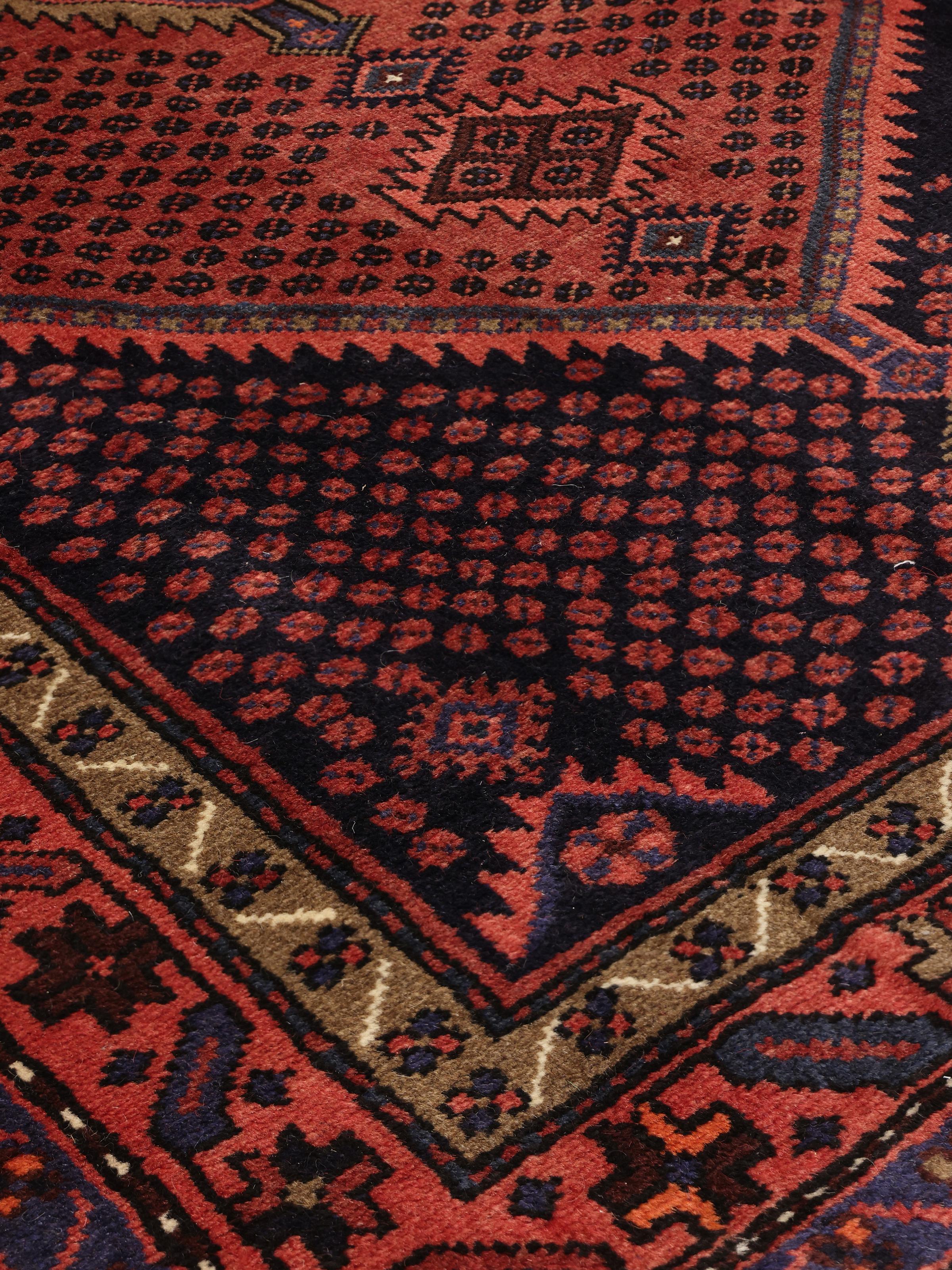
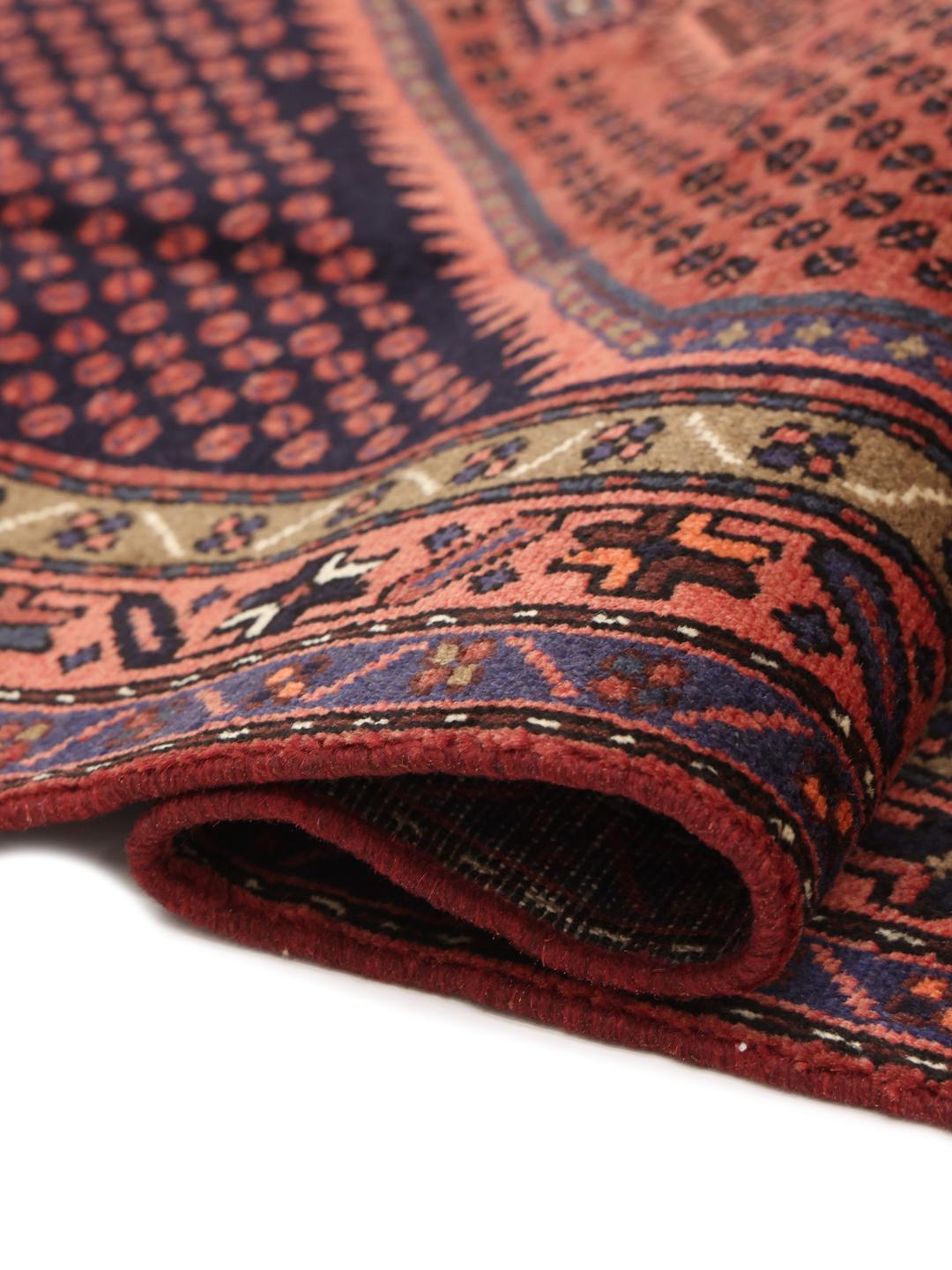
Crafting a rug of this nature involves traditional techniques passed down through generations. The use of wool, which is naturally resilient and easy to maintain, is a hallmark of this category. The wool is carefully prepared and dyed, often using natural sources, which allows the colours to age gracefully over time, developing a soft patina that enhances the character of the piece.
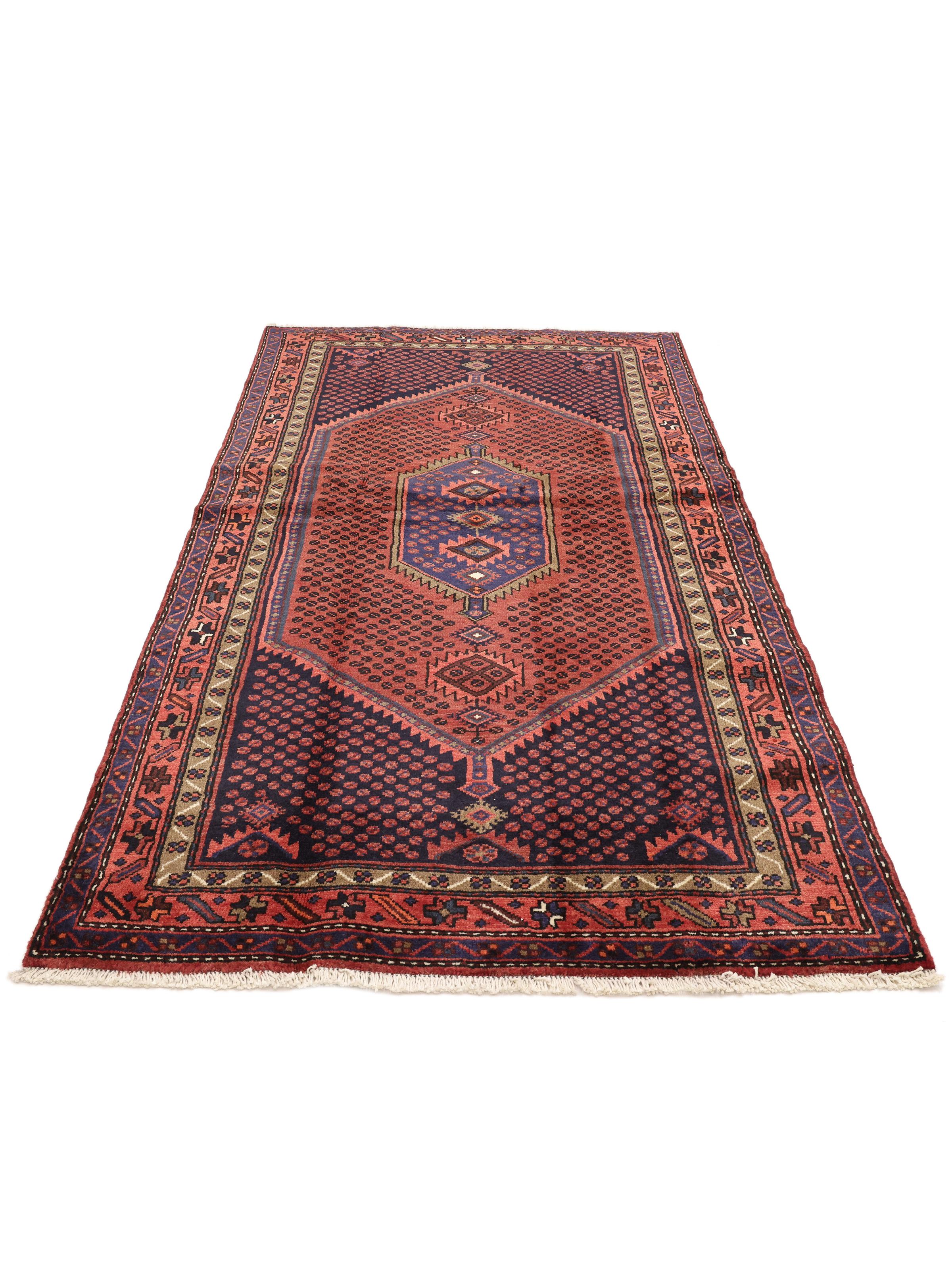
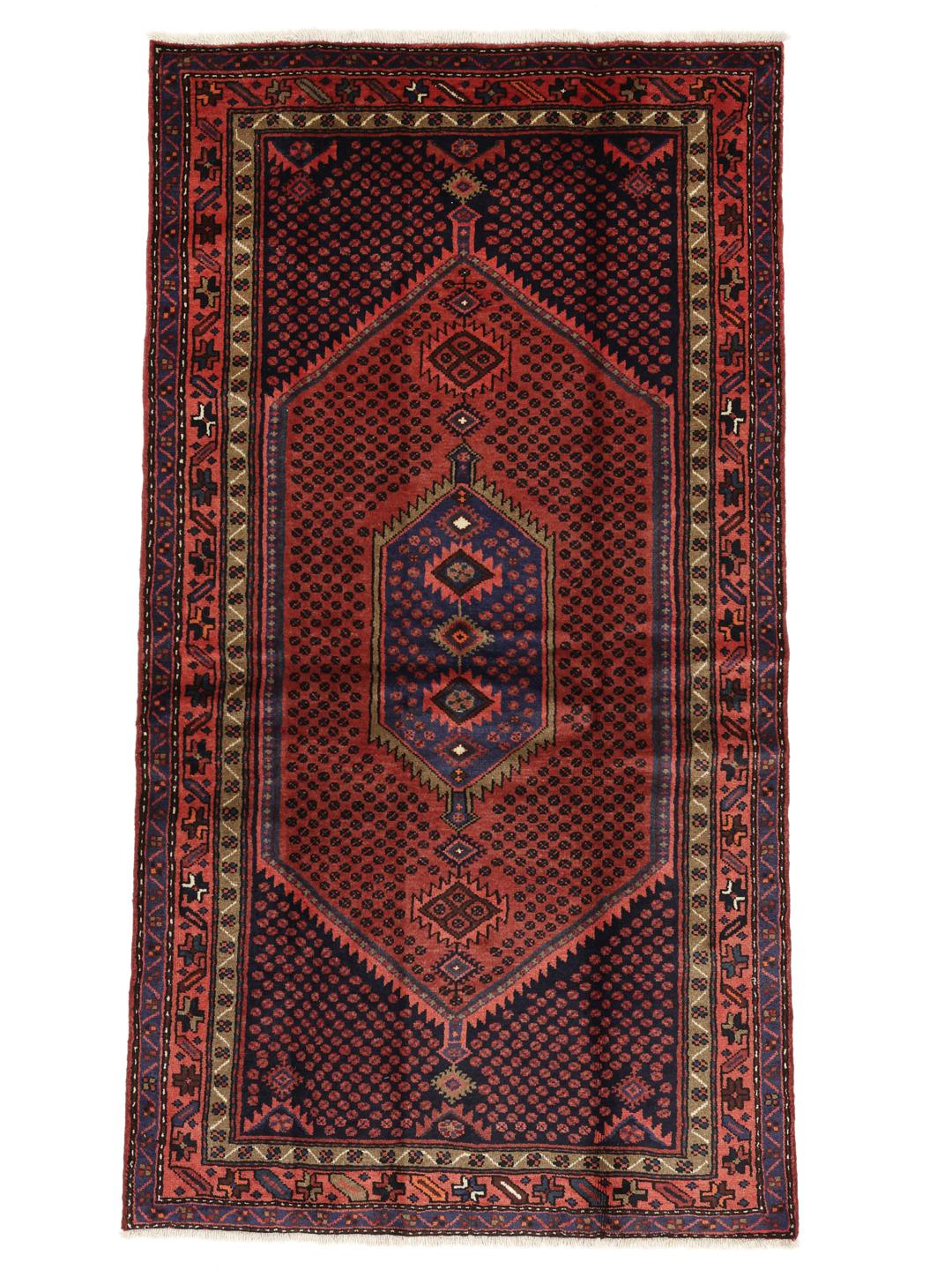
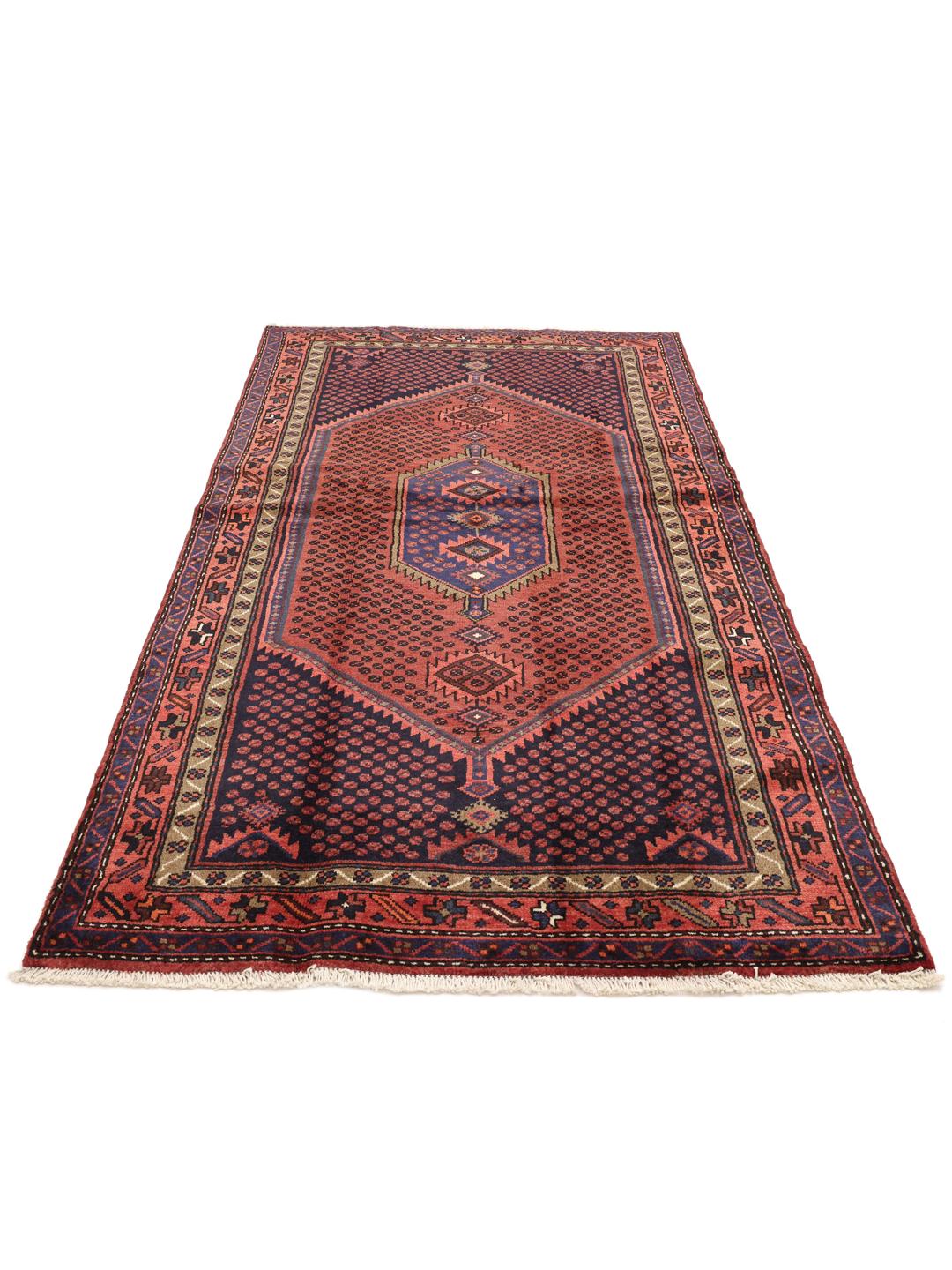
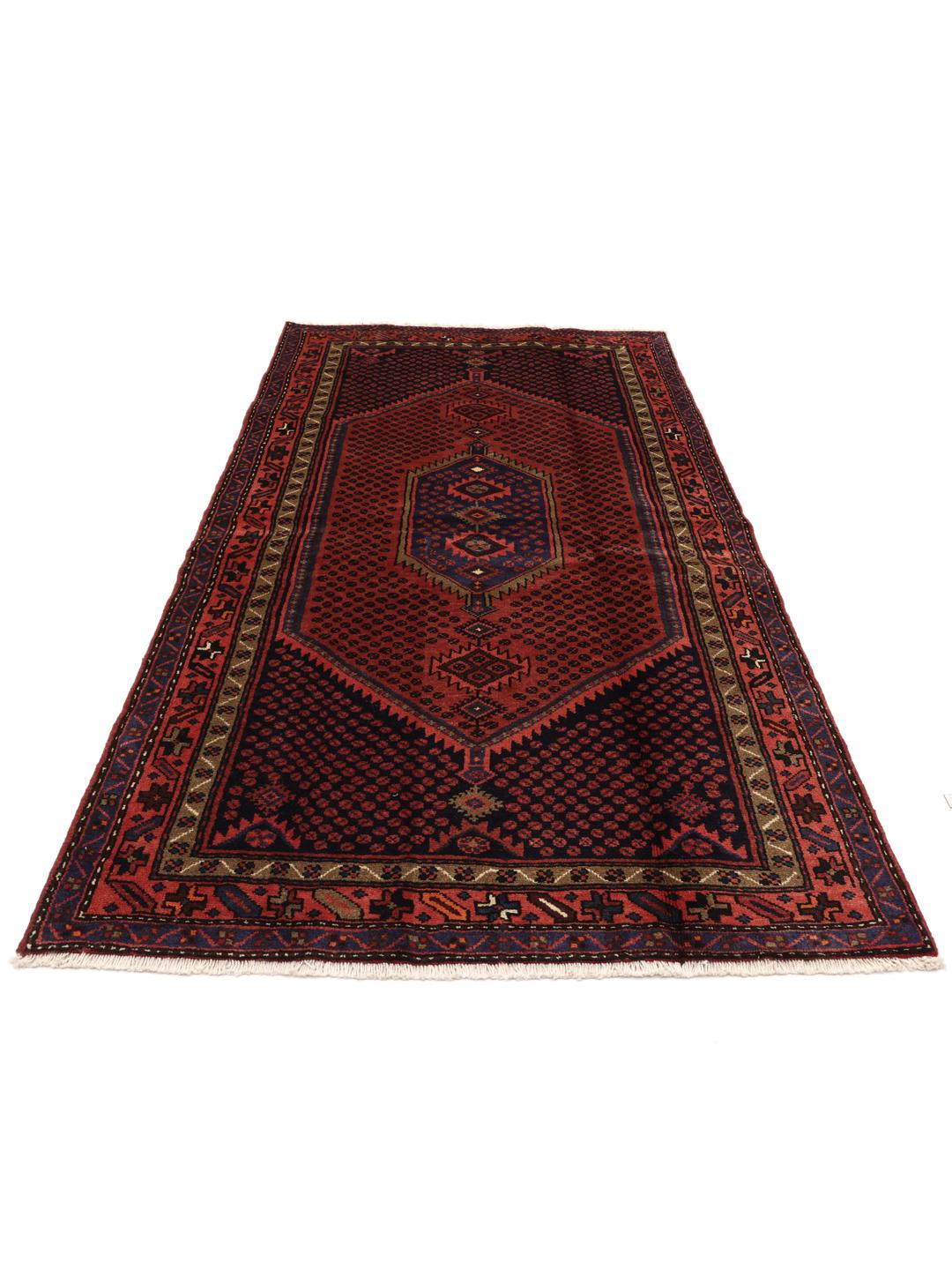
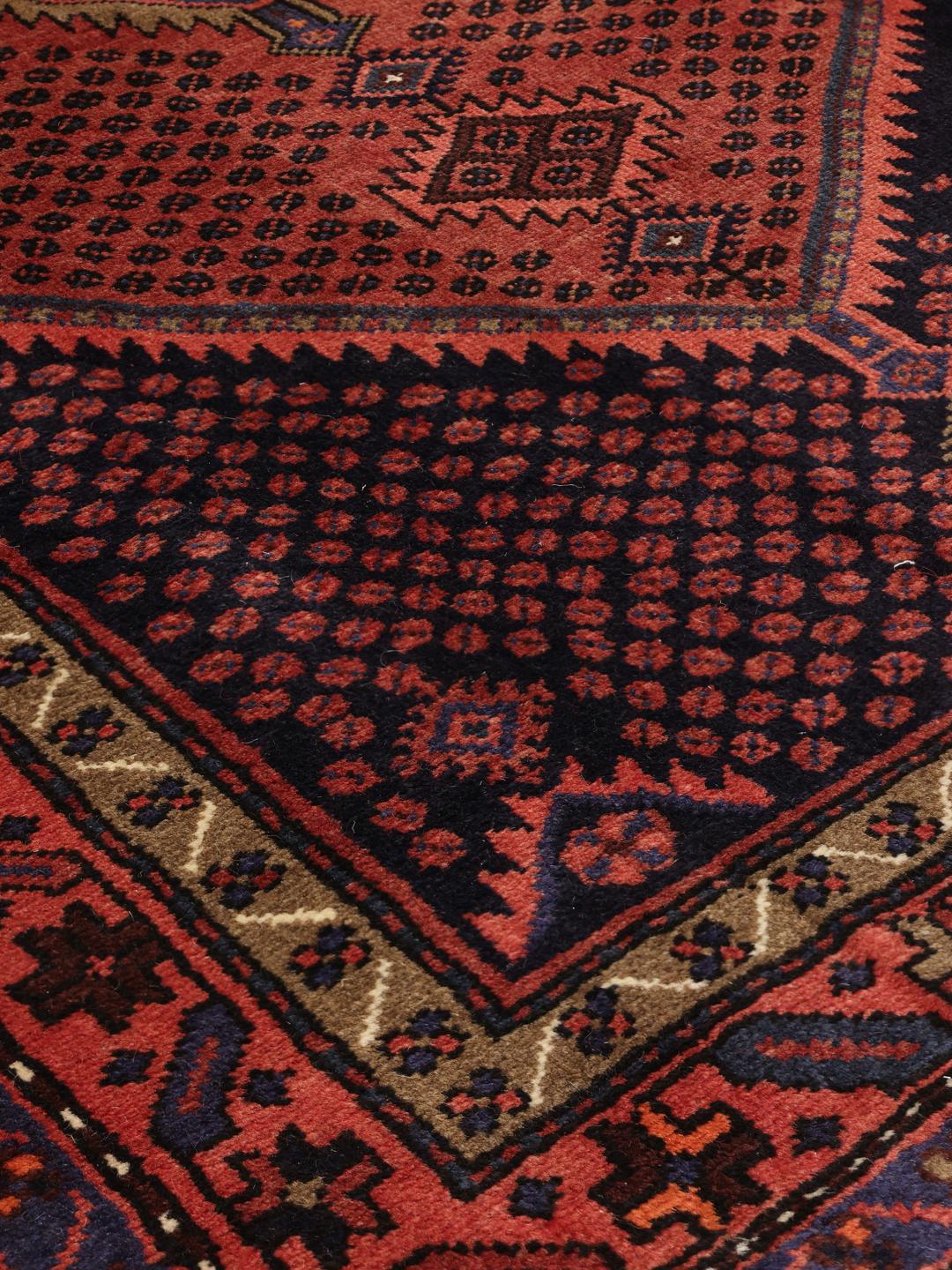
Design-wise, Hamadan rugs are famous for their bold, geometric patterns and central medallions. While they often feature a repeating floral or geometric motif, they are also known for their diversity, as each village and tribal group adds its own unique touch to the design. This specific rug features a commanding medallion set against a field filled with detailed geometric work, showcasing the classic aesthetic that collectors prize.
Owning a Hamadan rug is an investment in cultural history. These pieces are not merely floor coverings but are records of the artistic expressions of the weavers who created them. Because they are hand-knotted, they possess a soul and a story that mass-produced rugs lack, making them highly valued by those who appreciate the intersection of heritage, skill, and lasting beauty.