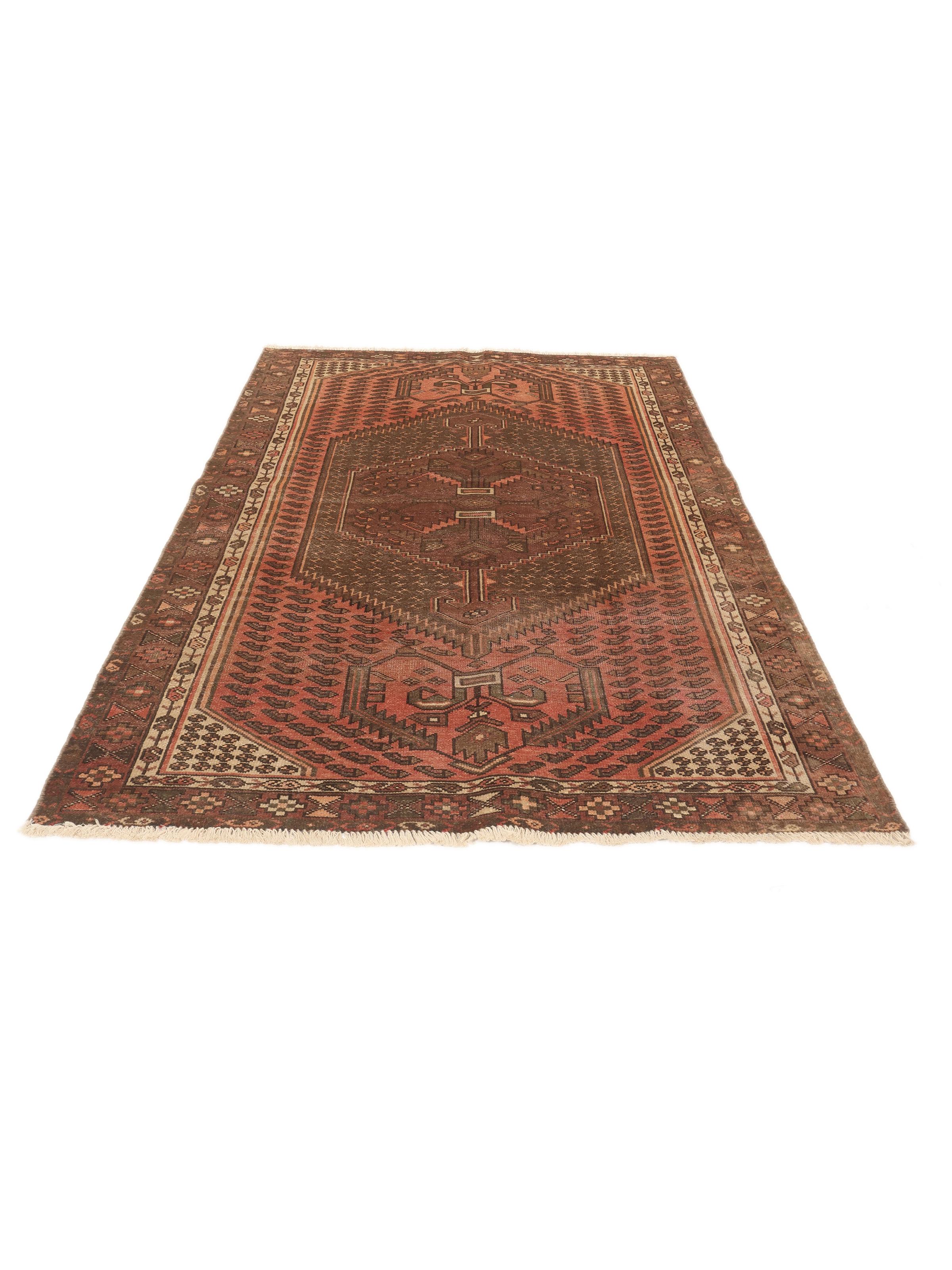
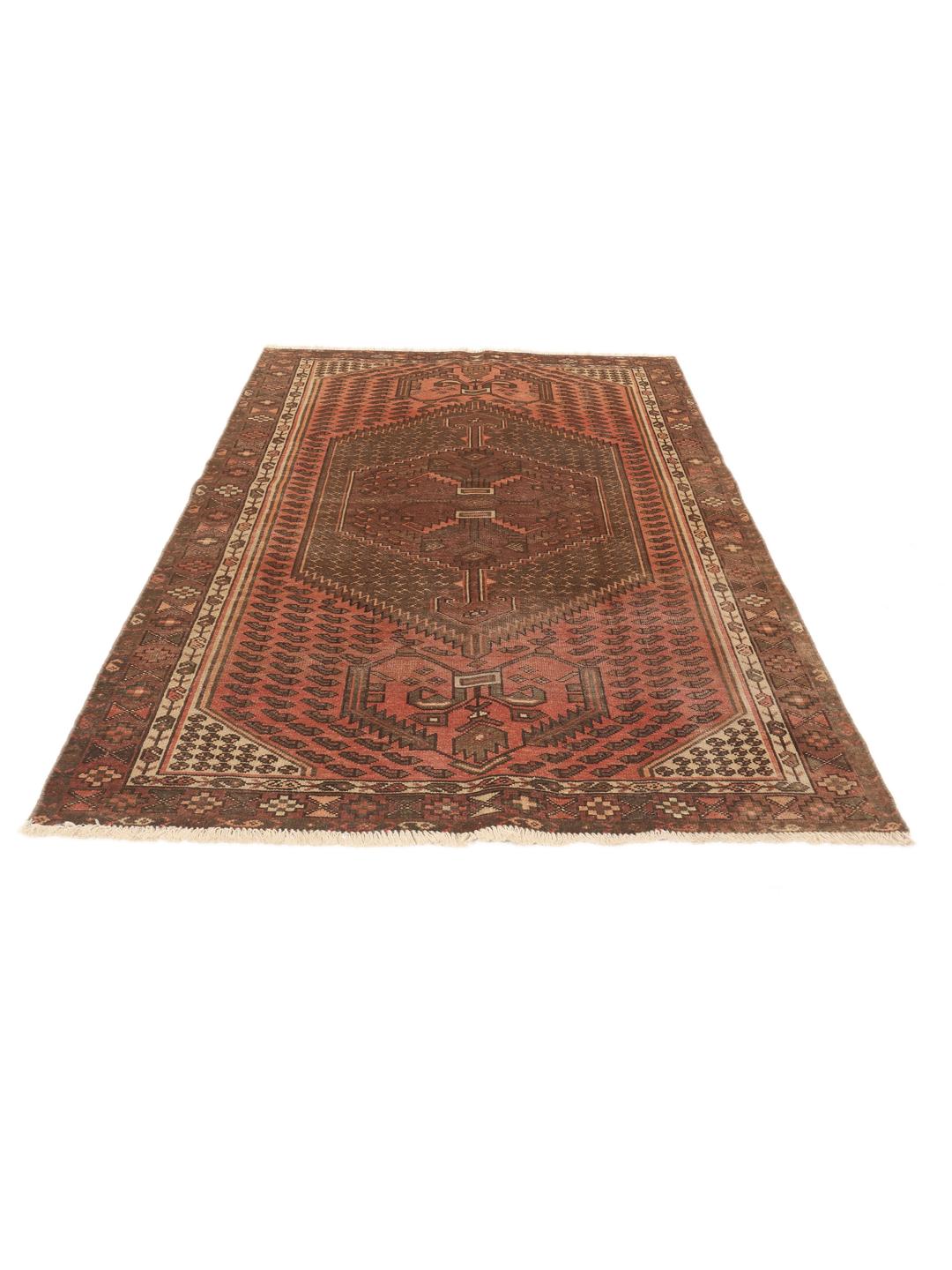
Hamadan rugs originate from one of the oldest cities in the Middle East, a historic hub located in the western part of the region. For centuries, this area has been a centre for weaving, where local families and village collectives have refined their own distinct approaches to rug construction, often utilising local wool known for its high durability and lustrous quality.
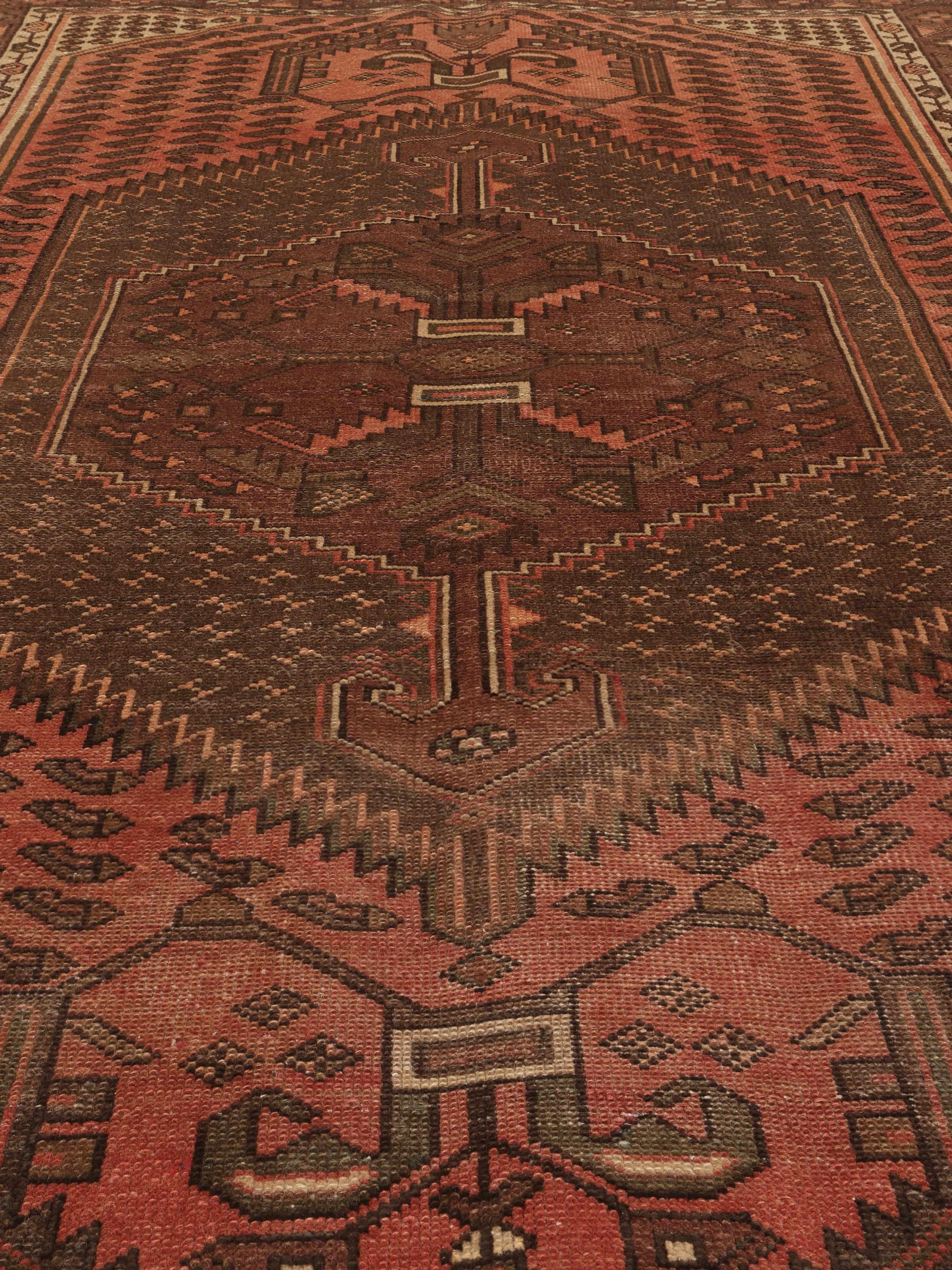
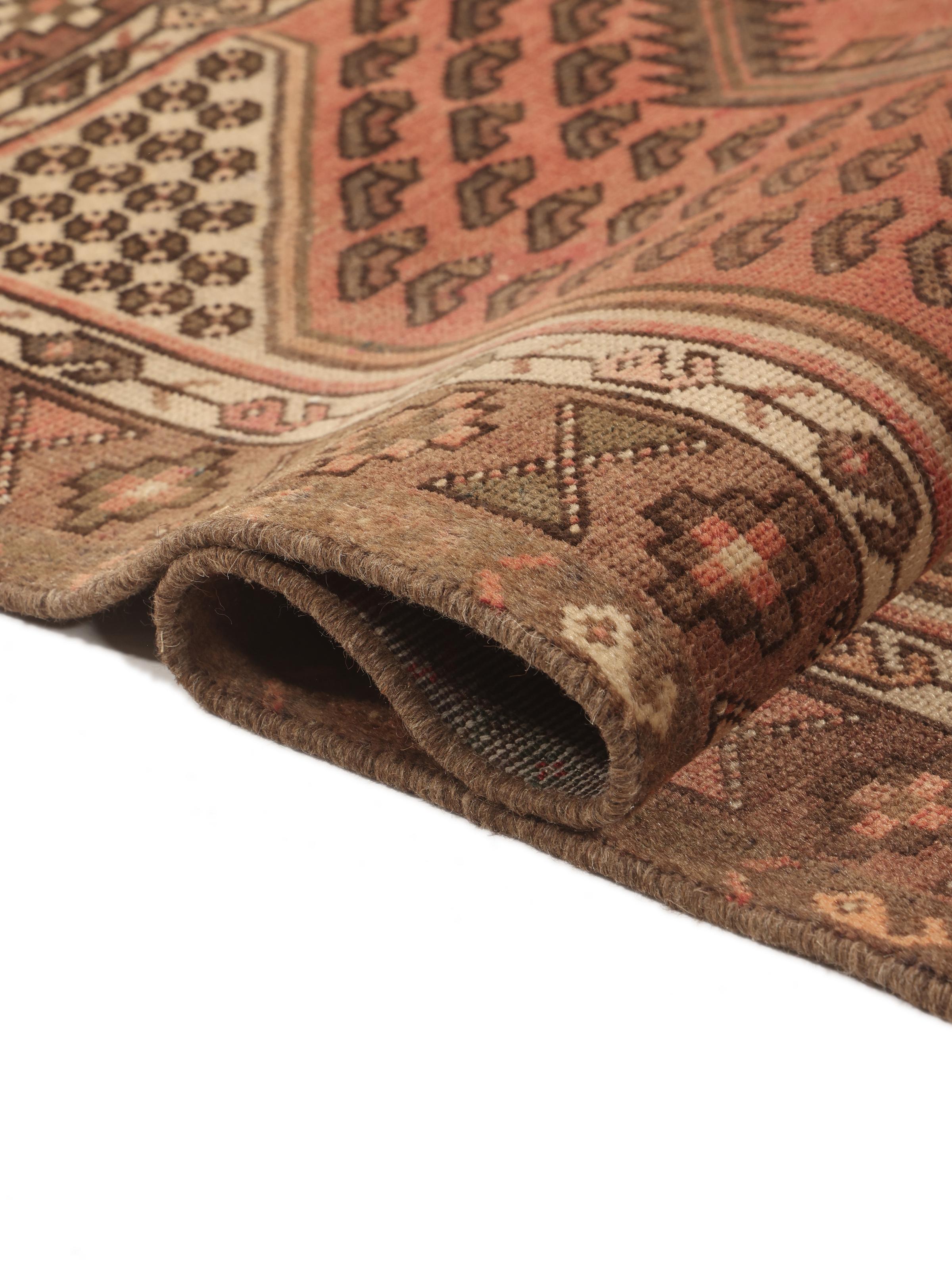
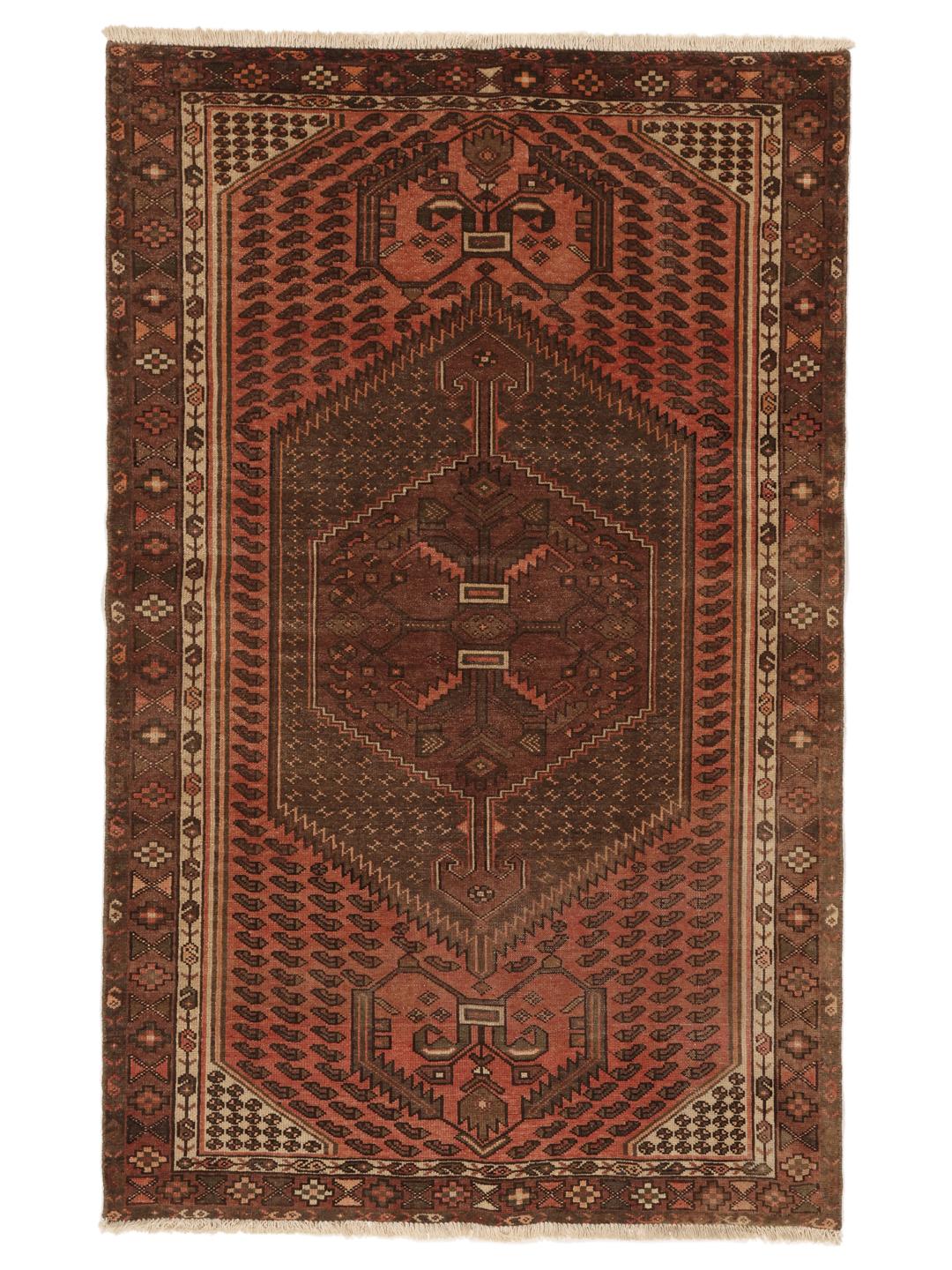
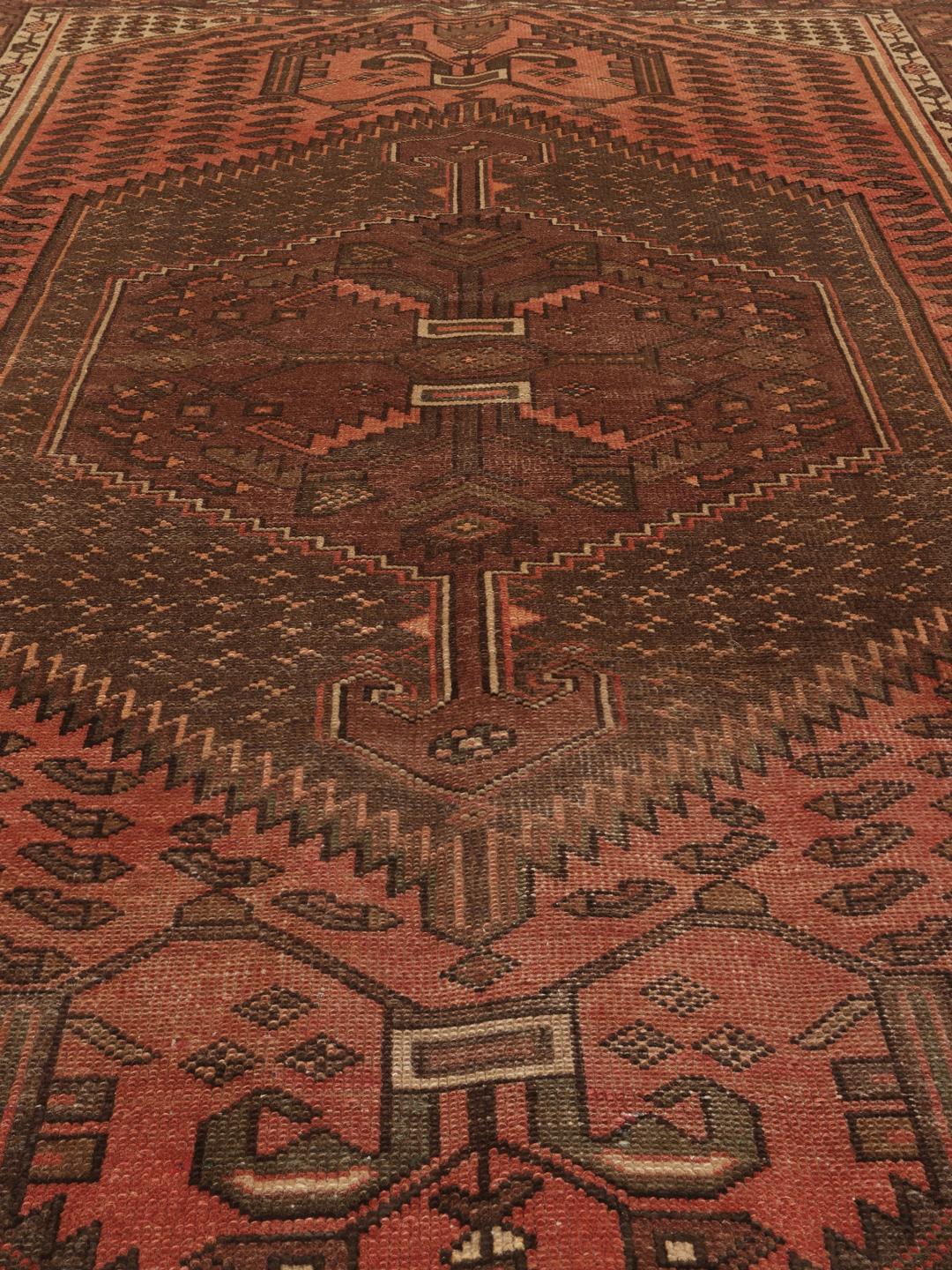
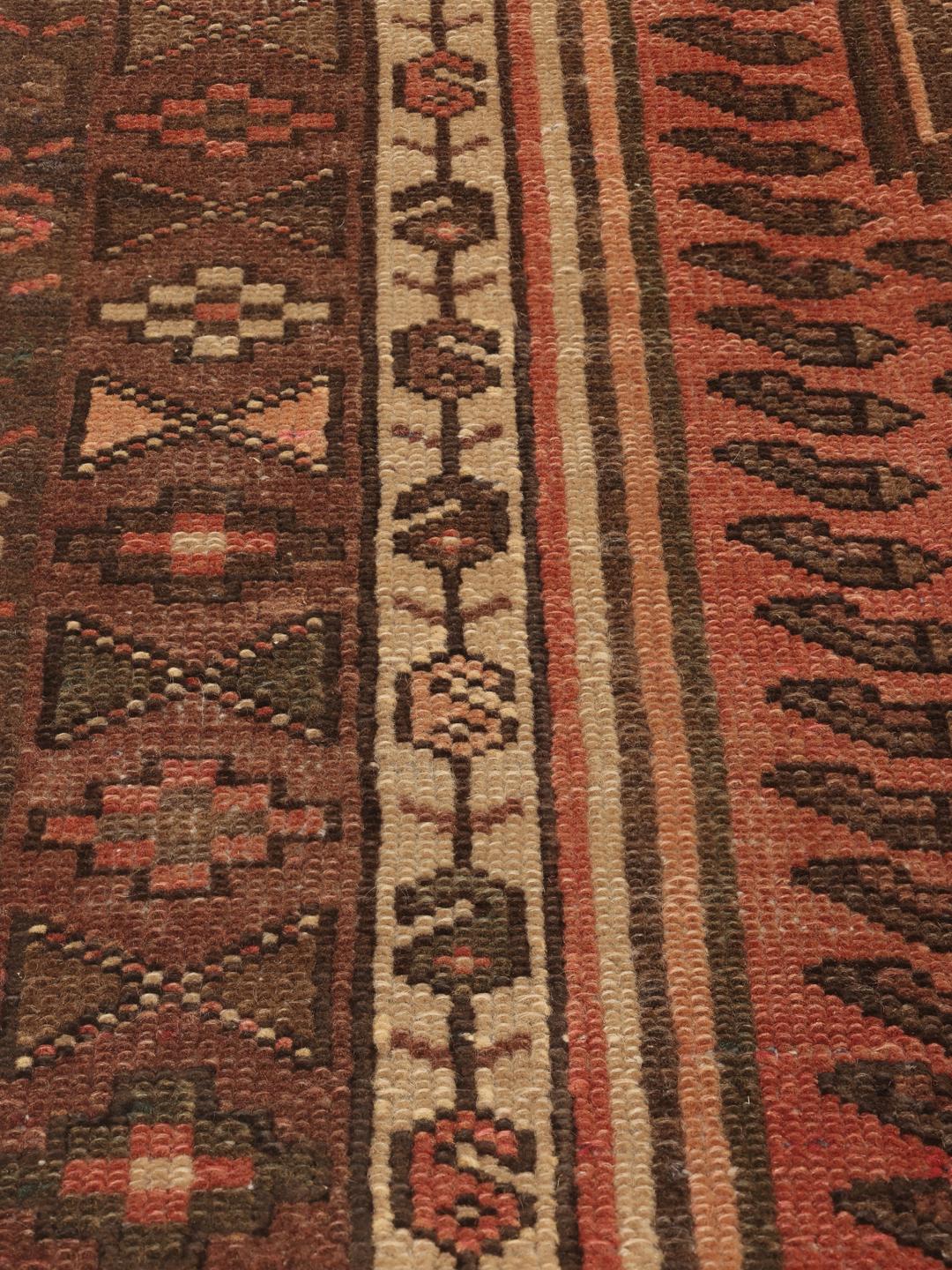
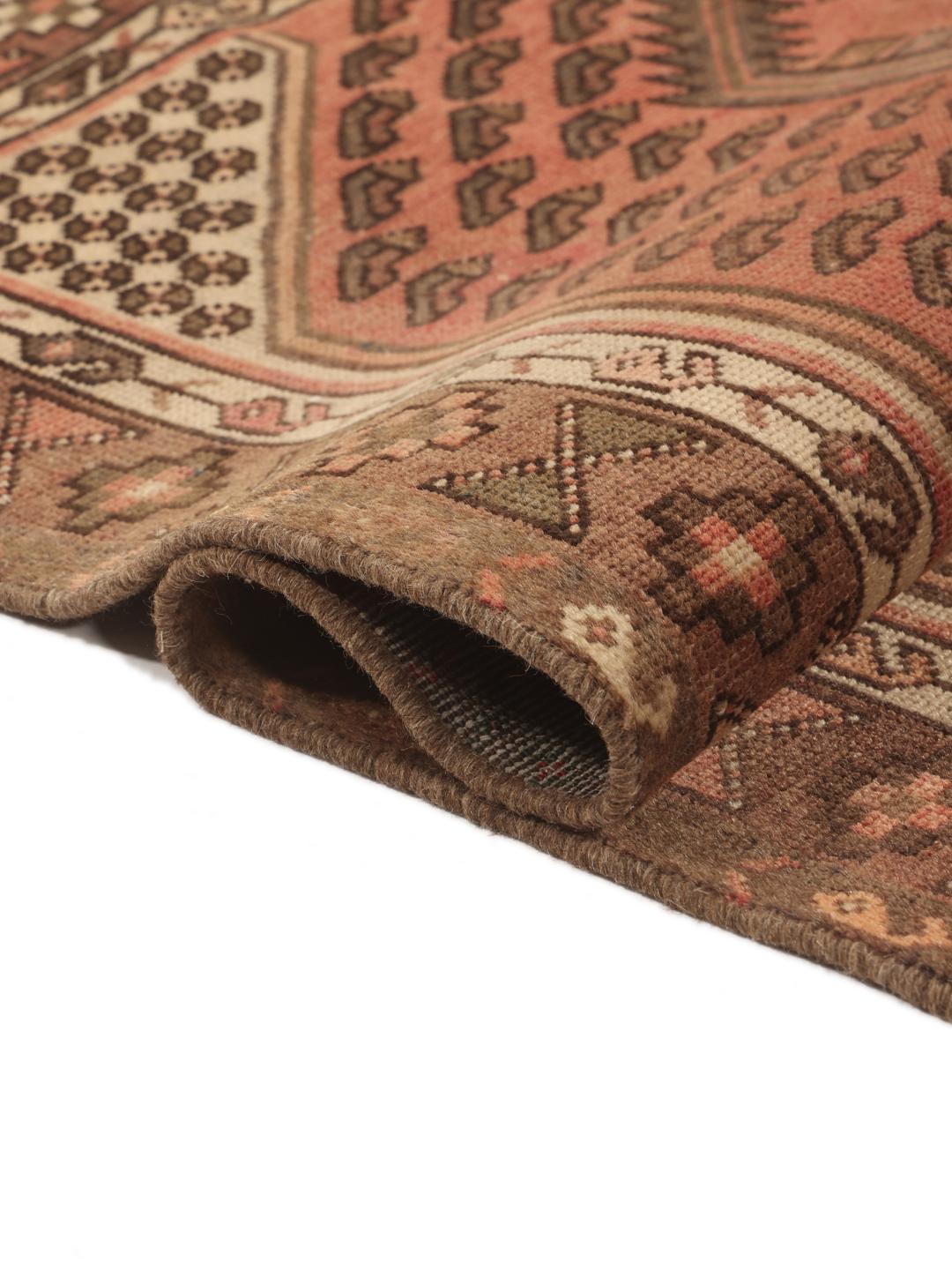
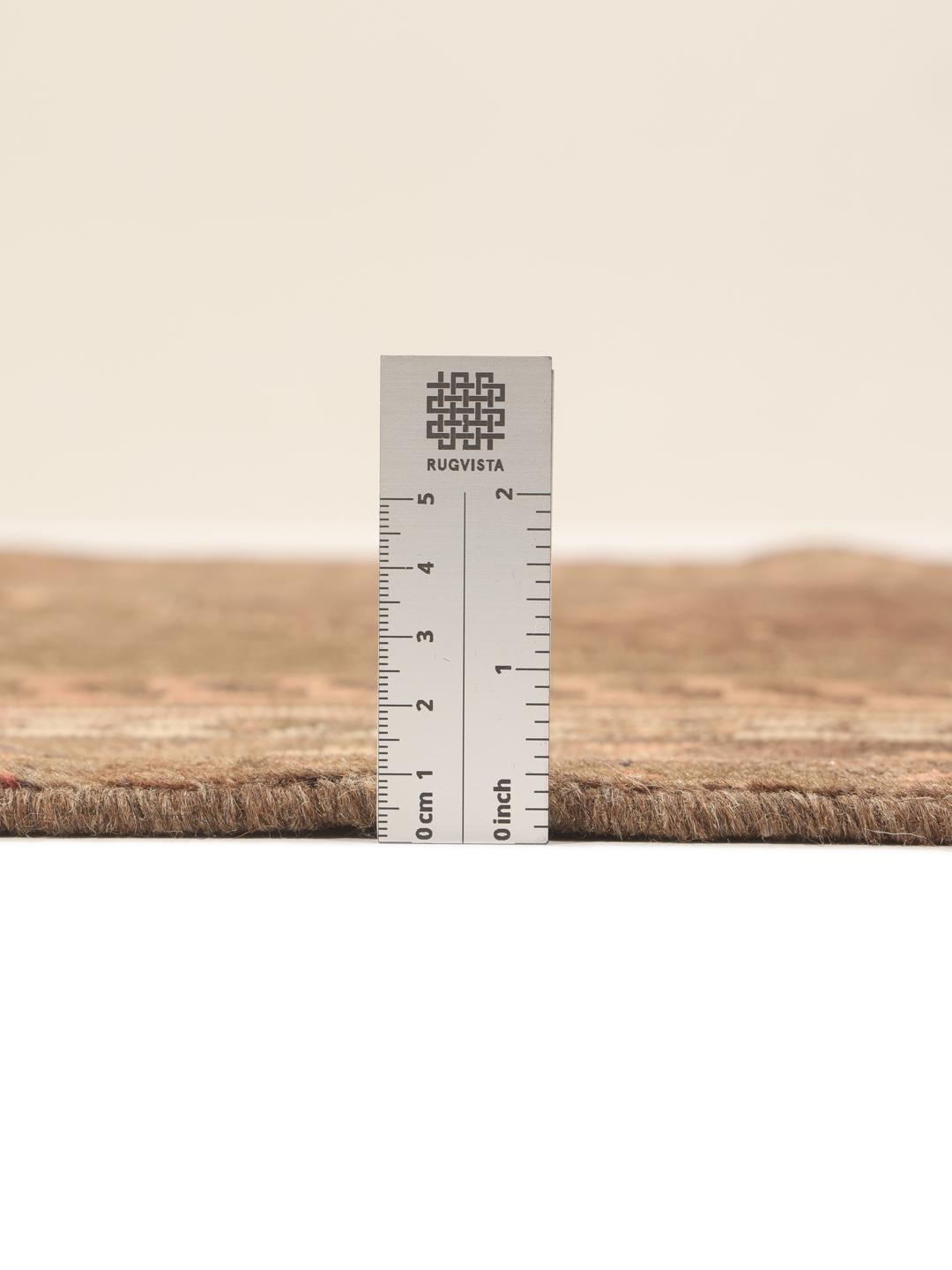
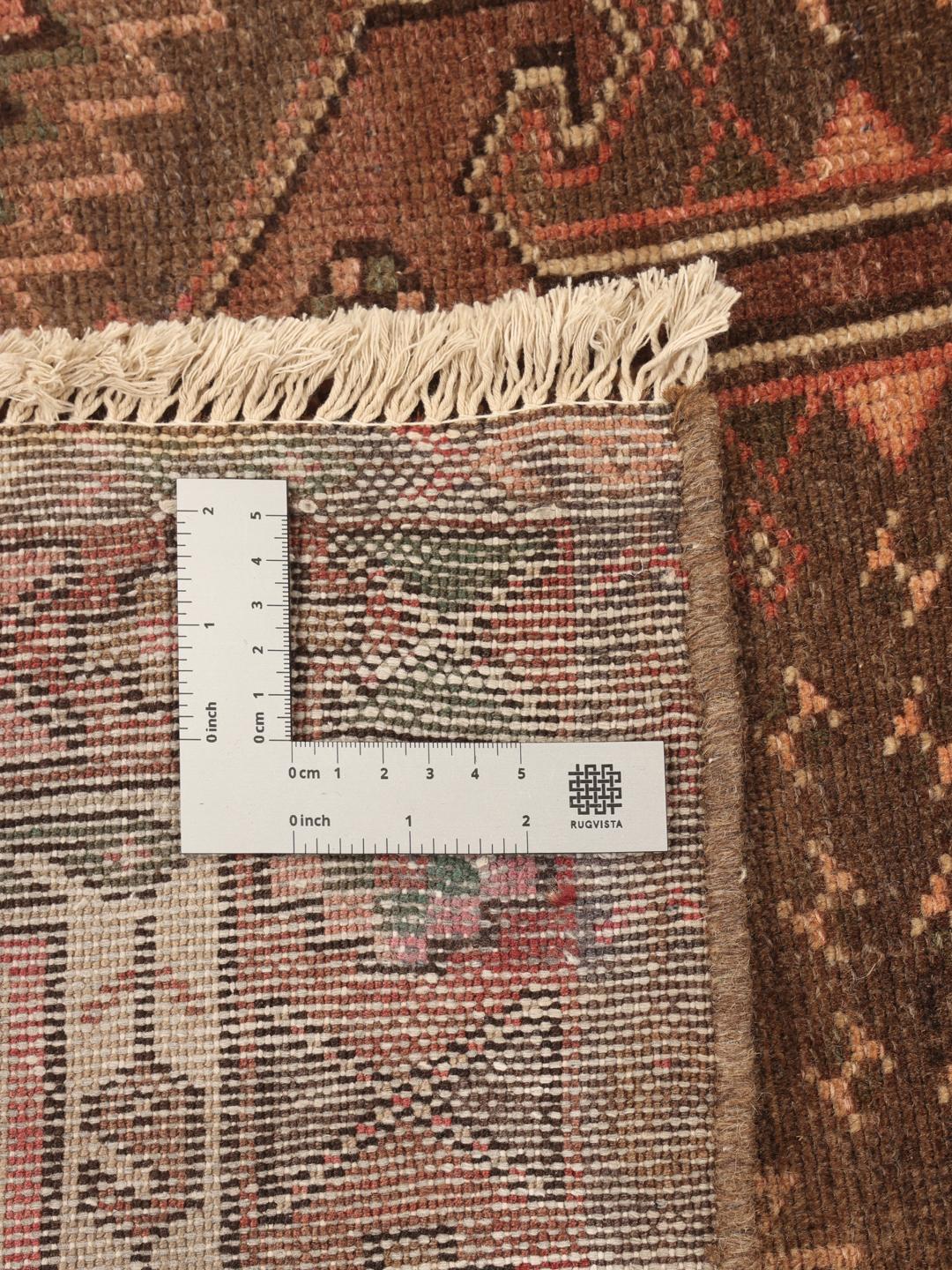
The term Hamadan refers to a broad tradition of weaving rather than a single style, though these rugs are famously recognised for their diverse, often geometric, and sometimes floral designs. The construction typically involves a sturdy, long-wearing pile, which makes these pieces ideal for high-traffic areas in the home where both style and resilience are required.
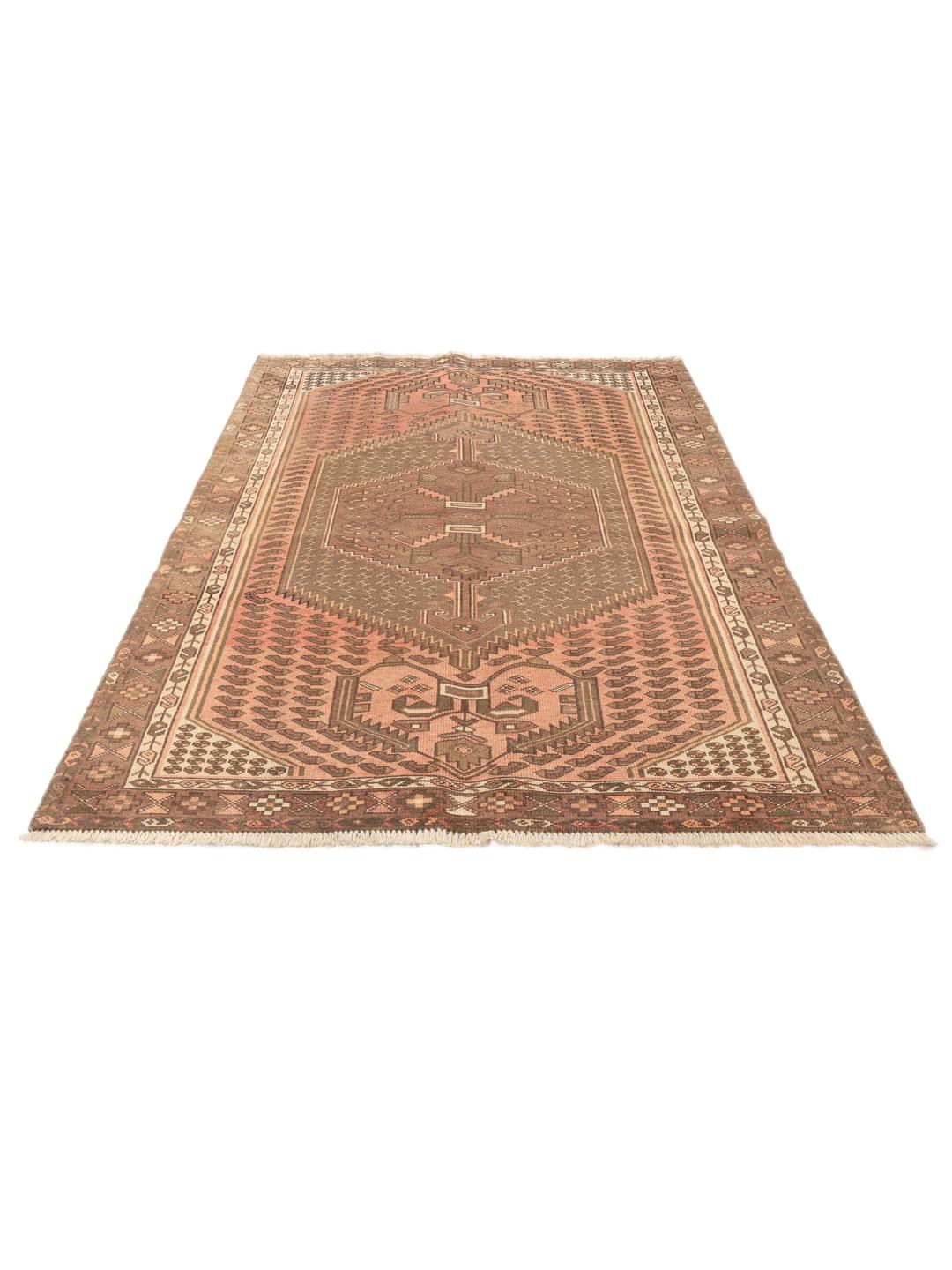
Signature elements of this tradition include the use of bold, repeating medallions and angular botanical motifs that are framed by multiple decorative borders. The colour palettes are traditionally drawn from natural dyes, resulting in deep, saturated tones that acquire a beautiful, soft patina as the rug ages, adding to its character and depth over time.
These rugs are highly valued by collectors and homeowners alike for their authenticity and the skill evident in their production. By acquiring a piece from this tradition, you are participating in a living history, owning an object that represents generations of technical expertise and a profound connection to the cultural landscape of the Middle East.