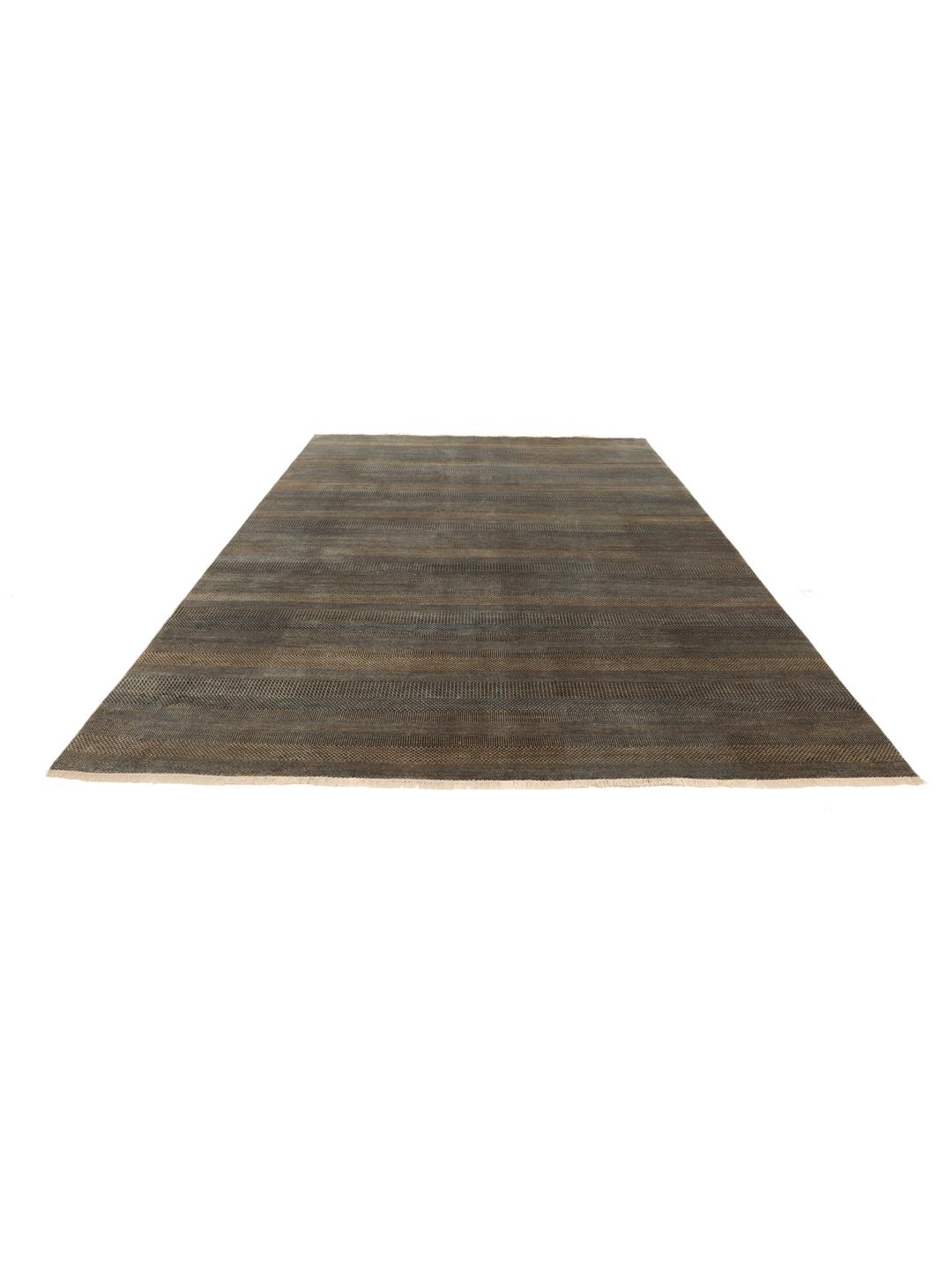
The Gabbeh tradition finds its roots in the nomadic cultures of the Middle East, where weavers historically created rugs for personal use rather than for trade. These rugs were known for their simplified, abstract designs and thick, plush pile, which served as essential insulation against the cold ground. Over time, these traditional, rustic roots have evolved into the modern Gabbeh style, which maintains the soulful, handcrafted nature of the original while incorporating contemporary aesthetics.
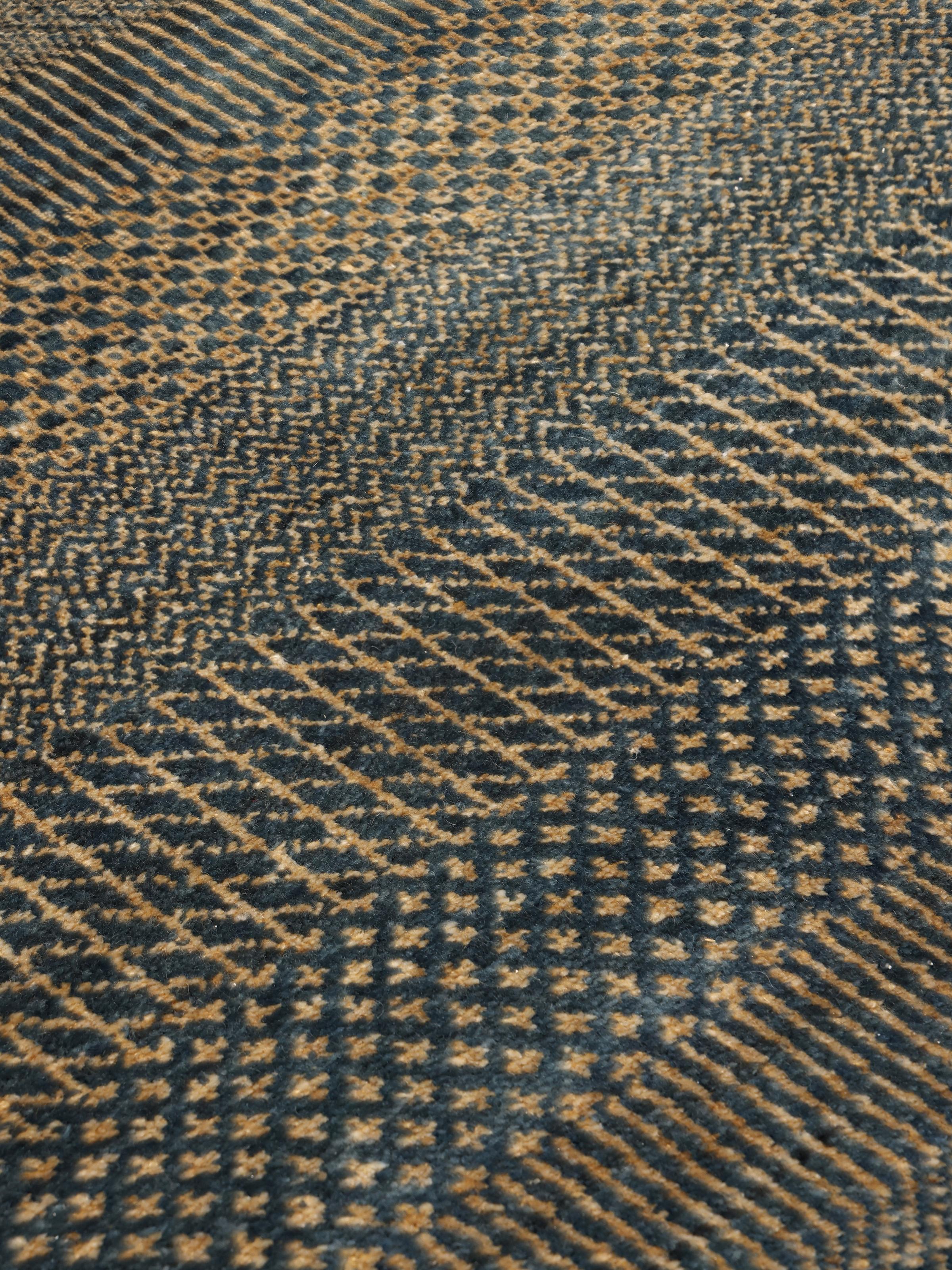
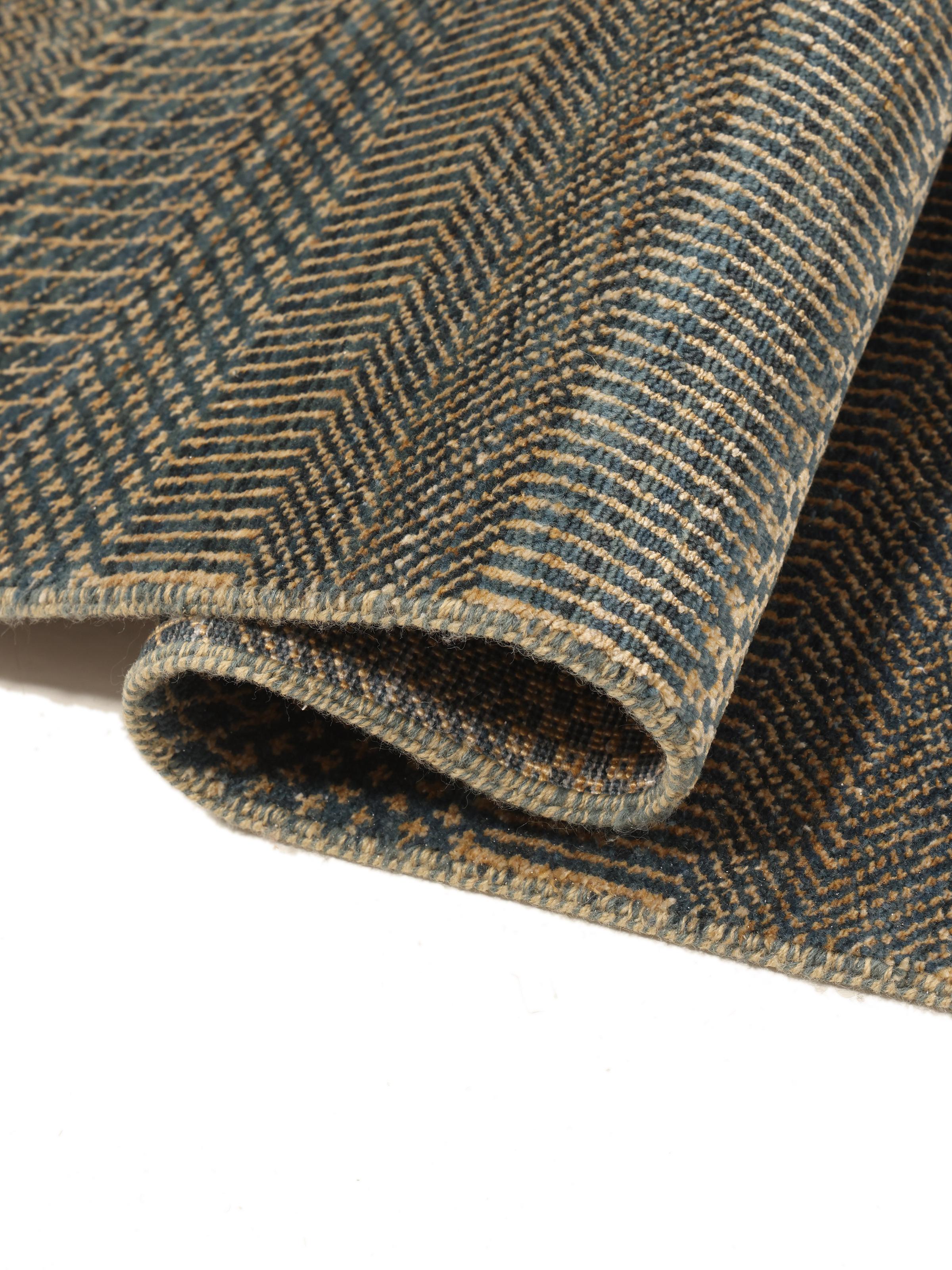
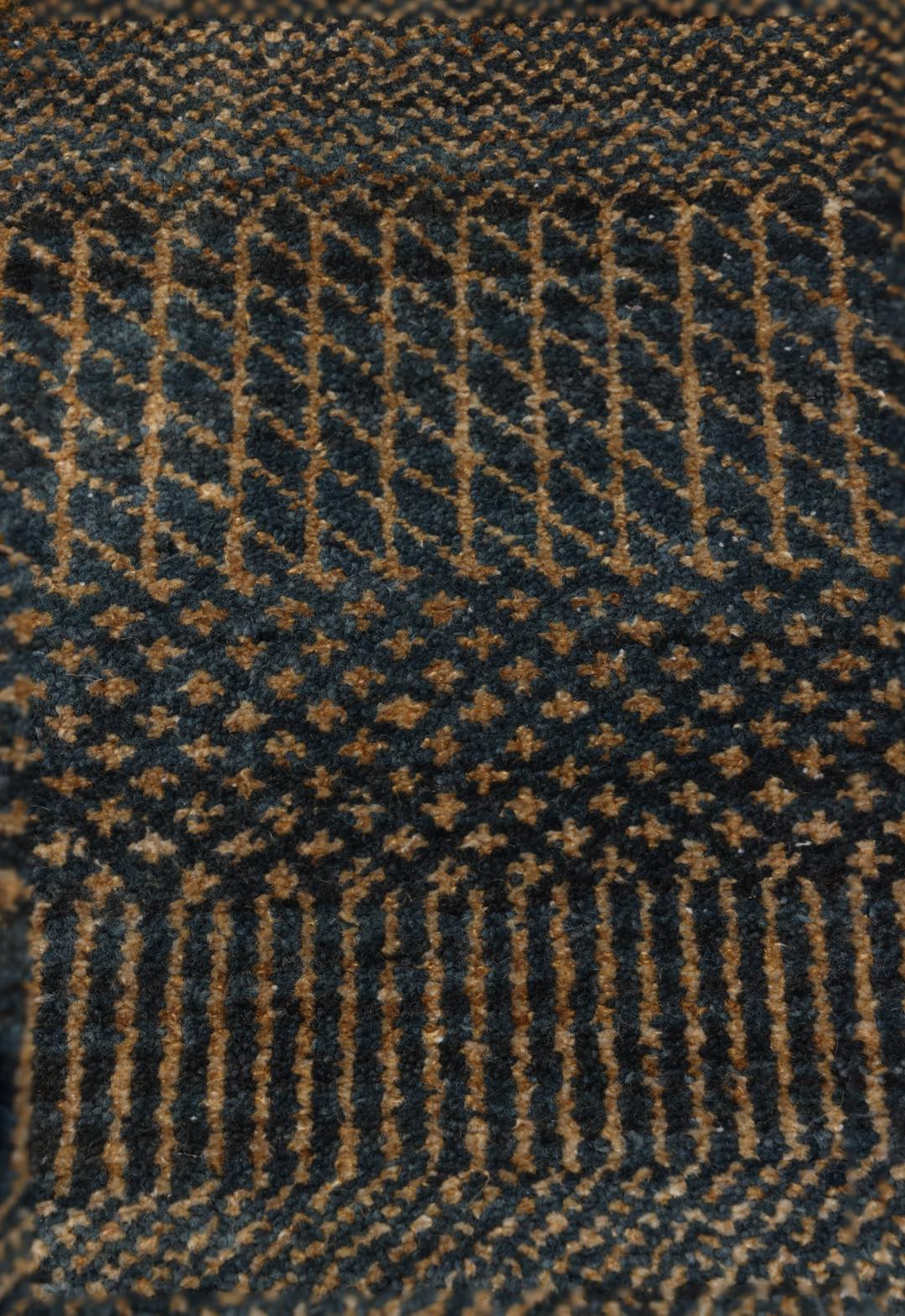
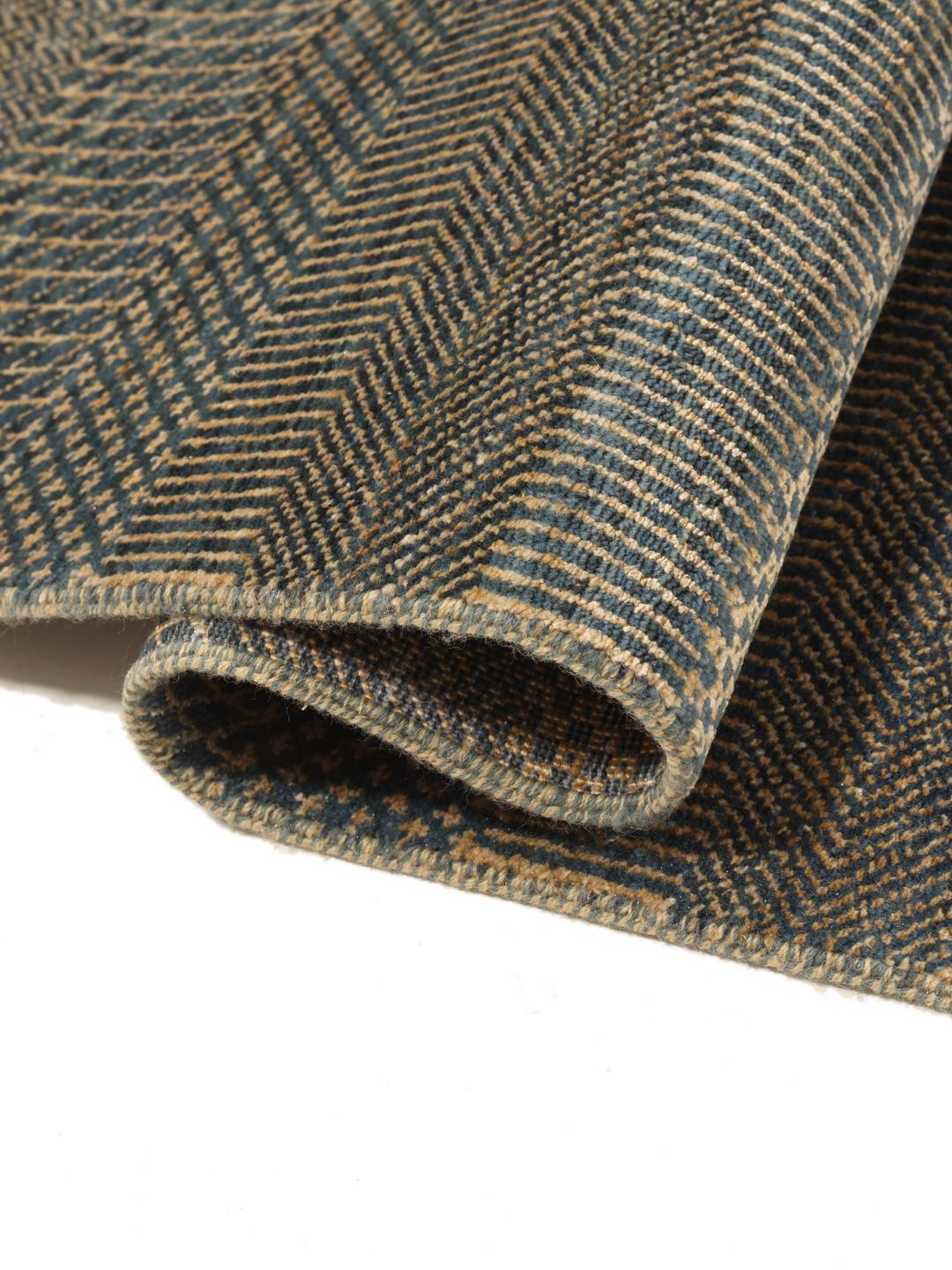
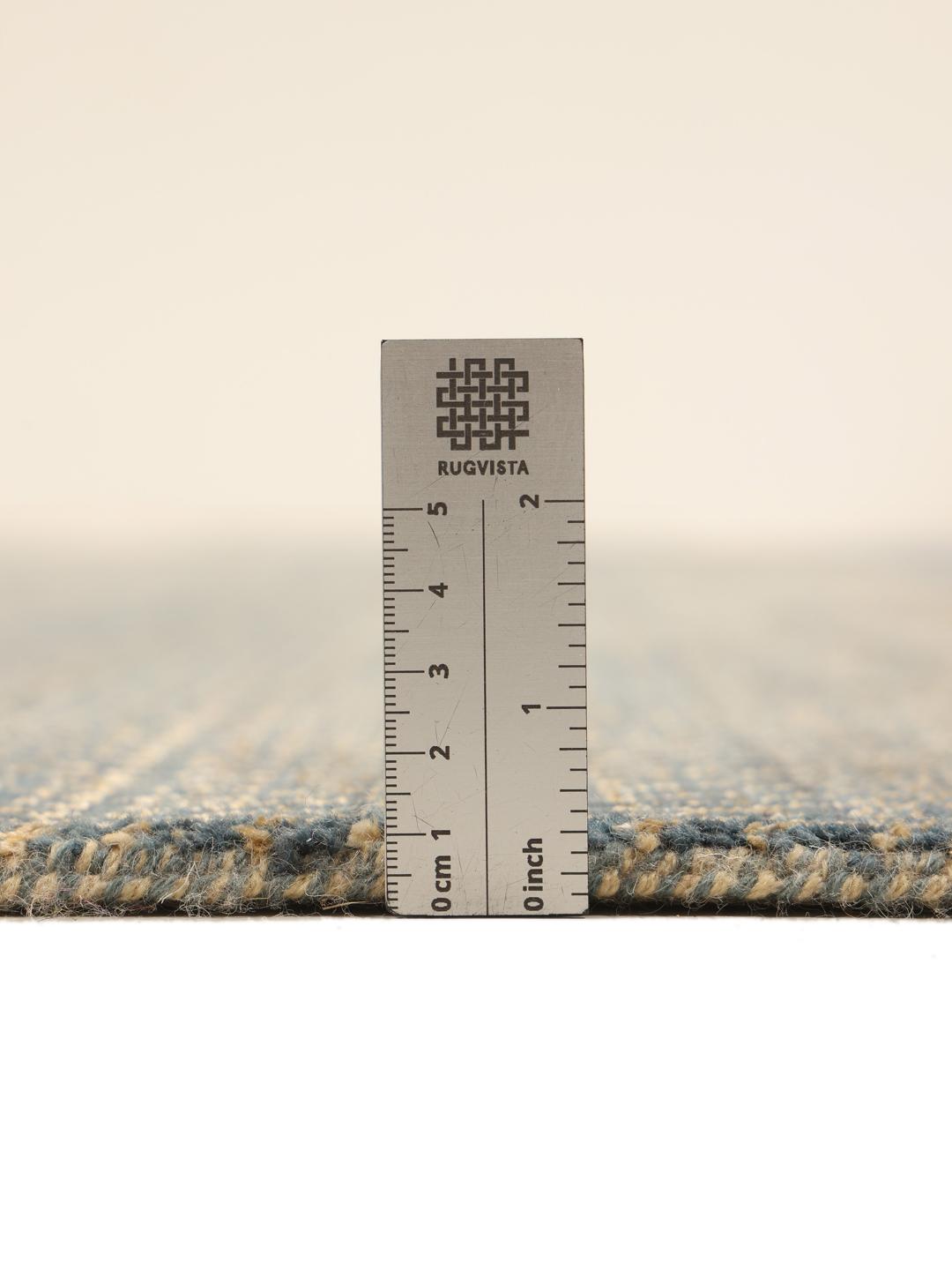
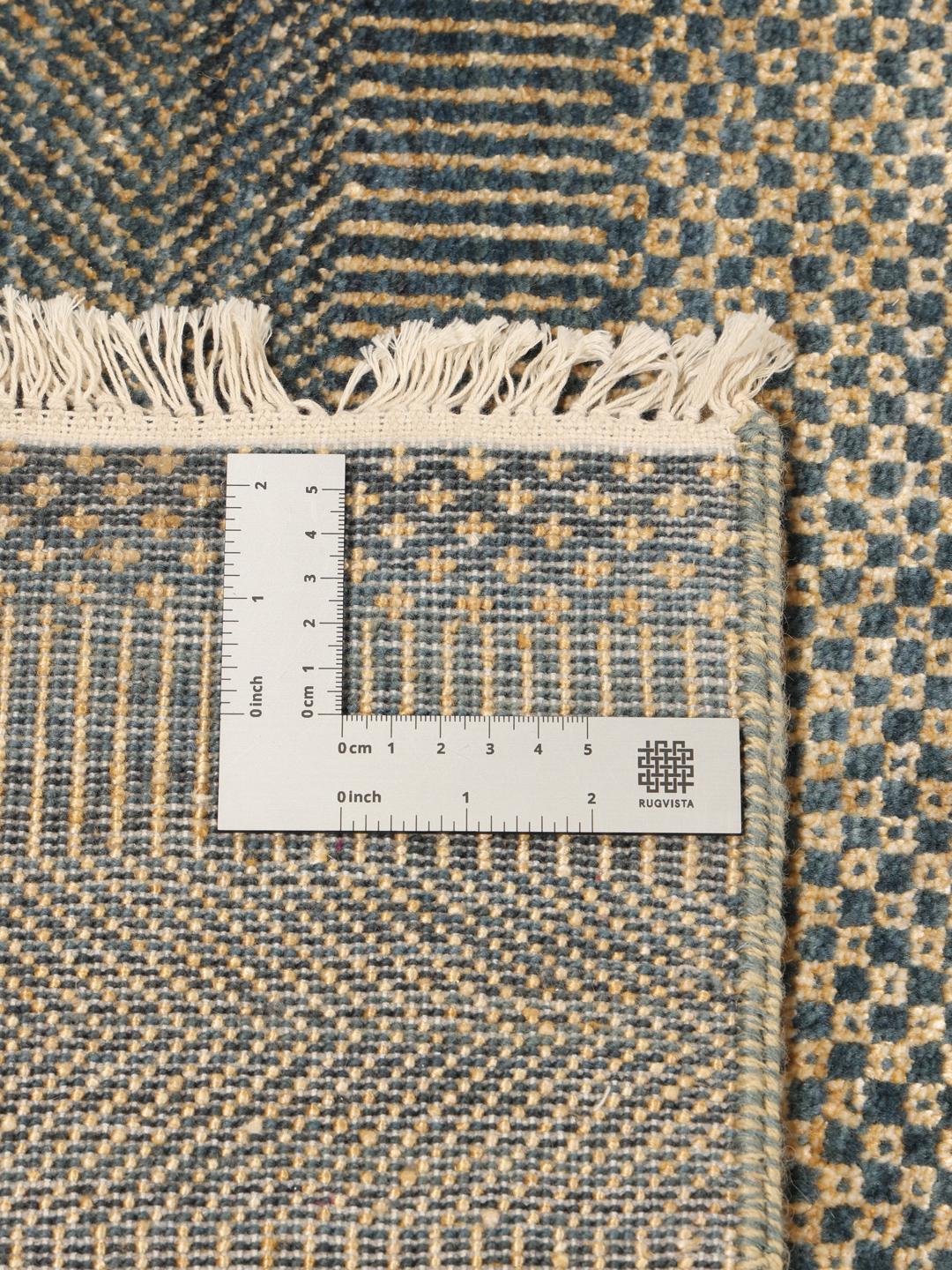
Technically, the term Gabbeh implies a specific approach to construction, often involving a coarser, more open knotting technique compared to traditional city rugs. This results in a thicker, more tactile pile that highlights the natural quality of the wool. By utilising high-quality, hand-spun wool, these rugs achieve a natural lustre and a depth of colour that is difficult to replicate with mass-produced alternatives, making them highly prized by those who value authentic craft.
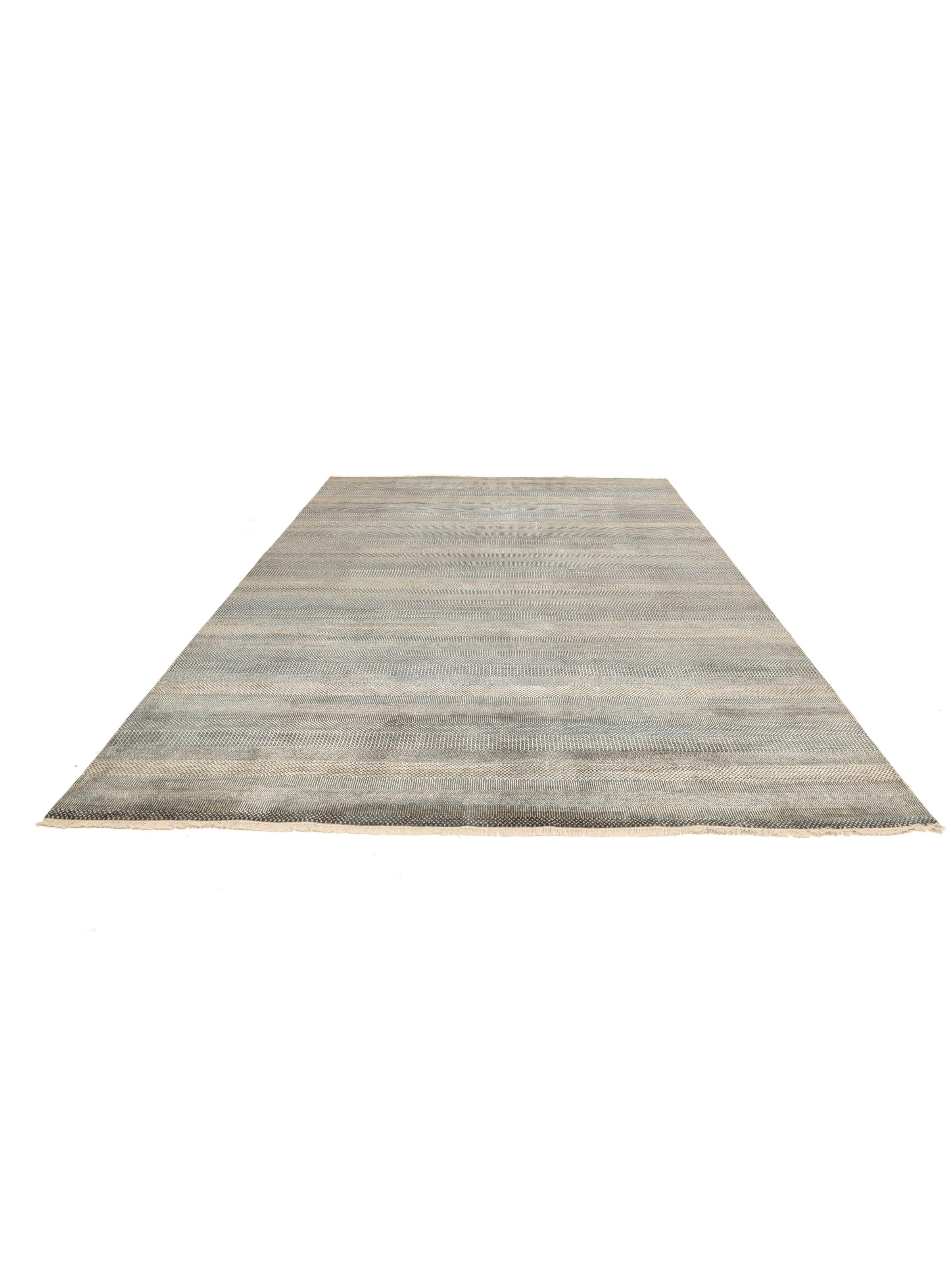
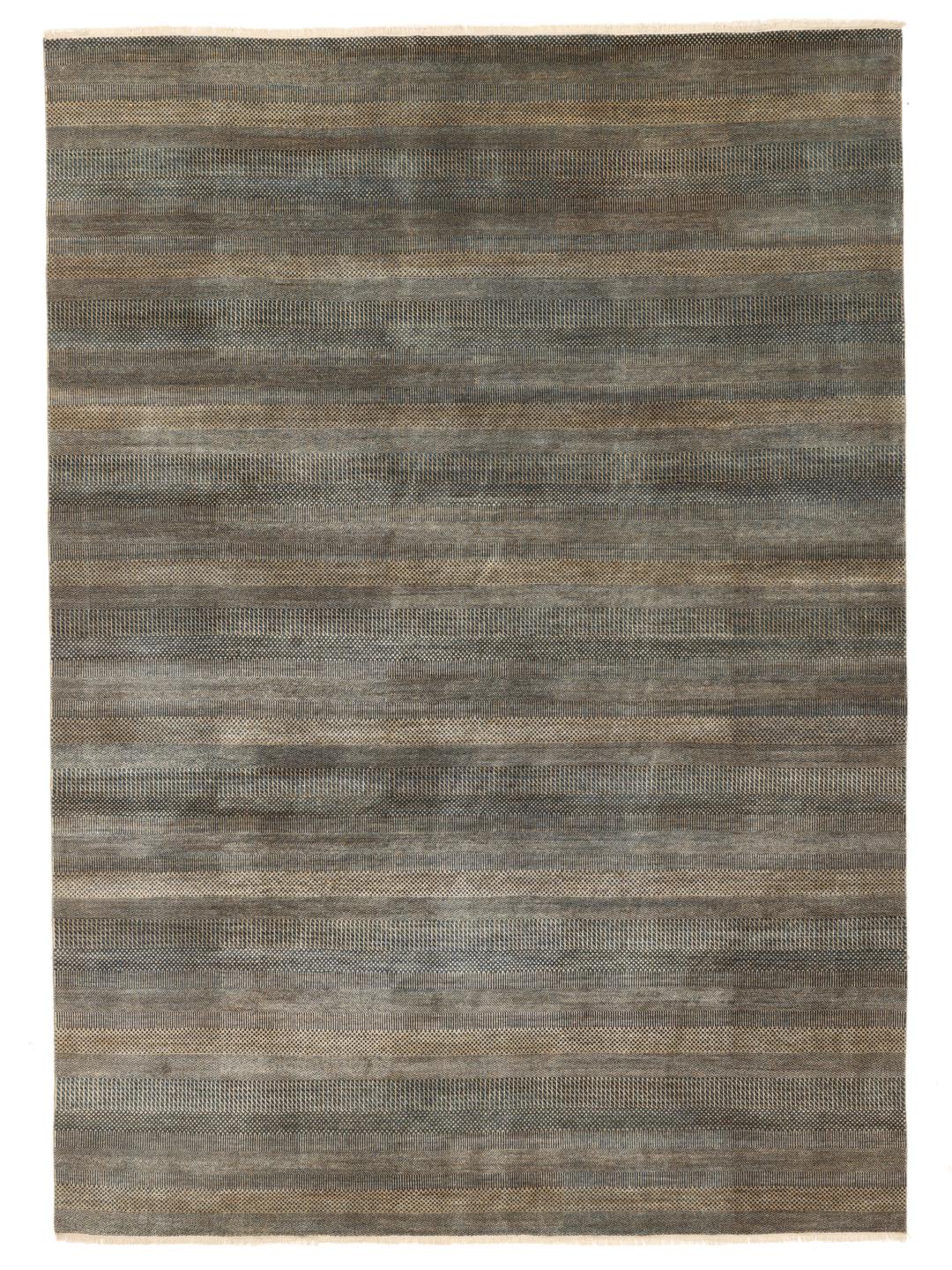
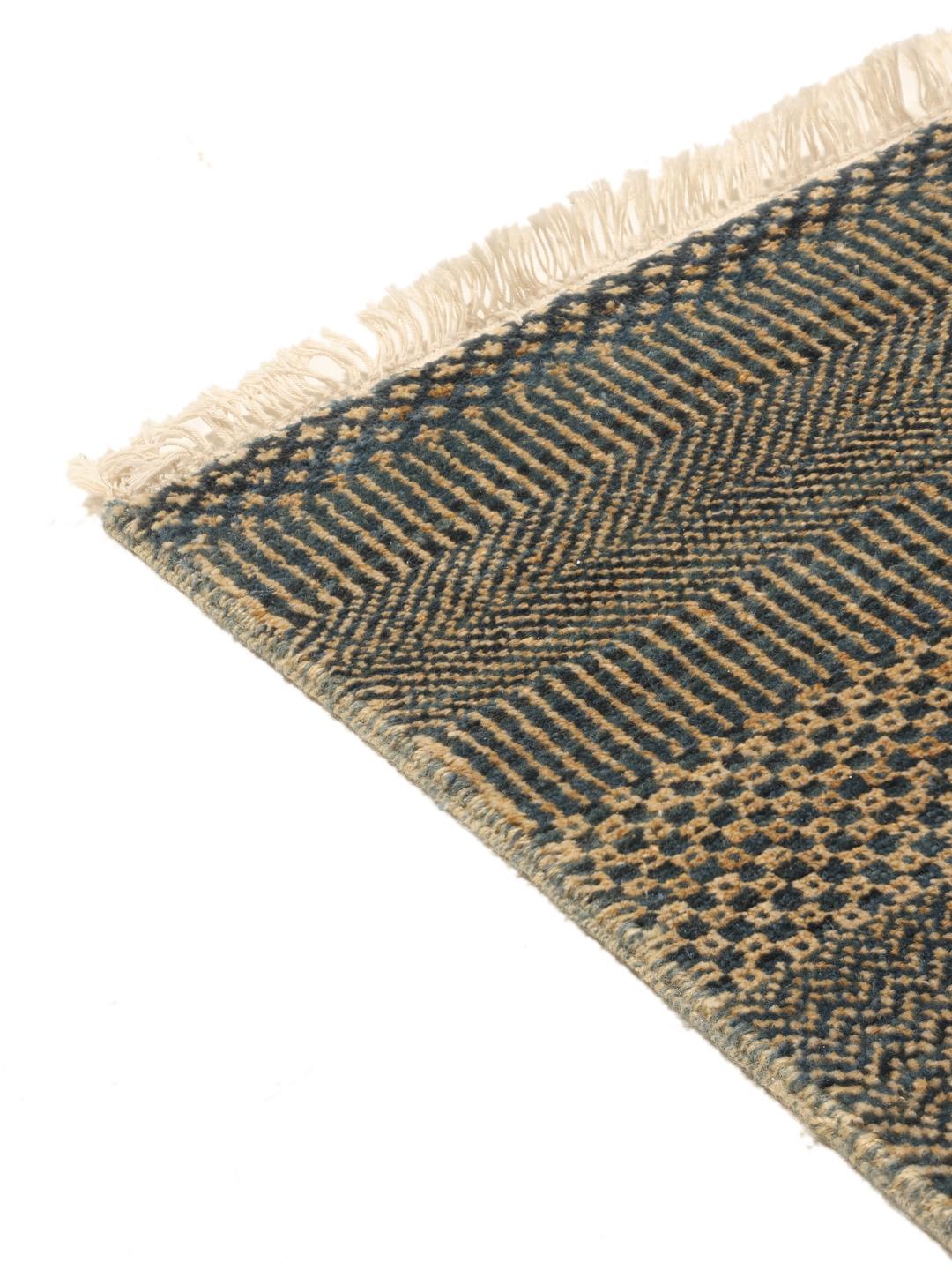
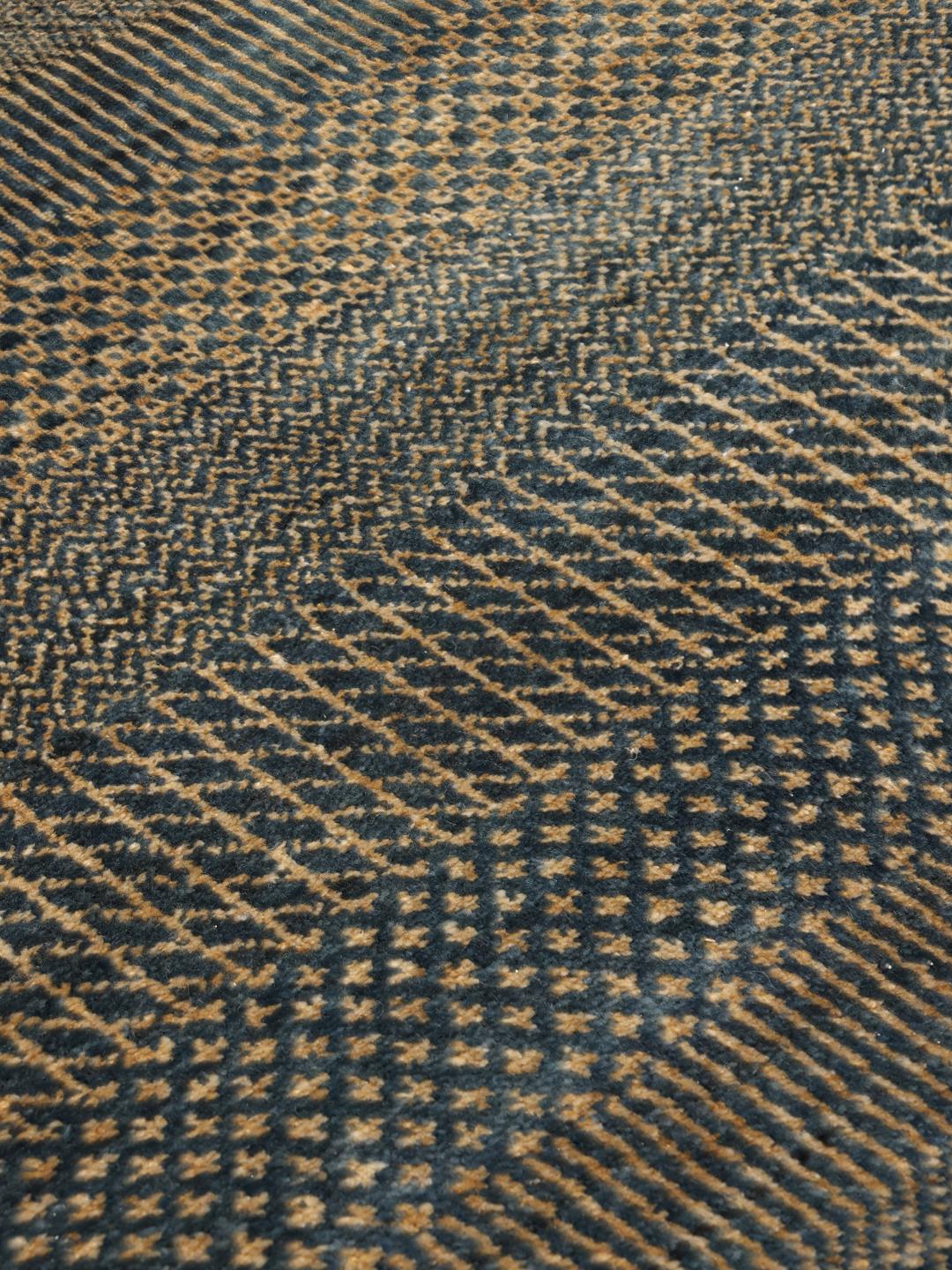
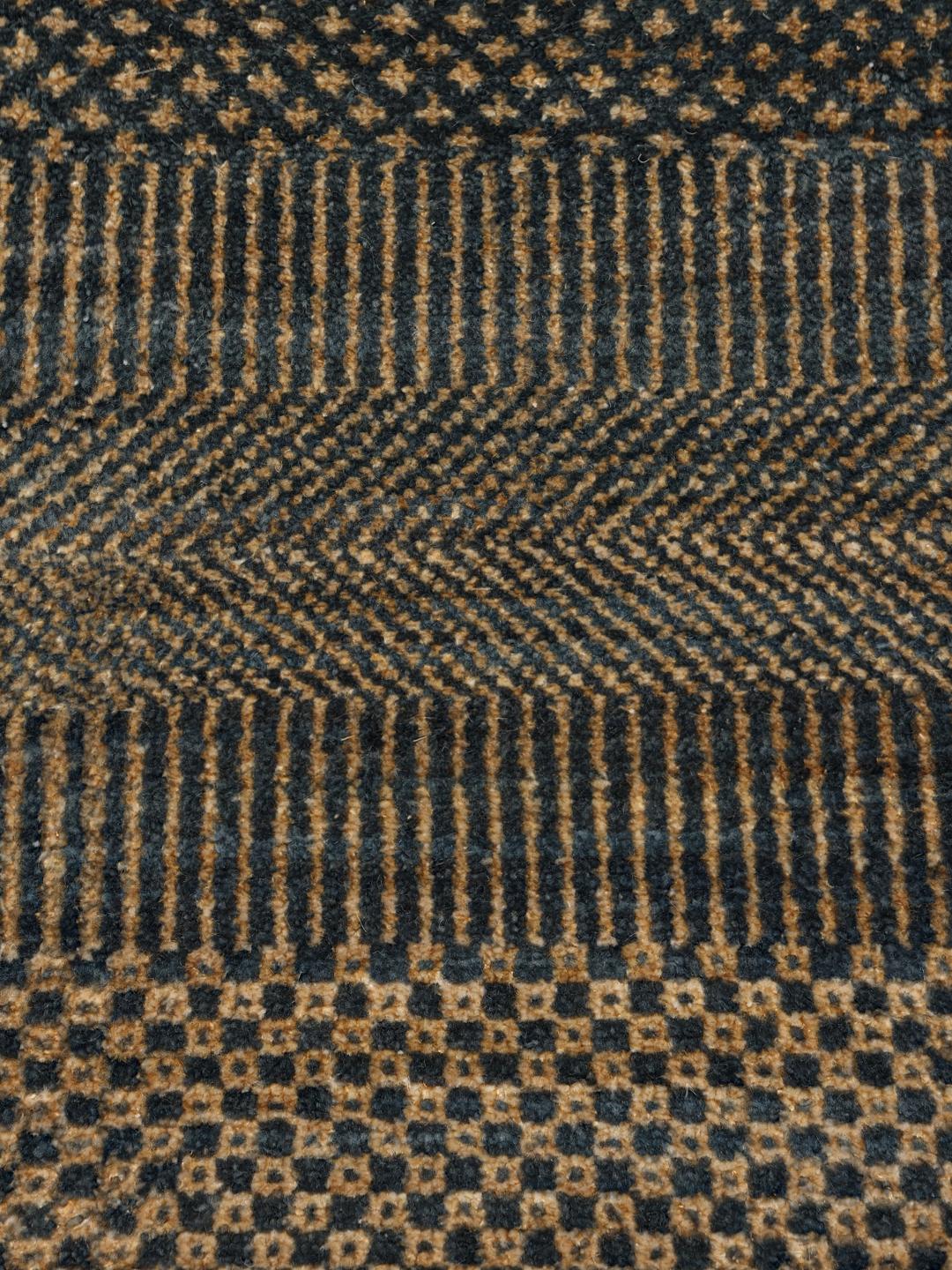
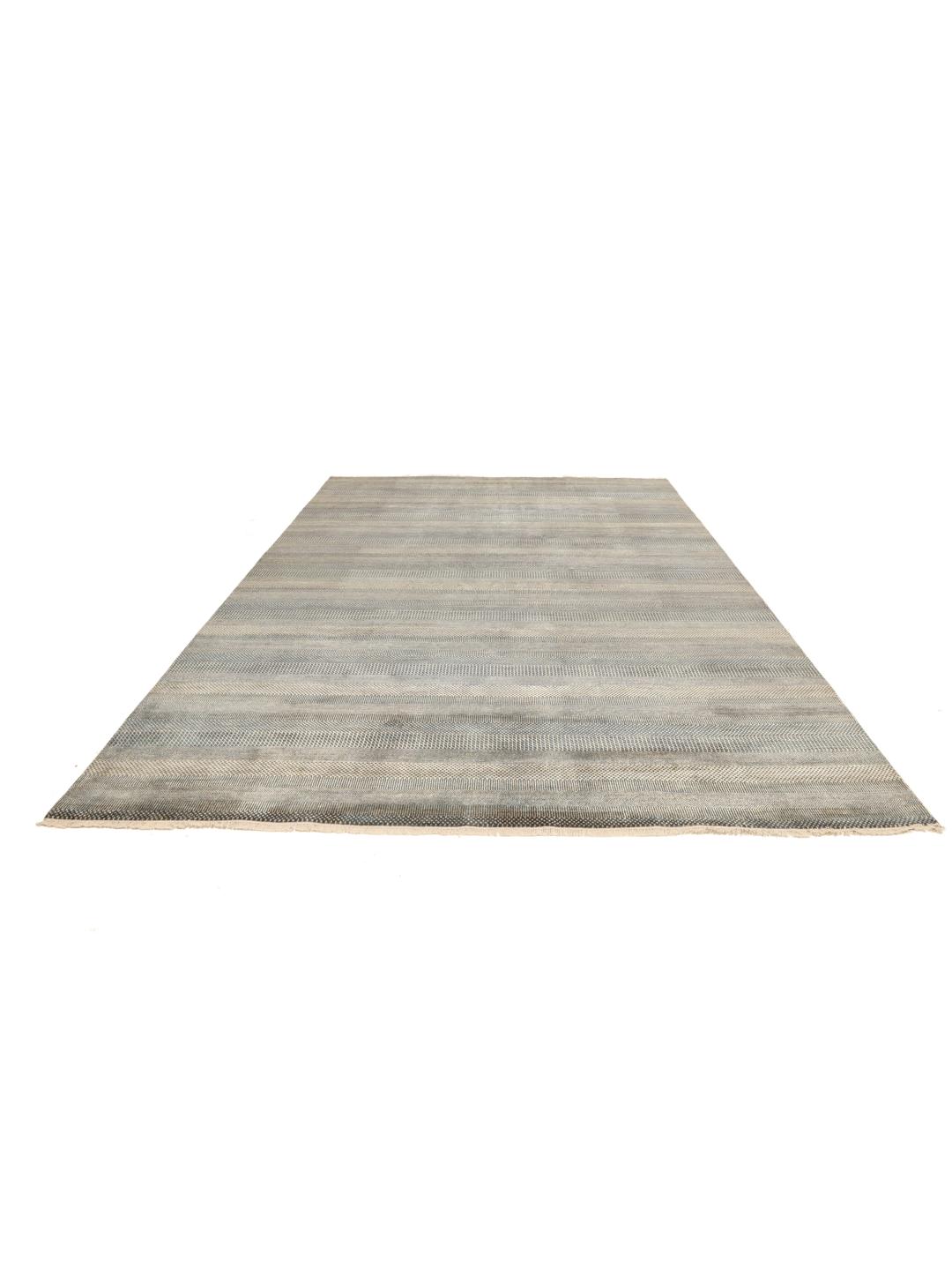
Visually, Gabbeh rugs are celebrated for their use of negative space and minimalist, often geometric, motifs. While traditional versions often featured vibrant, bold colours, modern iterations like this one lean into more sophisticated, earthy palettes. The striped design seen here is a classic modern interpretation that emphasises the beauty of the wool's texture, allowing the subtle shifts in tone to become the focal point of the piece.
Owning a hand-knotted Gabbeh rug is an investment in cultural heritage and artisanal skill. These pieces are not merely floor coverings but are reflections of a living tradition that prioritises the weaver's artistic expression. Because each piece is created by hand, they carry a story and a sense of individuality that machine-made rugs simply cannot match, making them a cornerstone for any thoughtful, character-filled home.