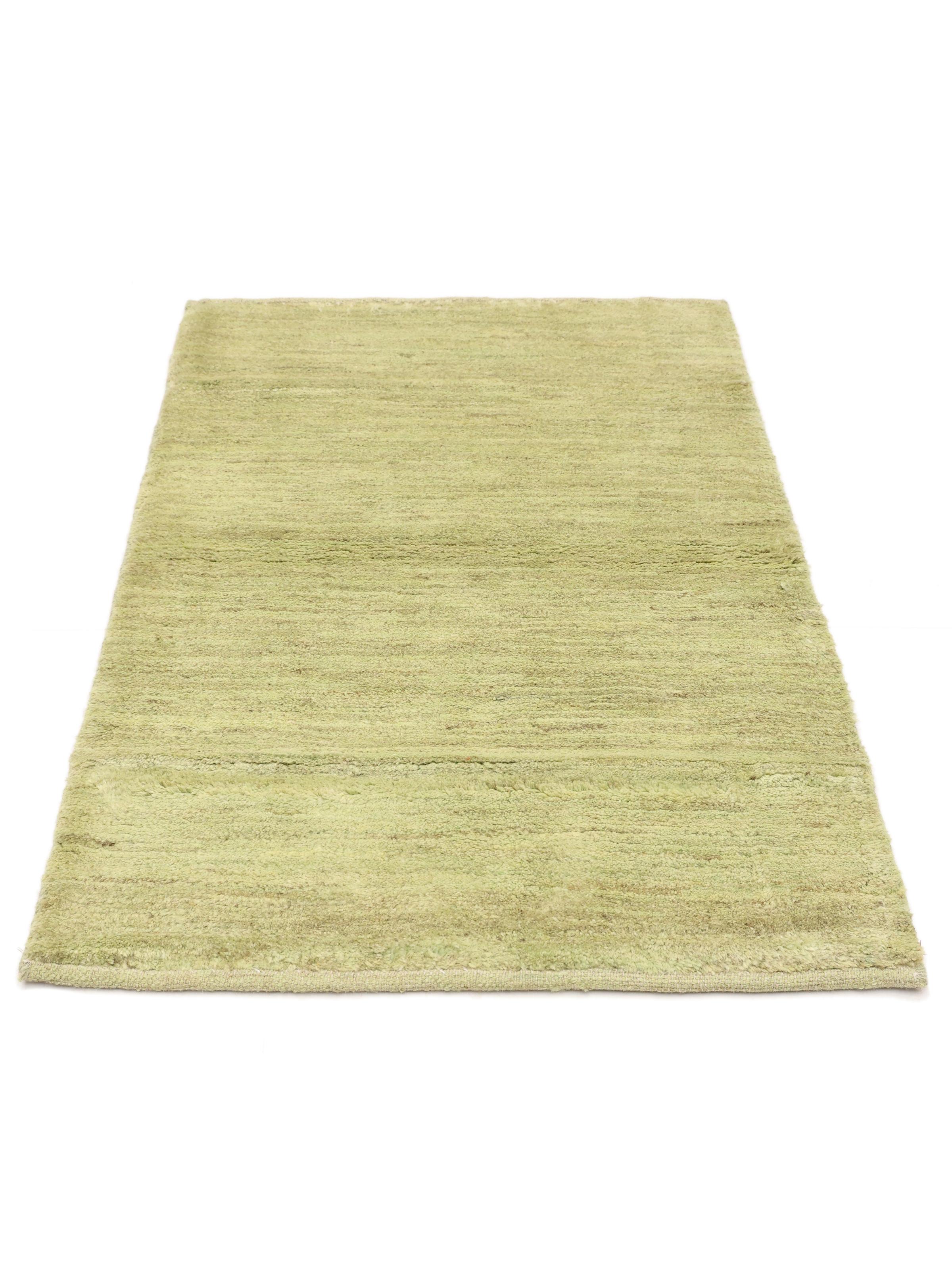
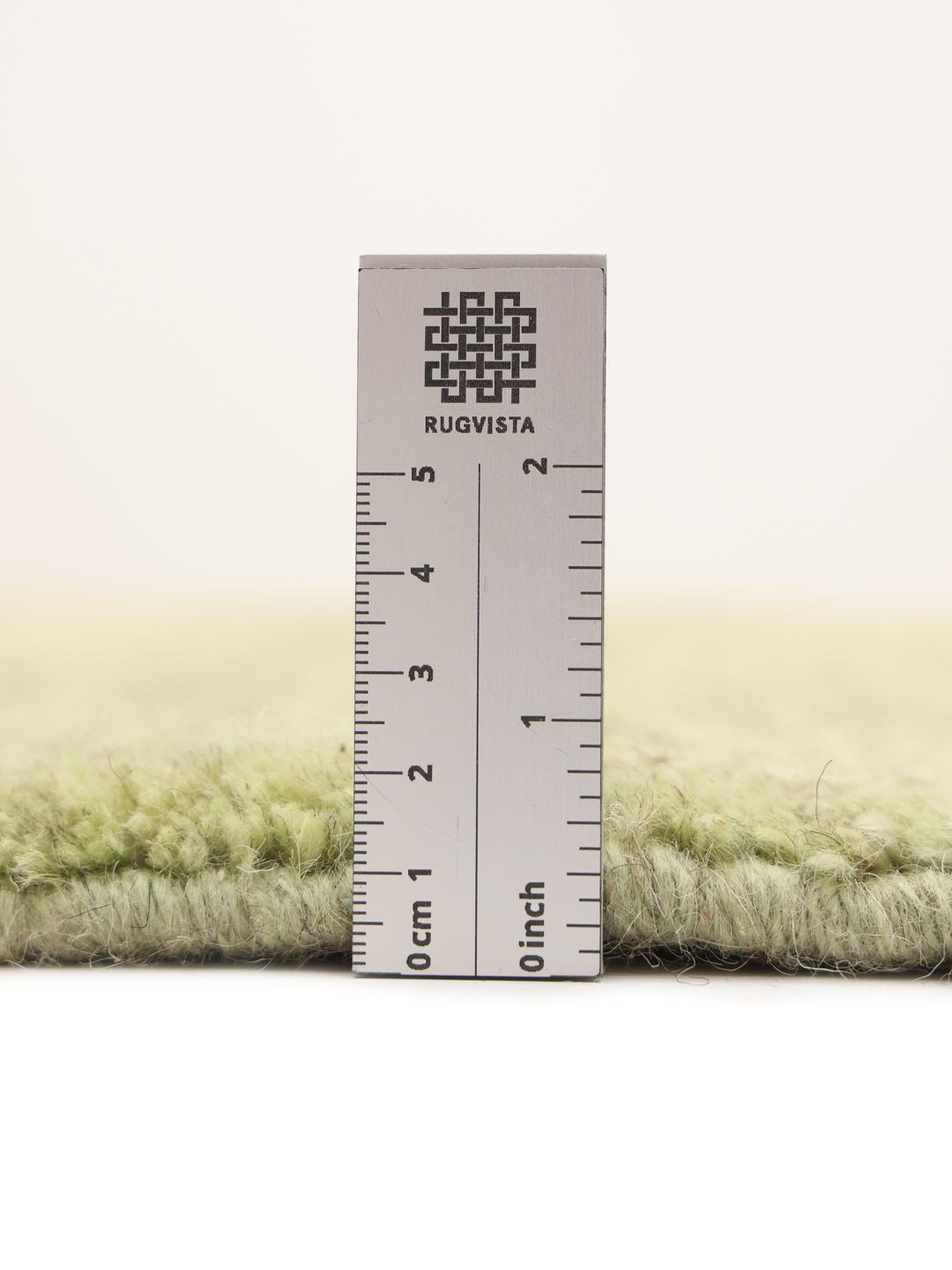
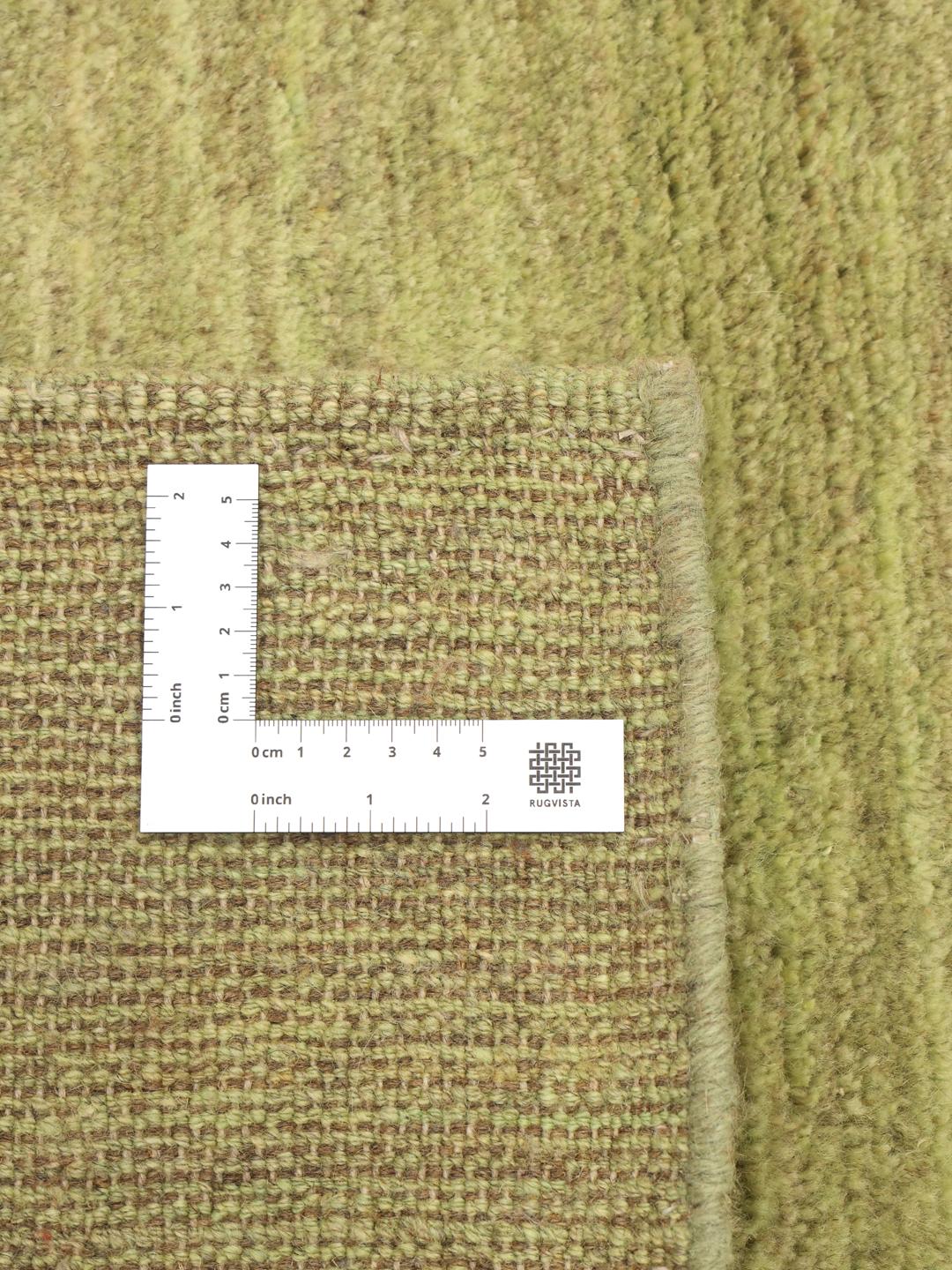
Gabbeh rugs have a long and storied history within the tribal traditions of the Middle East. Originally woven by nomadic groups for their own practical use, these rugs were designed to provide essential warmth and comfort in harsh, changing climates. Unlike more formal, city-made rugs, the Gabbeh was created with a focus on personal expression and utilitarian function.
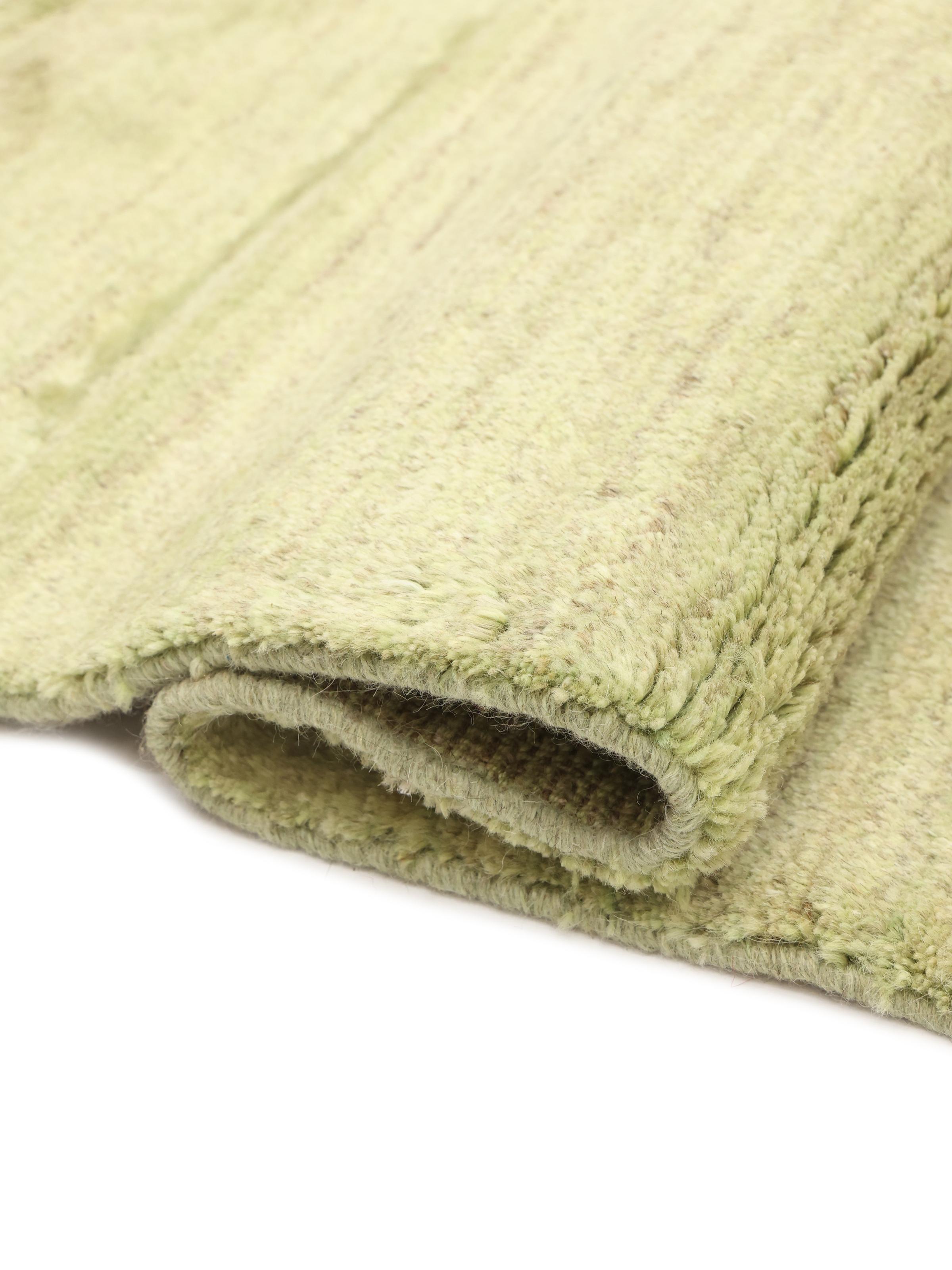
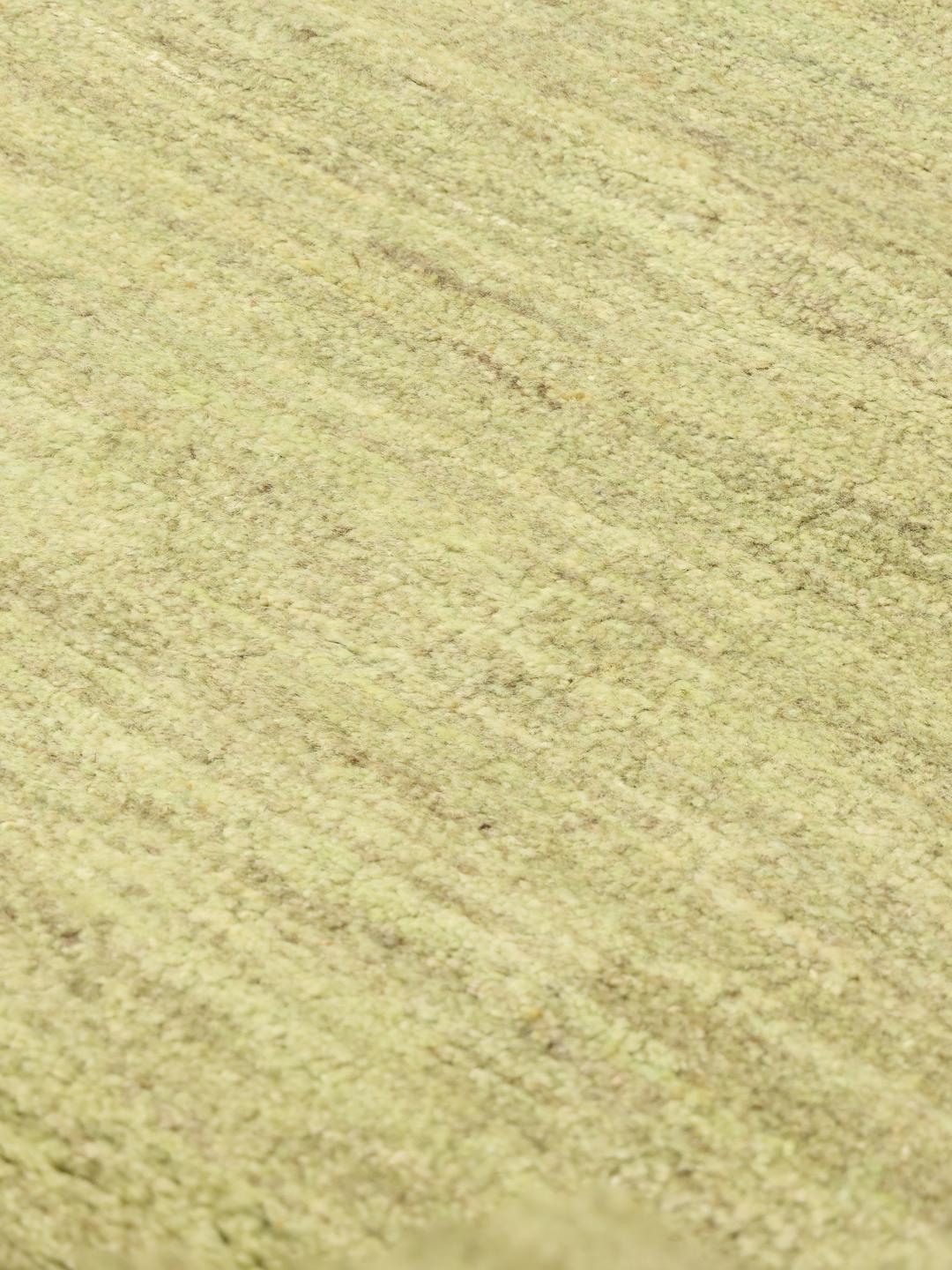
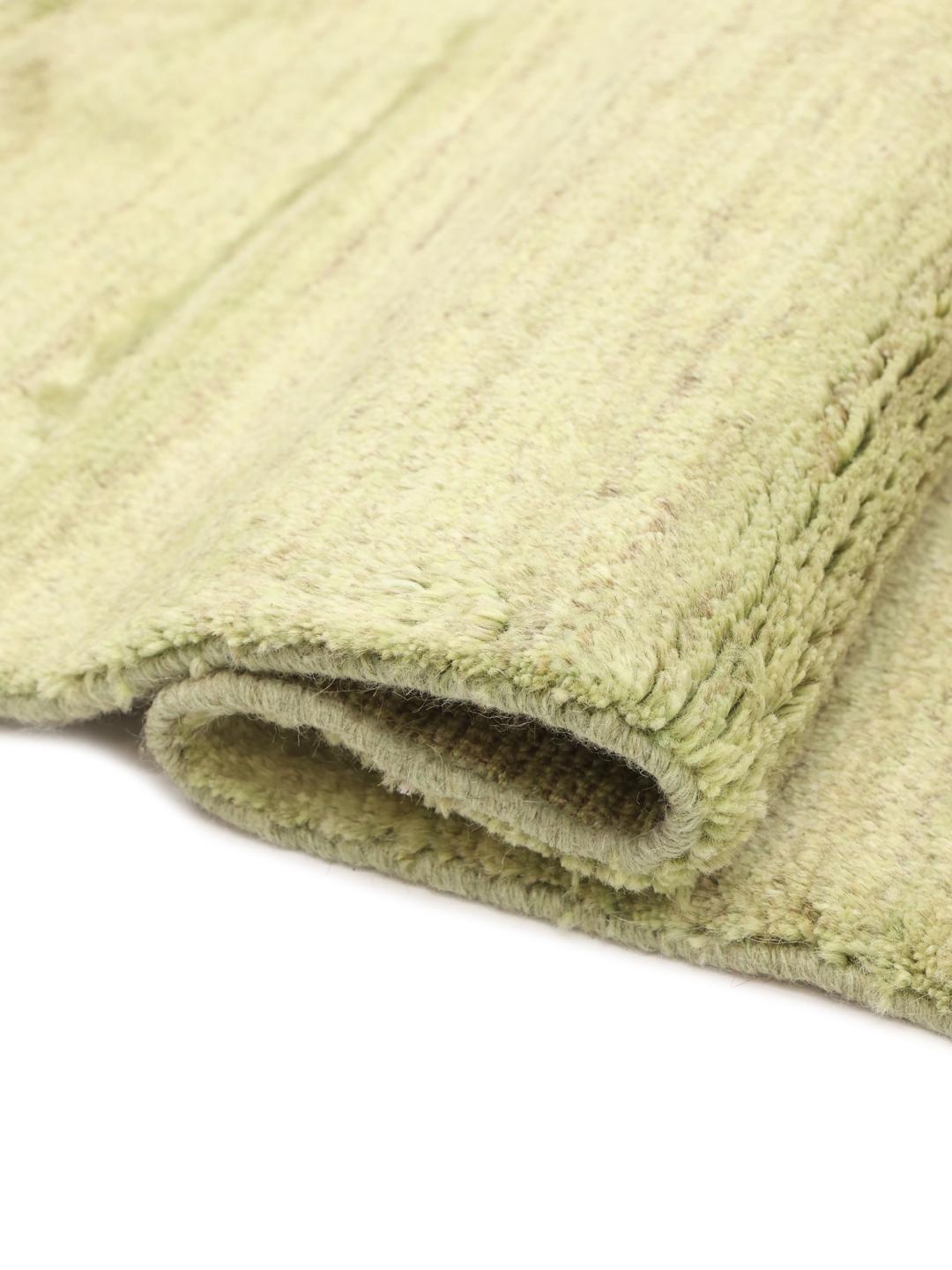
The term itself is deeply rooted in the craft, often translated as 'raw' or 'natural.' This terminology reflects the honest approach taken by the weavers, who prioritise the inherent quality of the wool and the purity of the design. The thick pile and bold, simplified patterns are not merely aesthetic choices but are hallmarks of a tradition that values the tactile experience of the rug as much as its appearance.
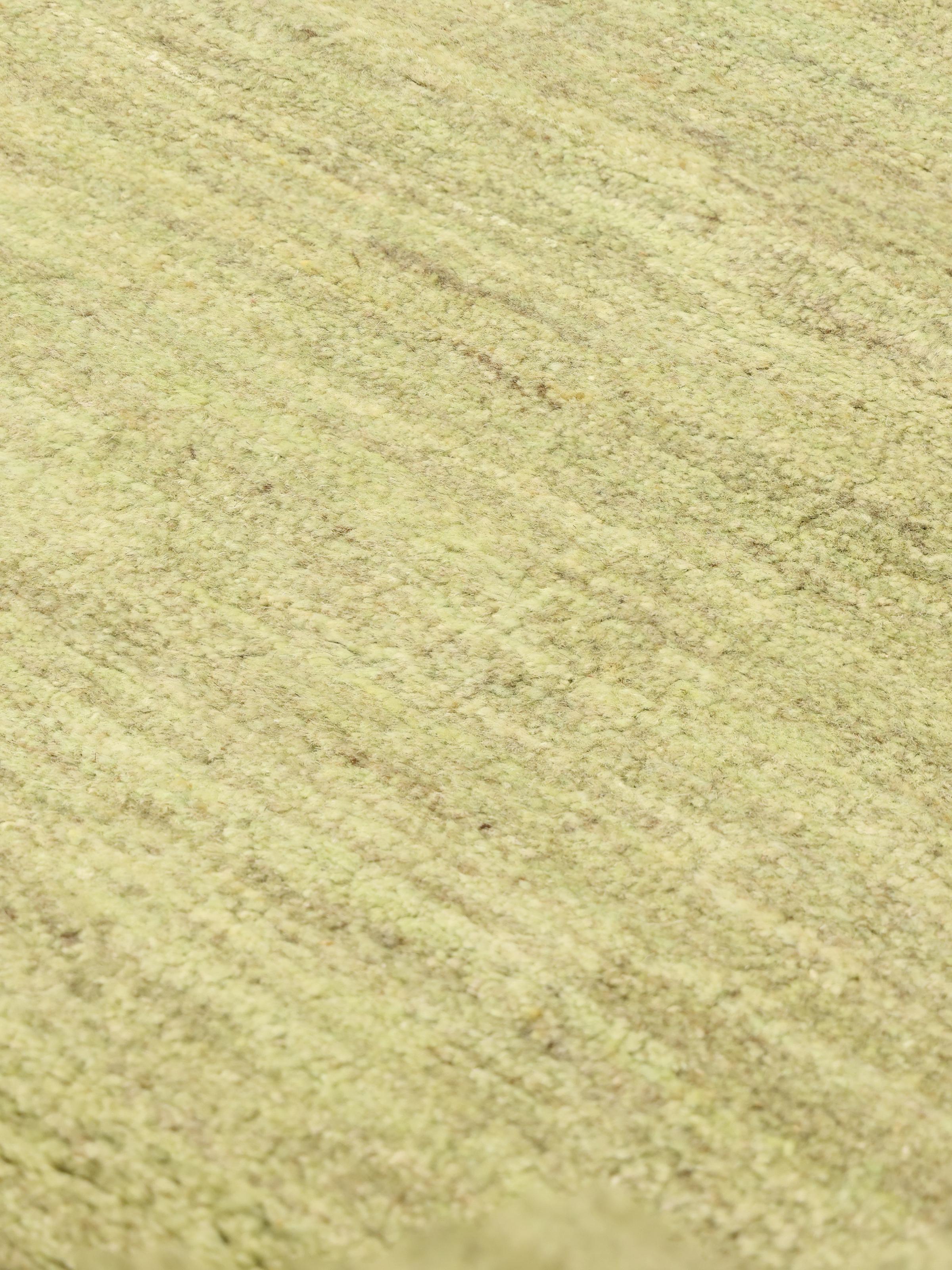
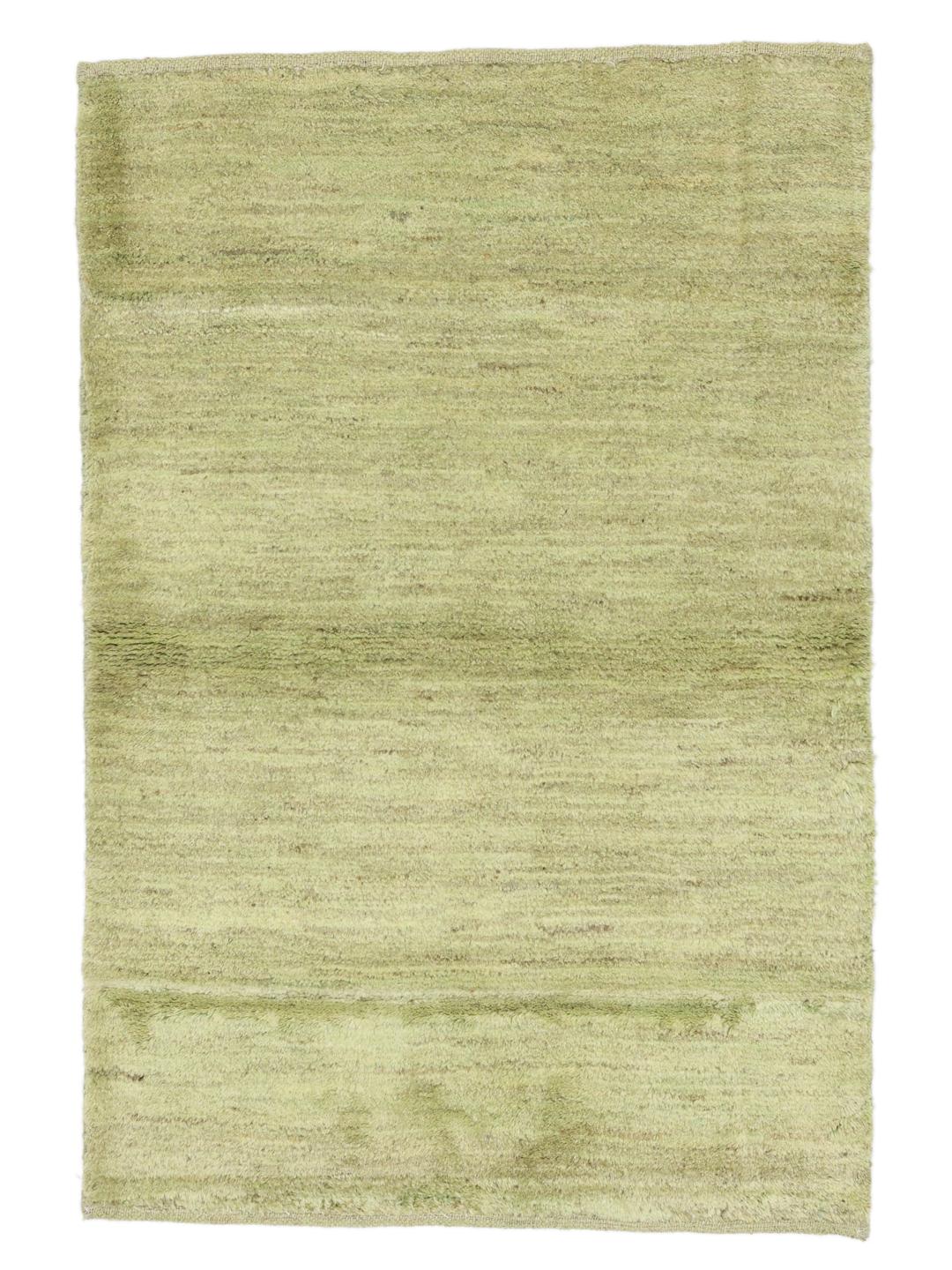
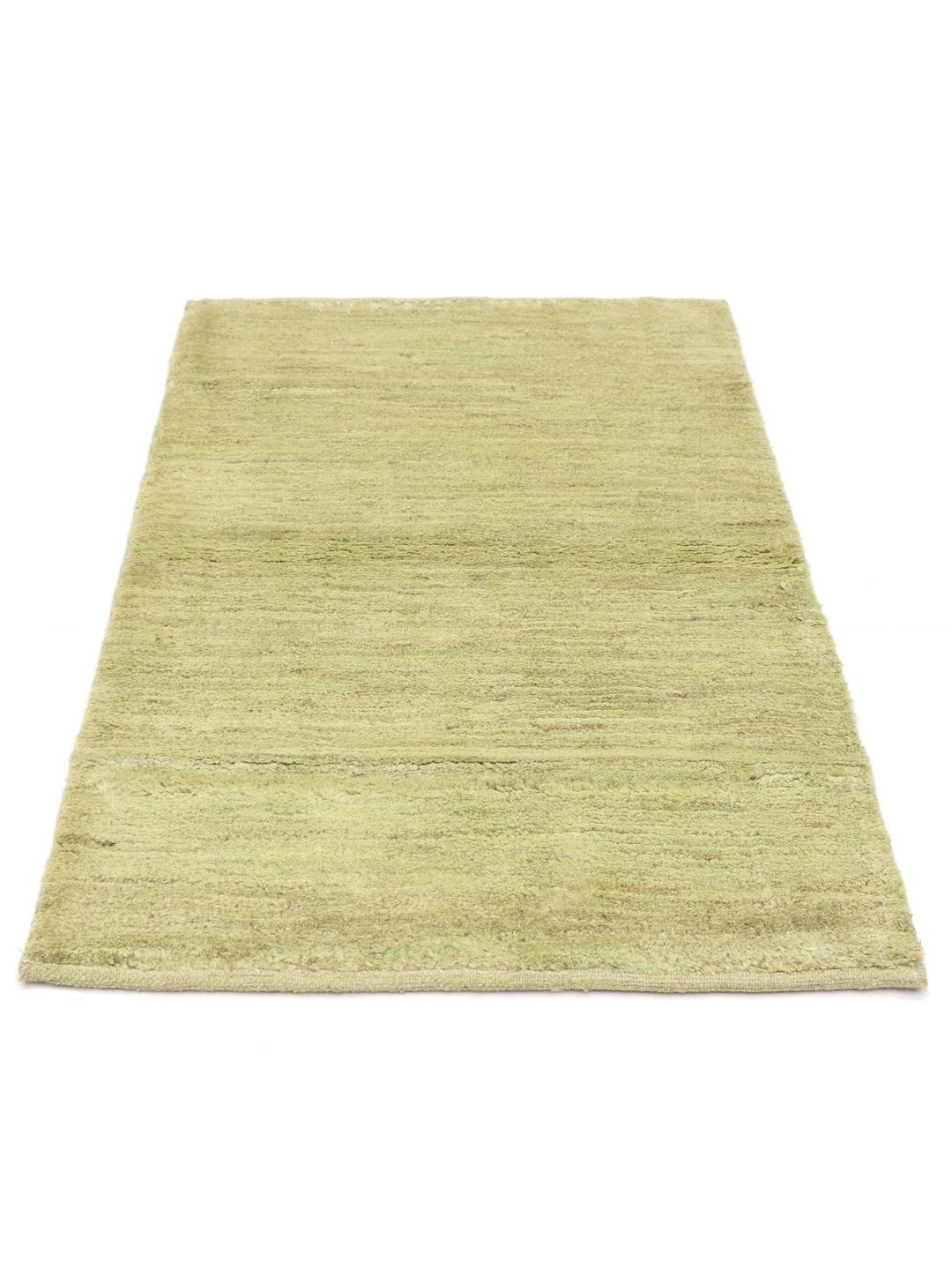
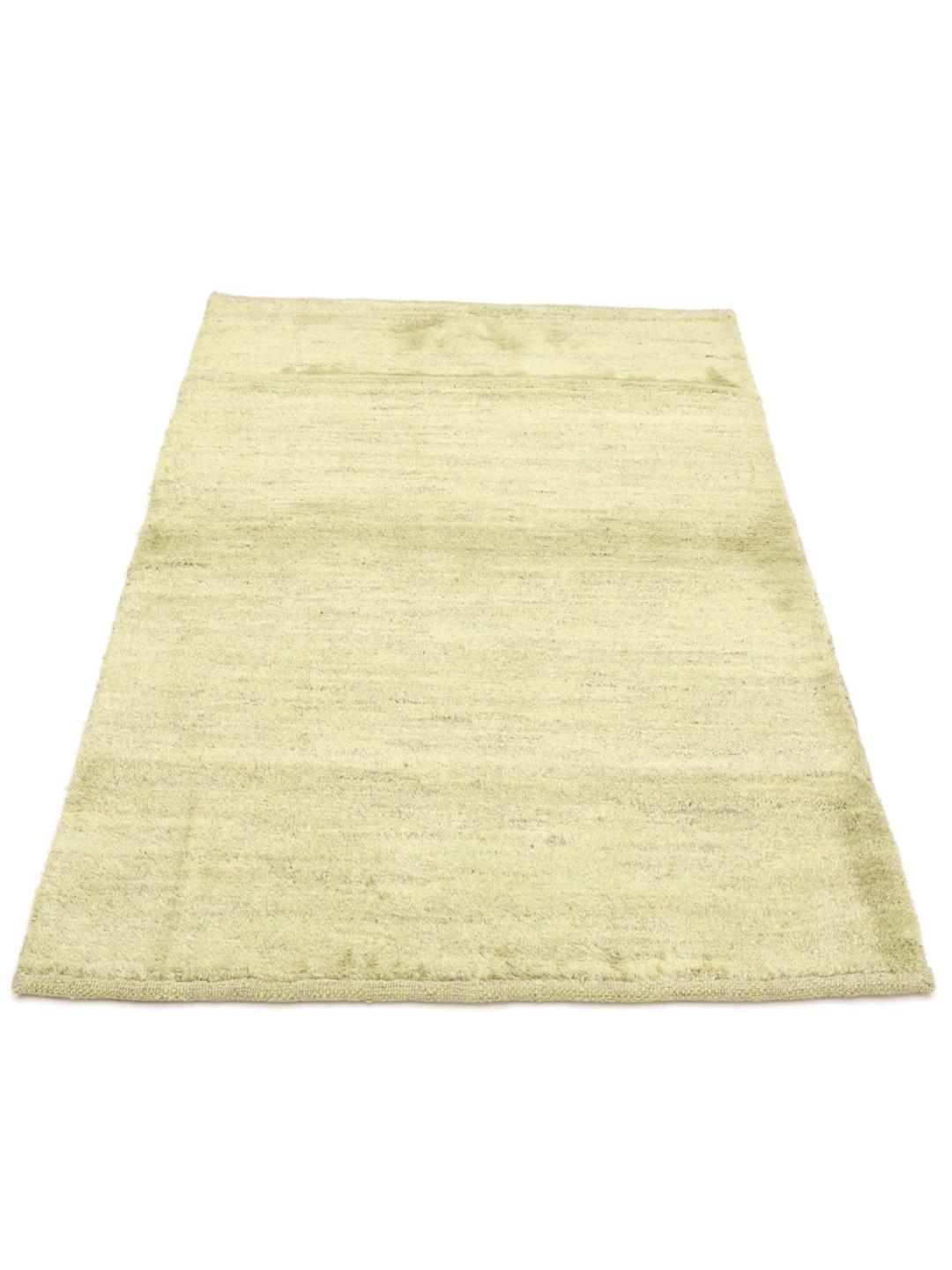
Signature design elements of the Gabbeh are defined by their spontaneity and artistic freedom. While other traditions might rely on rigid, pre-planned motifs, the Gabbeh is often characterised by open fields, subtle colour variations, and abstract compositions that emerge from the weaver's imagination. This particular piece showcases this tradition through its gentle, earthy palette and a clean, uncluttered field that emphasises the beauty of the material.
Today, these rugs are highly prized by collectors and homeowners alike for their cultural weight and authentic charm. Owning a Gabbeh is an opportunity to connect with a centuries-old tradition of nomadic artistry. Each rug acts as a bridge to a different way of life, where skill and heritage are woven directly into the fabric of the home, offering a lasting piece of history that remains relevant in modern living.