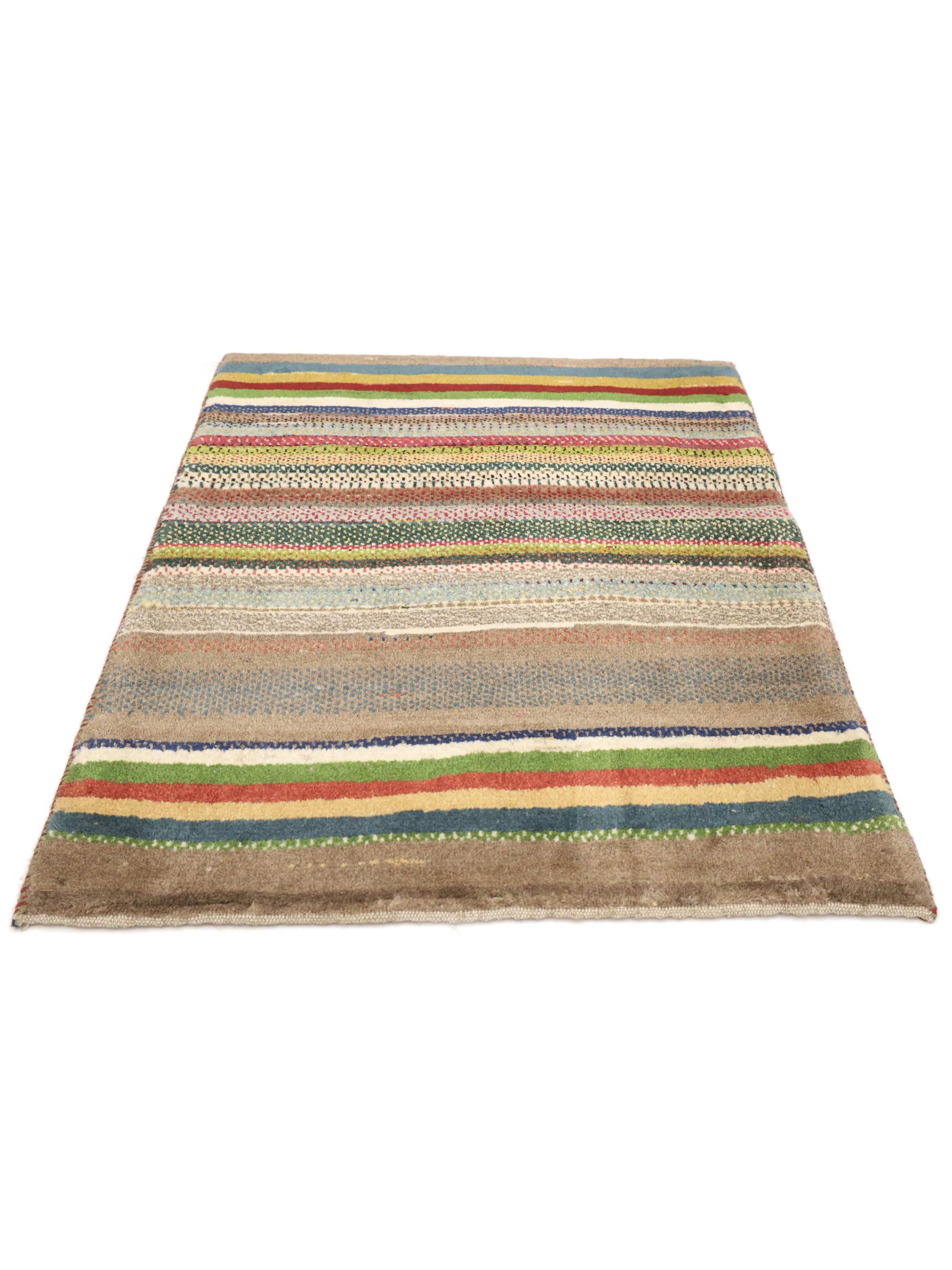
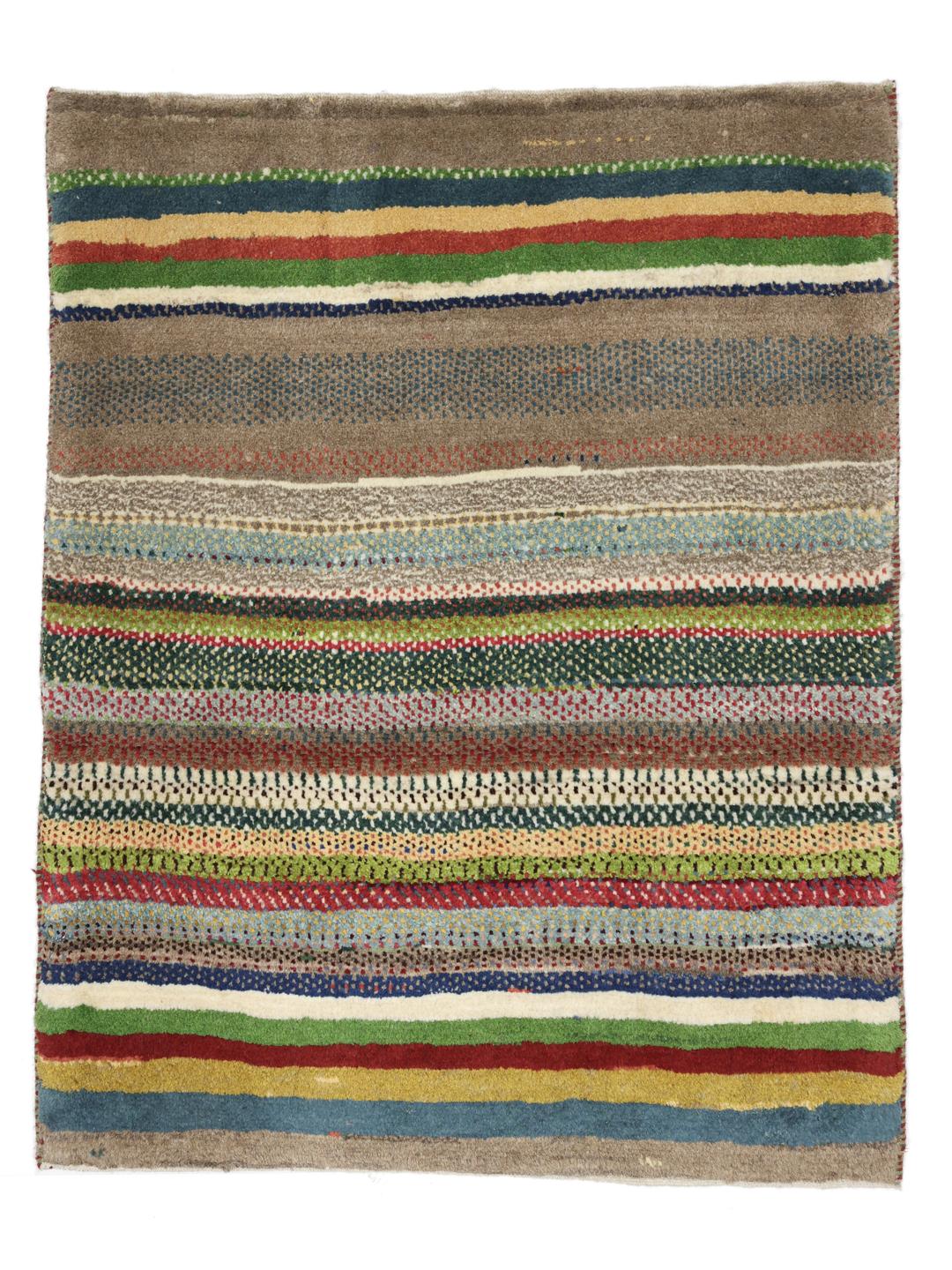
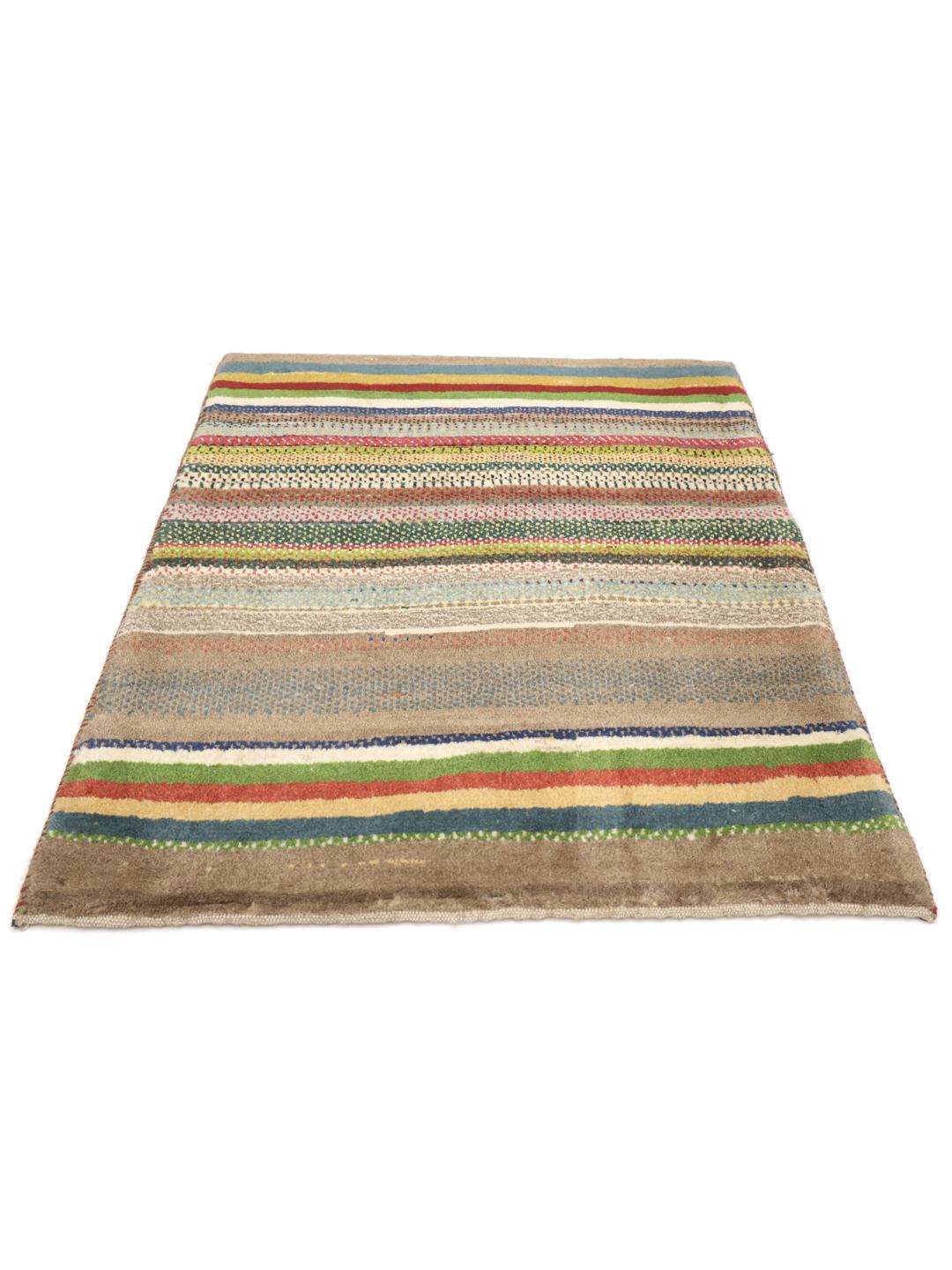
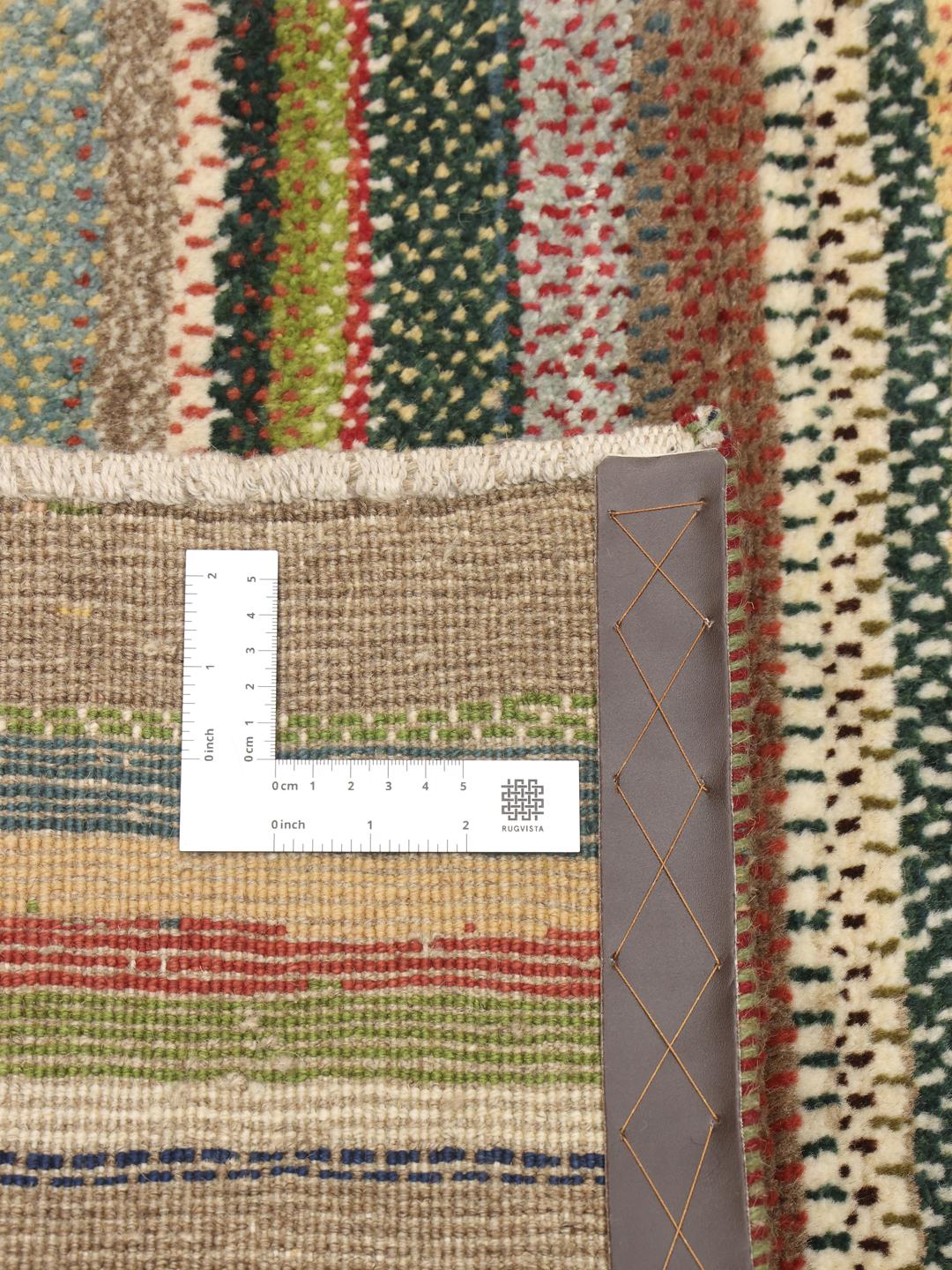
Gabbeh rugs are rooted in the nomadic traditions of the Middle East, where they were originally woven for personal use by tribal groups. Unlike more formal, city-made rugs that often follow strict, pre-planned patterns, the Gabbeh was traditionally an expression of the weaver's own experiences, surroundings, and imagination. This freedom of design is what gives these pieces their spontaneous and deeply personal feel.
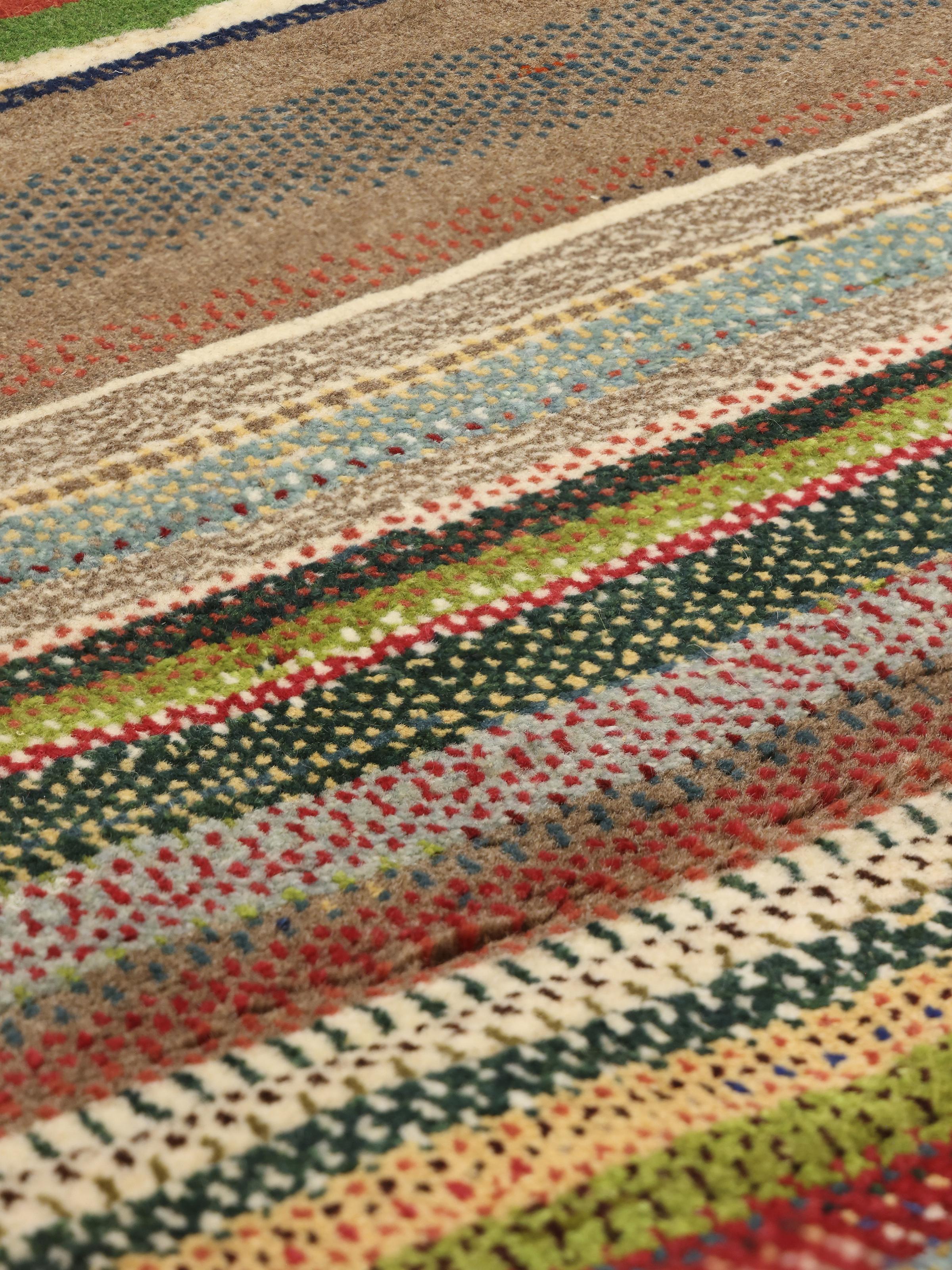
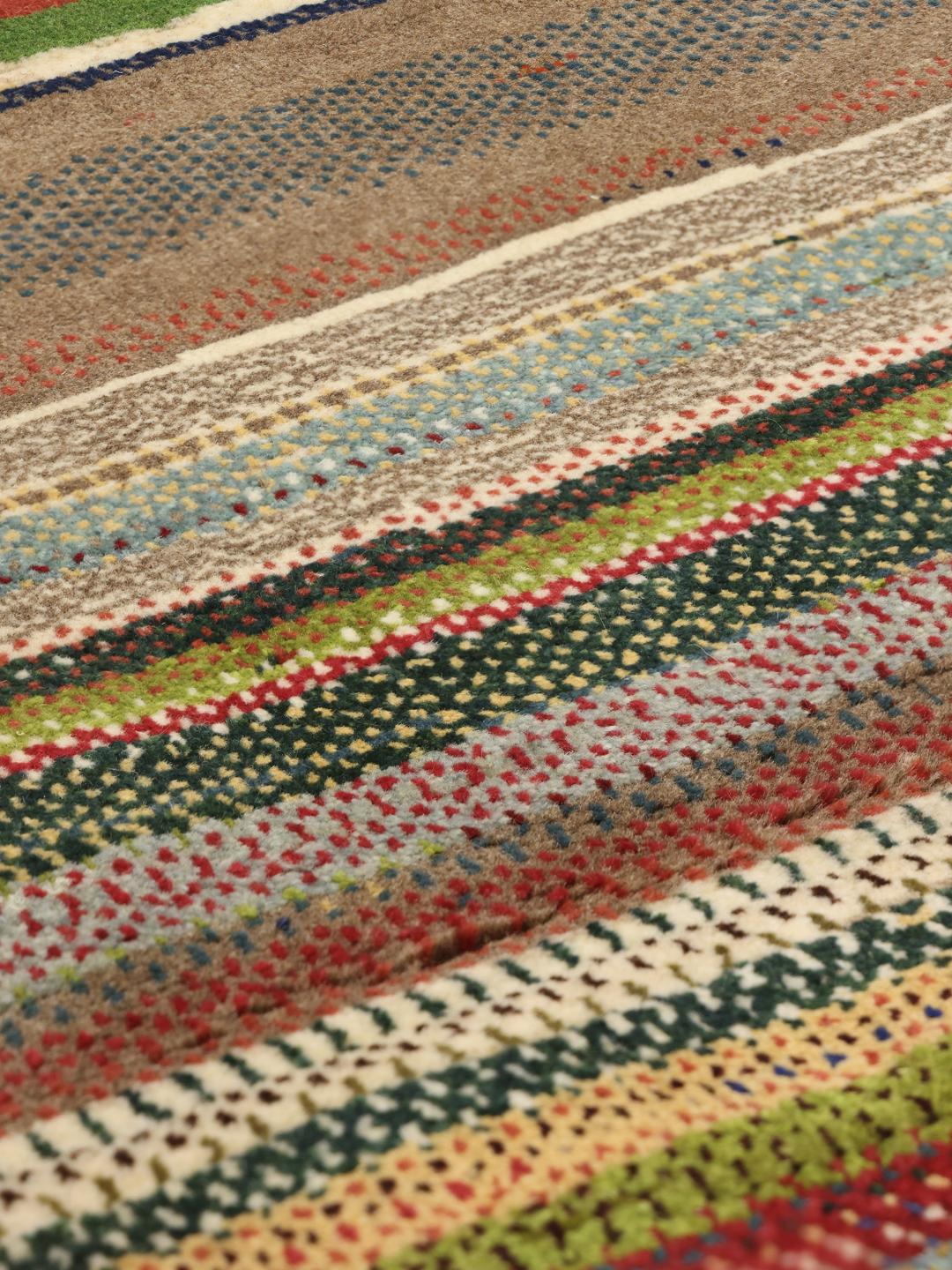
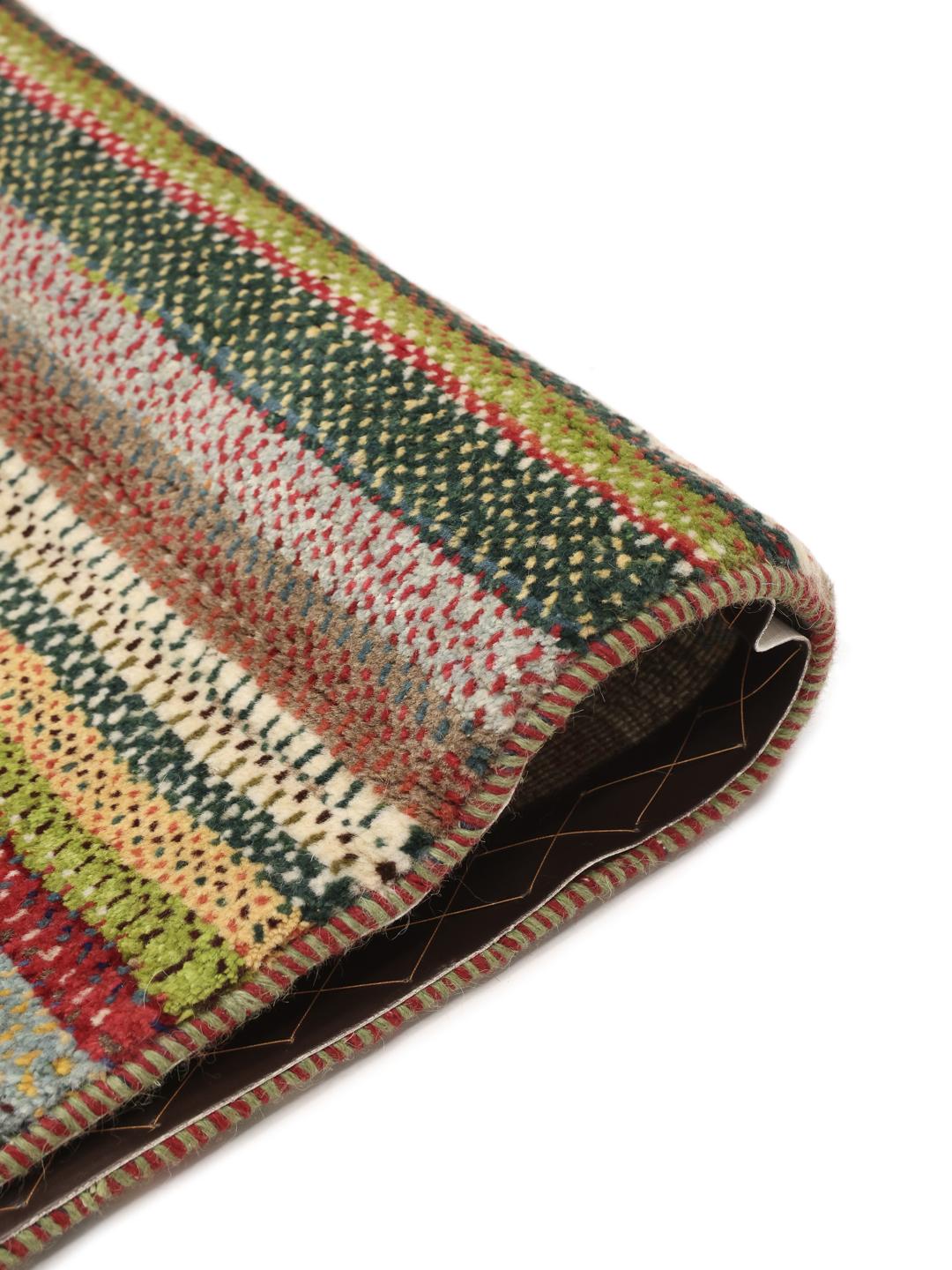
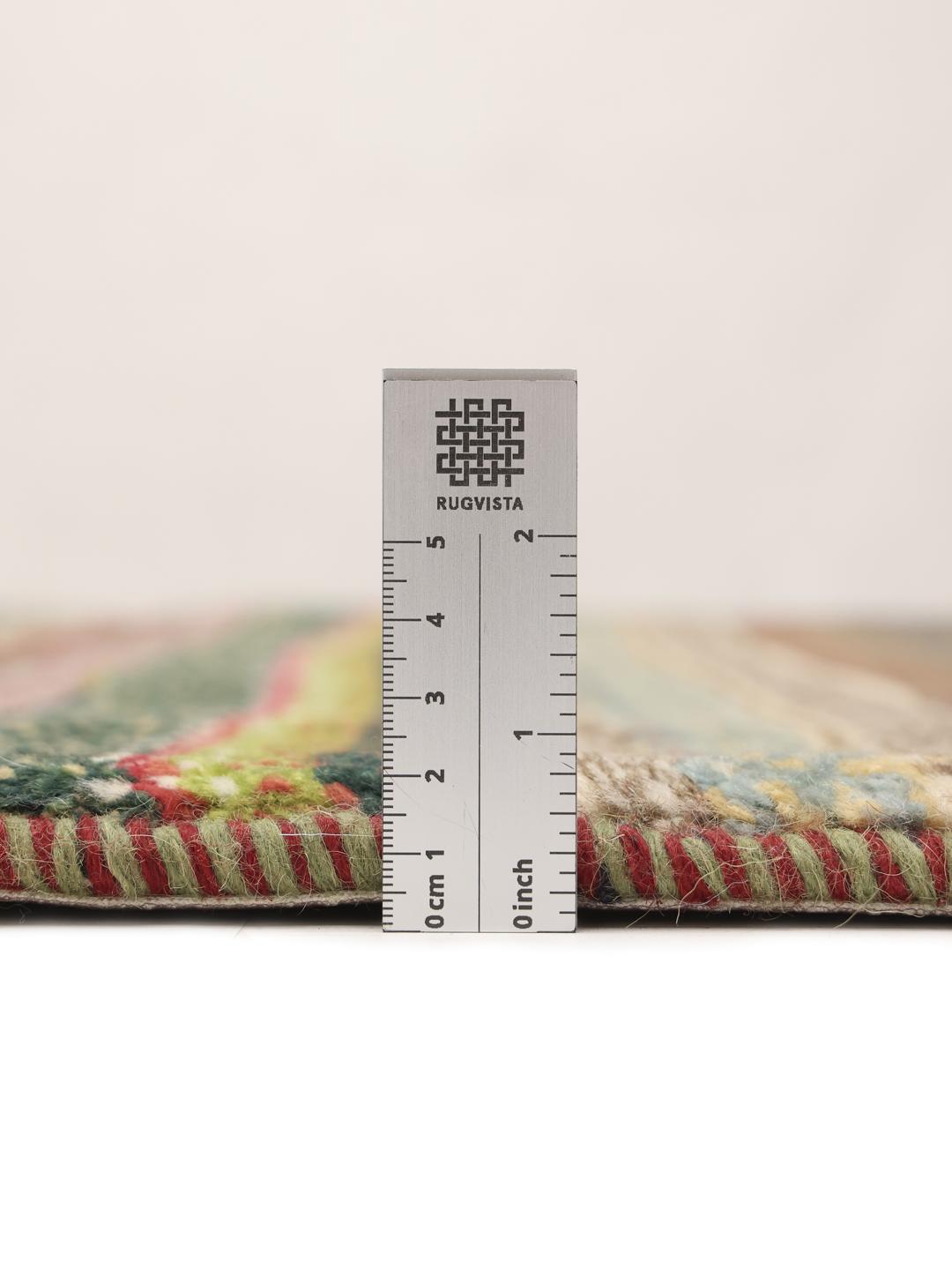
The term Gabbeh essentially translates to raw, natural, or unclipped, which refers to the thicker, longer pile that distinguishes these rugs from other styles. This construction method was developed to provide maximum warmth and comfort during the cold nights in mountainous regions. The focus on a thicker pile means that the rug is not only a decorative object but a functional, protective layer for the home.
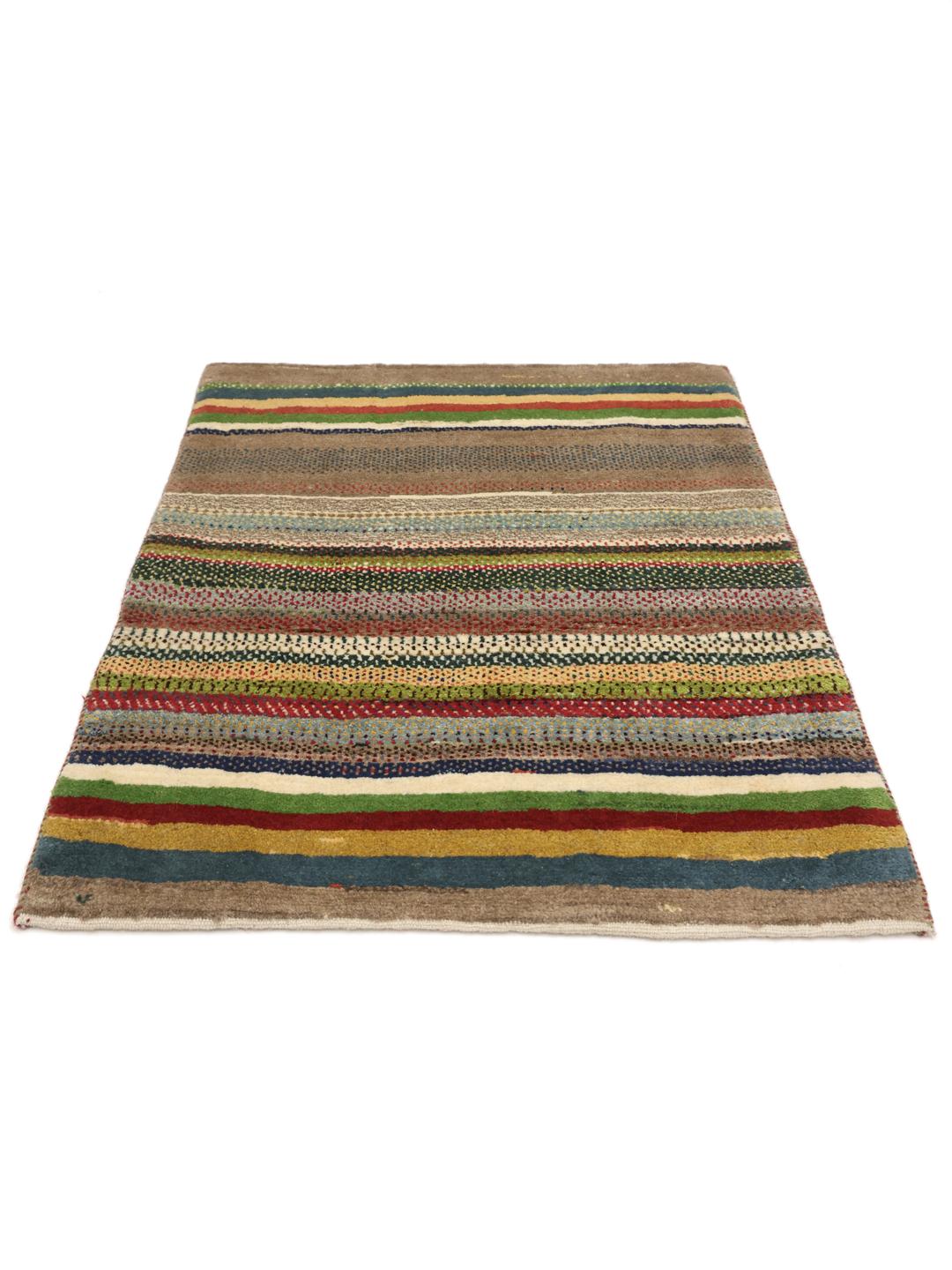
Visually, these rugs are known for their bold, minimalist, and often abstract designs. While many incorporate tribal motifs or geometric symbols representing nature and daily life, the striped pattern seen here is a classic evolution of the style, showcasing a sophisticated use of colour blocking. The use of natural dyes historically gave these rugs their characteristic soft, variegated tones, ensuring that even within a single stripe, the colour has depth and life.
Owning a Gabbeh is a way of preserving a nomadic craft that values individual expression over industrial uniformity. Because these rugs were traditionally woven on portable looms, they represent a portable history of skill and resilience. Today, they are highly valued by collectors and homeowners alike for their ability to bring a sense of soul, warmth, and unpretentious beauty into modern interiors.