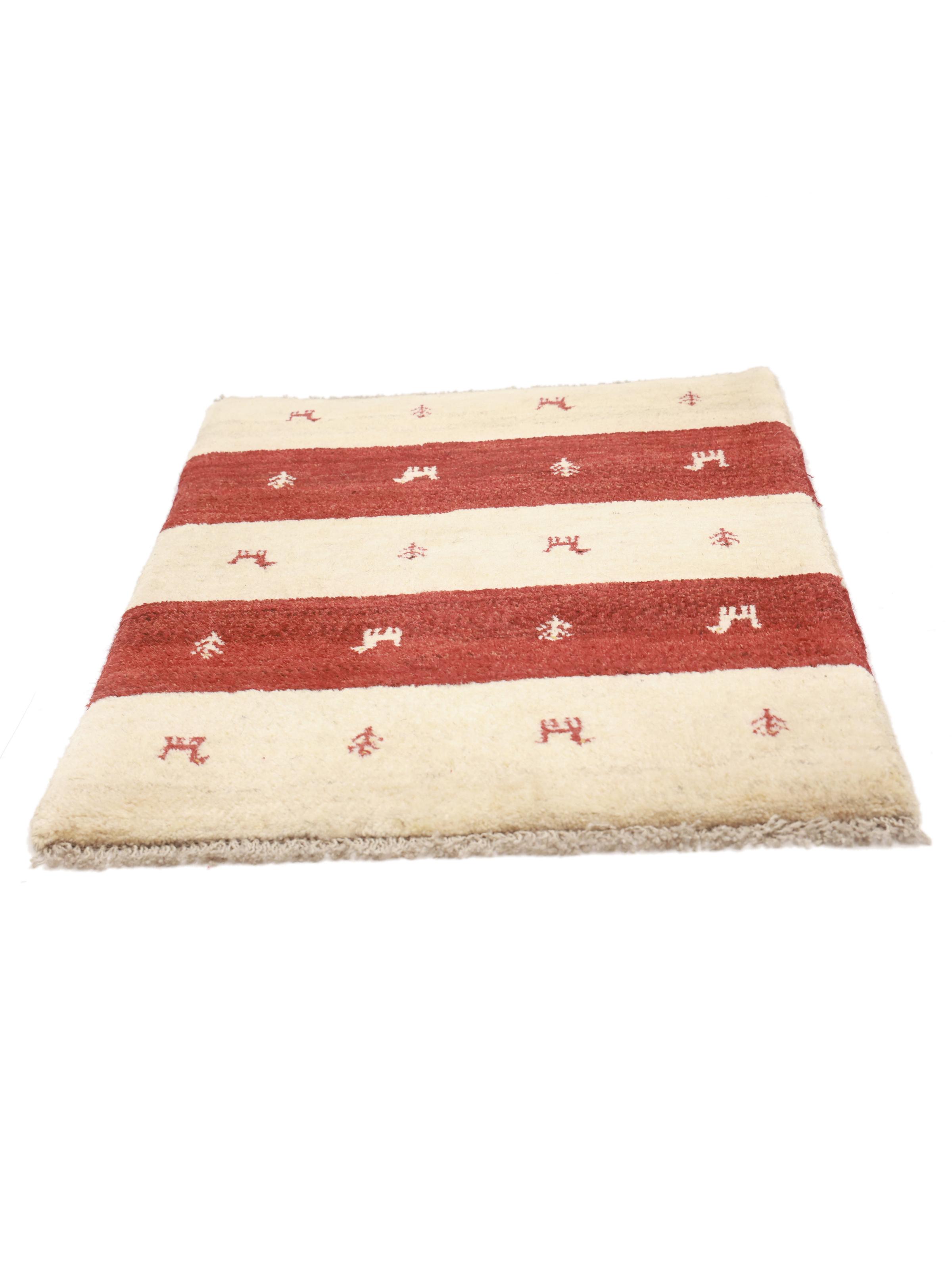
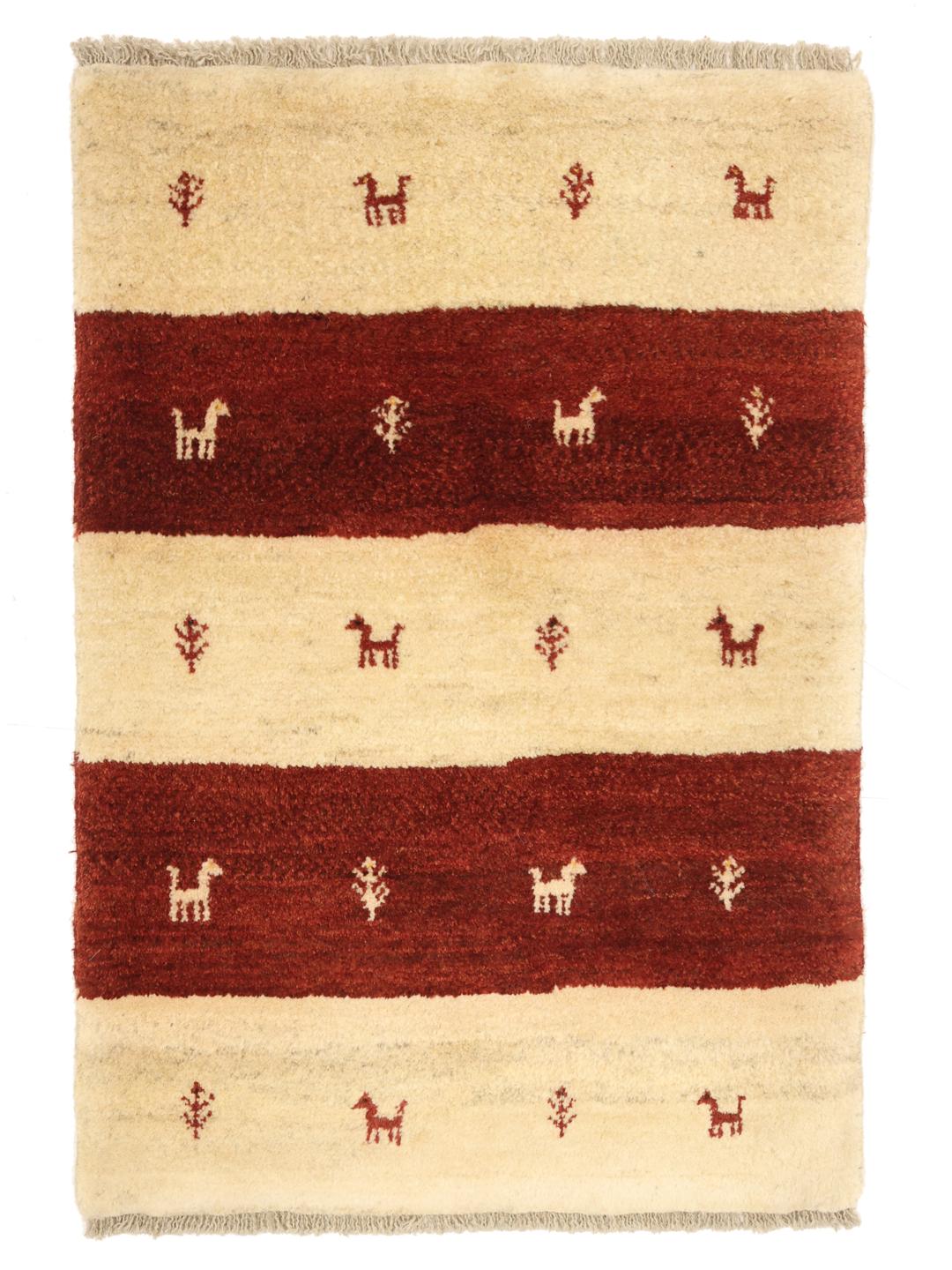
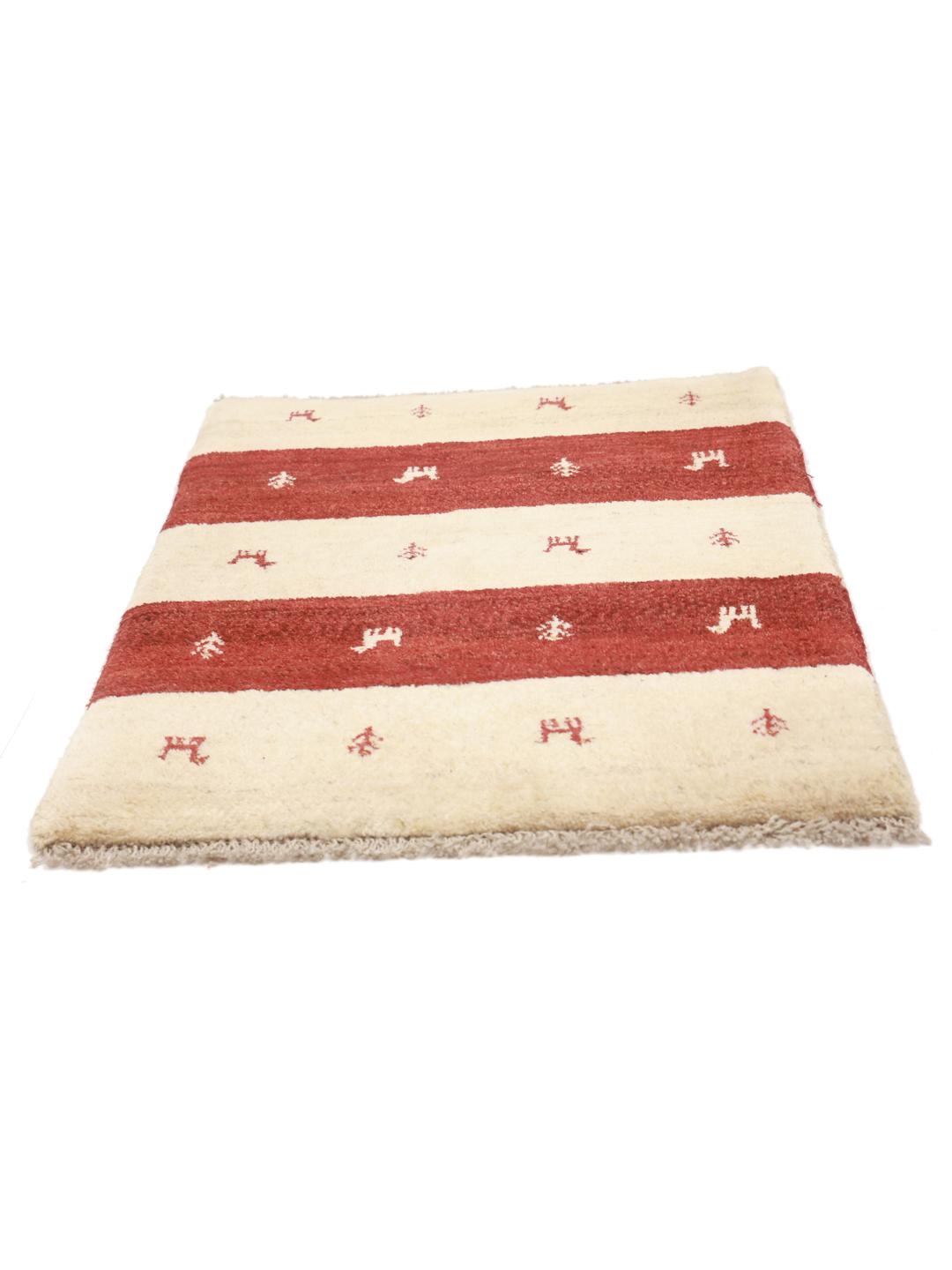
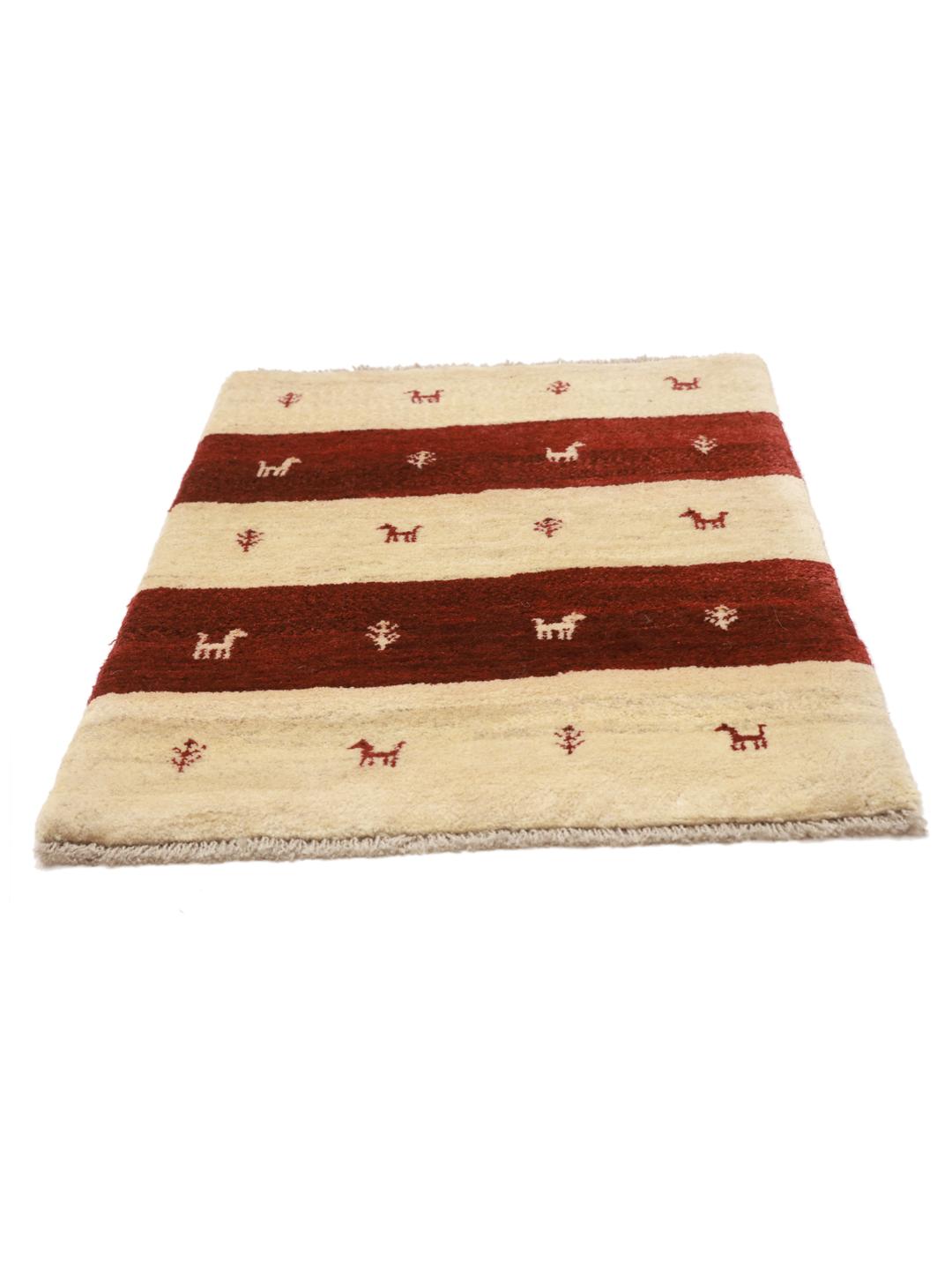
Gabbeh rugs originate from the nomadic tribes of the Middle East, where they were traditionally crafted for personal use rather than for trade. These rugs were designed to provide warmth and comfort within the harsh conditions of nomadic life, often serving as bedding or floor coverings in tents.
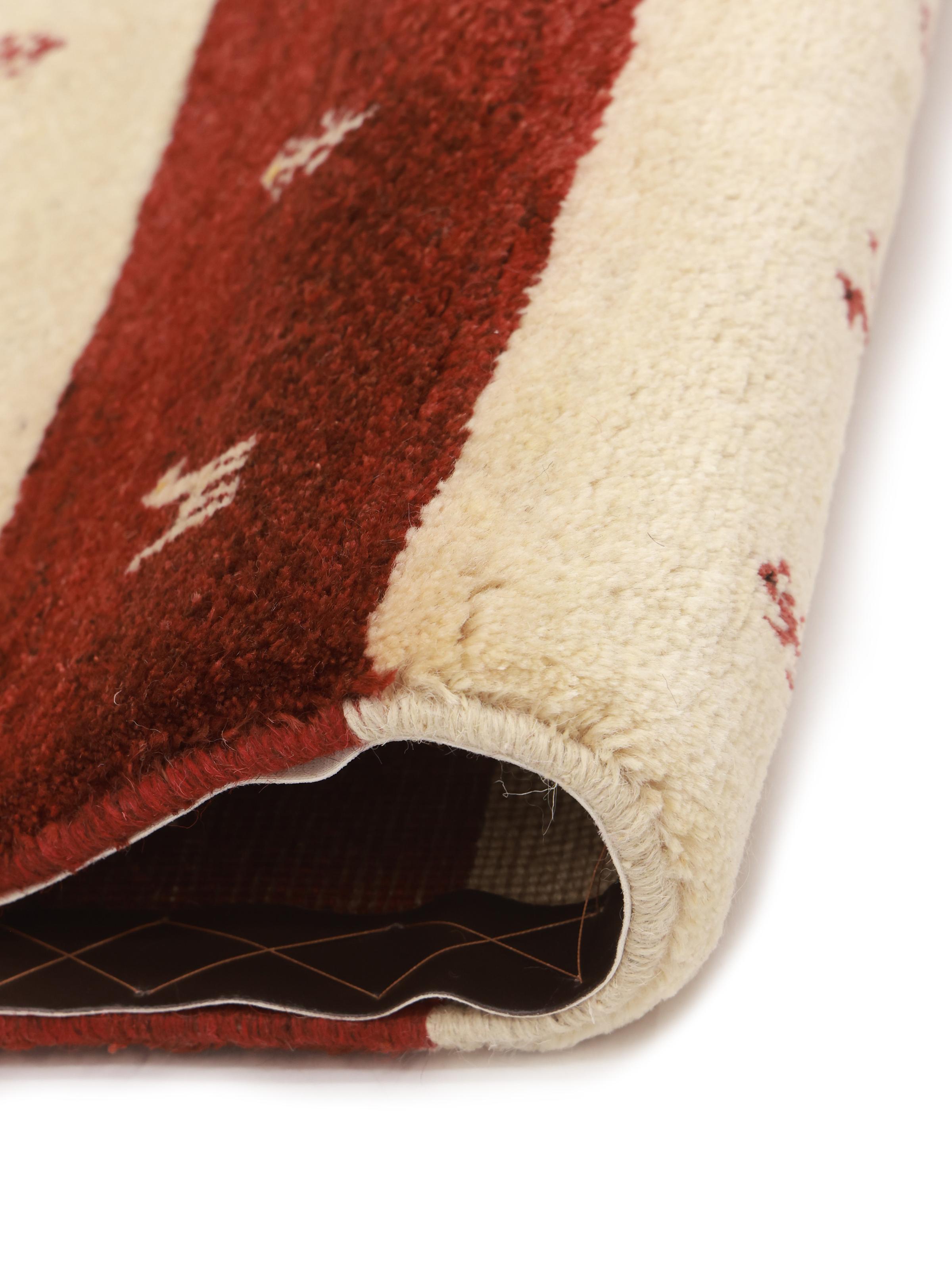
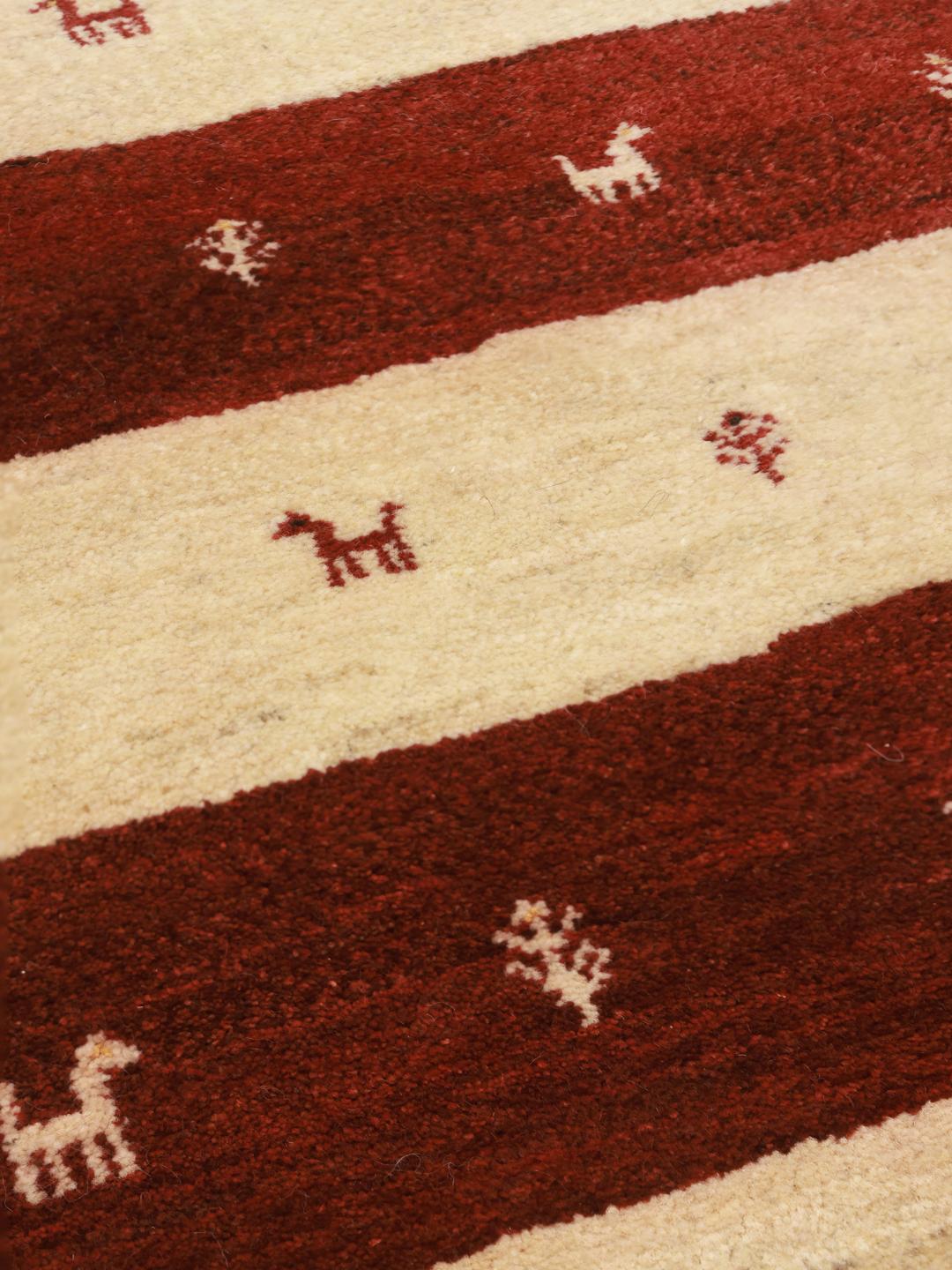
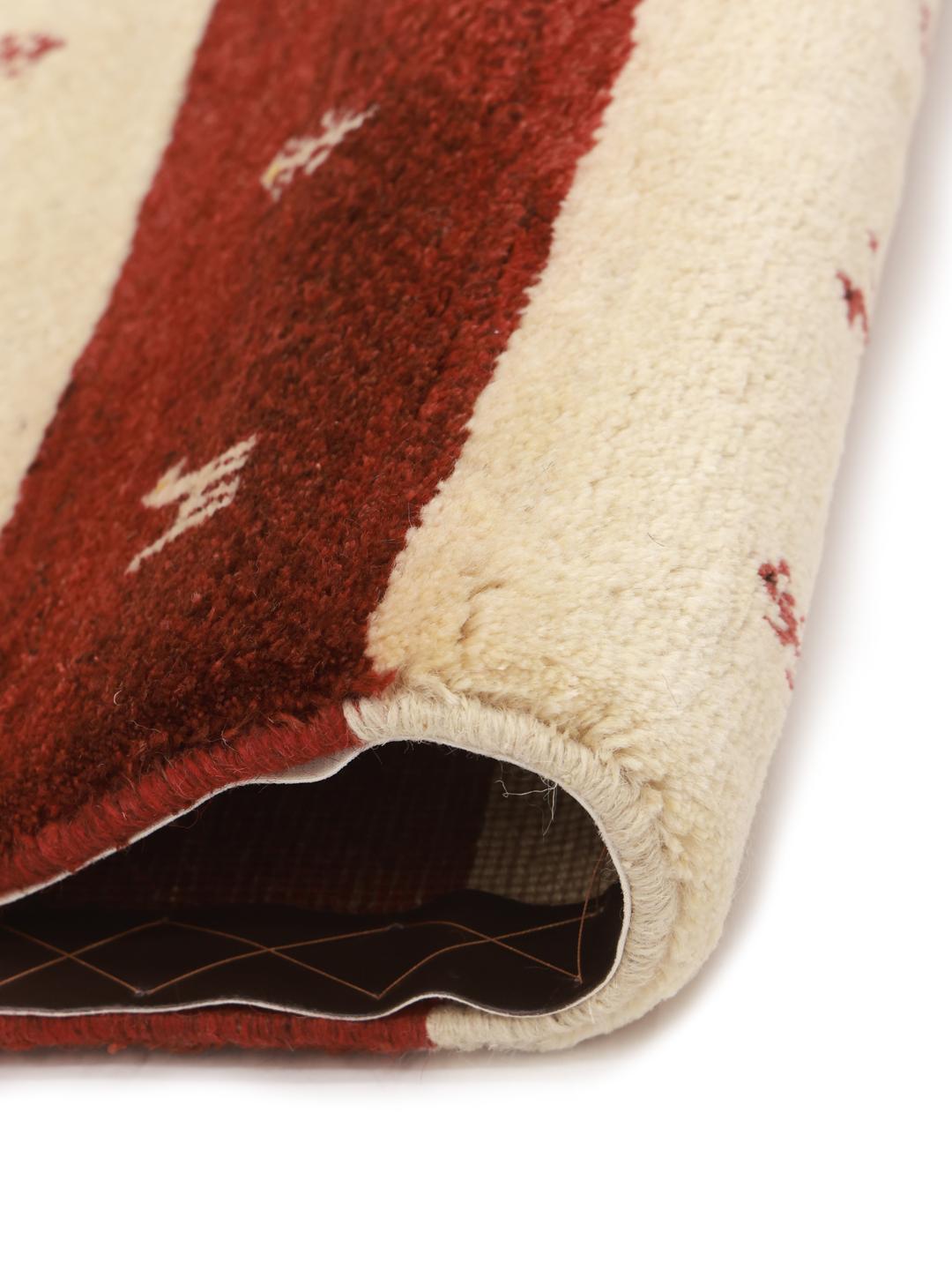
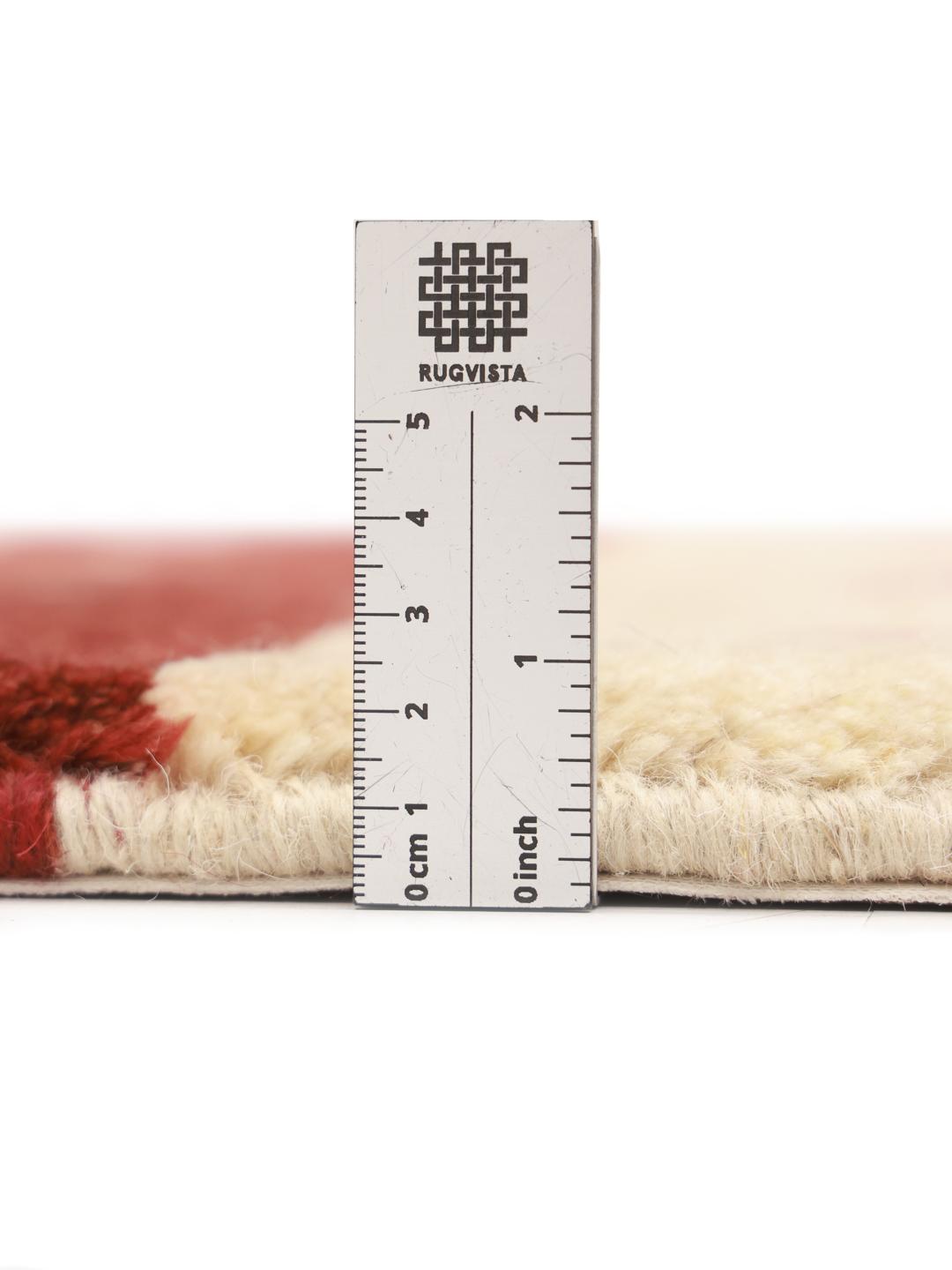
The term Gabbeh refers to a style of weaving that is intentionally simpler and more abstract than the formal, court-style carpets. This technique allows for a thicker, more plush pile, which is achieved through the use of high-quality, hand-spun wool that retains its natural lanolin for a softer feel.
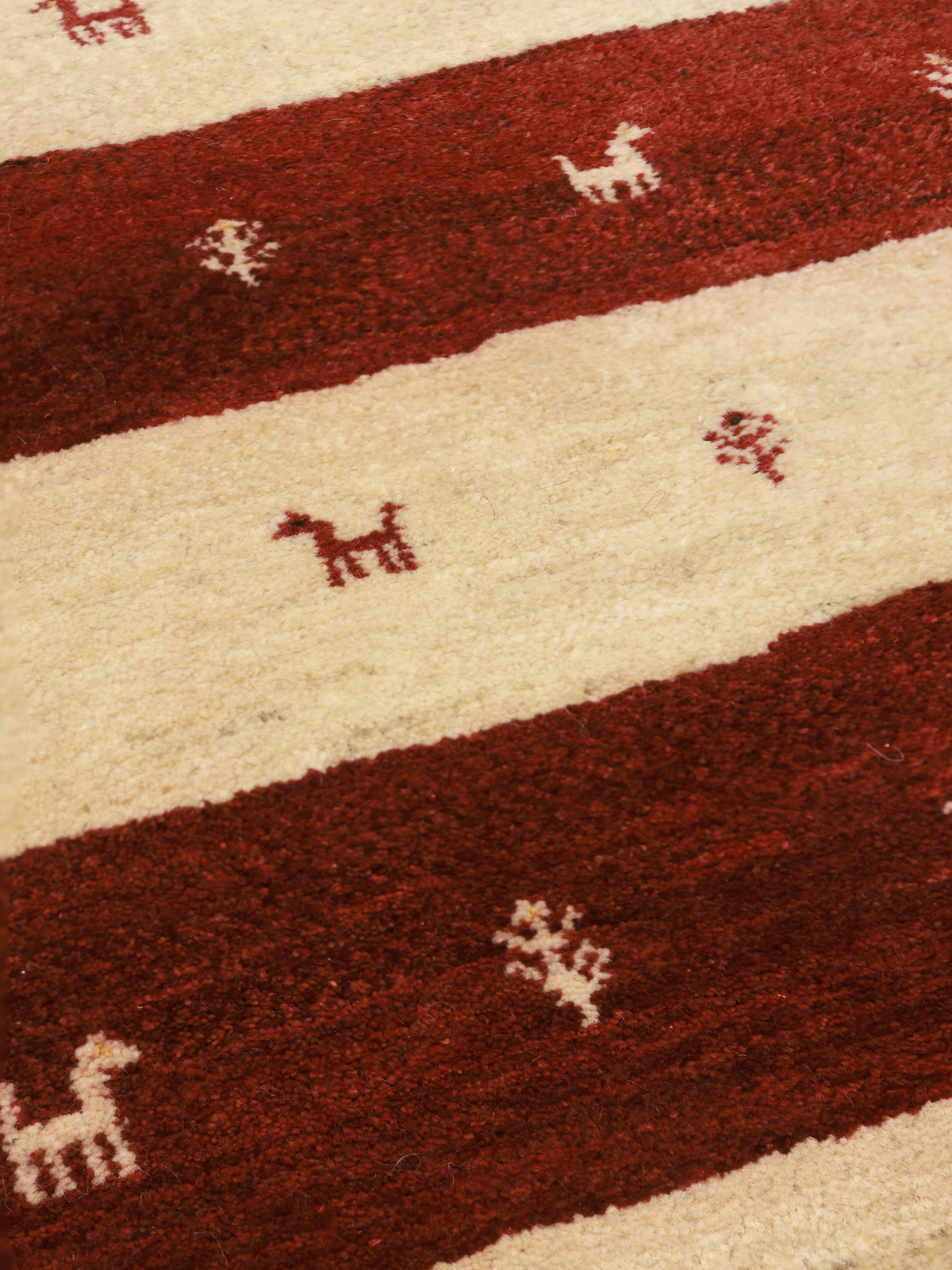
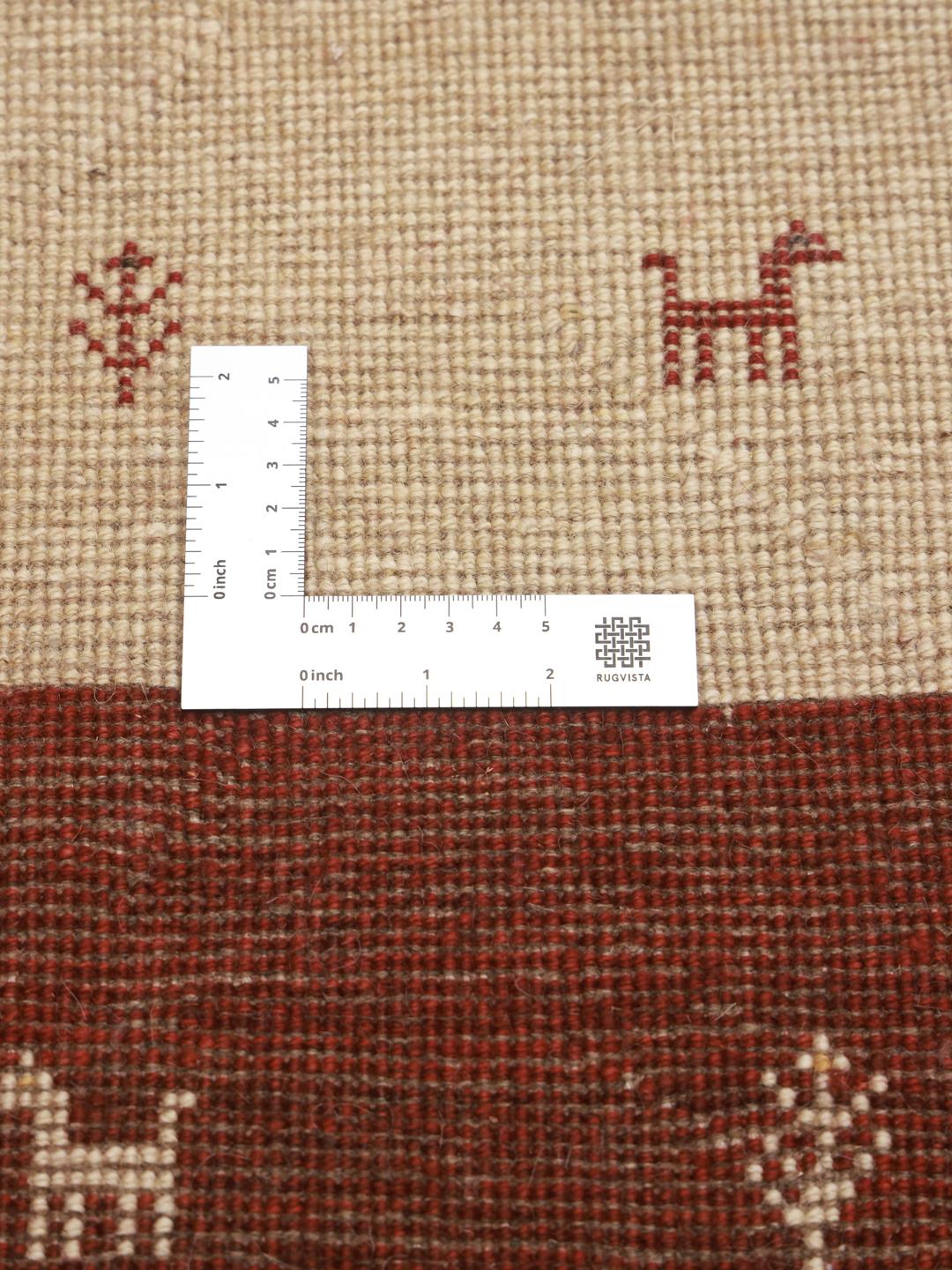
Visually, these rugs are defined by their minimalist aesthetic, often featuring wide bands of colour and sparse, meaningful motifs. The animals and symbols depicted are not merely decorative but are often deeply tied to the weaver's personal history, environment, and cultural heritage, making each rug a narrative piece.
Today, these rugs are highly prized by collectors for their authentic, unpretentious beauty. Owning a piece from this tradition means connecting with a lineage of weavers who have passed down these creative skills through generations, resulting in a floor covering that carries both cultural weight and enduring quality.