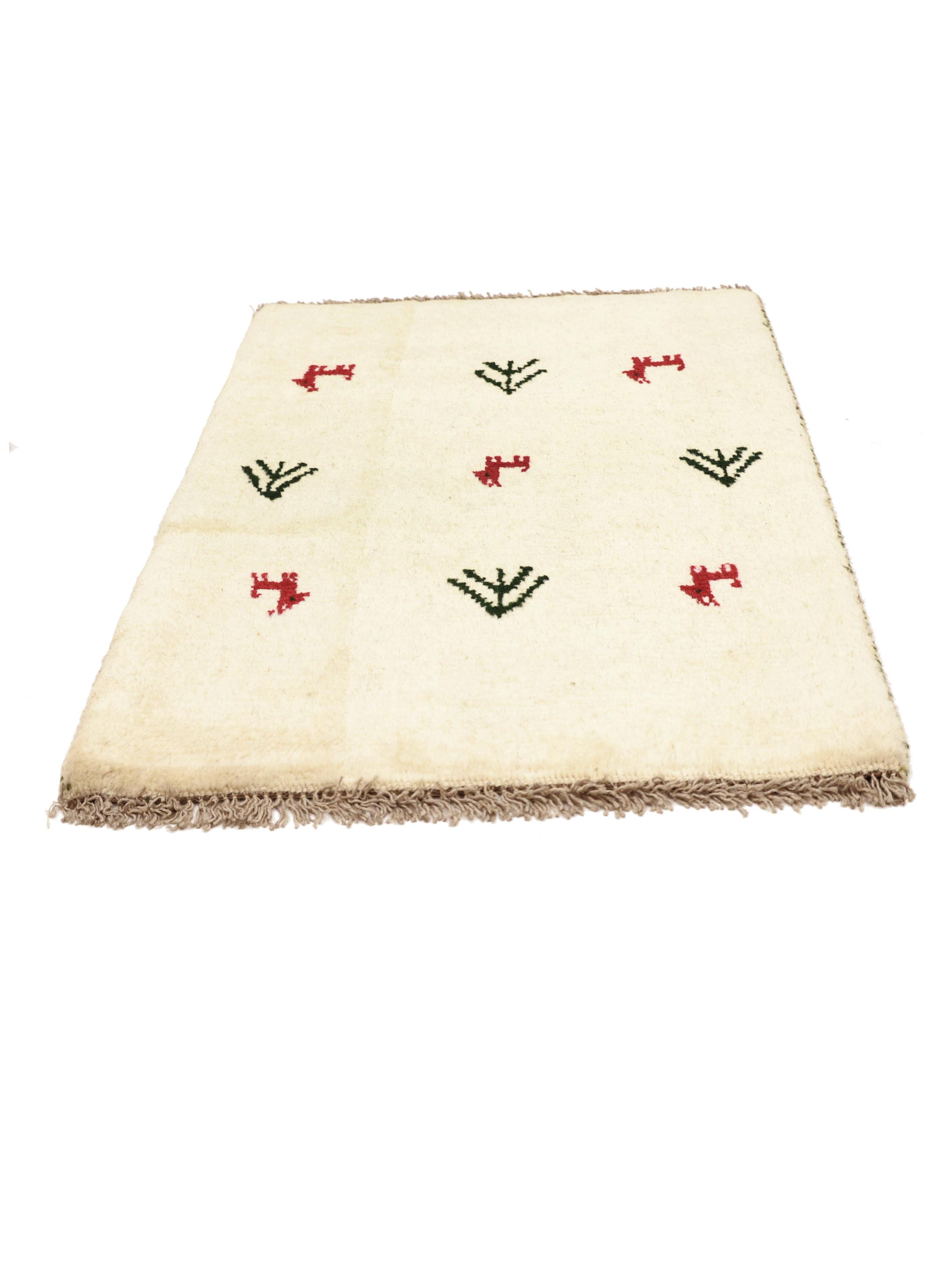
Gabbeh rugs originate from the nomadic tribes of the Middle East, where they were traditionally crafted for personal use rather than for trade. These rugs are deeply rooted in the daily lives and environments of the weavers, who often drew inspiration from the natural world around them. Unlike formal, city-made rugs that follow strict, symmetrical patterns, the Gabbeh is celebrated for its spontaneous, artistic nature and its connection to the tribal identity of its maker.
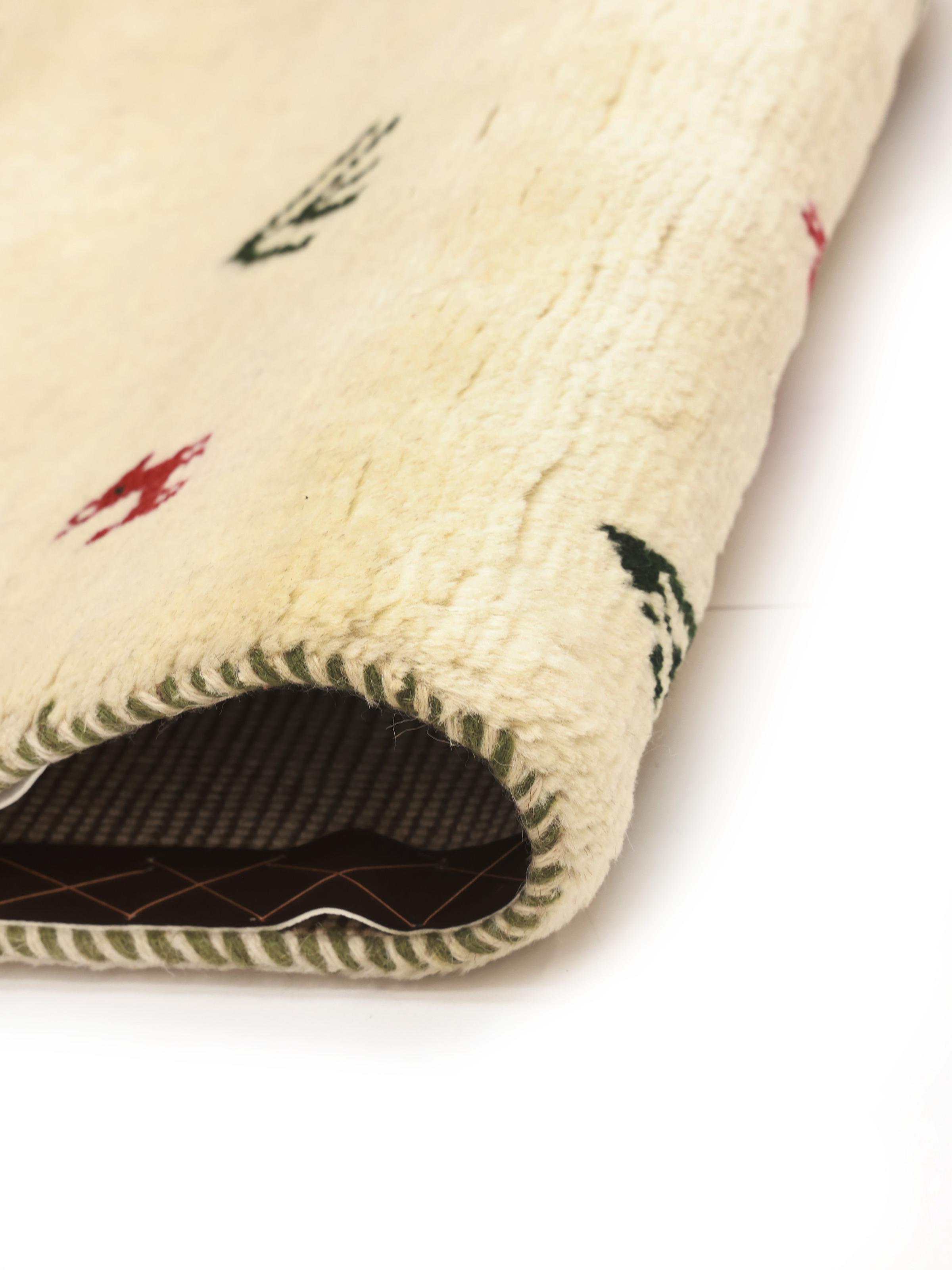
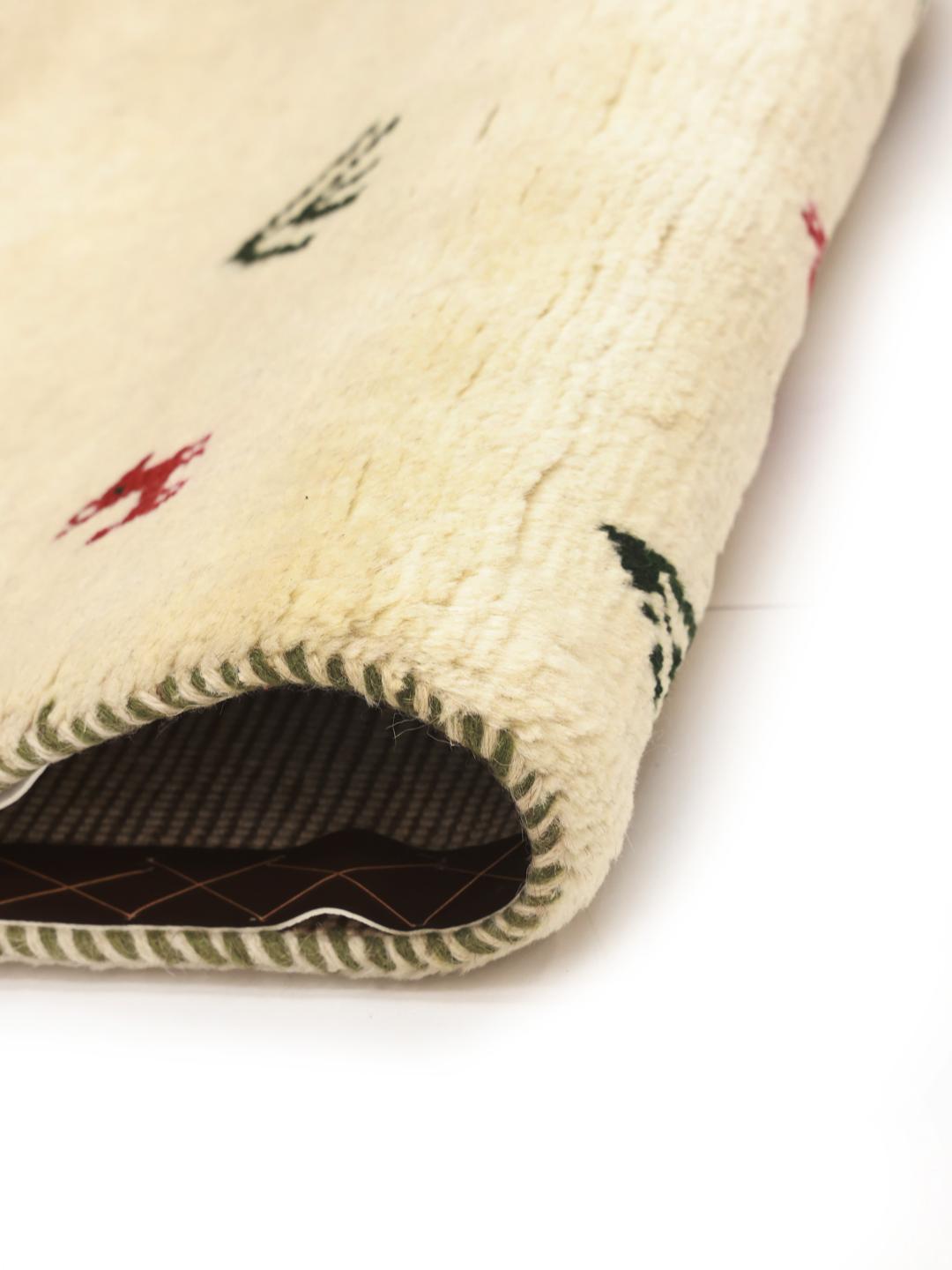
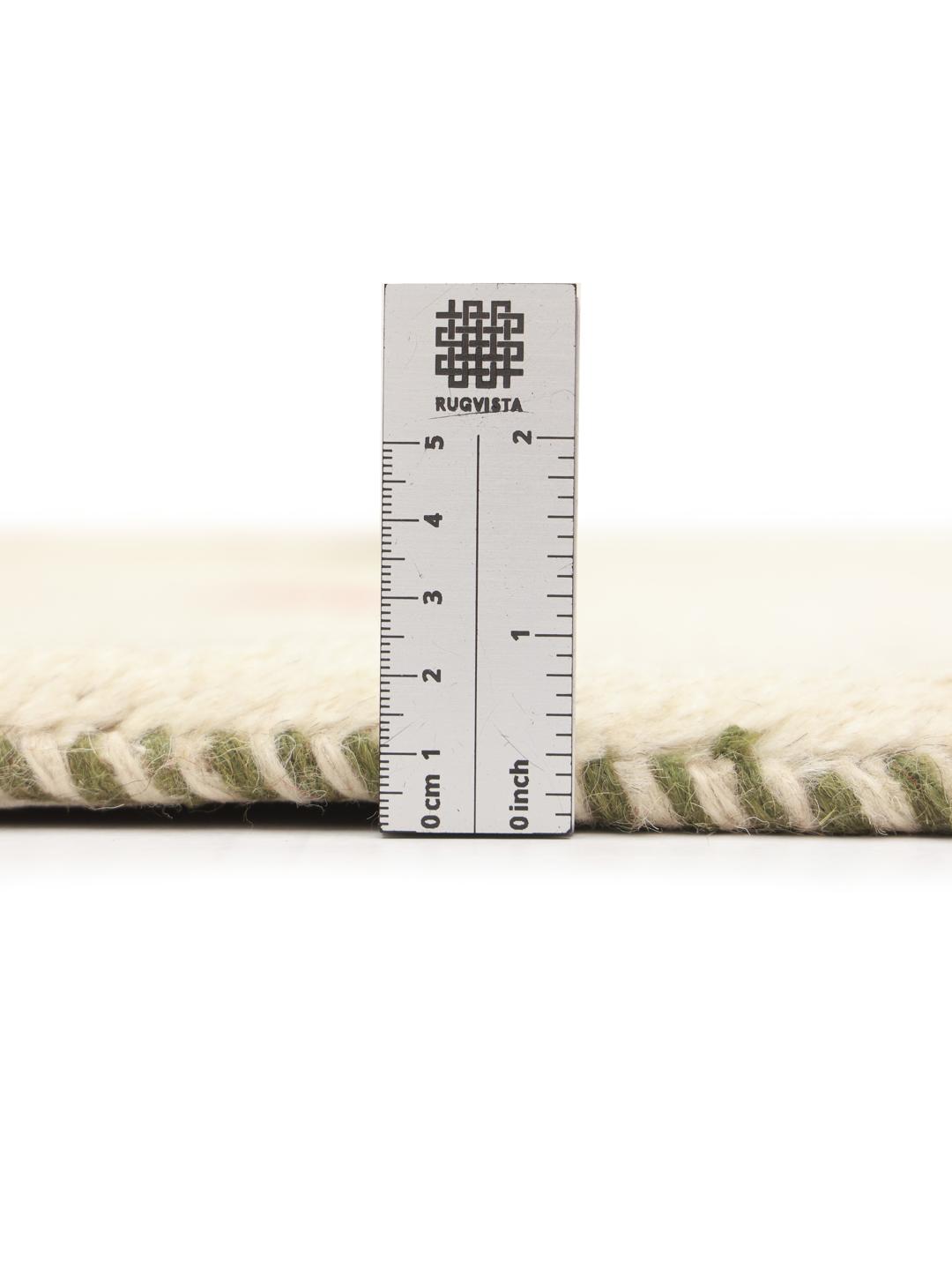
The term Gabbeh itself refers to a type of rug that is typically thicker and has a longer pile than other traditional styles from the region. This construction is a practical response to the harsh, cold climates of the mountainous areas where these tribes lived. The use of hand-spun, thick wool creates a robust foundation that is both practical and incredibly comfortable, emphasising function alongside the cultural expression of the weaver.
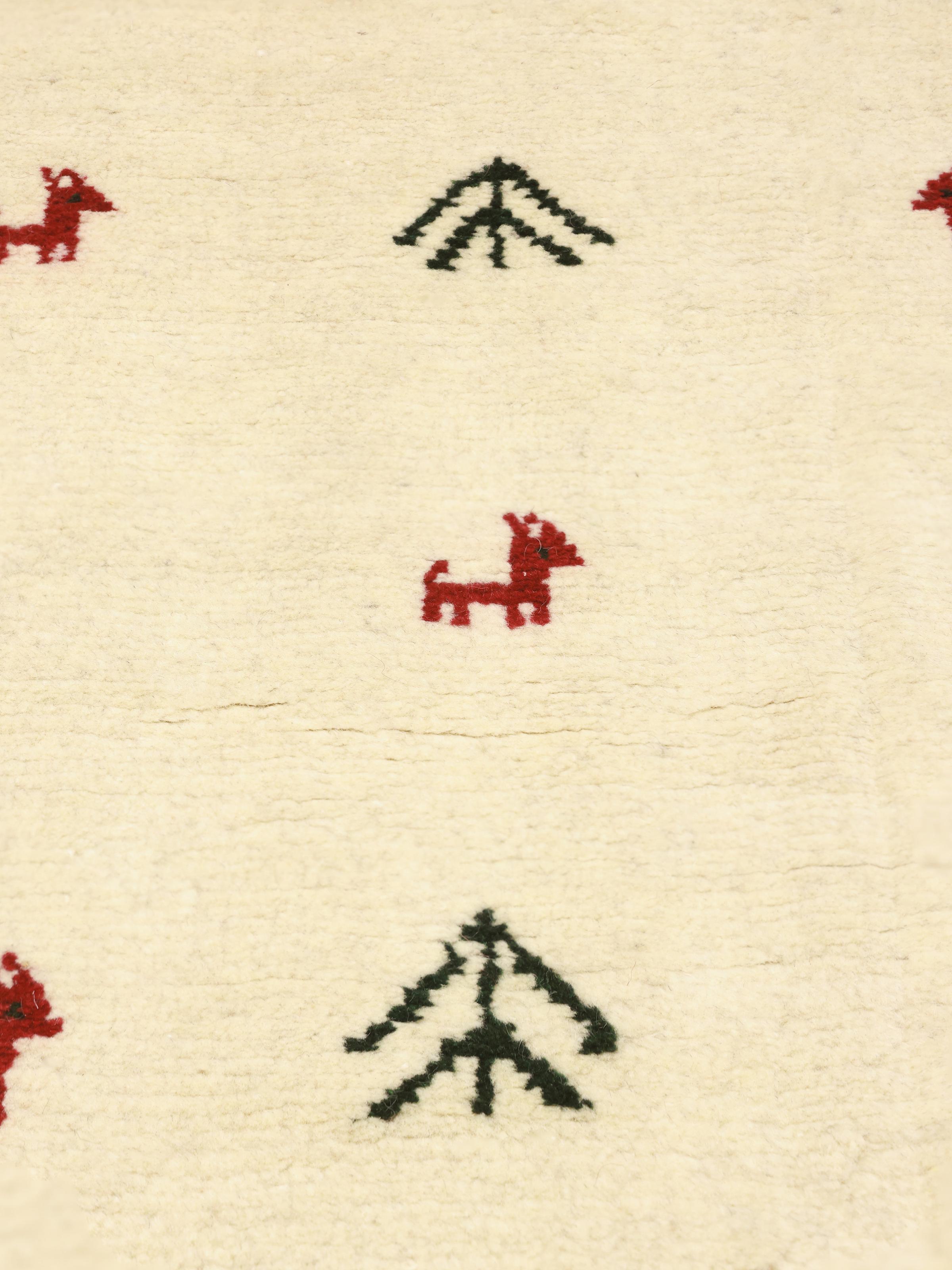
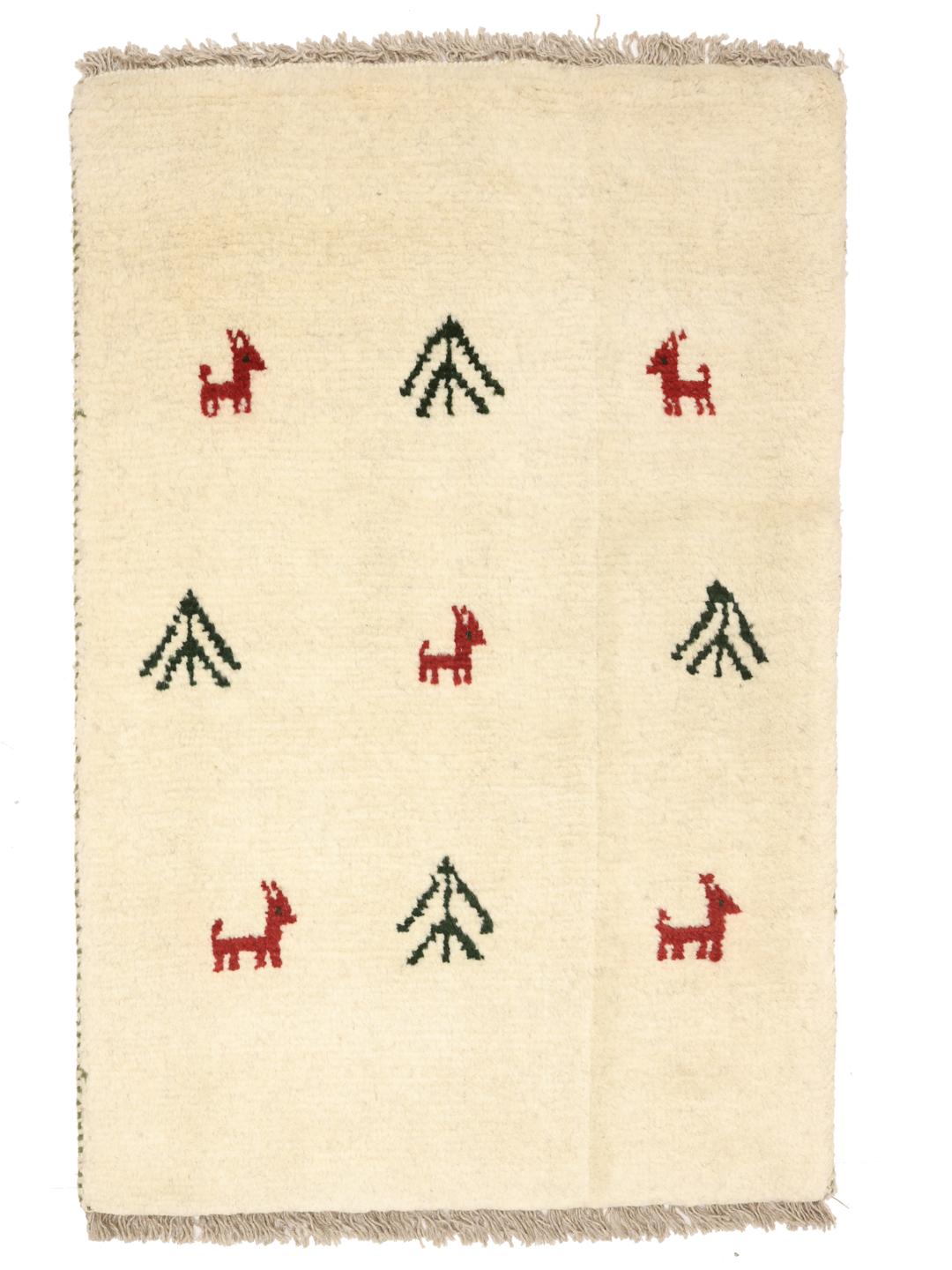
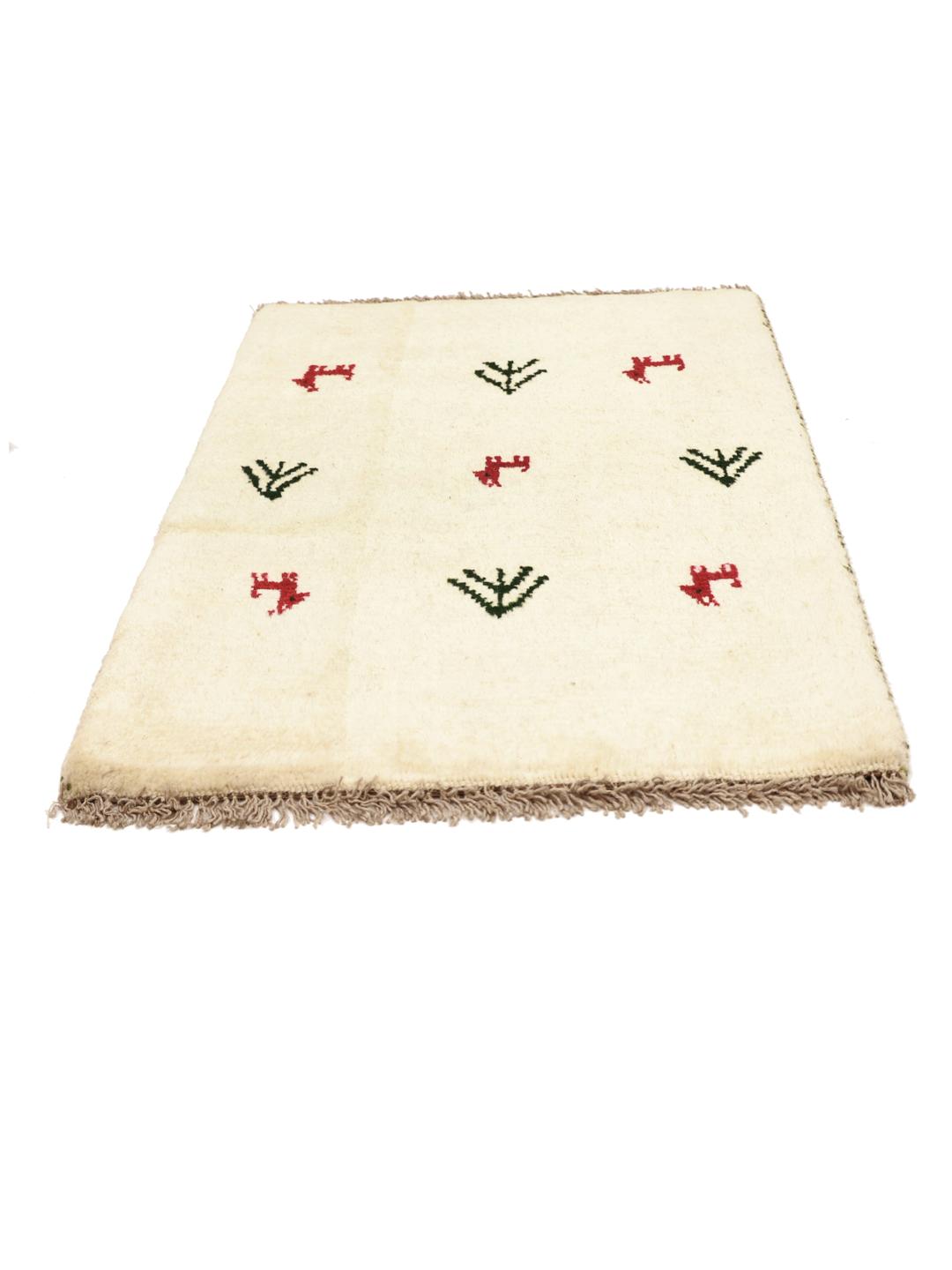
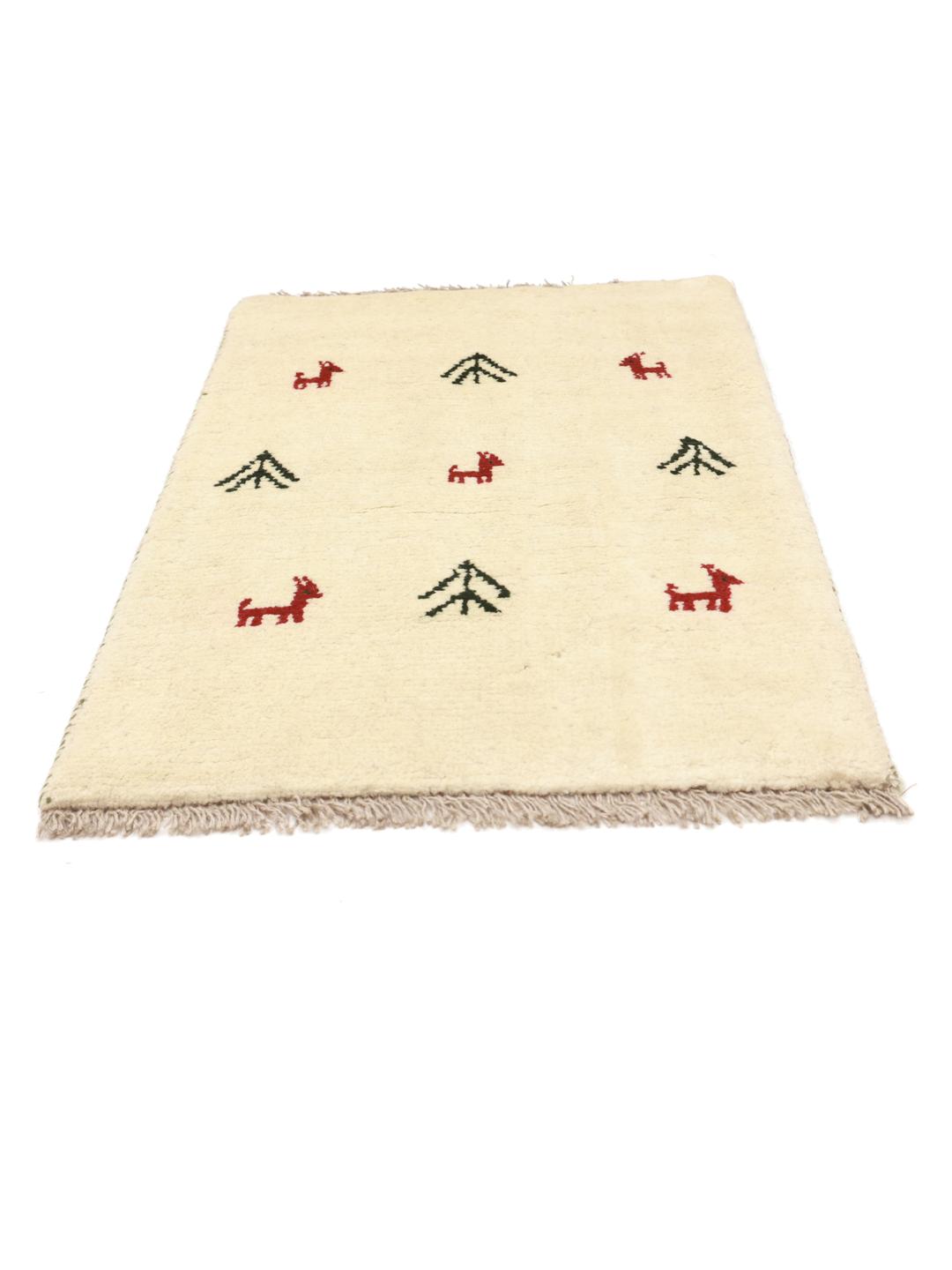
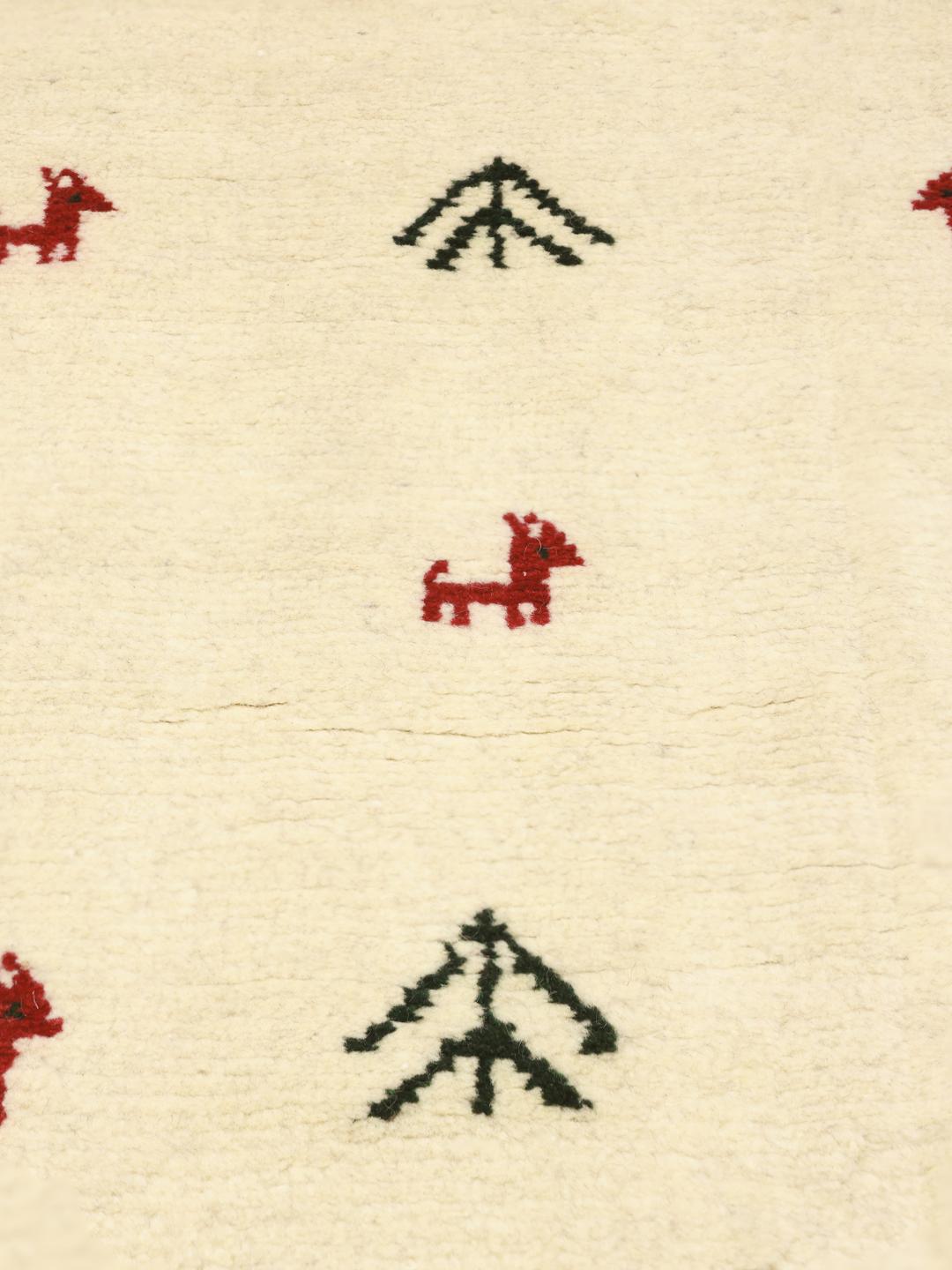
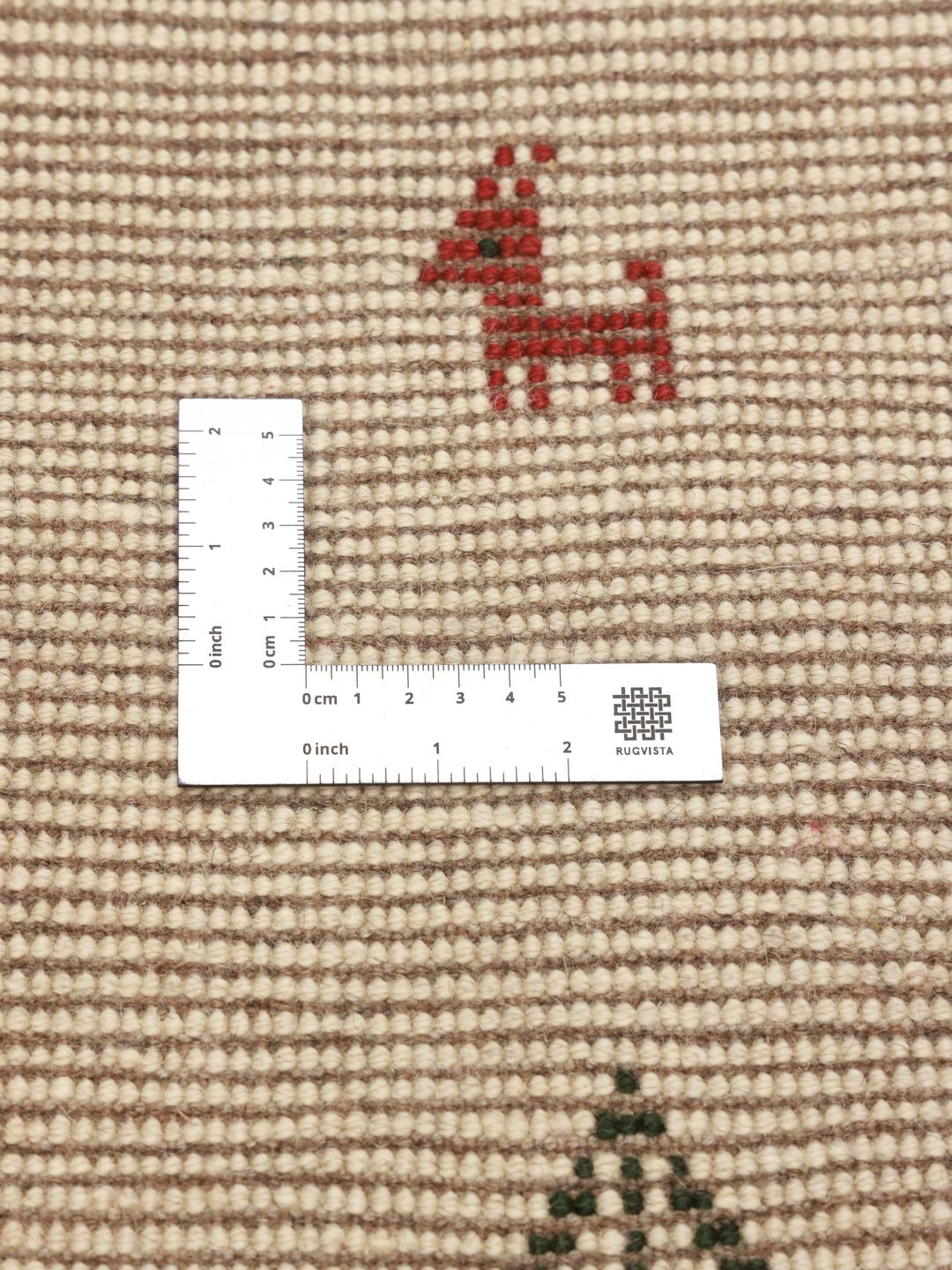
Signature design elements of the Gabbeh are characterised by their minimalism and large, open spaces. While some rugs feature bold, geometric shapes, others, like this one, incorporate simplified pictorial motifs such as trees, animals, or human figures. These symbols often hold personal meanings for the weaver, representing hopes, dreams, or stories from their community. The use of undyed or naturally dyed wool in soft, earthy tones is a hallmark of the style, highlighting the beauty of the raw materials.
Today, Gabbeh rugs are highly valued by collectors and interior enthusiasts for their authenticity and the human element they bring to a space. Owning one is an opportunity to connect with a centuries-old craft tradition that prioritises the individuality of the artisan. These rugs are not just floor coverings but pieces of living history that bring warmth and a sense of belonging to any home.