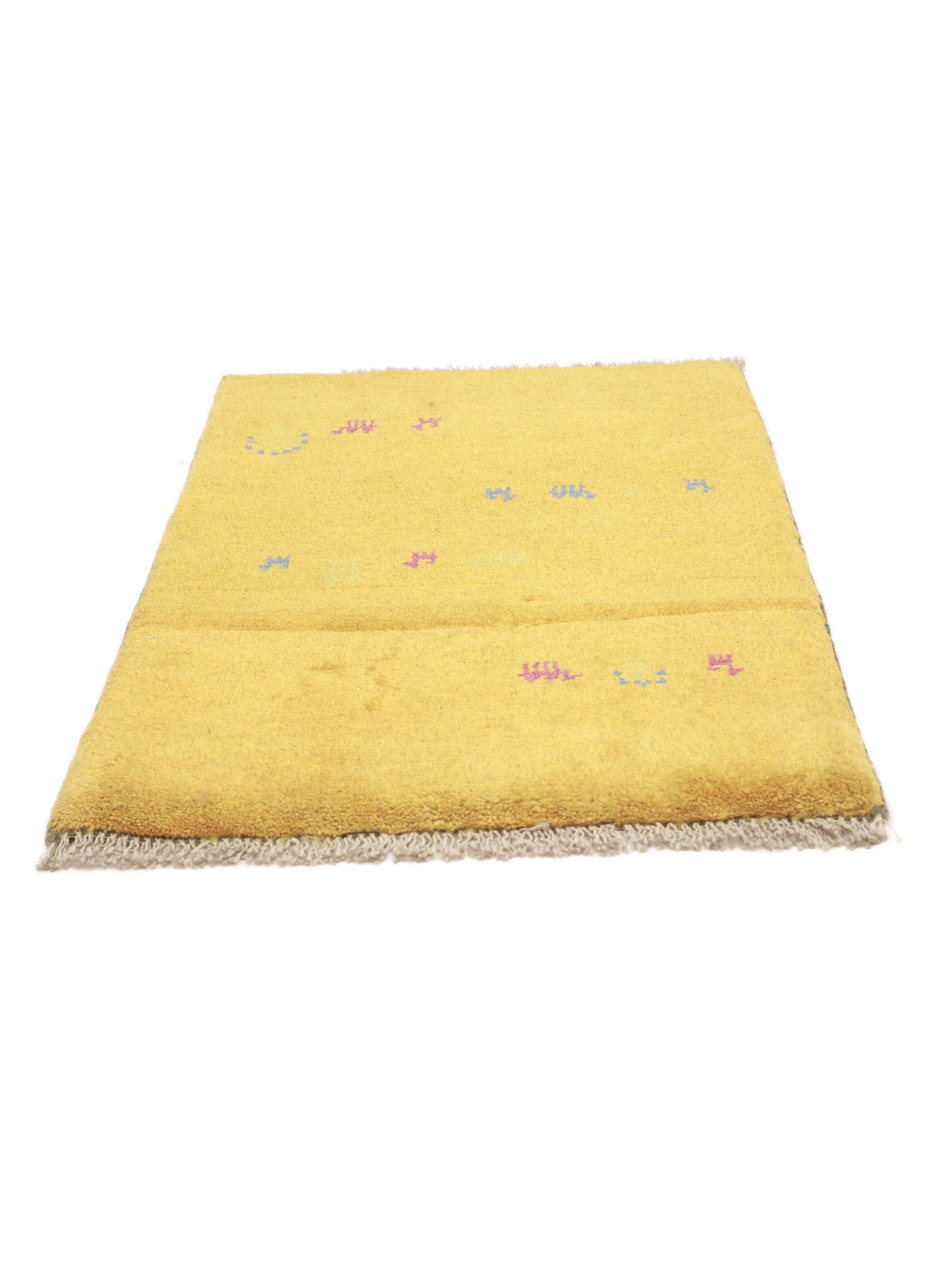
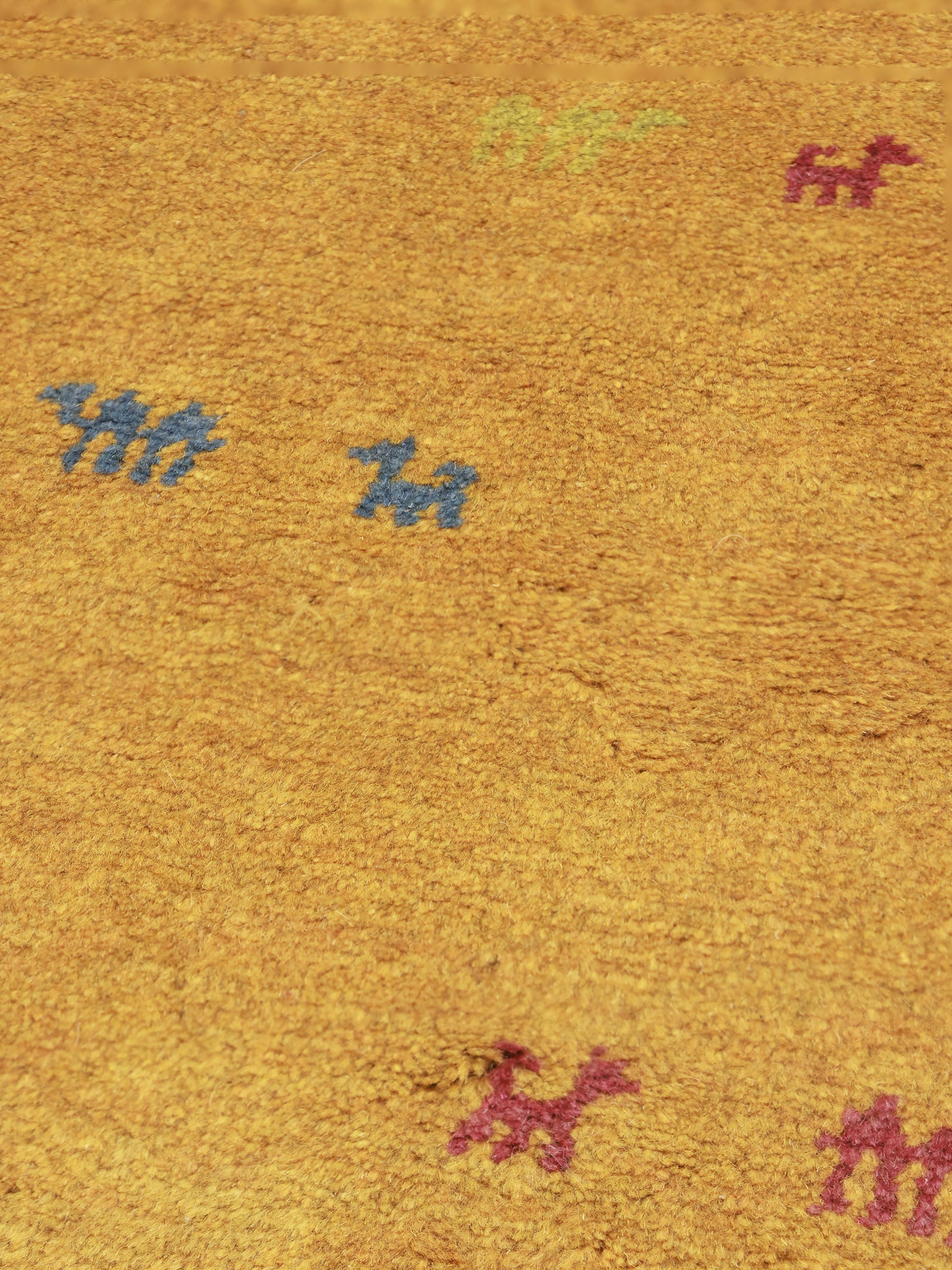
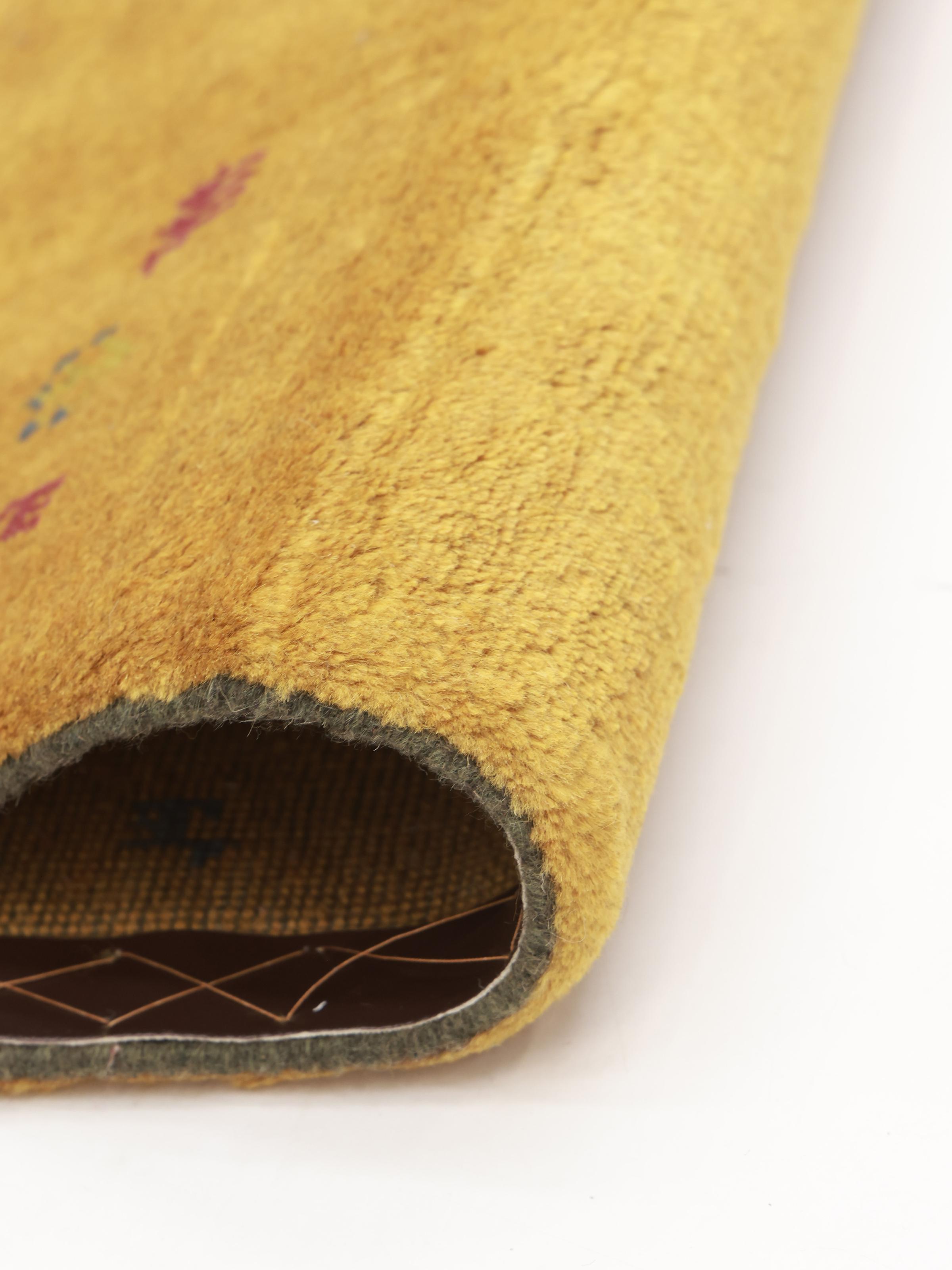
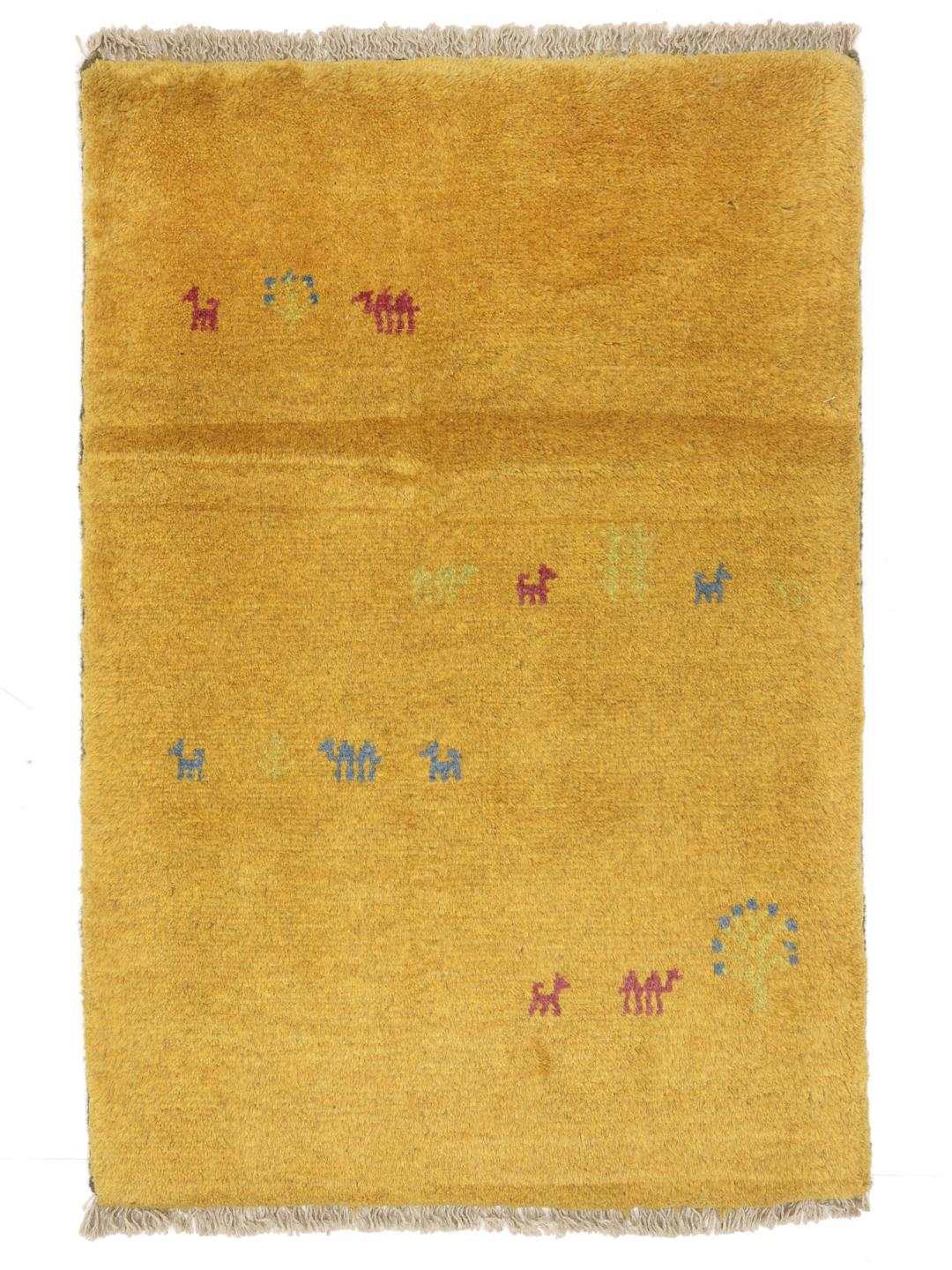
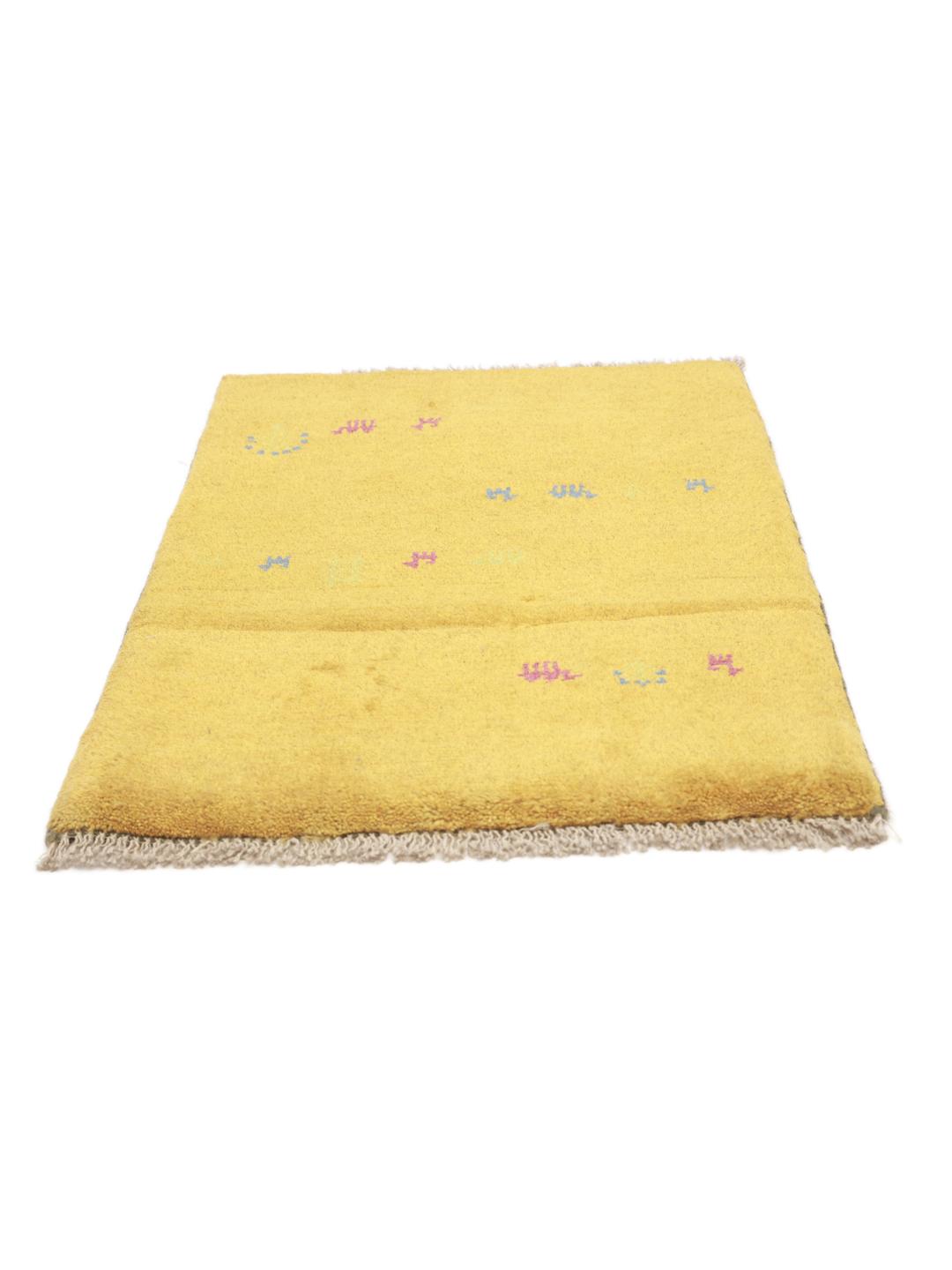
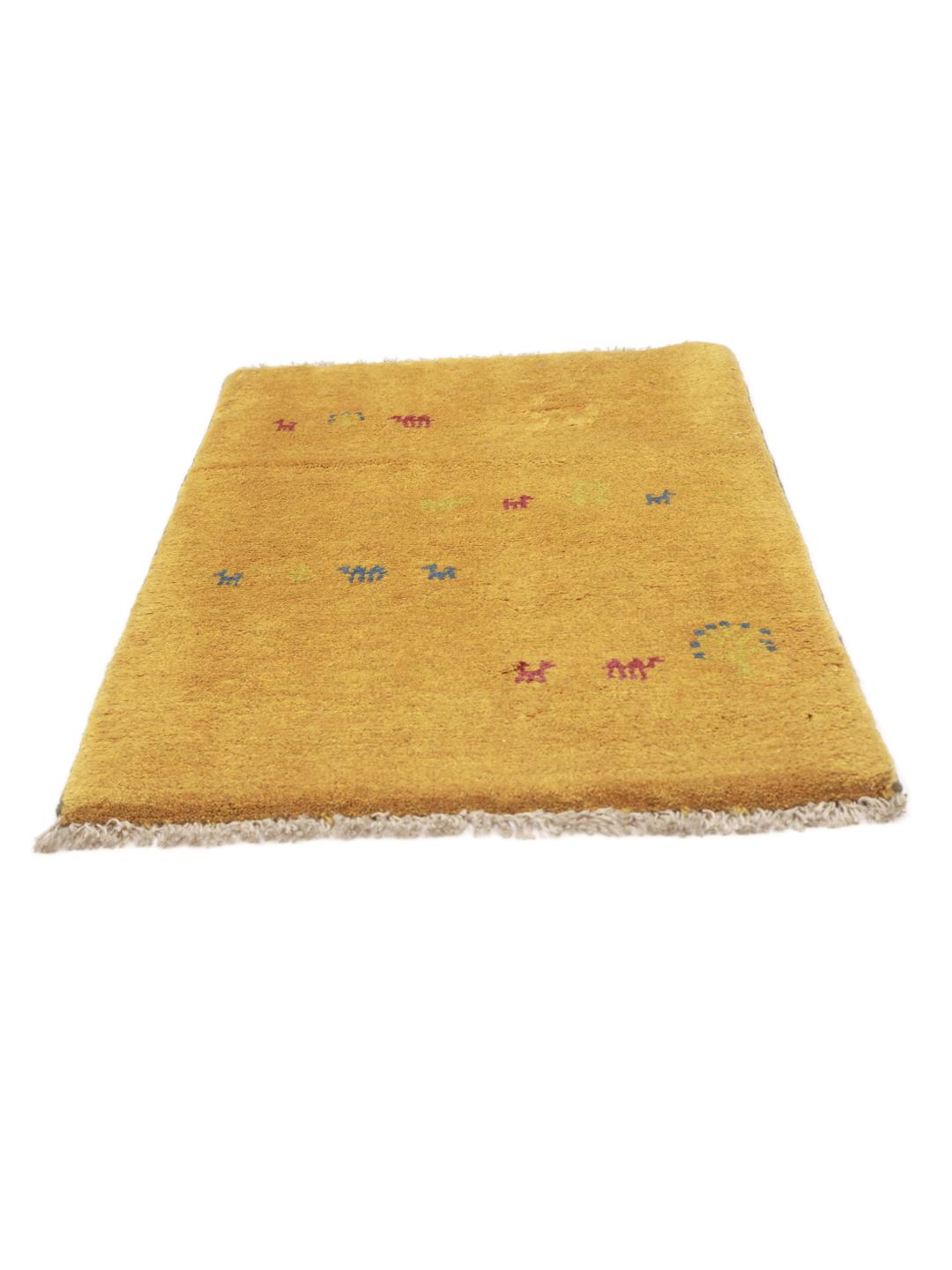
Gabbeh rugs originate from the nomadic tribes of the Middle East, specifically crafted by the Ghashghai people. Traditionally, these rugs were made for personal use, serving as thick, protective floor coverings in nomadic tents. Their design language is famously minimalist compared to other regional traditions, often celebrating the beauty of the wool itself through bold, solid colours and simple, meaningful symbols.
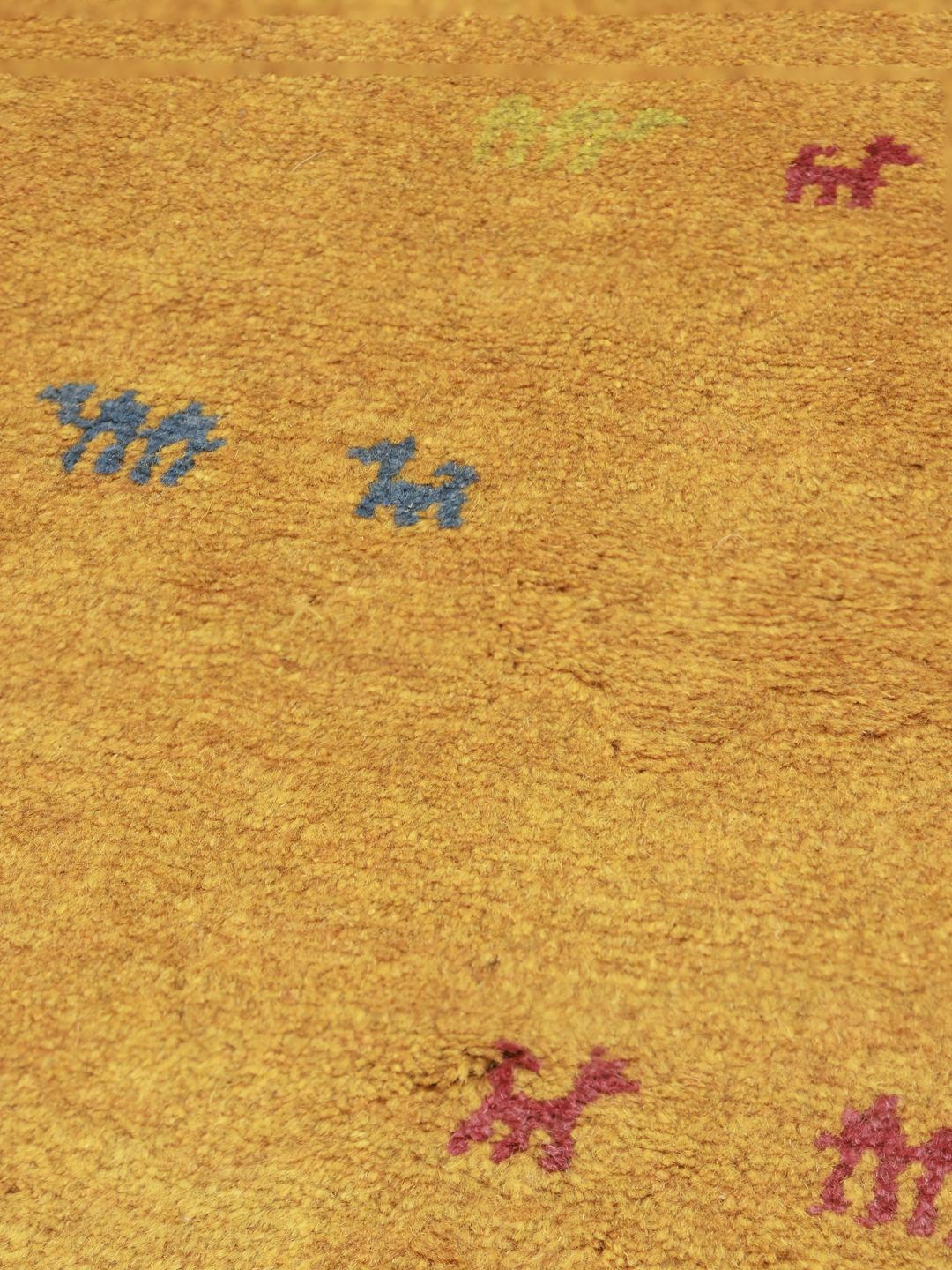
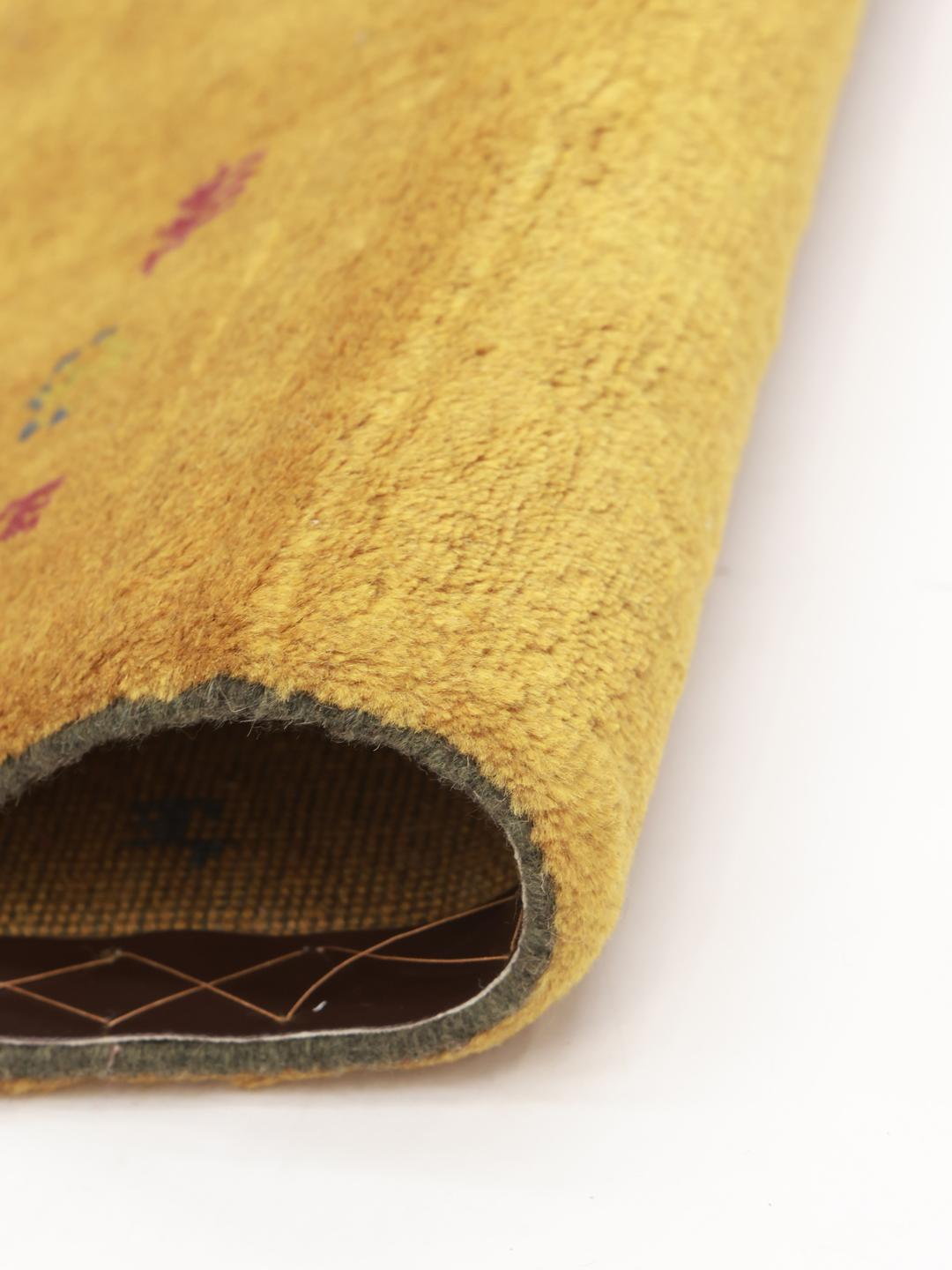
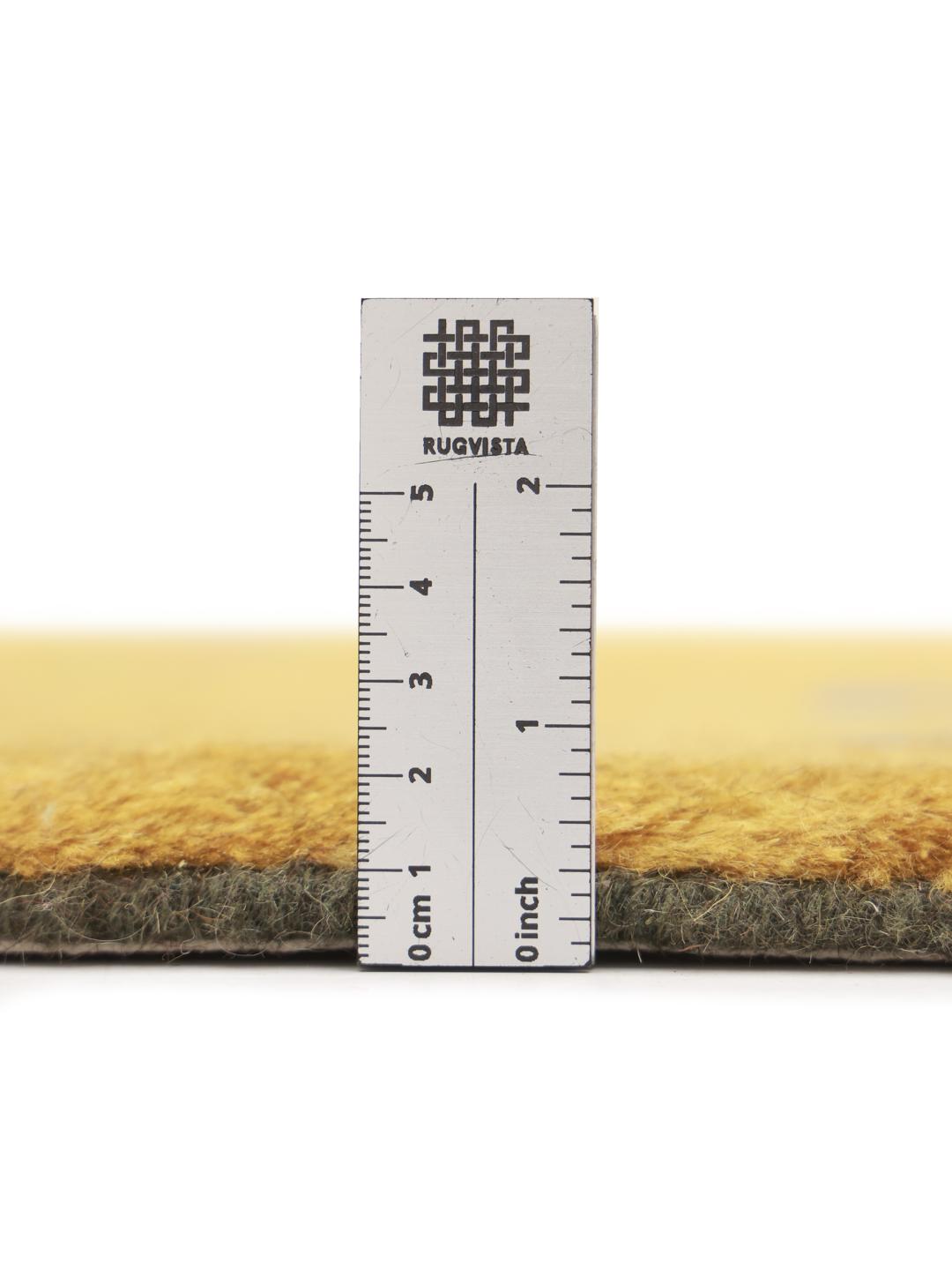
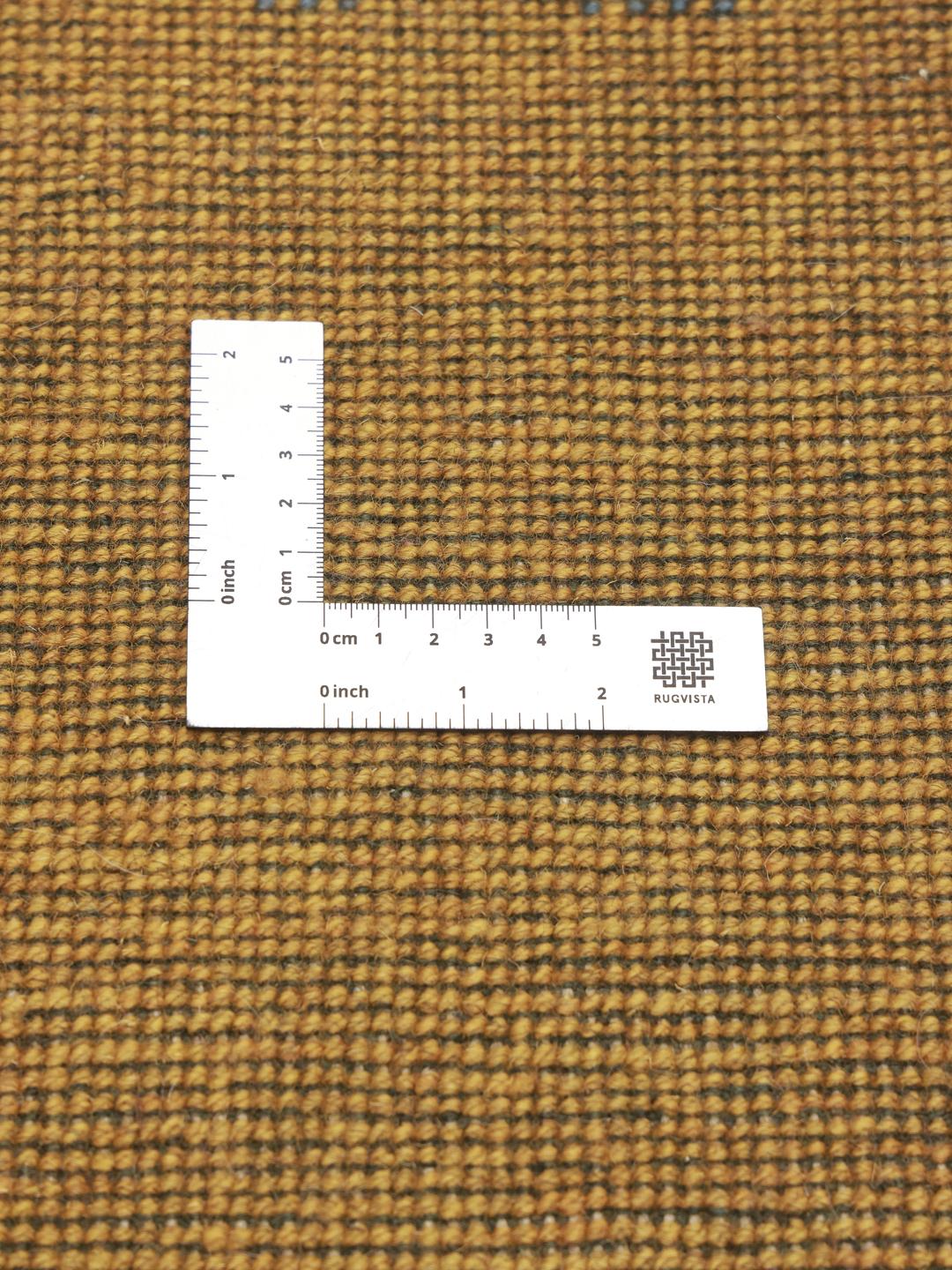
The term Gabbeh refers to the thick, coarse texture of these pieces, which is achieved through the use of high-quality hand-spun wool. This specific construction produces a pile that is incredibly soft and dense, offering a tactile experience that is synonymous with comfort. The process of spinning the wool by hand ensures that each strand has a unique character, contributing to the subtle variations in hue and texture that give these rugs their authentic, organic appearance.
Signature design elements in these rugs are often inspired by the weaver's daily life and natural surroundings. You will frequently find stylised representations of animals, trees, and geometric shapes that hold personal or cultural significance. These motifs are not merely decorative but are deeply rooted in the folklore and oral traditions of the tribes, making every rug a narrative piece that reflects the environment and experiences of the person who created it.
Collecting these rugs is an investment in a living tradition that values individual expression over mass production. They are highly prized for their raw, honest aesthetic and the skill required to create a balanced composition without the use of pre-drawn patterns. By acquiring such a piece, you are not just purchasing a rug, but honouring a rich history of nomadic artistry and the dedicated human effort that keeps these ancient crafts alive today.