Gabbeh rugs originate from the nomadic tribes of the Middle East, primarily woven by the Qashqai people. Traditionally, these rugs were created for the personal use of the weavers, intended as heavy, insulating bedding or floor coverings within tents. Unlike more formal urban rugs, Gabbeh designs were often spontaneous, reflecting the weaver's personal expression and the surrounding landscape.
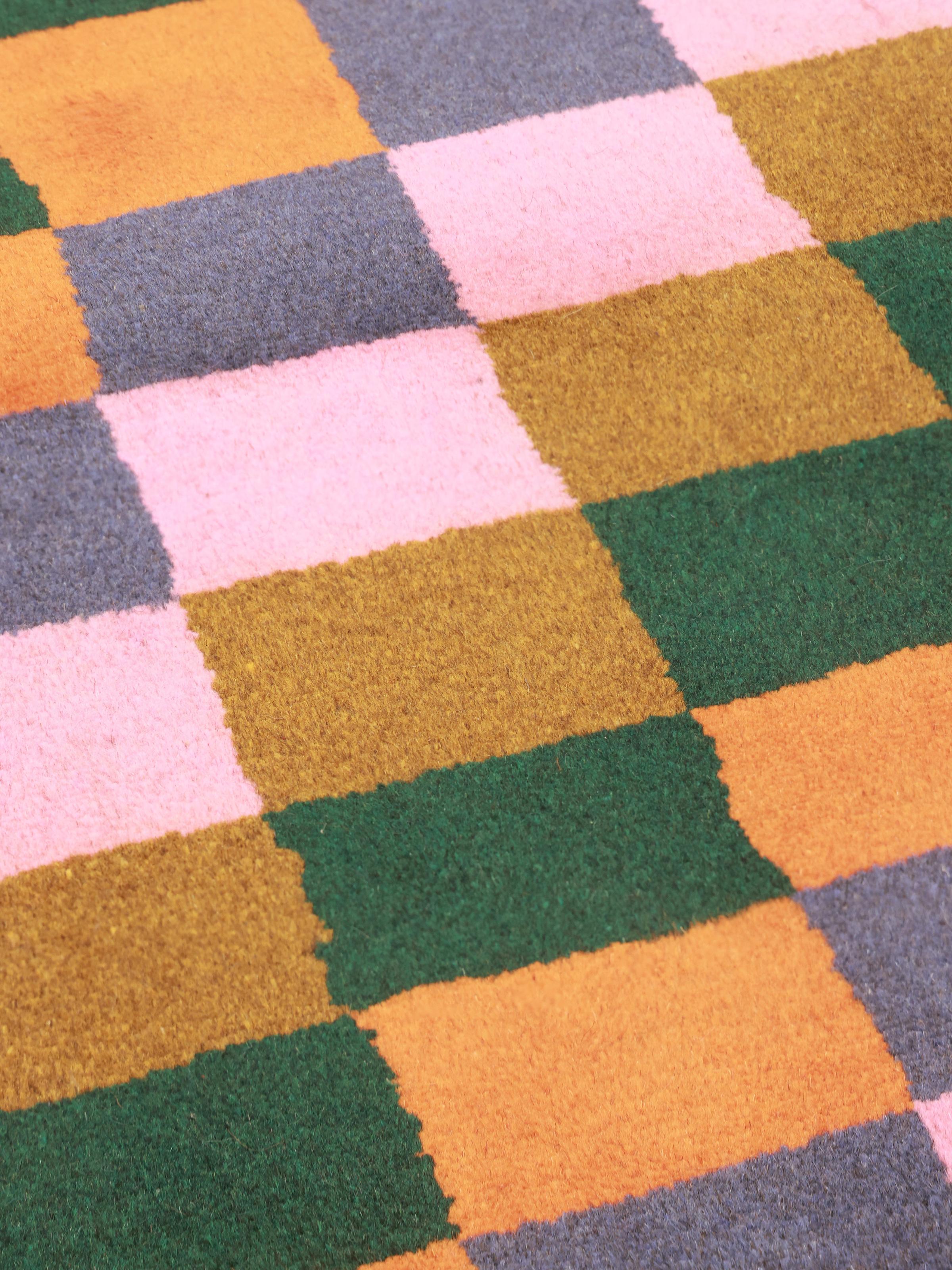
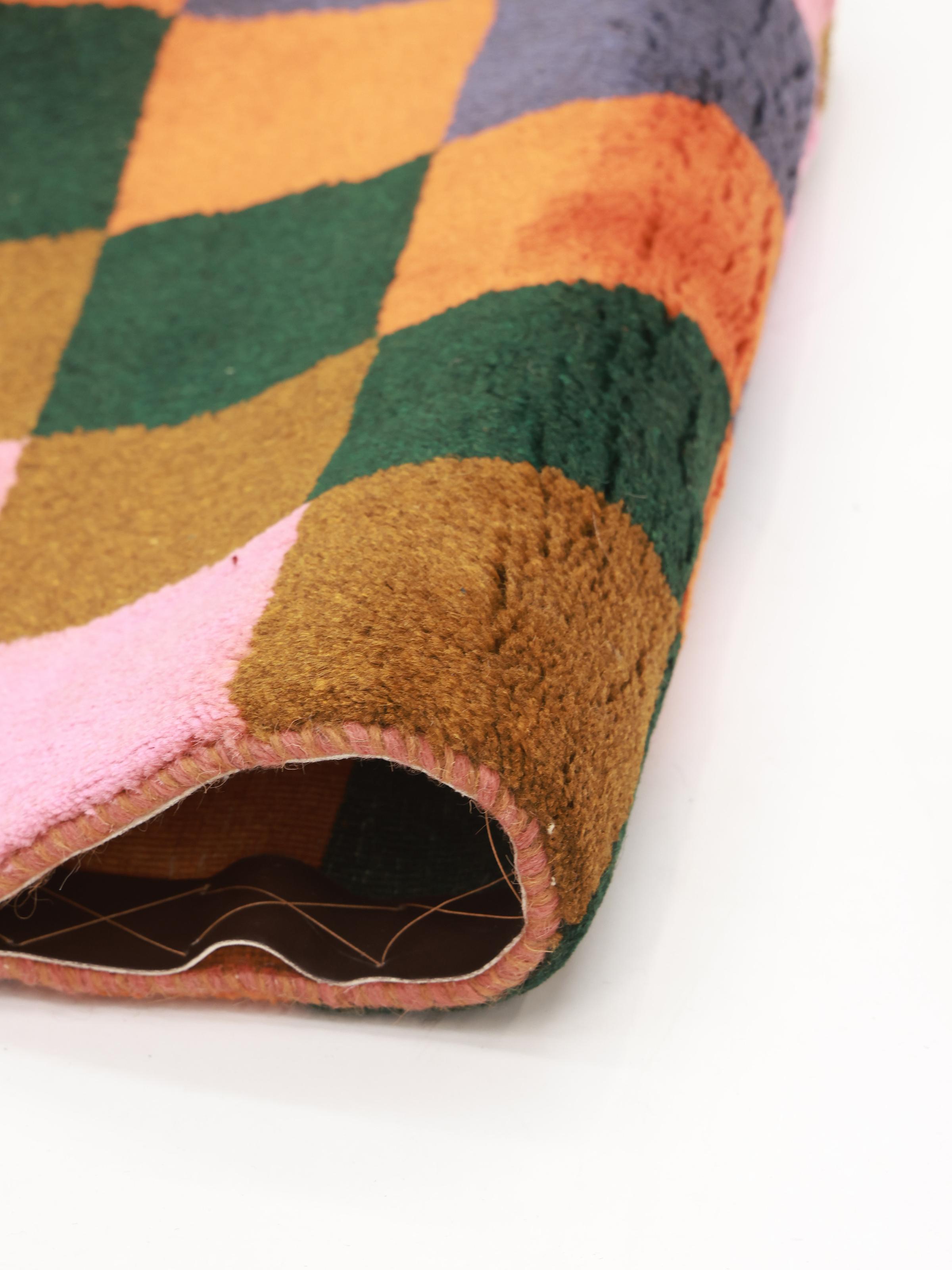
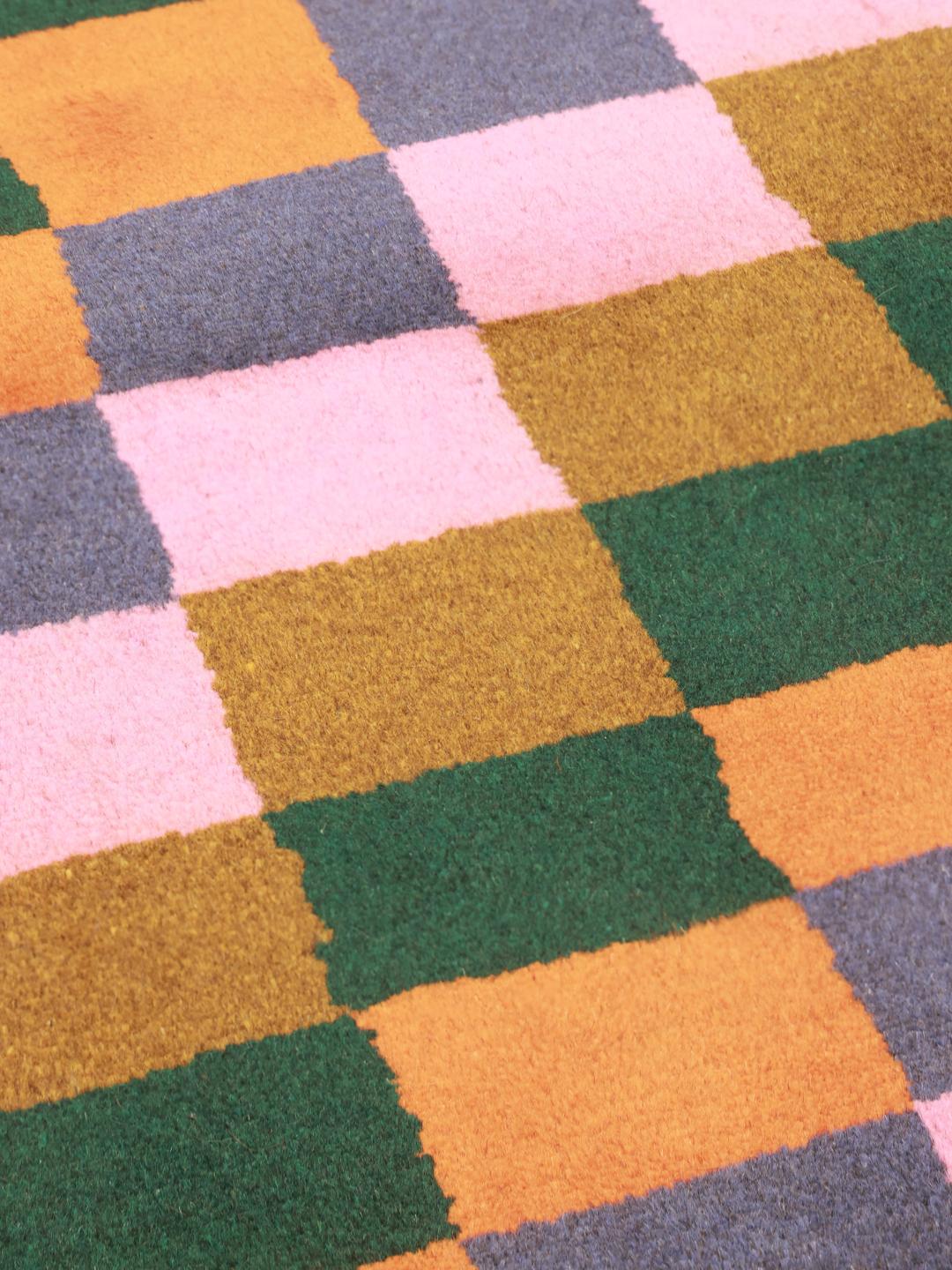
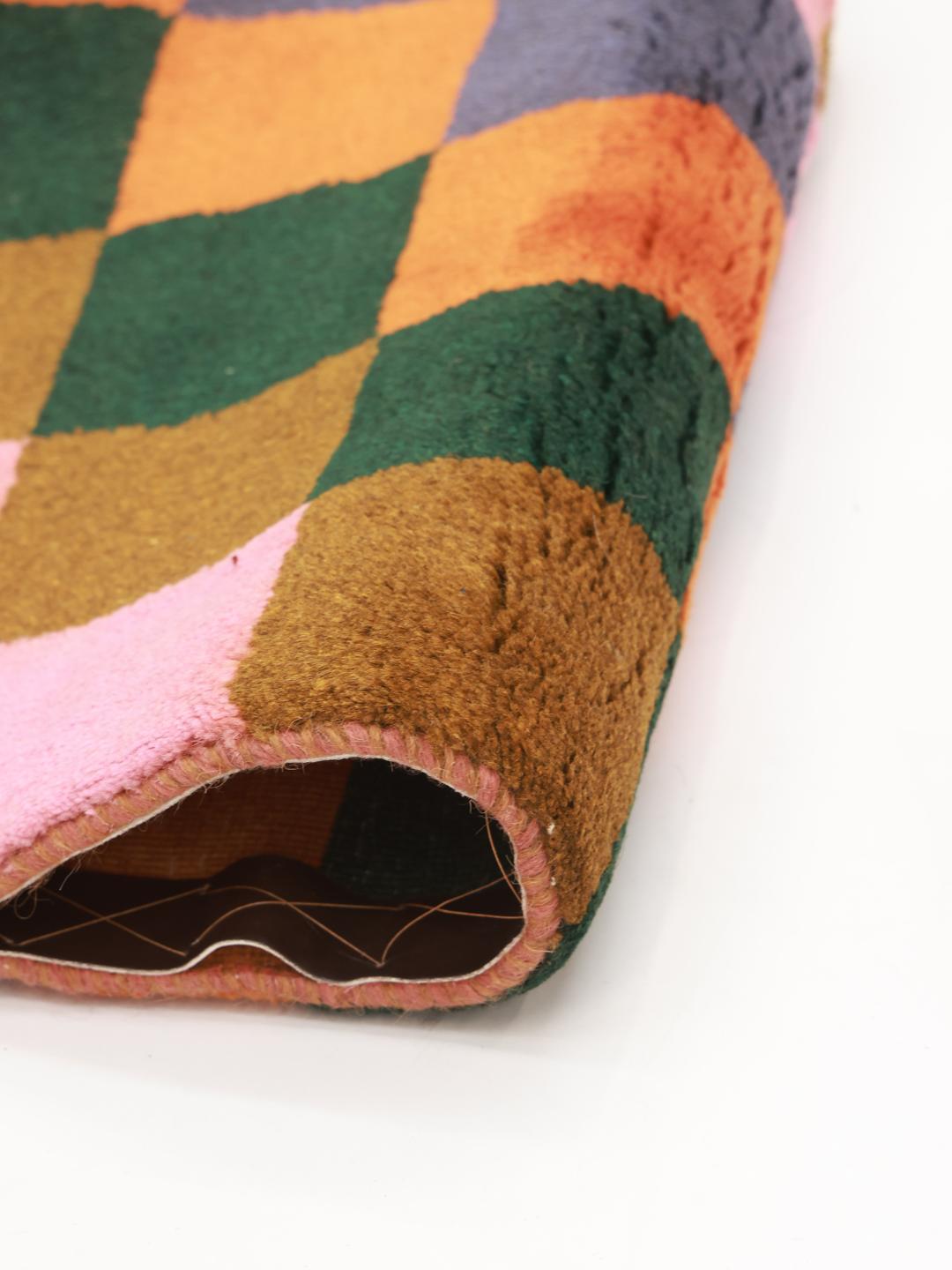
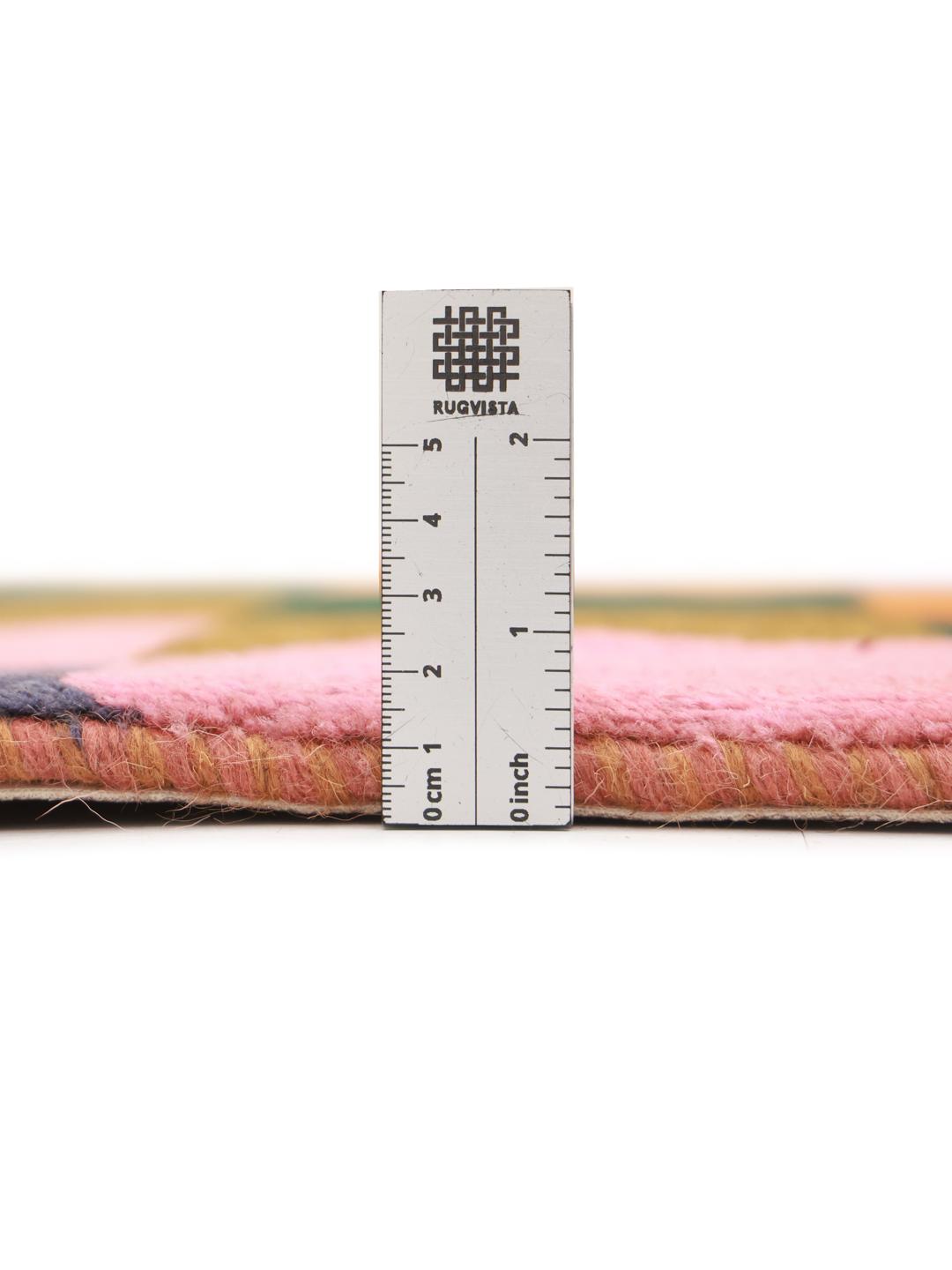
The term 'Gabbeh' itself translates to 'raw', 'natural', or 'unclipped', which speaks to the rug's historical roots as a simpler, thicker, and more rustic form of weaving. While they were historically understated, modern Gabbeh rugs like this one have evolved to incorporate more vibrant colours and geometric patterns, while still maintaining the thick, soft pile that has made them beloved for generations.
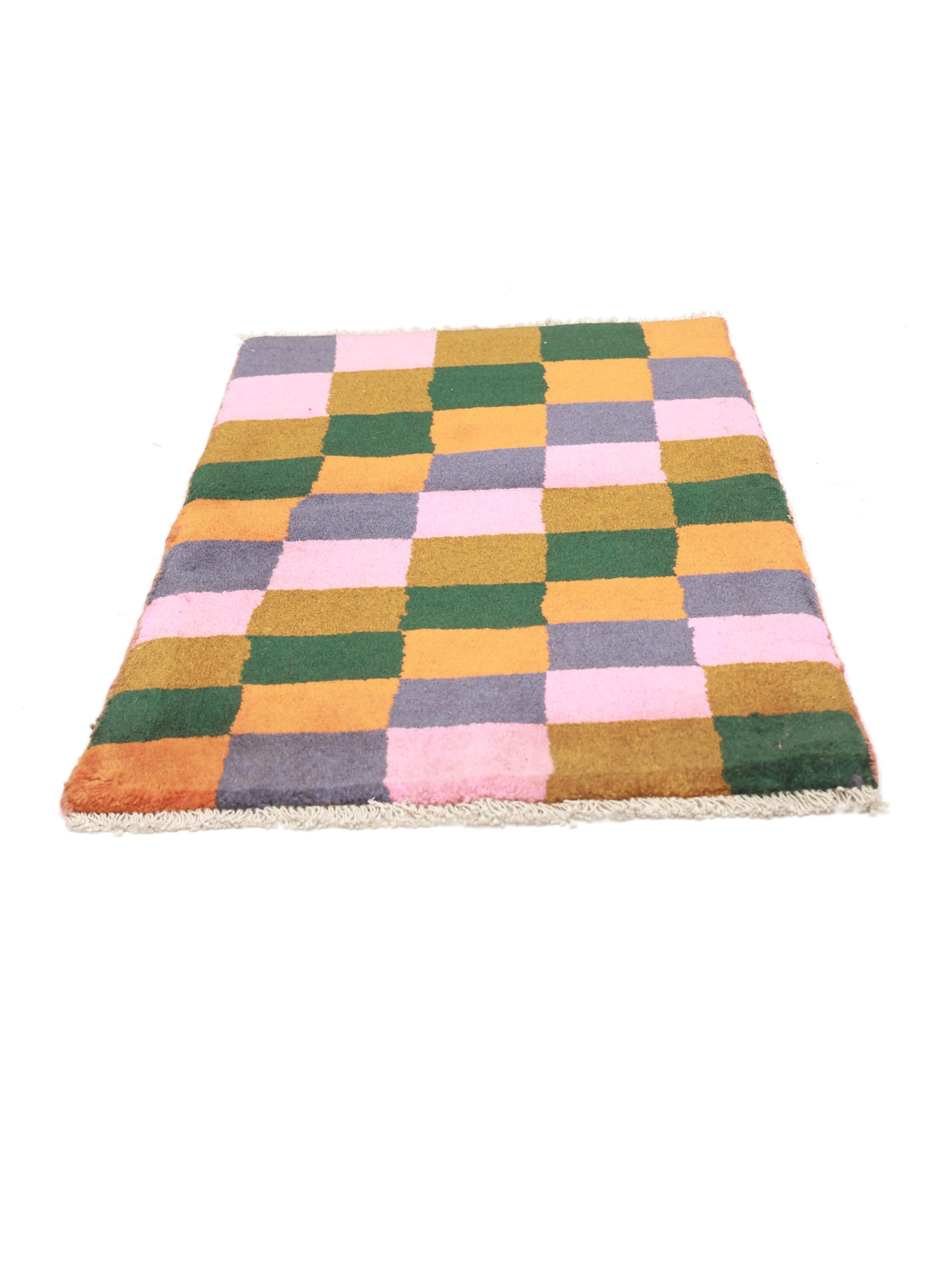
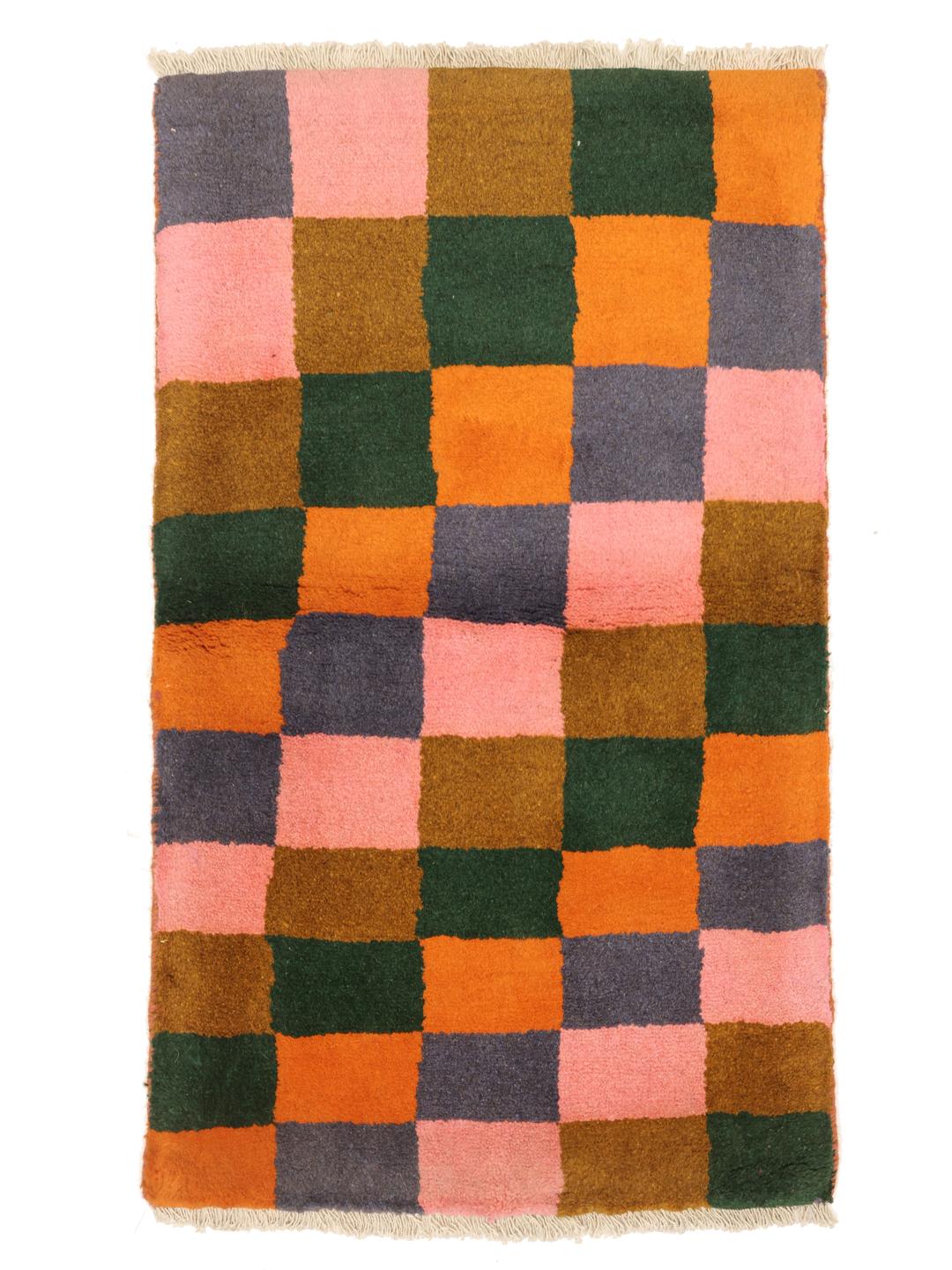
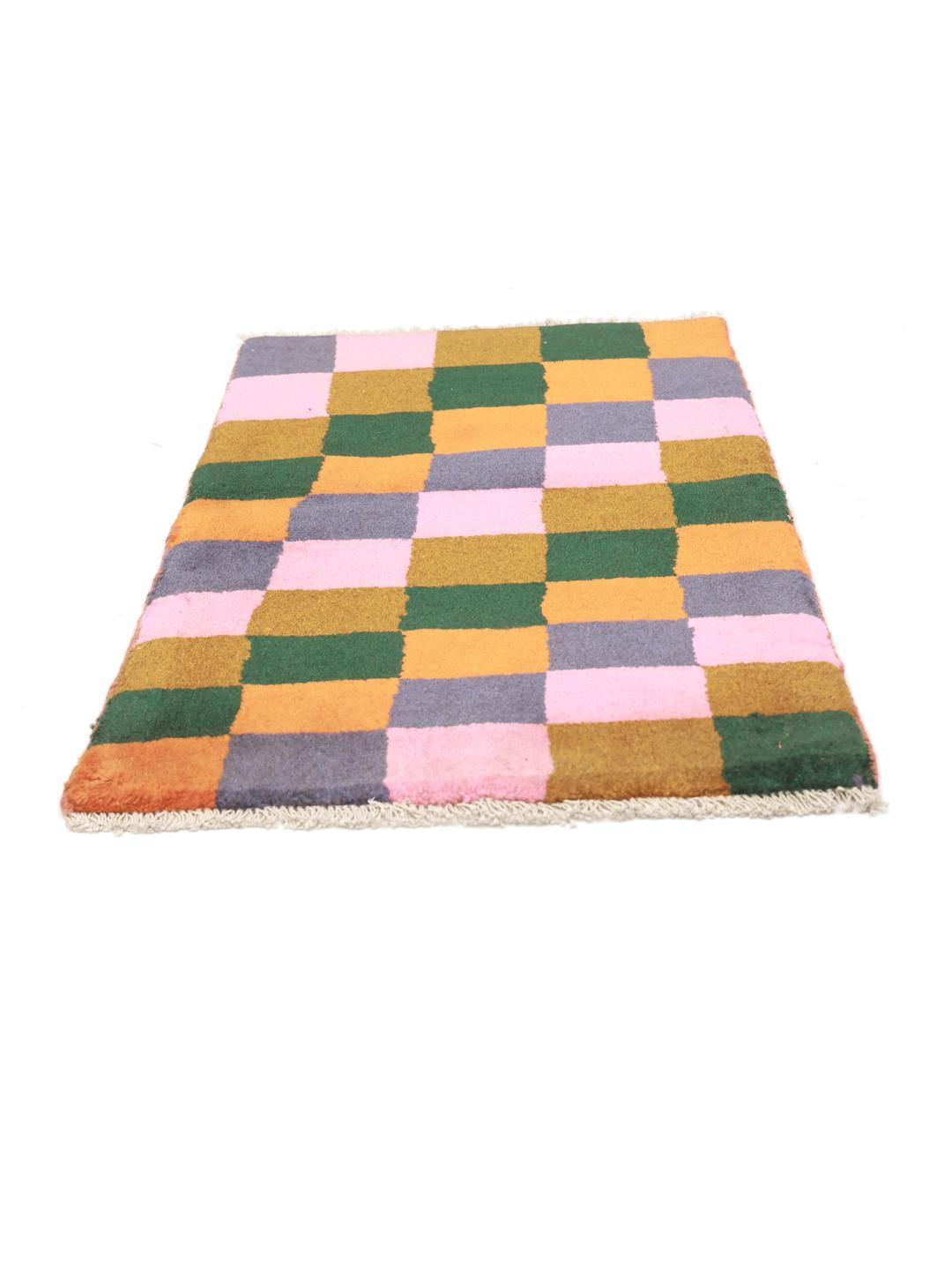
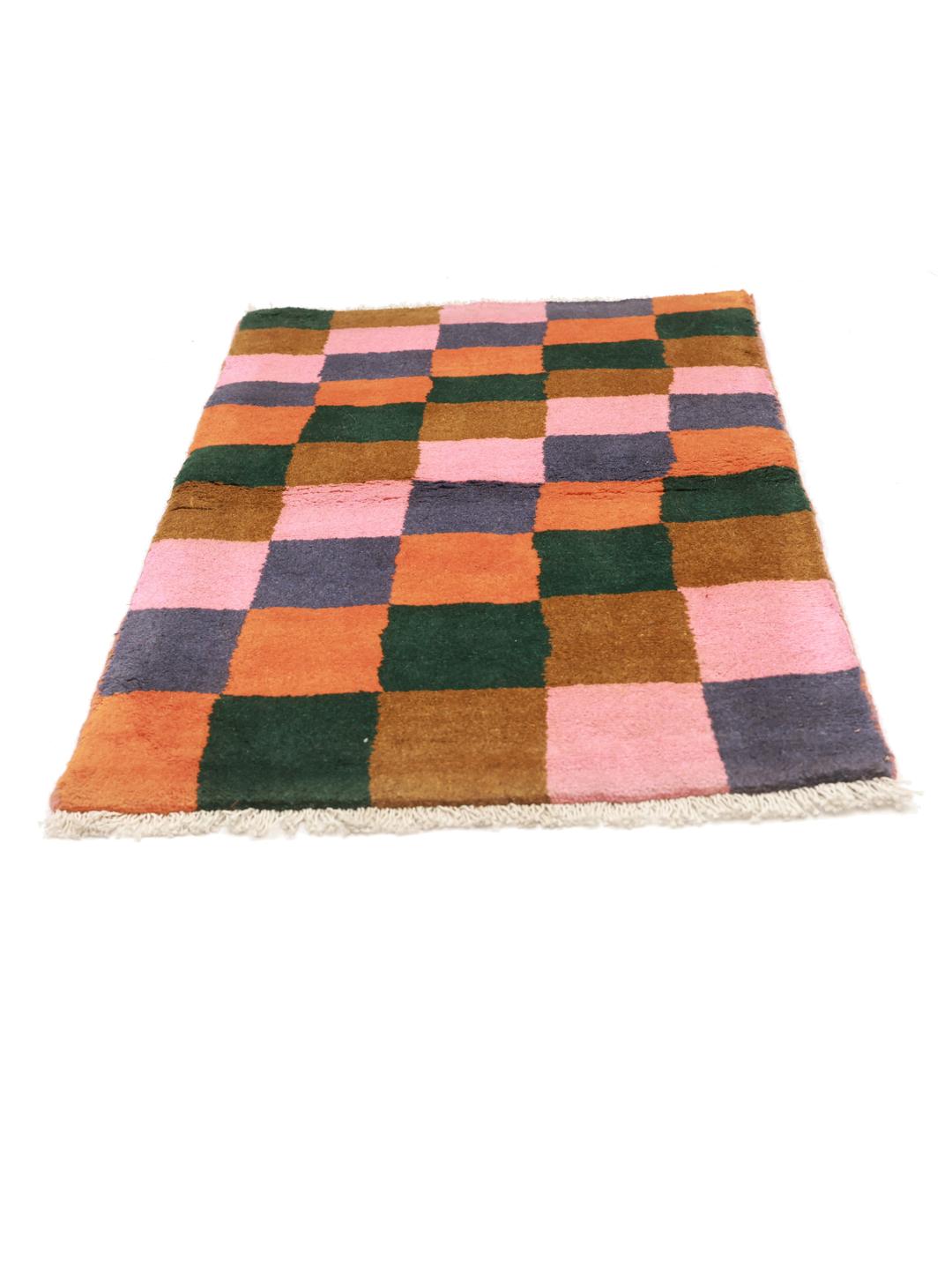
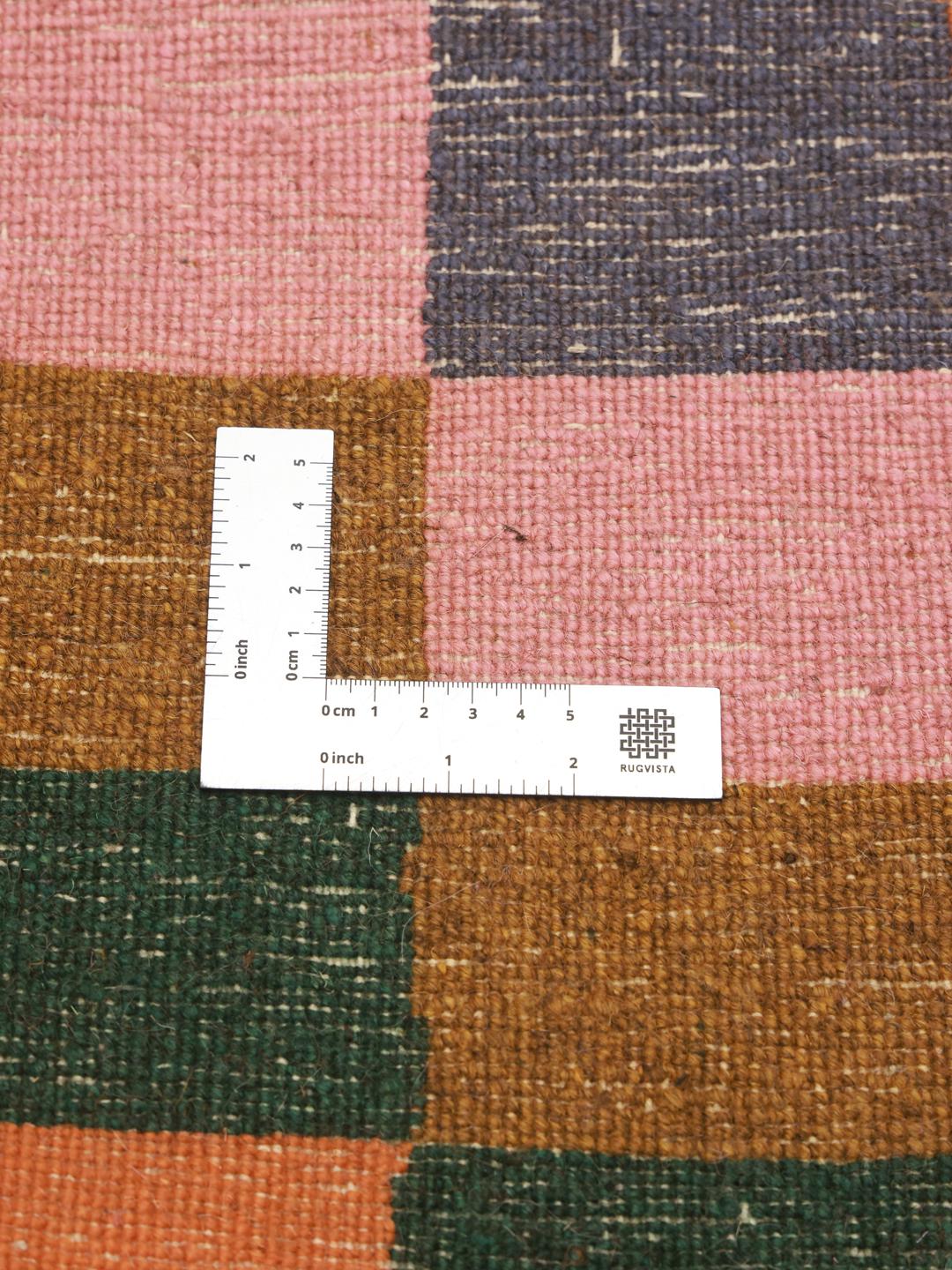
The design of this piece features a bold checkered motif, a classic way to showcase a variety of colours within a single frame. In Middle Eastern weaving, the use of such geometric arrangements often mimics the simple shapes found in tribal life or the natural environment. The deliberate choice of bold colours makes this a standout piece, pushing the boundaries of traditional tribal design while honouring the historic techniques of the craft.
Today, these rugs are highly valued by collectors and interior enthusiasts alike for their artistic freedom and enduring quality. Owning a Gabbeh is an opportunity to possess a piece of cultural heritage that prioritises the human element of creation. It represents a bridge between the ancient nomadic lifestyle and the modern home, offering a level of authenticity that mass-produced items simply cannot match.