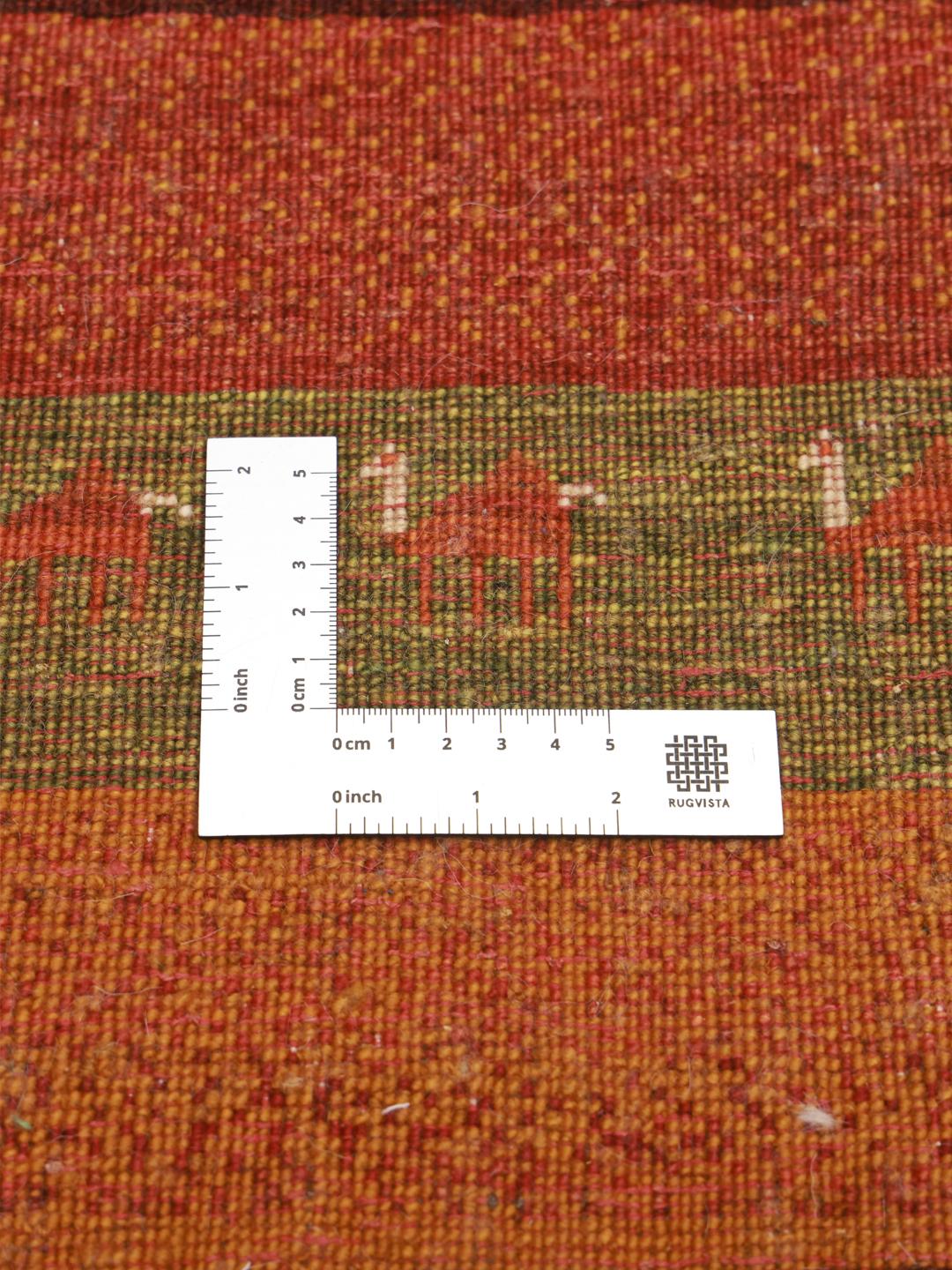
Gabbeh rugs originated among nomadic tribes in the Middle East, where they were woven primarily for practical personal use rather than commercial sale. Traditionally thick and heavy, they served as sleeping blankets and floor coverings in tents, designed to protect against cold ground.
The word Gabbeh translates roughly to raw or natural, referencing the rustic, unstudied nature of the weave. Over time, master weavers in Pakistan adopted these traditional tribal techniques, creating refined versions that maintain the primitive charm of the originals while introducing exceptionally consistent knotting quality.
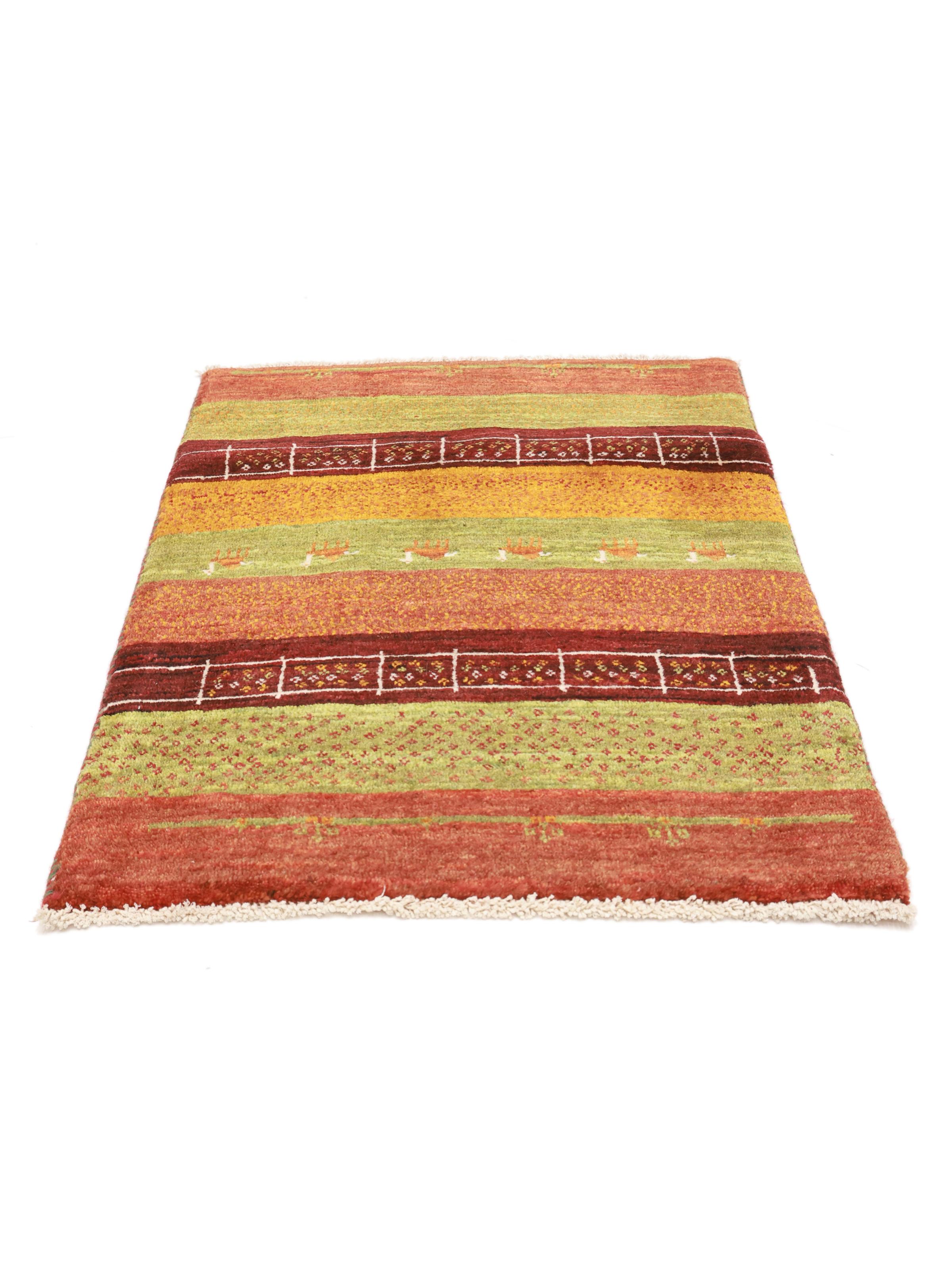
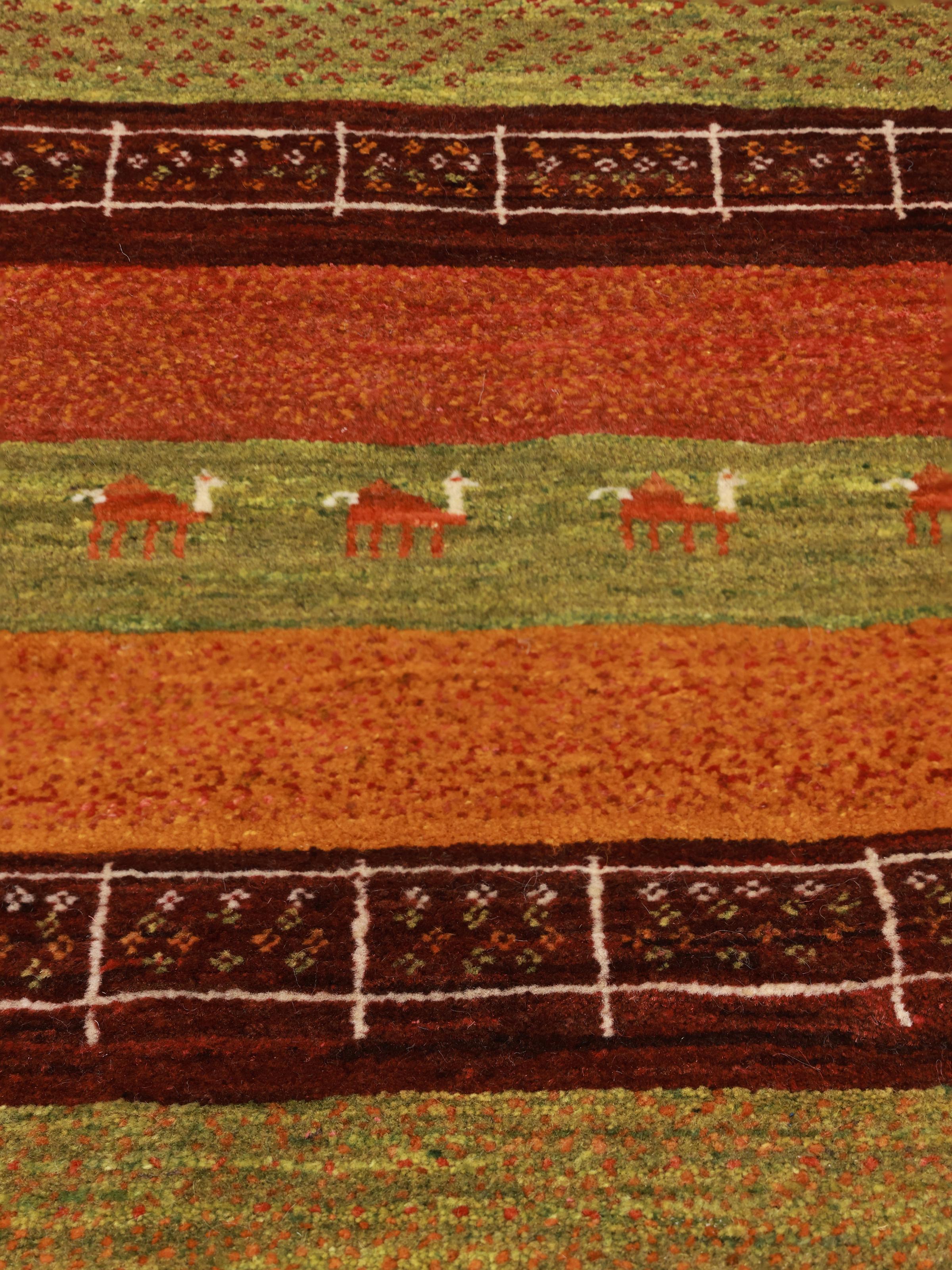
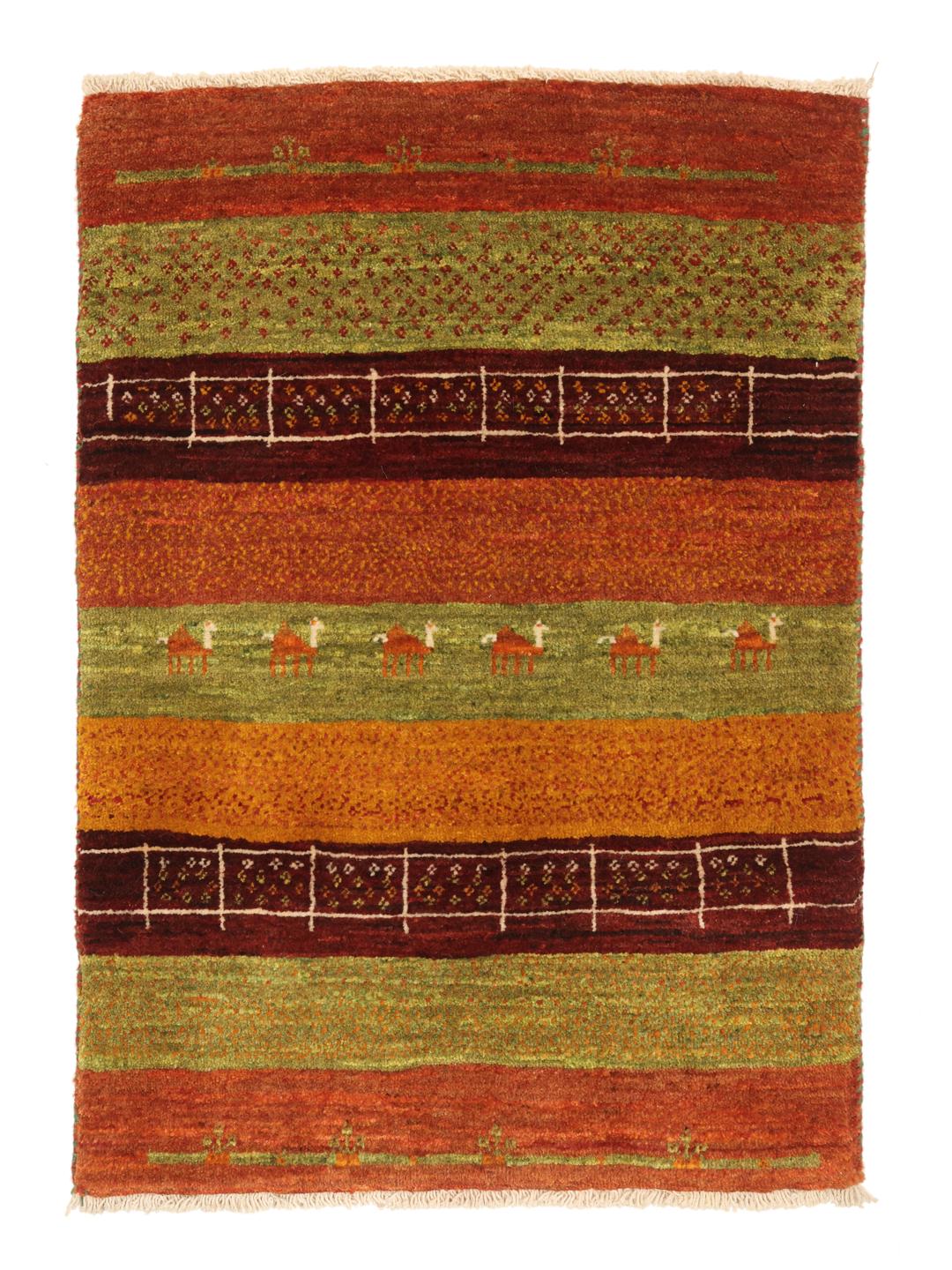
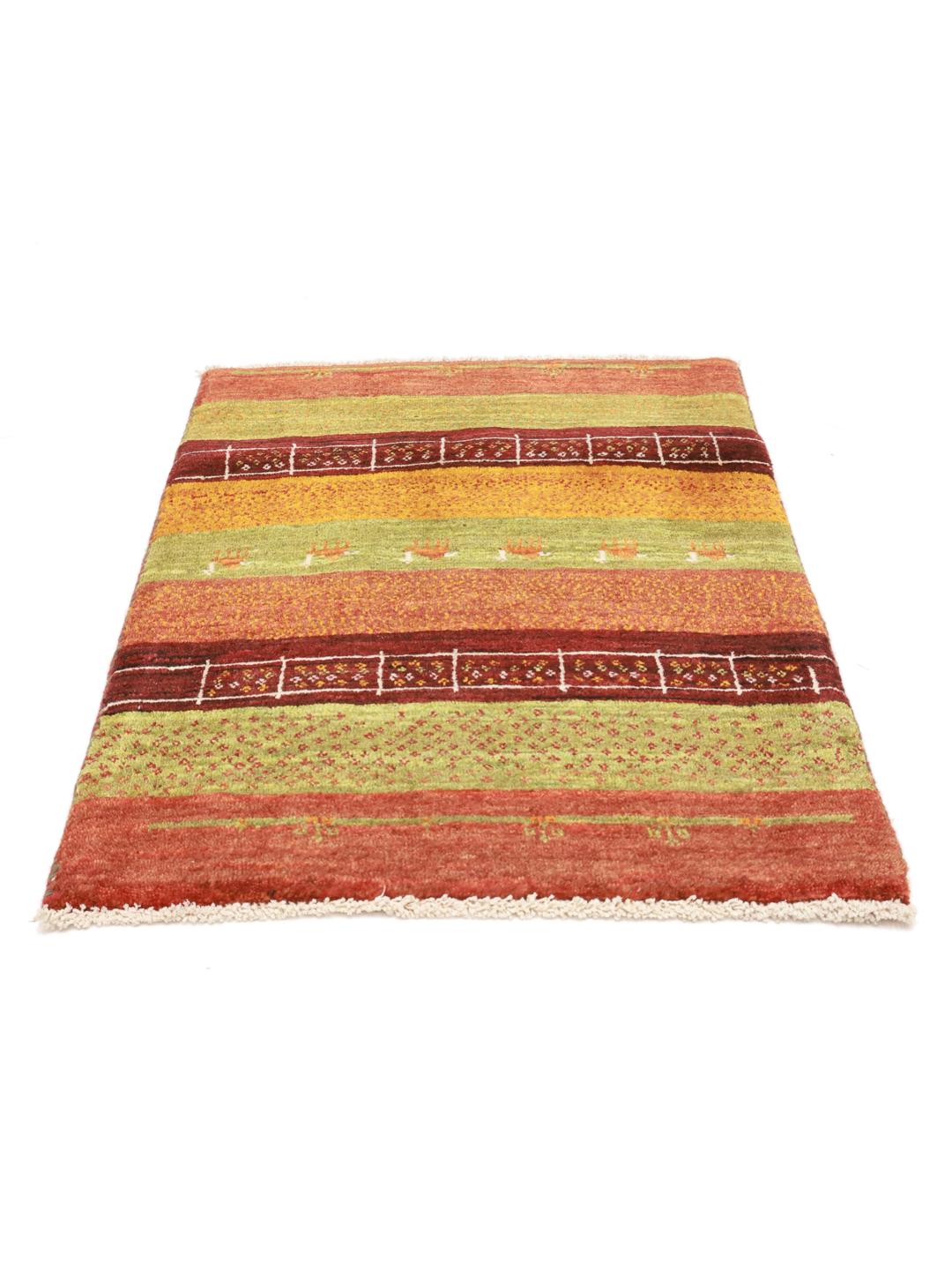
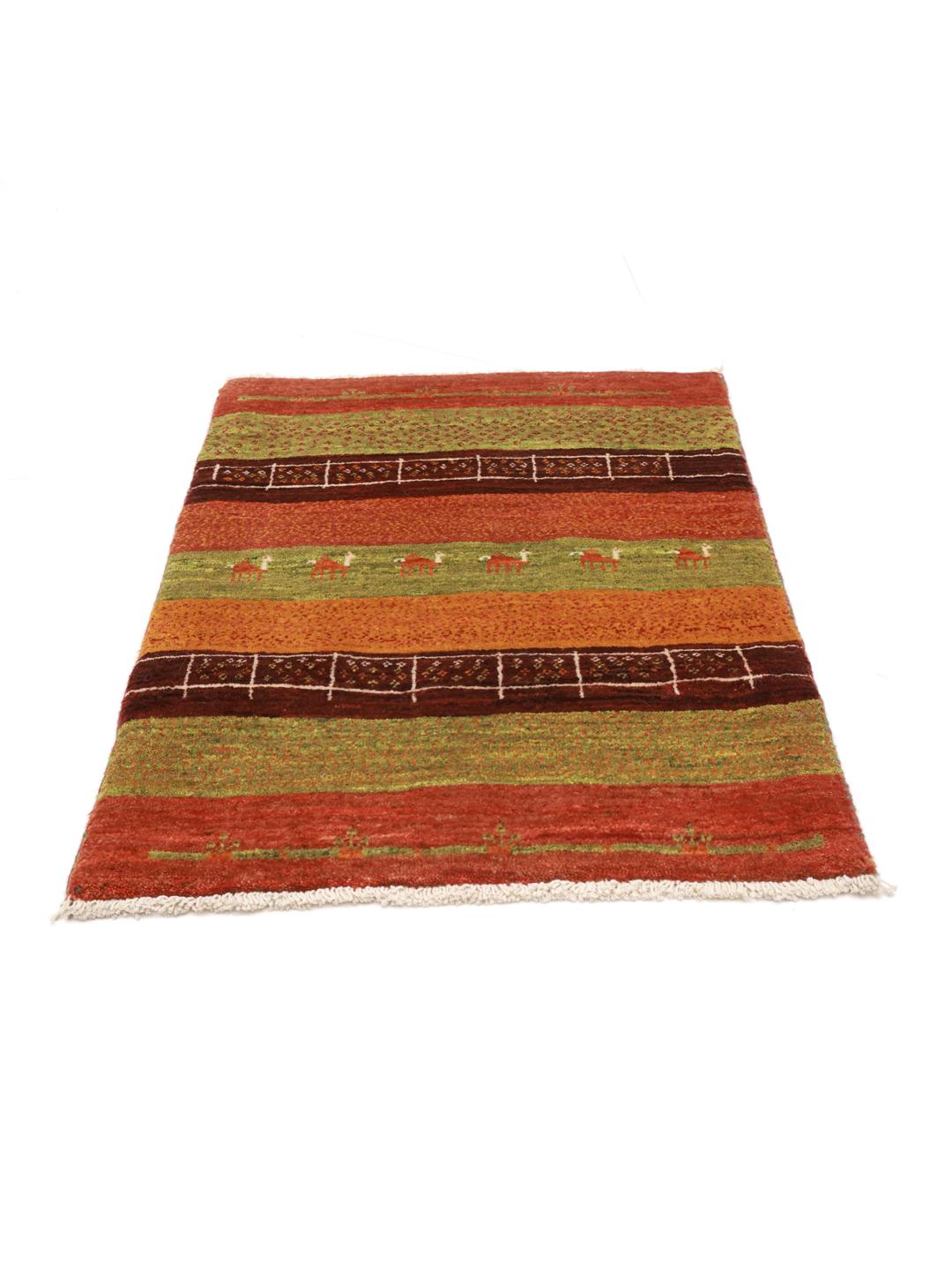
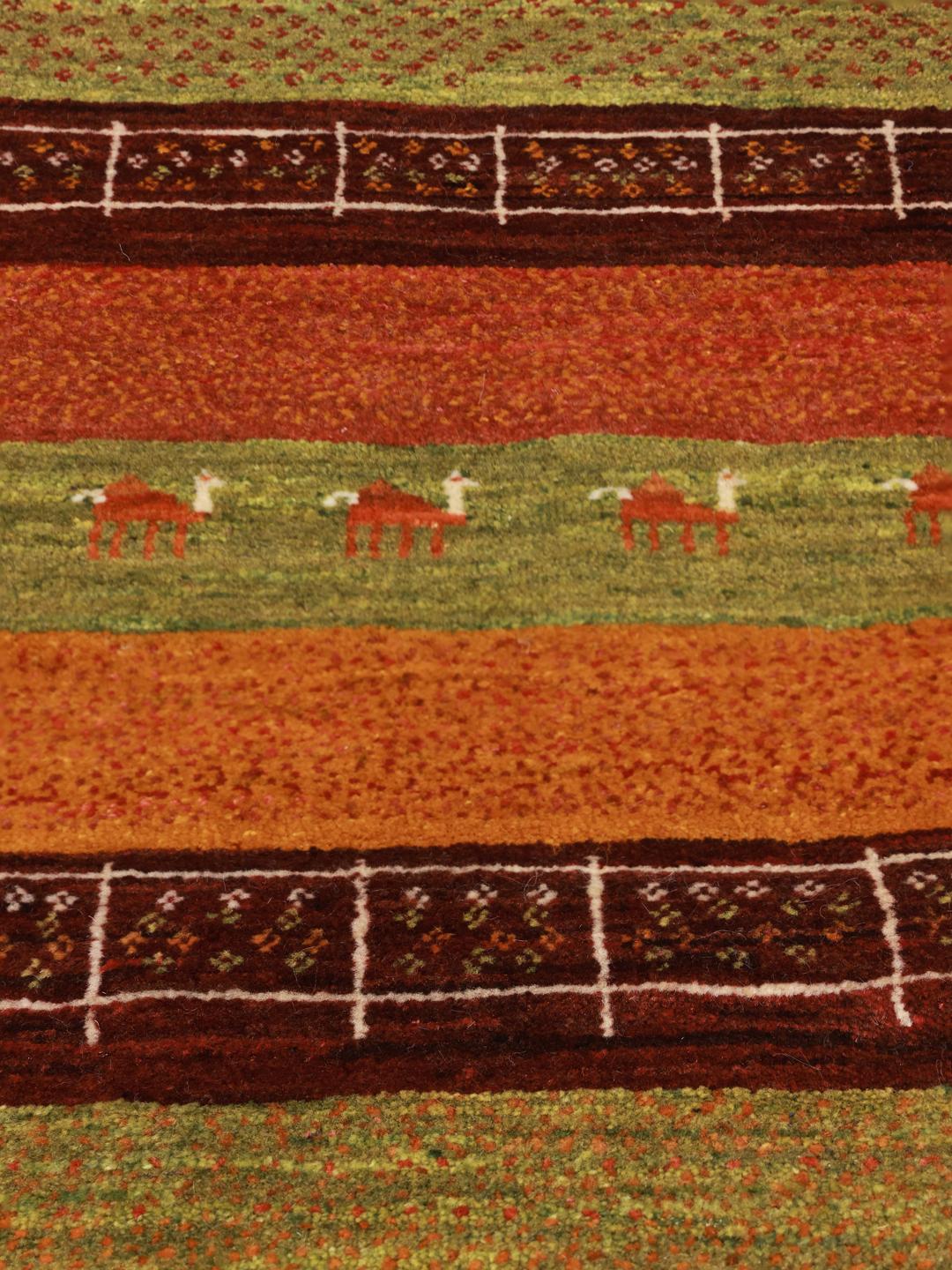
Visually, Gabbeh rugs are celebrated for their expressive freedom. Weavers capture elements of daily life and nature, weaving stylized trees, animals, and geometric shapes into warm horizontal bands of rich colour. Each rug acts as a personal canvas reflecting the weaver's surroundings.
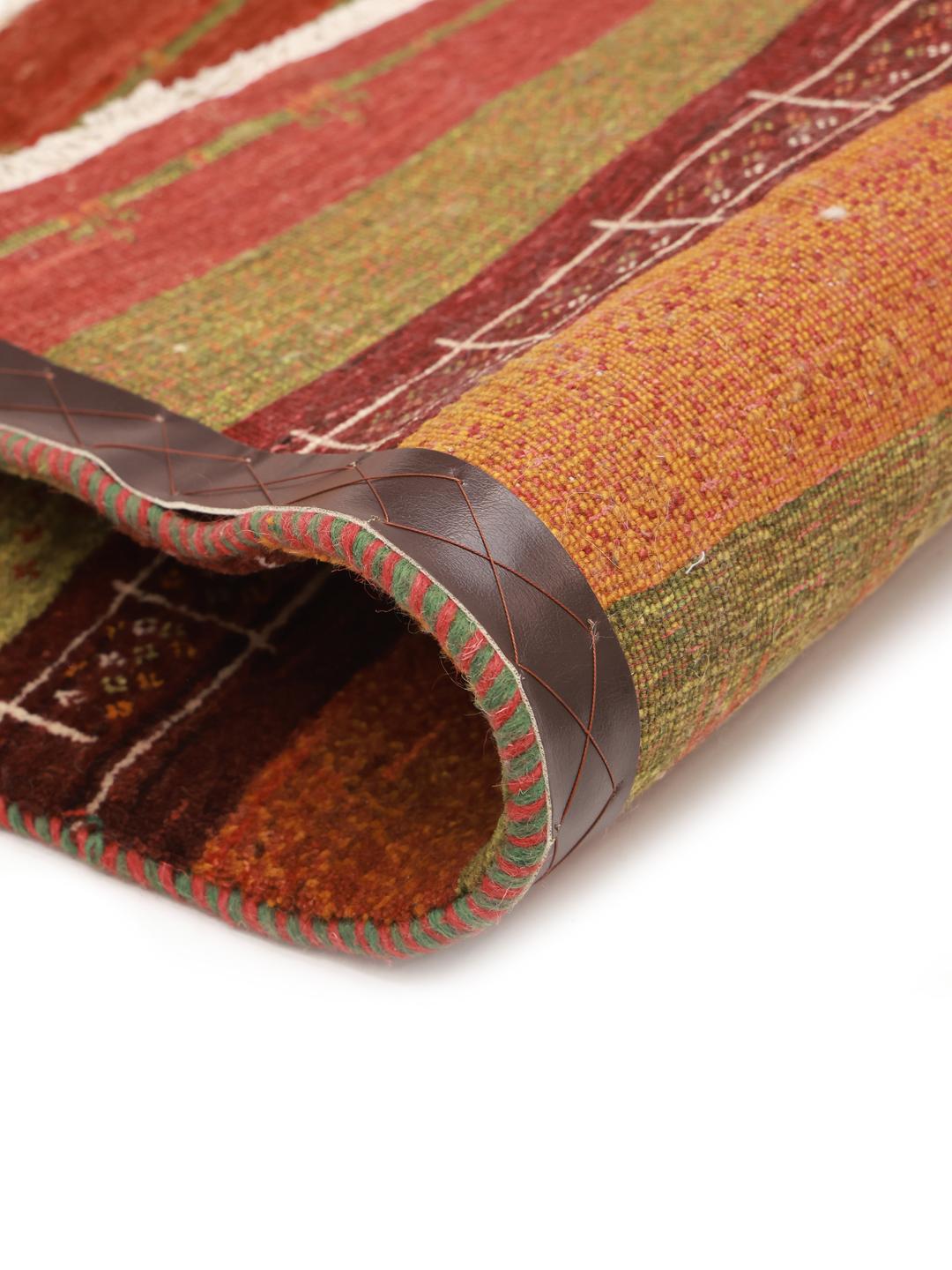
Today, traditional Gabbeh rugs are highly prized by collectors and homeowners alike for their authentic folk art quality. Their blend of tribal heritage, durable construction, and artistic expression makes them cherished heirlooms that outlast fleeting interior trends.