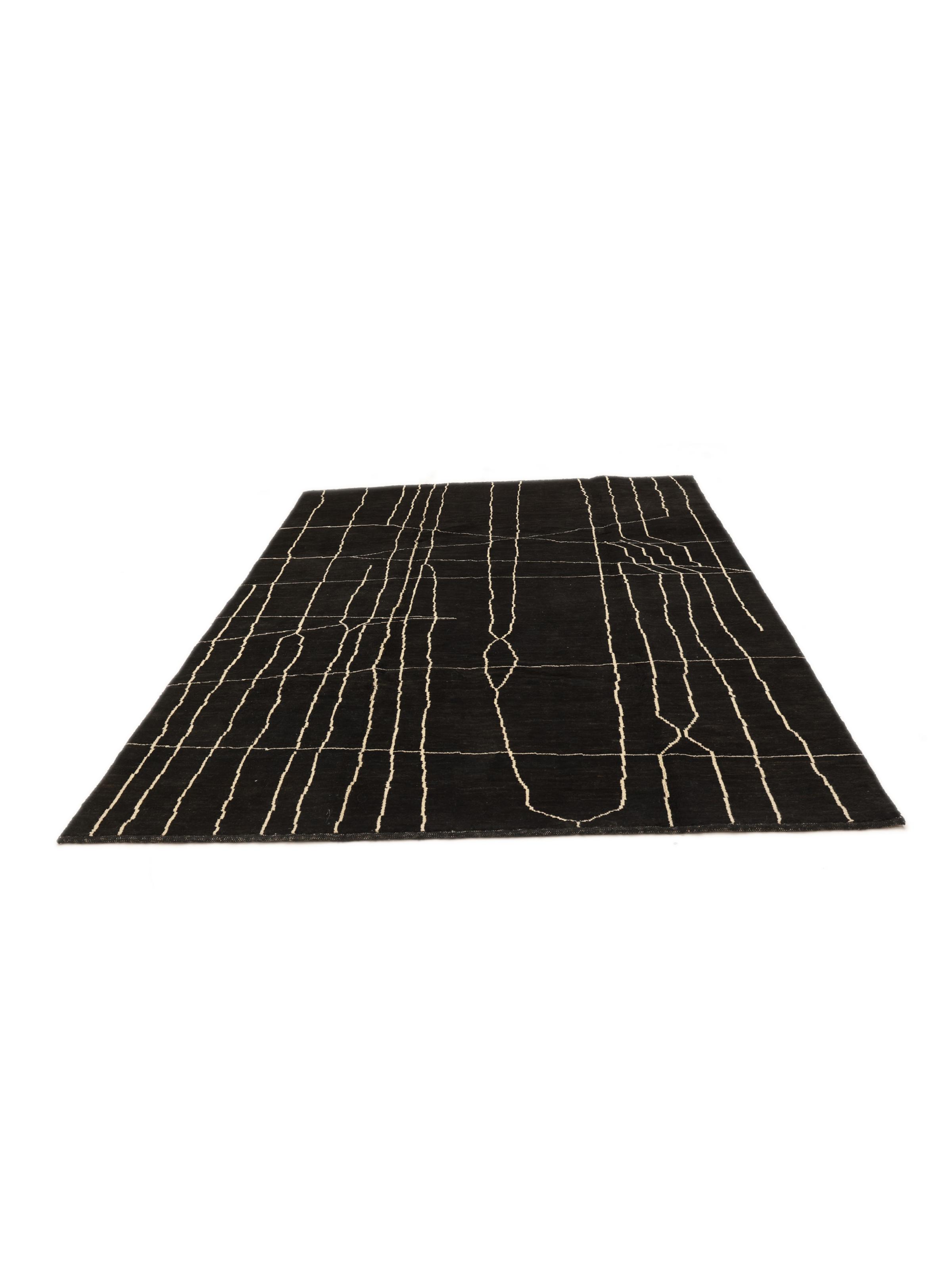
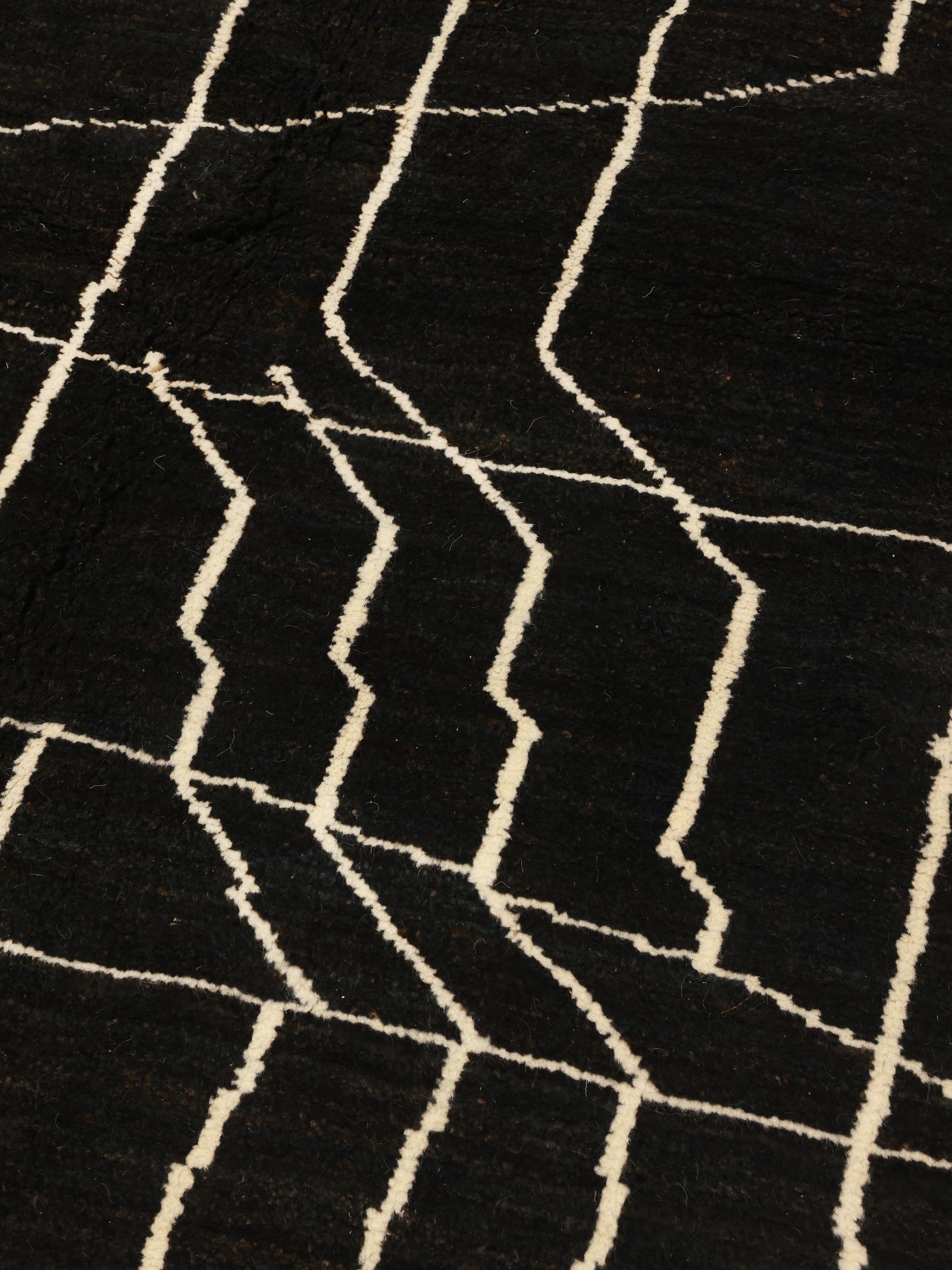
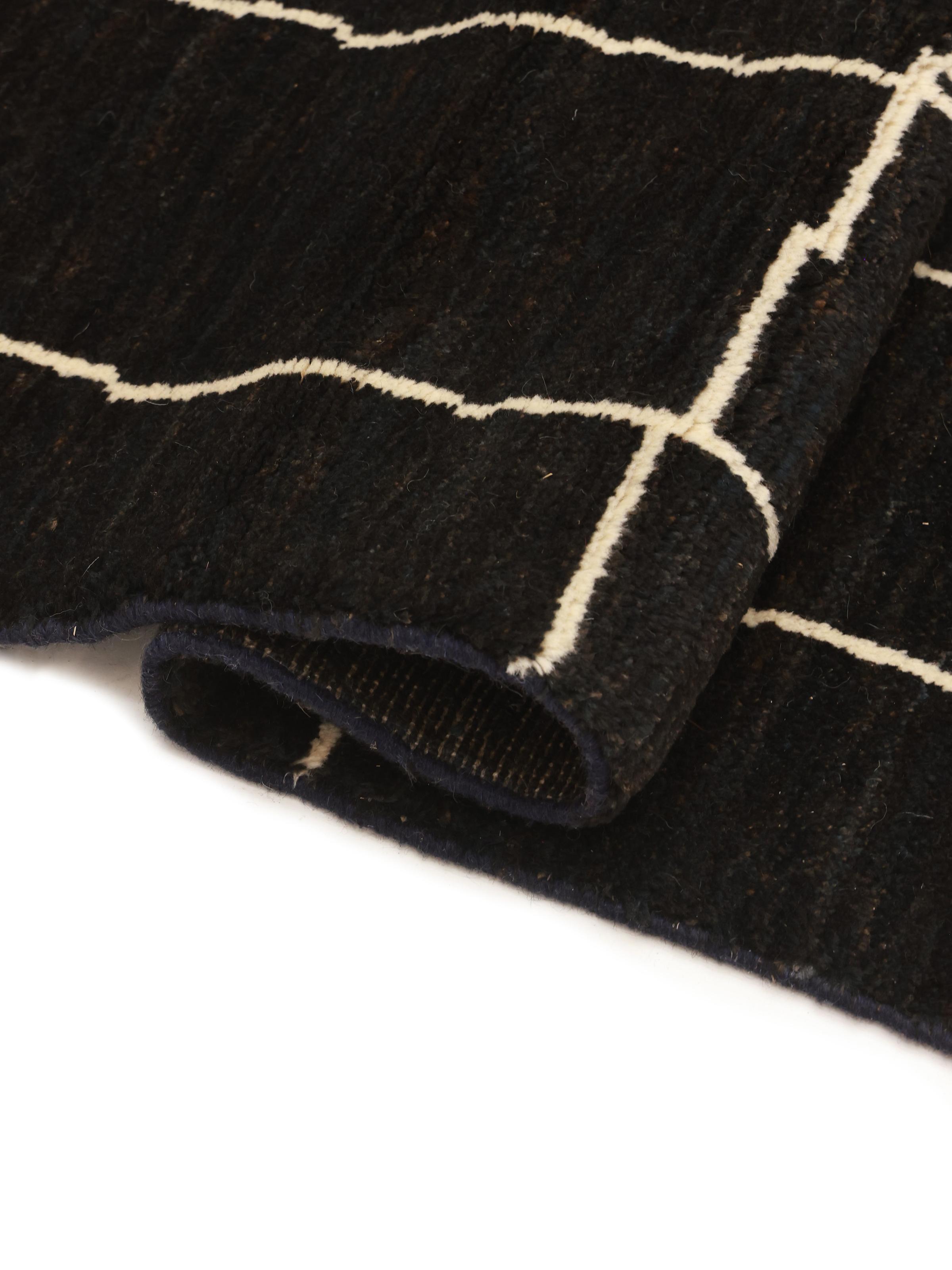
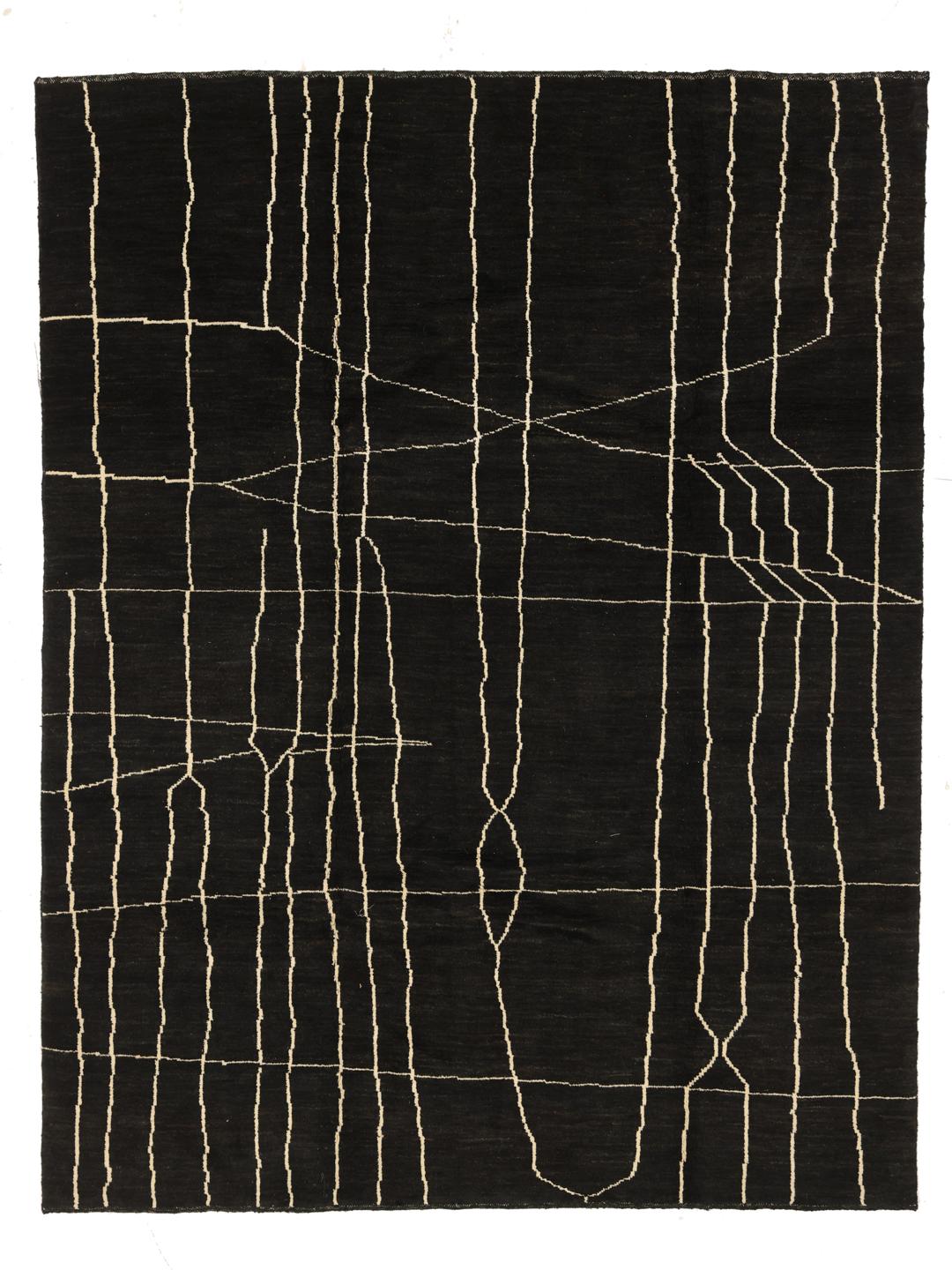
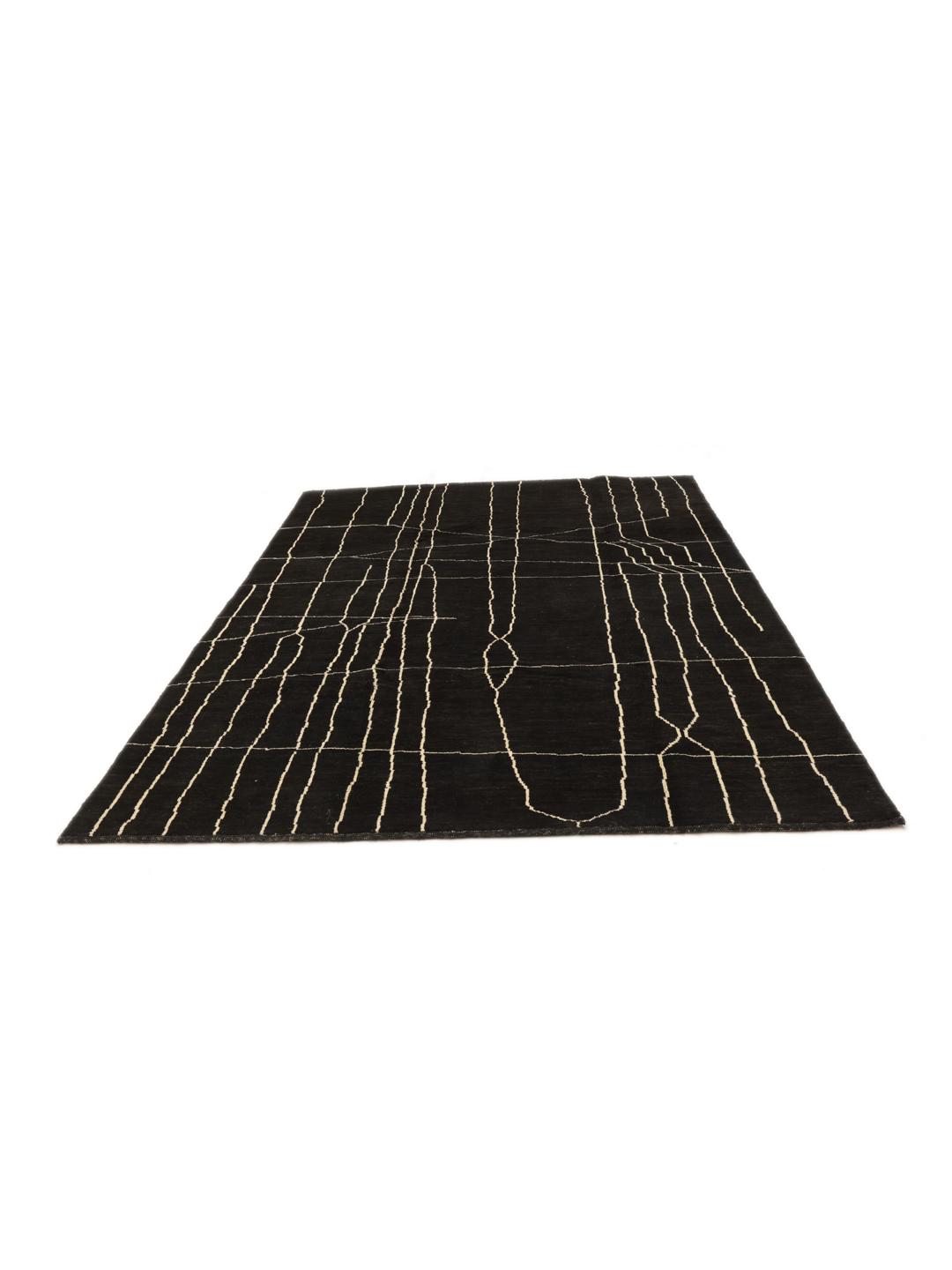
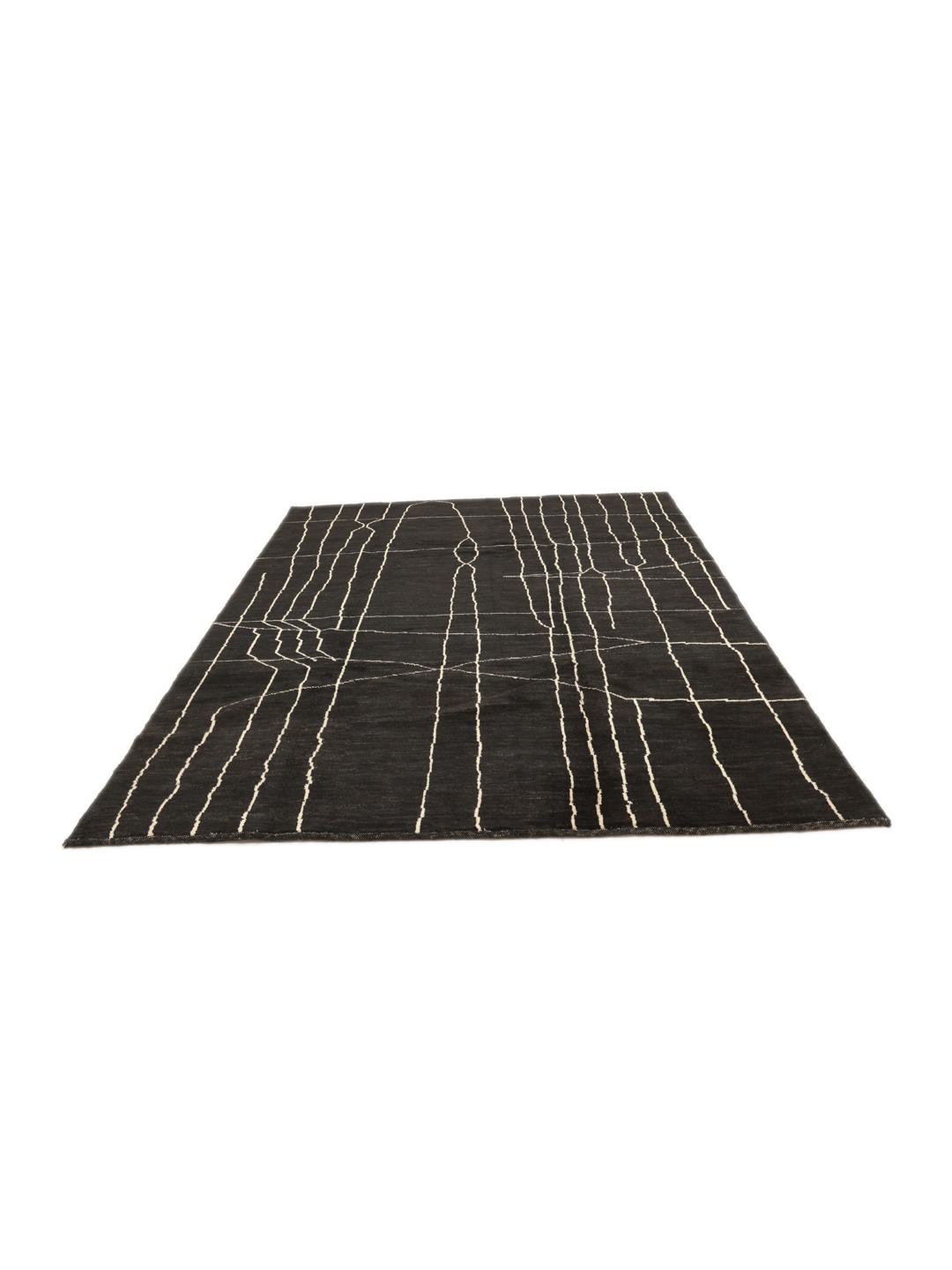
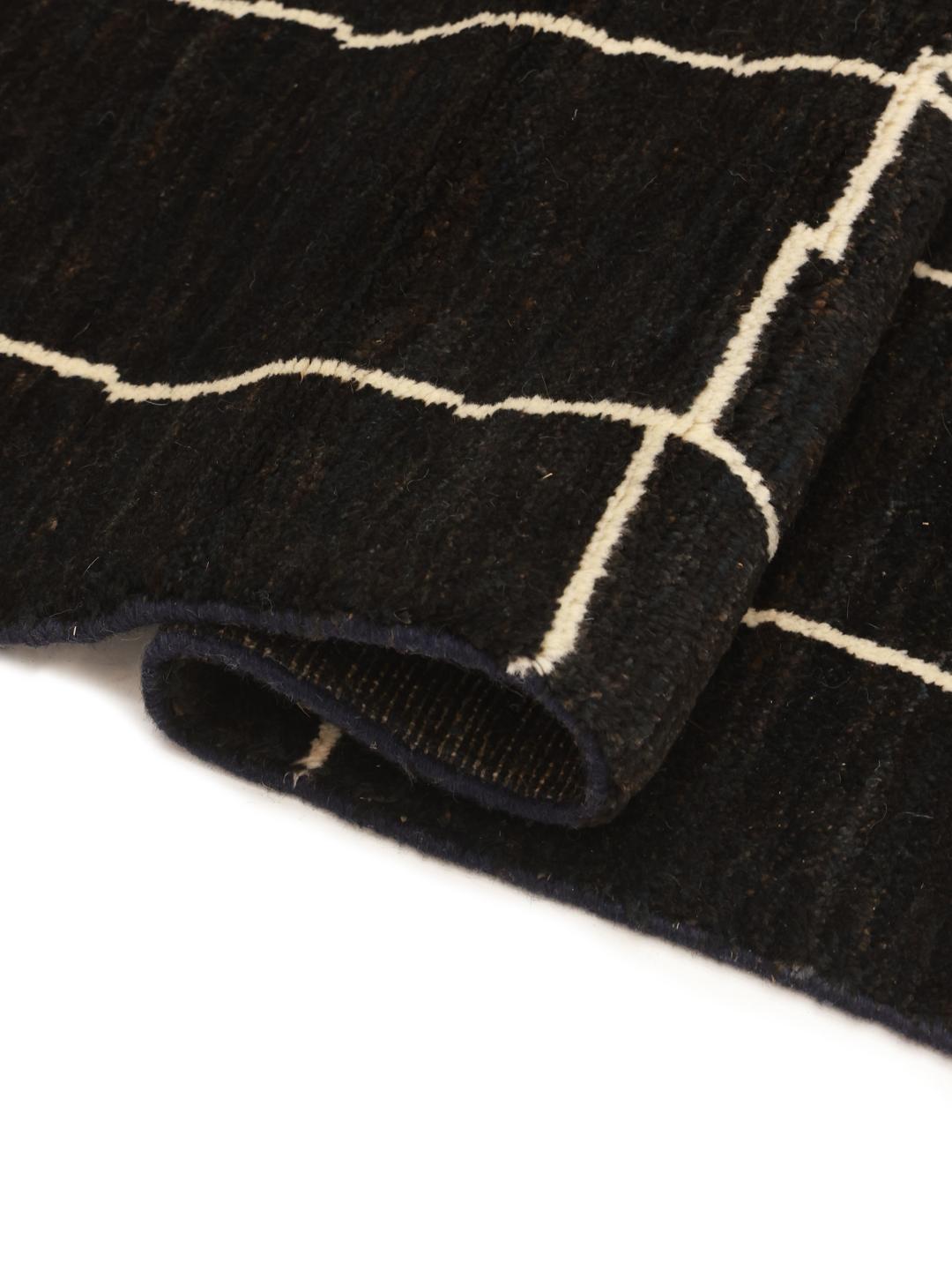
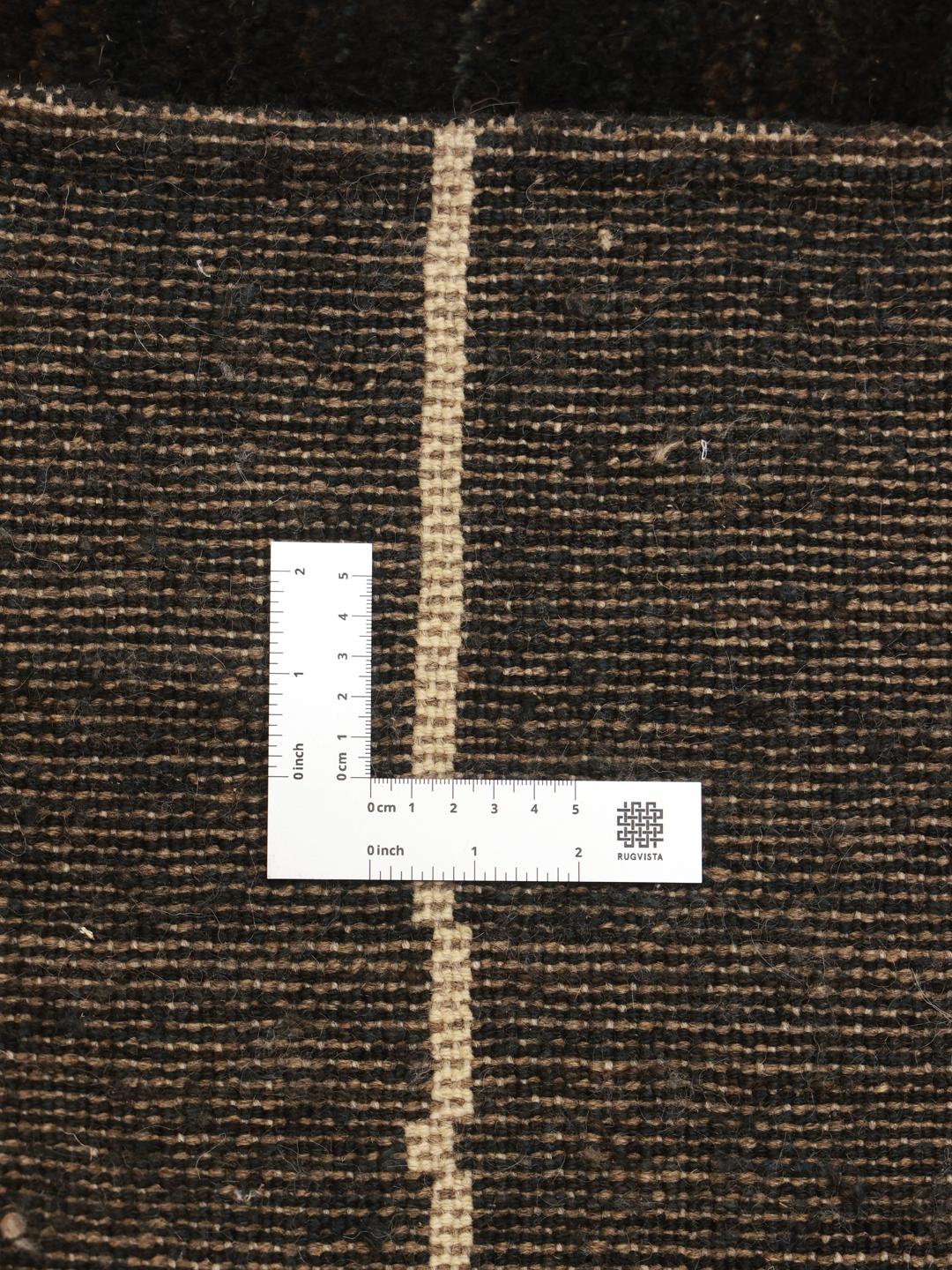
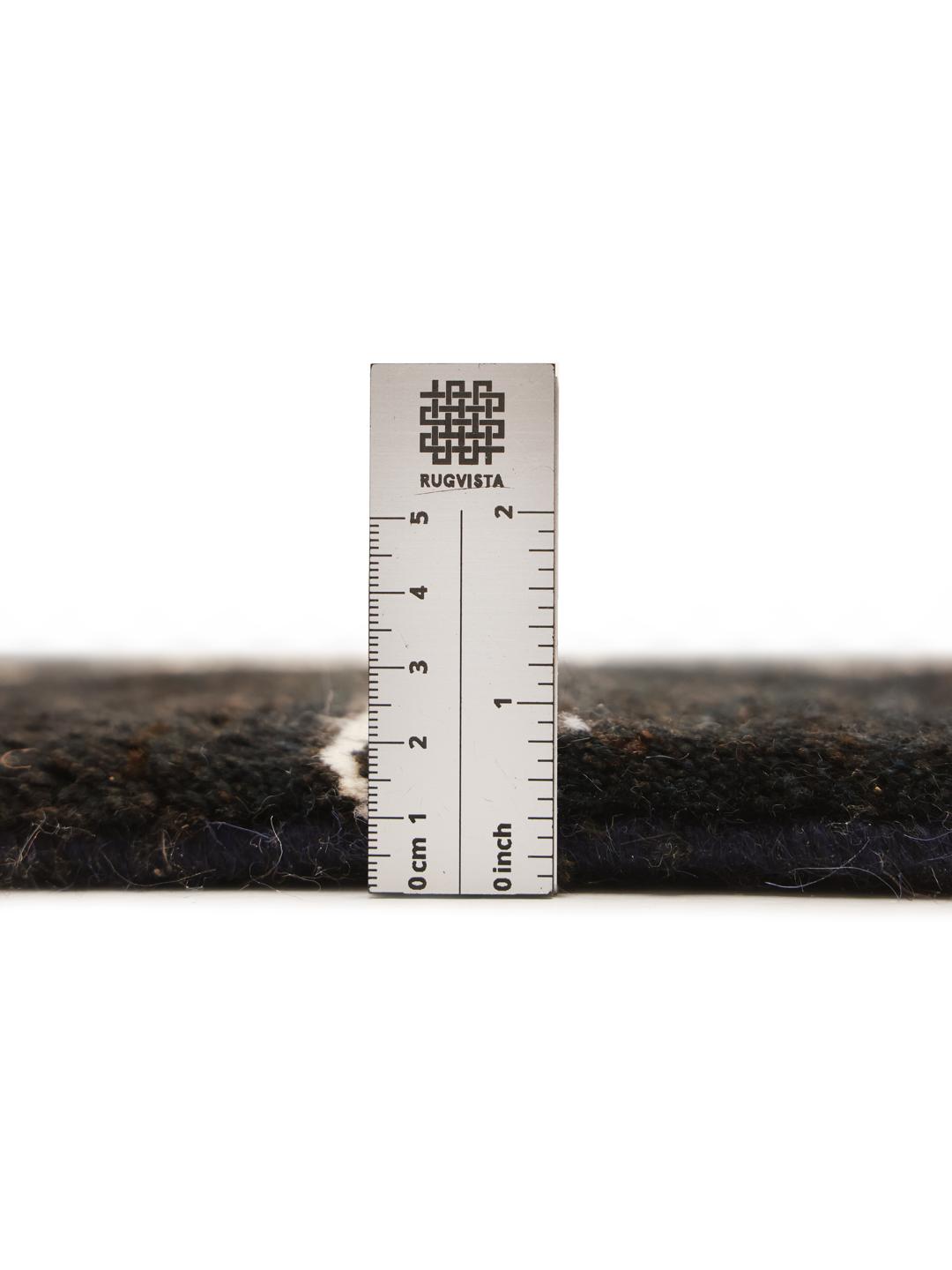
The Gabbeh tradition originates from the nomadic tribes of the Middle East, where weavers historically created these rugs for their own daily use rather than for trade. These rugs are renowned for their thick, plush pile and their departure from the rigid, formal patterns often found in other regional styles. Instead, Gabbeh weavers embraced a more spontaneous, artistic approach, allowing their personal experiences and the natural landscapes surrounding them to influence the final design.
The term Shabargan refers to a specific regional influence that brings a more refined, contemporary aesthetic to the classic Gabbeh style. While traditional Gabbeh rugs are often celebrated for their playful, simplified motifs, the Shabargan style often incorporates more structured, minimalist lines that resonate well with modern interior sensibilities. This evolution demonstrates the adaptability of nomadic craft, as it continues to find relevance in diverse, modern homes across the globe.
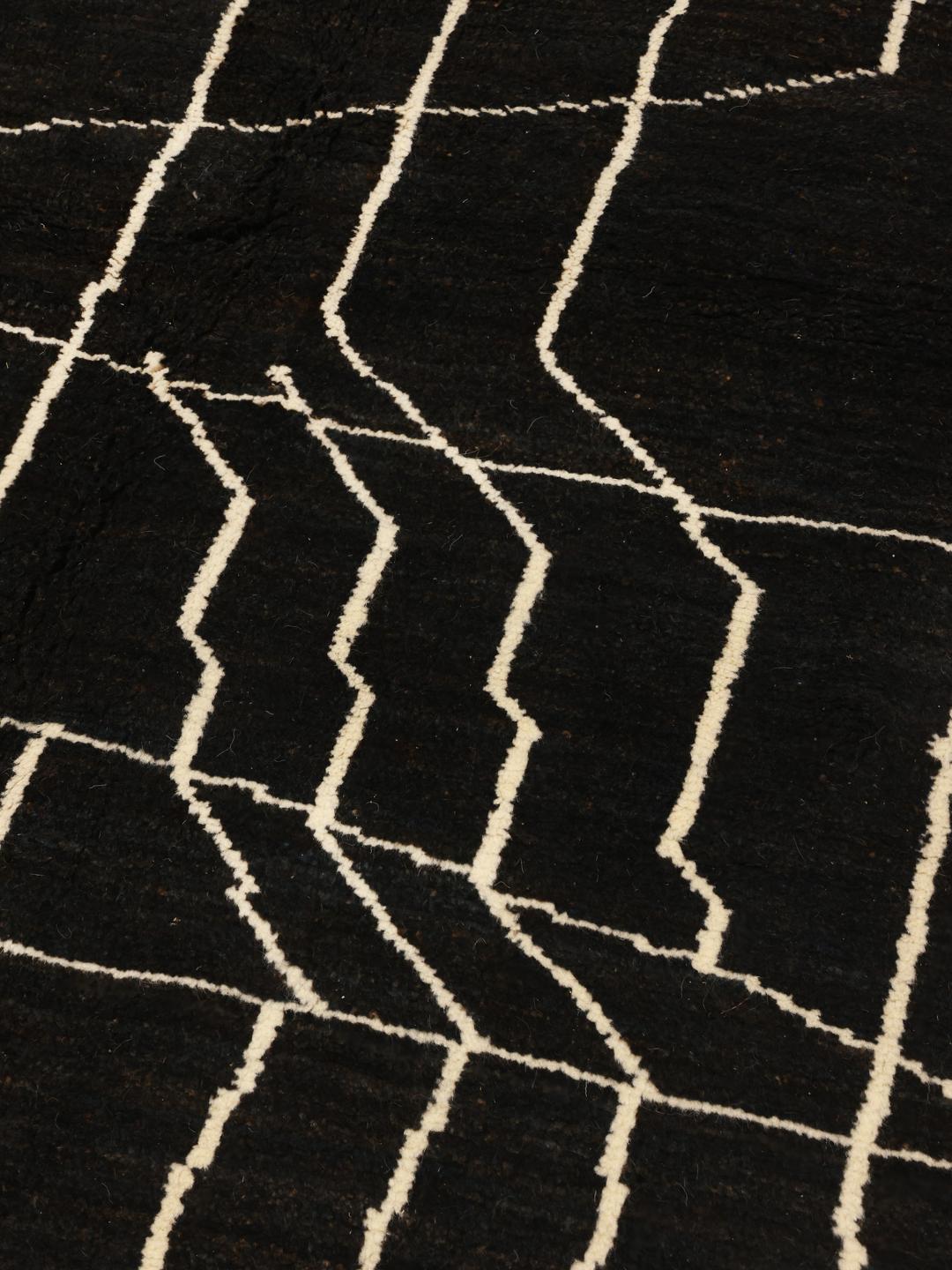
Signature design elements in these rugs often focus on the interplay between empty space and bold, deliberate lines. By utilising the natural colour variations of the wool and contrasting them against darker, dyed backgrounds, the weavers create a visual language that feels both ancient and refreshingly modern. The simplicity of the pattern is intentional, designed to highlight the high-quality texture of the wool rather than distract from it with overly complex imagery.
Collecting a rug from this tradition is an investment in cultural heritage and human skill. Because each weaver brings their own perspective to the loom, these rugs are viewed as reflections of the individual artisan's creative spirit. Owning a piece like this means preserving a link to a long-standing tradition of craftsmanship, where the value lies not just in the finished object, but in the patience and dedication required to bring it into existence.