Gabbeh rugs have a long history rooted in the nomadic tribes of the Middle East. Traditionally woven by women of nomadic groups, these rugs were originally created for practical use within the family tent, serving as warm bedding and floor coverings during harsh winters.
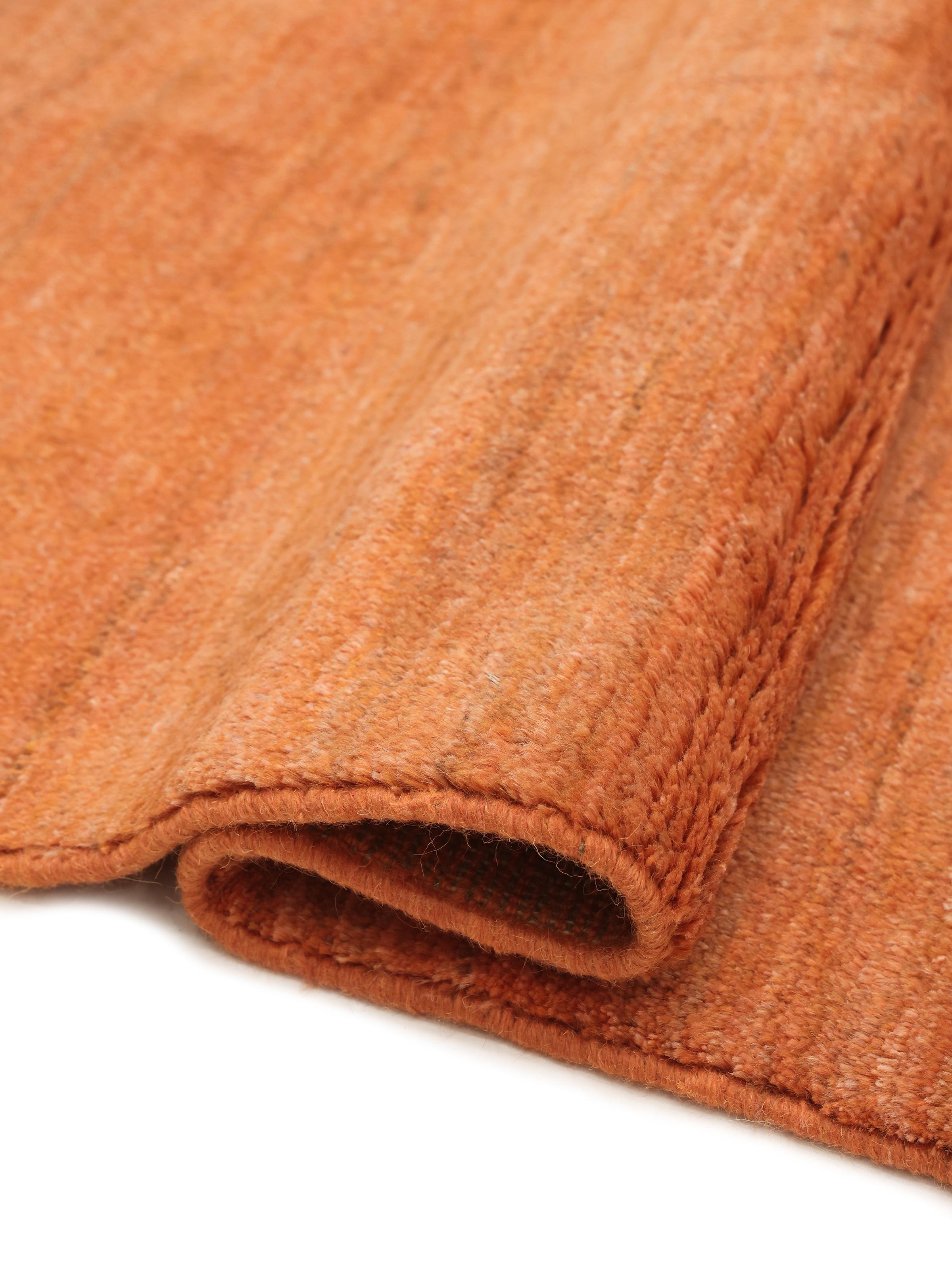
The term Gabbeh itself means raw, natural, or unclipped, which speaks to the rug's primitive and authentic nature. Unlike more formal, city-made rugs, these pieces were historically left thicker and featured simpler, more spontaneous designs that allowed the weaver to express her creativity without the constraints of a rigid pattern.
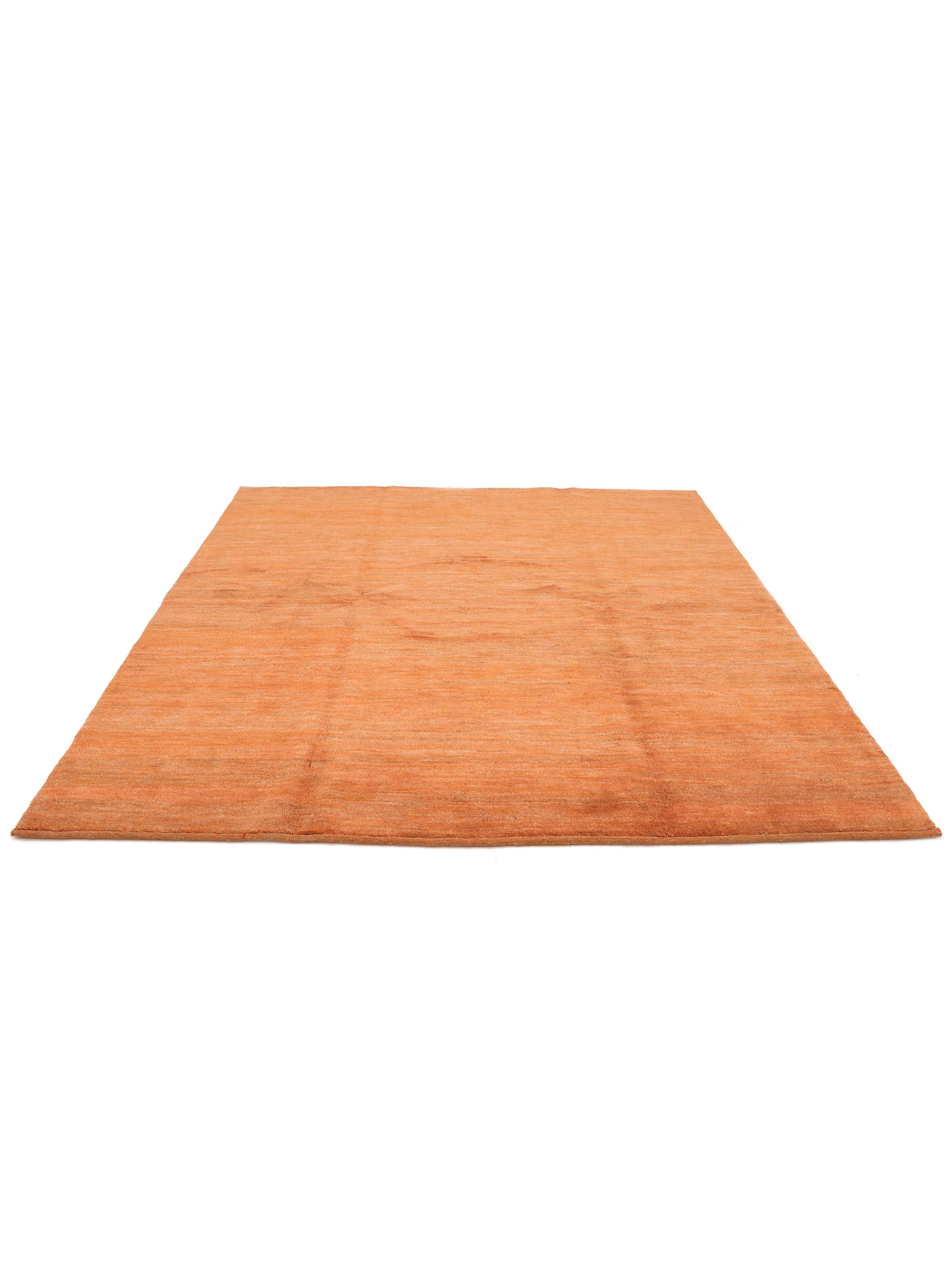
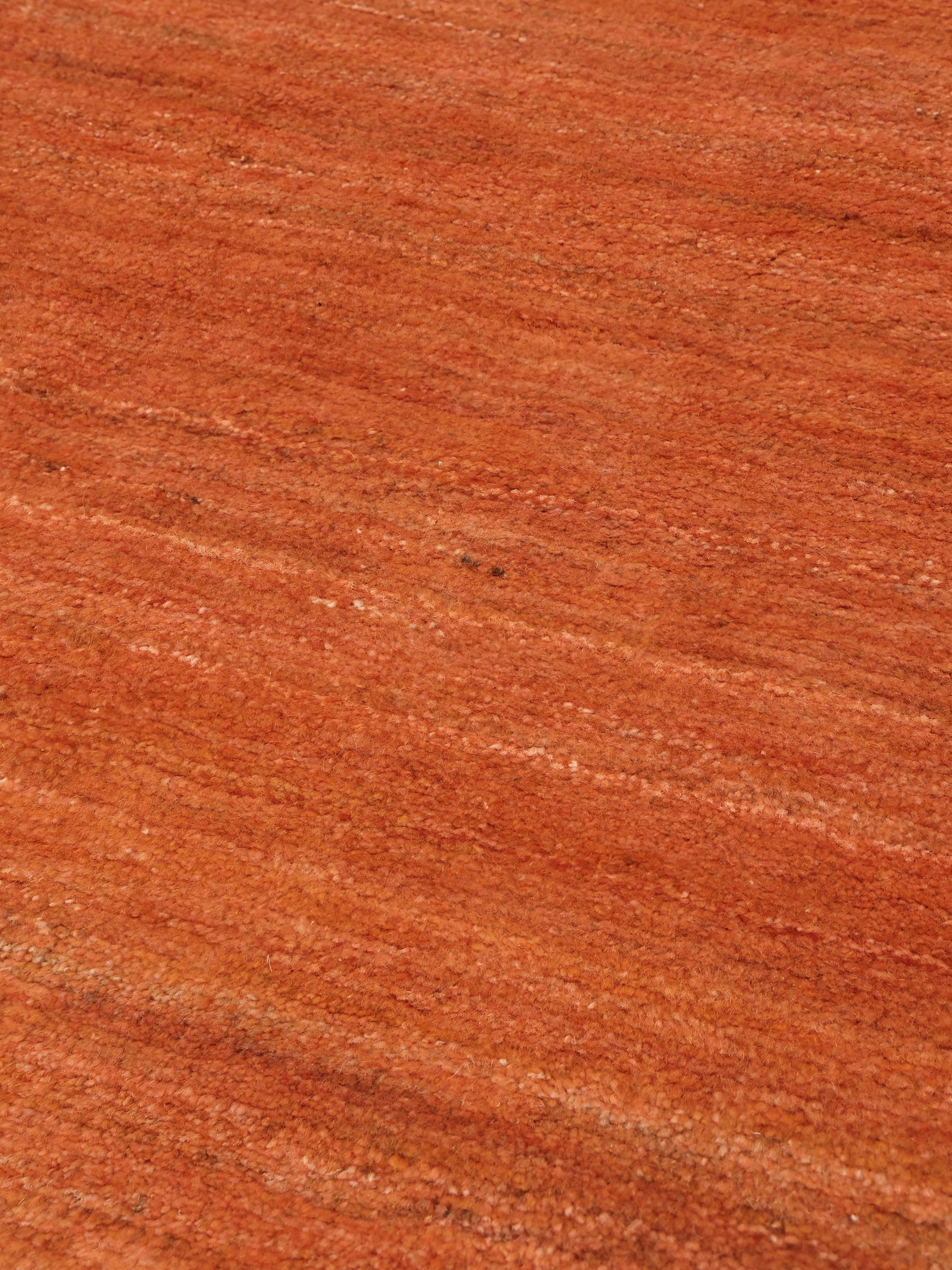
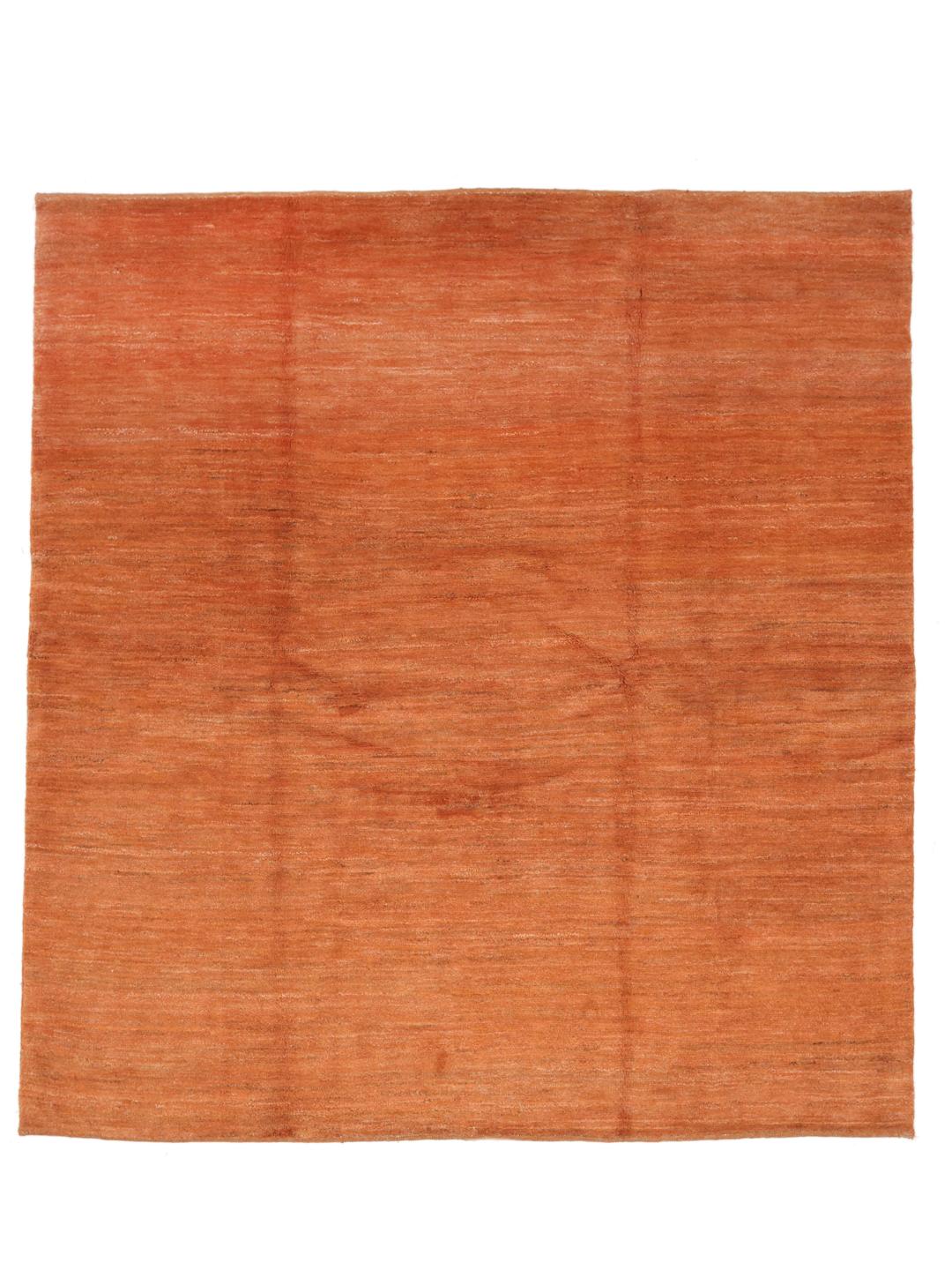
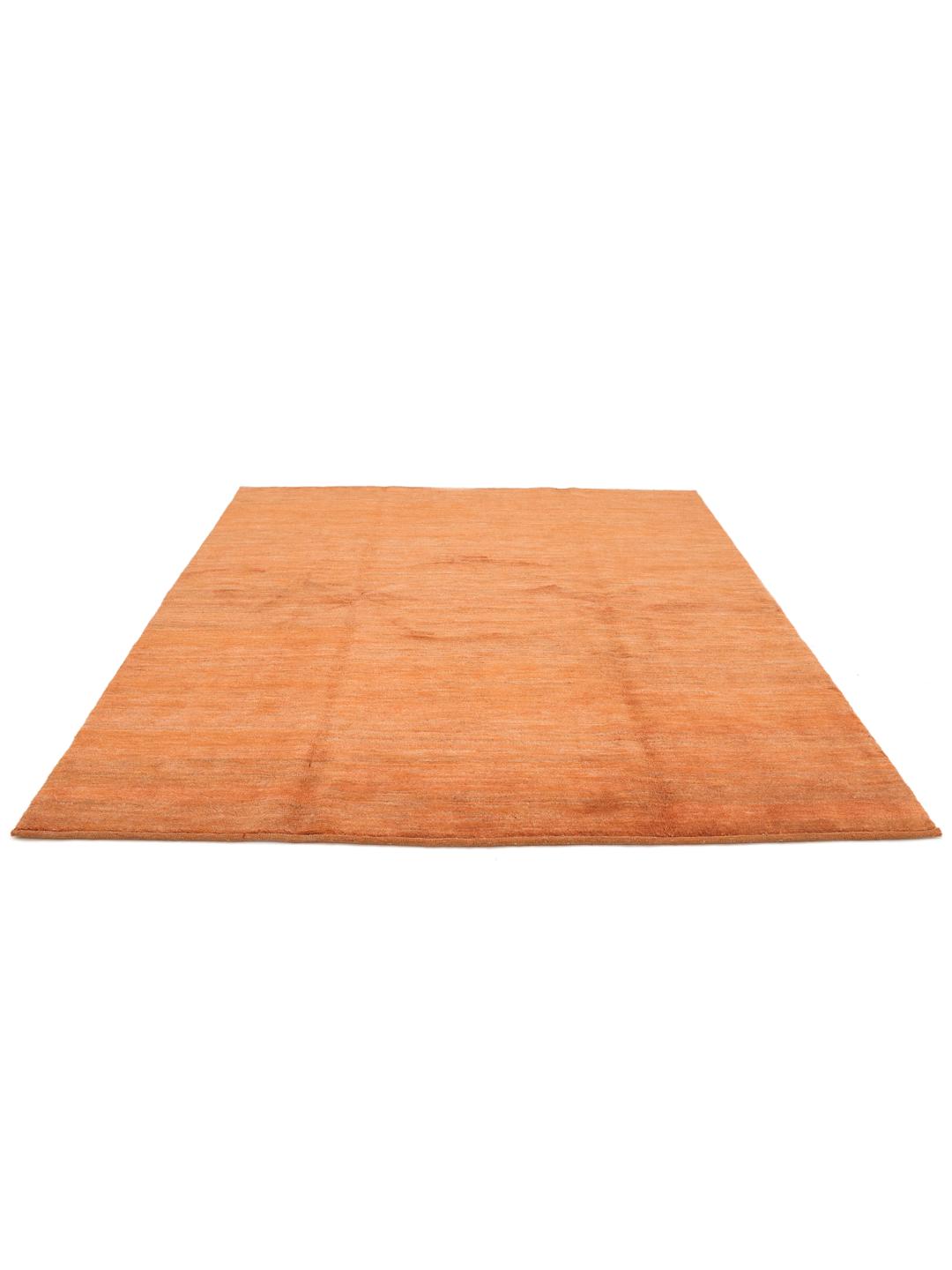
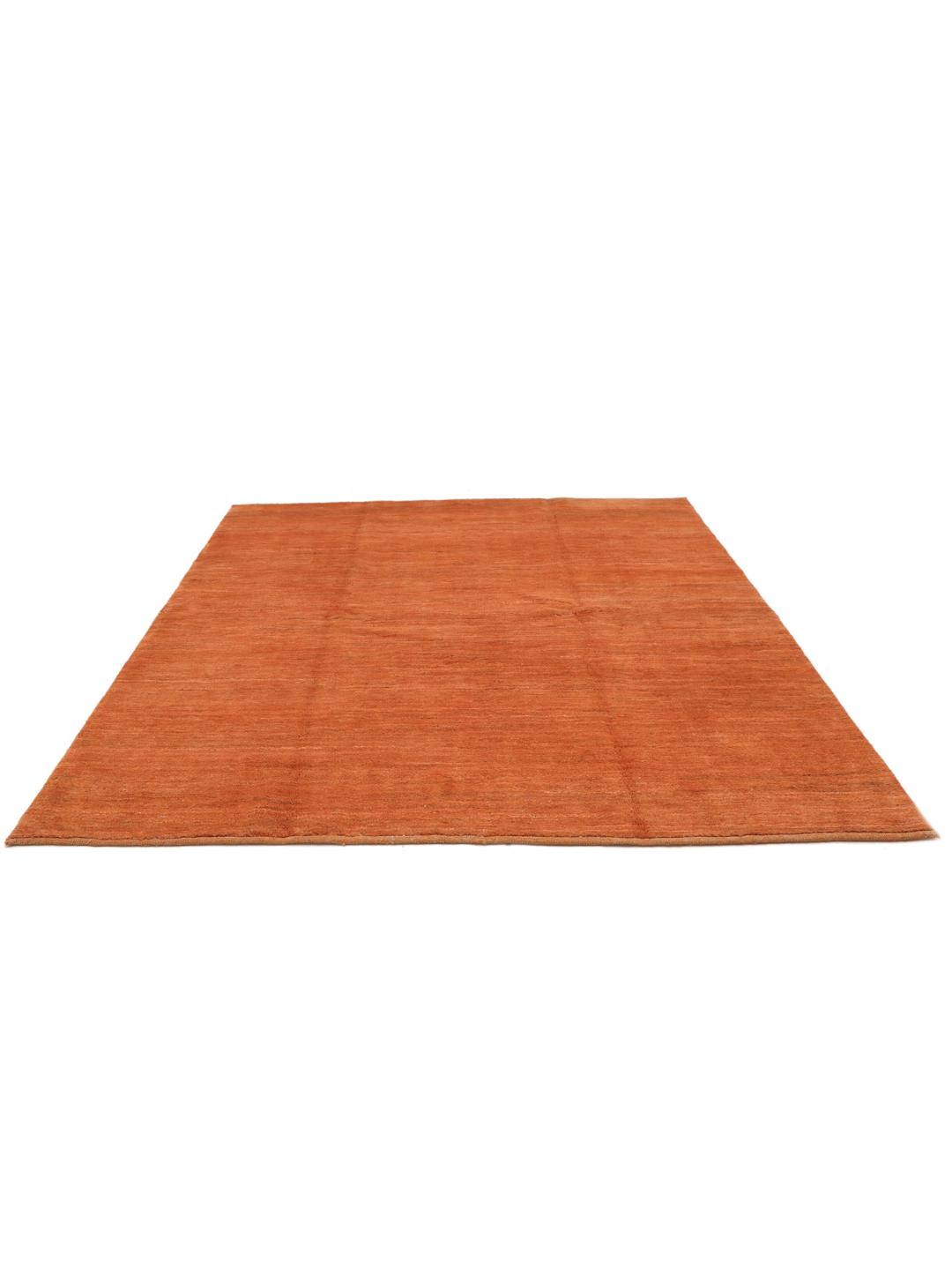
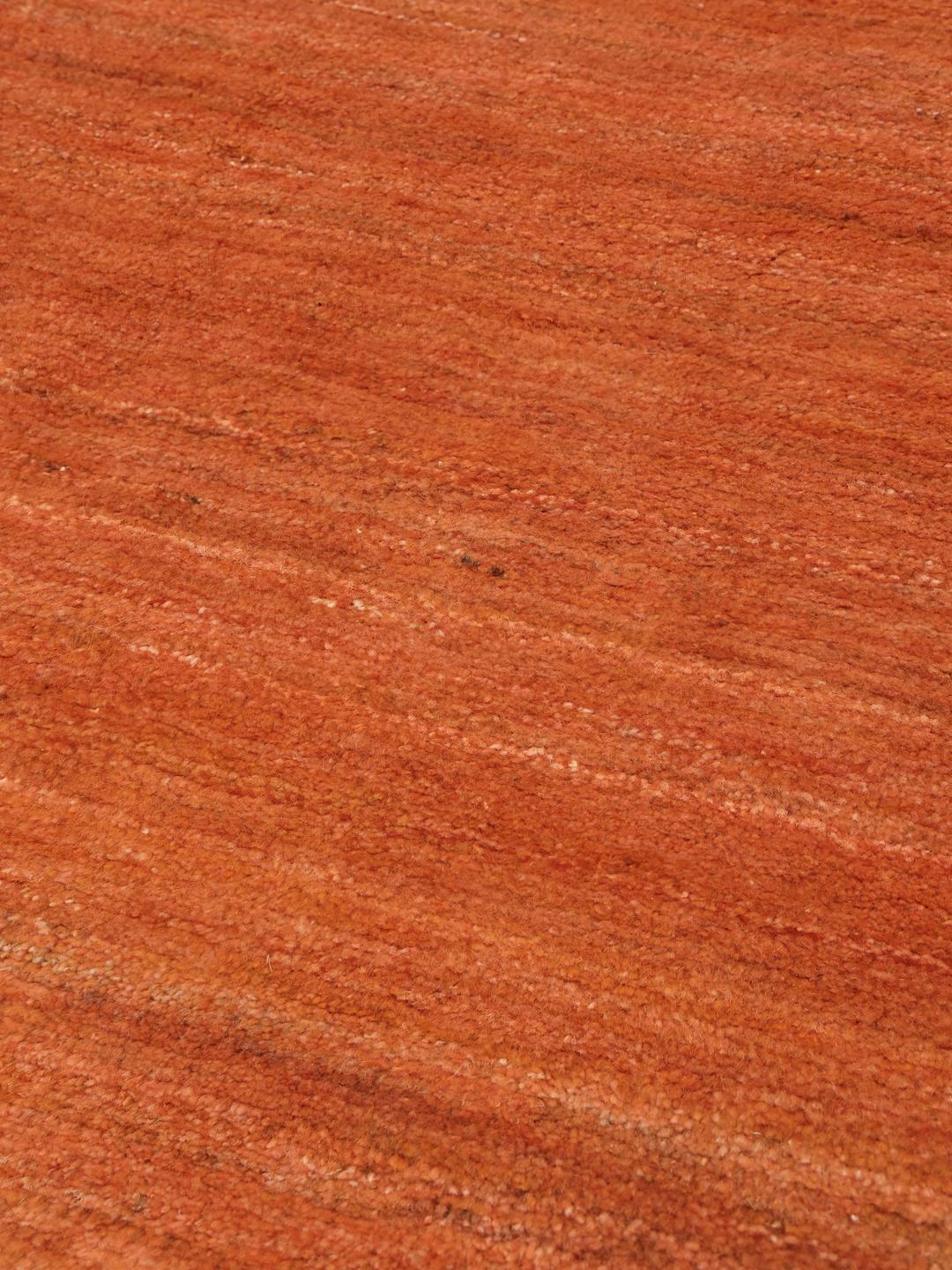
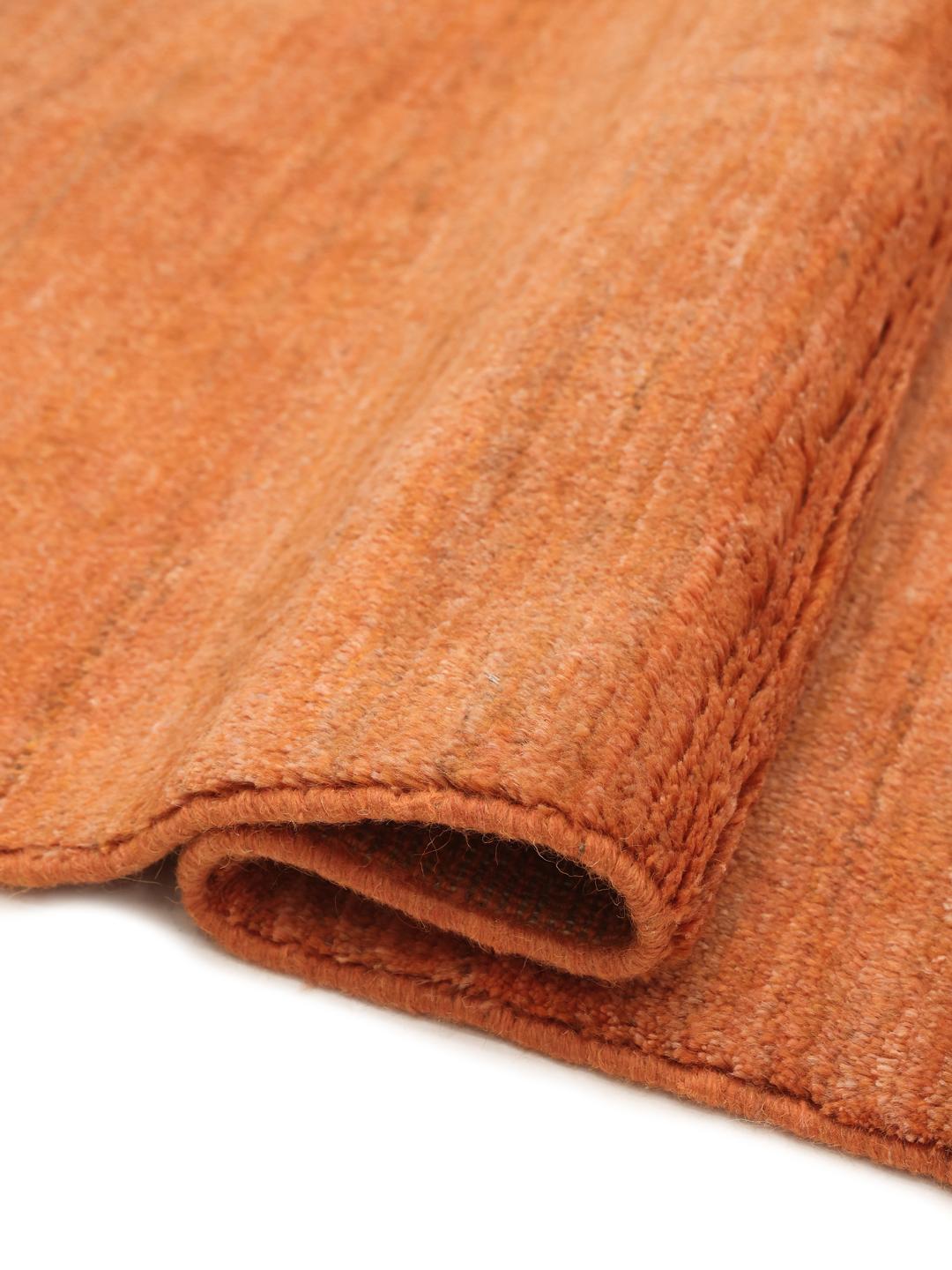
Visually, these rugs are defined by their minimalist approach, often focusing on solid fields of colour or simple geometric shapes. The colours are traditionally derived from natural dyes found in the local environment, such as roots, leaves, and bark, which create the deep, earthy tones that remain a hallmark of the style today.
Today, these rugs are highly sought after by collectors who value their artistic freedom and the human story behind every knot. Owning a Gabbeh is not just about having a rug, but about preserving a piece of cultural history that celebrates the skill of the weaver and the beauty of natural materials.