Gabbeh rugs originate from the nomadic tribes of the Middle East, particularly among the Qashqai people who traditionally wove these pieces for their own personal use. Unlike more formal urban rugs, the Gabbeh was designed as a heavy, warm floor covering meant to provide comfort in harsh, mountainous environments. Over time, these rugs have evolved from functional necessities into highly sought-after decorative items known for their artistic simplicity.
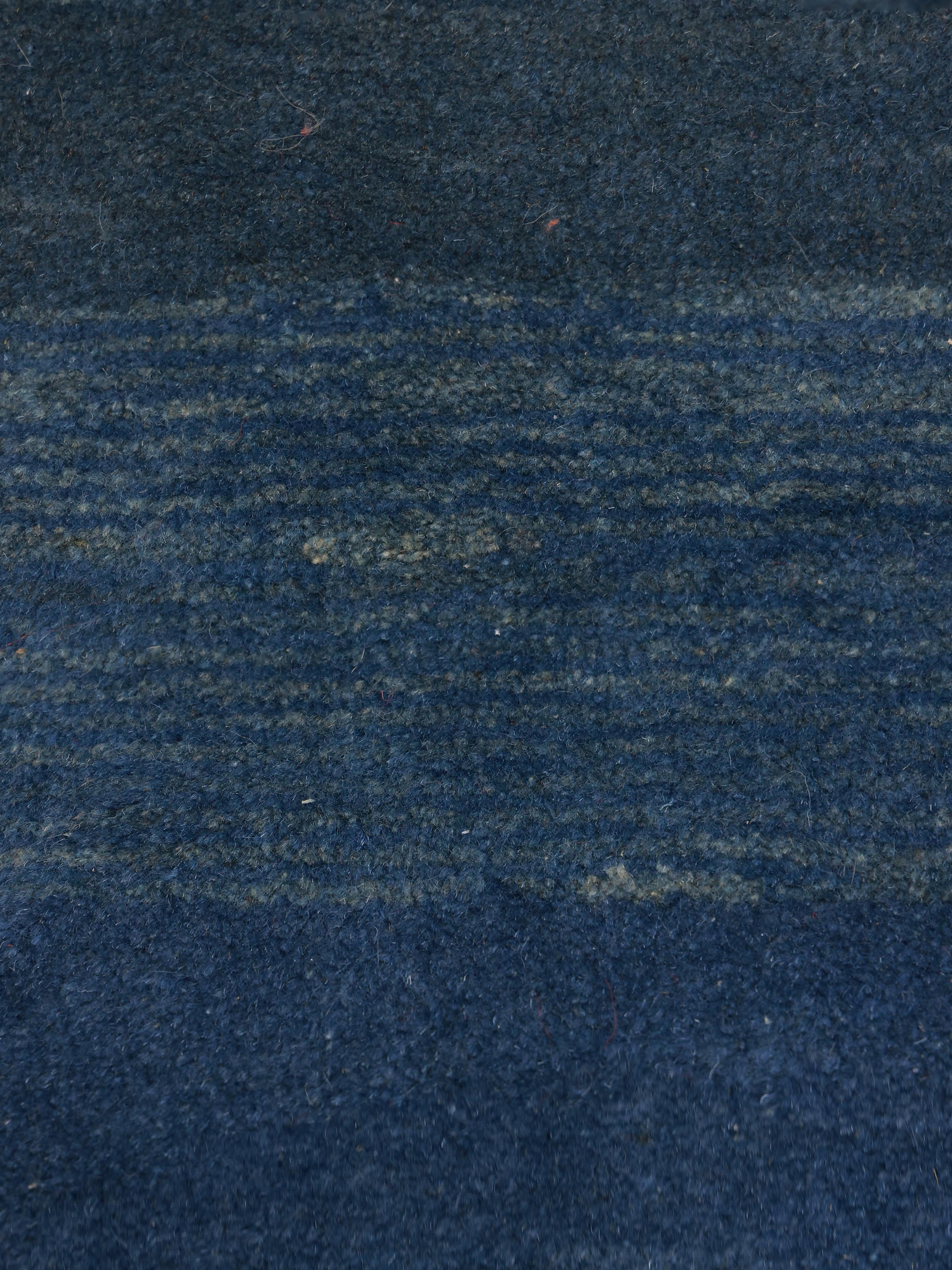
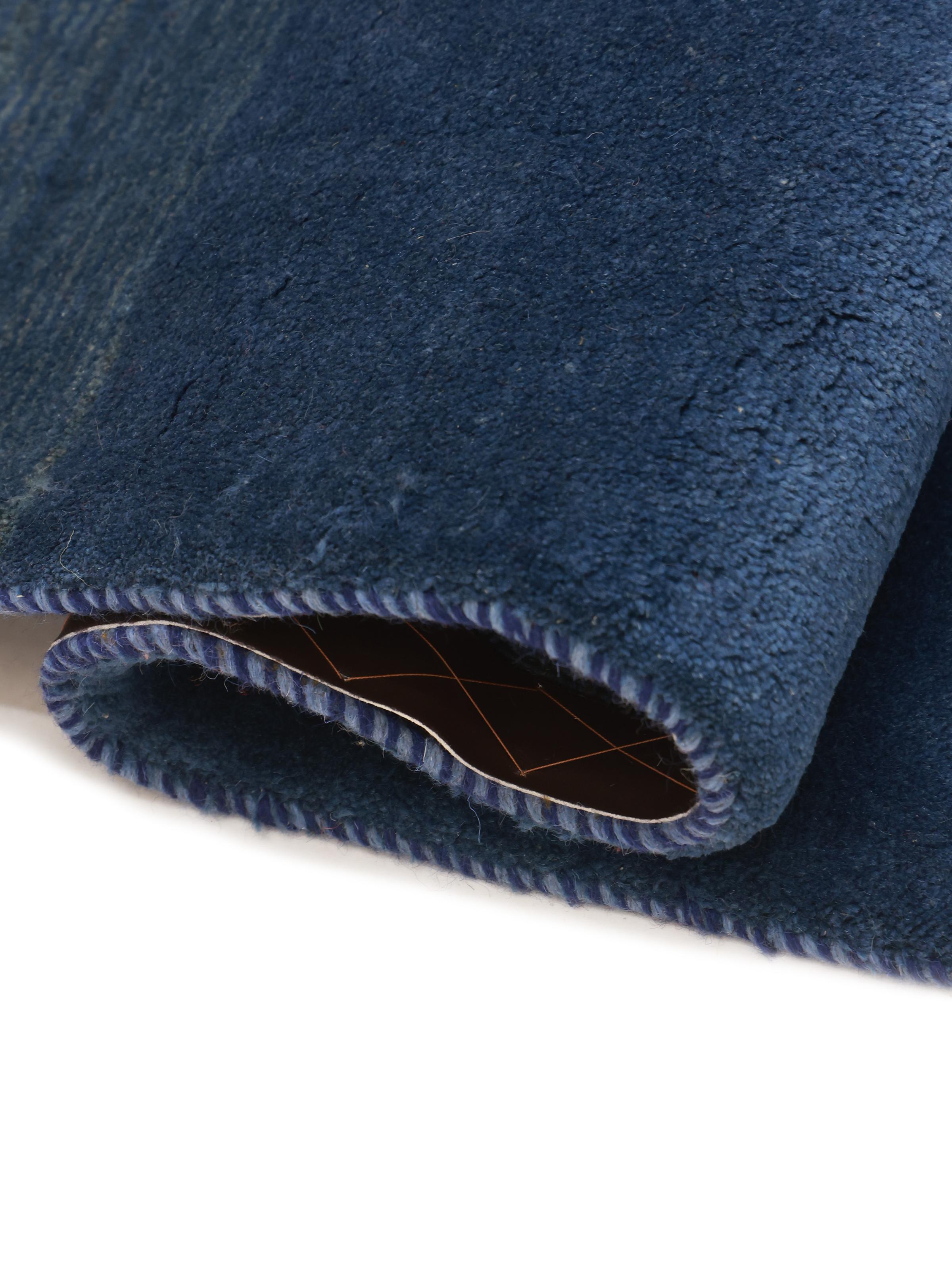
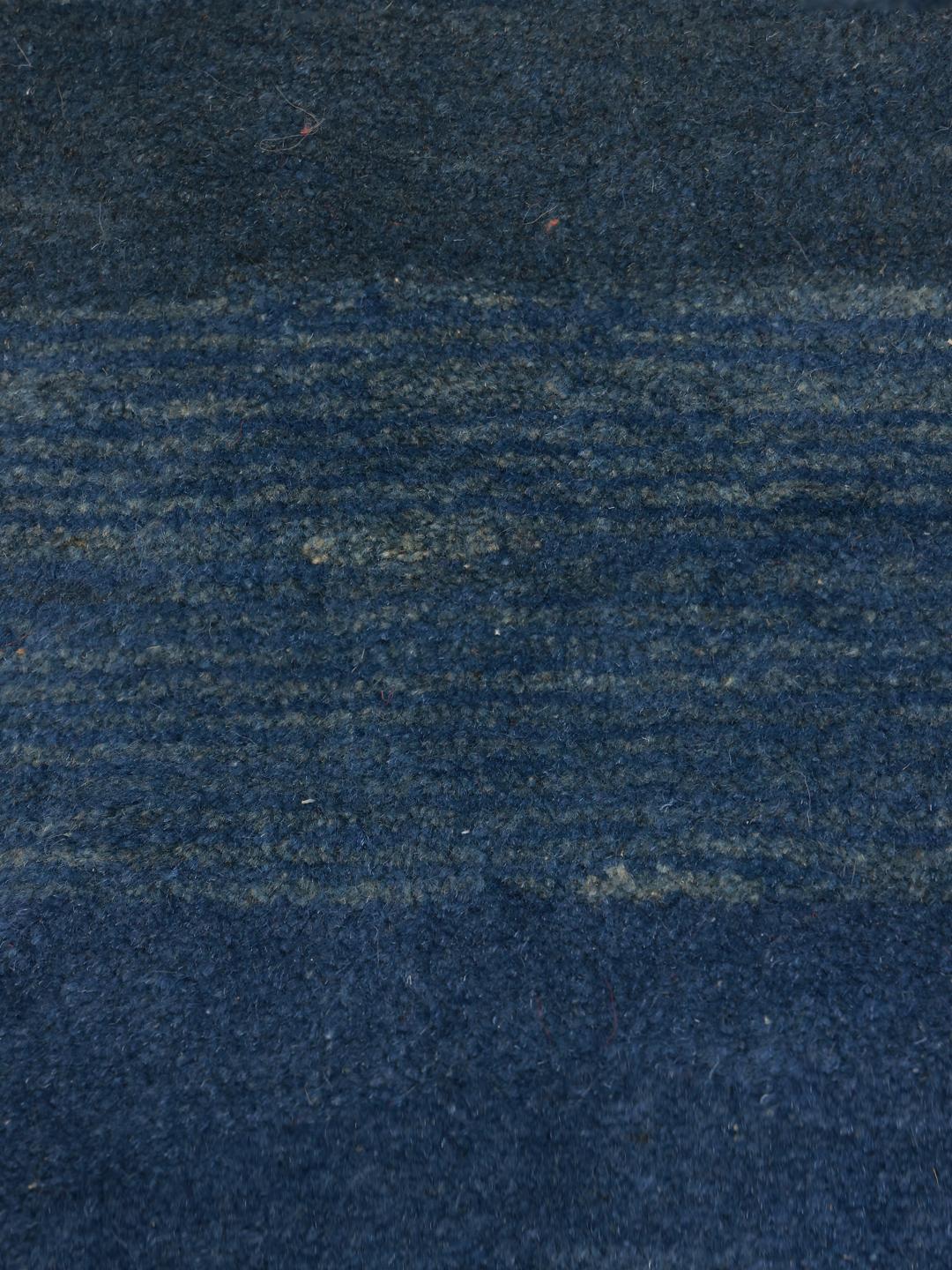
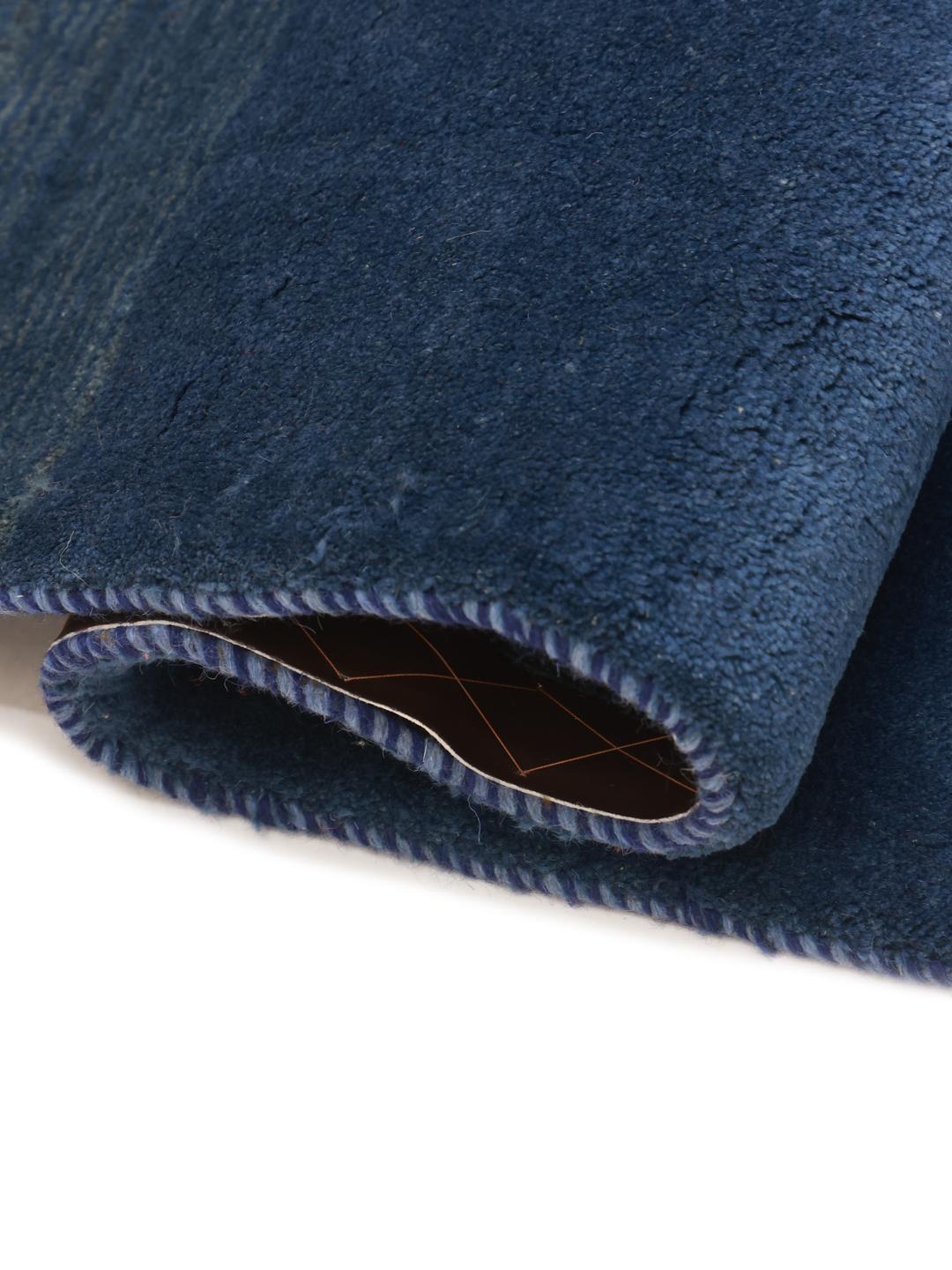
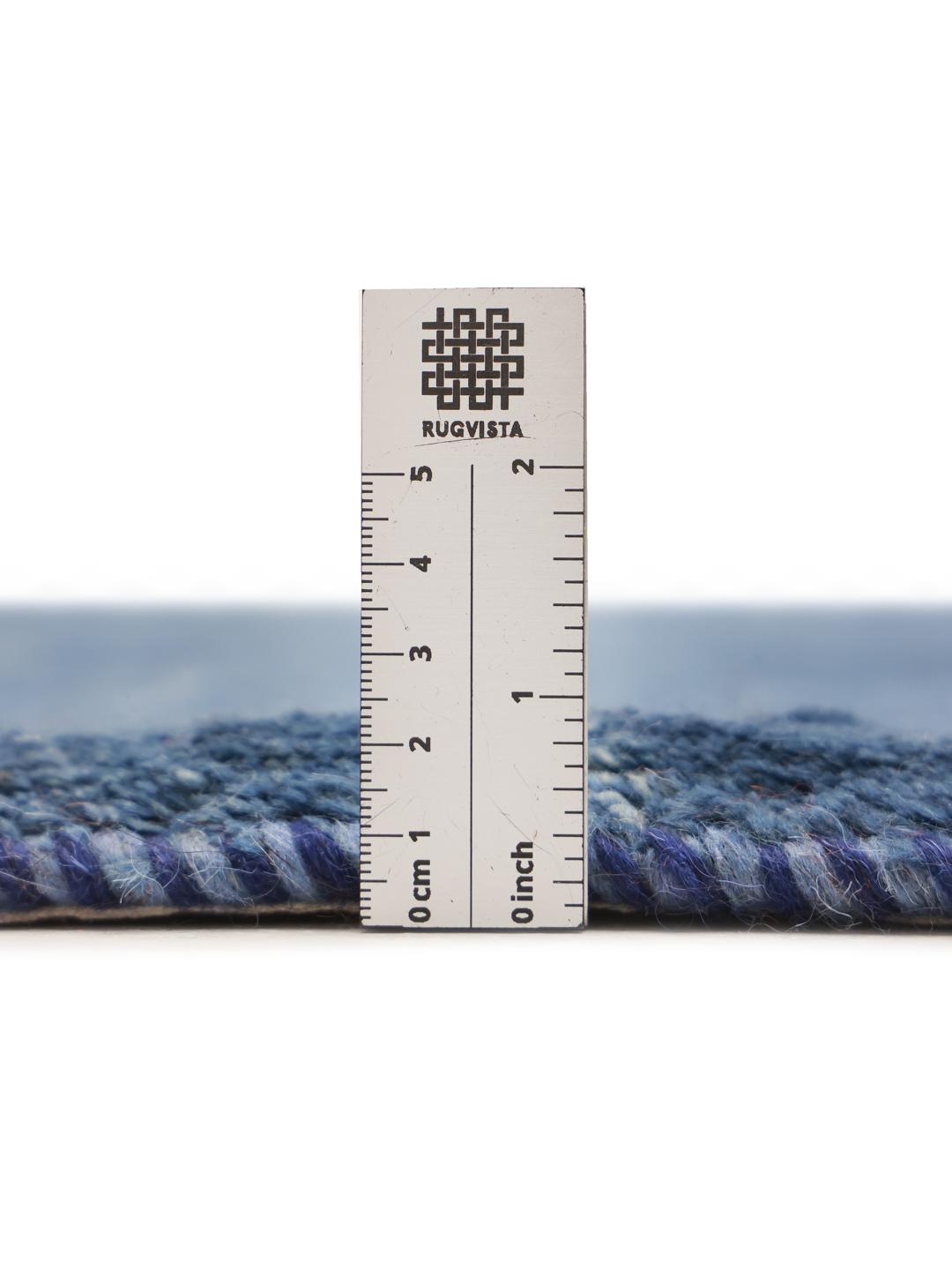
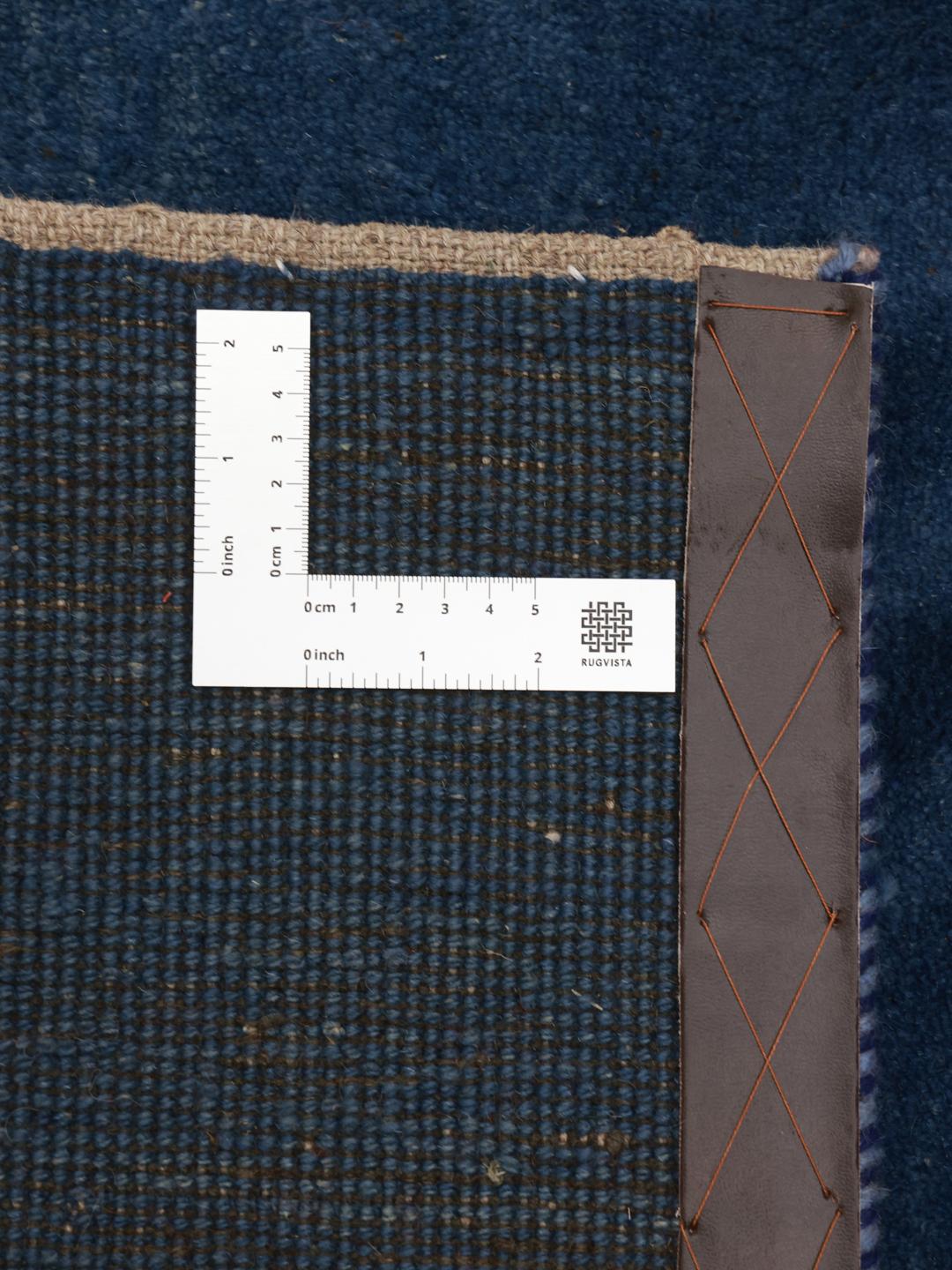
The term 'Gabbeh' itself translates roughly to 'raw' or 'natural', reflecting the straightforward approach to their creation. These rugs are known for their thicker, softer pile compared to other styles, which is achieved by using a looser knotting technique and high-quality, hand-spun wool. This construction method creates a rug that is both incredibly soft and remarkably resilient, making it a favourite for those who value both form and function.
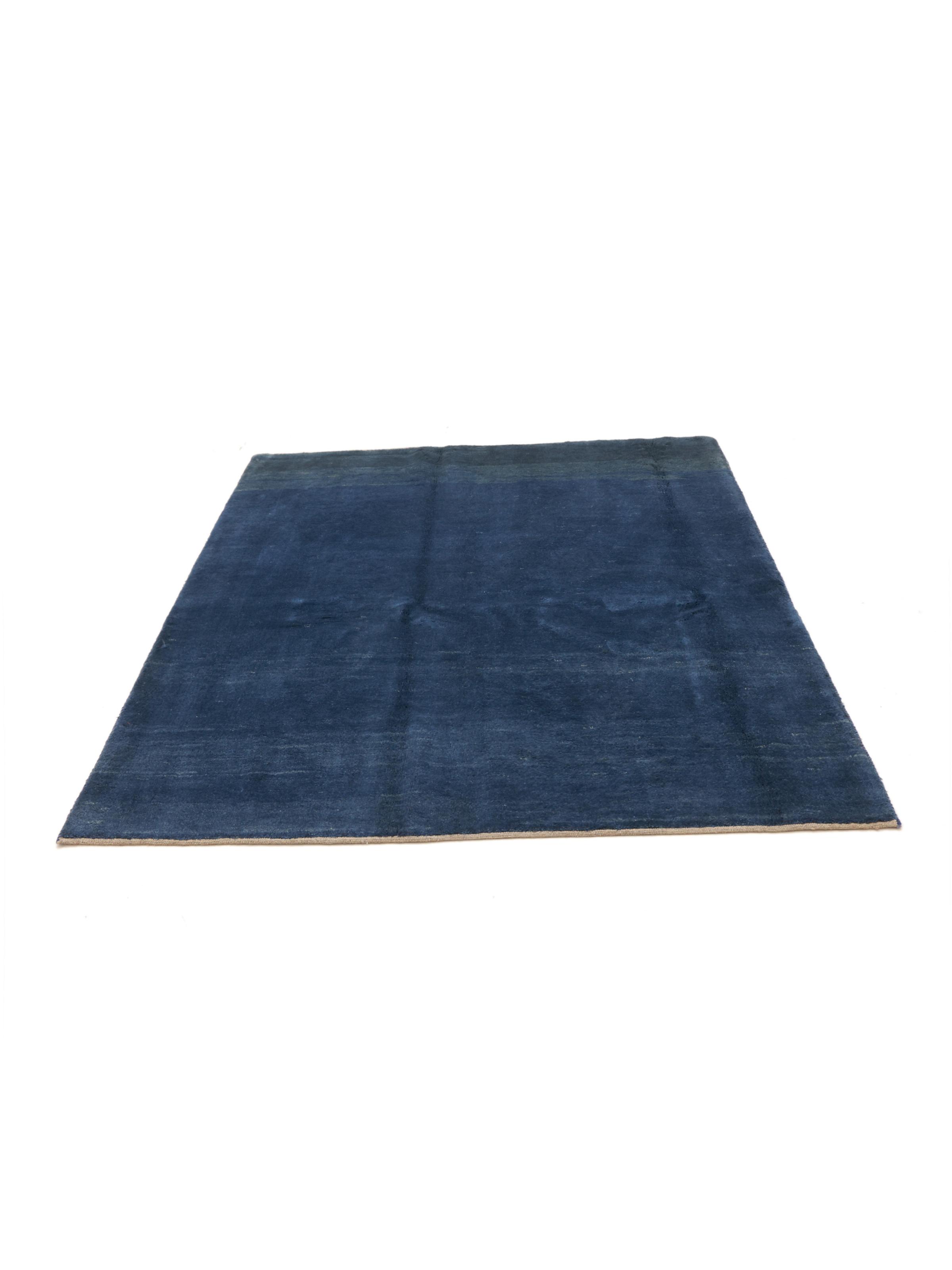
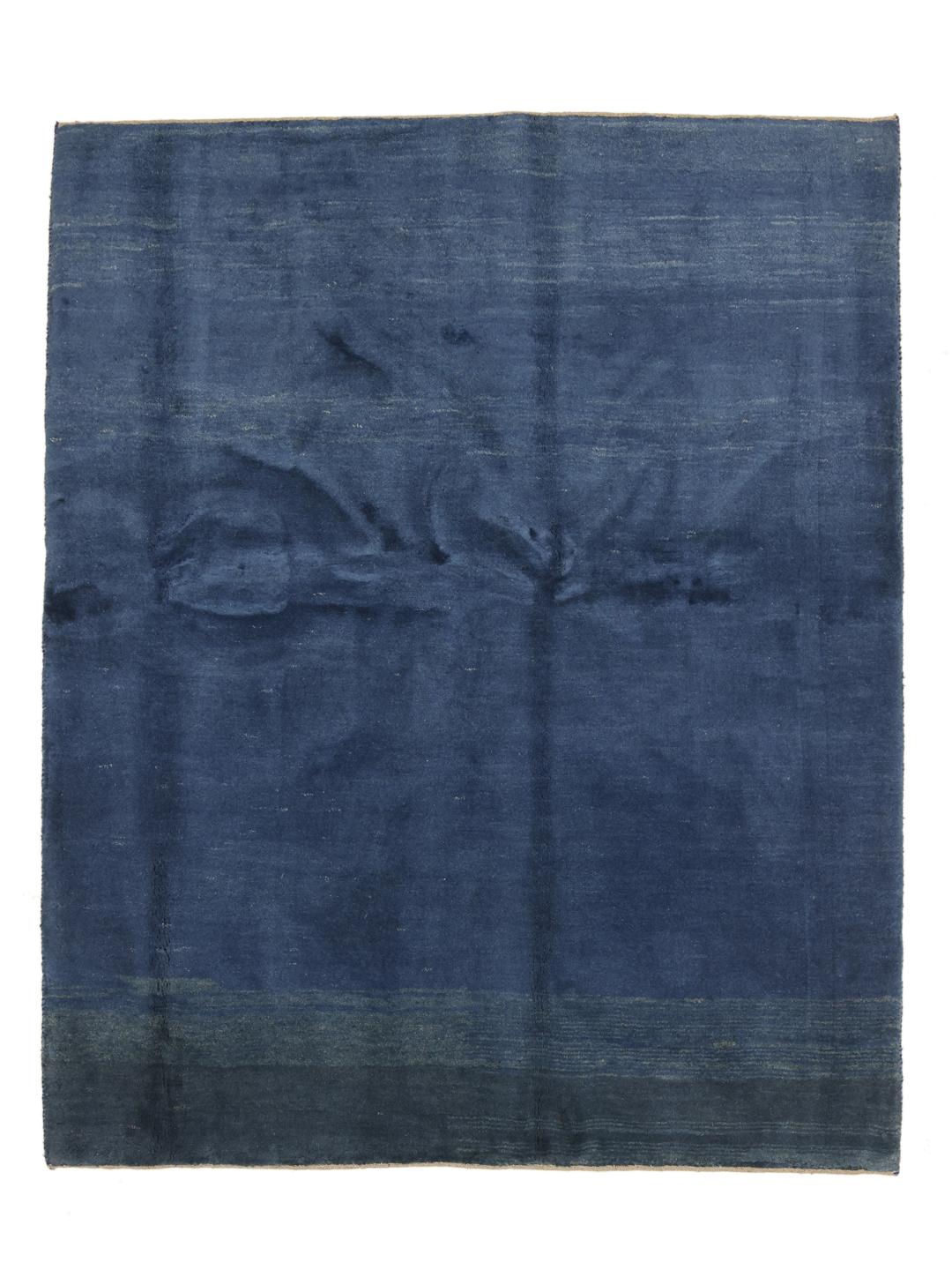
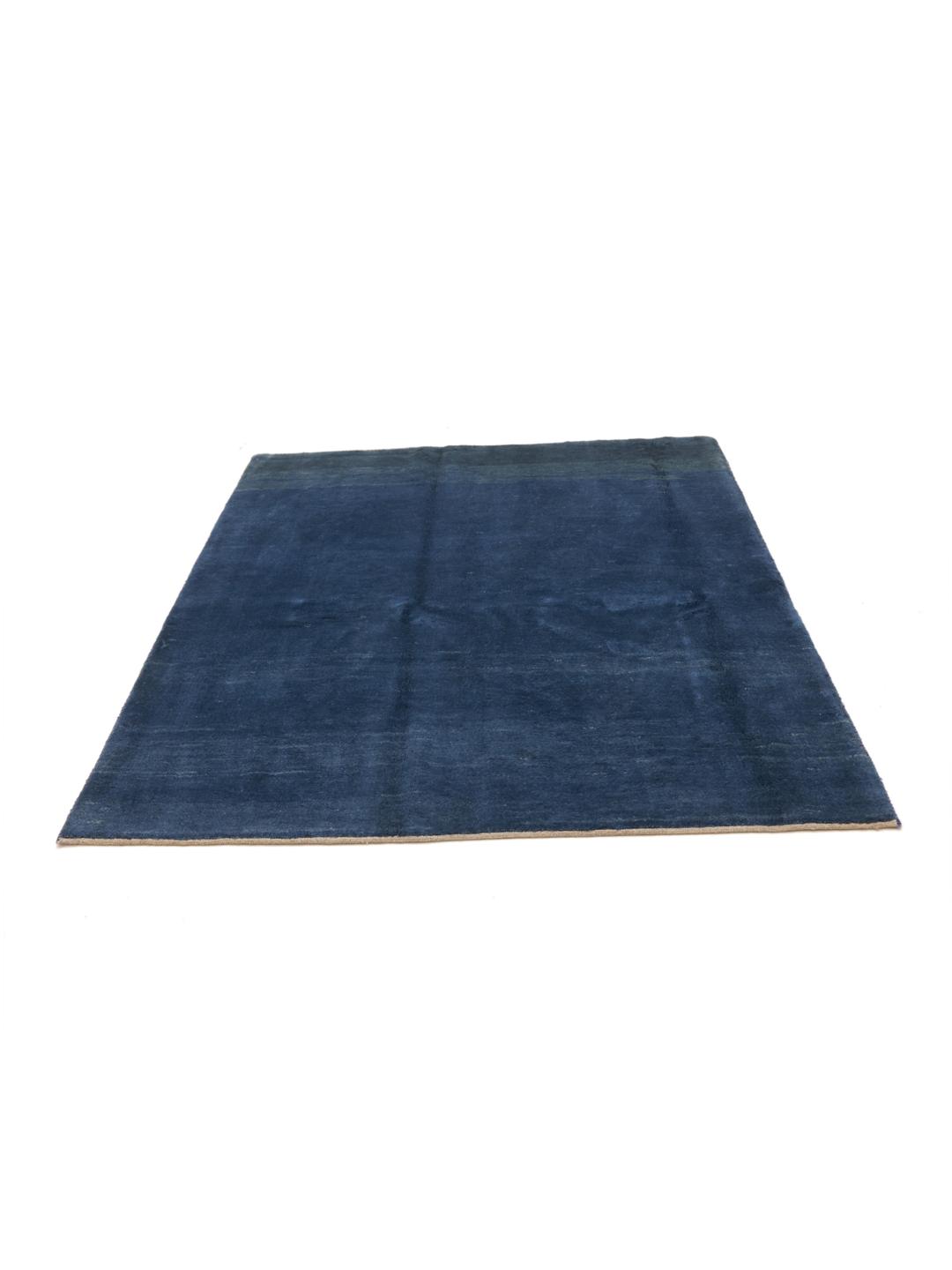
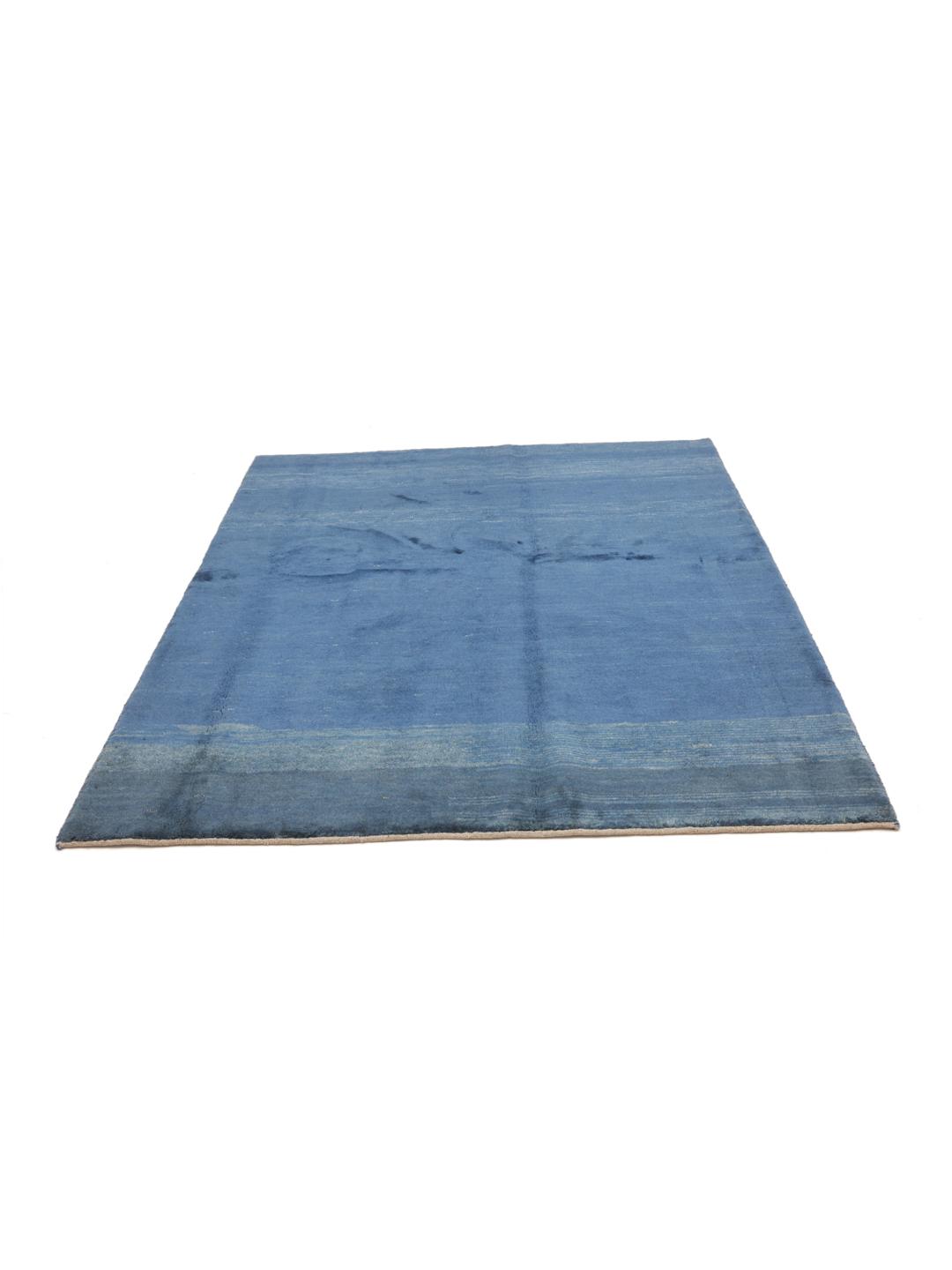
Visually, traditional Gabbeh rugs are celebrated for their minimal, abstract designs. While many incorporate small, playful tribal motifs or geometric shapes, this particular piece highlights the beauty of colour through a sophisticated, almost monochromatic blue field. This style allows the natural variations in the dyed wool to shine, creating a subtle depth and movement that is often lost in more complex, pattern-heavy rugs.
Collecting a Gabbeh is an act of preserving a nomadic legacy. These rugs are not just floor coverings but expressions of the weaver's environment, mood, and cultural heritage. Owning one means connecting to a tradition of skilled craftsmanship that prioritises the natural quality of the materials and the patience of the human hand, resulting in a piece that brings both history and warmth into the modern home.