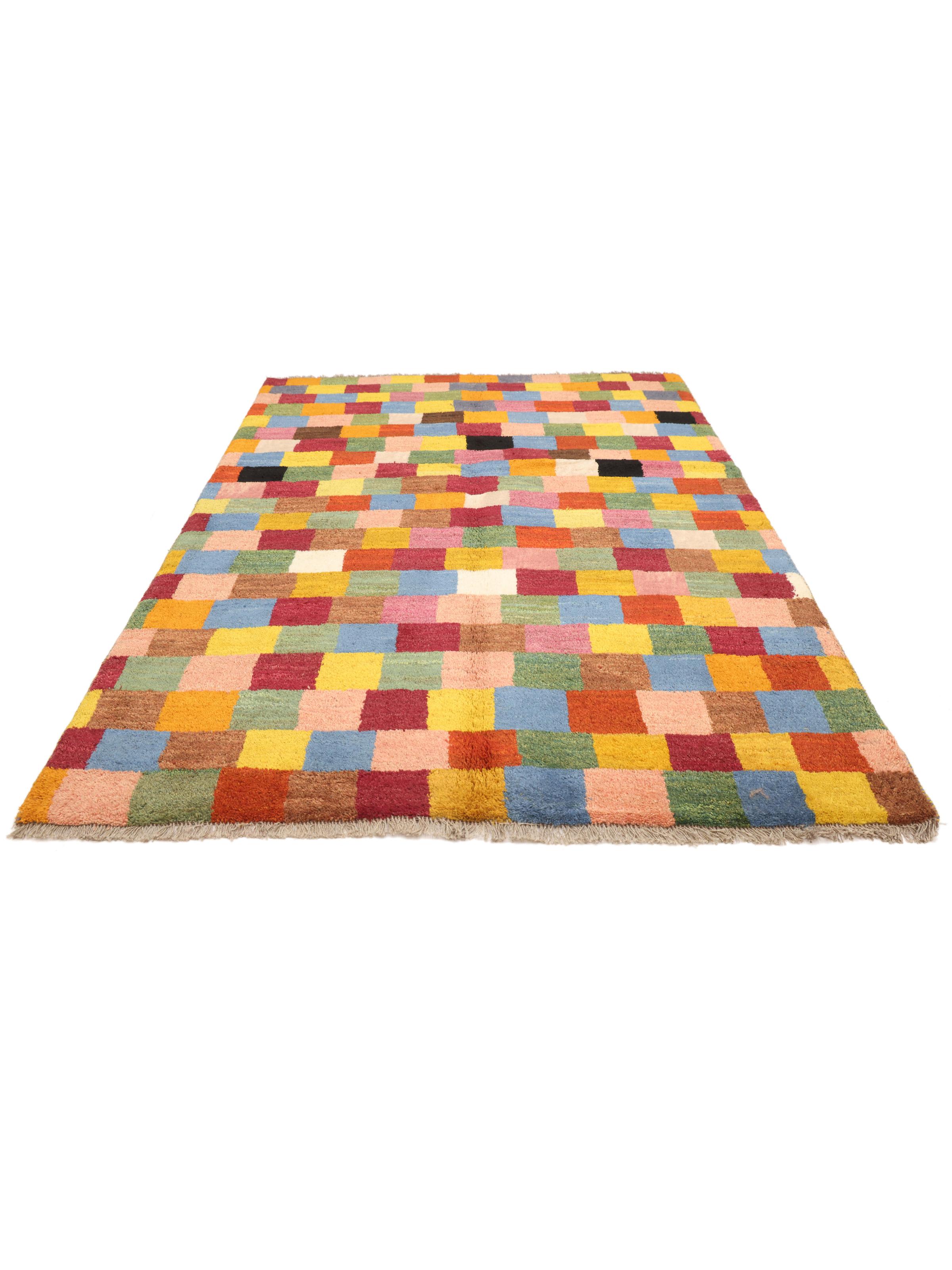
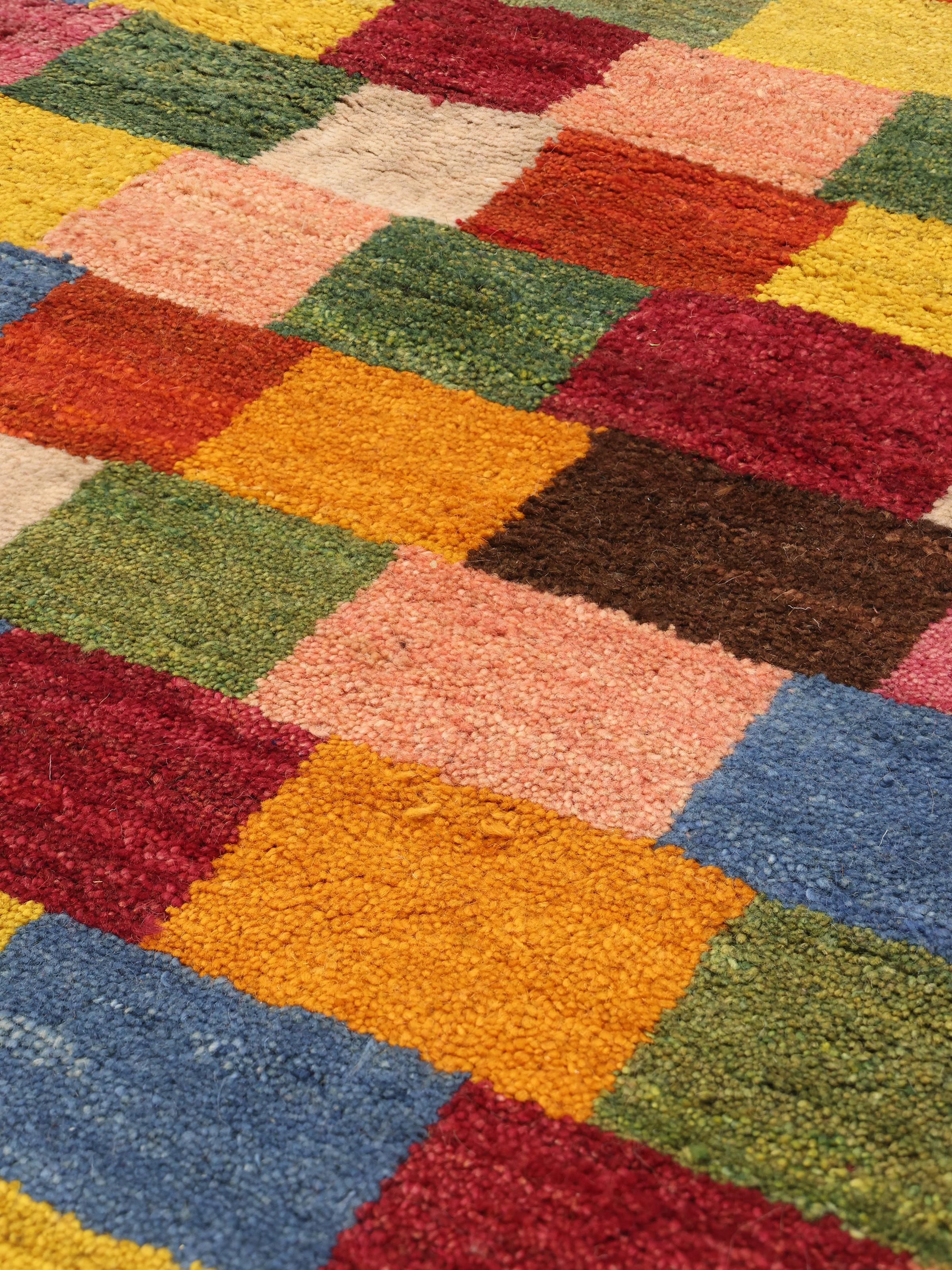
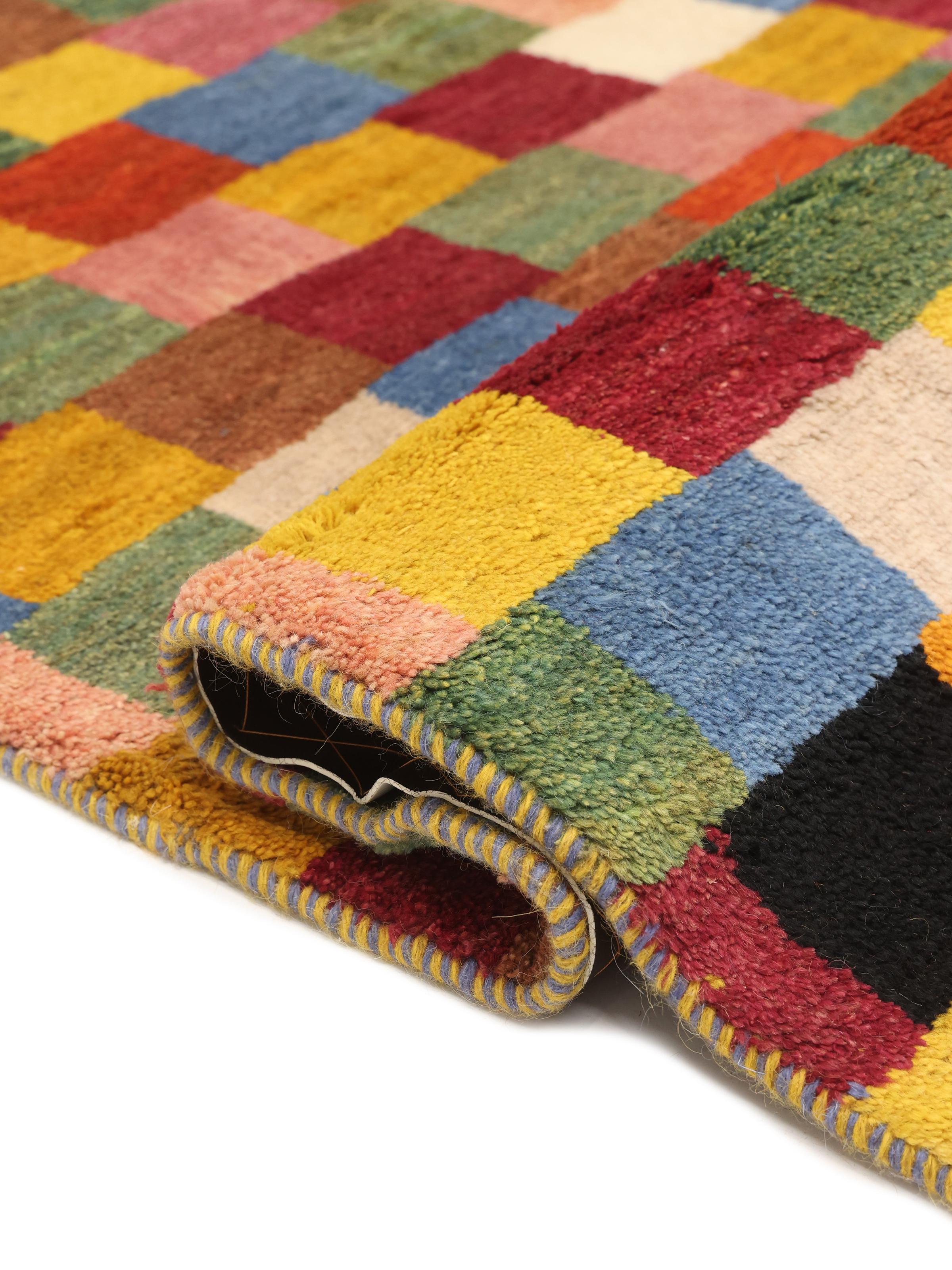
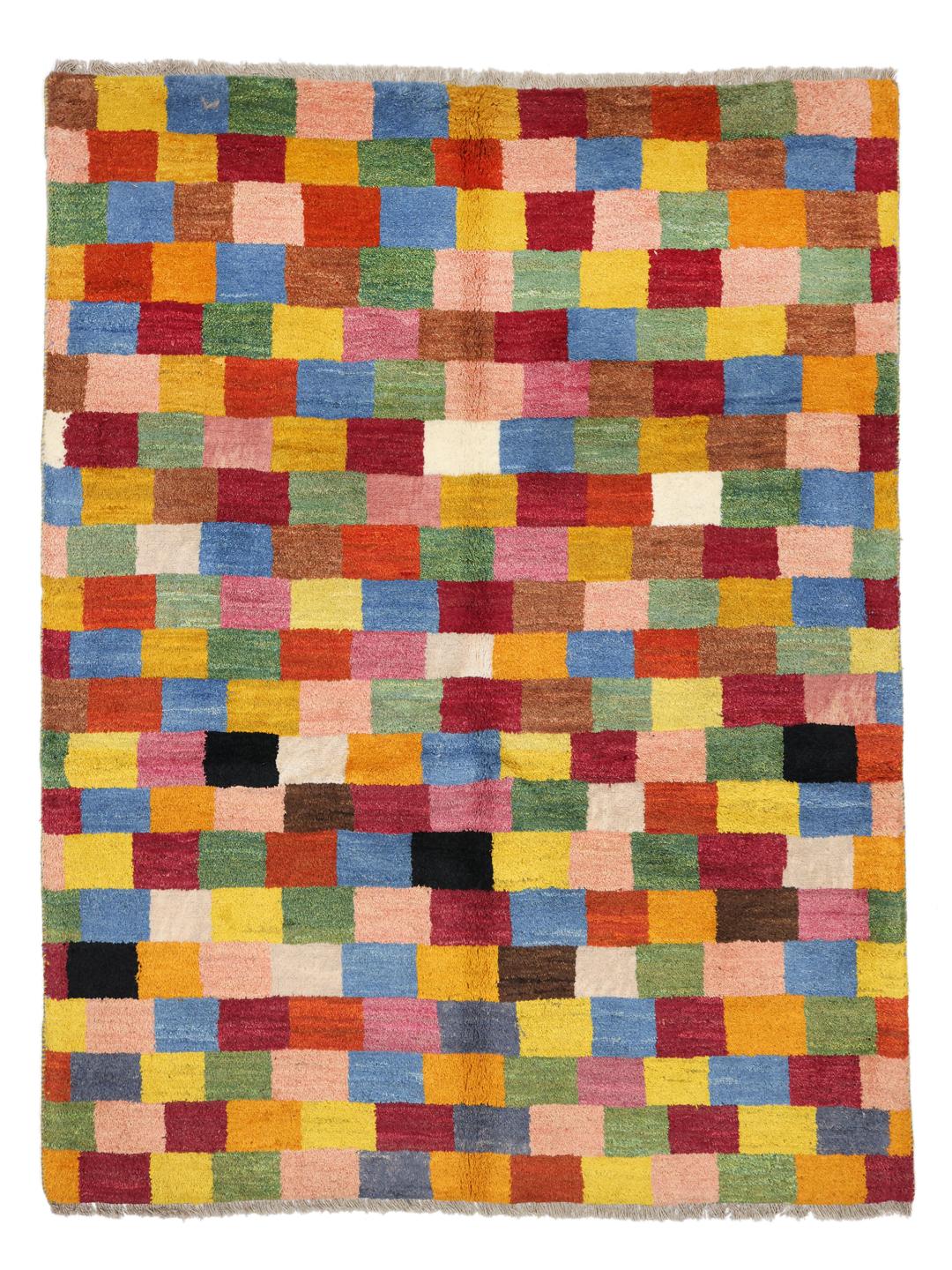
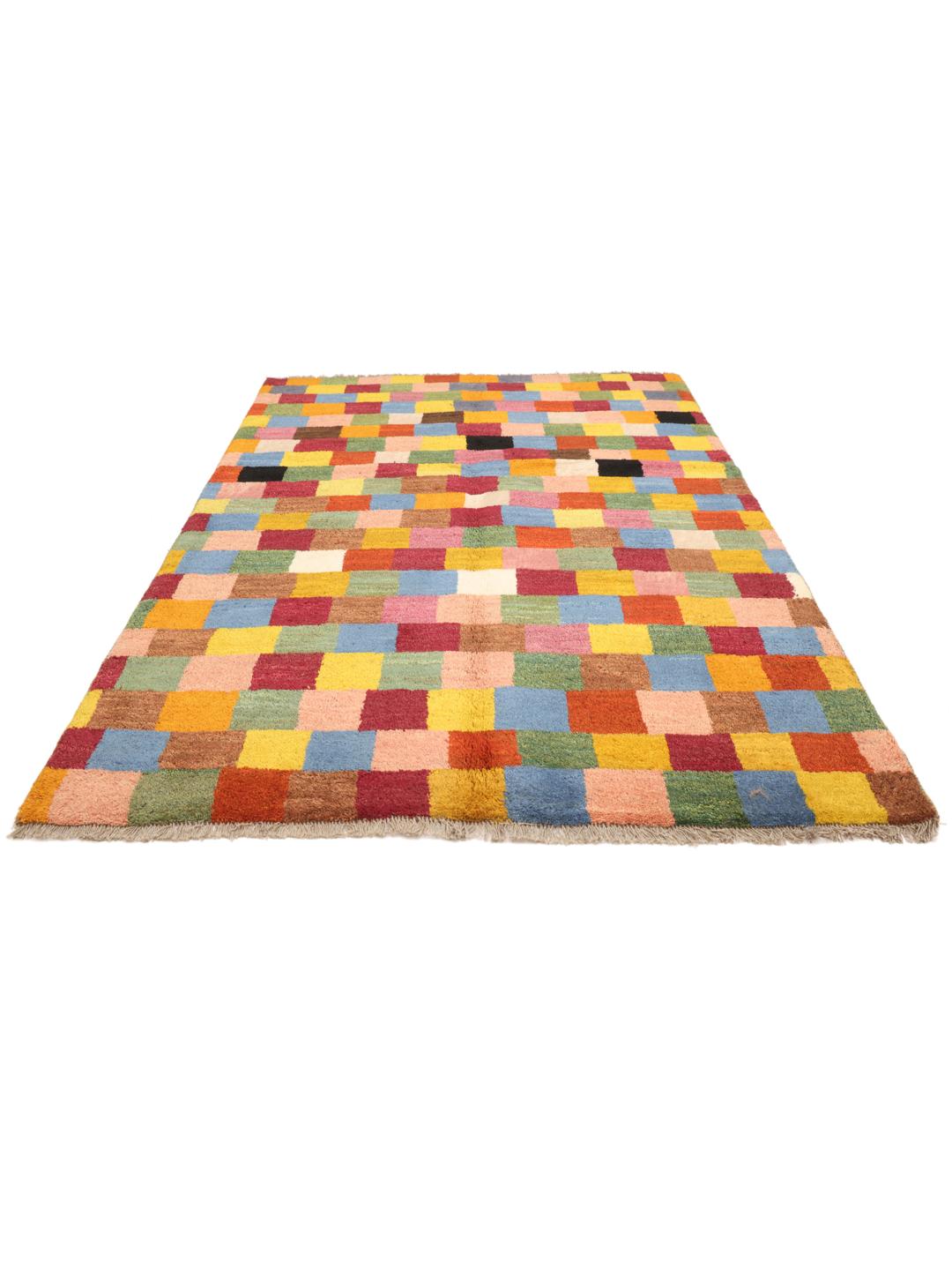
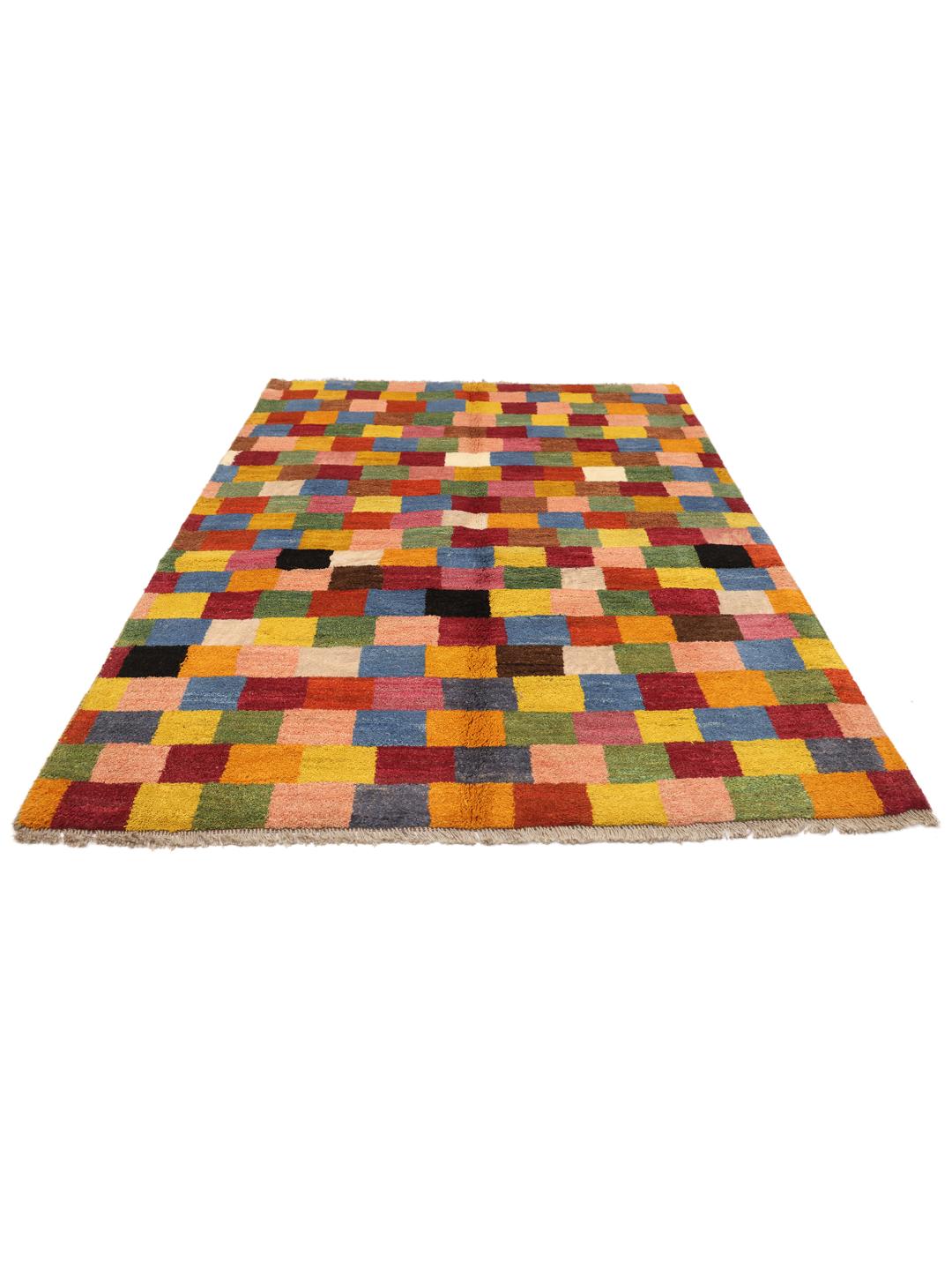
Shabargan rugs are part of a celebrated tradition of weaving that originates from the northern regions of the Middle East. These rugs are deeply connected to nomadic cultures, where weaving was not merely a task but a way of life, allowing families to document their experiences, beliefs, and surroundings through colour and pattern. This specific category is known for its bold, expressive character that stands apart from more formal, court-style weaving traditions.
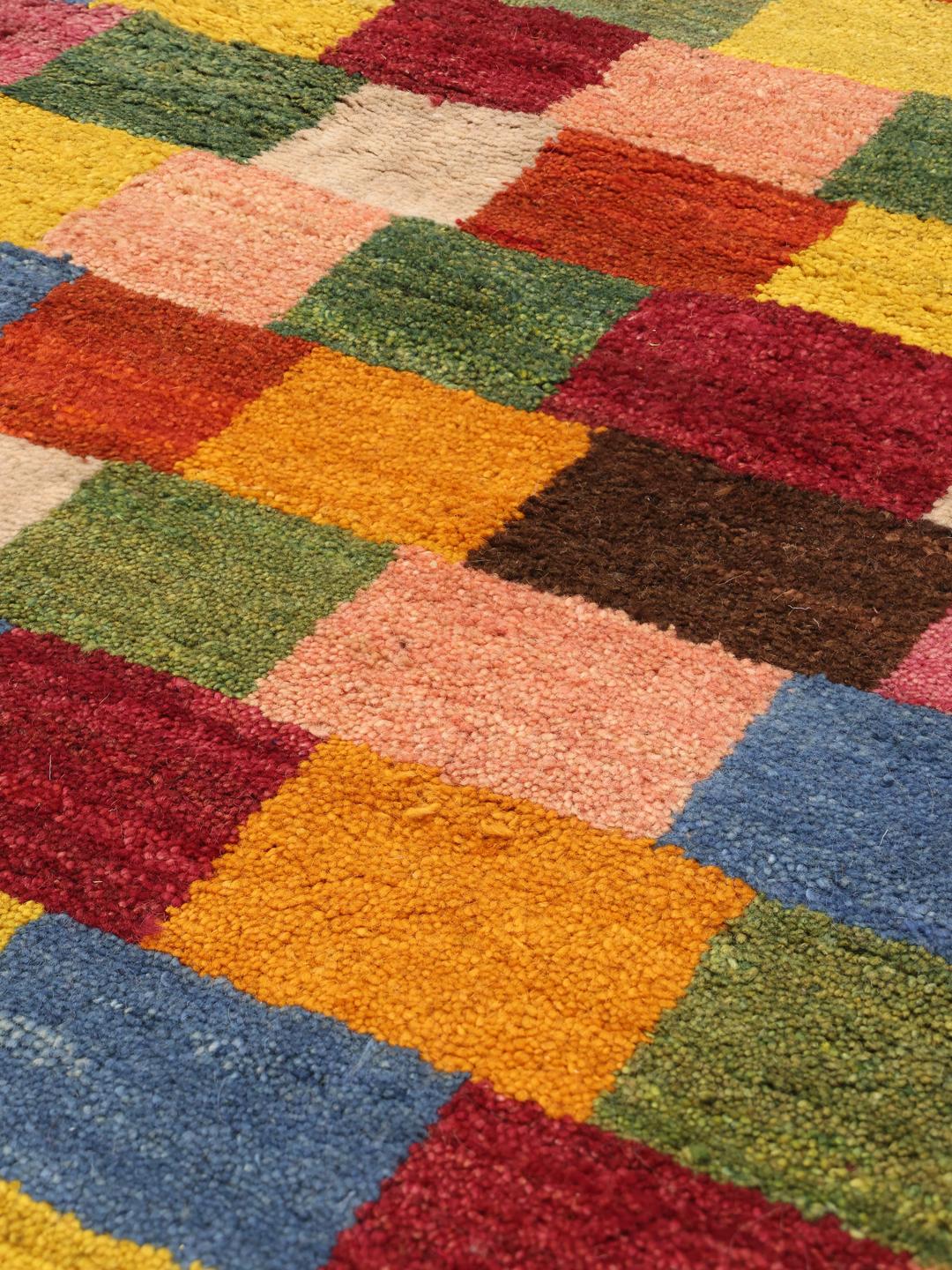
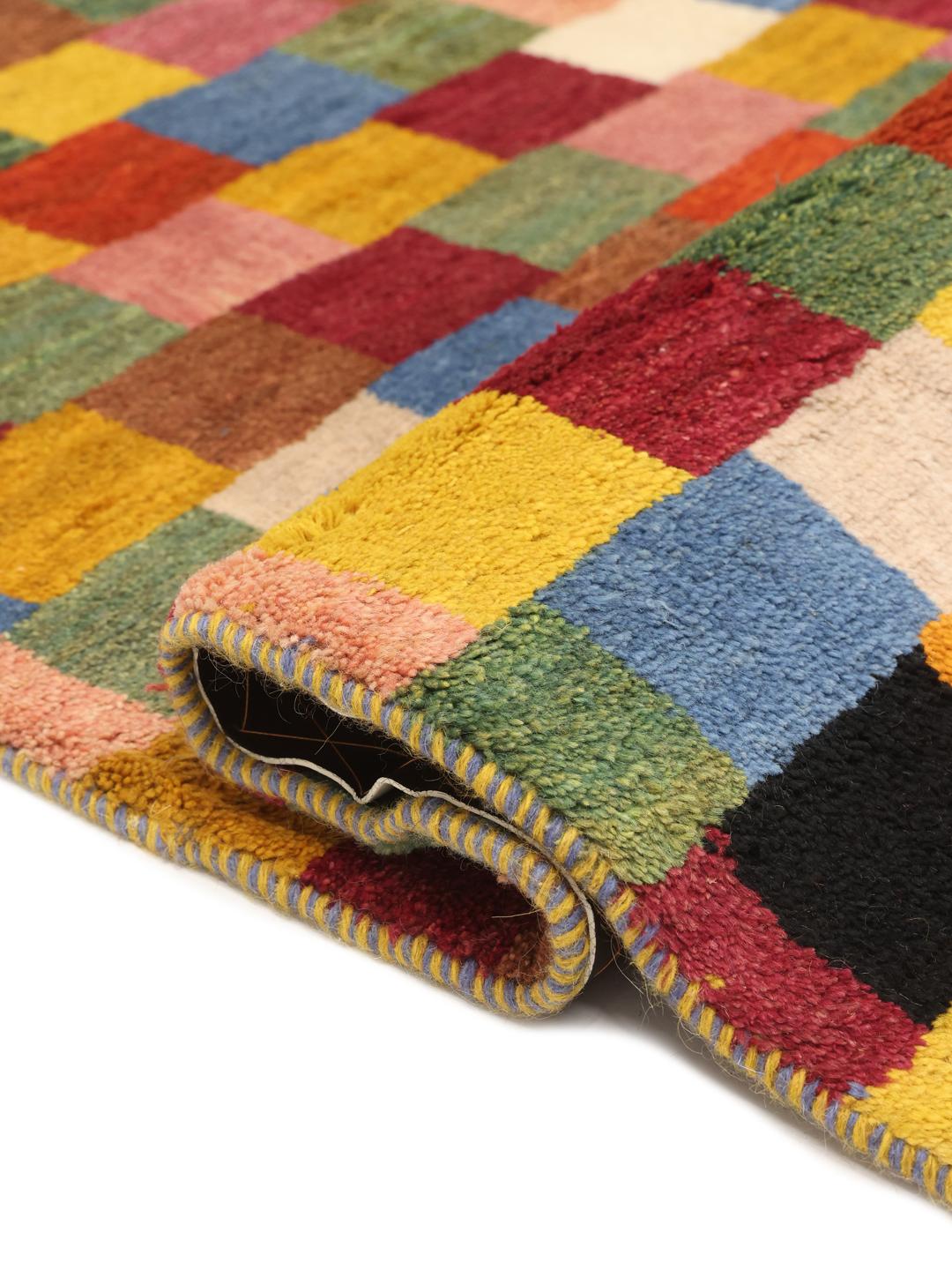
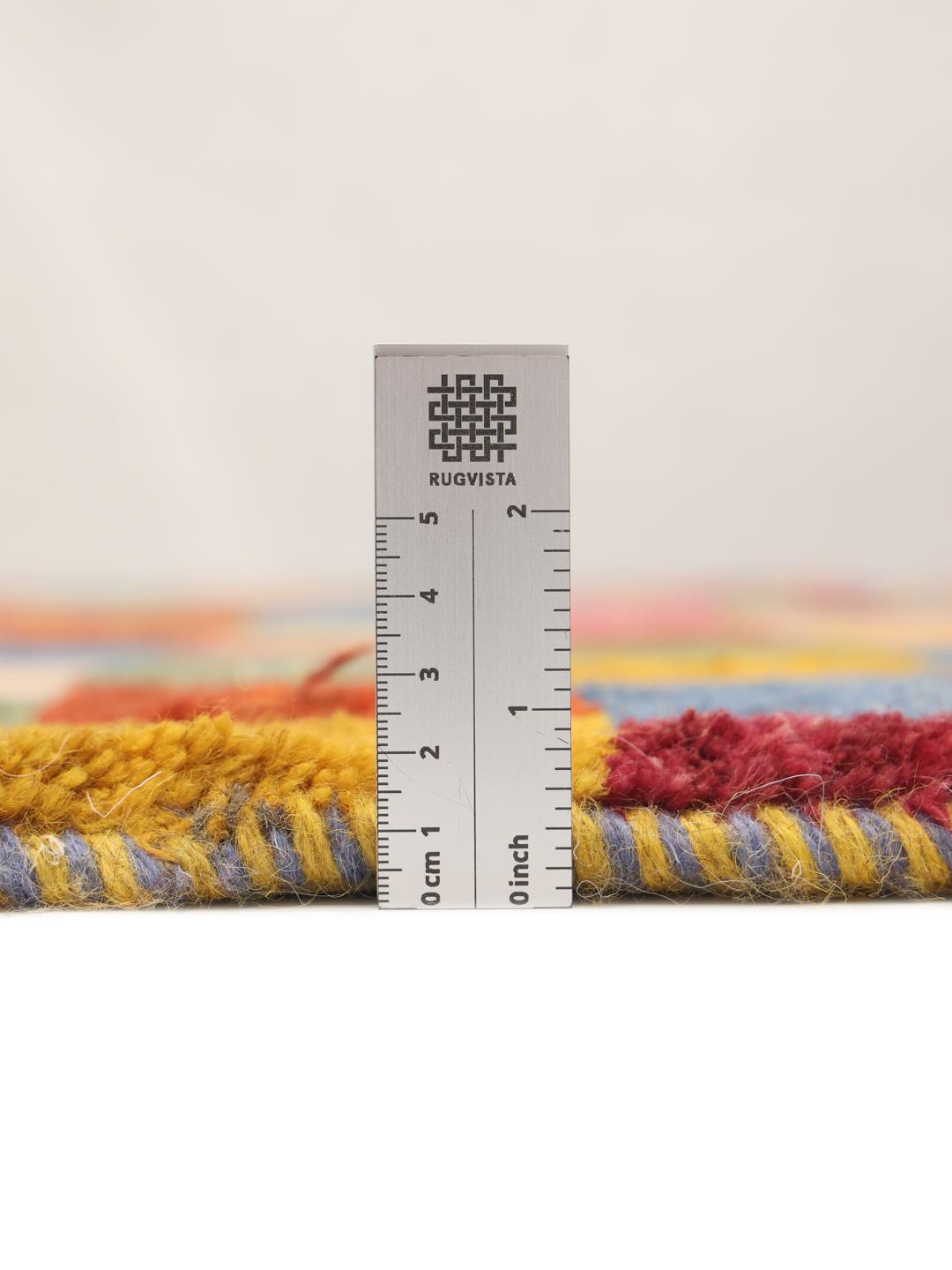
The term Gabbeh refers to a style of rug that is traditionally hand-woven with a thicker, more generous pile. These rugs were originally made for personal use by nomadic tribes, intended to provide warmth and comfort in the harsh, cold climates of the mountain regions. The focus has always been on the quality of the wool and the depth of the pile, which gives these pieces their characteristic softness and resilience.
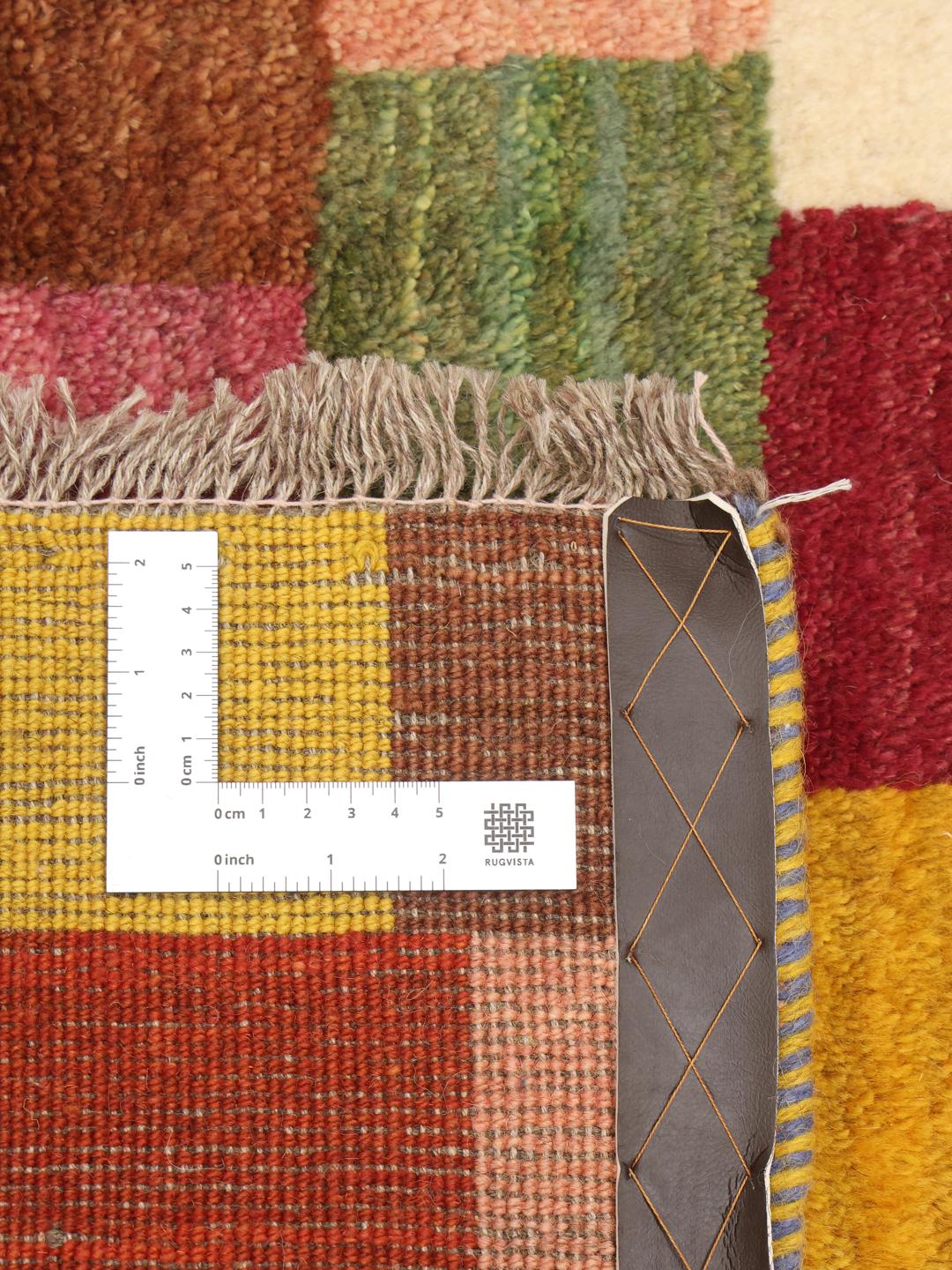
Visually, these rugs are defined by a sense of freedom and minimalism. While formal rugs often feature complex, curvilinear motifs, this style favours large, open spaces and geometric shapes like the checkerboard pattern seen here. The use of vibrant, often naturally derived pigments highlights the artistic intuition of the weaver, who creates designs that feel modern and fresh while being rooted in centuries-old techniques.
Collectors value these rugs for their authenticity and the human element present in every square. Owning a piece from this tradition means supporting a craft that has survived for generations, bridging the gap between ancient nomadic lifestyles and contemporary home design. It is a piece of cultural heritage that brings a grounded, honest beauty to any space, making it a significant addition for those who appreciate skill and storytelling.