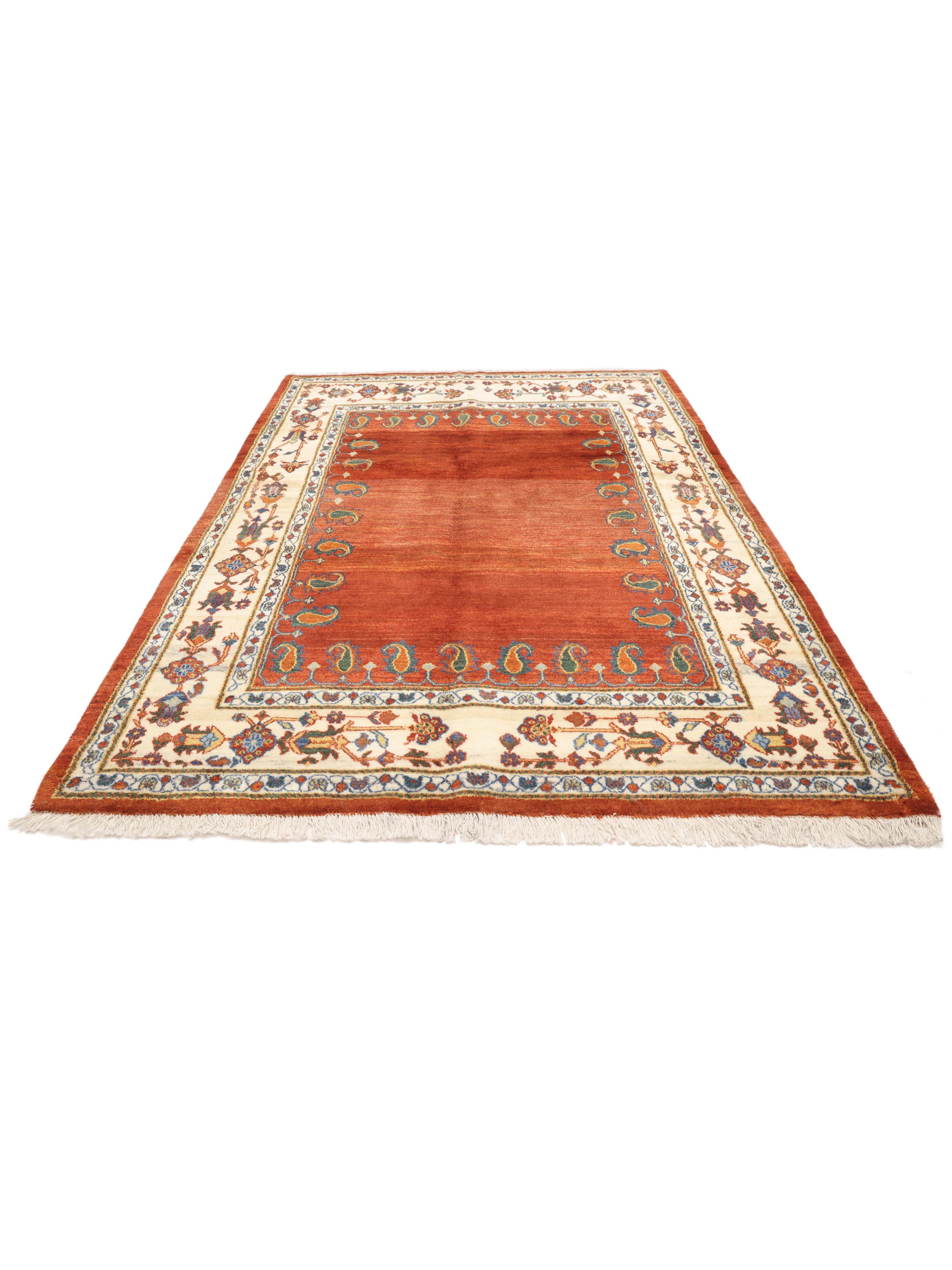
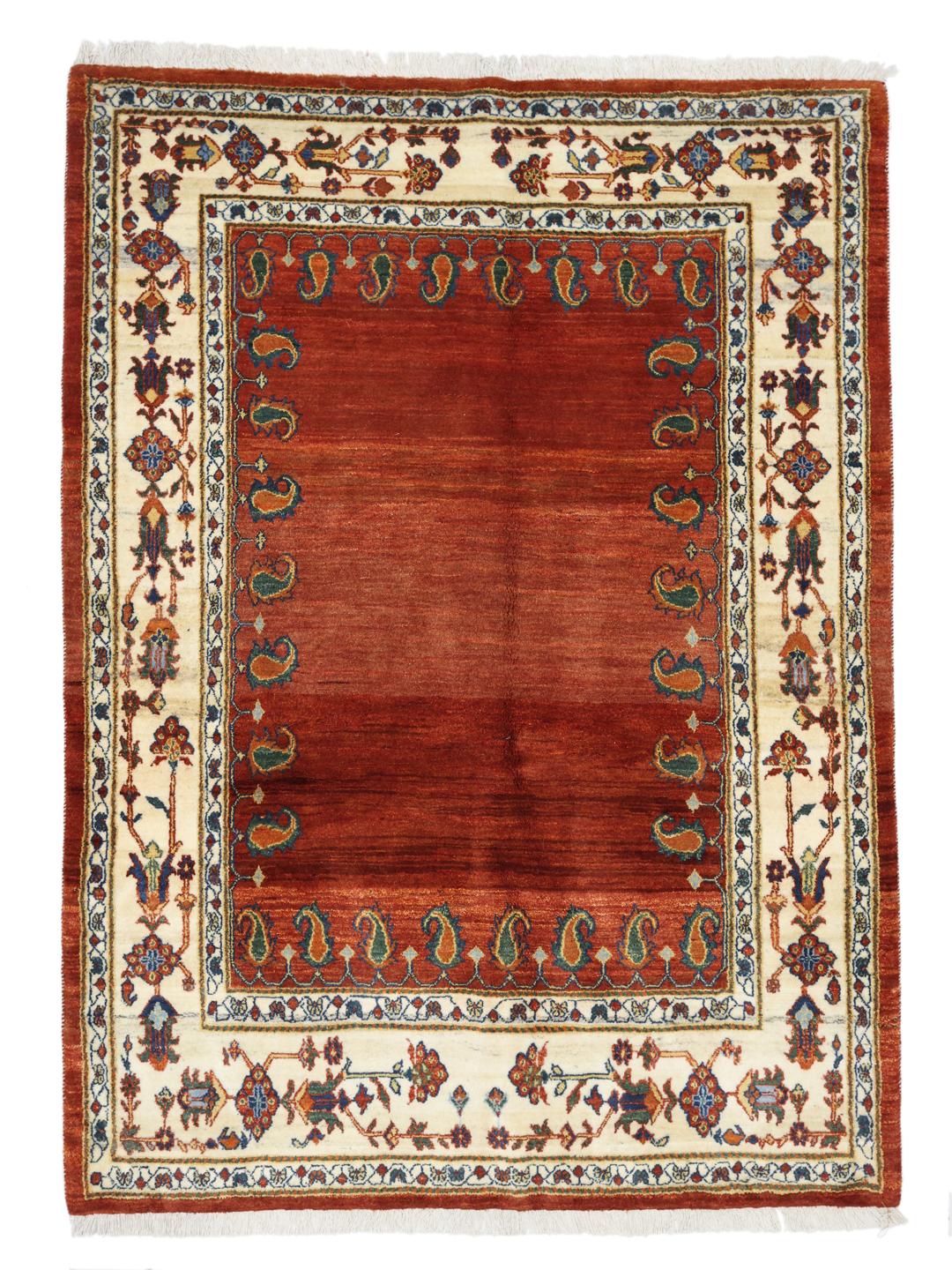
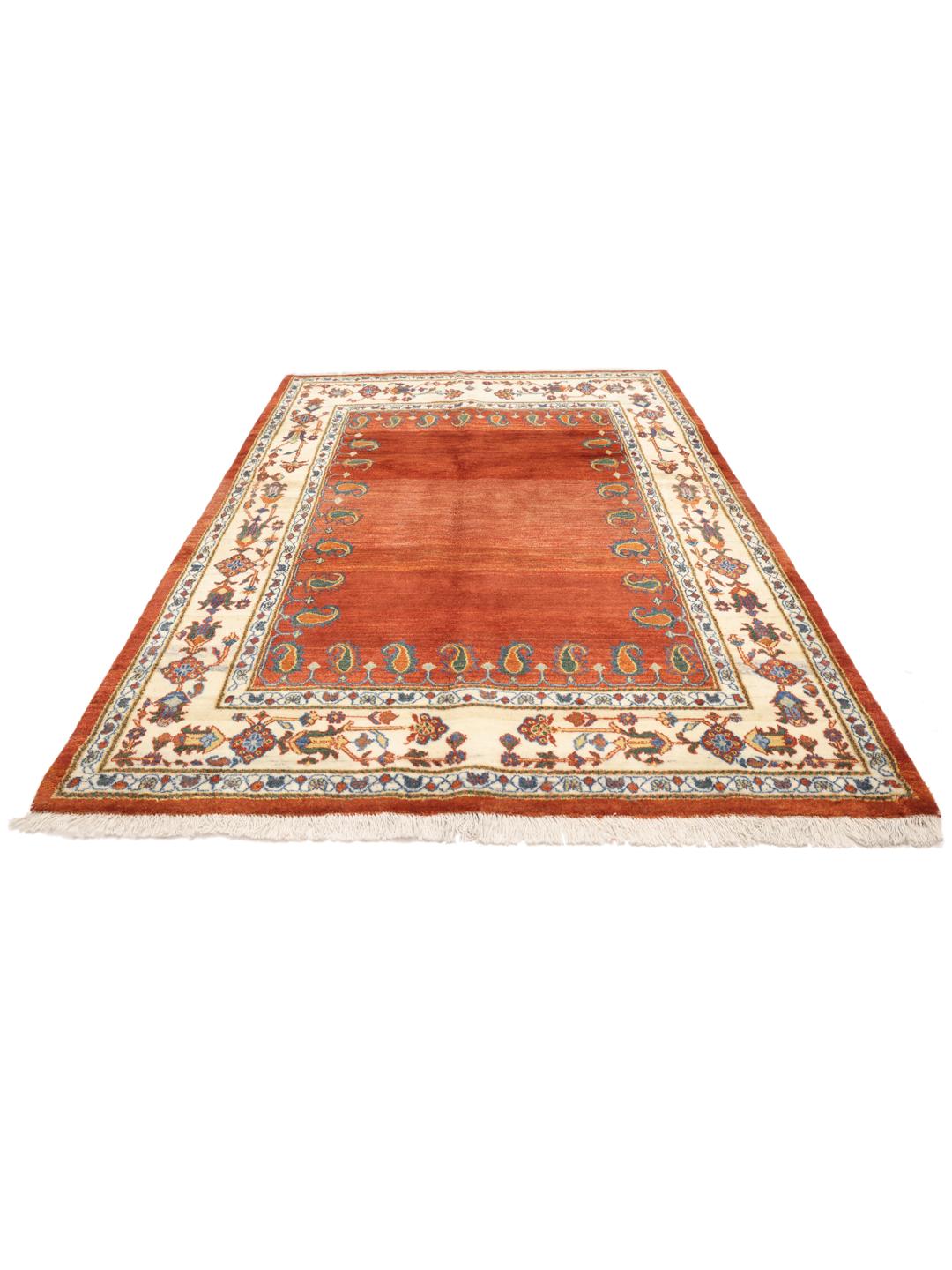
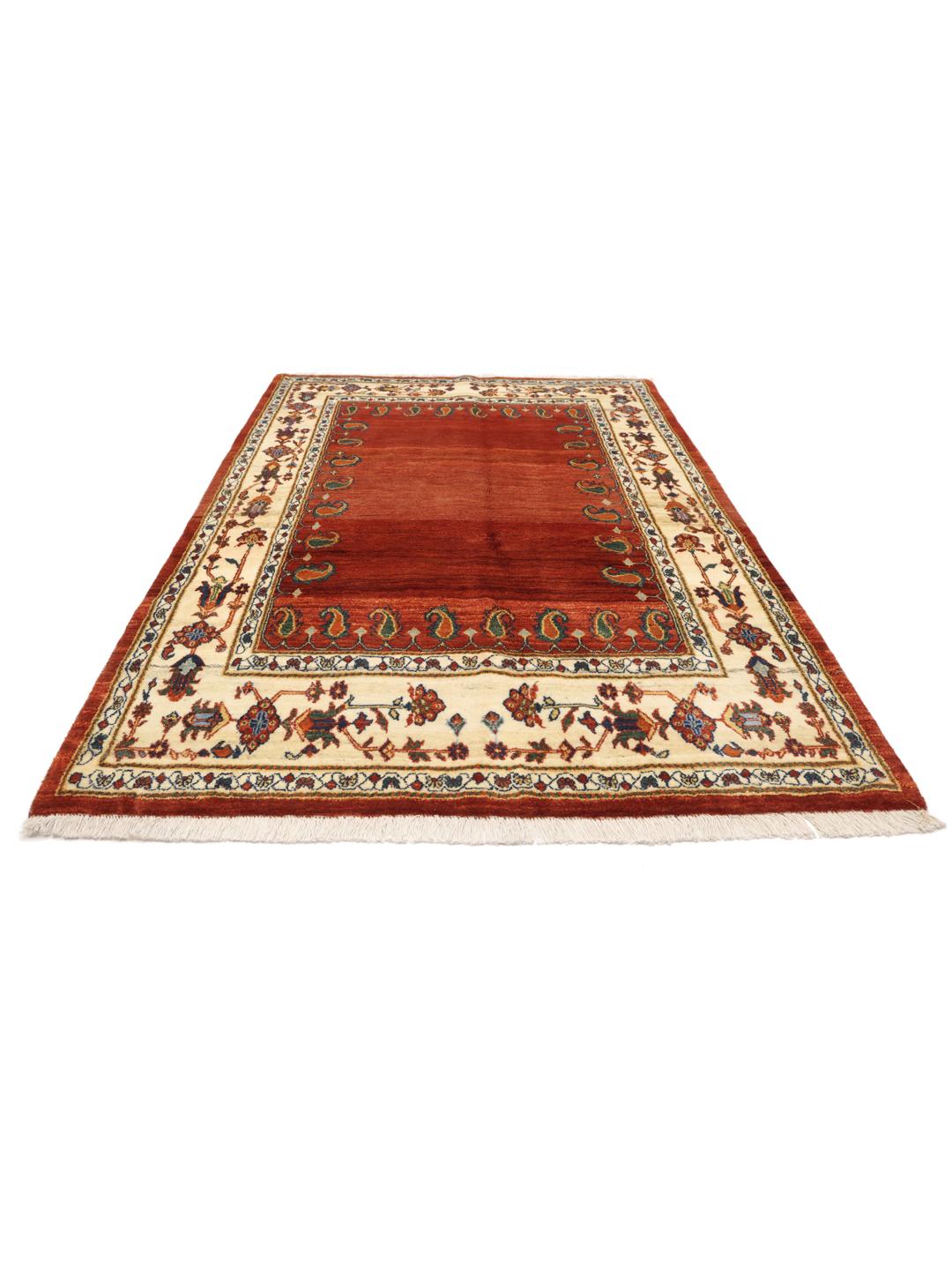
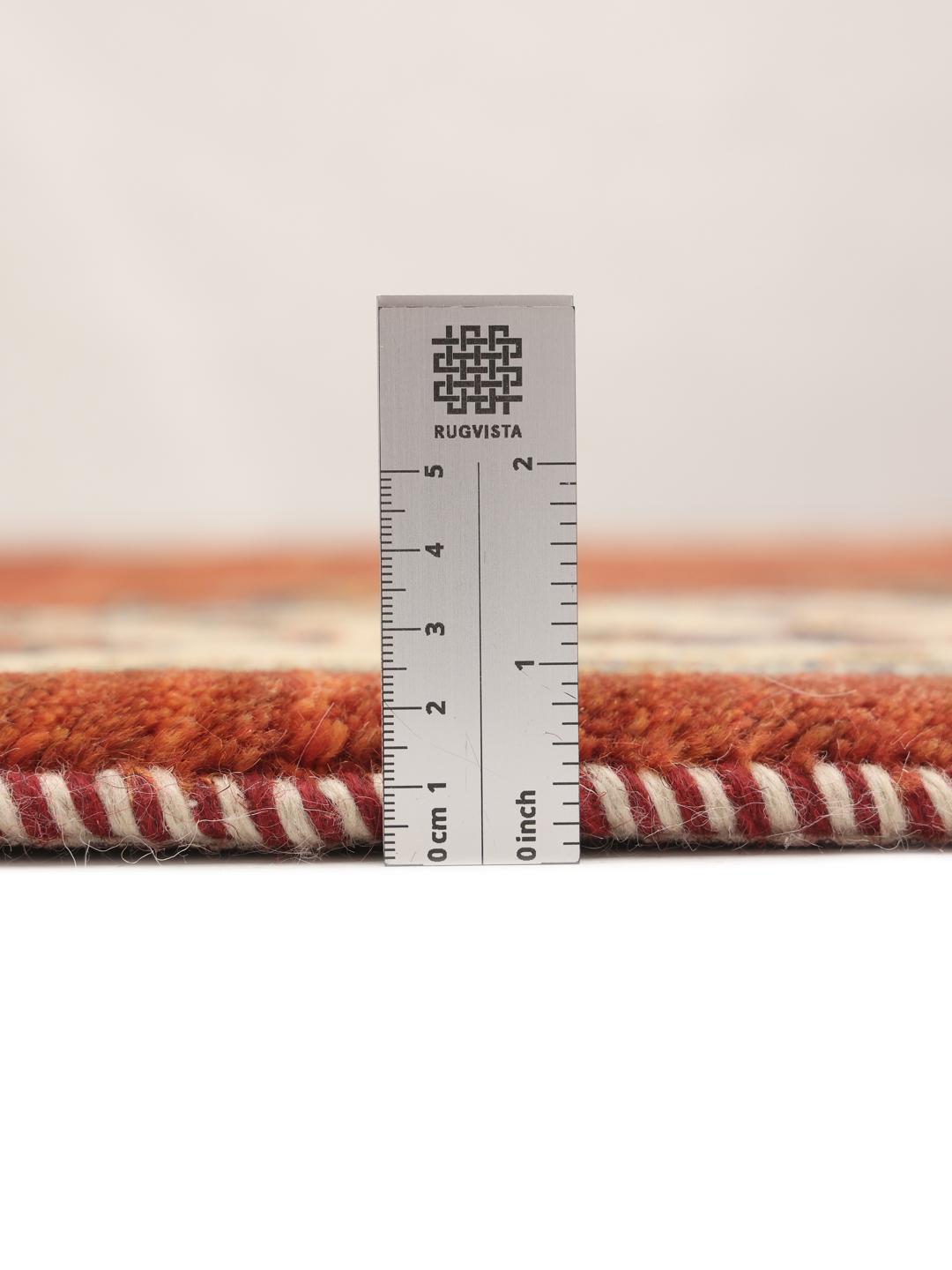
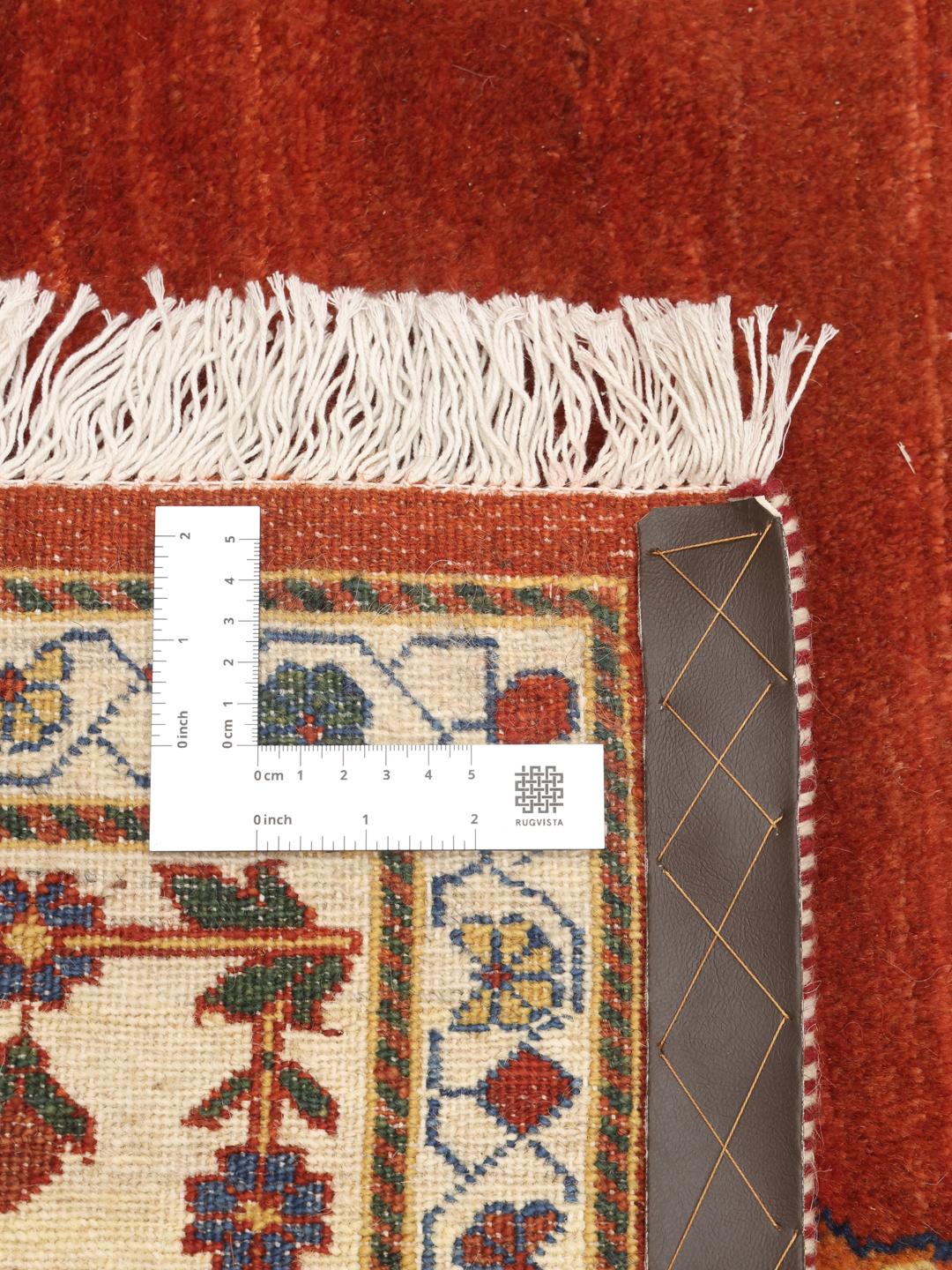
Gabbeh rugs trace their roots to the nomadic tribes of the Middle East, particularly the Qashqai people, who originally wove these textiles for their own daily use rather than for trade. Unlike formal city carpets with intricate geometric grids, traditional Gabbeh designs were deeply personal and spontaneous, often reflecting the weaver's immediate surroundings, landscape, and daily life through minimalist imagery and symbolic motifs.
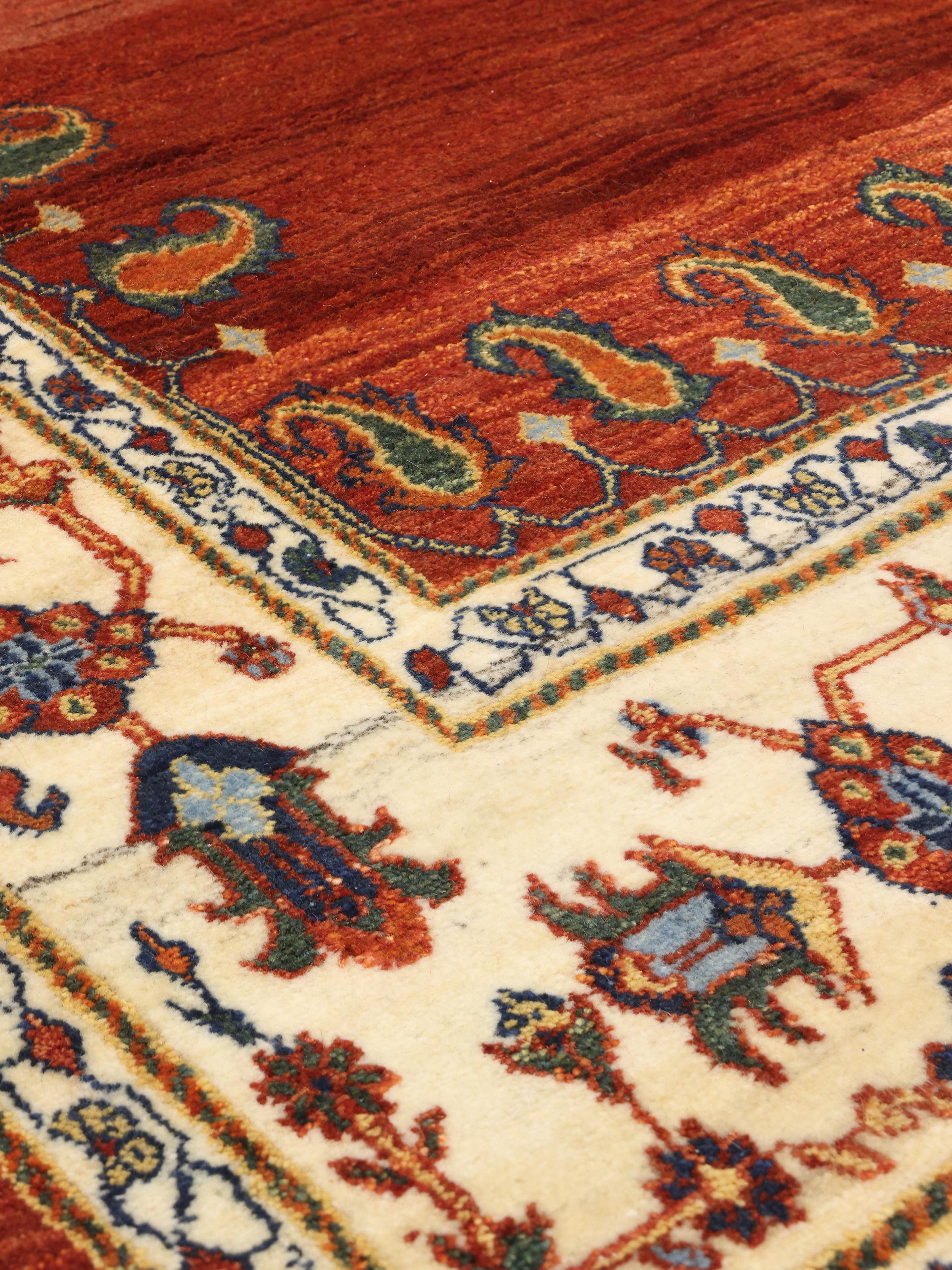
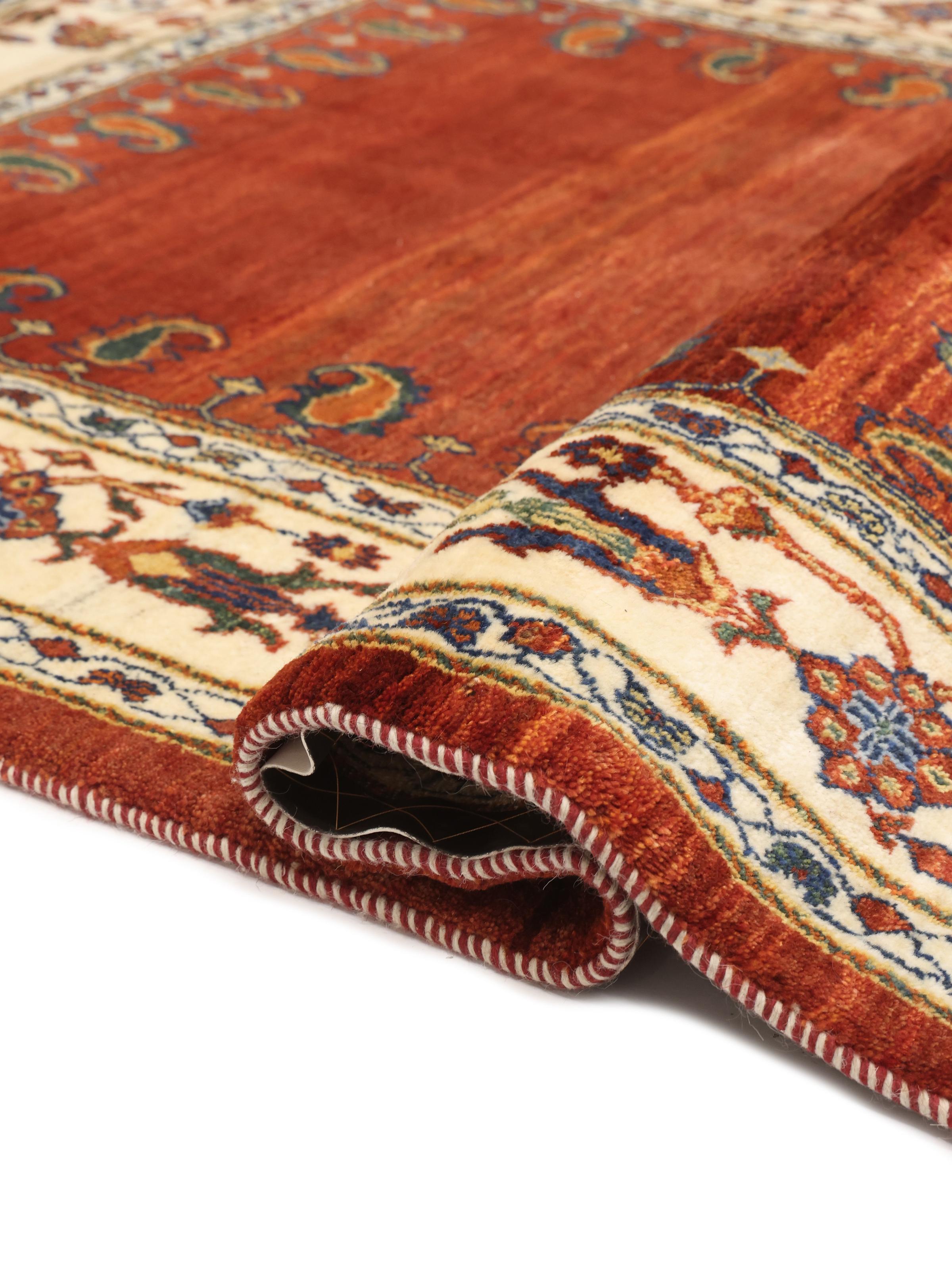
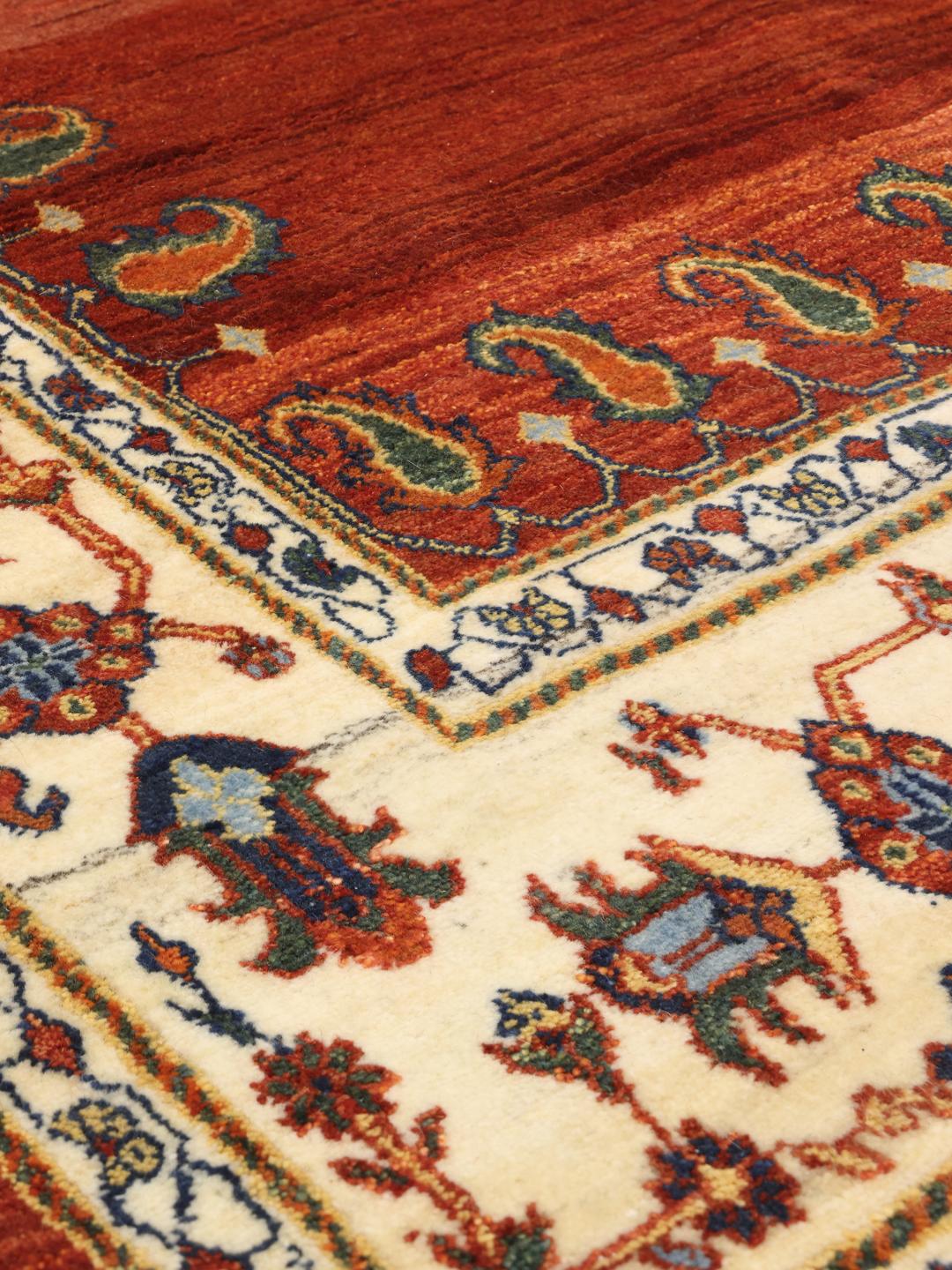
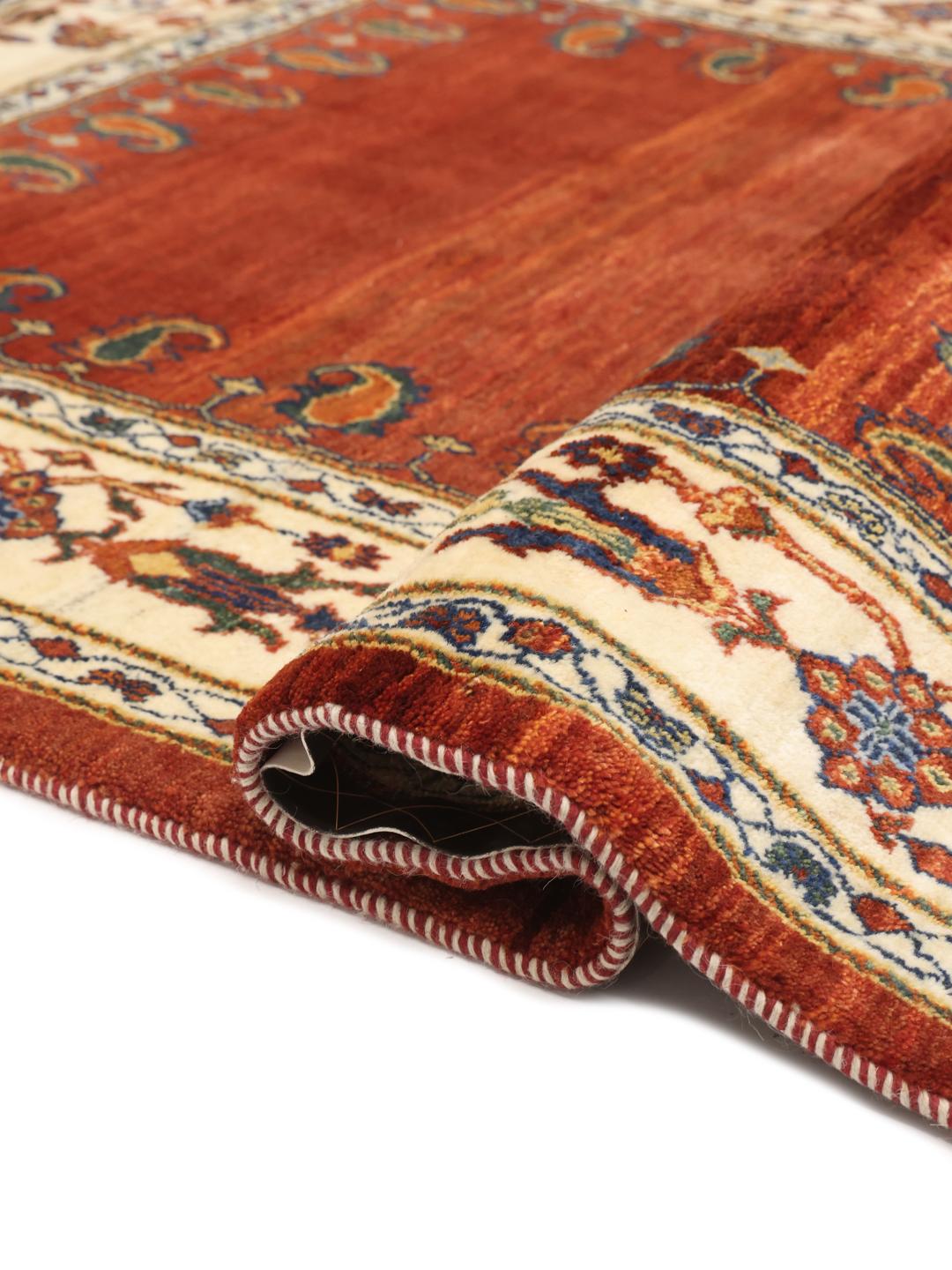
The term Gabbeh itself translates from Persian as raw, natural, or uncut, which appropriately describes the thicker pile and simpler aesthetic that sets these rugs apart from finer workshop counterparts. Traditionally, weavers used hand-spun sheep wool and natural dyes derived from local plants, roots, and insects, producing warm earthy tones that deepen in character and beauty as the wool ages gracefully over time.
A defining feature of traditional Gabbehs is the generous use of open field space, often dyed in rich shades of red using madder root, contrasted with simple animal or human figures rendered in playful, stylized proportions. This distinctive design language values negative space and tactile depth over complex ornamentation, allowing the natural qualities of the wool to take centre stage in the composition.
Collecting a vintage or contemporary Gabbeh means acquiring a direct link to a nomadic weaving heritage that prioritises comfort, utility, and unpretentious artistry. Owning such a piece brings a sense of cultural history and enduring human skill into your home, standing as a quiet testament to traditions passed down through generations.