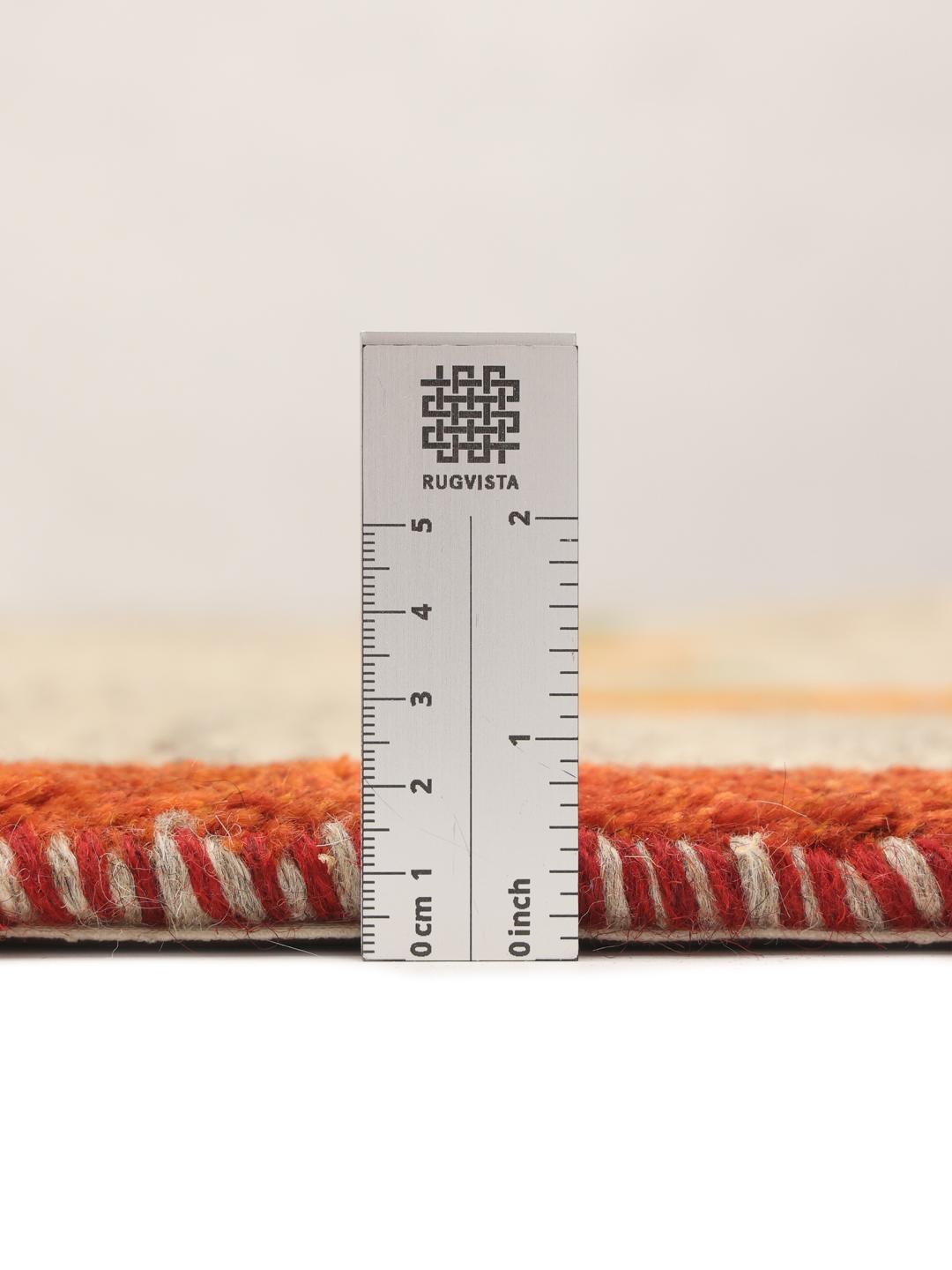
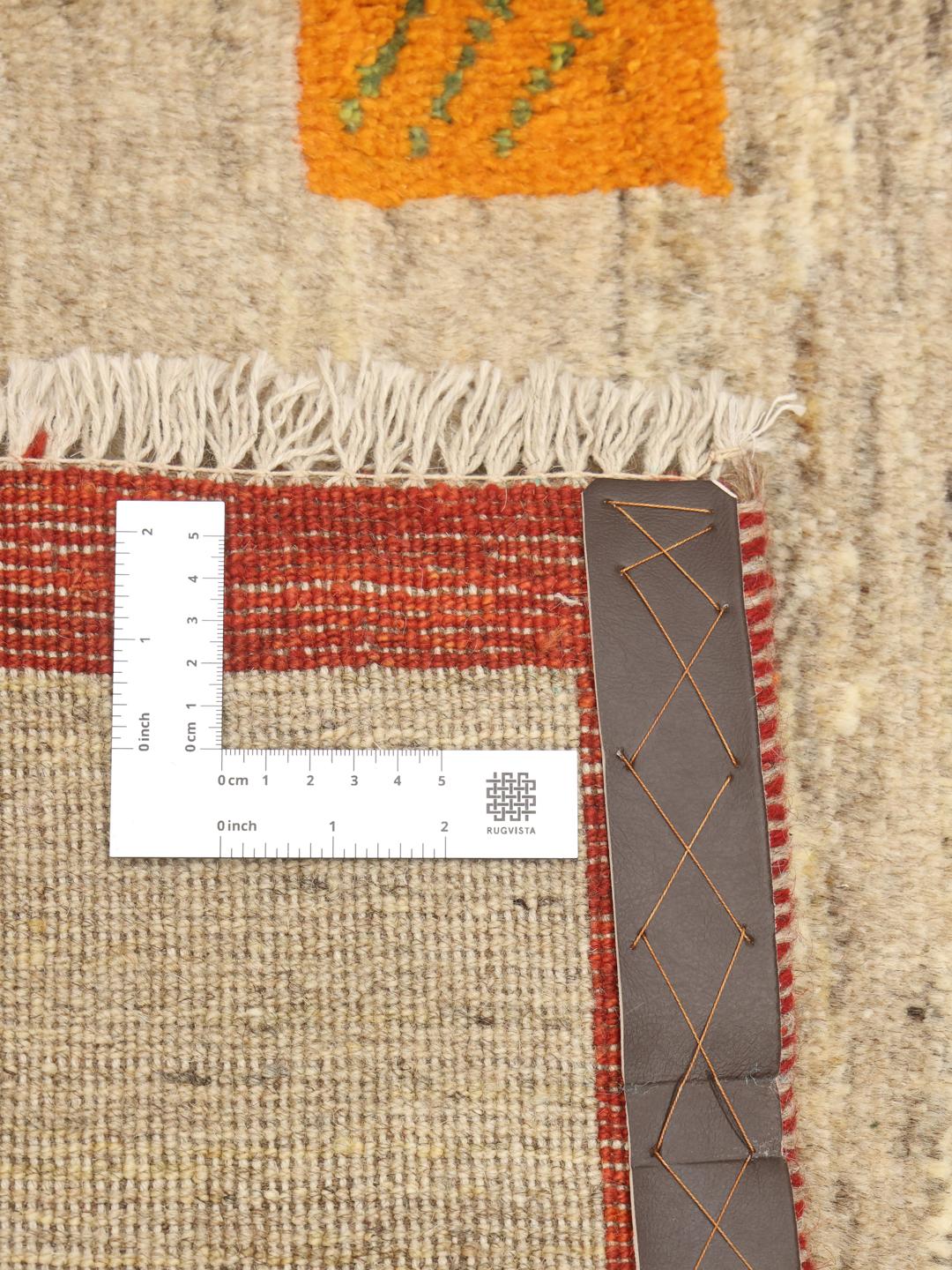
Gabbeh rugs originate from the nomadic tribes of the Middle East, where they were traditionally woven for personal use rather than for trade. These rugs served as essential, practical items for daily life, providing warmth and comfort in the harsh, variable climates of the region.
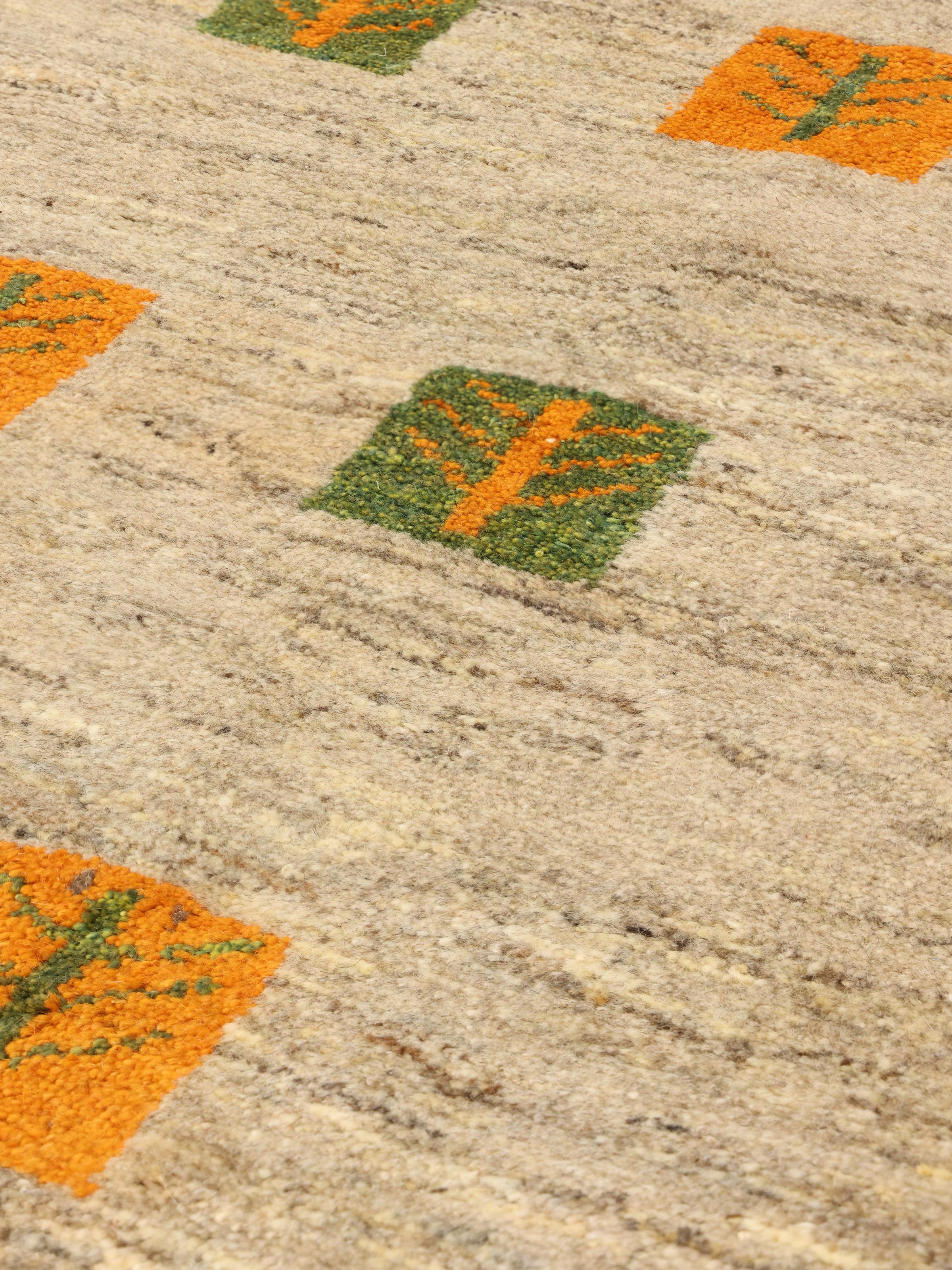
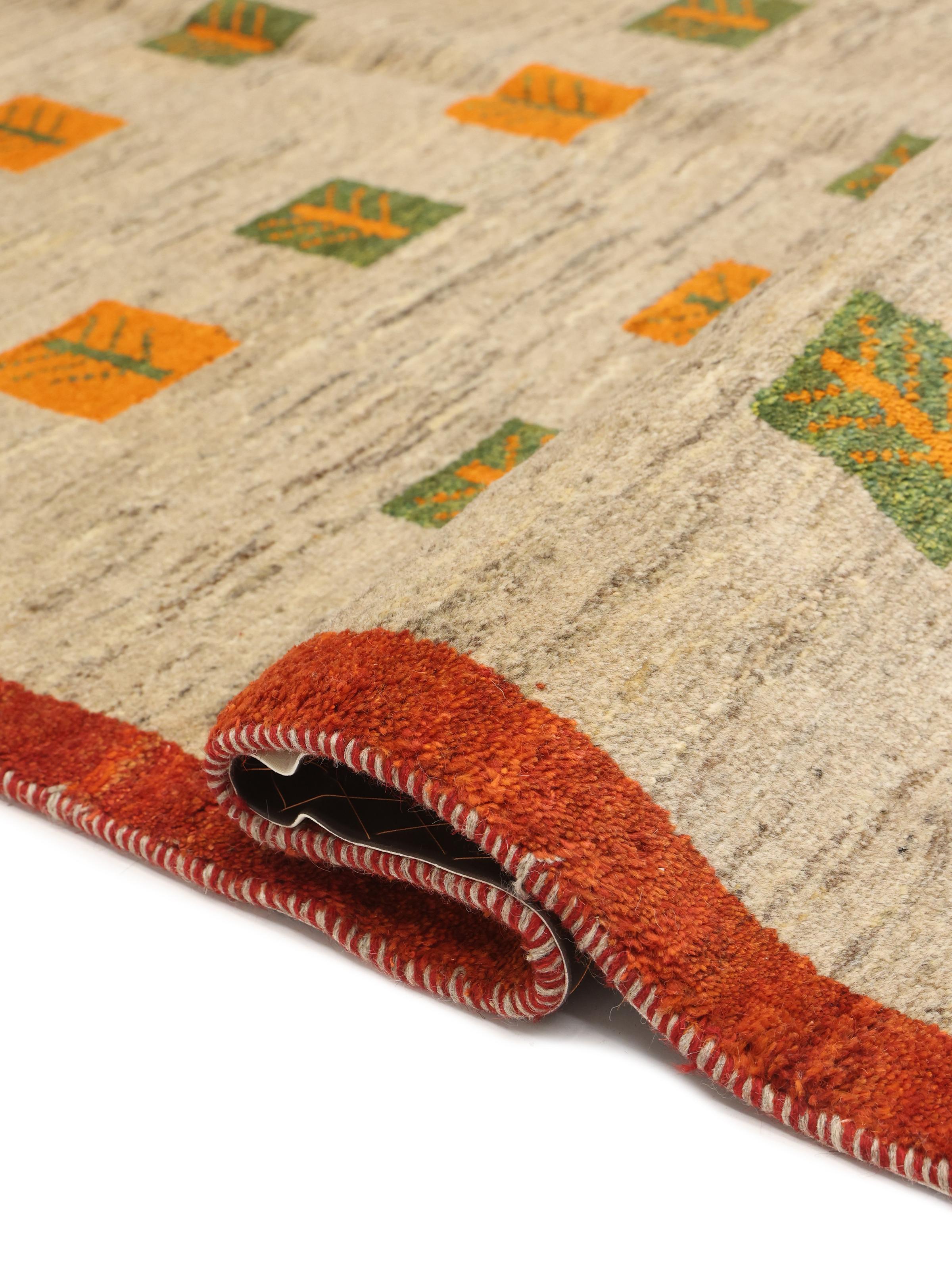
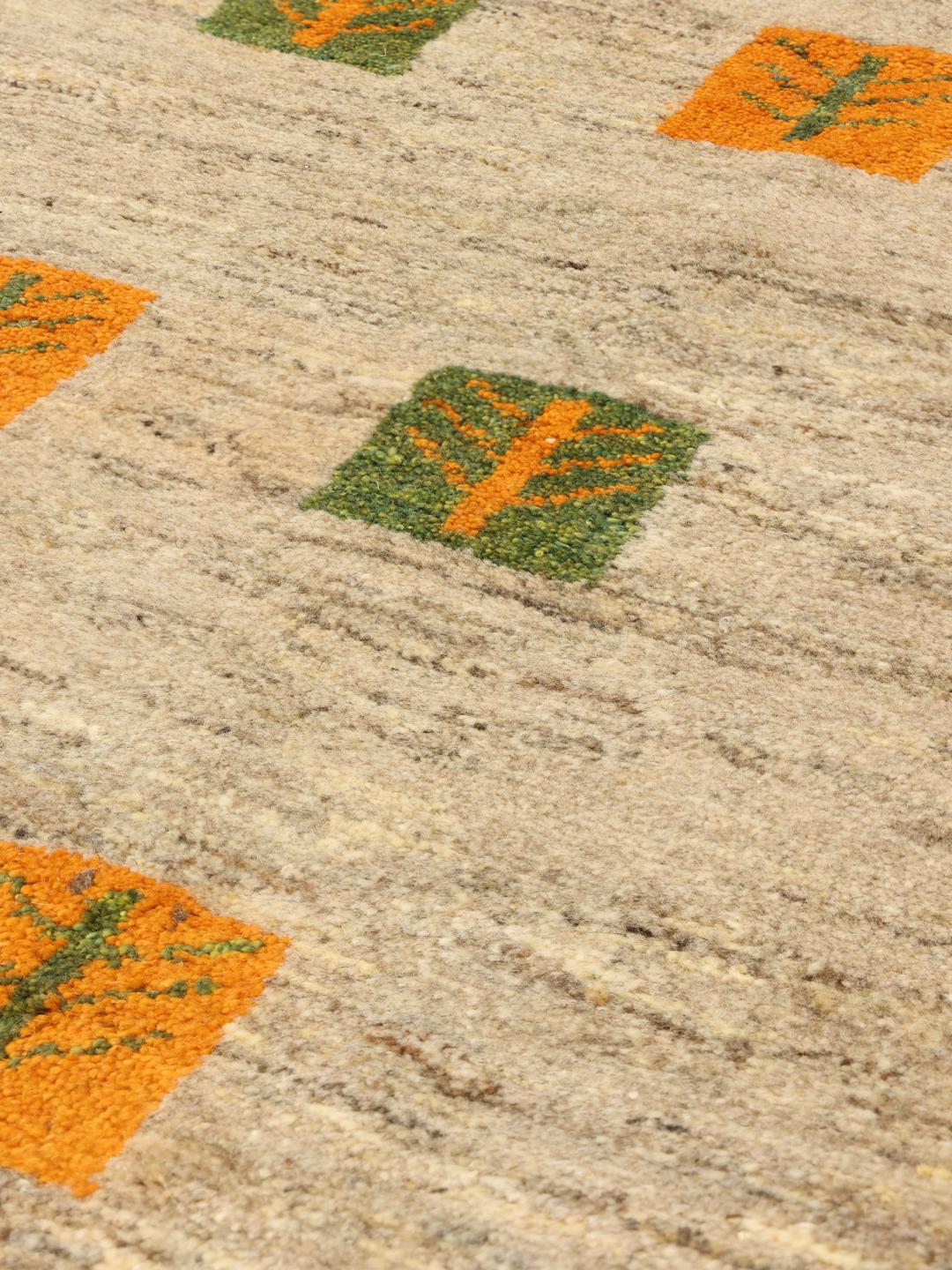
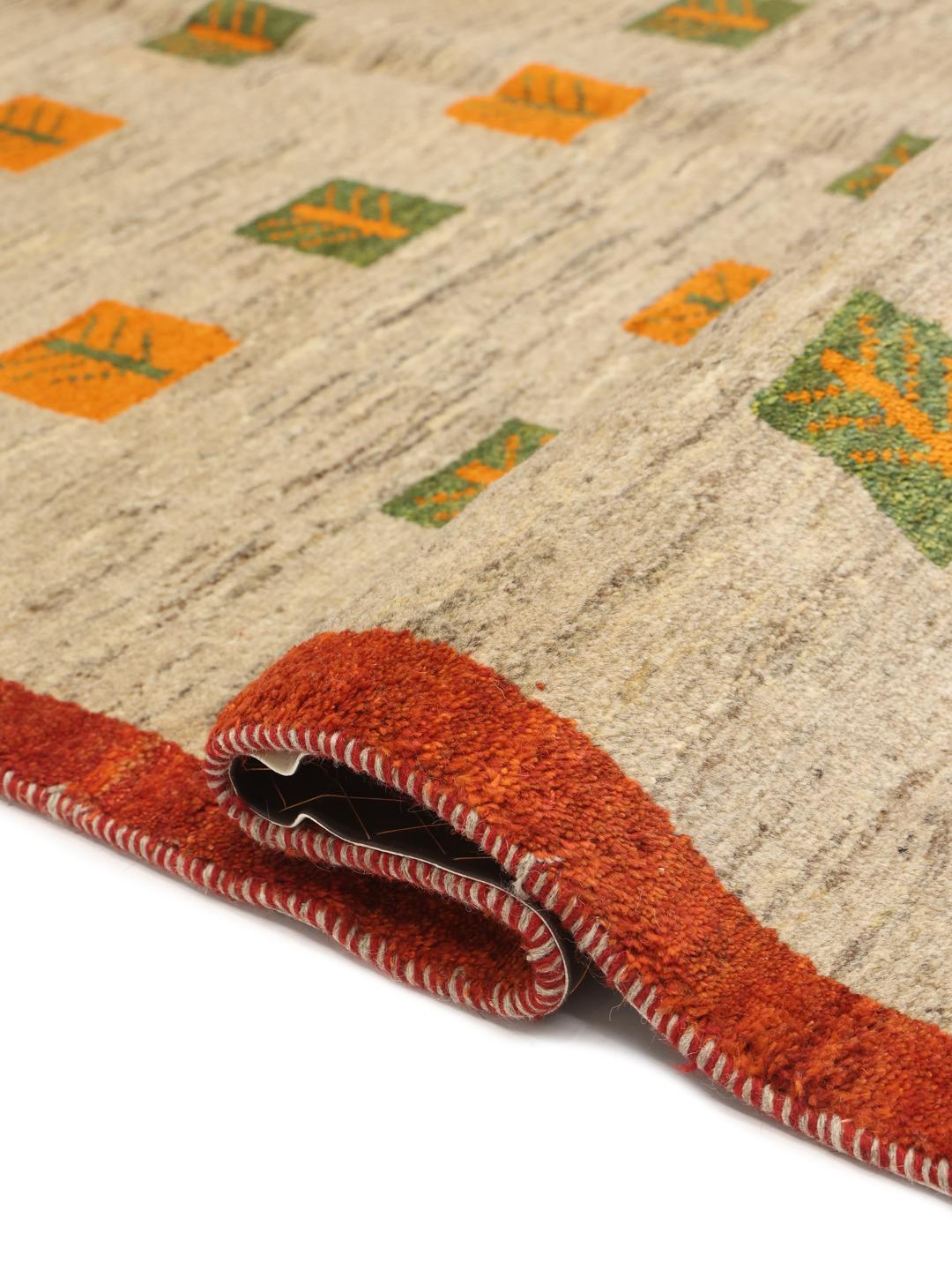
The term Gabbeh refers to the thick, coarse, and long-piled nature of these pieces. Unlike formal city rugs that follow rigid patterns, Gabbeh weaving is defined by a sense of creative freedom. Each weaver interprets their environment, often incorporating abstract or symbolic motifs that tell stories of their landscape and daily experiences.
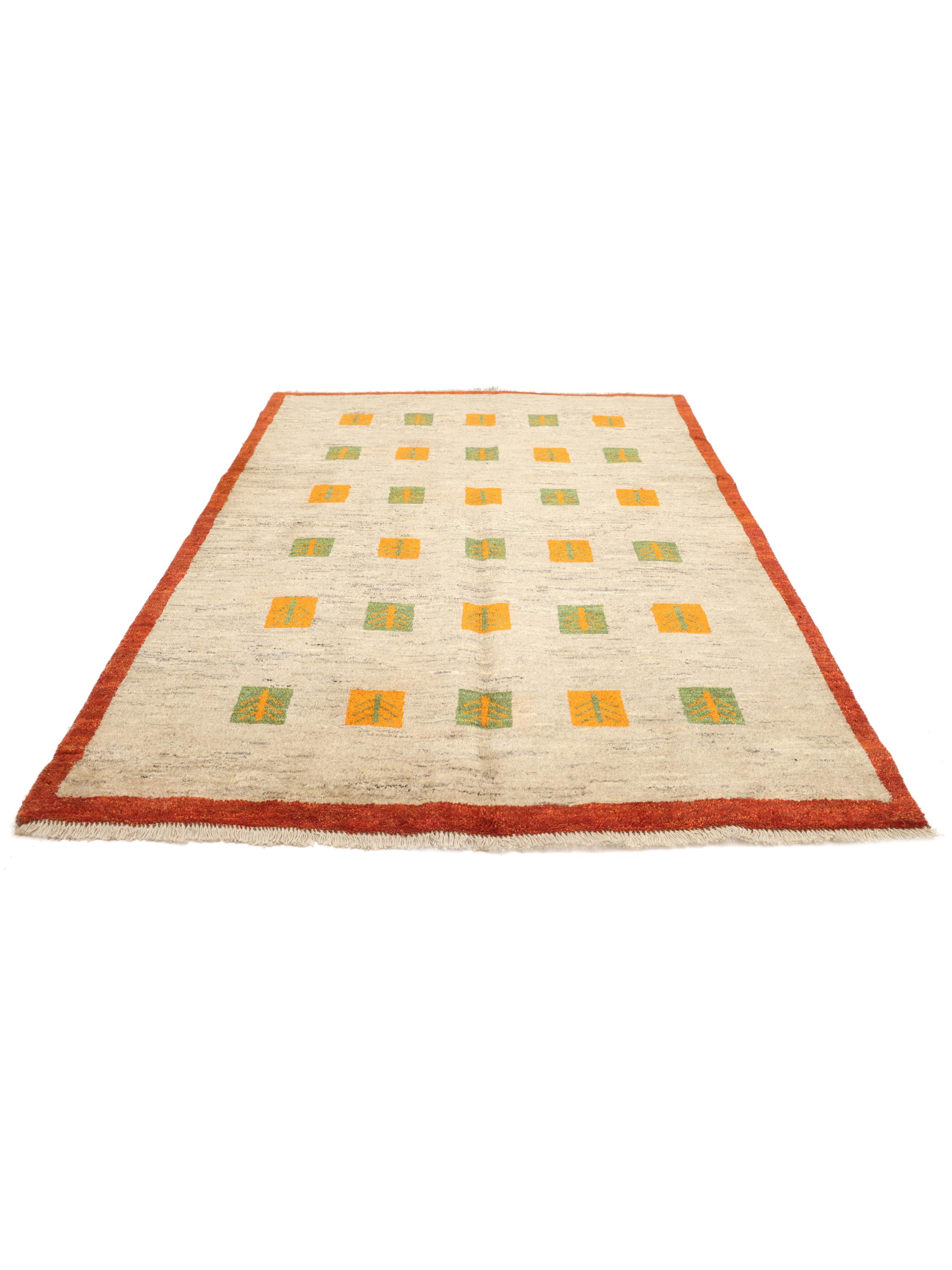
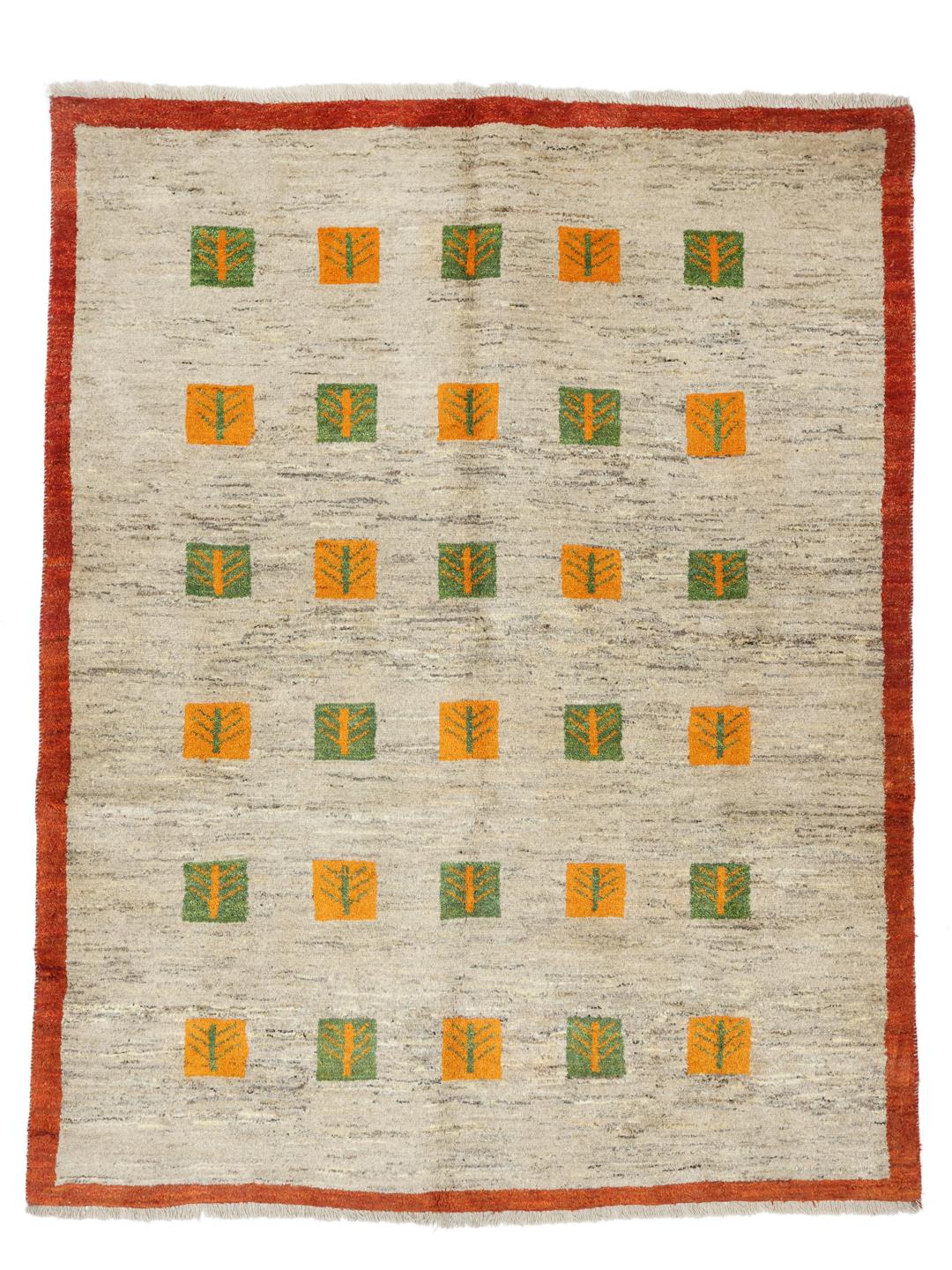
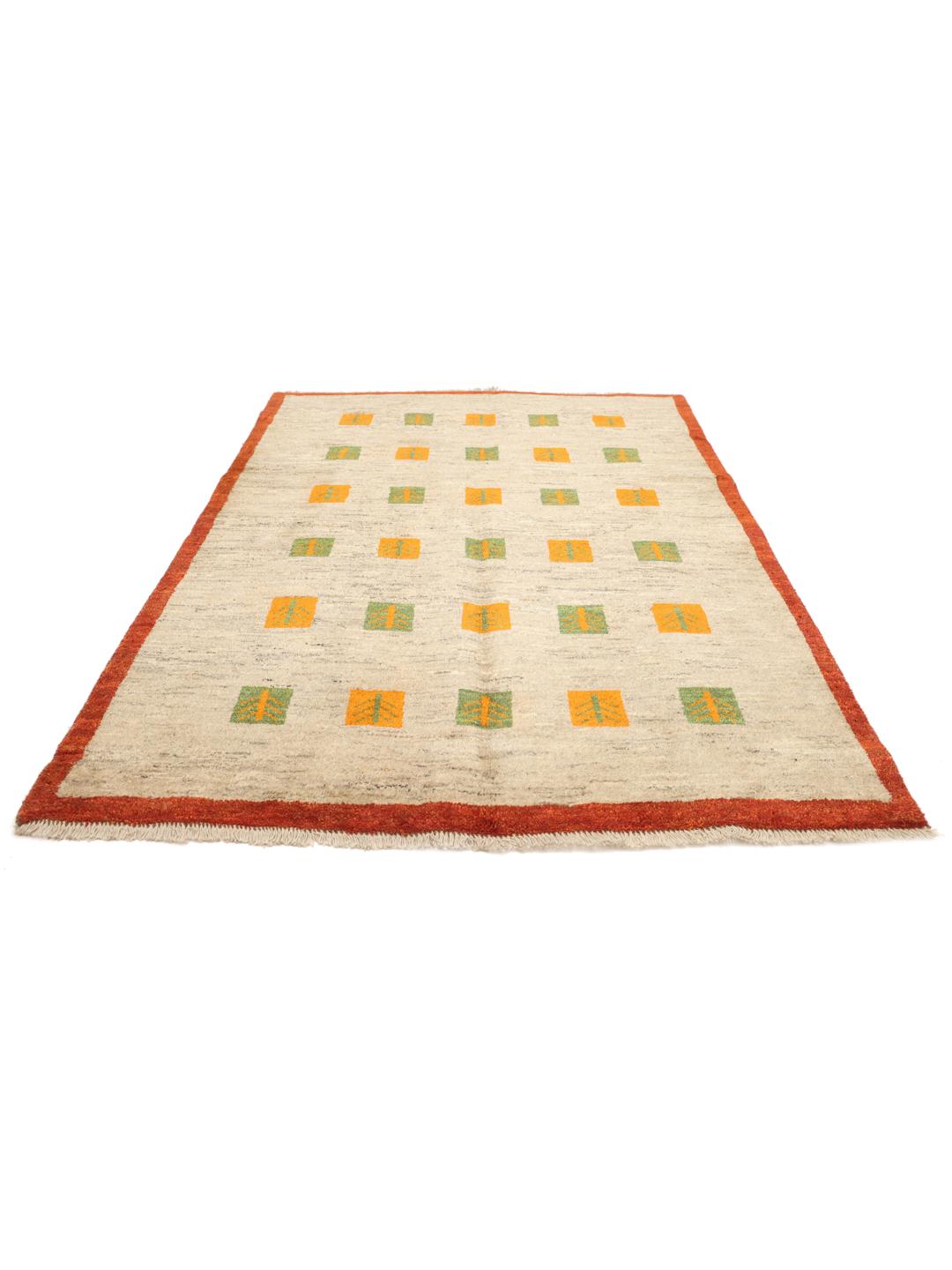
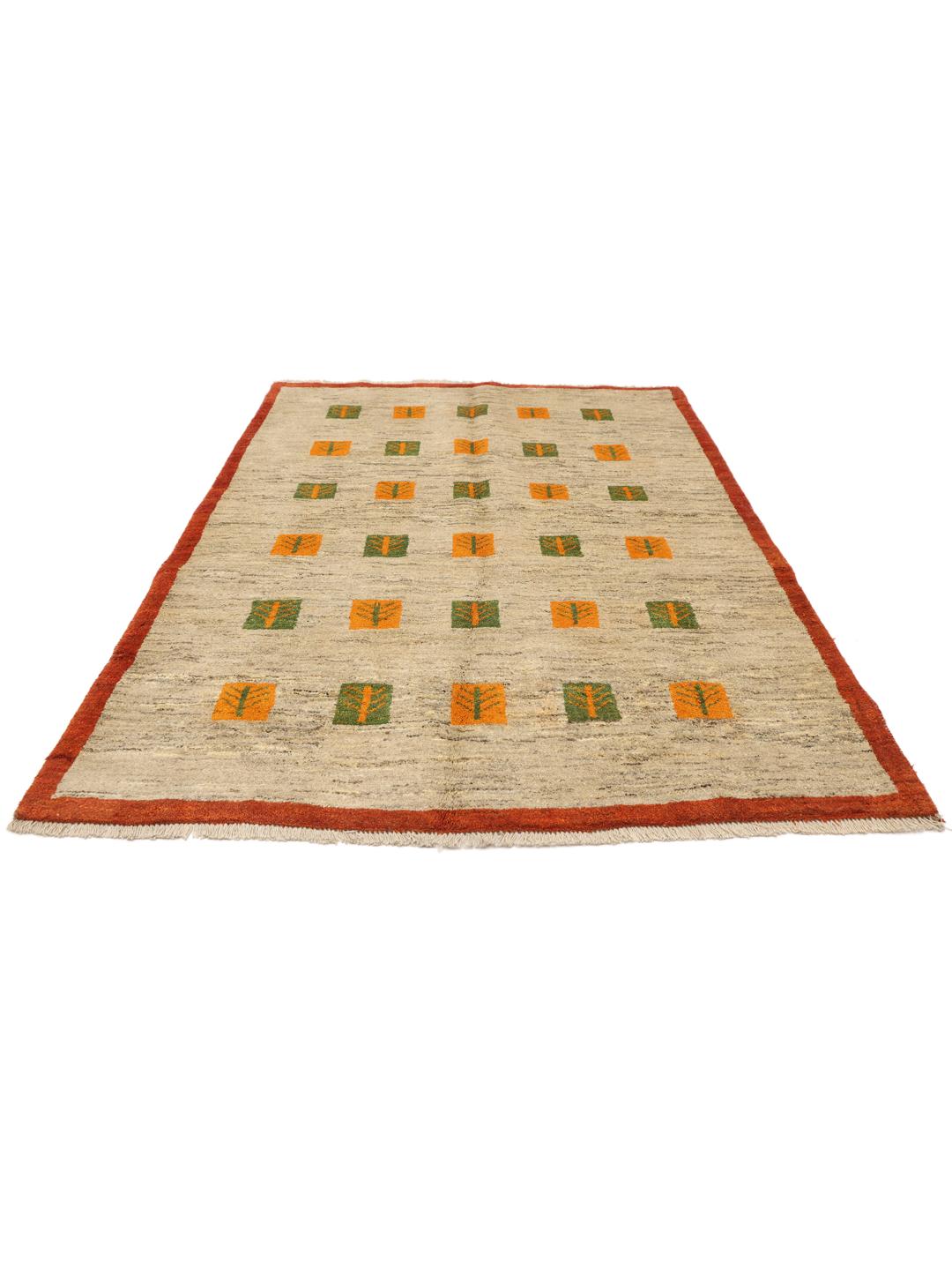
The design language of these rugs is iconic, often featuring large, open fields with minimal, bold geometric shapes or stylized representations of nature. In this specific piece, the repeating tree motifs reflect a connection to the natural world, a common theme in tribal weaving traditions that emphasize simplicity and honest expression.
Today, these rugs are highly valued by collectors for their raw, authentic aesthetic. Owning a piece of this tradition is an opportunity to connect with a centuries-old craft that prioritizes individual expression and the tangible, human touch over industrial uniformity.