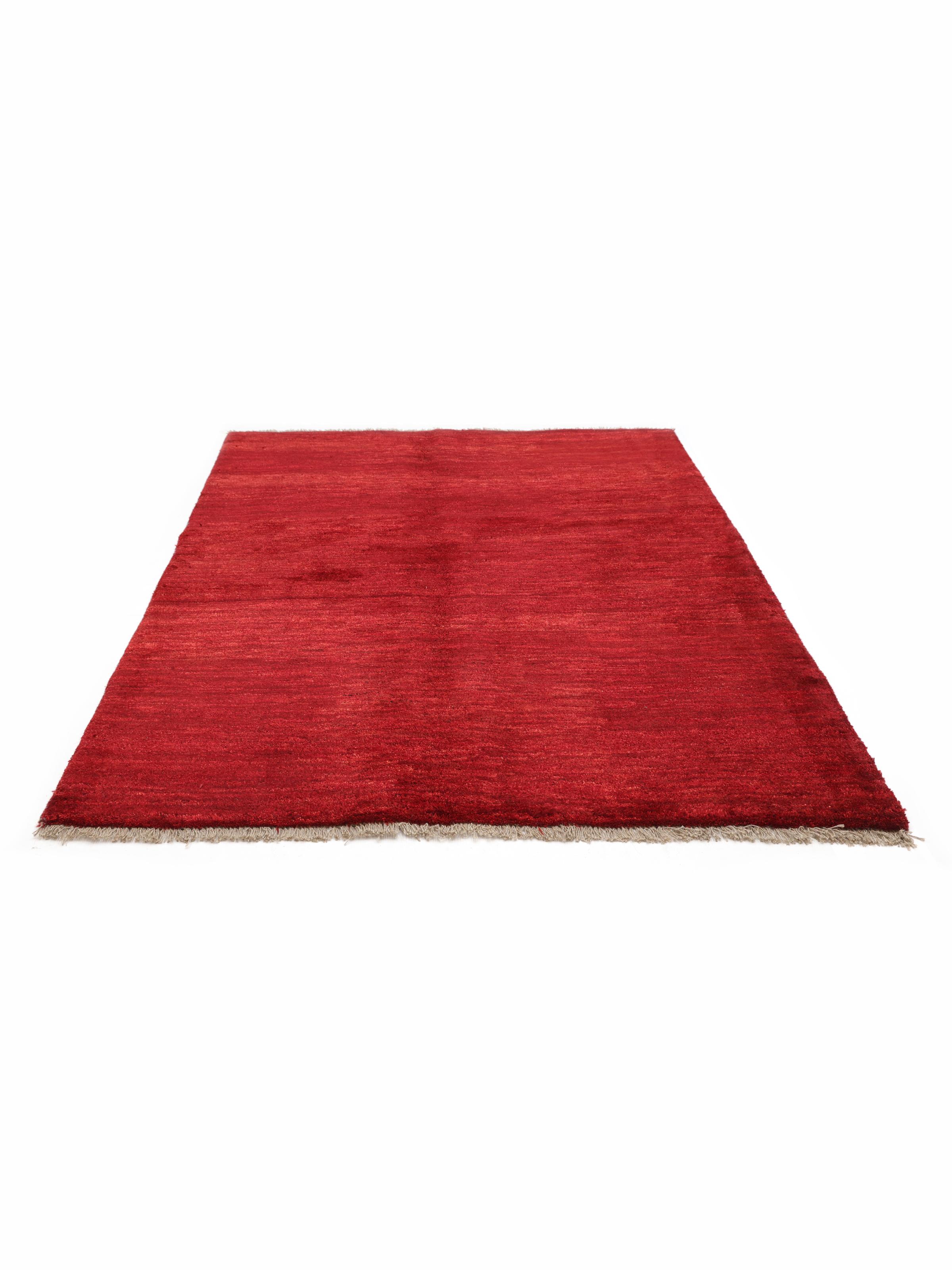
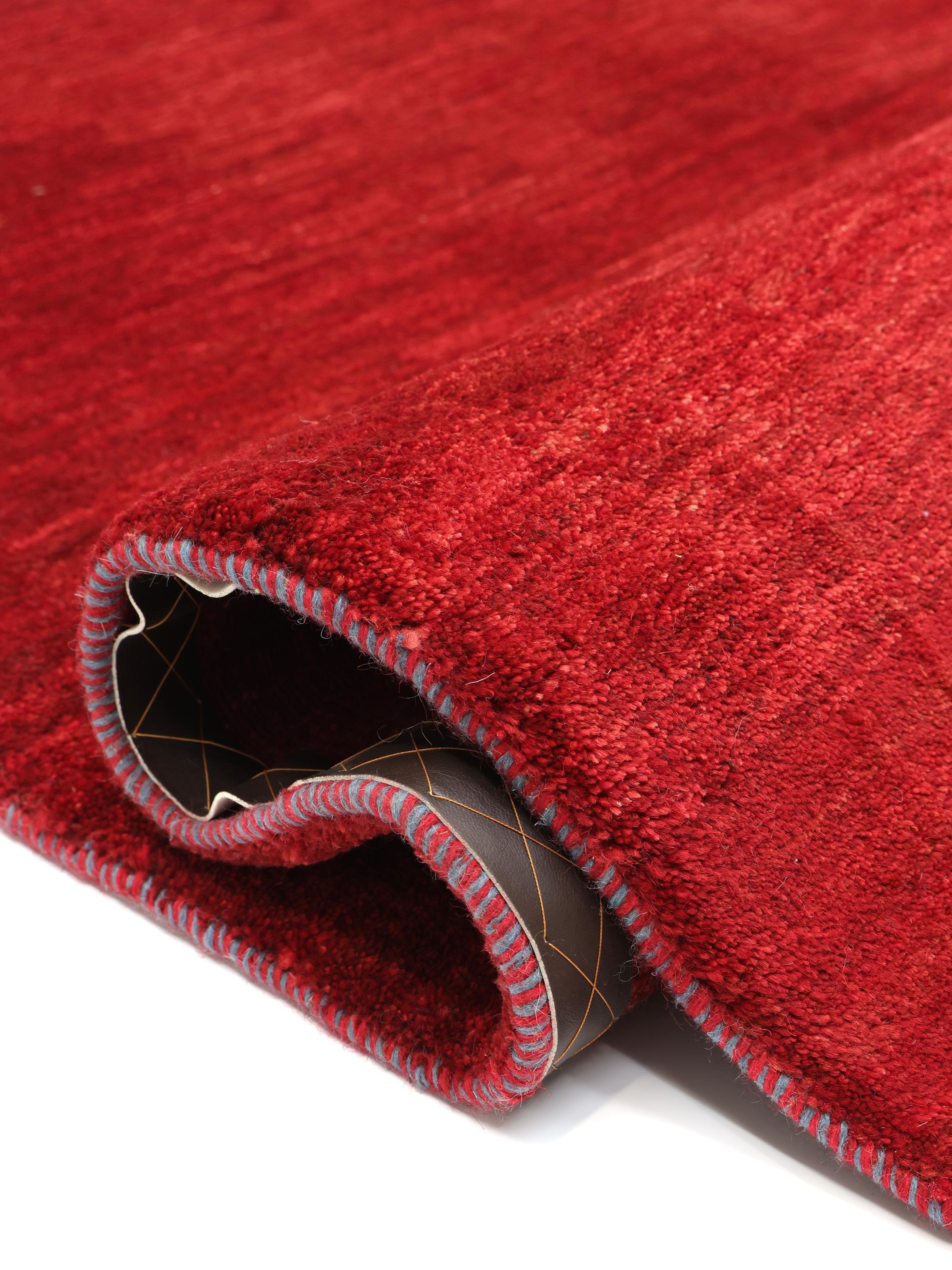
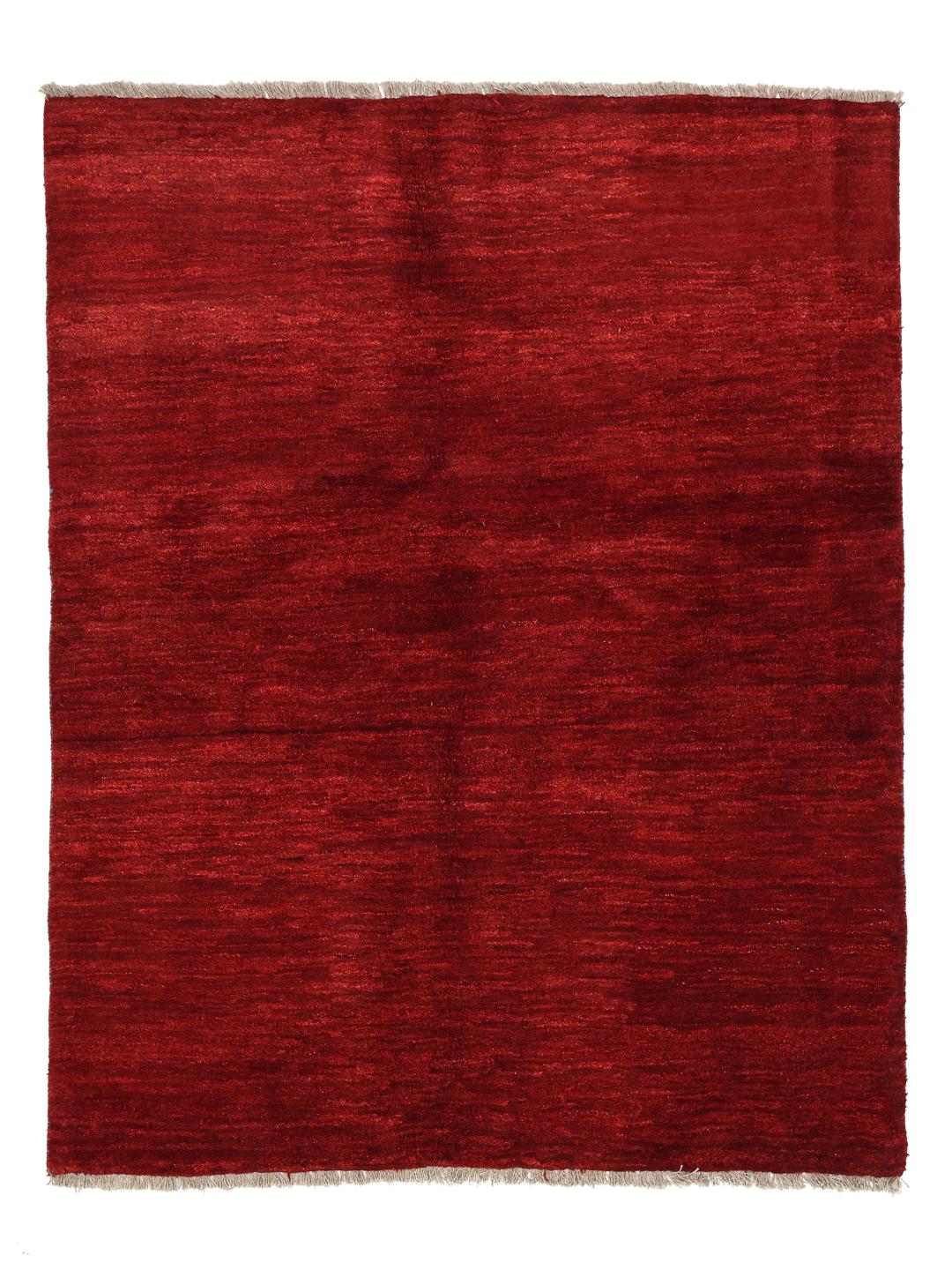
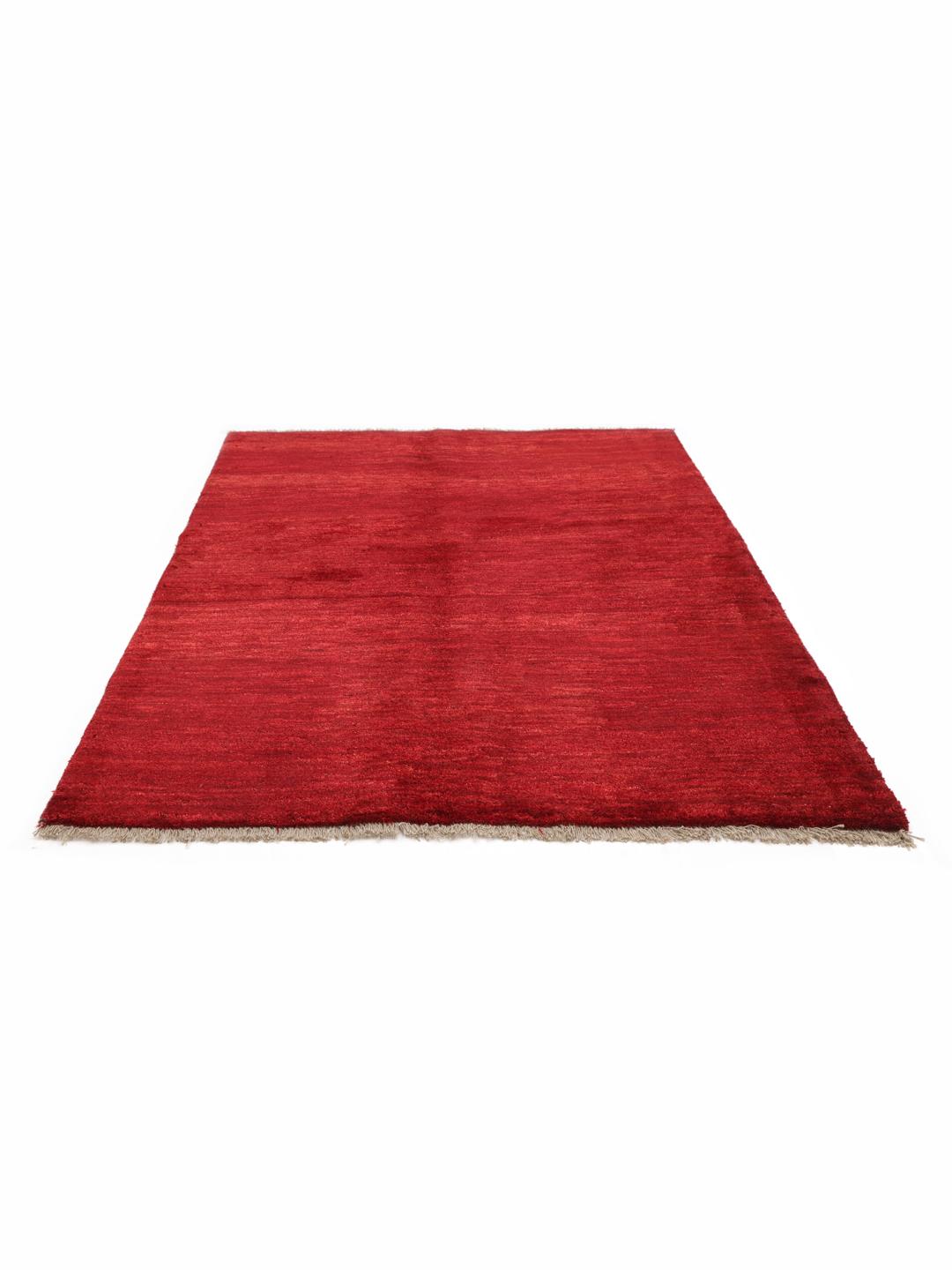
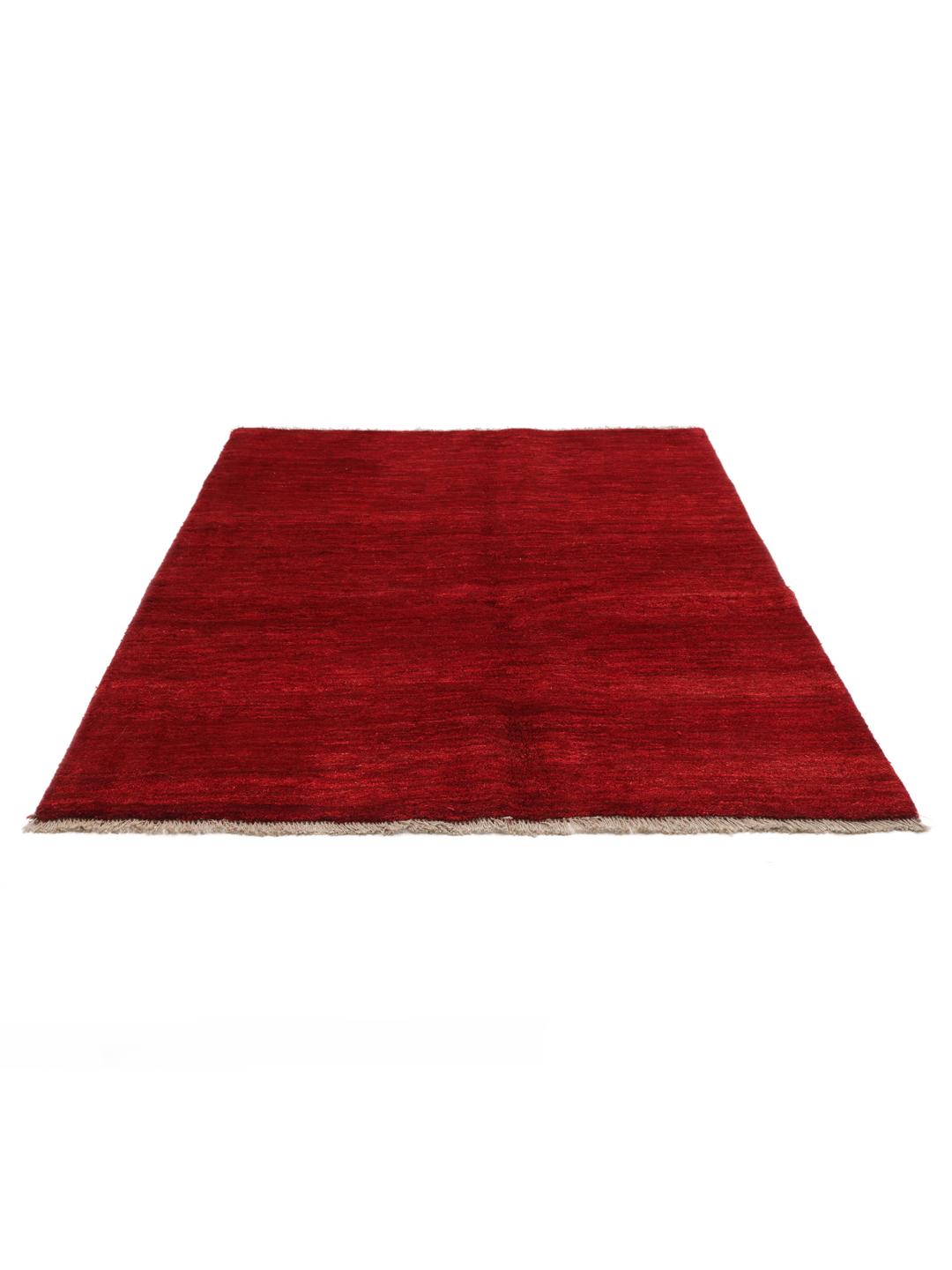
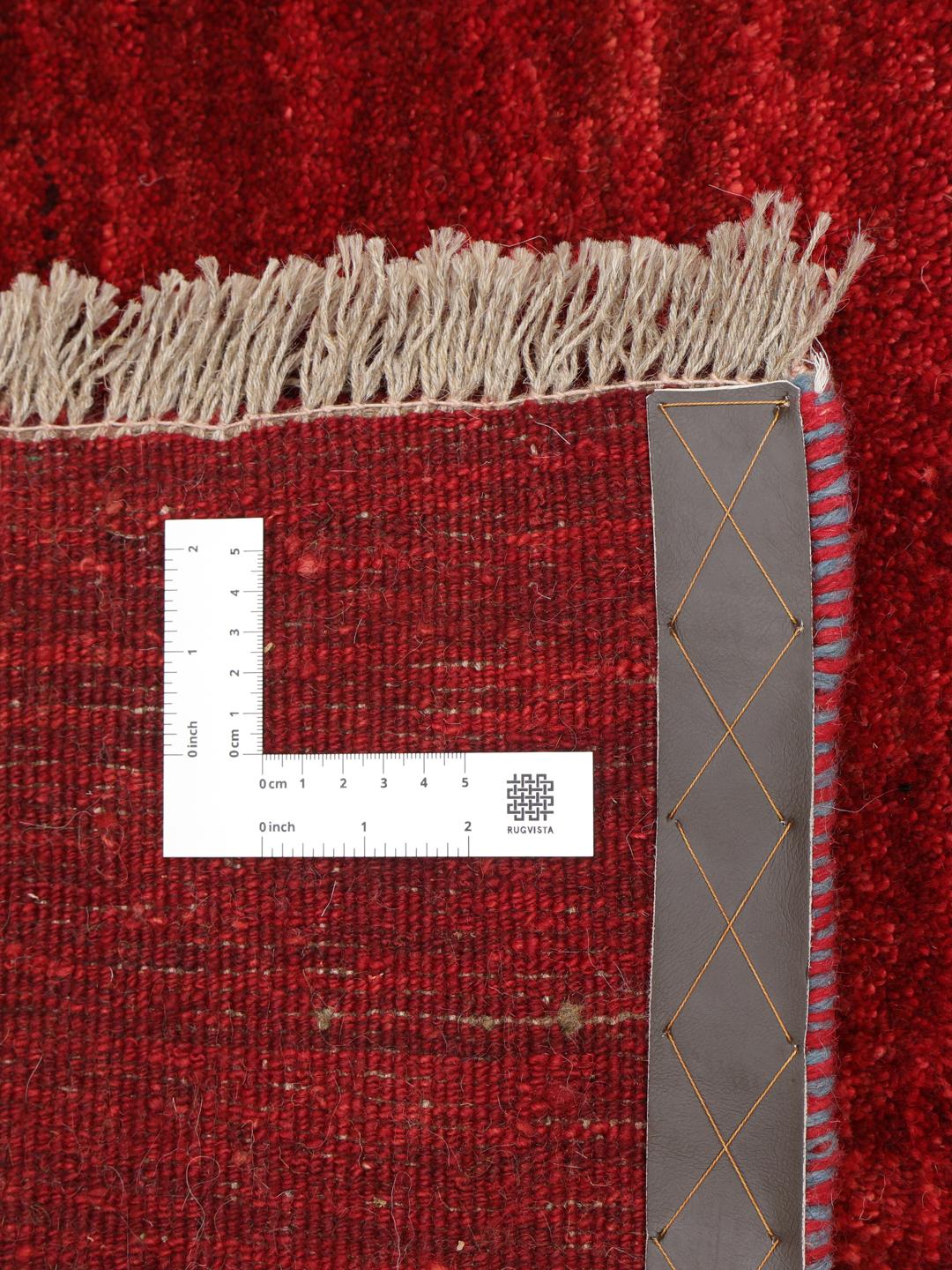
The Gabbeh rug tradition originates from the nomadic tribes of the Middle East, where weavers created these pieces primarily for personal use within their own tents. Unlike more formal, intricate city rugs, Gabbeh rugs were designed to be thick, warm, and highly functional, serving as essential floor coverings for nomadic life.
The term Gabbeh essentially translates to 'raw' or 'natural', which perfectly describes the aesthetic of these rugs. Historically, they were known for their unrefined, simplistic beauty, often featuring bold, open fields of colour and primitive geometric patterns that reflected the weaver's personal expression or the natural landscape of their environment.
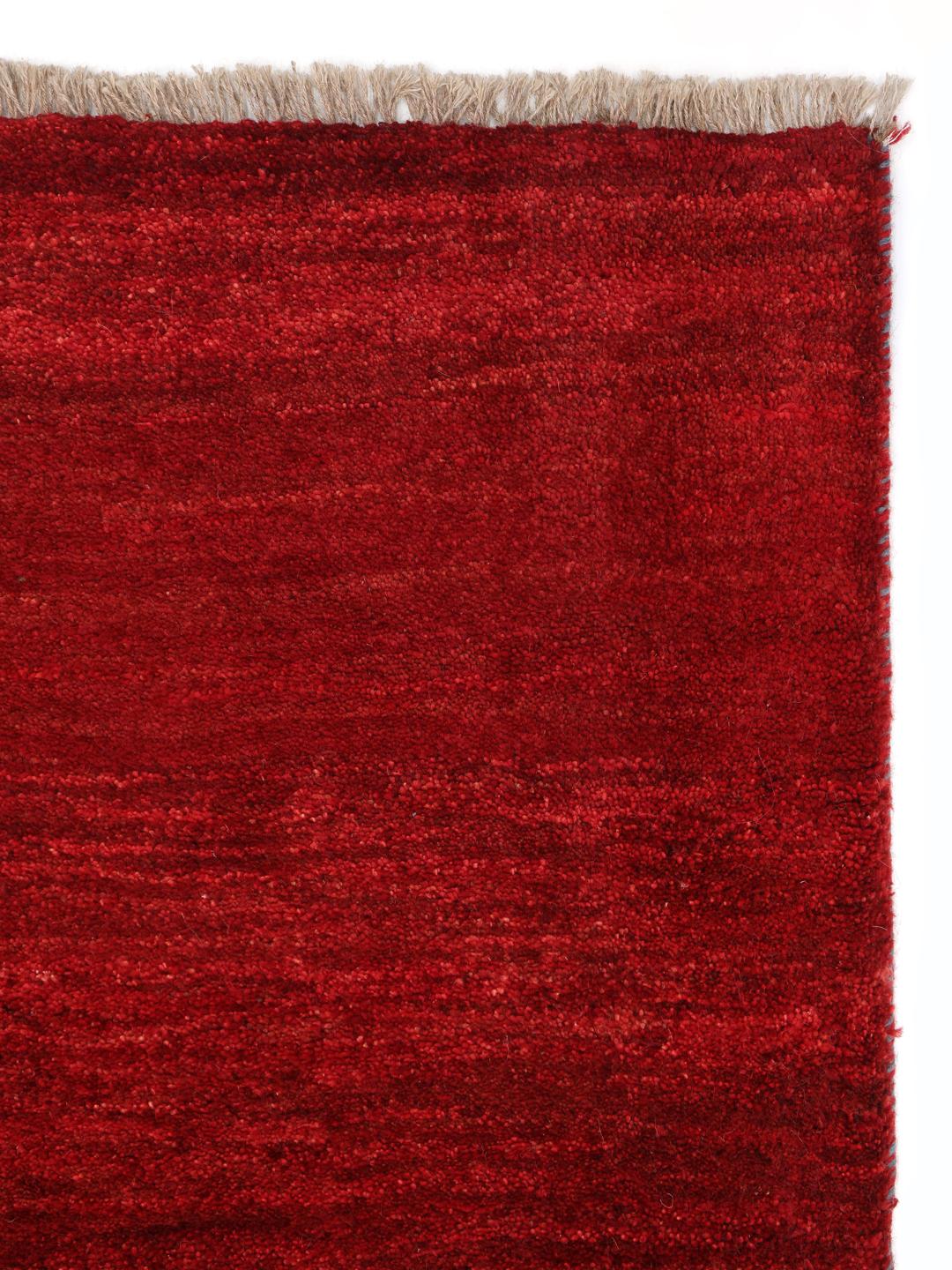
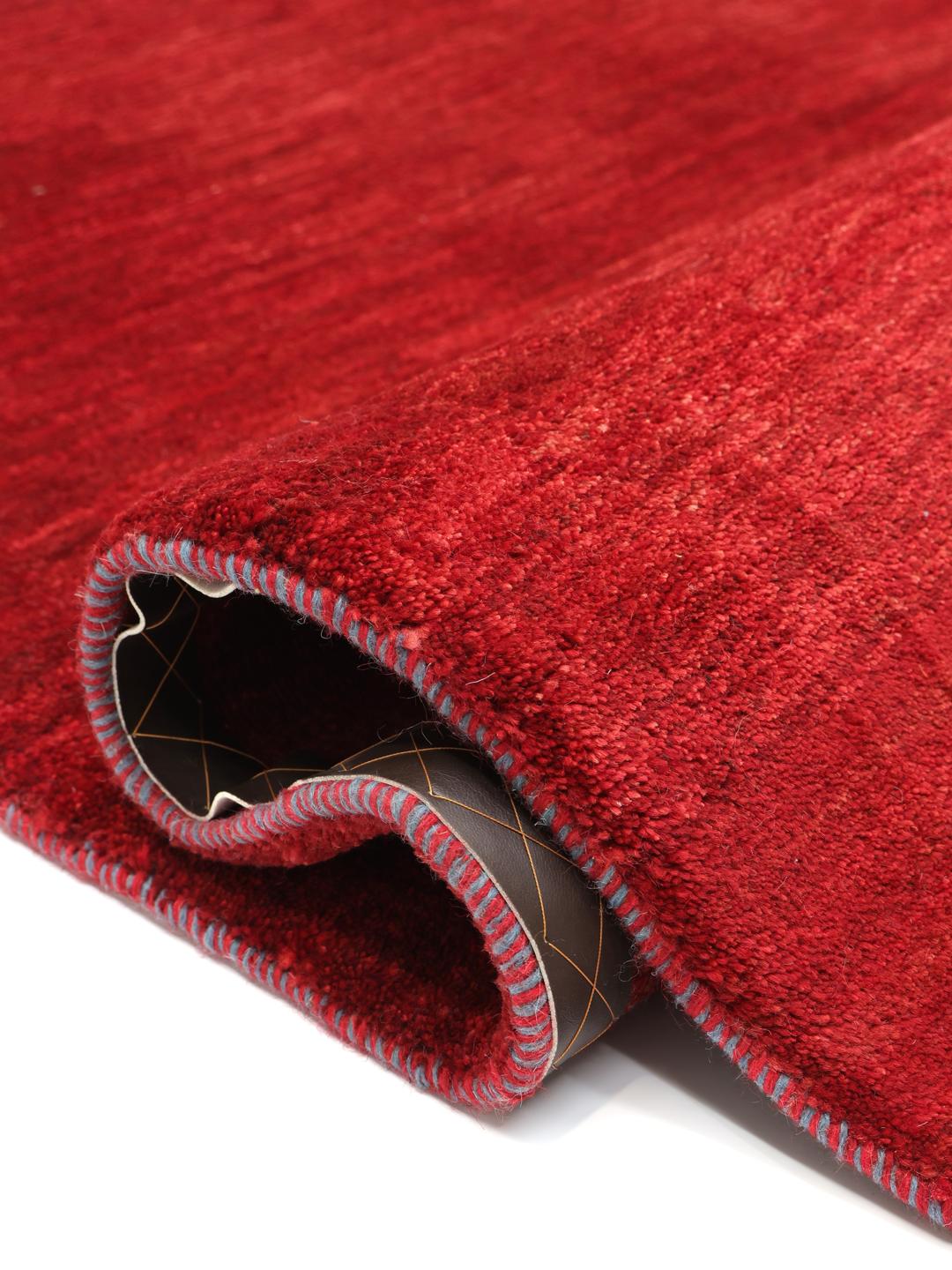
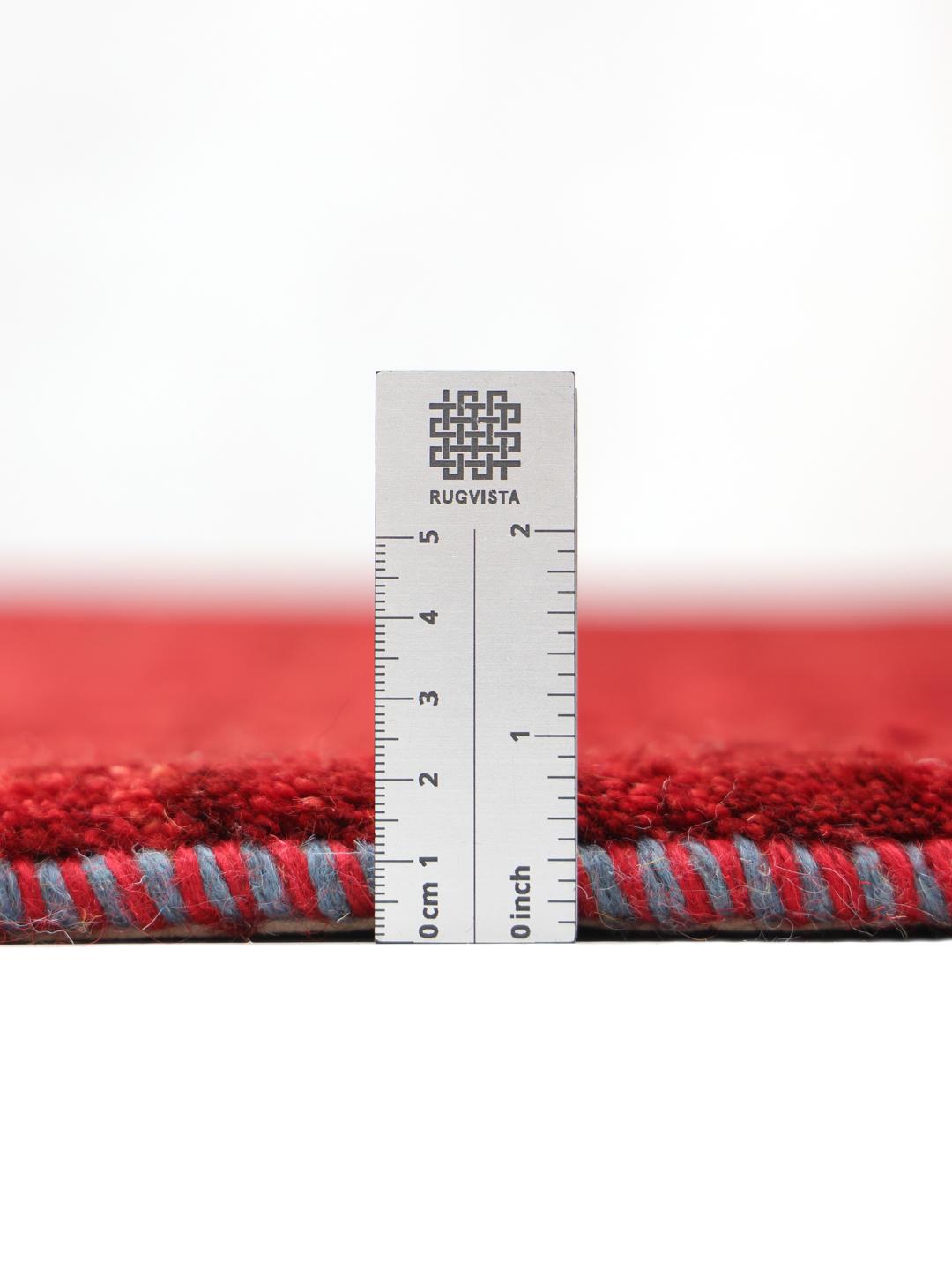
One of the most defining characteristics of the Gabbeh style is the use of thick, hand-spun wool, which gives the rug its signature heavy, plush texture. These rugs often utilise natural, undyed, or vibrantly dyed wool, creating a depth of colour that is difficult to achieve with synthetic dyes. The result is a piece that feels deeply connected to the earth and the traditions of the people who created it.
Today, these rugs are highly prized by collectors for their authenticity and the human story behind every knot. Owning a Gabbeh is not just about acquiring a rug; it is about preserving a piece of cultural history. Each rug represents a unique moment in time, capturing the skill, intuition, and spirit of the artisan in a way that remains relevant in modern homes.