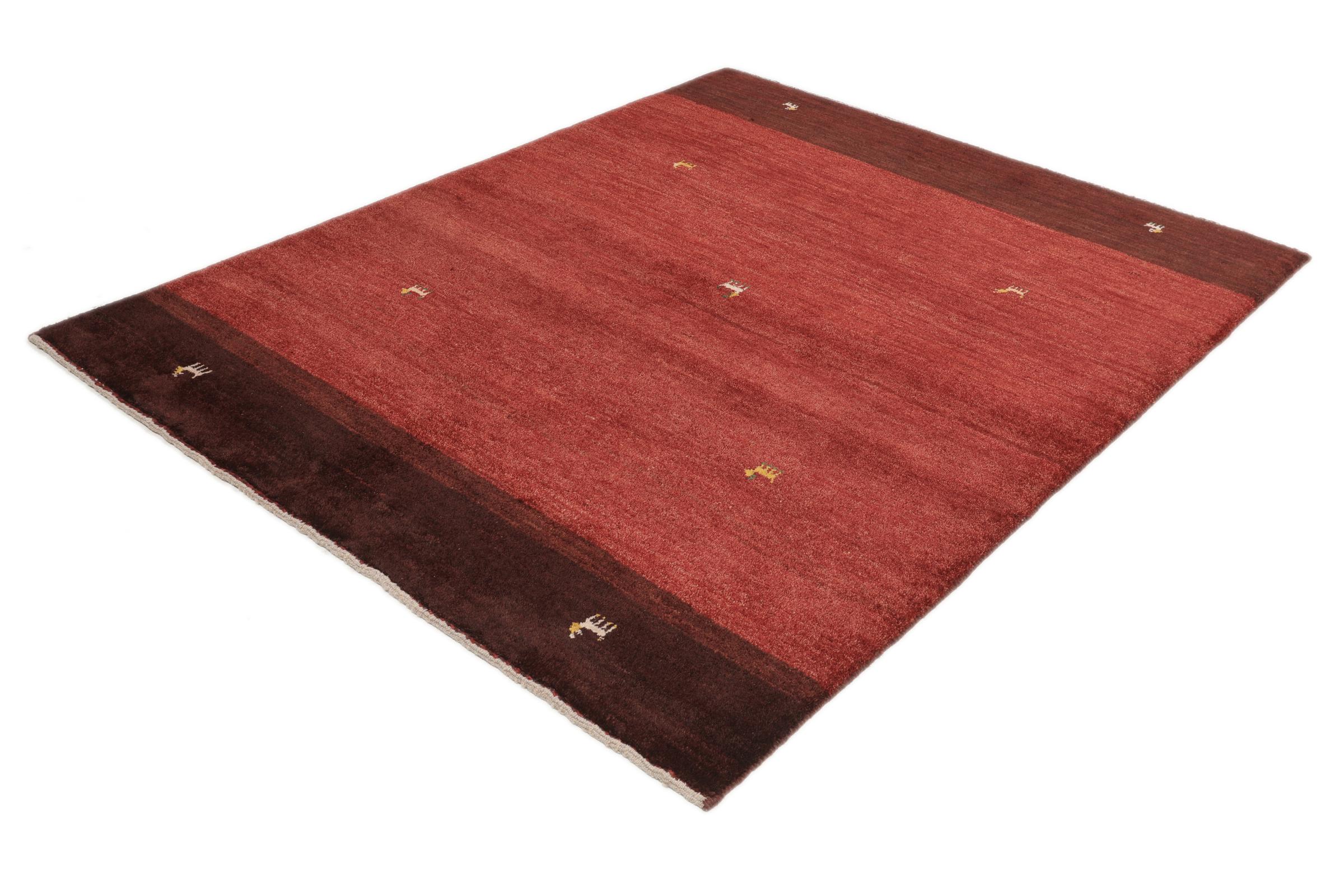
The Gabbeh rug originates from the nomadic tribes of the Middle East, particularly the Qashqai people. Traditionally, these rugs were woven for personal use rather than for trade, intended to provide warmth and comfort in the rugged, mountainous environments where these communities lived.
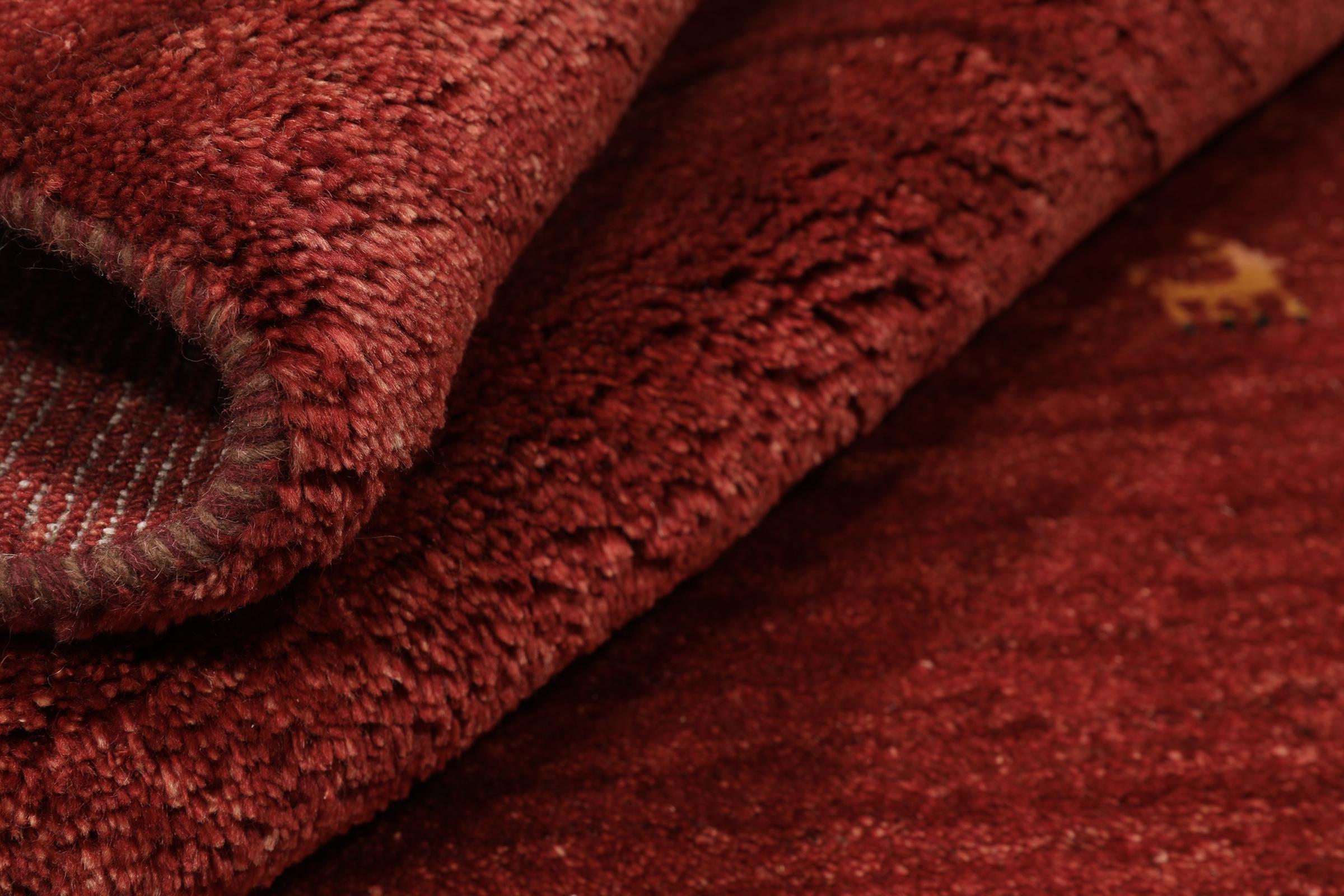
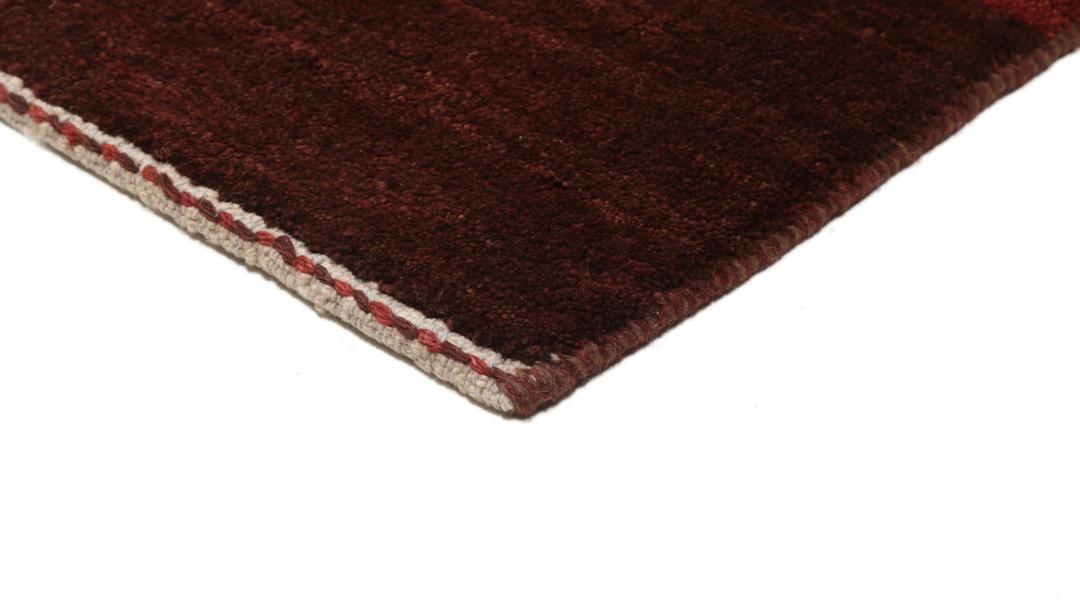
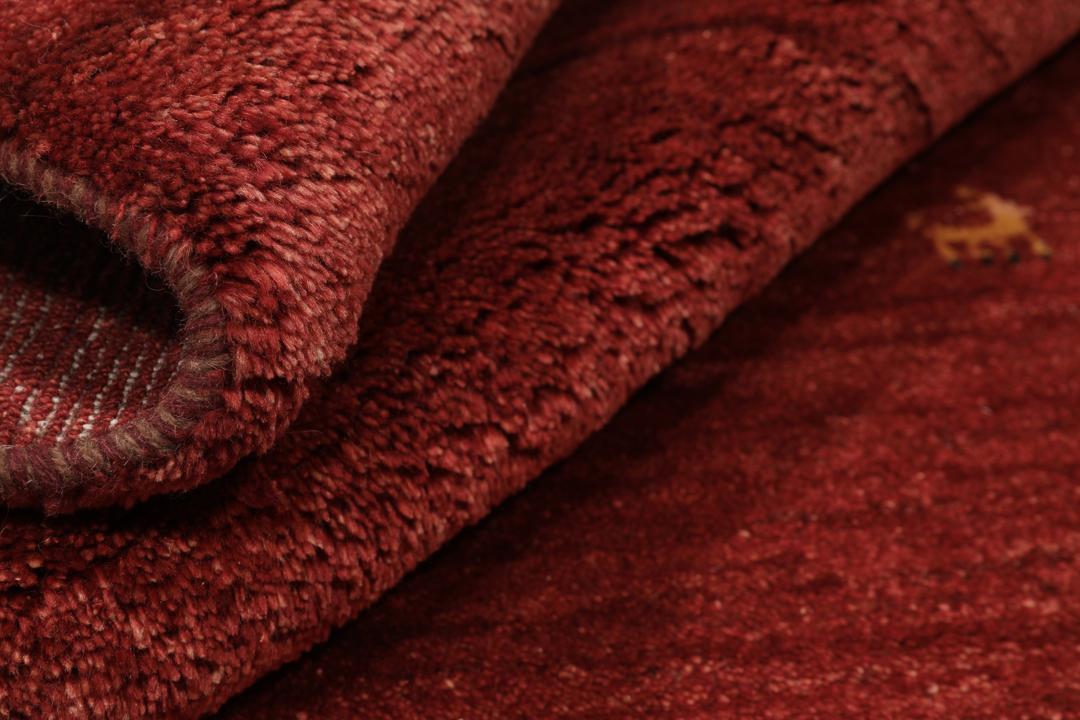
The term Gabbeh itself refers to a 'natural' or 'raw' style of weaving. Unlike more formal urban rugs that follow rigid, pre-planned patterns, Gabbeh rugs are celebrated for their spontaneity. They utilise a thicker, coarser pile that offers exceptional insulation, making them highly prized for their practical utility and rustic charm.
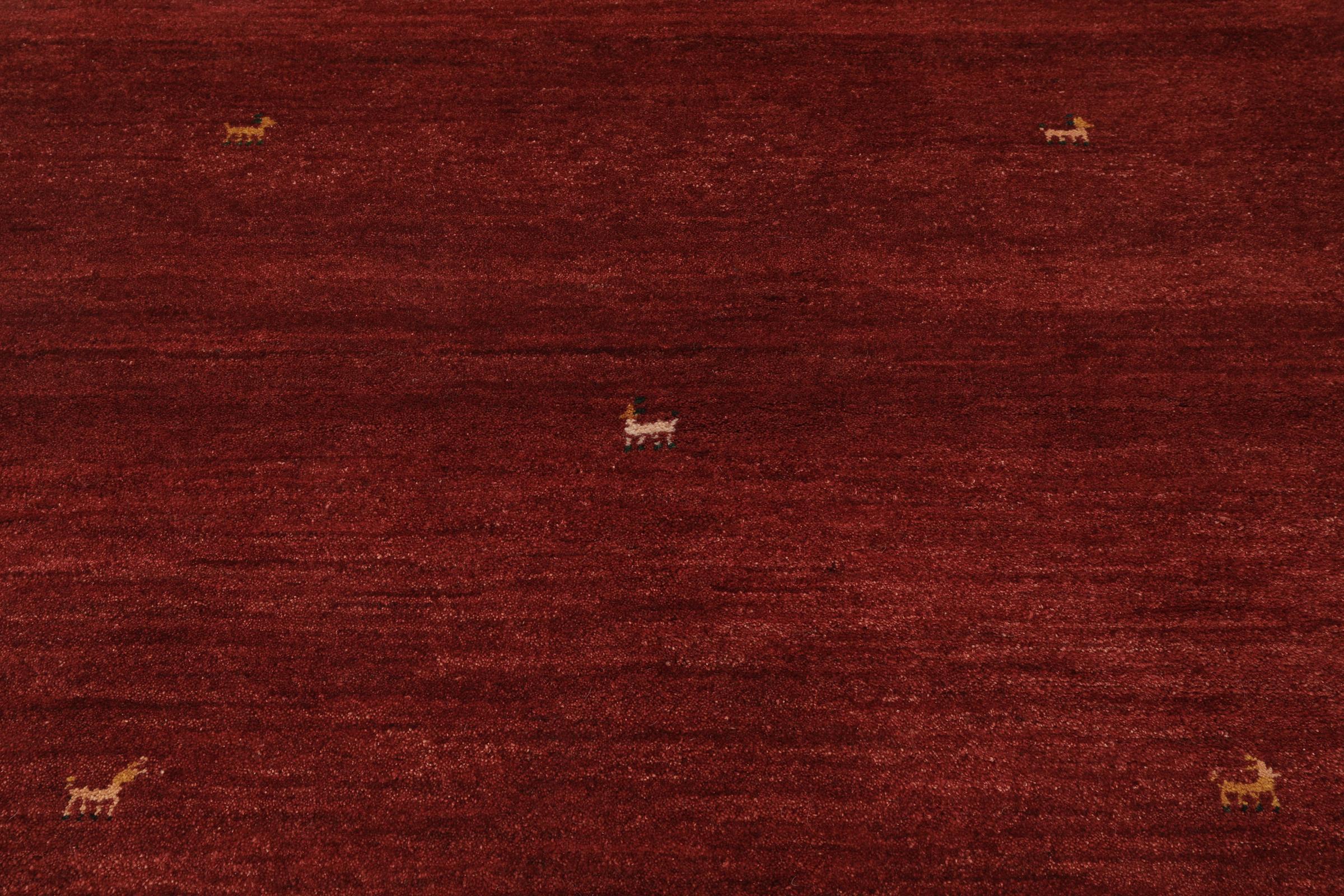
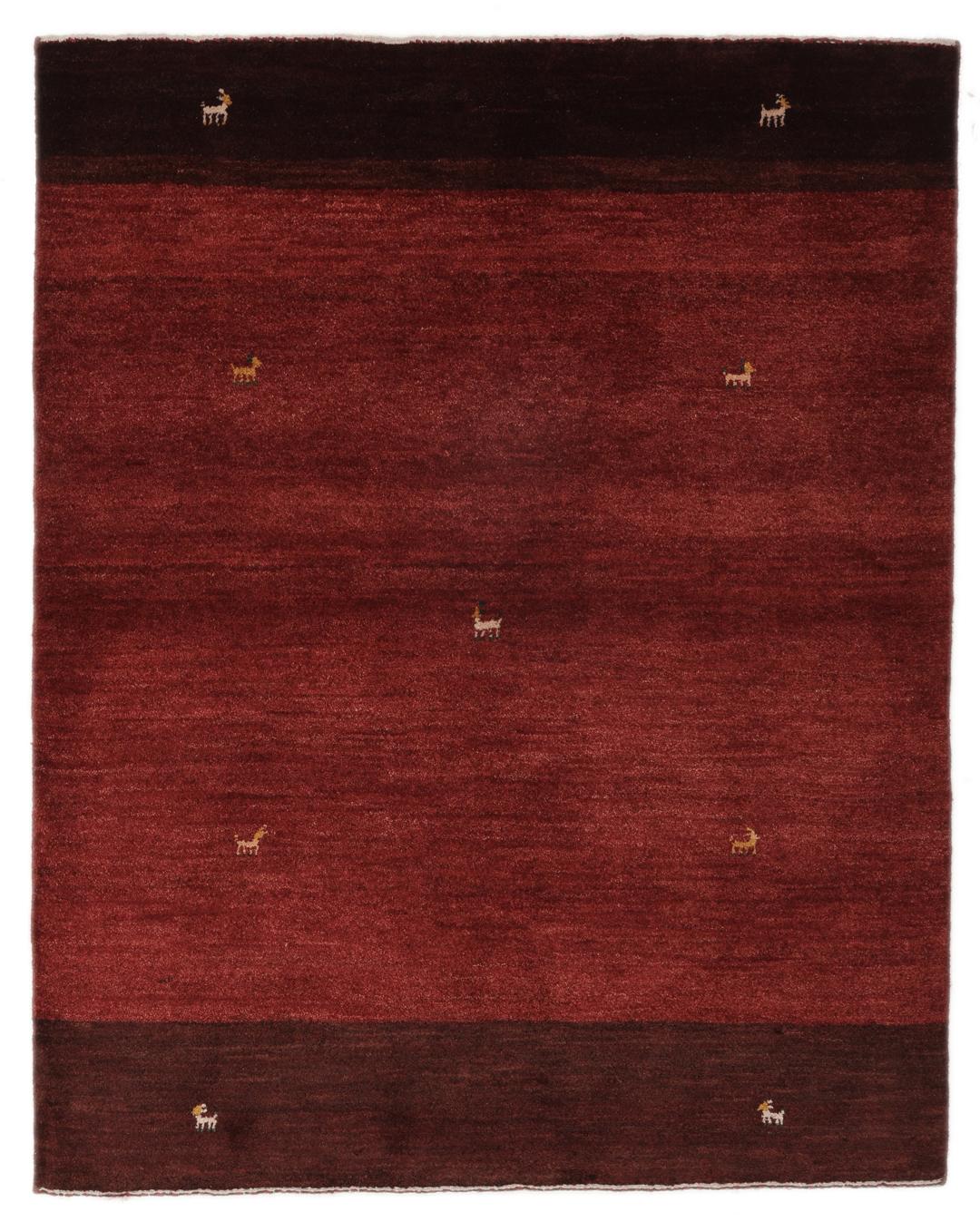
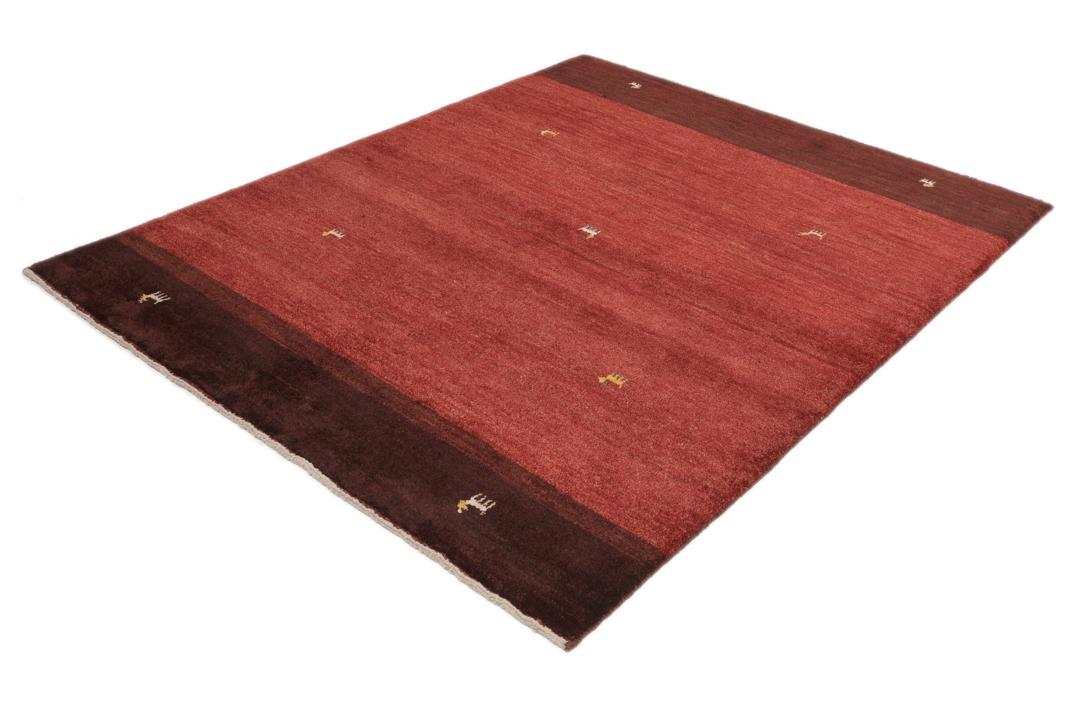
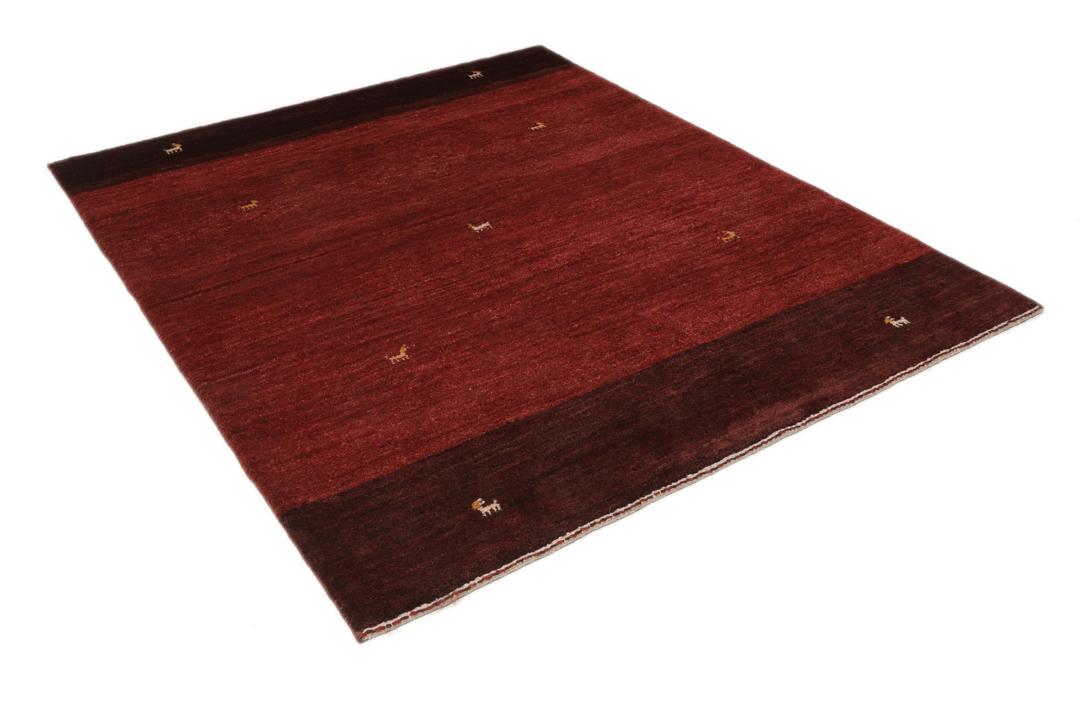
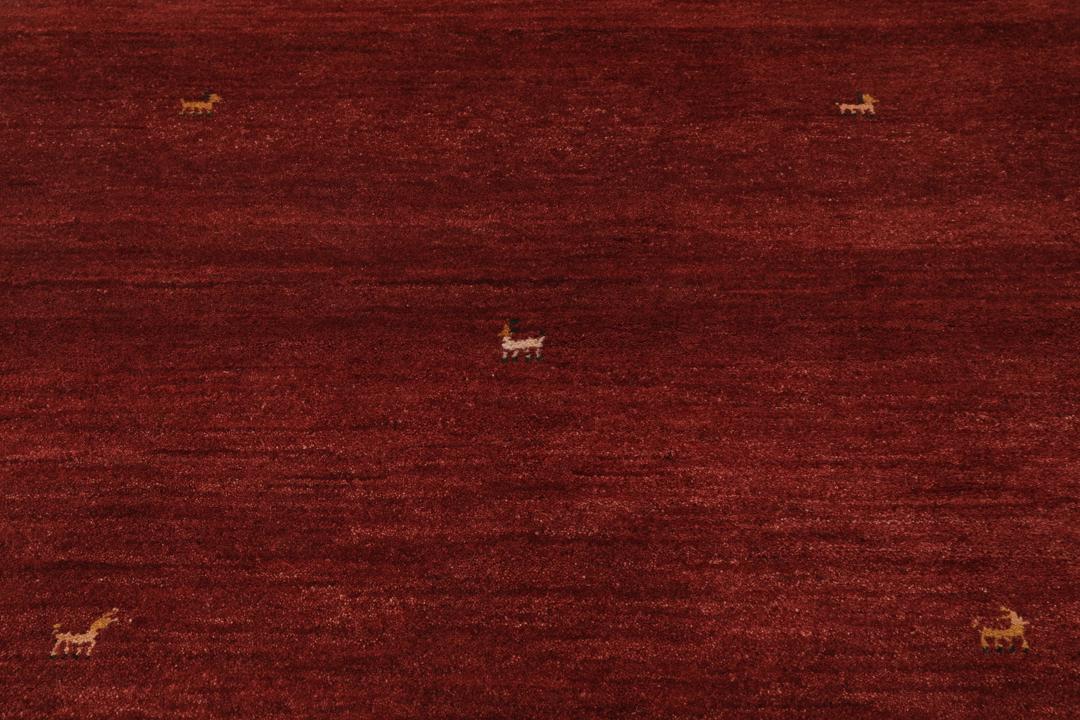
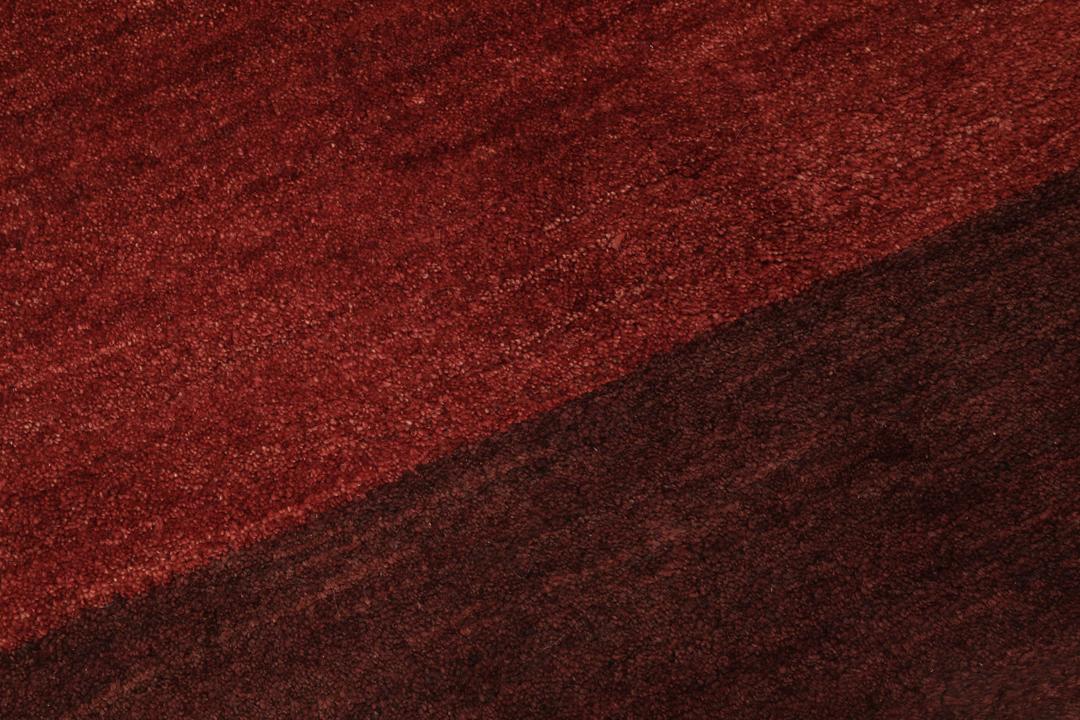
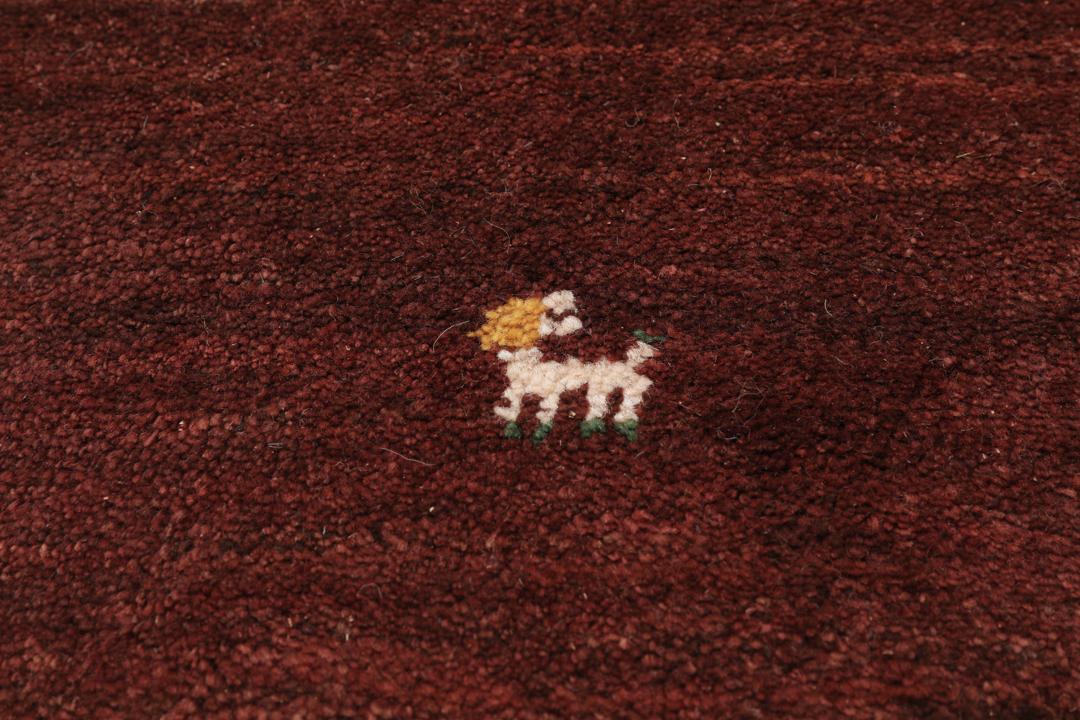
Design-wise, these rugs are known for their minimalist approach, often featuring large blocks of colour or sparse, symbolic motifs like animals, plants, or abstract shapes. These small figures are not just decorative; they often represent the weaver’s surroundings, family, or spiritual beliefs, turning each rug into a personal narrative or a visual diary of nomadic life.
Today, these rugs are highly sought after by collectors for their authentic, unpretentious aesthetic and the skill involved in their creation. They represent a bridge between ancient tribal customs and contemporary home design, offering a timeless quality that brings character and cultural depth to any modern living space.