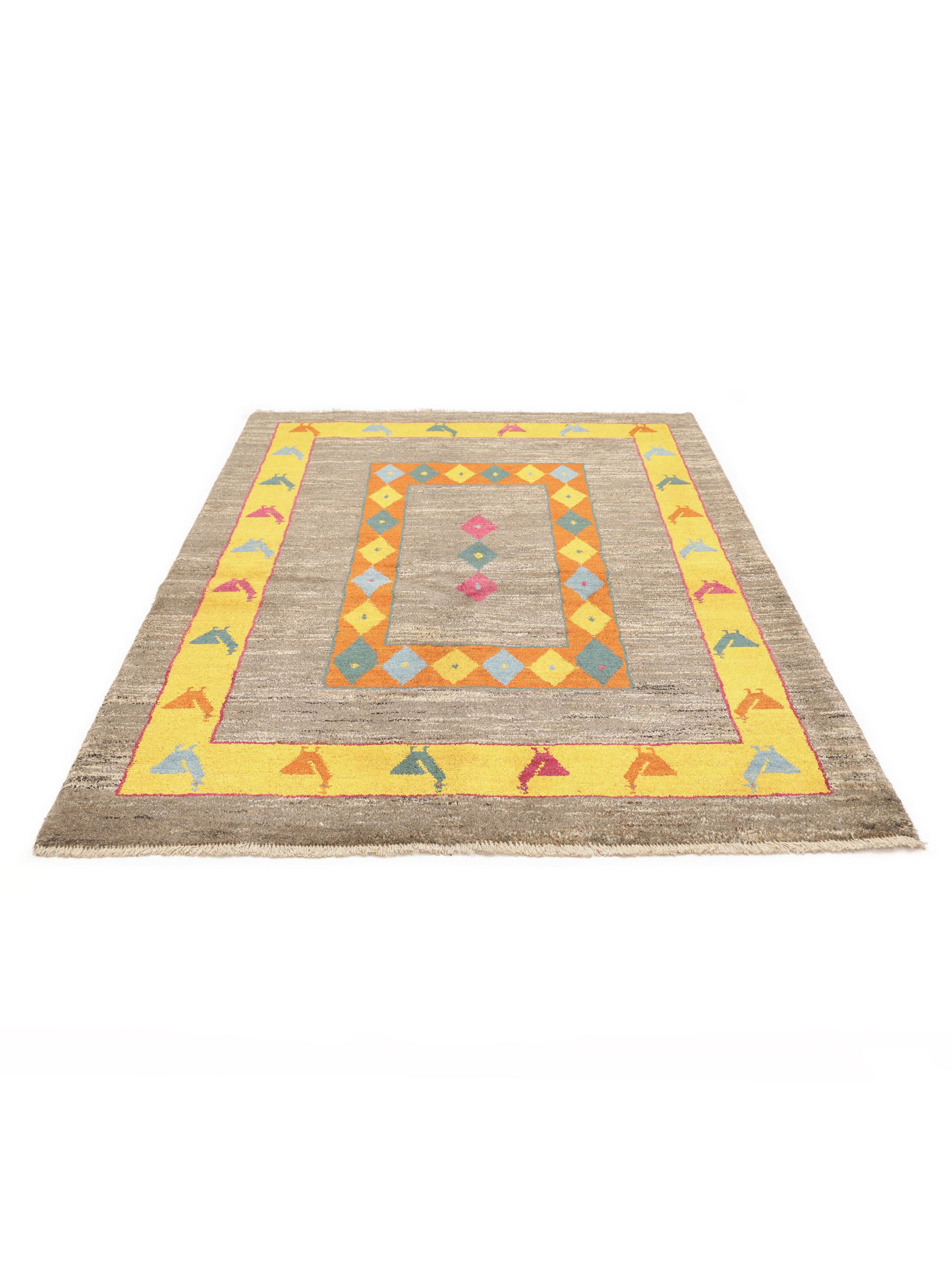
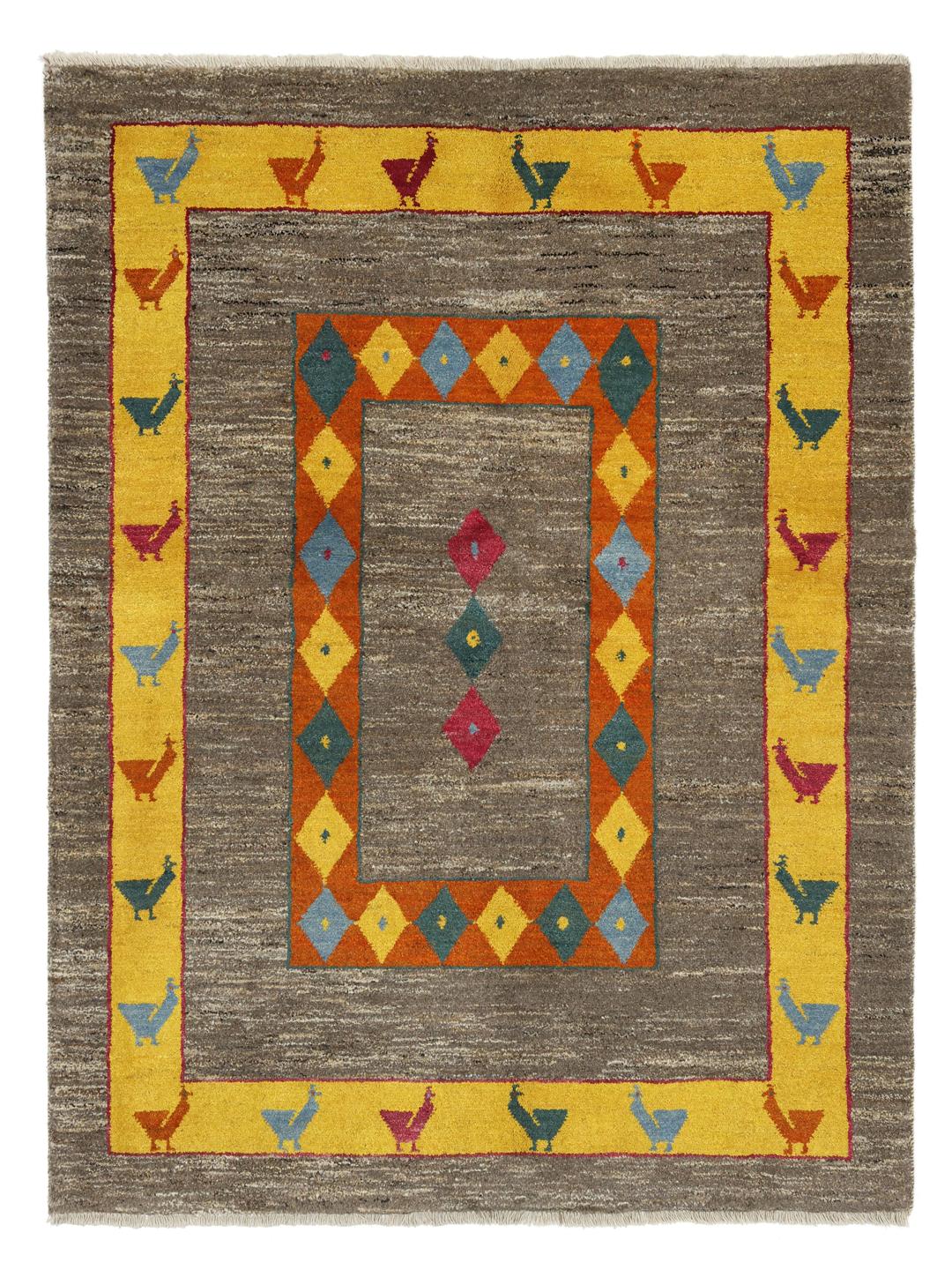
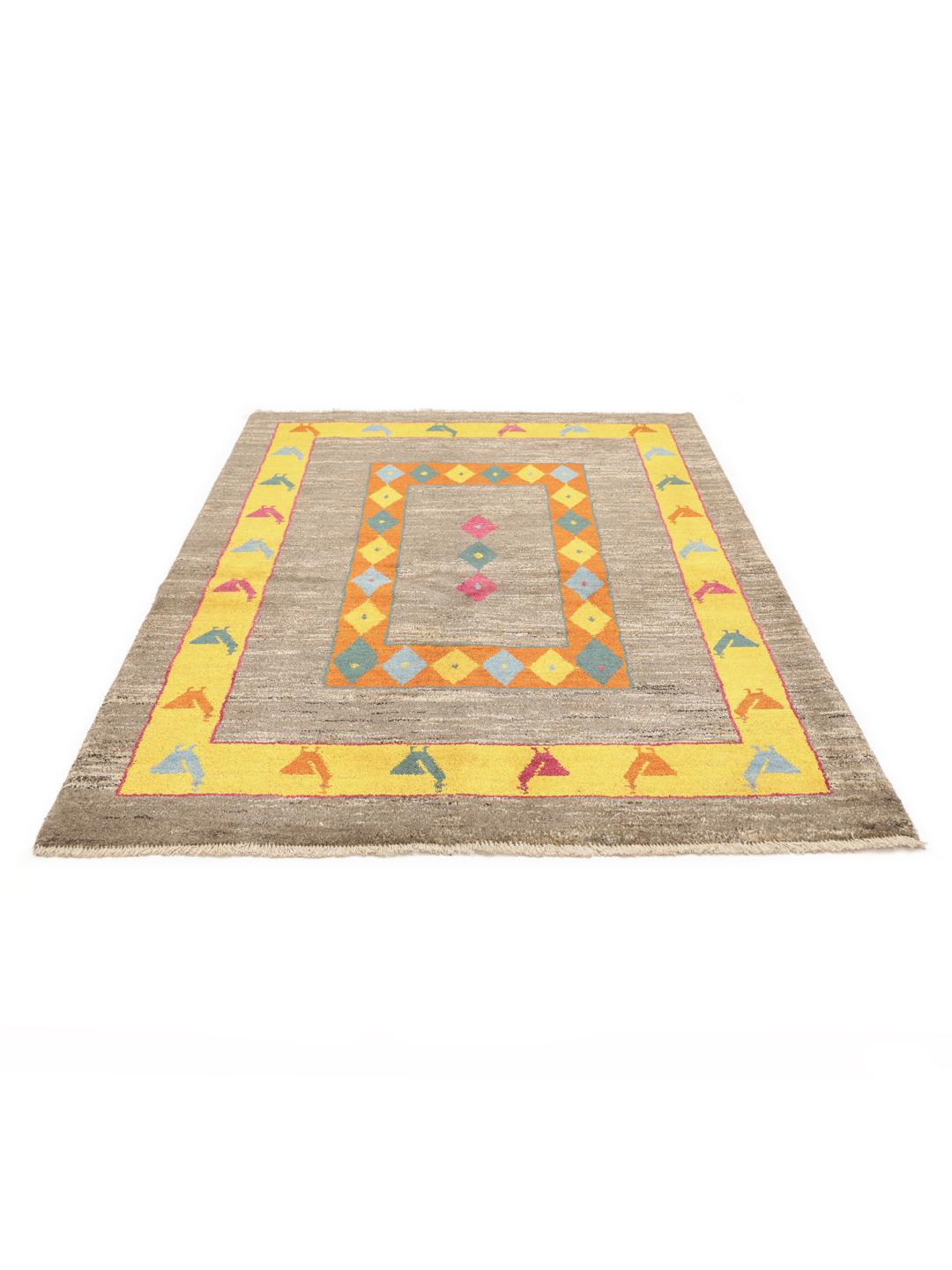
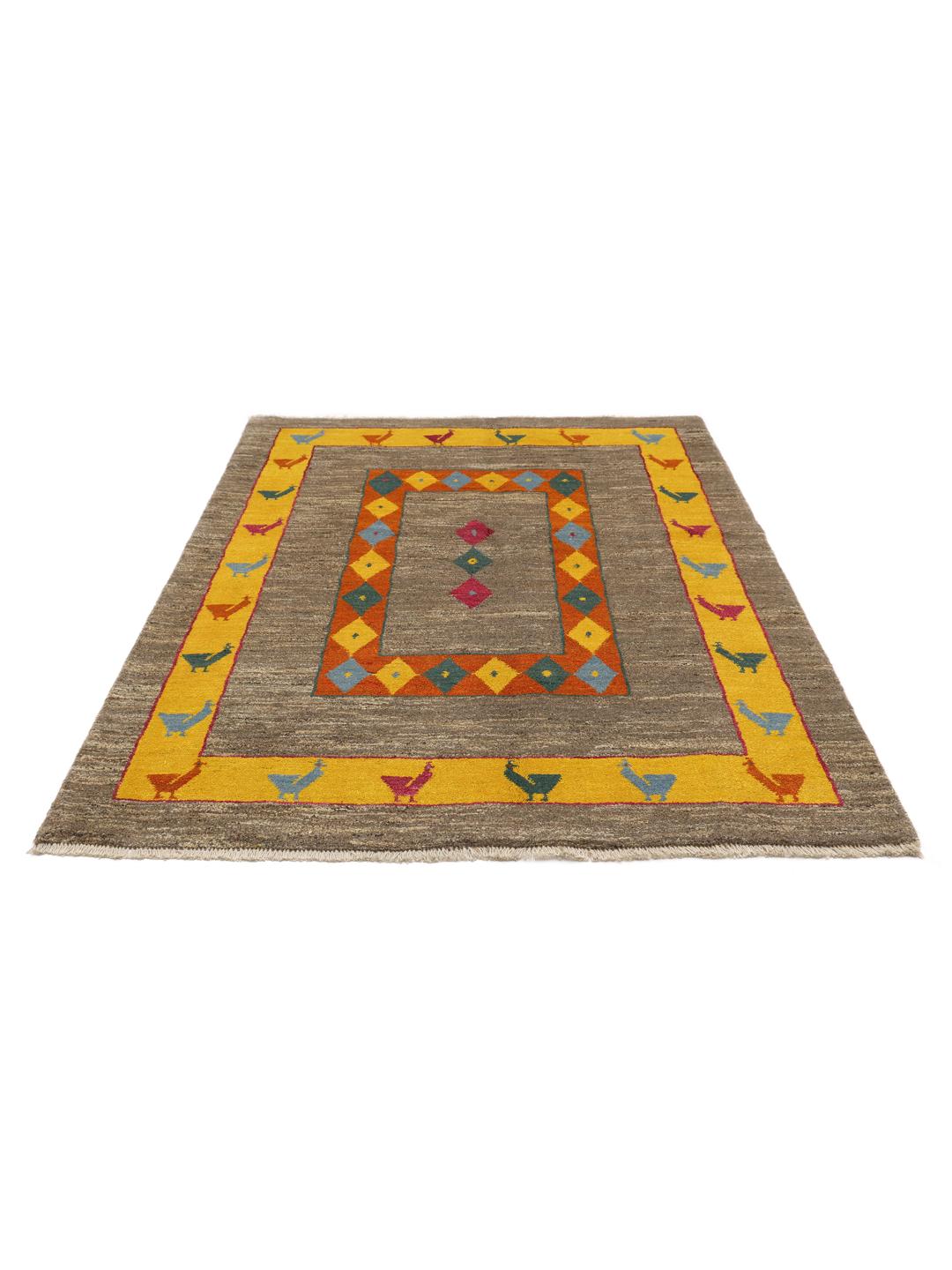
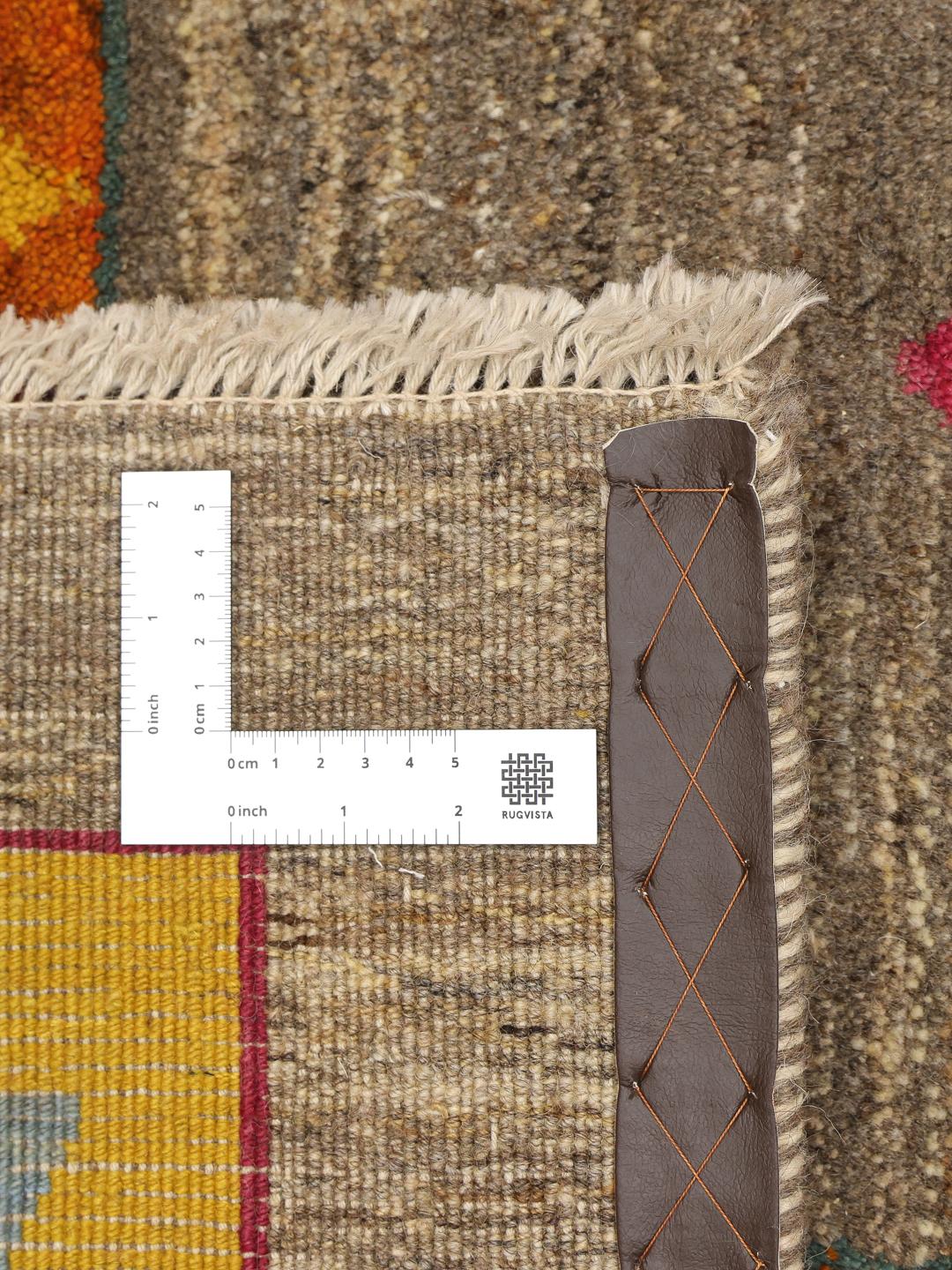
Gabbeh rugs originate from the nomadic tribes of the Middle East, where they were traditionally crafted for personal use rather than commercial sale. These rugs were designed to provide warmth and comfort in harsh environments, often serving as bedding or floor coverings in tents. The name itself, Gabbeh, translates to 'raw' or 'natural', reflecting the unrefined and authentic spirit of these woven treasures.
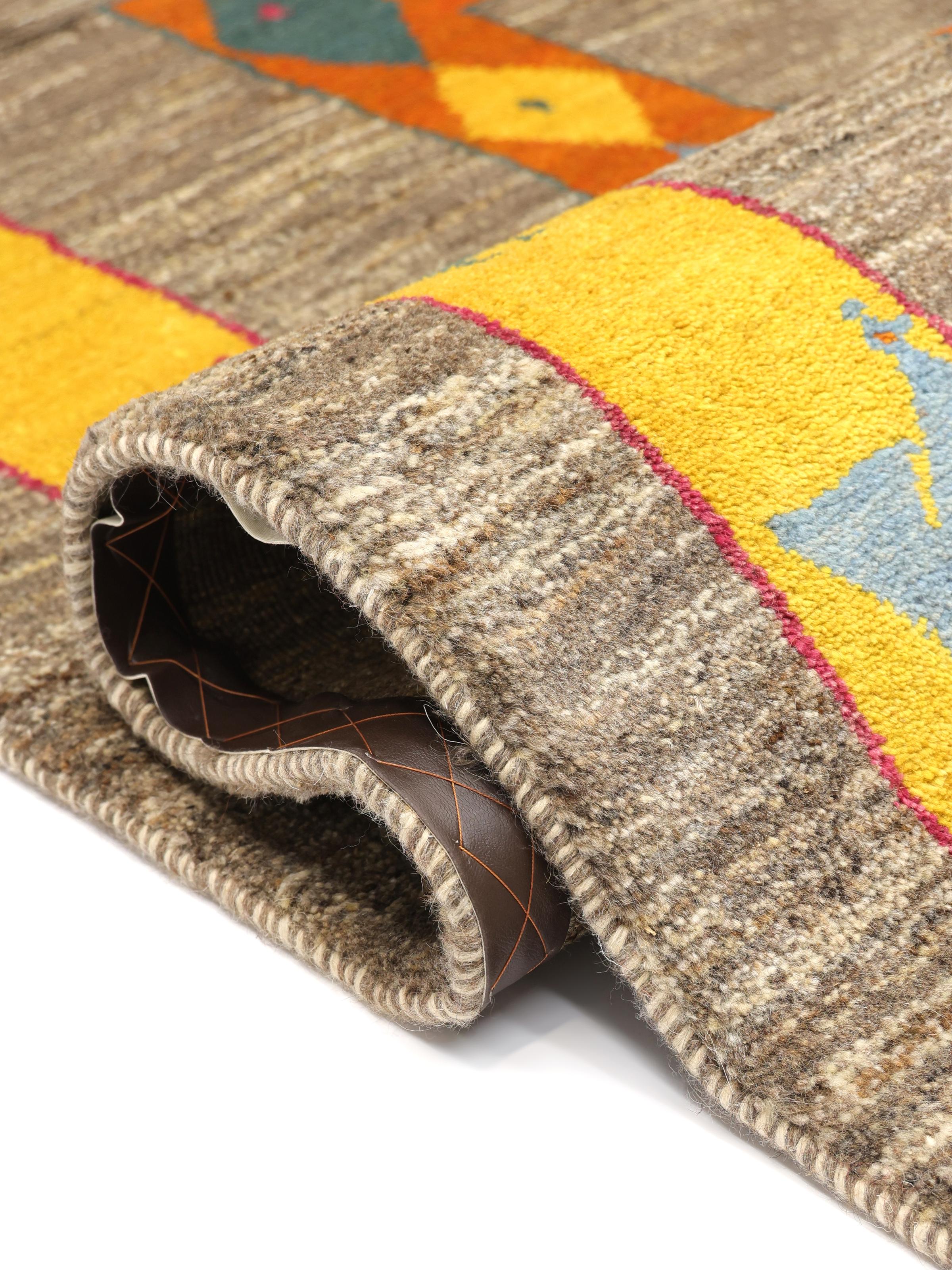
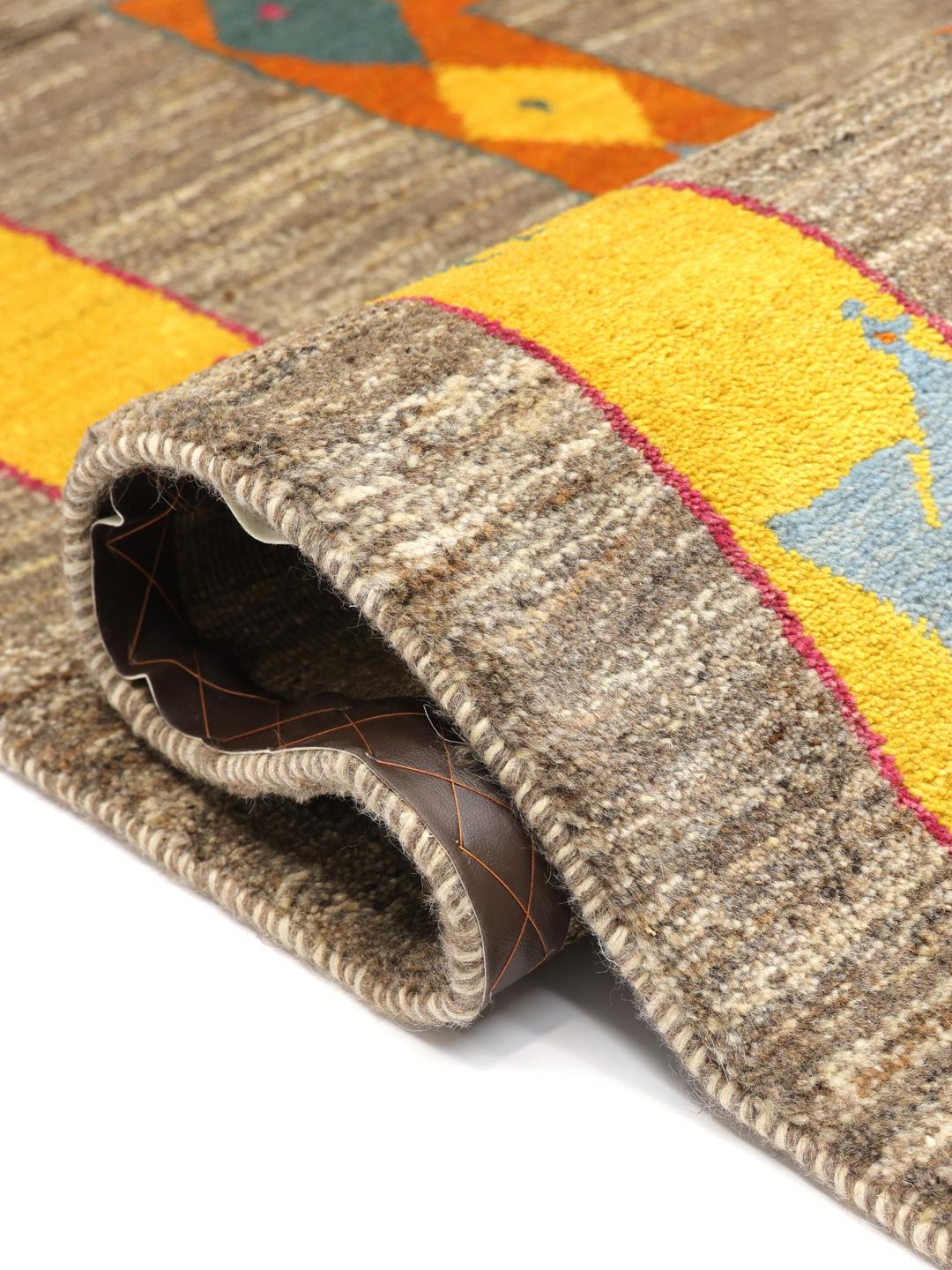
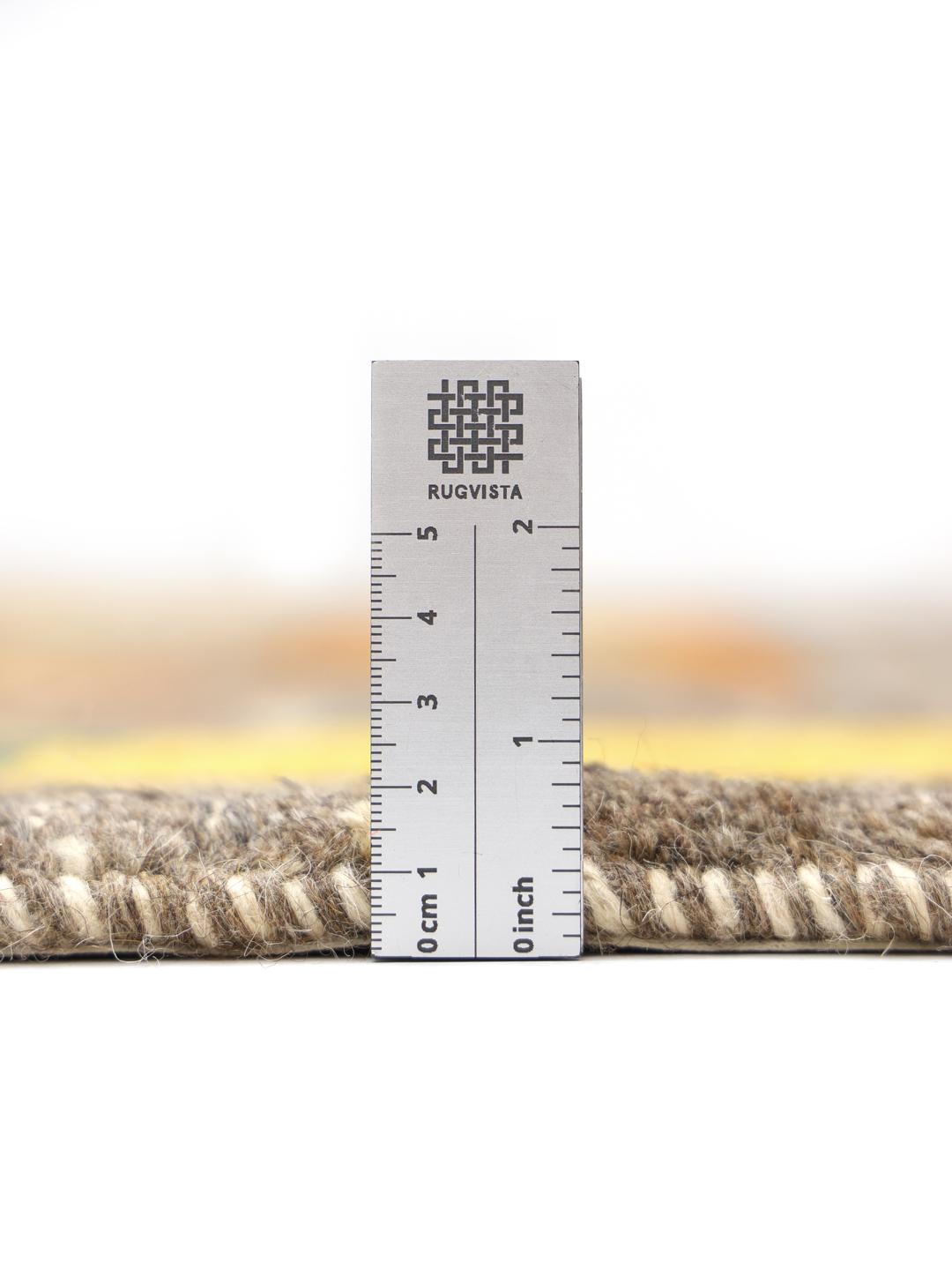
The craft relies on a technique that prioritises the quality of the wool and the depth of the pile. Traditionally, these rugs are woven using hand-spun wool, which contains natural lanolin, making the finished product soft to the touch and resistant to wear. This approach ensures that each piece is not only visually striking but also highly functional for daily life.
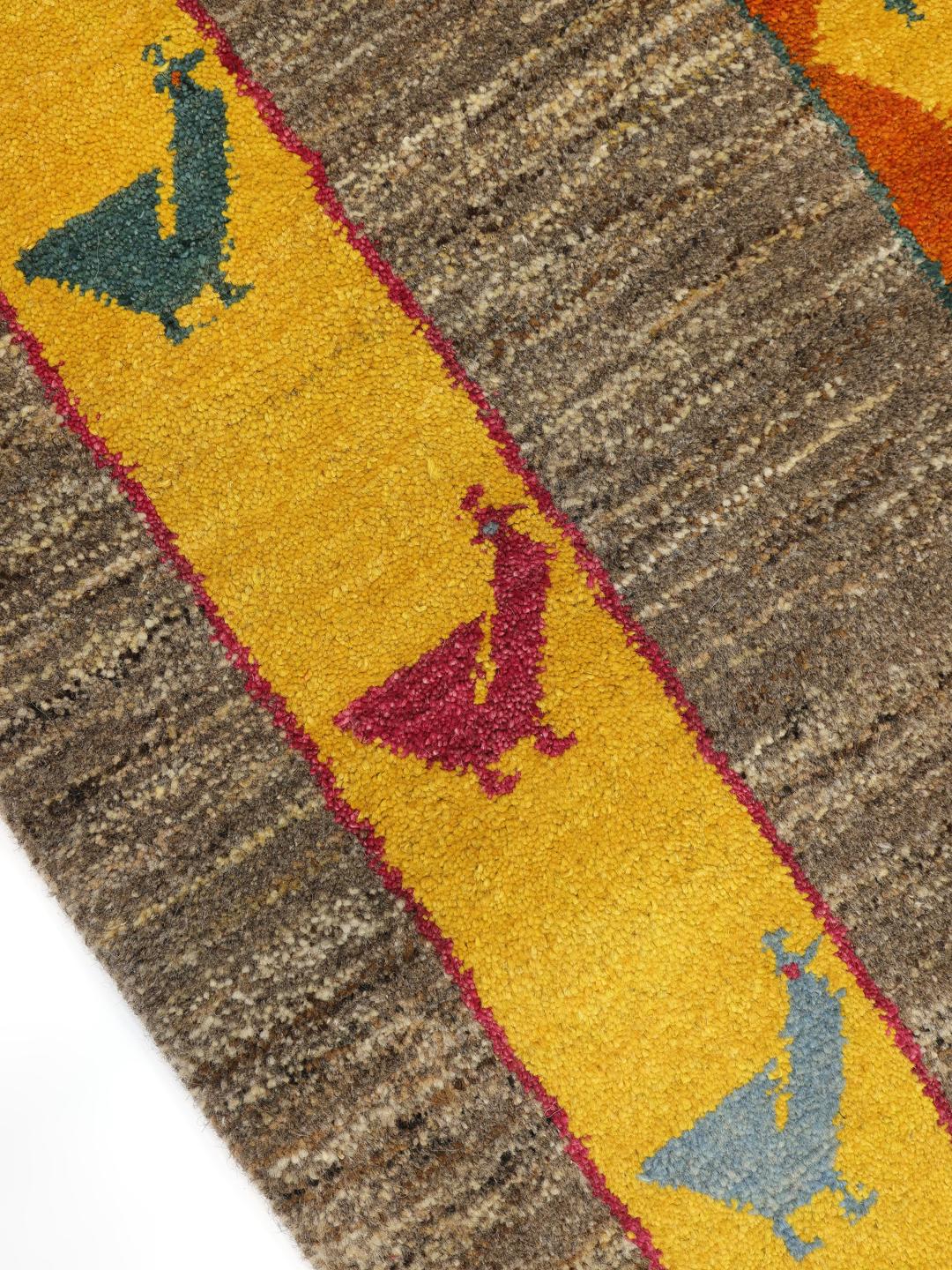
Visually, Gabbeh rugs are celebrated for their artistic freedom. Unlike more formal, structured styles, these rugs often feature bold, simplified motifs including animals, people, and geometric shapes. The use of vibrant, often contrasting colours is a hallmark of the tradition, with local dyes traditionally sourced from plants and roots to create a rich, varied palette that changes subtly across the surface of the rug.
Today, these rugs are highly sought after by collectors who value the human element and the cultural history woven into every thread. Owning a Gabbeh is a way to connect with a centuries-old nomadic tradition, celebrating the skill of the weaver and the legacy of a craft that values individual expression over mass production.