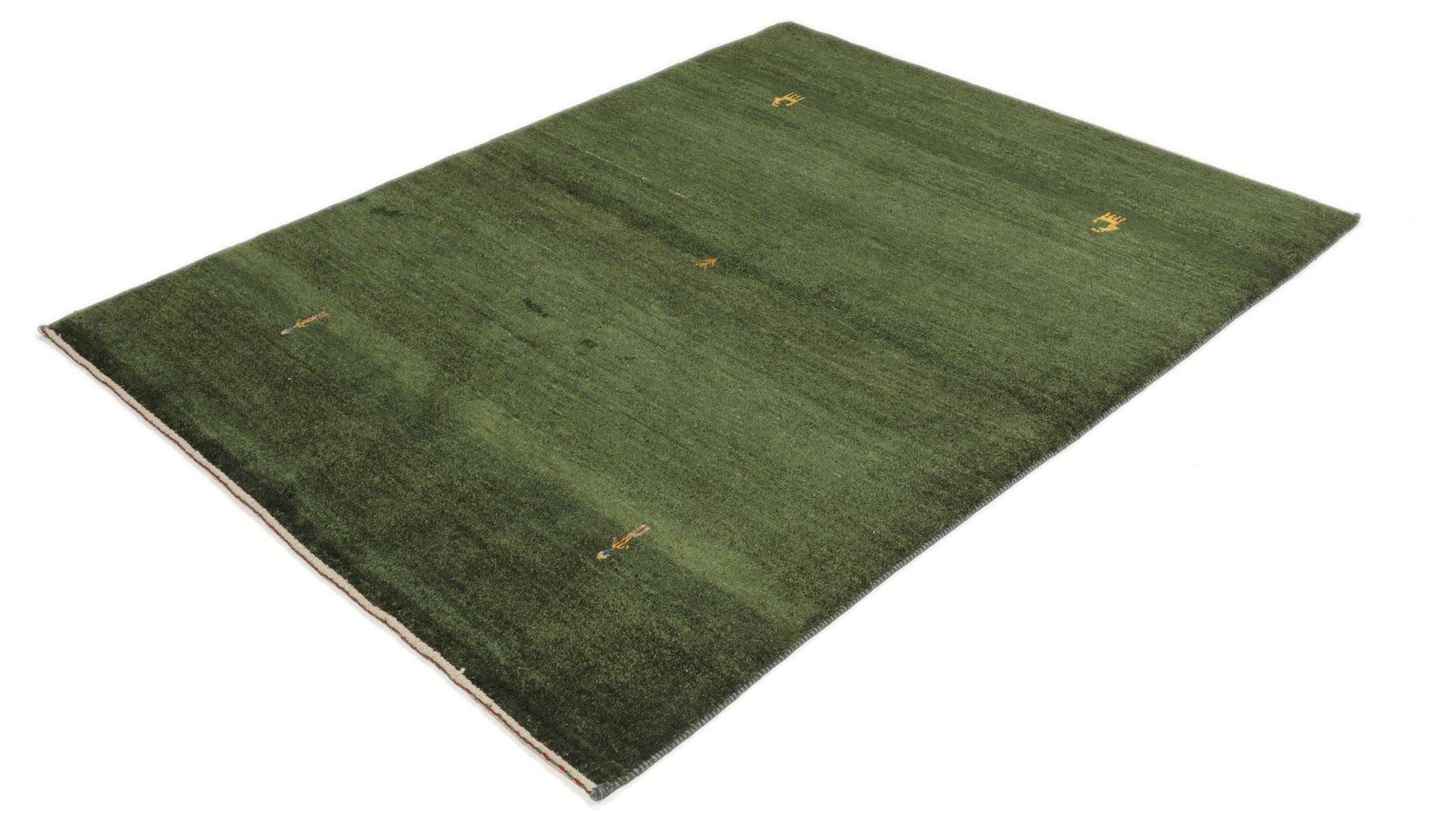
Gabbeh rugs trace their origins to the nomadic tribes of the Middle East, specifically the Qashqai people, who crafted these pieces primarily for their own domestic use. Unlike the formal, intricate rugs found in city workshops, Gabbeh rugs were designed to be functional, warm, and deeply personal, reflecting the daily lives and natural surroundings of the weavers.
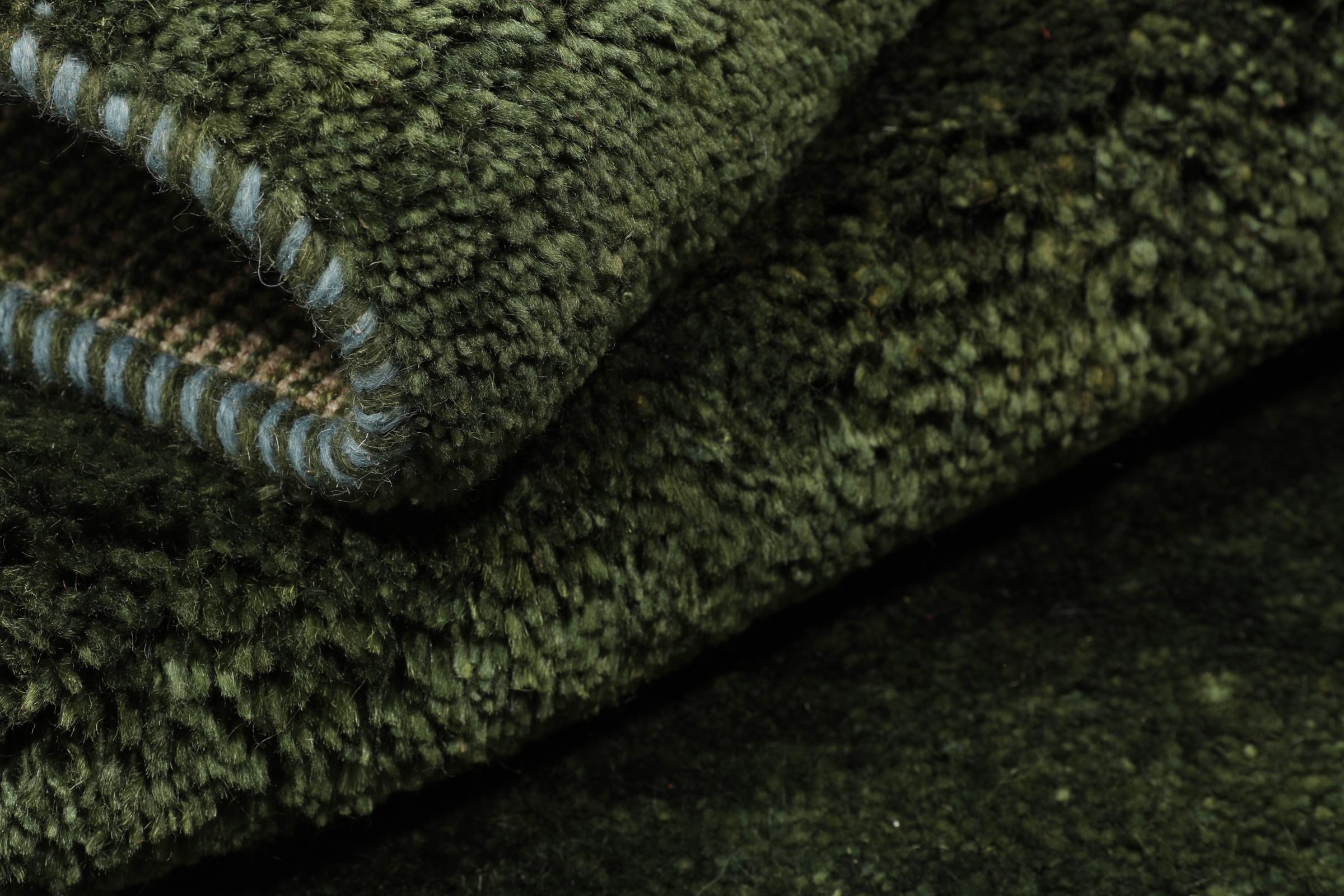
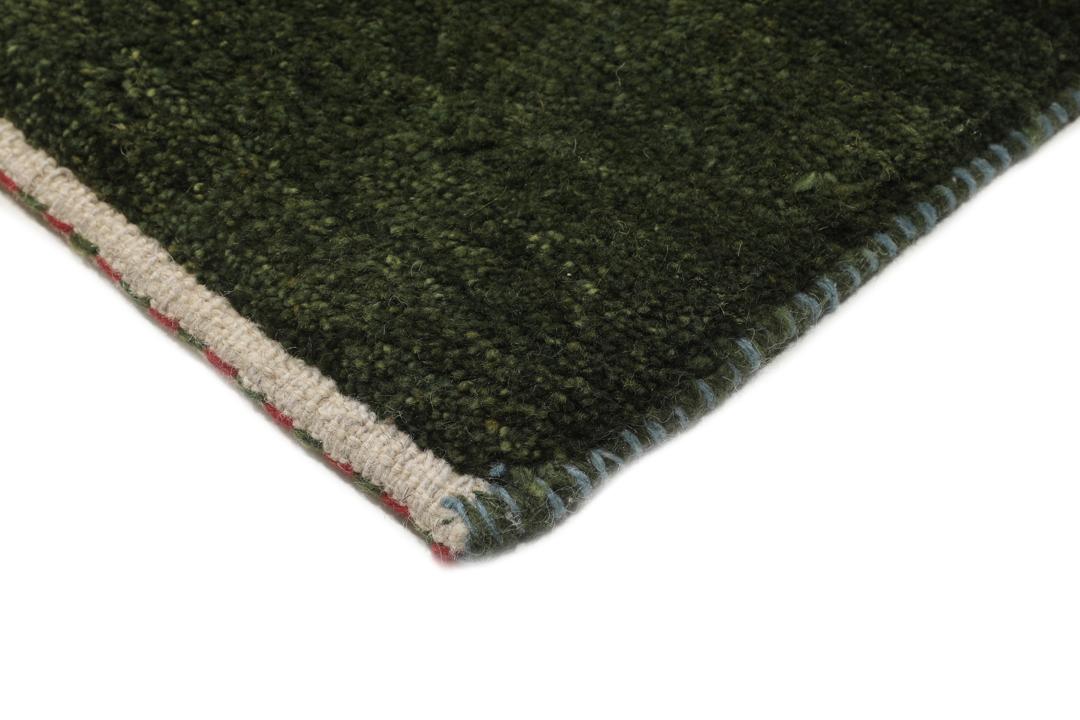
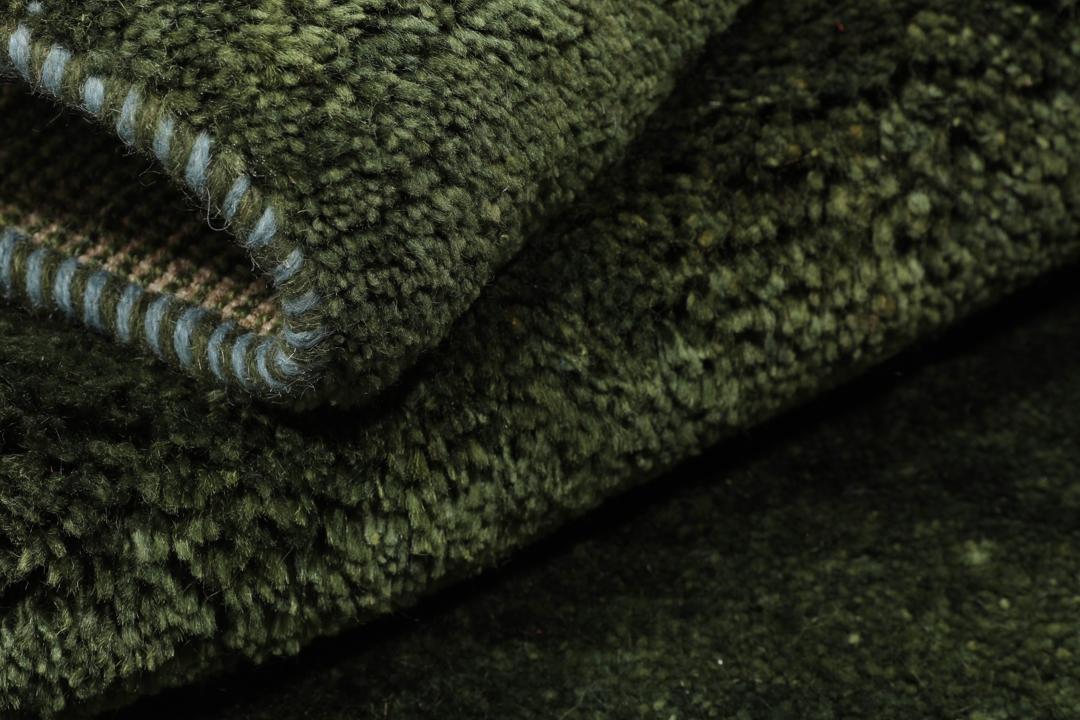
The term 'Gabbeh' itself translates to 'raw' or 'natural', which perfectly describes the aesthetic of these rugs. They are known for their thick, luxurious pile and their tendency toward bold, minimalist designs. This lack of rigid structure allows for a more spontaneous approach to artistry, often resulting in pieces that feel modern and fresh despite their ancient roots.
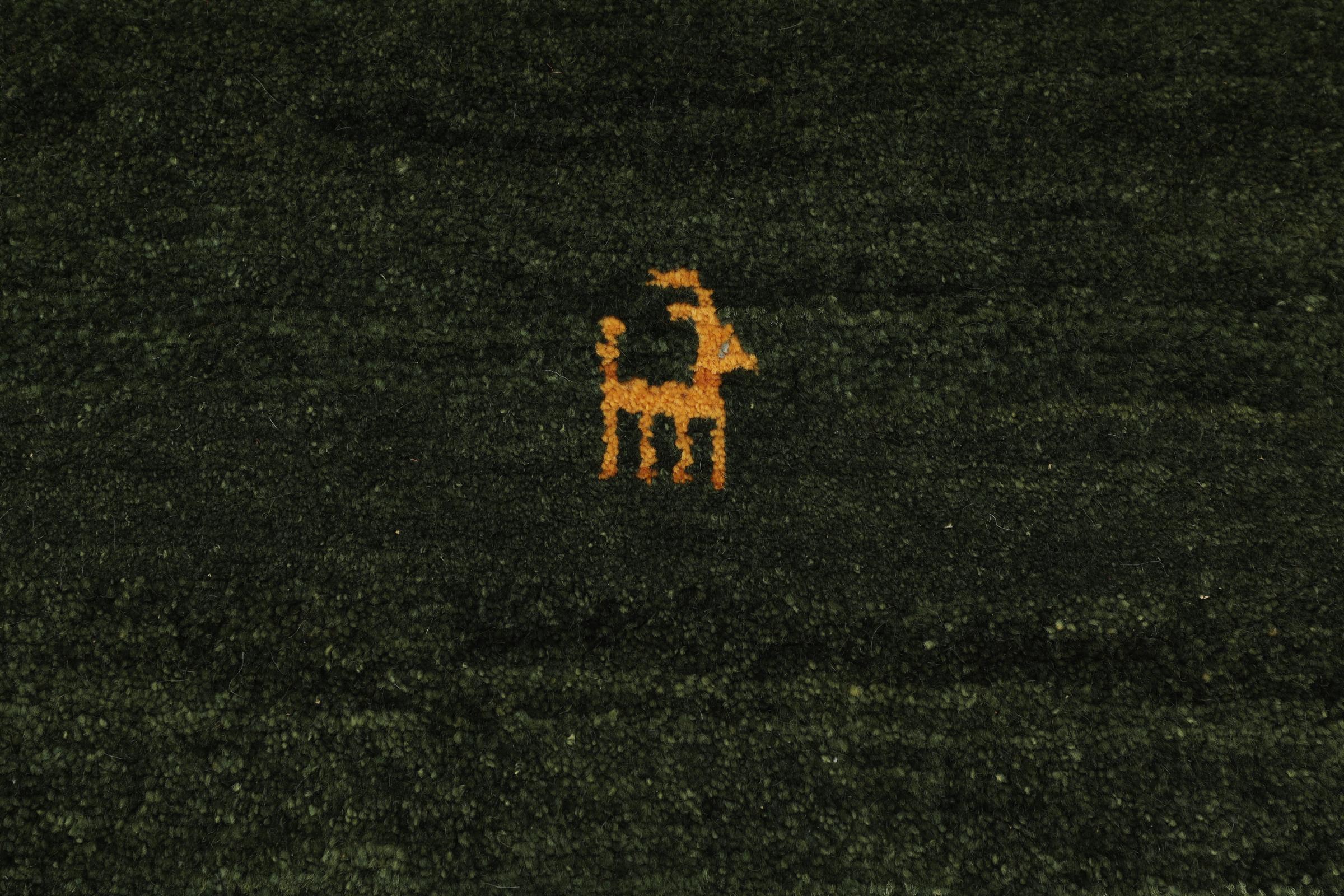
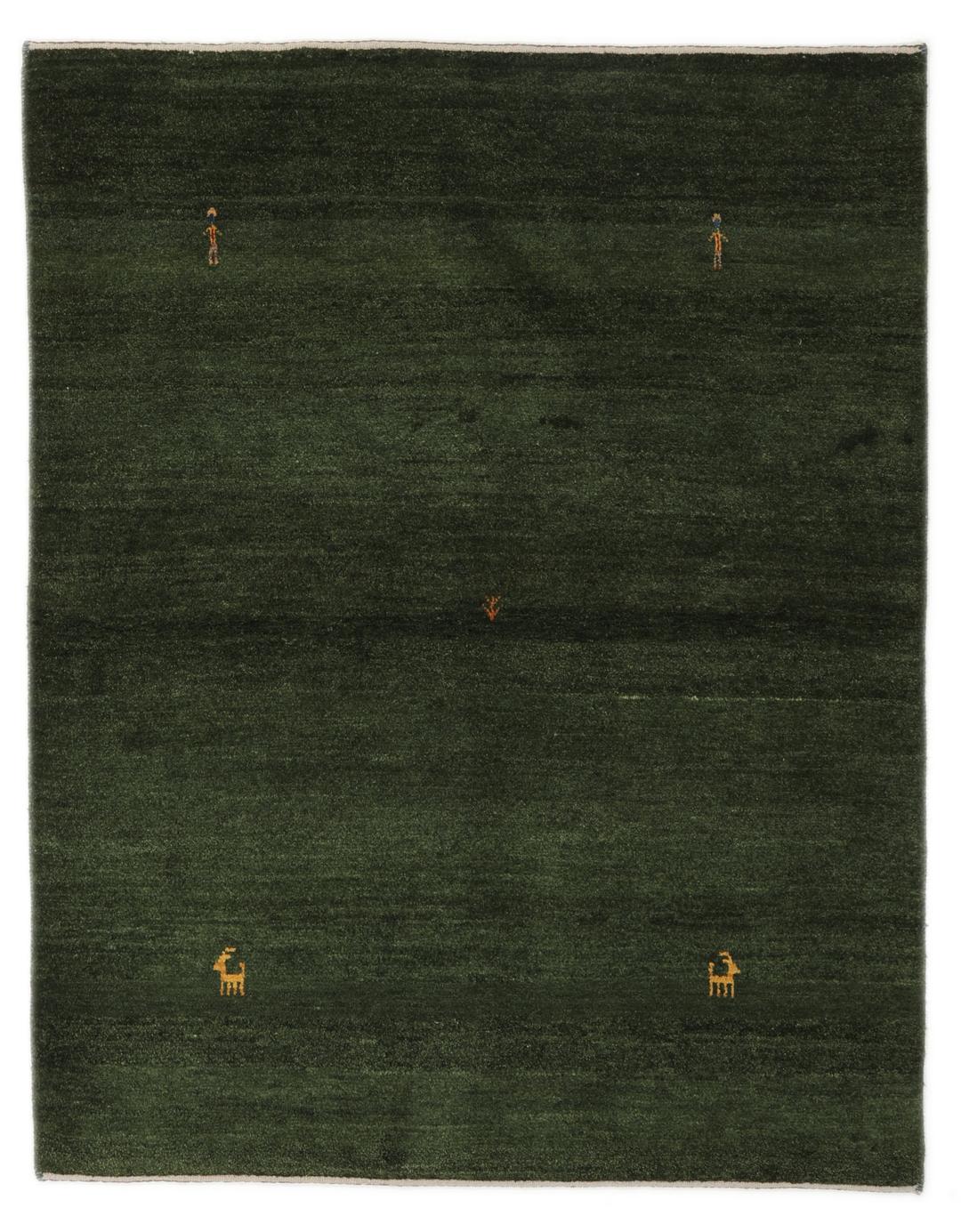
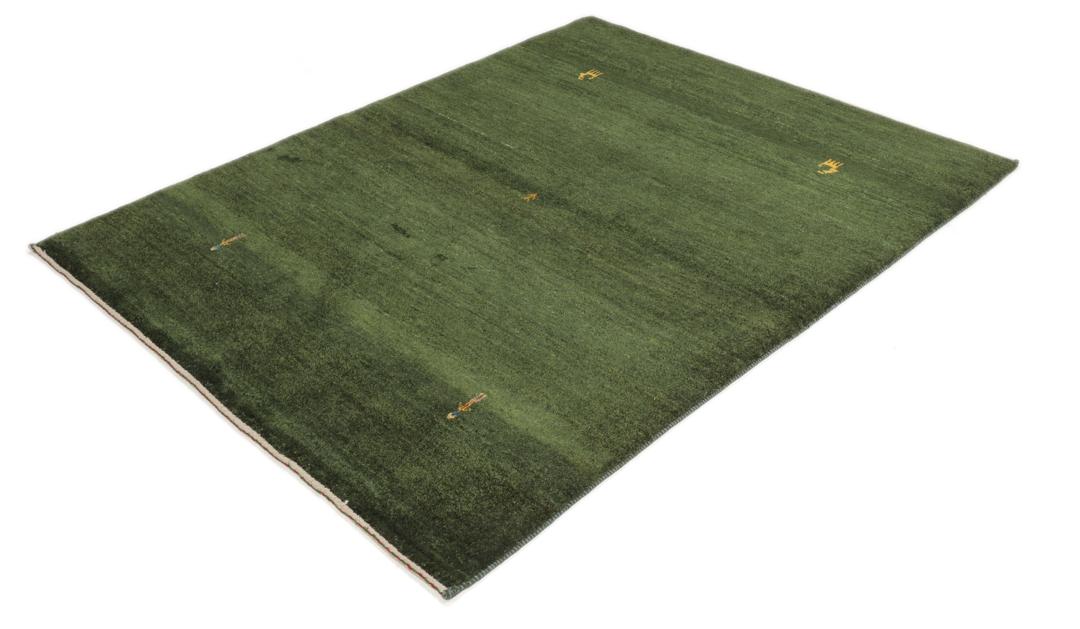
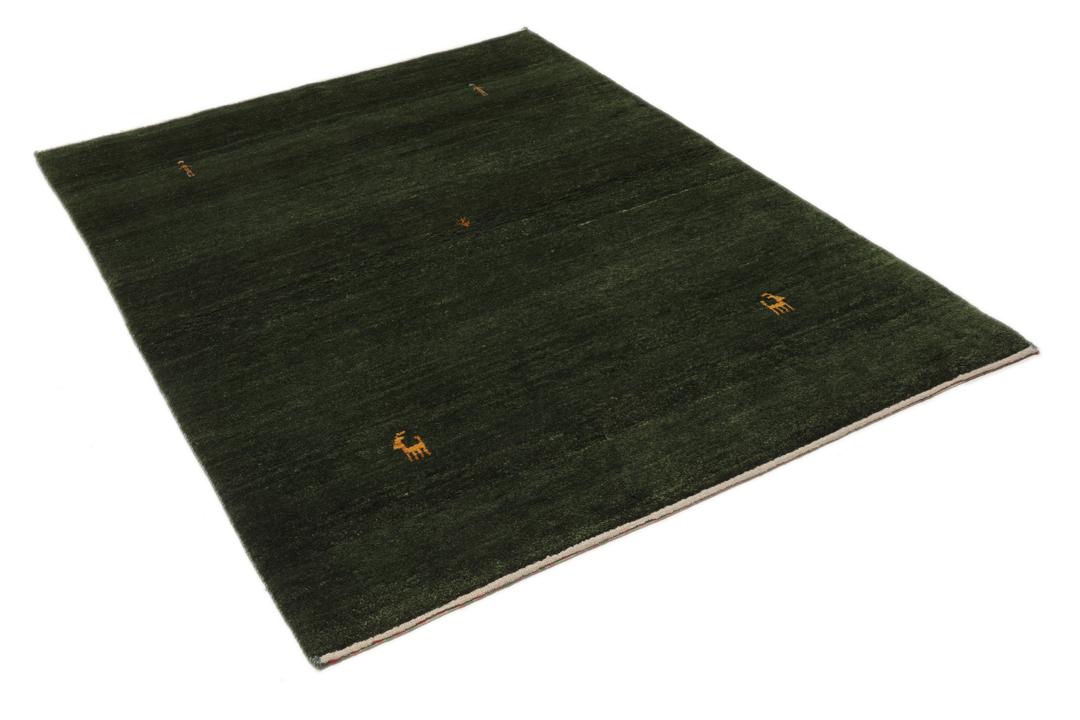
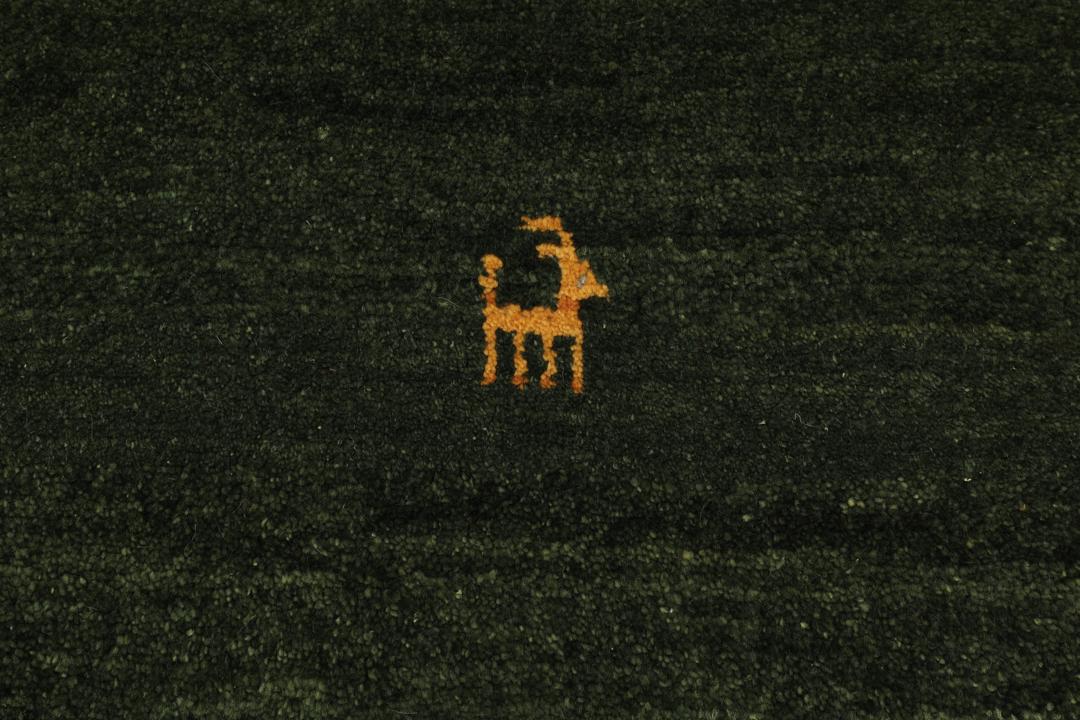
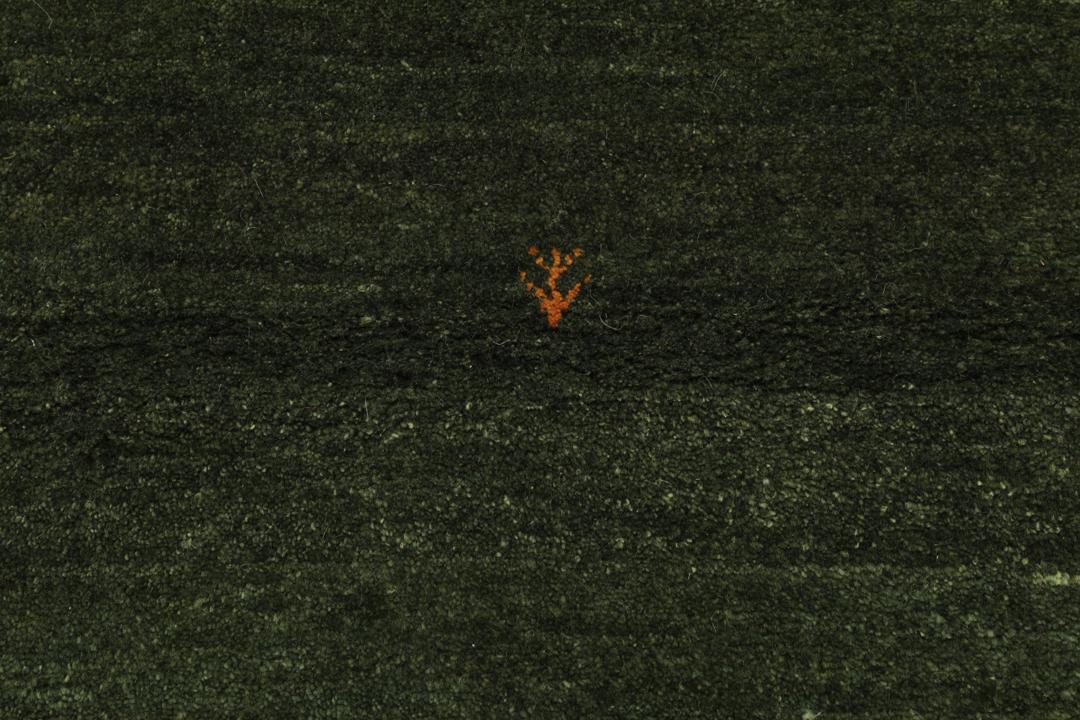
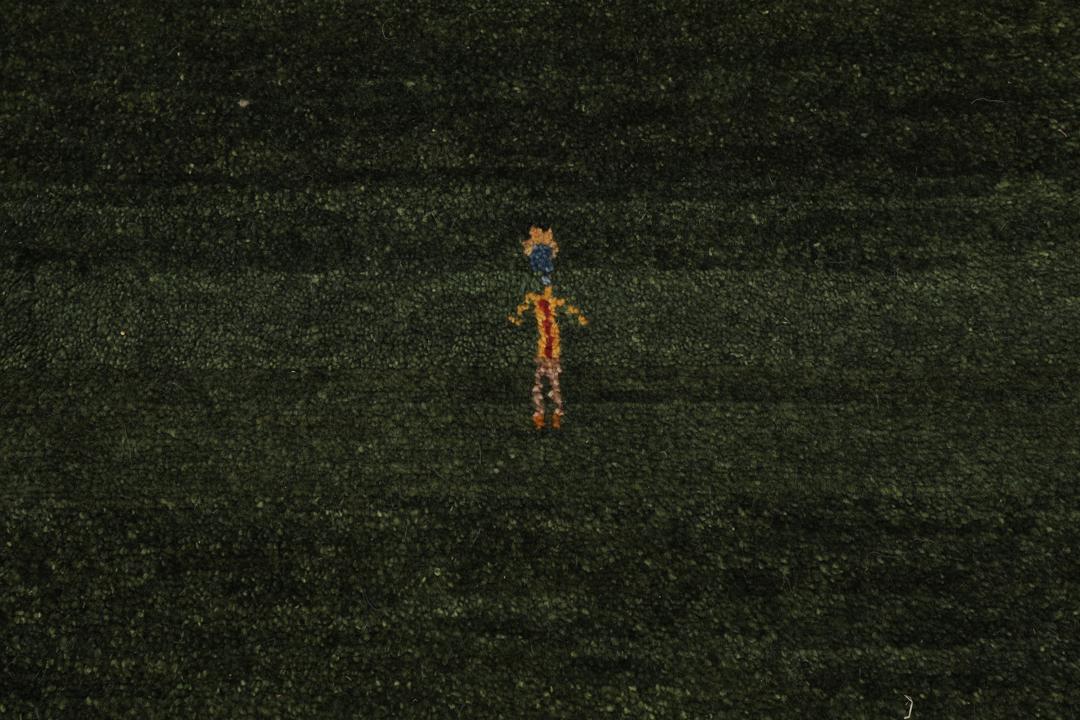
The design language of this rug is defined by its open, uncluttered field and the use of stylized, symbolic motifs. While traditional rugs might be covered in complex floral patterns, the Gabbeh typically celebrates negative space, using it to highlight a few carefully chosen figures or symbols that tell a subtle story. This approach to design makes them highly sought after by collectors who appreciate a more artistic and less conventional look.
Owning a Gabbeh is an opportunity to connect with a long-standing tradition of nomadic artistry. These rugs are highly valued for their authenticity and the human story woven into every strand. Choosing a piece like this means you are investing in a heritage of skill and creative freedom that has been passed down through generations of families in the Middle East.