Gabbeh rugs originate from the nomadic tribes of the Middle Eastern mountains, where they were traditionally woven for personal use rather than commercial sale. These rugs were designed to be thick and warm, serving as essential bedding and floor coverings for families living in harsh, high-altitude climates.
The term 'Gabbeh' itself translates roughly to 'raw' or 'natural,' reflecting the rug's historical roots in simplified, unrefined aesthetics. Unlike the more formal, intricate carpets produced in urban workshops, these rugs celebrate a freer, more spontaneous approach to design that emphasises the weaver's intuition and local traditions.
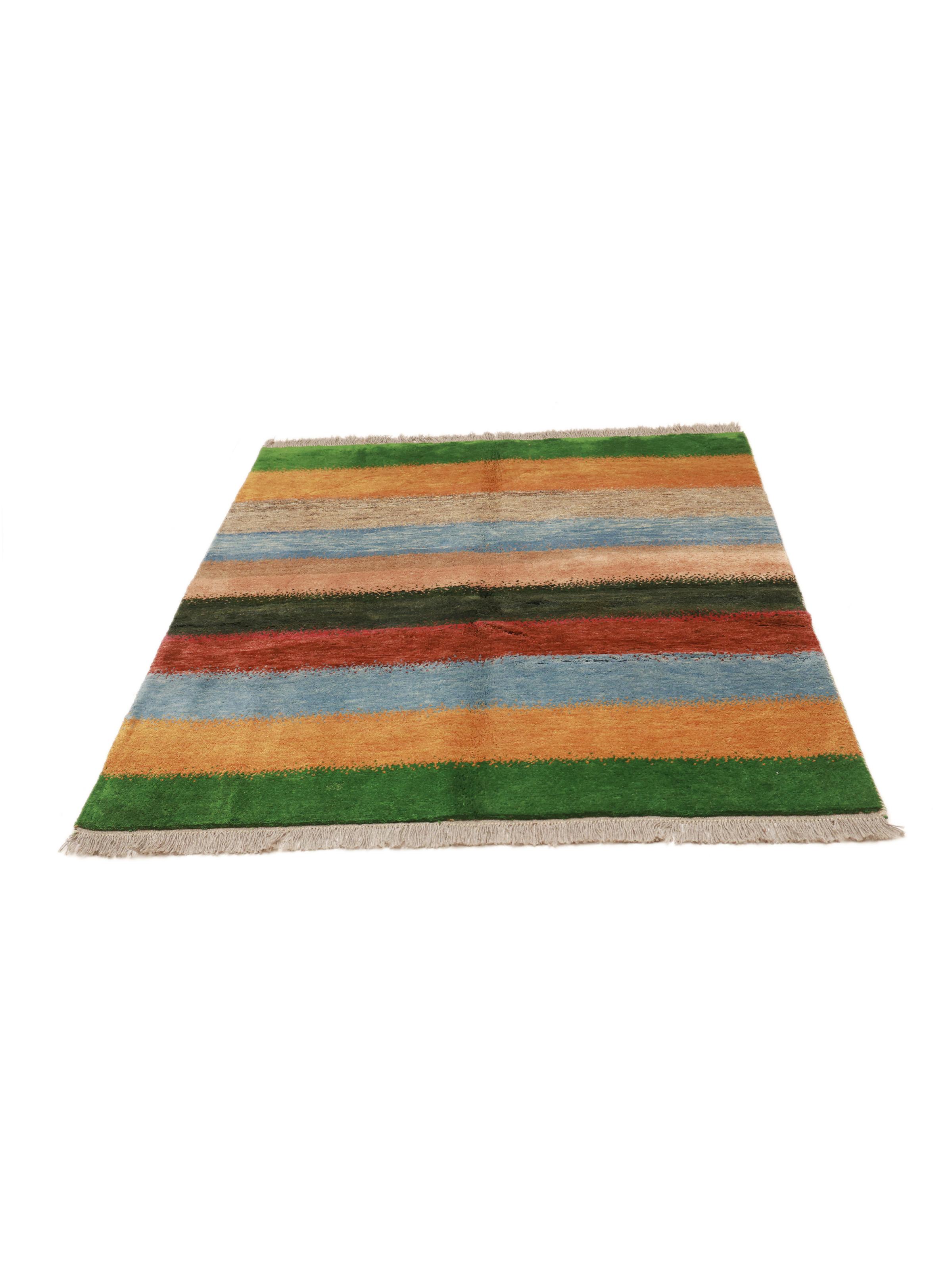
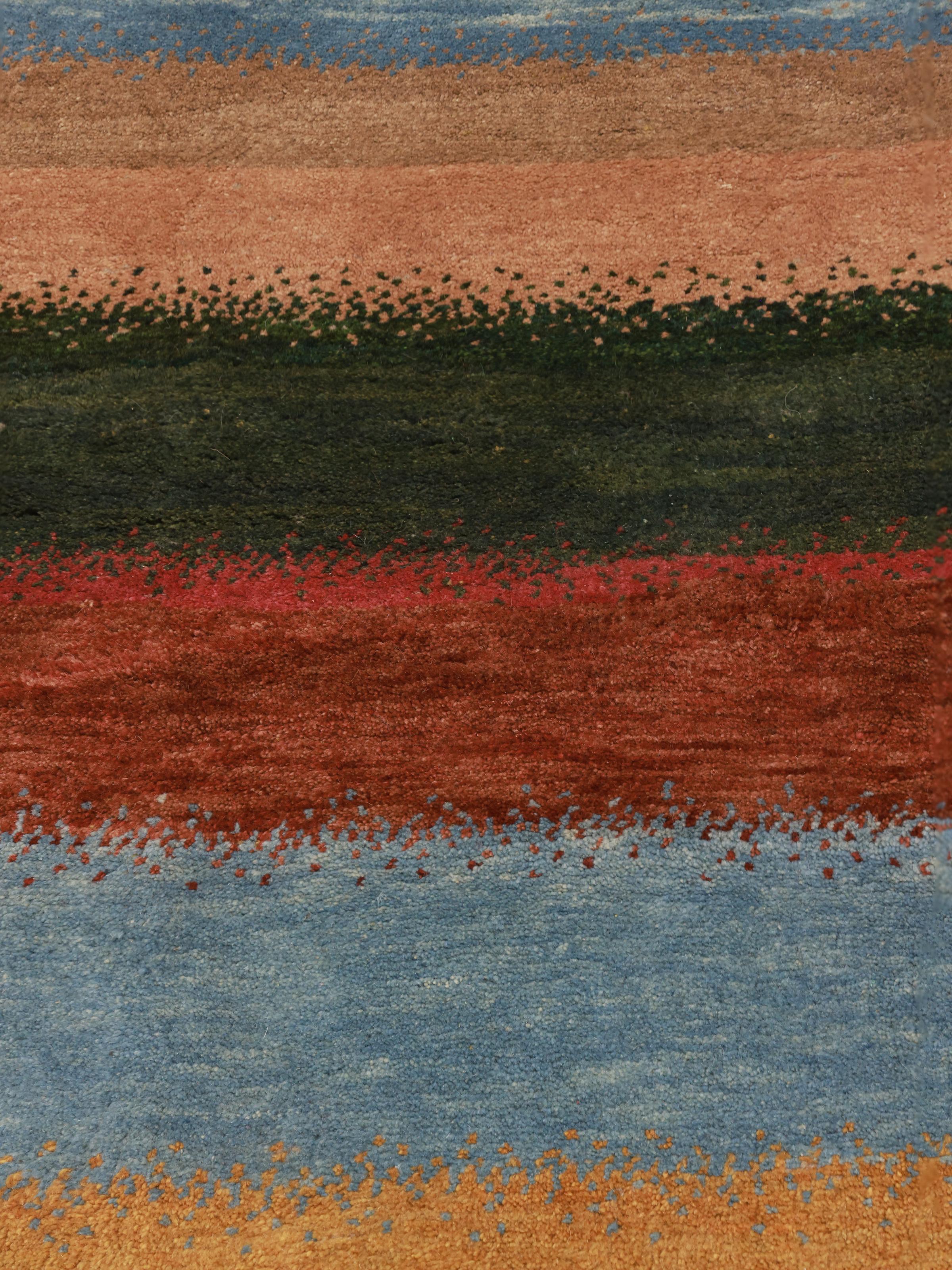
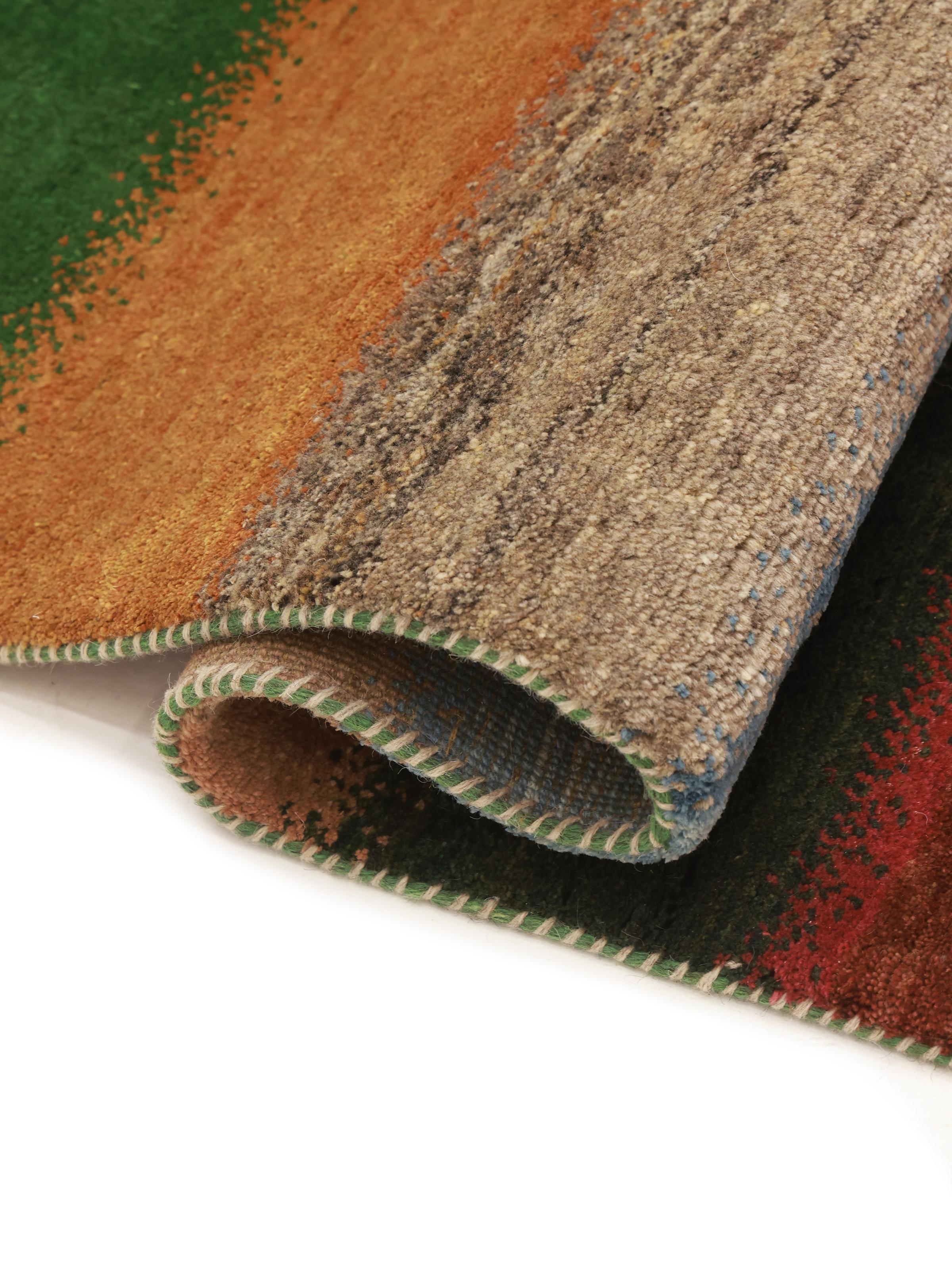
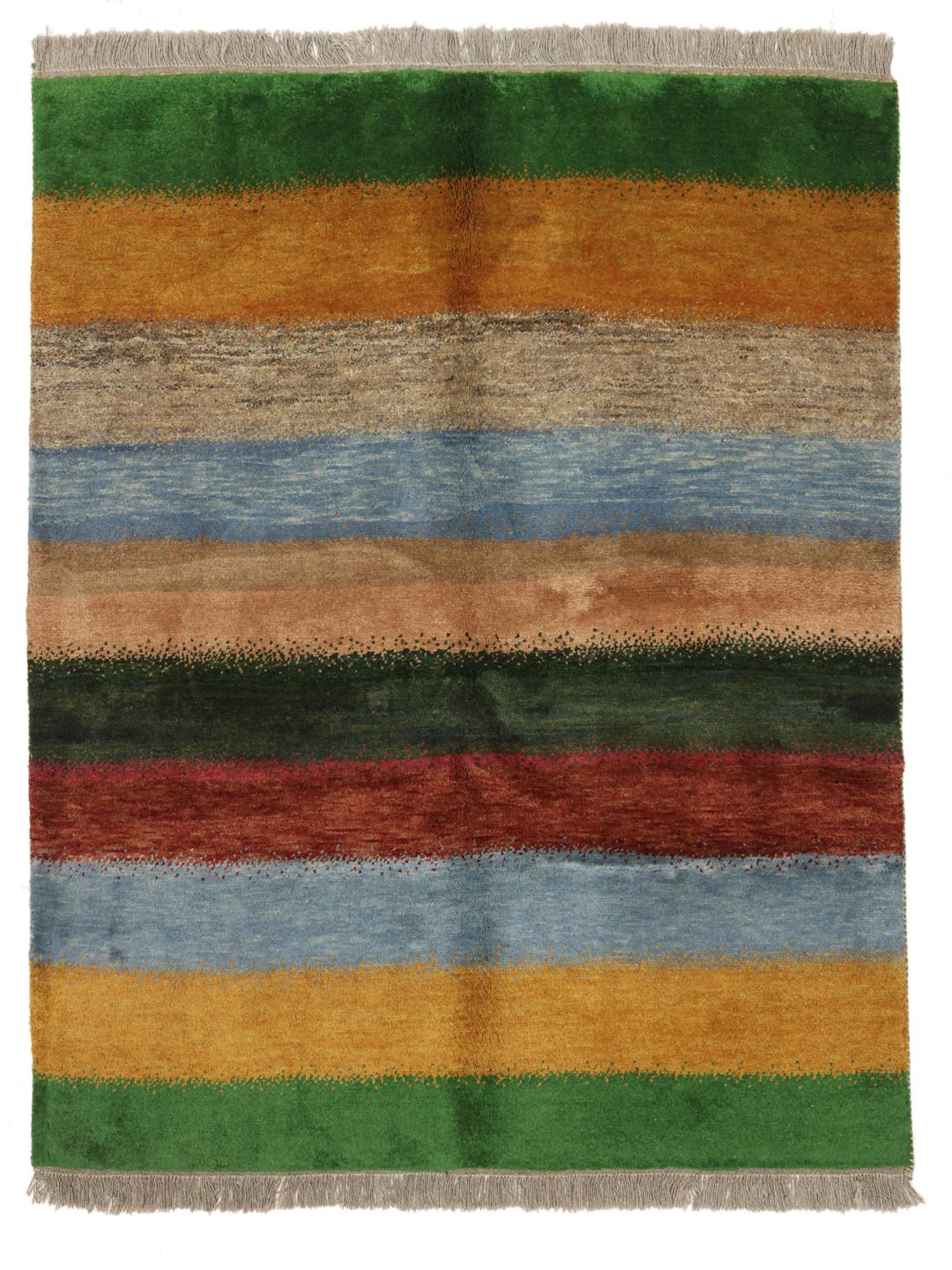
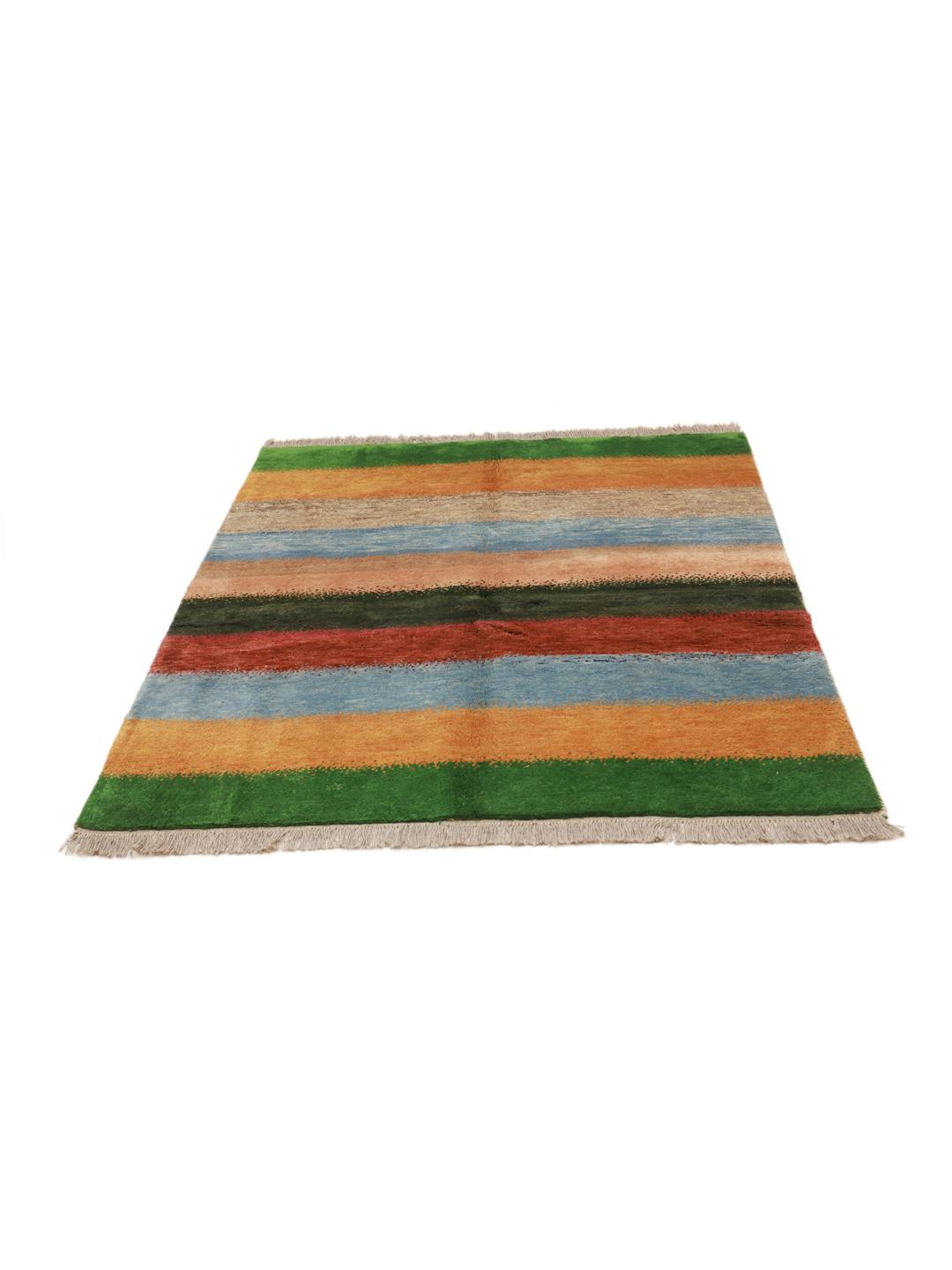
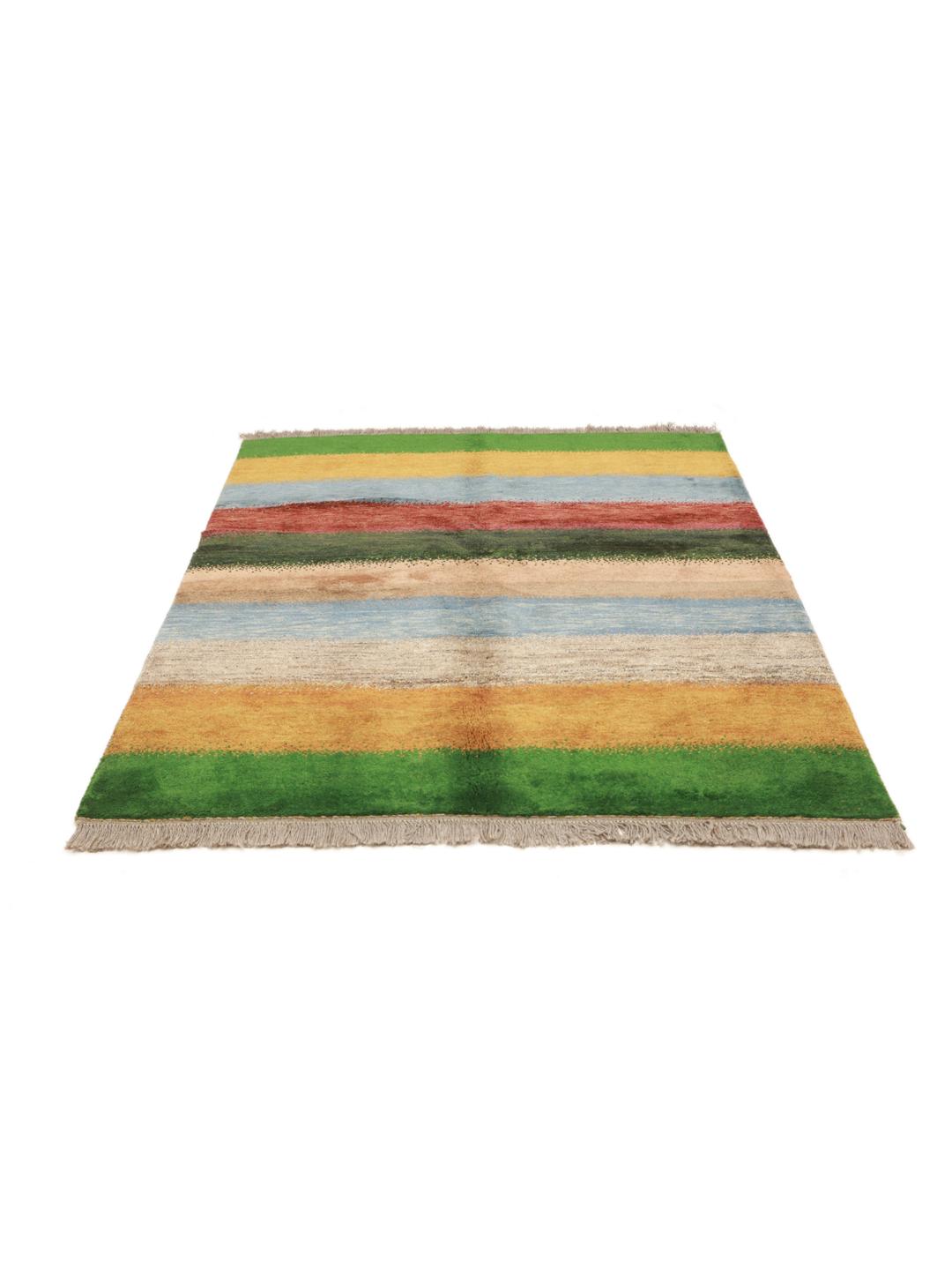
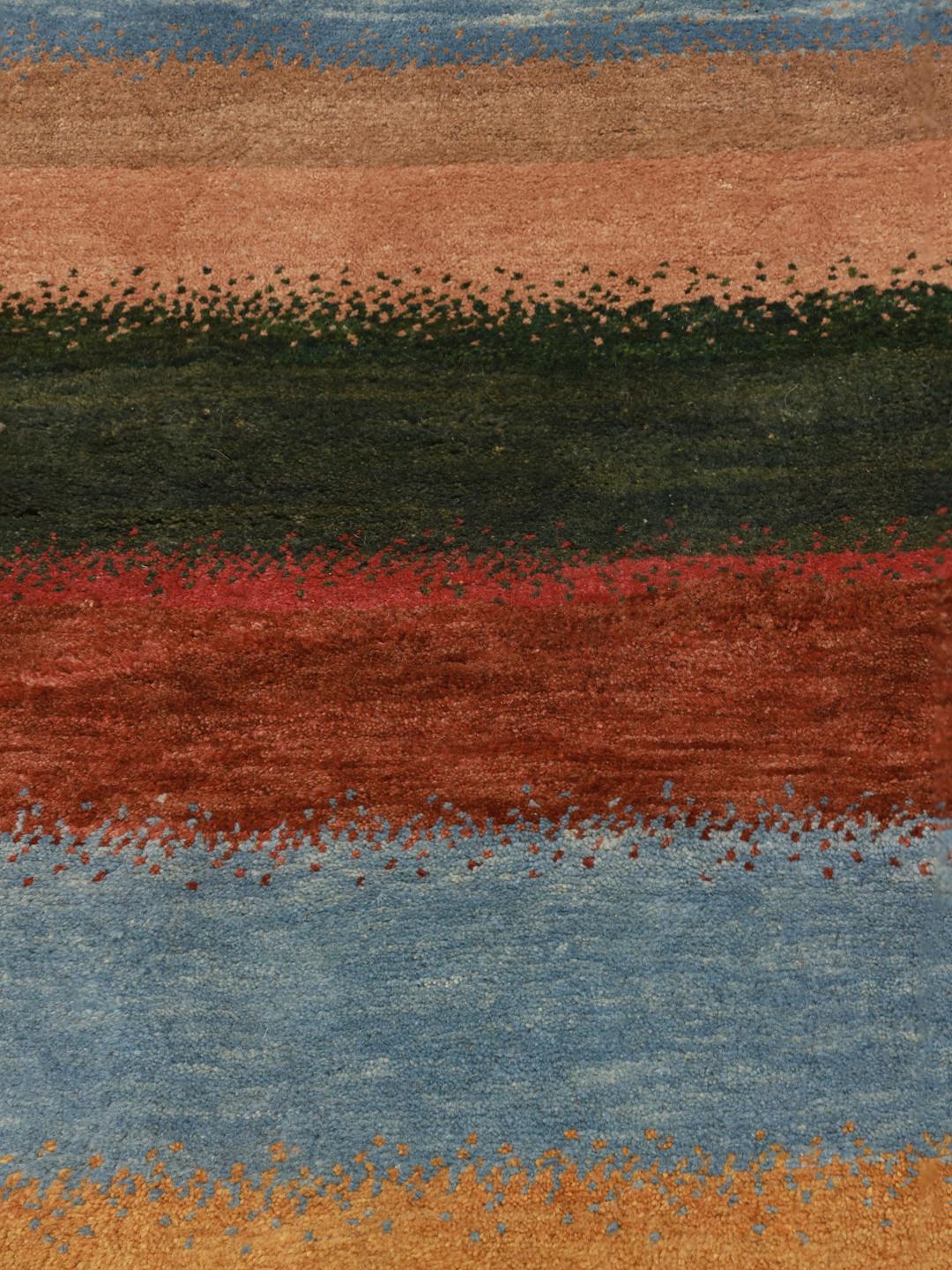
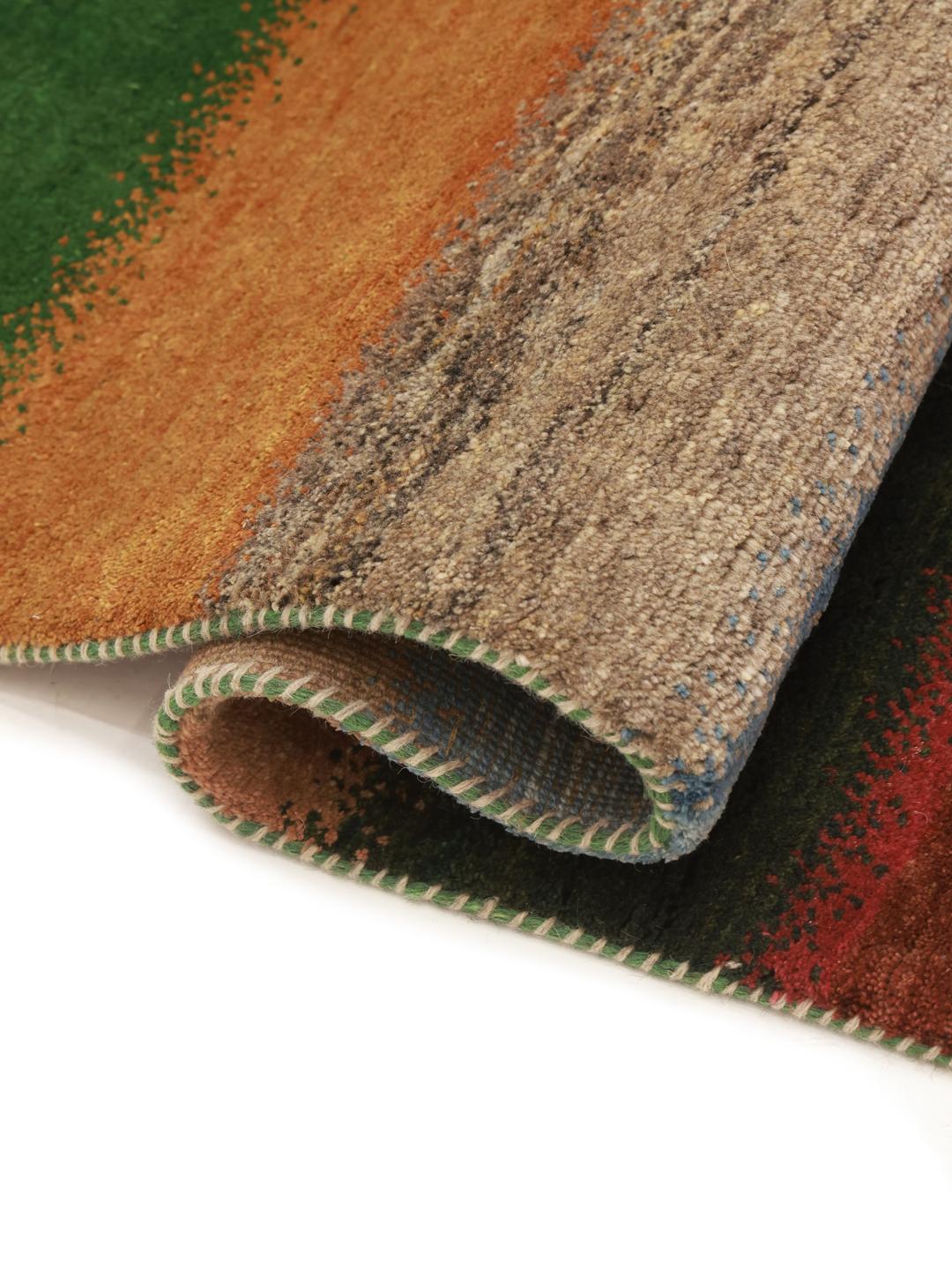
Signature design elements of traditional Gabbeh rugs often include large, open fields of colour and abstract, geometric motifs. While many older pieces were left in their natural, undyed Wool colours, modern iterations like this one often incorporate vibrant, hand-dyed palettes that pay homage to the rich landscape and tribal heritage of the region.
Owning a Gabbeh is a connection to a long-standing tradition of nomadic artistry. These rugs are highly valued by collectors for their simplicity, bold use of colour, and the human story woven into every thread. They are not merely floor coverings, but durable artefacts of a cultural legacy that prioritises both function and artistic expression.