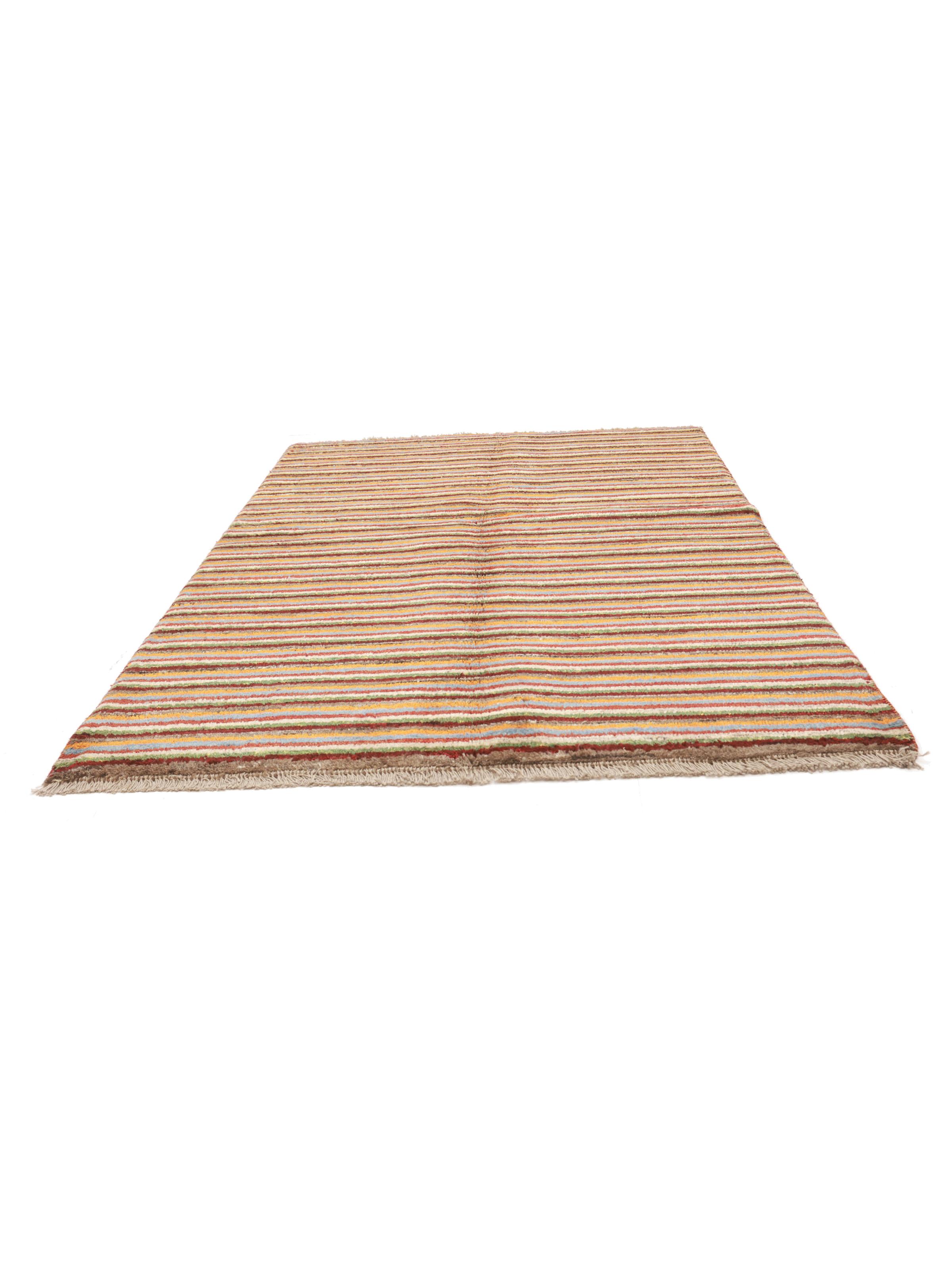
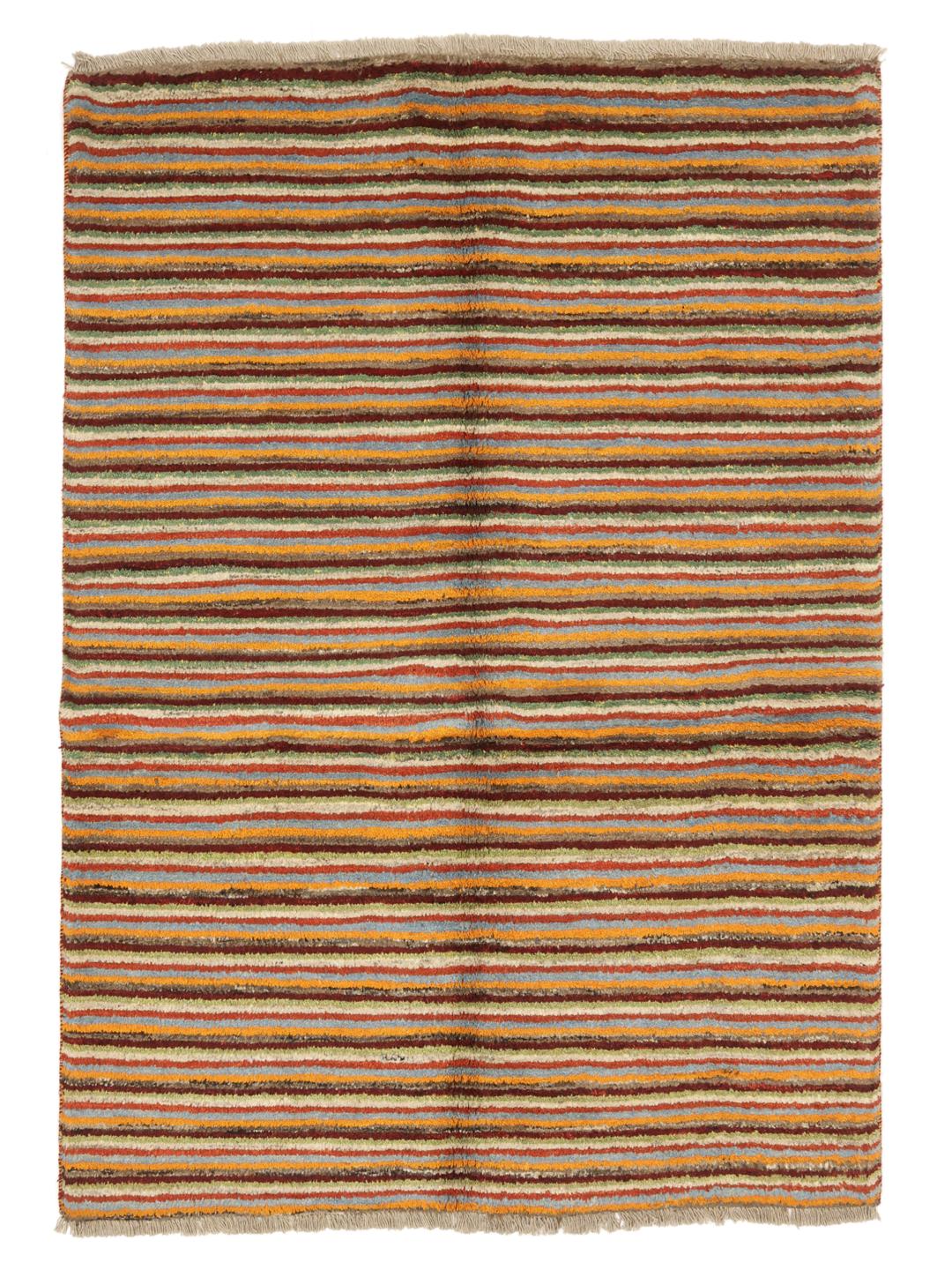
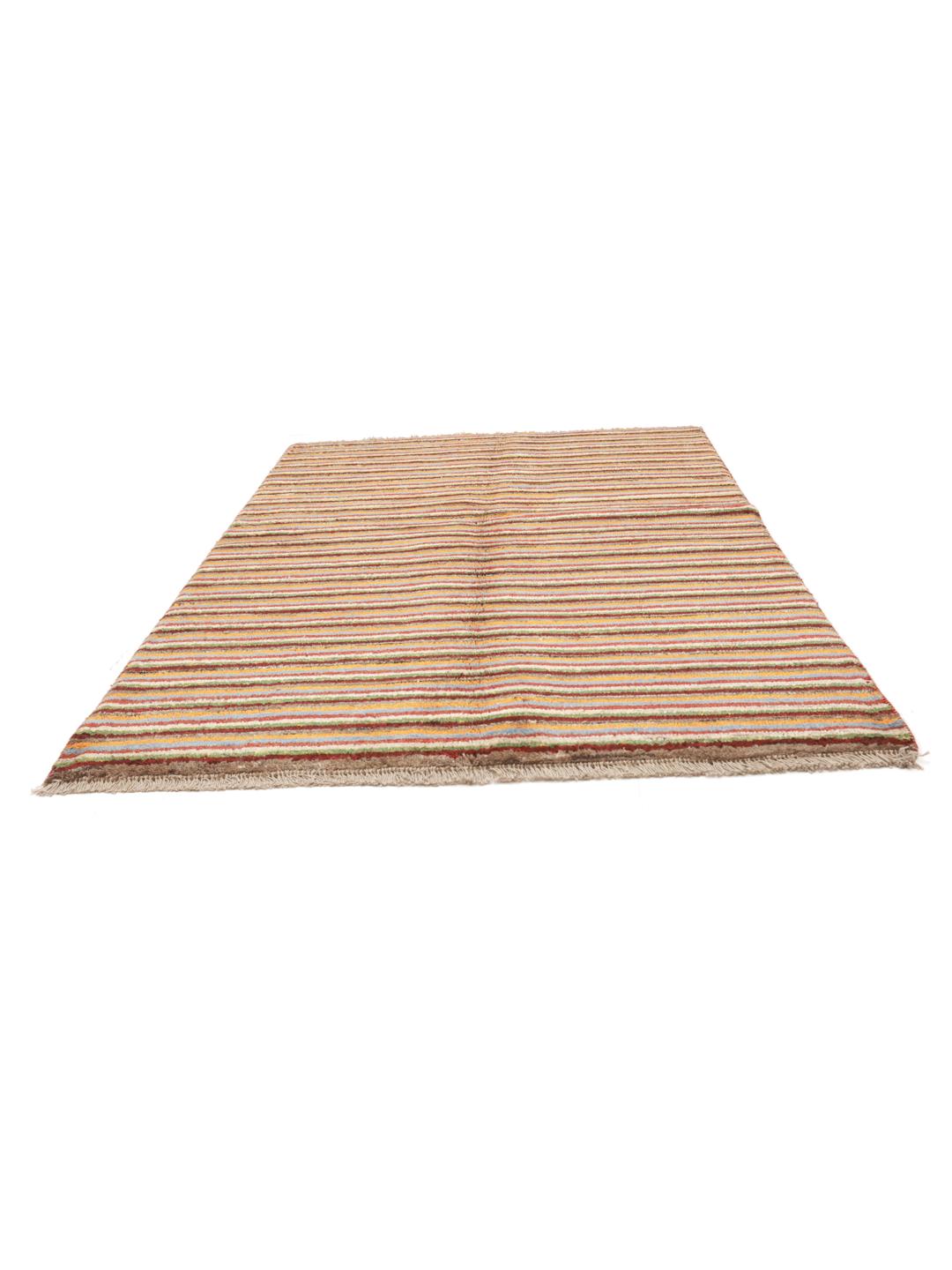
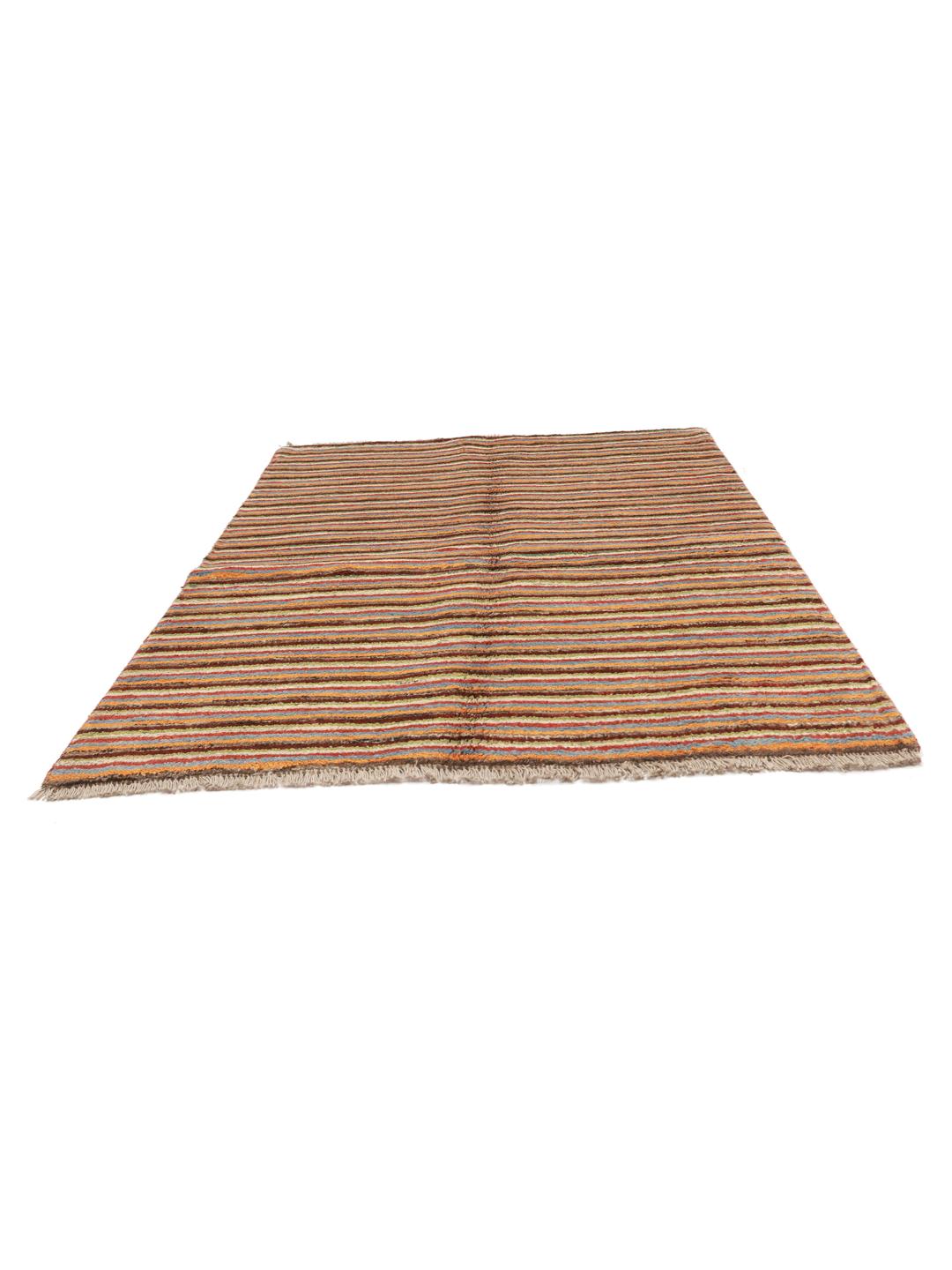
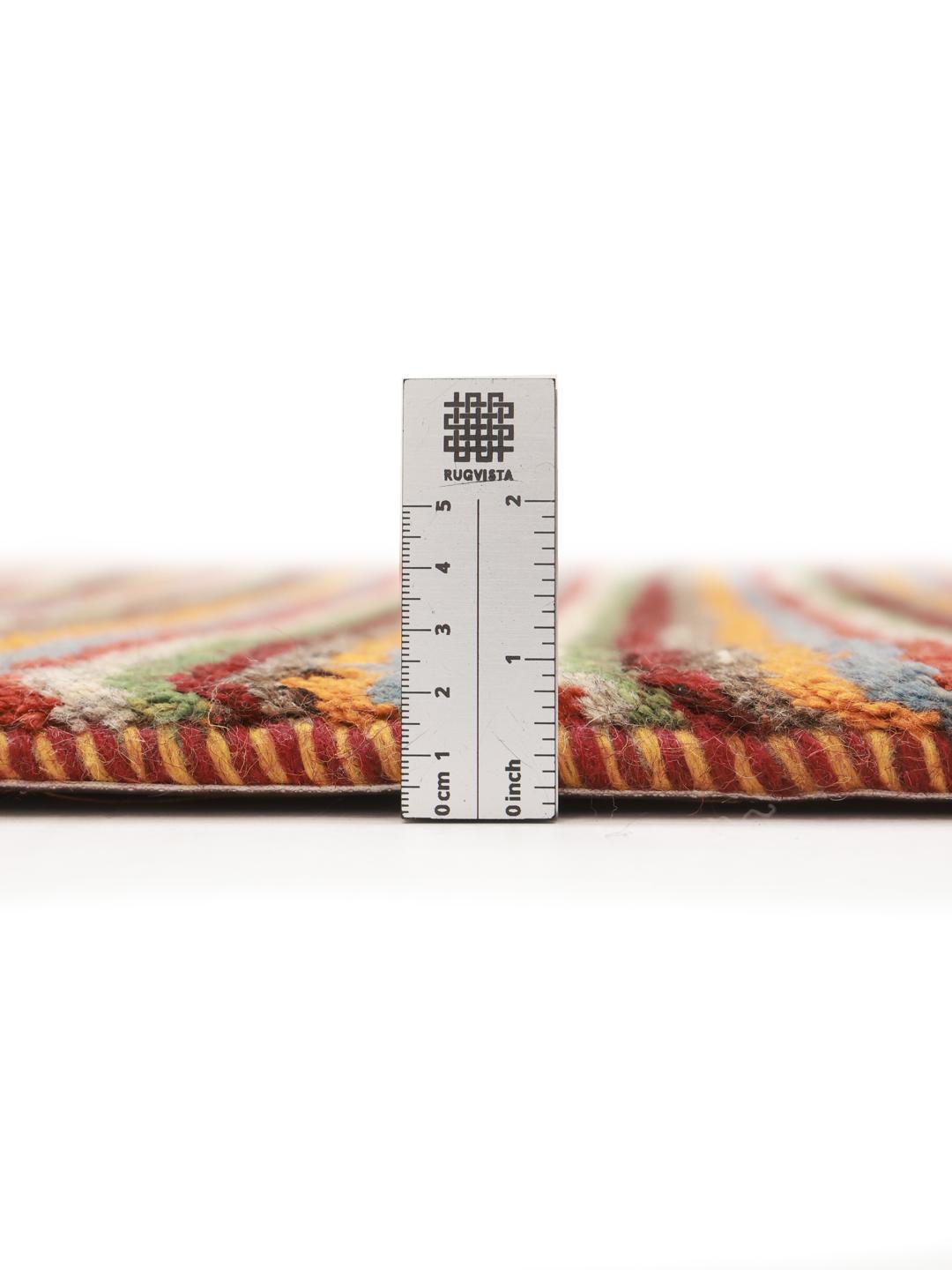
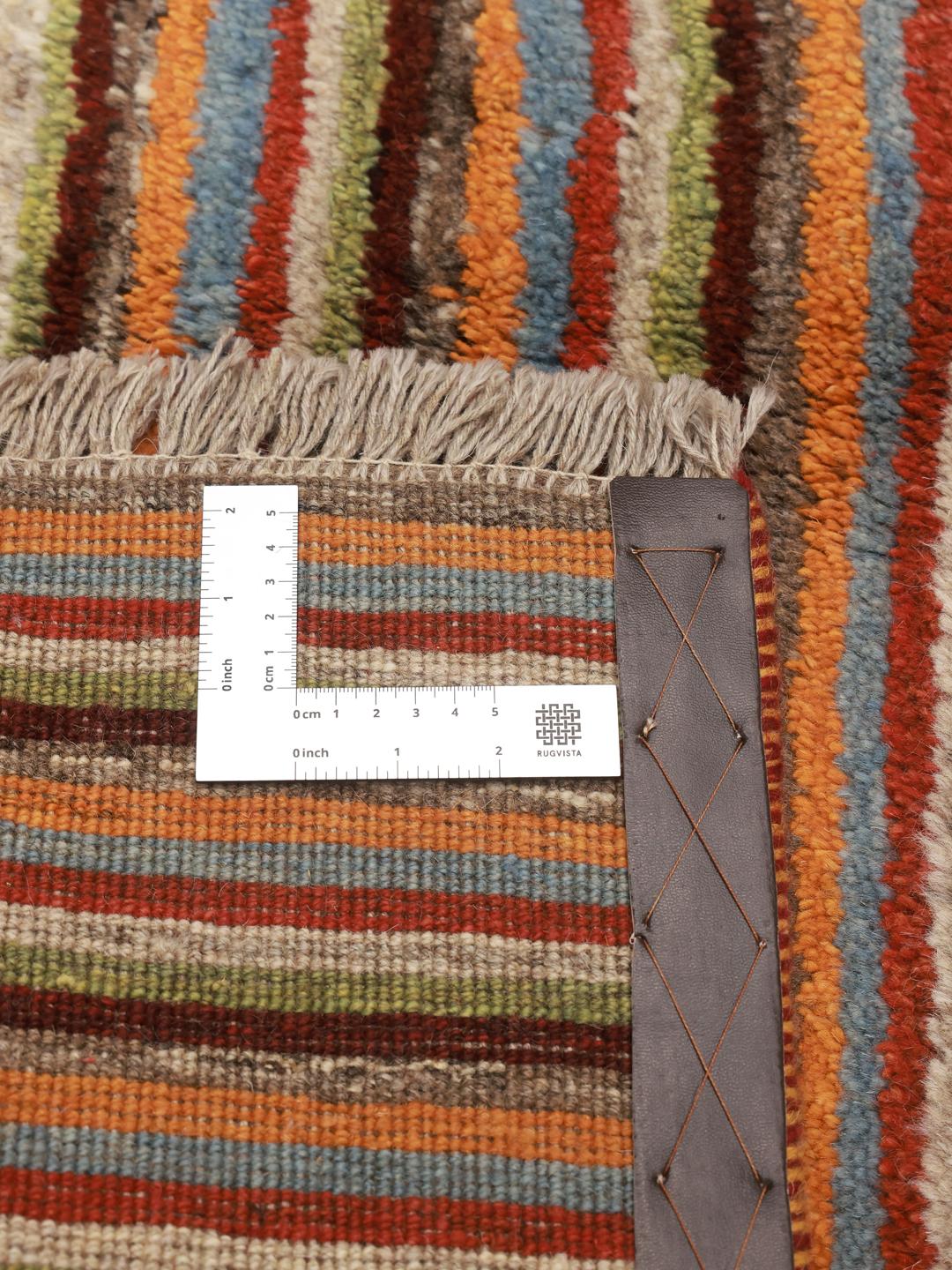
Gabbeh rugs originate from the nomadic tribes of the Middle East, specifically the Ghashgai and Luri peoples. Historically, these rugs were woven primarily for personal use within the home, intended to provide essential comfort and insulation against the cold floors of nomadic tents. Unlike more formal urban rugs, the Gabbeh was designed with a focus on utility and individual expression.
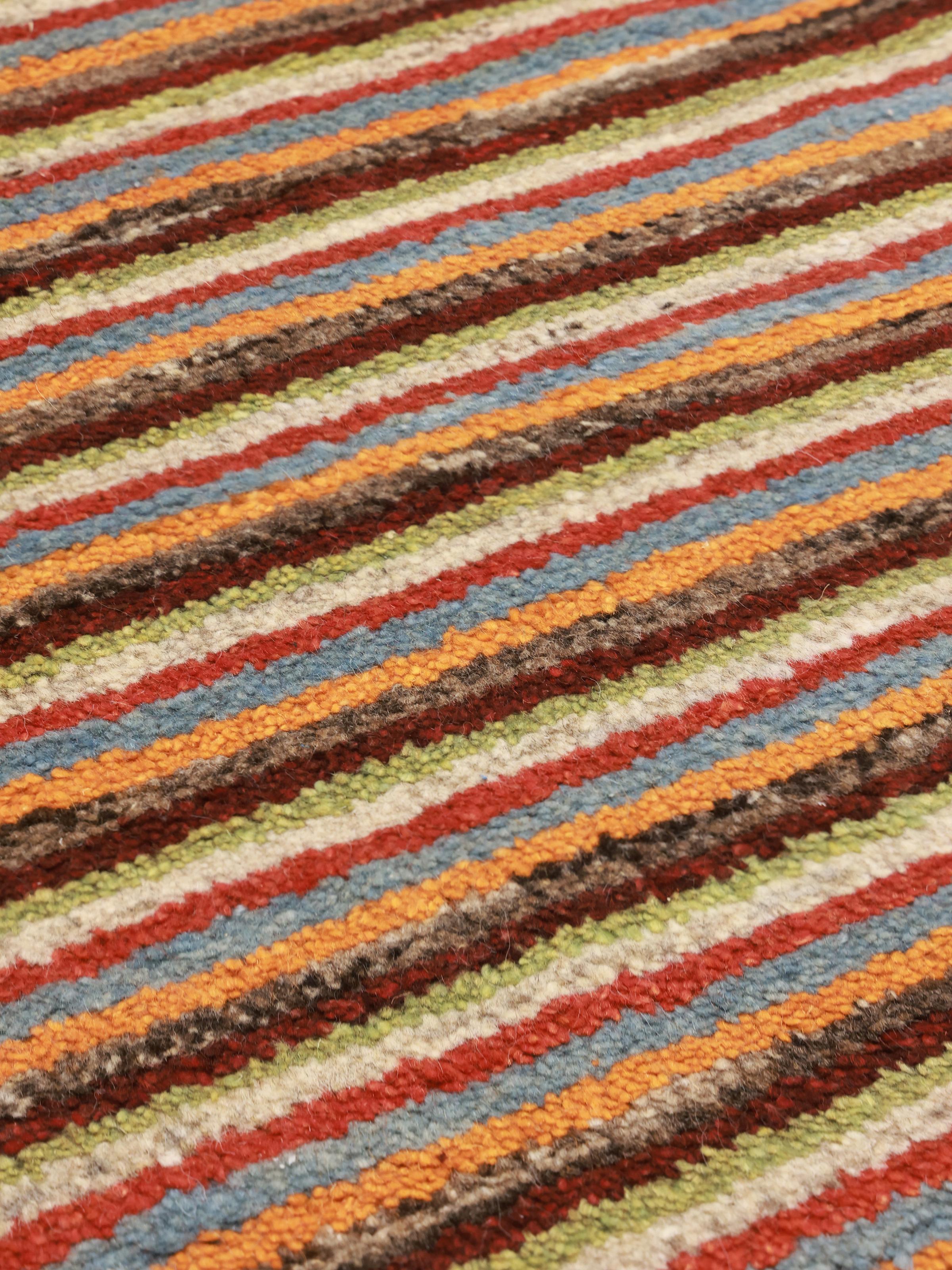
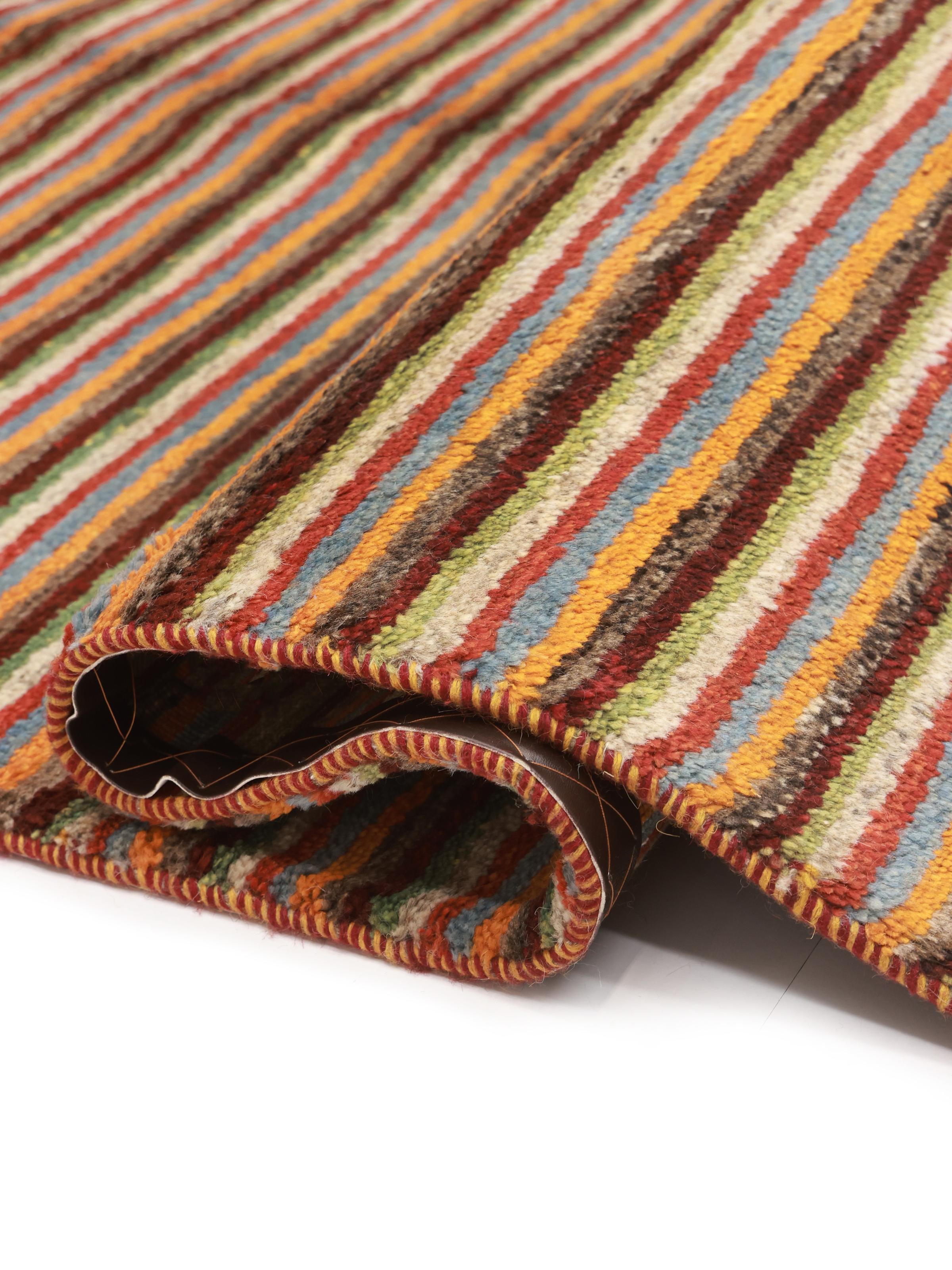
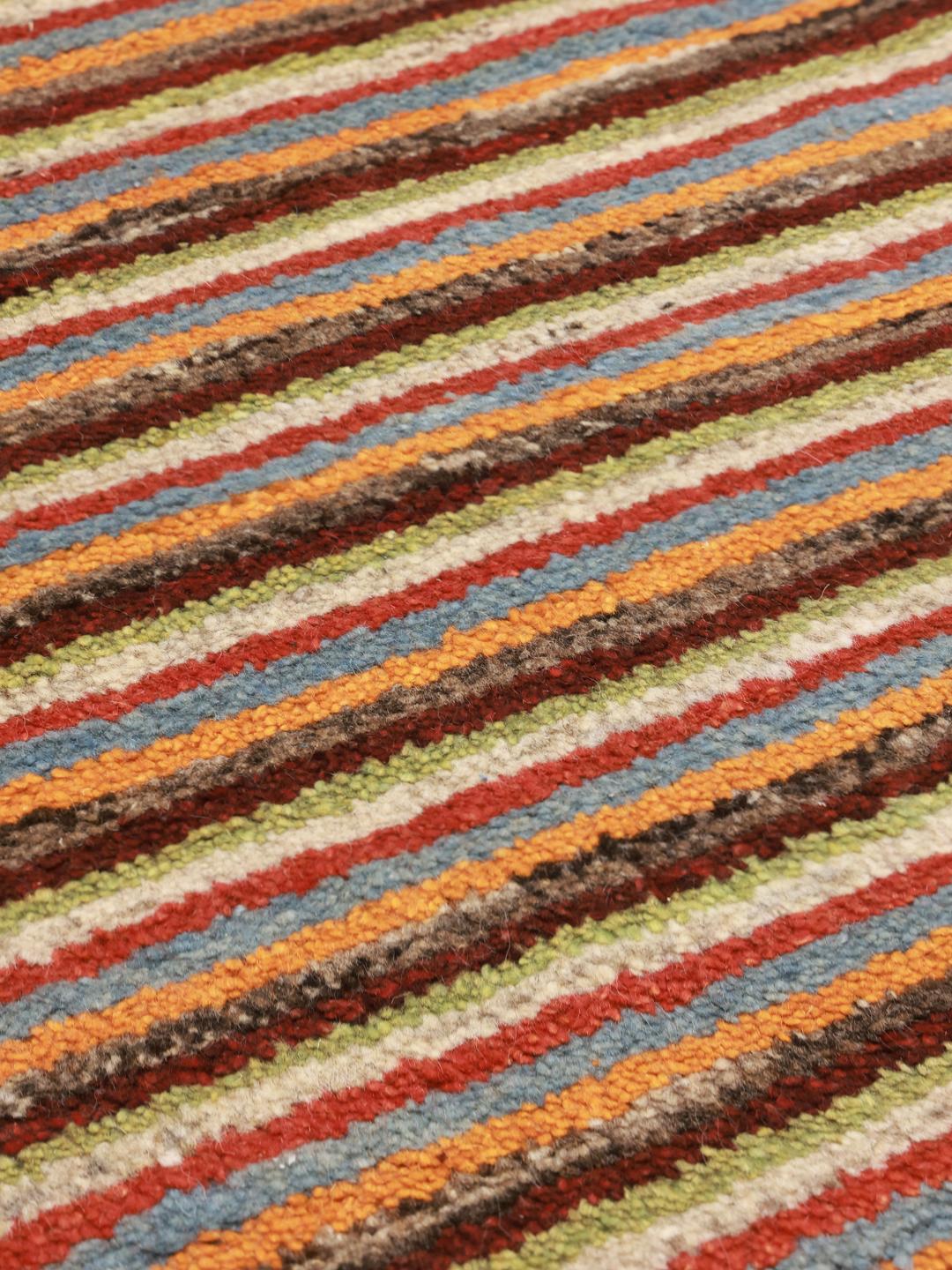
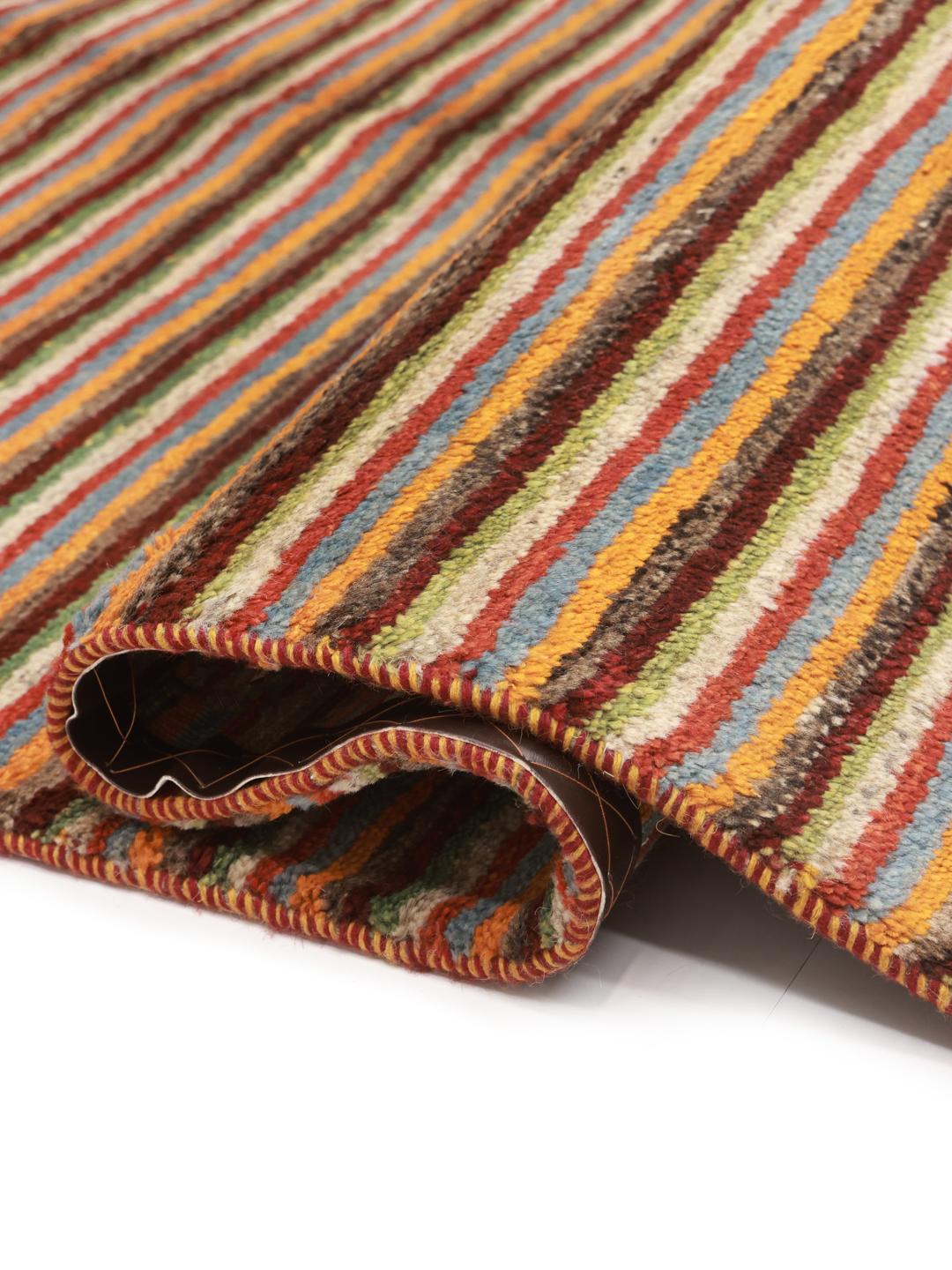
The term Gabbeh itself means raw, natural, or unclipped, which refers to the long, thick pile that characterises these pieces. This construction is highly functional, as the dense, deep wool pile provides superior warmth and durability, making it an ideal choice for the rugged, nomadic lifestyle where practicality was always a priority.
Design-wise, Gabbeh rugs are renowned for their artistic simplicity and bold use of colour. While many traditional rugs are defined by intricate, formal medallions and floral motifs, the Gabbeh is often celebrated for its abstract or geometric playfulness. The use of hand-spun, naturally dyed wool results in subtle colour variations across the surface, giving the rug a vibrant, organic quality that feels deeply connected to its environment.
Today, these rugs are highly valued by collectors for their authenticity and the honest, human touch of their creation. Owning a Gabbeh is an opportunity to connect with a rich tradition of nomadic artistry. It represents a history of resilience and creativity, offering a piece of cultural heritage that brings both warmth and character to the modern home.